Wednesday
June 17, 2026
Home Blog Page 3

How Artificial Intelligence Is Reshaping American Society?

By: Khushbu Ahlawat, Consulting Editor, GSDN
AI Reshaping American Society: Source Internet

America’s Uneasy Embrace of Artificial Intelligence

Artificial Intelligence (AI) is no longer a futuristic concept confined to science fiction or research laboratories. It has rapidly become an integral part of modern life, influencing how people work, learn, communicate, shop, consume information, and even receive medical care. From AI-powered recommendation systems on streaming platforms to generative AI chatbots transforming workplaces and classrooms, the technology has entered mainstream society at unprecedented speed.

Yet the rise of AI in the United States has produced a paradoxical public response. Americans increasingly use AI-driven technologies, but they remain deeply uncertain about the long-term implications of this transformation. The debate surrounding AI is no longer limited to technological advancement; it now touches economics, democracy, education, employment, ethics, public trust, and even human identity.

Recent surveys conducted by Pew Research Center reveal a striking reality: while Americans acknowledge the enormous potential of AI, they are more concerned than excited about its growing role in daily life. This caution reflects broader anxieties about job displacement, misinformation, surveillance, social isolation, declining creativity, and unequal access to technological benefits.

At the same time, AI’s expansion is reshaping global power dynamics. Governments and corporations are investing billions into AI development, viewing it as the defining technology of the 21st century. The competition between the United States and China over AI leadership increasingly resembles earlier geopolitical races over nuclear technology, space exploration, and the internet.

Against this backdrop, understanding how ordinary Americans perceive AI becomes critically important. Public trust, social acceptance, and democratic accountability will ultimately shape how AI evolves in society. The emerging picture is complex: enthusiasm exists, but so does fear; adoption is growing, but skepticism remains widespread.

The Rise of AI in Everyday American Life

Artificial intelligence has become embedded in everyday routines across the United States. Americans interact with AI through virtual assistants, navigation apps, streaming recommendations, facial recognition systems, automated customer service tools, and increasingly through generative AI platforms such as OpenAI’s ChatGPT. Public awareness of AI has expanded dramatically in recent years. Surveys show that nearly all Americans have heard about AI, while the proportion saying they have heard “a lot” about it has risen sharply since 2022. The explosive popularity of generative AI tools accelerated this awareness, making AI a mainstream cultural and political topic.

AI’s growing visibility is reflected in workplaces as well. A rising share of American workers now report using AI in their jobs. Businesses increasingly rely on AI for administrative automation, customer engagement, predictive analytics, cybersecurity, and productivity enhancement. Major corporations such as Microsoft, Google, and Meta are integrating AI into nearly every digital platform they operate. However, adoption remains uneven. Younger Americans are significantly more likely to use AI tools than older generations. Younger workers are also more likely to experiment with AI-driven productivity systems at work, reflecting generational differences in technological familiarity and adaptability. This rapid integration of AI into everyday life has transformed AI from a niche technological issue into a major societal question.

Fear versus Optimism: Why Americans Remain Cautious

Despite increased exposure to AI, public sentiment remains cautious. Surveys indicate that Americans are far more likely to feel concerned than excited about the increased use of AI in daily life. Several factors explain this apprehension.

First, many Americans fear losing control over decision-making processes increasingly delegated to algorithms. AI systems already influence hiring decisions, credit evaluations, policing tools, and online content moderation. The lack of transparency in these systems fuels concerns about accountability and fairness.

Second, AI-generated misinformation has emerged as a growing threat. Deepfake videos, synthetic voices, and AI-generated political propaganda raise fears about the erosion of truth in democratic societies. During recent election cycles globally, AI-generated misinformation campaigns demonstrated how rapidly false narratives can spread online.

Third, many Americans worry that AI may weaken human creativity and interpersonal relationships. Generative AI tools capable of producing essays, art, music, and videos have sparked debates about originality and authenticity. Critics argue that overreliance on AI could reduce critical thinking skills and diminish human creativity. These fears are amplified by the pace of technological change itself. Unlike previous industrial revolutions that unfolded over decades, AI is evolving at extraordinary speed, often outpacing regulation and public understanding.

AI and the Transformation of Work

Perhaps no issue generates more anxiety than AI’s impact on employment. Automation has historically replaced repetitive labor, but modern AI threatens to disrupt white-collar professions once considered secure. AI systems are increasingly capable of drafting legal documents, analyzing financial data, coding software, translating languages, and generating marketing content. Major firms across sectors have begun restructuring operations around AI integration. Companies in finance, media, consulting, customer service, and technology are reducing dependency on traditional labor through automation. At the same time, AI is also creating new economic opportunities. Demand for AI engineers, prompt specialists, data scientists, cybersecurity analysts, and AI ethicists has surged. Productivity gains from AI could boost economic growth and innovation. This duality creates uncertainty. Americans recognize that AI may improve efficiency but remain uncertain about whether the benefits will be distributed fairly. Lower-income workers fear displacement, while highly skilled professionals worry about long-term relevance. The challenge for policymakers is ensuring that AI-driven economic transformation does not deepen inequality.

The Numbers Behind the AI Revolution: Productivity, Investment, and Economic Disruption

The scale and speed of AI-driven transformation are reflected not only in public opinion but also in economic indicators, corporate investments, and labour-market projections. According to recent global industry estimates, worldwide AI investment surpassed hundreds of billions of dollars in 2025, with the United States accounting for the largest share of private-sector funding. Major technology companies such as Microsoft, Amazon, and Google have collectively invested tens of billions into generative AI infrastructure, cloud computing, and advanced semiconductor systems. At the center of this boom is the growing demand for high-performance AI chips produced by firms like NVIDIA, whose market valuation surged dramatically amid the AI race.

Labour-market forecasts further illustrate the disruptive potential of AI. Studies by international economic institutions suggest that automation and generative AI could affect nearly 40 percent of global jobs to varying degrees over the next decade. In the United States, white-collar professions once considered automation-resistant—including legal services, finance, media, customer support, and software development—are increasingly experiencing AI-assisted restructuring. Simultaneously, entirely new employment categories are emerging around AI governance, machine learning engineering, prompt design, and cybersecurity.

Productivity metrics also point toward a major economic shift. Early research indicates that AI-assisted workers in sectors such as customer service, programming, and content creation can improve productivity significantly, particularly among less-experienced employees. However, economists warn that these gains may be unevenly distributed, potentially widening income inequality if workforce reskilling and regulatory safeguards fail to keep pace. These data trends demonstrate that AI is not merely another technological innovation but a structural economic transformation capable of reshaping industries, labour systems, and global competitiveness simultaneously.

Education in the Age of AI

The rise of AI has profoundly disrupted educational systems. American schools and universities are grappling with the implications of AI chatbots capable of generating essays, solving assignments, and answering exam questions instantly. Many educators fear that AI-assisted cheating could undermine academic integrity. Surveys indicate that most American teens believe AI chatbot misuse is common in schools. Students increasingly use AI for summarizing texts, conducting research, generating content, and completing assignments. Yet AI also presents opportunities for education. Adaptive learning systems can personalize instruction, identify learning gaps, and assist students with disabilities. AI tutoring platforms may democratize access to high-quality education.

 The debate therefore centers not on whether AI should exist in classrooms, but how it should be governed responsibly. Educational institutions now face a fundamental challenge: preparing students for an AI-driven future while preserving critical thinking, originality, and intellectual independence.

Healthcare: The Area Where Americans See Promise

Among all sectors influenced by AI, healthcare generates the most optimism among Americans. AI applications in medicine are advancing rapidly. Hospitals increasingly use AI for diagnostics, predictive analytics, drug discovery, robotic surgery, and patient monitoring. AI systems can analyze medical scans with remarkable accuracy, assisting doctors in early disease detection. Recent breakthroughs in AI-assisted cancer diagnostics, personalized medicine, and pharmaceutical research have strengthened public confidence in AI’s medical potential. For example, AI-driven protein modeling systems have accelerated drug discovery timelines dramatically. Healthcare companies are also using AI to optimize hospital operations and reduce administrative burdens. Americans generally perceive healthcare AI as beneficial because it is associated with improved outcomes, efficiency, and lifesaving innovation. However, concerns remain regarding privacy, bias in medical algorithms, and unequal access to AI-powered healthcare technologies.

AI, Inequality, and Representation

Another major concern revolves around representation and fairness in AI systems. Many Americans believe AI developers do not adequately reflect diverse social experiences. Surveys indicate that the public perceives White and male perspectives as more represented in AI design than those of women or minority communities. This concern is significant because biased datasets can produce discriminatory outcomes in hiring systems, facial recognition software, policing tools, and lending algorithms. Several high-profile controversies have intensified these concerns. Facial recognition technologies have faced criticism for racial bias, while automated hiring systems have been accused of reproducing workplace discrimination. The debate over AI ethics increasingly centers on who designs AI, whose values shape algorithms, and who benefits from technological advancement. Without inclusive governance frameworks, AI risks amplifying existing inequalities rather than reducing them.

Children, Teenagers, and the AI Generation

AI adoption is beginning at remarkably young ages. Children increasingly interact with AI-powered assistants, smart devices, educational platforms, and recommendation systems. Teenagers are among the most active users of generative AI tools. This creates both opportunities and risks. On one hand, AI can enhance learning, creativity, accessibility, and digital literacy. On the other hand, excessive dependence on AI may affect attention spans, emotional development, and social interaction. Concerns are particularly strong regarding AI-generated misinformation, harmful content exposure, and emotional attachment to AI companions. As AI becomes embedded in childhood experiences, questions surrounding digital ethics, parental supervision, and educational responsibility become increasingly urgent.

The Political Battle over AI Regulation

The governance of AI has emerged as a major political issue in the United States. Americans remain divided on whether the government can regulate AI effectively. Trust levels vary sharply along partisan lines, reflecting broader political polarization. Democrats often emphasize ethical safeguards, privacy protections, labor concerns, and algorithmic accountability. Republicans generally place greater emphasis on innovation, competitiveness, and limiting regulatory barriers. Meanwhile, technology companies advocate flexible regulation to avoid slowing innovation. The absence of comprehensive federal AI legislation has created a fragmented regulatory environment. Some states have introduced AI-related laws, particularly concerning deepfakes, data privacy, and algorithmic transparency. Globally, the European Union has moved ahead with the AI Act, establishing stricter governance frameworks. This has increased pressure on Washington to develop a coherent national AI strategy.

AI and the Global Power Competition

AI is increasingly viewed as a strategic technology central to global power competition. The rivalry between the United States and China over semiconductor dominance, AI infrastructure, and advanced computing reflects broader geopolitical tensions. Governments view AI leadership as critical for economic competitiveness, military modernization, cybersecurity, and technological sovereignty. The United States retains major advantages through firms like NVIDIA, Google, and OpenAI. However, China’s state-driven AI investments and technological ambitions continue to challenge American dominance. This competition has significant implications for global governance, digital standards, and democratic values.

Can AI Be Trusted?

One of the defining questions of the AI era is trust. Americans increasingly interact with AI-generated content but remain uncertain about its reliability. Surveys show skepticism toward AI-generated news and information accuracy. This distrust is understandable. AI systems can hallucinate facts, reinforce misinformation, and generate convincing but false content. At the same time, excessive distrust may hinder beneficial innovation. The challenge lies in developing transparent, accountable, and human-centered AI systems capable of earning public confidence. Trust will depend not only on technological capability, but also on governance, ethics, transparency, and democratic oversight.

America at the Crossroads of the AI Revolution

Artificial intelligence represents one of the most transformative forces of the modern era. It promises extraordinary advances in healthcare, productivity, education, science, and communication. Yet it also raises profound concerns about inequality, misinformation, employment, democracy, and human identity. The American public’s cautious attitude toward AI reflects a deeper societal struggle to reconcile technological innovation with ethical responsibility. Unlike previous technological revolutions, AI directly engages with cognition, creativity, and decision-making—the very qualities traditionally associated with human uniqueness. This explains why debates surrounding AI are often emotional, philosophical, and political rather than merely technical. The future of AI in America will ultimately depend on balancing innovation with accountability. Governments, corporations, educators, and civil society must work together to ensure that AI enhances human potential rather than undermining it. The AI revolution is no longer approaching—it has already arrived. The real question is whether societies can govern it wisely before technological acceleration outpaces democratic control.

About the Author

Khushbu Ahlawat is a research analyst with a strong academic background in International Relations and Political Science. She has undertaken research projects at Jawaharlal Nehru University, contributing to analytical work on international and regional security issues. Alongside her research experience, she has professional exposure to Human Resources, with involvement in talent acquisition and organizational operations. She holds a Master’s degree in International Relations from Christ University, Bangalore, and a Bachelor’s degree in Political Science from the University of Delhi.

Cooling the Concrete: Reimagining Urban India through Water-Sensitive Heat Governance

By: Khushbu Ahlawat, Consulting Editor, GSDN

Water-Sensitive Heat Governance: Source Internet

Introduction: Cities Under Siege from Rising Heat

India’s urban landscape is entering a dangerous climatic phase. What was once considered peak summer heat is now arriving earlier, lasting longer, and intensifying in magnitude. The early heatwave alerts in cities like Mumbai—with temperatures touching 40°C as early as March—are no longer anomalies but indicators of a structural climatic shift. Across the country, from Delhi to Ahmedabad, heatwaves are becoming more frequent, prolonged, and deadly.

This phenomenon is deeply intertwined with the Urban Heat Island Effect, where dense built environments trap heat due to concrete surfaces, reduced vegetation, and anthropogenic emissions. Globally, cities are warming nearly twice as fast as rural areas, and India is no exception. The consequences are severe: heat is now one of the leading causes of climate-related mortality, with estimates suggesting thousands of excess deaths daily during extreme heat events in India.

Yet, the crisis is not merely environmental—it is profoundly social. The burden of heat is unevenly distributed, disproportionately affecting the urban poor, informal workers, and those without access to cooling technologies. As India urbanises rapidly, the challenge is not just to cool cities, but to do so equitably and sustainably.

The Inequality of Cooling: Why Technology Alone Cannot Save Cities

The dominant response to rising urban heat has been technological—primarily through the proliferation of air conditioning. However, this solution is deeply flawed. Only about a quarter of India’s population has access to air conditioning, leaving vast sections exposed to extreme heat. Moreover, air conditioners exacerbate the problem by releasing heat into the surrounding environment, intensifying outdoor temperatures. This creates a paradox: the more we cool indoors, the hotter cities become outdoors. The result is a fragmented thermal geography—air-conditioned enclaves for the privileged and heat-stressed environments for the rest. In cities like Hyderabad and Chennai, this divide is becoming increasingly visible. Energy consumption adds another layer of concern. Cooling appliances already account for a significant share of global electricity use, and this demand is projected to rise sharply. For low-income households, the cost of electricity for cooling can consume a substantial portion of their income, further entrenching inequality. Thus, relying solely on mechanical cooling is neither socially just nor environmentally sustainable. A paradigm shift is needed—one that prioritises nature-based solutions and rethinks the very design of urban spaces.

Urban Water Bodies: Nature’s Cooling Infrastructure

Urban water bodies—lakes, ponds, wetlands, and rivers—offer a powerful yet underutilised solution to urban heat. Through evaporative cooling, these systems can significantly reduce surrounding temperatures, often by 2–3°C or more. Their cooling effect can extend across hundreds of meters, creating microclimates that enhance thermal comfort. Beyond temperature regulation, water bodies provide multiple ecosystem services. They recharge groundwater, support biodiversity, improve air quality, and act as buffers against flooding. In essence, they are multifunctional climate infrastructures. However, the reality in Indian cities is starkly different. According to recent data, while India has over 2.4 million water bodies, only a small fraction exists in urban areas—and many of these are degraded. Pollution, encroachment, and poor management have rendered them ecologically dysfunctional. Take the example of the Mithi River, which continues to suffer from untreated sewage and industrial discharge despite repeated restoration efforts. Similarly, the Mula-Mutha River faces high levels of pollution, undermining its ecological and climatic role.The loss of water bodies is even more alarming in cities like Bengaluru, where rapid urbanisation has led to the disappearance of nearly 79 percent of its lakes over the past few decades. This has not only increased temperatures but also reduced the city’s resilience to floods and droughts.

The Data Behind Urban Heat: Trends, Projections, and Urgency

Empirical evidence underscores the accelerating severity of urban heat stress and the urgency of integrating water-sensitive planning into city design. According to the India Meteorological Department, the frequency of heatwave days in India has increased by over 30 percent in the past decade, with cities in western and northwestern regions experiencing earlier onset and longer duration of extreme heat events. Satellite-based land surface temperature data further reveal that urban hotspots in cities like Delhi, Ahmedabad, and Nagpur routinely record temperatures 5–7°C higher than their rural surroundings during peak summer months.

Projections by global climate models suggest that by 2050, nearly 70 percent of India’s urban population could be exposed to extreme heat conditions, with wet-bulb temperatures approaching dangerous thresholds for human survival in some regions. At the same time, urban expansion is expected to double built-up areas, further intensifying the Urban Heat Island Effect. The loss of blue-green infrastructure compounds this challenge: studies indicate that cities with less than 10 percent surface water and green cover experience disproportionately higher heat retention and slower nighttime cooling rates.

Economic data adds another dimension to this crisis. Heat stress is projected to reduce India’s working hours by up to 5.8 percent by 2030, particularly affecting outdoor labour sectors such as construction and agriculture. This could translate into billions of dollars in productivity losses annually. Taken together, these data points highlight that urban heat is not just an environmental concern but a systemic risk—impacting public health, economic productivity, and urban livability—thereby necessitating urgent, data-driven, and ecologically grounded policy interventions.

The Cost of Concretisation: When Development Undermines Ecology

Urban development in India has often prioritised real estate value over ecological sustainability. Wetlands and low-lying areas—once natural water retention zones—are frequently reclaimed for construction. This has disrupted natural hydrological systems, leading to higher surface temperatures and increased vulnerability to climate extremes.

Even when water bodies are “restored,” the approach is often misguided. Projects involving concretisation, fencing, and beautification may enhance aesthetics but undermine ecological functionality. The case of Durgam Cheruvu Lake illustrates this dilemma. While visually appealing, such interventions can restrict natural water flows, reduce biodiversity, and increase heat absorption.

This reflects a deeper governance issue: water bodies are not valued for their ecosystem services. Instead, they are treated as land assets to be developed or beautified. This approach not only diminishes their cooling potential but also exacerbates the urban heat crisis.

Rethinking Urban Planning: Integrating Water into Heat Governance

Addressing urban heat requires moving beyond reactive measures—such as heat alerts and emergency responses—to proactive, structural interventions. This calls for integrating water bodies into urban planning as core climate infrastructure. Water-Sensitive Urban Design (WSUD) offers a promising framework. By treating water as a central element of urban form, WSUD integrates natural hydrology into city planning. This includes preserving drainage channels, creating buffer zones around water bodies, and linking them with green spaces to form blue-green corridors. Cities like Medellín have successfully implemented such strategies, reducing urban temperatures through interconnected green and water systems. Similarly, the restoration of Cheonggyecheon Stream has significantly lowered local temperatures while revitalising urban ecosystems. In India, integrating such approaches into master plans, zoning regulations, and environmental clearances is essential. Measurable indicators—such as minimum blue-green coverage and heat vulnerability mapping—must guide planning decisions.

Multi-Scale Interventions: From Neighborhoods to Cities

Effective heat mitigation requires interventions at multiple scales. At the neighborhood level, small water bodies, stepwells, and ponds can create localised cooling zones. When combined with tree cover, shaded streets, and permeable surfaces, these interventions can significantly improve thermal comfort. At the city level, large-scale planning must focus on creating interconnected networks of water bodies and green spaces. These networks enhance air circulation, reduce heat retention, and improve resilience to climate shocks. Peri-urban areas also play a critical role. Protecting wetlands, floodplains, and natural drainage systems can provide cooling benefits while supporting urban expansion sustainably. However, these areas are often the first to be encroached upon, highlighting the need for stronger regulatory frameworks.

Institutional Innovation: Governing Heat as a Public Policy Priority

Urban heat governance in India remains fragmented, with responsibilities spread across multiple agencies. To address this, cities must adopt dedicated institutional mechanisms. Global examples offer valuable lessons. Cities like Phoenix and Miami-Dade have established offices focused on heat management, including the appointment of Chief Heat Officers. These roles ensure that heat considerations are integrated across sectors—from urban planning to public health. Indian cities can adopt similar approaches, embedding heat governance into building codes, transport planning, and land-use policies. This requires not just technical solutions, but political will and institutional coordination.

Financing and Implementation Gaps: Bridging Policy with Practice

While the policy discourse around water-sensitive urban planning and heat mitigation is gaining traction, a critical challenge lies in translating these ideas into actionable and scalable interventions. One of the primary constraints is the lack of dedicated financing mechanisms for blue-green infrastructure. Urban local bodies in India often operate under severe fiscal stress, relying heavily on state and central transfers, which limits their capacity to invest in long-term ecological restoration projects. Unlike conventional infrastructure—such as roads or buildings—water bodies and ecological systems are rarely monetised, making them less attractive for both public and private investment.

Existing funding frameworks, including schemes like AMRUT (Atal Mission for Rejuvenation and Urban Transformation) and Smart Cities Mission, have incorporated elements of water management, but their focus has largely been on service delivery rather than ecological functionality. As a result, projects tend to prioritise visible, short-term outcomes over systemic, long-term resilience. For instance, lakefront development projects often receive funding for beautification and tourism infrastructure but not for restoring natural hydrological flows or improving water quality.

To bridge this gap, cities must explore innovative financing models. Public-private partnerships (PPPs), climate finance instruments, and green bonds can be leveraged to fund restoration and maintenance of urban water bodies. International climate funds and multilateral development banks are increasingly supporting nature-based solutions, providing an opportunity for Indian cities to access global capital. Additionally, integrating ecosystem services into economic valuation frameworks can help quantify the benefits of water bodies—such as reduced healthcare costs, improved productivity, and flood mitigation—thereby strengthening the case for investment.

Implementation challenges also stem from fragmented governance structures. Multiple agencies—ranging from municipal corporations to development authorities and environmental regulators—often have overlapping jurisdictions, leading to coordination failures. Establishing unified governance frameworks, supported by data-driven monitoring systems and clear accountability mechanisms, is essential.

Ultimately, bridging the gap between policy intent and on-ground action requires aligning financial incentives, institutional capacity, and governance structures. Without this alignment, even the most well-conceived strategies for urban heat mitigation risk remaining confined to policy documents rather than transforming the lived realities of cities.

Data, Monitoring, and the Role of Smart Governance

An equally important dimension in operationalising water-sensitive heat governance is the integration of data, monitoring systems, and smart technologies. Effective urban heat mitigation requires granular, real-time data on temperature variations, land surface characteristics, waterbody health, and population vulnerability. Indian cities are still at a nascent stage in developing such integrated data ecosystems. While some cities have begun deploying heat action plans, these often lack spatial precision and continuous monitoring mechanisms.

Emerging technologies such as remote sensing, GIS-based heat mapping, and IoT-enabled environmental sensors can significantly enhance decision-making. For instance, ward-level heat vulnerability maps can help identify hotspots where interventions such as waterbody restoration, tree plantation, or shaded infrastructure are most urgently needed. Similarly, continuous monitoring of water quality and levels can ensure that restored water bodies remain ecologically functional and capable of delivering cooling benefits.

Institutionalising open data platforms can further improve transparency and public participation. When citizens, researchers, and policymakers have access to real-time environmental data, it fosters accountability and encourages collaborative problem-solving. Ultimately, embedding data-driven governance into urban planning processes will ensure that heat mitigation strategies are not only well-designed but also adaptive, measurable, and responsive to evolving climate realities.

Equity and Climate Justice: Centering the Vulnerable

At its core, the urban heat crisis is an issue of equity. The most vulnerable populations—informal workers, slum dwellers, and those without access to cooling—bear the brunt of rising temperatures. Nature-based solutions, such as restoring water bodies, offer a more equitable approach. Unlike air conditioning, which benefits individuals, these interventions provide collective cooling benefits. They transform cities into shared spaces of resilience, rather than fragmented zones of privilege. Policies must therefore prioritise vulnerable communities, ensuring that cooling interventions are accessible and inclusive. This includes investing in public spaces, improving housing conditions, and providing shaded work environments.

Conclusion: Toward Climate-Resilient Urban Futures

India’s urban heat crisis is a defining challenge of the 21st century. It demands a fundamental rethinking of how cities are designed, governed, and lived in. Water bodies—often overlooked and undervalued—hold the key to this transformation. By integrating water-sensitive planning into urban governance, India can move toward a model of development that is not only sustainable but also equitable. This requires protecting and restoring natural systems, embedding them into planning frameworks, and recognising their value as climate infrastructure.The path forward is complex, but the stakes are high. As cities continue to expand and temperatures rise, the choice is clear: adapt intelligently or face escalating crises. In embracing water-sensitive urban design, India has the opportunity to lead by example—demonstrating that ecological wisdom and urban growth can go hand in hand.

About the Author

Khushbu Ahlawat is a research analyst with a strong academic background in International Relations and Political Science. She has undertaken research projects at Jawaharlal Nehru University, contributing to analytical work on international and regional security issues. Alongside her research experience, she has professional exposure to Human Resources, with involvement in talent acquisition and organizational operations. She holds a Master’s degree in International Relations from Christ University, Bangalore, and a Bachelor’s degree in Political Science from the University of Delhi.

Winning Without War? Russia–China Alignment and the Evolving Playbook on Taiwan

By: Khushbu Ahlawat, Consulting Editor, GSDN

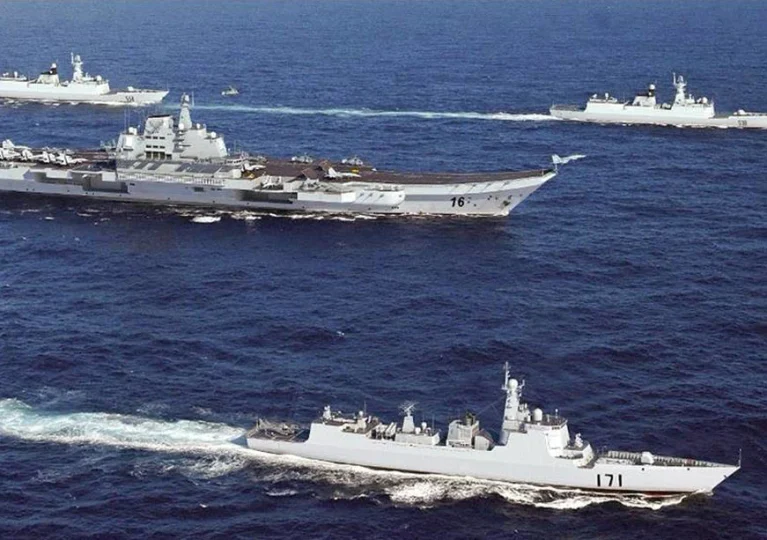
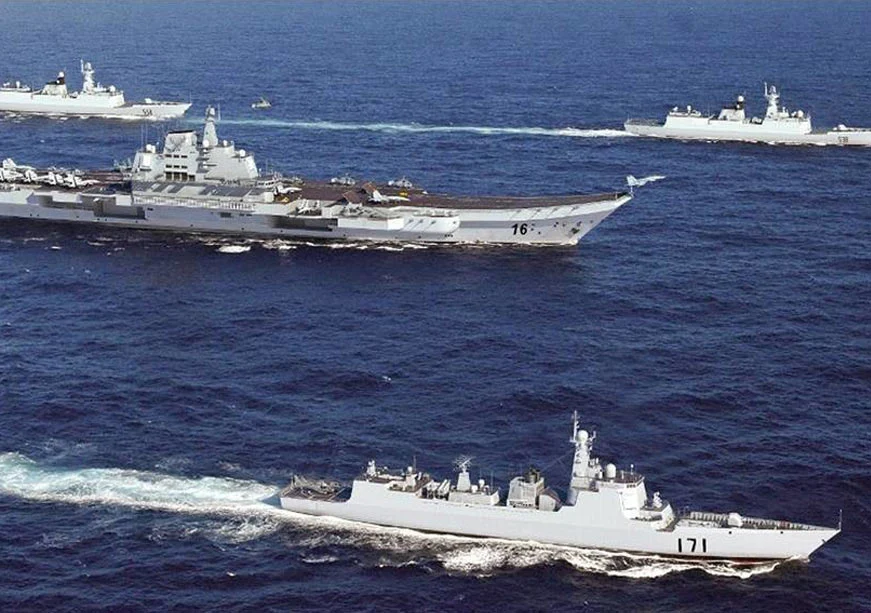
Russia-China Alignment: Source Internet

Introduction: Redefining Conflict in the Indo-Pacific

The nature of warfare is undergoing a profound transformation. In an era marked by nuclear deterrence, economic interdependence, and technological disruption, outright war between major powers has become both costlier and riskier than ever before. Against this backdrop, the evolving strategic alignment between Russia and China offers a compelling case of how great powers are adapting to achieve their objectives without necessarily engaging in full-scale conflict.

Nowhere is this more evident than in the question of Taiwan. For Beijing, the unification of Taiwan with the People’s Republic of China remains a core national objective—non-negotiable and deeply embedded in its strategic calculus. However, the pathway to achieving this goal is no longer limited to conventional invasion scenarios. Instead, China appears to be developing a more sophisticated approach—one that blends coercion, deterrence, capability-building, and psychological dominance.

The growing partnership with Russia plays a critical role in shaping this evolving playbook. Through military cooperation, technology transfers, and lessons drawn from real-world conflicts, Moscow is contributing to Beijing’s ability to potentially “win without fighting.”

Strategic Convergence: Foundations of the Russia–China Partnership

The Russia–China relationship is not a traditional alliance but a strategic alignment driven by shared interests and converging geopolitical objectives. Both countries seek to counterbalance the global influence of the United States and reshape the international order in ways that reflect their priorities.

Unlike asymmetrical partnerships—such as China’s relationship with Pakistan—the Russia–China alignment is characterized by relative parity. Both nations possess significant military capabilities, advanced technological infrastructures, and global strategic ambitions. This parity allows for a more balanced exchange of resources, expertise, and strategic support.

A tacit understanding underpins this partnership. China has maintained a cautious stance on Russia’s actions in Ukraine and Crimea, avoiding outright condemnation while emphasizing neutrality. In return, Russia has consistently supported China’s positions on sensitive issues, including Taiwan, Hong Kong, and Xinjiang. This mutual backing creates a foundation for deeper cooperation, particularly in the military domain.

Capability Transfers: Filling Operational Gaps

One of the most tangible aspects of Russia’s contribution to China’s Taiwan strategy lies in military-technical cooperation. Over the past decade, Russia has supplied China with advanced military hardware, including Su-35 fighter jets, S-400 air defence systems, and critical engine technologies. These transfers are not merely transactional; they are strategic. They help China address specific operational gaps, particularly in areas such as air superiority, missile defence, and long-range strike capabilities. For instance, advanced air defence systems enhance China’s ability to deter or counter potential intervention by external powers in a Taiwan contingency. Moreover, Russia’s expertise in expeditionary warfare and large-scale military operations provides invaluable insights for the People’s Liberation Army (PLA). Unlike China, which has limited recent combat experience, Russia has been actively involved in conflicts ranging from Syria to Ukraine. These experiences offer practical lessons in logistics, coordination, and battlefield adaptability. The reported transfer of amphibious assault vehicles, airborne systems, and specialized training further underscores the depth of this cooperation. Such capabilities are particularly relevant for Taiwan scenarios, where rapid deployment and multi-domain coordination are critical.

Military Exercises: Laboratories of Modern Warfare

Joint military exercises between Russia and China serve as critical platforms for testing and refining operational strategies. These exercises go beyond symbolic displays of cooperation; they function as laboratories for modern warfare. Over the years, the frequency and complexity of these exercises have increased significantly. They now involve multi-domain operations, integrating air, land, sea, and cyber capabilities. Exercises such as missile defence drills and joint naval patrols demonstrate a high level of interoperability between the two forces. These exercises also have a signalling function. By showcasing their combined capabilities, Russia and China send a clear message to potential adversaries—particularly the United States and its allies—about their readiness to respond to strategic challenges.

Importantly, these drills often simulate scenarios relevant to Taiwan. Operations in the East China Sea, South China Sea, and surrounding regions allow the PLA to rehearse potential contingencies, including blockade strategies, amphibious assaults, and air superiority campaigns.

Quantifying the Shift: Data, Defence Spending, and Operational Metrics

A closer examination of defence spending patterns, force modernisation data, and operational metrics further illustrates the depth of the evolving Russia–China military alignment and its implications for a Taiwan contingency. According to recent global defence estimates, China’s official military budget has crossed $225 billion, making it the second-largest defence spender globally, while Russia, despite economic constraints imposed by sanctions, continues to allocate over $100 billion annually when adjusted for wartime expenditures and purchasing power parity. More significantly, China’s naval expansion has been unprecedented in scale. The People’s Liberation Army Navy (PLAN) now operates over 370 vessels, surpassing the United States Navy in numerical strength, with projections indicating a fleet size of 425 ships by 2030. This expansion is particularly relevant in a Taiwan scenario, where maritime dominance and blockade capabilities are critical.

Airpower metrics also reveal a shifting balance. China’s air force and naval aviation together field over 2,800 aircraft, including advanced platforms such as the J-20 stealth fighter, while continued upgrades to H-6K bombers enhance long-range strike capabilities. Russian contributions—particularly in engine technology and air defence systems—have played a pivotal role in sustaining and upgrading these capabilities. In missile systems, China’s inventory of short- and medium-range ballistic missiles positioned along its eastern seaboard provides a dense strike network capable of targeting Taiwan’s key military installations within minutes.

Joint military exercises have also increased both in frequency and complexity. Data from strategic databases indicate that Russia–China exercises have more than doubled since 2015, with a marked shift toward multi-domain operations involving integrated air defence, electronic warfare, and amphibious assault simulations. Notably, exercises conducted in the East China Sea and Sea of Japan have involved tens of thousands of troops, signaling preparedness for large-scale coordinated campaigns.

In parallel, logistics and mobilisation indicators suggest growing readiness. China’s expansion of dual-use infrastructure—ports, एयरfields, and रेल connectivity—along its southeastern coast enhances rapid troop deployment capabilities. Meanwhile, Russia’s experience in sustaining prolonged military operations under contested conditions provides valuable lessons in supply chain resilience and battlefield endurance.

Taken together, these data points underscore a critical reality: the Russia–China alignment is not merely rhetorical but is grounded in measurable enhancements in capability, coordination, and operational readiness. This empirical foundation strengthens China’s ability to shift from symbolic deterrence toward credible compellence in a Taiwan scenario.

The Ukraine Factor

Perhaps the most significant contribution of Russia to China’s Taiwan playbook lies in the lessons derived from the ongoing conflict in Ukraine. Modern warfare in Ukraine has highlighted the importance of several factors:

  • Integrated multi-domain operations
  • Real-time intelligence and surveillance
  • Logistical resilience
  • Psychological and information warfare

For China, these lessons are invaluable. They provide a real-world testing ground for strategies that could be adapted to a Taiwan scenario. For instance, the use of drones, precision strikes, and electronic warfare in Ukraine offers insights into how to achieve tactical advantages while minimizing costs.

At the same time, the challenges faced by Russia—such as supply chain disruptions and resistance from local populations—serve as cautionary lessons. They underscore the complexity of modern warfare and the need for comprehensive planning.

Toward “Winning Without Fighting”: The Logic of Compellence

The concept of “winning without fighting” is deeply rooted in Chinese strategic thought, drawing from classical texts such as Sun Tzu’s The Art of War. In the context of Taiwan, this approach translates into achieving political objectives through coercion and deterrence rather than outright conflict.

Russia’s support enhances China’s ability to pursue this strategy. By strengthening its military capabilities and operational readiness, China can increase the perceived costs of resistance for Taiwan and its potential allies. This, in turn, could lead to a situation where Taiwan is compelled to negotiate on Beijing’s terms without the need for large-scale military action.

Key elements of this strategy include:

  • Economic pressure and blockade scenarios
  • Cyber and information warfare
  • Demonstrations of military superiority
  • Diplomatic isolation of Taiwan

The goal is to create an environment where the balance of power is so overwhelmingly in China’s favor that resistance becomes untenable.

Grey-Zone Warfare and Cognitive Dominance: The Invisible Battlefield

Beyond conventional military preparations, a critical dimension of China’s evolving Taiwan strategy—shaped in part by its alignment with Russia—lies in the domain of grey-zone warfare and cognitive operations. This approach seeks to operate below the threshold of open conflict while steadily eroding the adversary’s will to resist. Drawing lessons from Russian operations in Crimea and Eastern Ukraine, China has increasingly emphasized information warfare, cyber capabilities, and psychological operations as force multipliers. These tools aim to influence public opinion within Taiwan, create divisions in its political system, and undermine trust in democratic institutions.

Cyber intrusions targeting critical infrastructure, disinformation campaigns across social media platforms, and economic coercion—such as selective trade restrictions—form part of this broader strategy. The objective is not immediate capitulation, but gradual strategic fatigue. By shaping perceptions and narratives, Beijing can attempt to create a sense of inevitability around unification, thereby reducing the likelihood of armed resistance.

Additionally, legal warfare—or “lawfare”—has emerged as another instrument in this toolkit. By framing its actions within a legal narrative that emphasizes sovereignty and territorial integrity, China seeks to delegitimize external intervention, particularly by the United States and its allies. This layered strategy reflects a shift from purely kinetic conflict to a more comprehensive form of competition, where victory is achieved not only on the battlefield but also in the minds of populations and the norms of the international system. This evolving approach is also supported by advances in artificial intelligence and big data analytics, enabling more precise targeting of information campaigns and behavioral manipulation. As a result, future conflicts over Taiwan may be decided less by battlefield victories and more by success in shaping perceptions, narratives, and decision-making environments.

Implications for the United States and Allies

The evolving Russia–China alignment presents significant challenges for the United States and its allies. A coordinated strategy by these two powers could strain Washington’s ability to respond effectively, particularly in a scenario involving simultaneous crises in different regions. The prospect of a “two-front challenge”—with tensions in Europe and the Indo-Pacific—complicates strategic planning for the United States. It raises questions about resource allocation, alliance coordination, and escalation management. For allies such as Japan and South Korea, the stakes are equally high. A shift in the balance of power in the Taiwan Strait could have far-reaching implications for regional security and economic stability.

India’s Strategic Calculus: Navigating a Complex Landscape

For India, the Russia–China alignment introduces a new layer of complexity. India shares a strategic partnership with Russia while simultaneously facing a long-standing rivalry with China. A potential Taiwan contingency could have indirect implications for India’s security environment, particularly in the Indian Ocean Region. Increased Chinese assertiveness could extend beyond Taiwan, affecting broader regional dynamics. India’s response will require a careful balancing act—maintaining its relationship with Russia while strengthening partnerships with like-minded countries in the Indo-Pacific. Initiatives such as the Quad and enhanced maritime cooperation will play a crucial role in this strategy.

Conclusion: The Future of Conflict and Cooperation

The Russia–China partnership is reshaping the strategic landscape of the Indo-Pacific. By combining capabilities, sharing lessons, and aligning their objectives, the two powers are redefining the rules of engagement. In the case of Taiwan, this alignment enhances China’s ability to pursue its goals through a combination of coercion and deterrence. The prospect of “winning without fighting” reflects a broader shift in the nature of conflict—one where psychological, economic, and technological tools are as important as military . For the international community, these developments underscore the need for adaptive strategies and robust cooperation. As great power competition intensifies, the challenge will be to manage tensions without escalating into conflict. Ultimately, the question is not just whether the China can achieve its objectives in Taiwan, but how the evolving dynamics of power will shape the future of global order.

About the Author

Khushbu Ahlawat is a research analyst with a strong academic background in International Relations and Political Science. She has undertaken research projects at Jawaharlal Nehru University, contributing to analytical work on international and regional security issues. Alongside her research experience, she has professional exposure to Human Resources, with involvement in talent acquisition and organizational operations. She holds a Master’s degree in International Relations from Christ University, Bangalore, and a Bachelor’s degree in Political Science from the University of Delhi.

Do Geographies of Power define real Control in the Iran–US–Israel Crisis?

2

By: Prof. ML Meena & Ravi D. Bishnoi

World Map: source Internet

There is a quiet mistake that often shapes how wars are understood. We tend to focus on visible actions like airstrikes, missile launches, naval deployments and we assume that these define the real sense of conflicts. Yet the current Iran-US-Israel confrontation suggests something more complex. What matters is not only what is happening, but where and why real control lies, is more important and grounded. Now, Increasingly, that control is shifting away from the battlefield and into systems that determine how the global economy and security architecture function.

To understand this, one must begin with a grounded geographical observation. This conflict is not being fought to secure a decisive military victory. It is being fought to shape economic, strategic, and psychological conditions in ways that make victory itself uncertain and costly. As Iran’s Supreme Leader himself indicated, “this is the end of the war,” reflecting a strategic approach where conflict is seen as an ongoing process shaped through pressure, endurance and leverage.

This becomes evident when examining the Strait of Hormuz strategic dilemma. Approximately 17-20 million barrels of oil per day pass through this narrow waterway, accounting for nearly one-fifth of global petroleum consumption, according to data from the U.S. Energy Information Administration (EIA). In addition, around 25-30 percent of global liquefied natural gas (LNG) trade, particularly from Qatar, transits through this corridor. Iran has not attempted a full closure of the Strait in the early stage of the war. Instead, it has engaged in intermittent disruption strategies like small naval and fast-attack craft deployments, drone surveillance or selective harassment of commercial vessels. This approach mirrors earlier incidents, such as the 2019 tanker attacks near Fujairah, which triggered immediate spikes in oil prices and insurance costs.

The impact of such disruptions is qualitative and measurable. During previous Gulf tensions, war-risk insurance premiums for tankers rose by 200-300 percent, while Brent crude prices experienced short-term increases of 8-12 percent within days. Even minor incidents have forced shipping companies to reroute or delay cargo, affecting supply chains across Asia and Europe. In this strategic wall, we see clearly that a localized disruption thus generates systemic consequences.

This reveals a fundamental shift. World understood the basic theory means power is no longer defined solely by military superiority in contemporary affray. It is increasingly defined by the ability to manipulate interconnected systems. Iran’s conventional military capabilities remain limited compared to the United States and Israel. However, by leveraging geography and economic interdependence, it has demonstrated an ability to exert influence disproportionate to its military strength. From Iranian military response during the blockade, says that ‘If the security of Iran’s ports… is threatened, no port… will be safe’, is directly shows system-level retaliation logic.

The American response highlights another dimension of this transformation. The United States maintains a so-called significant naval presence in the region, including the U.S. Fifth Fleet based in Bahrain, supported by carrier strike groups and advanced surveillance systems. Despite this, the ability to guarantee uninterrupted maritime flow remains constrained. This limitation is structural, because United States is deeply integrated into the global energy economy. Although it is one of the world’s largest oil producers, global oil prices remain interconnected. A sustained increase of $10-15 per barrel has historically contributed to measurable rises in inflation. For instance, energy price shocks in previous crises have added 0.3-0.5 percentage points to U.S. inflation rates, while also increasing transportation and manufacturing costs.

This creates a geo-strategic paradox. The stronger power must operate with caution to avoid economic blowback, while the weaker power employs disruption to amplify costs. Iran clearly shows that, it does not need to achieve battlefield dominance. Actually, its core objective is to ensure that prolonged engagement becomes economically and politically burdensome for its adversaries.

In this scenario, Israel’s actions introduce a distinct strategic timeline. Its actions are shaped by concerns over Iran’s nuclear capabilities. According to reports from the International Atomic Energy Agency (IAEA), Iran has accumulated many kilograms of enriched uranium, including material enriched up to 60 percent purity. While weapons-grade uranium is typically enriched to around 90 percent, the current level significantly reduces the time required to reach that threshold.

This creates what analysts describe as a “breakout window,” potentially measured in weeks rather than months. Israel’s strategy is therefore preventive, aimed at disrupting this trajectory before it reaches an irreversible stage. This explains the frequency and precision of its strikes on nuclear-linked infrastructure and military assets.

However, this forward-leaning approach generates divergence within the broader strategic framework. Now, new idea emerge that the United States seeks to extend indirectly timelines through negotiation and controlled pressure. Second hand, Israel seeks to compress timelines through pre-emptive action. Iran operates between these positions, balancing resistance with calculated escalation.

Here, it is particularly important to understand the nuclear dimension; thus far, the United States and Israel have presented it from a unilateral perspective. The concept of “threshold capability” refers to a state’s ability to assemble a nuclear weapon rapidly without having formally done so. This ambiguity alters deterrence dynamics. It creates a situation where adversaries must respond to potential capability rather than confirmed possession. It is essential to understand the nuclear issue not merely in terms of capability, but also as the discrepancy between the actual situation and the assessment thereof. The concept of threshold capability highlights this very distinction: while the technical capacity exists, the decision and process to convert it into a weapon have not yet been finalized.

In the context of Iran, this distinction has been the subject of the most intense controversy. Various reports have clarified that Iran has enriched uranium to a high level; however, these same reports have also noted that ‘no credible evidence has been found to suggest that Iran is actively pursuing a nuclear weapons program.’ Thus, a clear distinction persists between capability and the actual construction of weapons.

In this same context, U.S. intelligence assessments also warrant attention. Some of reports have repeatedly stated that, since 2003, Iran has not made the decision to restart an organized nuclear weapons program, even as it has continued to develop its technical capabilities. This implies that while the threat is potential, portraying it as an immediate reality is not entirely accurate.

History, too, aids in understanding this distinction. The claims made by the United States prior to the 2003 Iraq War, specifically regarding “Weapons of Mass Destruction’ were subsequently proven to be false. Consequently, the international community today exercises greater caution in accepting any intelligence claims without independent verification. This same prudence is evident in the case of Iran, where technical capability is acknowledged, yet there is no broad consensus regarding the assumption that this capability will be directly converted into a weapon.

Thus, the distinction between ‘capability’ and ‘reality’ is not merely technical, it’s also deep political and layer based strategic. Iran leverages this distinction as a form of strategic equilibrium: it formally maintains a stance of not possessing nuclear weapons, while simultaneously sustaining a deterrent posture through its technical capabilities.  This is why, today, the nuclear issue is not focused merely on whether or not a country possesses weapons, but rather on how quickly it can reach that stage, and whether, in fact, it has taken the final step in that direction.

Meanwhile, ceasefires observed in this time, including the Israel–Lebanon front, provide temporary stabilization. However, such pauses often function as operational resets rather than conflict resolution. Historical patterns, including previous Israel-Hezbollah confrontations, indicate that ceasefires frequently precede phases of rearmament and strategic repositioning. This highlights another Geopolitical transformation. In this we see that, Modern conflicts increasingly operate as continuous processes rather than discrete events. Periods of reduced violence often conceal ongoing strategic adjustments. The absence of active combat does not equate to the absence of conflict. Non-state actors further complicate this environment. Hezbollah, for instance, possesses an estimated arsenal of over thousands of rockets and missiles, according to various security assessments. Its operational autonomy introduces unpredictability into the conflict.

Looking ahead, we can discern three potential paths within this broader discourse. The first is negotiation-based stabilisation, which may entail certain interim agreements; however, rather than resolving core disputes, these serve merely to alleviate immediate tensions. Recent behind-the-scenes negotiations, particularly proposals involving partial sanctions relief in exchange for control over uranium stockpiles, point toward this very possibility. Nevertheless, past experiences, specifically the gradual erosion of previous nuclear accords, make it evident that such agreements often serve not as definitive solutions, but rather as a means to buy time.

The second path is controlled confrontation, characterized by periodic escalations in tension followed by strategic pauses. This pattern is clearly discernible in the events of the current month. The temporary ceasefires between the U.S. and Iran, as well as the lull on the Israel-Lebanon front, were not indicative of any permanent resolution; rather, they can be viewed as opportunities for strategic rebalancing. Concurrently, incidents involving the intermittent disruption, and subsequent partial restoration, of oil supplies in the Strait of Hormuz demonstrate that pressure is not being applied continuously, but rather manifests within a specific cycle or pattern. In the coming days, we may observe this conflict unfolding in a rhythmic cadence, marked by a recurring sequence of tension, pauses, signaling and repetition.

The third path is unplanned escalation, which may arise from miscalculation or misinterpretation. In the current climate, this risk is significantly heightened, given that multiple actors are simultaneously active. Drone operations, missile interceptions, and naval maneuvers create a volatile environment where a localized incident could easily be misconstrued as a broader strategic signal. The presence of non-state actors further compounds this complexity, as their actions do not always align with official state policy. In such an atmosphere, the margin for error narrows to a vanishing point.

At present, the second path appears to be the most probable outcome. It affords all parties the opportunity to maintain their strategic positioning without precipitating a decisive confrontation. Upon close examination, the United States appears to be steering clear of total war while simultaneously balancing economic and political pressures. Meanwhile, Israel seeks to maintain limited operations, keeping long-term threats firmly in view. Iran, for its part, will continue to exert pressure by leveraging its geographic and economic position, all while maintaining its stance of strategic ambiguity. Nevertheless, this equilibrium remains exceedingly fragile, contingent upon constant adjustment and restraint.

This situation also gives rise to a profound geopolitical discourse, wherein the essence of power is shifting from direct control to influence, and where the capacity for endurance is becoming more critical than the pursuit of swift victory. A glance back at history reveals that the greatest threats often do not stem from the decisions that are made, but rather emerge from the voids, the spaces where uncertainty, misperception, and structural pressures converge.

We must now consider, if modern conflicts are no longer confined solely to the battlefield, that is, if they are being waged within interconnected systems that impact the entire globe, then who, truly, are the participants in this war? Is this merely a conflict between states, or have global economies and civil societies also unwittingly become stakeholders? And if disruption itself becomes the very instrument of power, then the real question ceases to be, who wins the war? and instead becomes, how much instability can the international order withstand before it begins to transform itself?

China’s Strategic Debate on American Decline and Resurgence in a Fractured World Order

By: Khushbu Ahlawat, Consulting Editor, GSDN

China’s Debate on American Decline: SOURCE INTERNET
Introduction: A World in Strategic Transition

The contemporary international system is witnessing a profound churn, marked by intensifying great power competition, geopolitical flashpoints, and the erosion of long-standing global norms. At the heart of this transformation lies a central question that has gripped policymakers and strategic thinkers alike: Is the United States in decline, or is it entering a new phase of assertive resurgence?

This question has become particularly salient in China, where recent global developments—from military interventions in the Middle East to economic coercion and technological decoupling—have triggered an intense internal debate. The discourse is no longer confined to academic circles; it reflects broader anxieties and ambitions within Beijing regarding its position in the evolving global order.

The debate is not merely analytical—it is strategic. How China interprets American power will shape its foreign policy choices, military posture, and long-term vision of global leadership. This article examines the competing narratives within China’s strategic community, evaluates recent global developments, and assesses the implications for the future of great power competition.

Narratives of American Decline: The Rise of Strategic Confidence in Beijing

For much of the past decade, a dominant narrative within Chinese strategic circles has been the gradual decline of the United States and the simultaneous rise of China. This perspective gained traction following prolonged trade tensions and geopolitical confrontations, particularly during the presidency of Donald Trump. The October 2025 Busan summit between Trump and Xi Jinping marked a symbolic moment in this discourse. Many Chinese analysts interpreted the outcomes as evidence that Washington had failed to coerce Beijing into structural concessions. Instead, they argued that the United States had incurred significant economic costs—ranging from inflationary pressures to supply chain disruptions—without achieving its strategic objectives. This interpretation fed into a broader ideological narrative: the “rise of the East and decline of the West.” Chinese media and academic discourse increasingly portrayed the Chinese governance model as more efficient, resilient, and adaptable compared to what they described as the fragmented and polarized political system of the United States. The viral spread of the “Kill Line” discourse on Chinese digital platforms further amplified this sentiment. It depicted the United States as a nation grappling with deindustrialization, monopolistic financial capital, and deep social inequalities. According to this view, America’s ability to sustain global leadership—militarily, economically, and institutionally—was steadily eroding.

This confidence was also underpinned by tangible indicators. China’s advancements in infrastructure, technology, and manufacturing capacity appeared to contrast sharply with perceived stagnation in the United States. Initiatives like the Belt and Road Initiative (BRI) were seen as instruments of global influence, reinforcing China’s image as an emerging superpower shaping the contours of a post-Western world.

Strategic Reality Check: The Persistence of American Power

Despite the prevalence of decline narratives, recent developments have prompted a reassessment within China’s strategic community. A series of geopolitical and economic events have challenged the assumption that the United States is retreating from global leadership. One of the most significant turning points was the US-Israel strikes on Iran. The ability of the United States to conduct high-intensity military operations with minimal immediate consequences reinforced perceptions of its enduring military superiority. For some Chinese analysts, this demonstrated that American power—particularly in terms of force projection and alliance coordination—remains formidable. Similarly, Washington’s actions in regions such as Venezuela and Panama have been interpreted as evidence of strategic assertiveness. Rather than retrenching, the United States appears to be recalibrating its approach—leveraging economic tools, military presence, and diplomatic pressure to maintain its global influence. Economic indicators further complicate the narrative of decline. Despite trade tensions and domestic challenges, the United States continues to attract substantial foreign investment. Reports of trillions of dollars in investment commitments from Middle Eastern states highlight the enduring attractiveness of the American economy.

Moreover, the aggressive use of tariffs and sanctions under Trump 2.0 has demonstrated Washington’s capacity to shape global economic dynamics. While these measures have faced criticism, they have also yielded strategic advantages, forcing countries and corporations to adapt to American policy priorities. For China, these developments have exposed vulnerabilities in its own global strategy. Setbacks in overseas investments—such as disruptions in port acquisitions and regulatory challenges faced by Chinese companies in Europe and Australia—have raised concerns about the security of its economic interests abroad.

The Tech-Economic Battlefield: Decoupling, Dependence, and Strategic Leverage

An equally critical dimension shaping Chinese perceptions of American power is the intensifying contest in technology and geoeconomics. While traditional metrics of power—military capability and GDP—remain important, the emerging battleground lies in control over advanced technologies, supply chains, and financial systems. In this domain, the United States continues to wield disproportionate influence, complicating narratives of its decline.

Washington’s restrictions on semiconductor exports, particularly targeting advanced chip manufacturing and AI-related technologies, have exposed structural dependencies within China’s technological ecosystem. Despite significant progress in indigenous innovation, China still relies on foreign inputs in high-end semiconductor fabrication, design software, and precision manufacturing equipment. The US-led coalition—including partners like Japan and the Netherlands—has reinforced these restrictions, effectively slowing China’s access to cutting-edge capabilities. This has led to a growing realization within Beijing that technological self-reliance is not merely an economic objective, but a strategic necessity.

At the same time, China has responded with a dual strategy of resilience and retaliation. On one hand, it has accelerated investments in domestic semiconductor industries, quantum computing, and artificial intelligence. On the other, it has leveraged its dominance in critical minerals—such as rare earth elements—as a counterweight in the strategic competition. Recent export controls on gallium and germanium, essential for semiconductor production, signal Beijing’s willingness to weaponize its own economic strengths.

However, the interdependence between the two economies complicates the picture. Despite efforts toward “decoupling,” trade between China and the United States remains substantial, and global supply chains continue to intertwine their economic fortunes. Multinational corporations, while diversifying production bases, have not fully disengaged from China, given its unparalleled manufacturing ecosystem and market size.

Financial power also remains a key pillar of American influence. The dominance of the US dollar in global trade and finance provides Washington with significant leverage, enabling it to impose sanctions and shape international economic behavior. For China, efforts to internationalize the renminbi and develop alternative financial architectures—such as digital currency initiatives—are part of a broader strategy to mitigate this vulnerability.

This evolving tech-economic contest underscores a central paradox in the China-US rivalry: while both sides seek strategic autonomy, they remain deeply interconnected. For Chinese strategists, this duality reinforces the perception that the United States is not simply declining, but adapting—leveraging its structural advantages in new domains of competition.

From Confidence to Anxiety: Recalibrating China’s Strategic Outlook

The emerging consensus within sections of China’s strategic community is that the narrative of American decline may have been overstated. Instead, the United States is perceived as entering a phase of adaptive resurgence—one characterized by strategic flexibility, economic leverage, and military assertiveness. This shift in perception has generated a degree of strategic anxiety in Beijing. Analysts have begun to question whether China has adequately prepared for the evolving nature of competition with the United States. The assumption of an inevitable power transition is increasingly being scrutinized. Prominent scholars such as Chen Wenling and Yan Xuetong have argued that while China has achieved significant progress, a substantial gap in comprehensive national power still exists. They contend that the United States retains advantages in key domains, including advanced technology, global alliances, and military capabilities.

At the same time, these scholars emphasize that the long-term trajectory remains favorable to China. The narrowing of the power gap is seen as an irreversible trend, provided that China continues to focus on domestic development and strategic modernization. This duality—confidence in long-term rise coupled with short-term caution—defines the current phase of China’s strategic thinking. It reflects a more nuanced understanding of power dynamics, moving beyond simplistic narratives of decline and resurgence.

Rethinking “Peaceful Rise”: Toward a More Assertive Posture

The reassessment of American power has significant implications for China’s foreign policy doctrine, particularly the concept of “peaceful rise.” For decades, this framework guided China’s approach to international relations, emphasizing economic integration and non-confrontational engagement. However, recent developments have sparked debates about the viability of this approach in an increasingly competitive and volatile global environment. The perceived aggressiveness of US policies—ranging from military interventions to technological restrictions—has led some Chinese strategists to advocate for a more assertive stance. The publication of the article “Five Lessons from the US-Israel Attack on Iran” by a Chinese military news agency underscores this shift. Its emphasis on self-reliance, the dangers of complacency, and the importance of military strength reflects a growing recognition of the need for robust deterrence capabilities.

This evolving discourse suggests that China may seek to balance its traditional emphasis on economic development with greater investment in military modernization and strategic resilience. The goal is not necessarily confrontation, but the ability to deter and respond effectively to perceived threats.

The Global Context: Erosion of the Liberal Order

The debate on American power is inseparable from broader changes in the international system. The post-World War II liberal order, long dominated by the United States, is under increasing strain. Multilateral institutions are facing challenges, global trade norms are being contested, and geopolitical rivalries are intensifying. In this context, the United States’ actions can be interpreted in multiple ways. For some, they represent a resurgence of hegemonic ambition—a determination to preserve global dominance through assertive policies. For others, they reflect a defensive response to shifting power dynamics and the rise of competitors like China. China, meanwhile, is navigating this uncertain landscape by seeking to expand its influence while avoiding direct confrontation. Its approach combines economic engagement, diplomatic outreach, and strategic caution.

However, the interplay between these strategies is complex. As both powers seek to assert their interests, the risk of miscalculation and escalation increases. The challenge lies in managing competition without crossing the threshold into conflict.

Implications for India and the Global South

The evolving US-China dynamic has significant implications for other countries, particularly India and the broader Global South. As the two major powers compete for influence, smaller and middle powers are navigating a delicate balance.For India, this presents both opportunities and challenges. On the one hand, the rivalry creates space for strategic autonomy and economic partnerships. On the other, it requires careful calibration to avoid entanglement in great power conflicts. The Global South, more broadly, is increasingly asserting its agency in shaping global governance. Countries are seeking to diversify partnerships, leverage economic opportunities, and advocate for a more inclusive international order.

Conclusion

The debate within China on the future of American power reflects a deeper transformation in global politics. It is not simply a question of whether the United States is declining or resurging, but how power is being reconfigured in a complex and interconnected world. The evidence suggests that American power, while challenged, remains significant. At the same time, China’s rise continues to reshape the global balance. The interaction between these two forces will define the trajectory of the international system in the coming decades.

For policymakers and analysts, the key lies in moving beyond binary narratives. Understanding the nuances of power—its strengths, limitations, and adaptability—is essential for navigating an increasingly uncertain world. Ultimately, the future of global order will not be determined solely by the competition between the United States and China, but by the ability of all nations to manage this competition responsibly. In this sense, the debate unfolding in Beijing is not just about America—it is about the future of the world itself.

About the Author

Khushbu Ahlawat is a research analyst with a strong academic background in International Relations and Political Science. She has undertaken research projects at Jawaharlal Nehru University, contributing to analytical work on international and regional security issues. Alongside her research experience, she has professional exposure to Human Resources, with involvement in talent acquisition and organizational operations. She holds a Master’s degree in International Relations from Christ University, Bangalore, and a Bachelor’s degree in Political Science from the University of Delhi.

The Great Nicobar Crossroads: Development, Strategy, and Survival in India’s Southern Frontier

By: Khushbu Ahlawat, Consulting Editor, GSDN

The Great Nicobar Island Project: Source Internet

Introduction

The Great Nicobar Island (GNI) Project, a ₹92,000 crore mega-development initiative, represents one of India’s most ambitious yet controversial infrastructure undertakings. Situated at the southern tip of the Andaman and Nicobar archipelago, the project aims to transform this remote outpost into a global hub for trade and tourism. However, the scale of the “holistic development” has sparked a fierce national debate, pitting the government’s strategic and economic vision against the survival of ancient indigenous tribes and one of the world’s most pristine tropical ecosystems.

In addition, the project reflects a broader shift in India’s developmental paradigm, where remote geographies are increasingly being integrated into national and global economic networks. The Great Nicobar Island is no longer viewed as a peripheral territory but as a strategic frontier with immense untapped potential. This transformation is closely tied to India’s aspirations of becoming a major maritime power and a key player in global supply chains. However, such large-scale interventions in ecologically and culturally sensitive regions raise critical questions about sustainability, governance, and ethical responsibility. The tension between rapid infrastructure expansion and environmental stewardship is particularly pronounced in island ecosystems, where even minor disruptions can have disproportionate consequences. As debates intensify, the GNI project stands as a defining test case for India’s ability to balance economic ambition with ecological prudence and social justice in the 21st century.

The Vision: A Port-Led Economic Revolution

The cornerstone of the GNI project is the transition from a subsistence and administrative economy to a port-led and tourism-driven model. The Union government views the island not just as a territory, but as a “stationary aircraft carrier” and a potential commercial goldmine.

Key Infrastructure Components

The draft master plan identifies four primary pillars of development:

  • International Container Transshipment Port (ICTP): Located at Galathea Bay, this port is the project’s heartbeat. Its proximity to the Malacca Strait—a narrow waterway through which nearly 25% of global sea trade passes—positions India to capture a massive share of international maritime traffic currently dominated by Singapore and Colombo.
  • Greenfield International Airport: Designed to support both large-scale tourism and military logistics.
  • Gas and Solar Power Plants: To provide the energy self-sufficiency required for a burgeoning urban population.
  • Pristine Tourism Infrastructure: Envisioning GNI as a world-class destination for business, adventure, and biodiversity tourism.

The Demographic Shift

Perhaps the most staggering aspect of the plan is the population target. Currently inhabited by roughly 10,000 people, the government projects a population of 3.36 lakh by 2055. This 30-fold increase assumes a massive influx of settlers, workers, and service providers, aiming to create over 70% of new jobs in the tourism and allied sectors.

The Strategic Imperative: The Malacca Dilemma

From a geopolitical lens, the GNI project is less about “tourism” and more about national security. The Great Nicobar Island is the closest Indian territory to the Malacca Strait, often referred to as a “choke point” for global trade and energy supplies, particularly for China.

By developing a dual-use (civilian and military) infrastructure, India strengthens its “Act East” policy. A robust presence in GNI allows the Indian Navy to monitor maritime traffic more effectively and provides a strategic base to counter increasing foreign naval footprints in the Indian Ocean Region (IOR). The National Green Tribunal (NGT), while acknowledging environmental concerns, has notably cited this “strategic importance” as a primary reason for allowing the project to proceed.

Beyond immediate military calculus, the Great Nicobar Island project must also be situated within the broader evolution of Indo-Pacific geopolitics. The increasing centrality of the Indian Ocean Region in global supply chains, energy flows, and naval competition has made maritime infrastructure a decisive factor in shaping power hierarchies. India’s investment in Great Nicobar complements initiatives such as the Quad’s maritime cooperation framework and aligns with its ambition to emerge as a “net security provider” in the region. Furthermore, with China expanding its footprint through port developments under the Belt and Road Initiative—particularly in Gwadar, Hambantota, and Kyaukpyu—India’s presence near the Malacca Strait gains heightened urgency. Control over maritime chokepoints is no longer merely about defense; it is about economic leverage, supply chain resilience, and diplomatic influence. Thus, the GNI project can be seen as a long-term geopolitical hedge, enabling India to project both hard and soft power across Southeast Asia while safeguarding its maritime interests against emerging strategic uncertainties.

The Ecological Cost: A Biodiversity Hotspot at Risk

Great Nicobar is not a vacant plot of land; it is a UNESCO Biosphere Reserve. It hosts unique species found nowhere else on Earth, including the Nicobar Megapode and the Giant Leatherback Turtle, which uses Galathea Bay as its primary nesting ground.

Environmental Flashpoints

  • Deforestation: The project involves the diversion of approximately 130 sq. km of primary forest. While the government promises “compensatory afforestation” in other parts of India (like Haryana), ecologists argue that a tropical rainforest in the Andaman Sea cannot be replaced by a plantation in the northern plains.
  • Coral Reefs: The construction of the ICTP involves dredging and land reclamation, which could lead to the irreversible destruction of coral reefs that provide essential coastal protection and sustain marine life.
  • Seismic Vulnerability: The islands are located in a high-seismic zone (Zone V). Critics point to the 2004 Indian Ocean Tsunami, which saw parts of the island sink by several meters, questioning the long-term viability of massive concrete infrastructure in such a volatile geography.
  • The ecological concerns surrounding Great Nicobar extend beyond immediate biodiversity loss and must be understood within the context of global climate change and ecological interdependence. Tropical rainforests such as those found on the island function as critical carbon sinks, regulating atmospheric carbon dioxide levels and contributing to climate stability. Their destruction not only releases stored carbon but also diminishes future carbon sequestration capacity, exacerbating global warming. Additionally, the island’s mangroves and coral reef systems serve as natural buffers against extreme weather events, including cyclones and storm surges, whose frequency and intensity are increasing due to climate change. The loss of these ecosystems could render both existing and proposed infrastructure highly vulnerable. Scholars within Environmental Studies emphasize that island ecosystems are particularly fragile due to their isolation and limited regenerative capacity. Unlike mainland ecosystems, disturbances here often lead to irreversible changes. Therefore, the GNI project is not merely a local environmental issue but part of a larger planetary crisis, where decisions taken in one region can have cascading effects on global ecological equilibrium and climate resilience.

The Human Element: Tribal Rights and Displacement

The most sensitive dimension of the GNI project is its impact on the Shompen and Nicobarese tribes.

  • The Shompen: A Particularly Vulnerable Tribal Group (PVTG), the Shompen are hunter-gatherers who have lived in isolation for thousands of years. The massive influx of 3.3 lakh outsiders poses an existential threat to their health (due to lack of immunity to common diseases) and their traditional way of life.
  • Legal and Forest Rights: Reports suggest that tribal forest rights, which should have been settled under the Forest Rights Act (FRA), have remained unsettled since 2022. There is significant confusion regarding “contradictory relocation plans” found in various drafts of the master plan, leading to a lack of trust between the indigenous communities and the administration.
  • From an anthropological perspective, the situation of the Shompen and Nicobarese communities raises profound ethical questions about development, modernity, and cultural survival. Indigenous groups like the Shompen represent living repositories of traditional ecological knowledge, possessing intricate understandings of forest ecosystems, medicinal plants, and sustainable resource use. Their displacement or forced integration into mainstream society risks not only cultural erosion but also the loss of invaluable knowledge systems that have evolved over millennia. Within the framework of Anthropology, such interventions are often critiqued as forms of cultural homogenization, where dominant models of development override localized ways of life. International norms, including those advocated by the United Nations Declaration on the Rights of Indigenous Peoples, stress the importance of free, prior, and informed consent. The ambiguity surrounding relocation plans and forest rights settlements in GNI suggests a gap between policy commitments and ground realities. Ultimately, the challenge lies in reconciling national development goals with the moral imperative to preserve human diversity, ensuring that progress does not come at the cost of erasing entire ways of life.

Legal Battles and Transparency Concerns

The project is currently navigating a complex legal landscape. Challenges are ongoing in the Calcutta High Court, with petitioners arguing that the environmental clearances were granted with undue haste and without adequate public consultation.

Experts have raised concerns regarding:

  • Commercial Viability: Can GNI truly compete with established ports like Singapore?
  • Transparency: The timeline for public consultation has been criticized for being opaque, leaving stakeholders with little opportunity to voice grievances before the master plan was notified.

The governance architecture underpinning the GNI project reveals significant institutional complexities and gaps that merit closer scrutiny. Large-scale infrastructure initiatives in ecologically sensitive zones require robust regulatory frameworks, inter-agency coordination, and transparent decision-making processes. However, critics argue that the rapid pace of environmental clearances and the limited scope of public consultation indicate procedural deficiencies. Institutions such as the Ministry of Environment, Forest and Climate Change are tasked with balancing developmental imperatives against environmental safeguards, yet their effectiveness often depends on political will and administrative capacity. Moreover, the absence of comprehensive cumulative impact assessments raises concerns about the long-term sustainability of the project. Policy analysts highlight that fragmented governance—where multiple agencies operate with overlapping mandates—can lead to regulatory blind spots. Strengthening institutional accountability, enhancing stakeholder participation, and integrating scientific expertise into policymaking are essential steps toward addressing these challenges. Without such reforms, the risk is not only environmental degradation but also the erosion of public trust in governance processes, which is critical for the legitimacy of any large-scale national project.

A critical yet underexplored dimension of the GNI project is its long-term economic viability in a highly competitive global maritime landscape. International container transshipment hubs such as Singapore and Dubai have achieved dominance through decades of investment, strategic location advantages, and efficient logistics ecosystems. For Great Nicobar to emerge as a viable competitor, it must overcome significant challenges, including high initial capital costs, limited hinterland connectivity, and the need to attract sustained shipping traffic. Economic models suggest that transshipment hubs rely heavily on network effects, where established routes and partnerships reinforce existing centers of trade. Additionally, the success of tourism infrastructure depends on accessibility, branding, and environmental sustainability—factors that require careful planning and execution. Lessons from global examples indicate that premature scaling without adequate demand can lead to underutilized assets and financial strain. Therefore, a phased and adaptive approach to development, supported by rigorous cost-benefit analysis and market assessment, is essential. Aligning economic ambitions with ecological and social realities will ultimately determine whether the GNI project becomes a transformative success or an overextended aspiration.

Conclusion: The Path Forward

The Great Nicobar Island project is a microcosm of the global struggle between development and conservation. While the strategic and economic arguments—boosting global maritime trade share and securing the IOR—are compelling, they cannot be pursued in a vacuum.

For the project to be truly “holistic,” it must move beyond top-down mandates. A balanced approach is essential, requiring:

  • Inclusive Consultation: Meaningful engagement with the Shompen and Nicobarese people, ensuring their rights are not just “considered” but legally protected.
  • Rigorous Safeguards: Moving beyond “compensatory afforestation” toward genuine on-site mitigation strategies for the island’s unique flora and fauna.
  • Long-term Viability Assessment: A transparent review of whether the island’s fragile ecology and seismic reality can actually sustain a population of three lakh people.

Development does not have to come at the cost of irreversible social and ecological damage. If India is to lead the “Global South,” it must demonstrate that it can build the infrastructure of the future without erasing the heritage and biology.

In addition, global best practices from island development models such as Singapore and Mauritius suggest that ecological sensitivity, phased urbanisation, and strict regulatory oversight are essential for sustainability. Applying such lessons to GNI could help India strike a balance between ambition and responsibility, ensuring that economic transformation does not permanently undermine ecological resilience or indigenous dignity.

About the Author

Khushbu Ahlawat is a research analyst with a strong academic background in International Relations and Political Science. She has undertaken research projects at Jawaharlal Nehru University, contributing to analytical work on international and regional security issues. Alongside her research experience, she has professional exposure to Human Resources, with involvement in talent acquisition and organizational operations. She holds a Master’s degree in International Relations from Christ University, Bangalore, and a Bachelor’s degree in Political Science from the University of Delhi.

Global South Rising: Demography, Diplomacy, and the New Architecture of Inclusive Globalization

By: khushbu Ahlawat, Consulting Editor, GSDN

Global South Rising: Source Internet

Introduction

The shifting tectonics of global politics and economics are steadily dismantling the long-standing hierarchies that defined the international system for decades. Once viewed through a lens of deficiency—marked by poverty, instability, and dependence—the Global South is now emerging as a decisive force shaping the contours of the 21st century. This transformation is neither accidental nor abrupt; it is the outcome of strategic agency, demographic dynamism, and adaptive policymaking across multiple regions. As the world navigates a complex “poly-crisis”—encompassing climate change, geopolitical fragmentation, technological disruption, and economic volatility—the Global South is no longer peripheral. It is central.

This article explores the rise of the Global South through four interlinked dimensions: the drivers of its growing global relevance, the demographic complementarities between North and South, the structural and policy challenges in harnessing its potential, and the possibilities for cross-regional learning that could redefine sustainable development and global governance.

The Global South: From Margin to Vanguard

For much of the post-Cold War era, mainstream academic and policy discourses portrayed the Global South as a “problem space”—a collection of fragile states grappling with governance deficits, economic underdevelopment, and environmental vulnerability. However, this narrative is increasingly outdated. Today, several countries of the Global South are not just participants but agenda-setters in global governance.

A key driver of this shift has been strategic autonomy and multi-alignment. India provides a compelling example. Its foreign policy—often described as “multi-alignment”—has allowed it to maintain productive relationships with competing global powers. During the presidency of Joe Biden, India deepened ties with the United States while simultaneously preserving its historical relationship with Russia and expanding engagement with the European Union. Even amid the uncertainties associated with Donald Trump’s political resurgence, India has demonstrated resilience by diversifying trade partnerships and strengthening its role in Global Value Chains (GVCs).

Recent examples reinforce this trend. India’s trade negotiations with the European Union have gained momentum, encompassing not just economic cooperation but also strategic and technological collaboration. Similarly, initiatives like the India-Middle East-Europe Economic Corridor (IMEC), announced during the G20 Summit in 2023, signal the Global South’s increasing role in reshaping global connectivity frameworks. Beyond India, countries like Indonesia, Brazil, and South Africa are leveraging their regional influence to shape multilateral agendas. Indonesia’s leadership during its G20 presidency in 2022 emphasized inclusive recovery and digital transformation, while Brazil’s renewed diplomatic activism under Luiz Inácio Lula da Silva has revitalized South-South cooperation. The Global South is also emerging as a solutions provider. Whether in climate negotiations, digital governance, or development finance, these countries are offering alternative frameworks that challenge Western-centric models. The International Solar Alliance, spearheaded by India, exemplifies how Global South leadership can drive collective action on climate change.

Geopolitical Flux and the Search for New Partnerships

The resurgence of the Global South must also be understood in the context of global geopolitical turbulence. The Russian invasion of Ukraine marked a turning point in international relations, exposing the vulnerabilities of overdependence on single suppliers for energy, food, and critical technologies. Europe’s reliance on Russian gas, for instance, became a strategic liability overnight.

This crisis triggered a broader rethinking of supply chains and partnerships. The European Union’s “de-risking” strategy aims to reduce dependence on China while diversifying economic ties. In this recalibration, the Global South has emerged as a crucial partner. Countries like Vietnam, Mexico, and India are increasingly seen as alternative manufacturing hubs, benefiting from the “China+1” strategy adopted by multinational corporations.

At the same time, the erosion of trust in traditional alliances has further accelerated this shift. The uncertainties surrounding transatlantic relations—particularly during periods of political transition in the United States—have prompted European countries to explore new strategic partnerships. The Global South, with its growing economic clout and political autonomy, fits this requirement.

Energy transitions provide another example. As Europe seeks to reduce its dependence on fossil fuels, partnerships with African countries rich in critical minerals—such as cobalt and lithium—have gained prominence. Namibia’s green hydrogen projects and the Democratic Republic of Congo’s cobalt reserves are now central to global clean energy strategies. Thus, the rise of the Global South is not merely a function of its internal strengths; it is also a consequence of systemic shifts in the global order that have created space for new actors to assert themselves.

Demographic Complementarities: Opportunity and Political Constraints

One of the most significant structural advantages of the Global South lies in its demographic profile. While much of the developed world faces ageing populations and declining birth rates, countries in Asia and Africa are experiencing a “youth bulge.” This demographic divergence presents a potential win-win scenario—if managed effectively. The concept is straightforward: ageing economies require labor, innovation, and productivity, while younger economies need investment, technology, and market access. In theory, this complementarity could drive global growth. For instance, India’s median age of around 28 contrasts sharply with Europe’s median age of over 40, highlighting the potential for labor mobility and economic synergy. However, the reality is far more complex. Immigration—a key mechanism for addressing demographic imbalances—has become a politically contentious issue in many Western countries. The backlash against immigration policies, including those associated with Angela Merkel’s refugee stance, reflects deep societal divisions.

The rise of right-wing populist parties across Europe and restrictive immigration policies in the United States underscore the challenges of translating demographic complementarities into policy outcomes. Even skilled migration—arguably the most beneficial form—faces resistance due to concerns over cultural integration, job competition, and national identity. Recent developments illustrate this tension. The United Kingdom’s tightening of visa rules in 2024, Canada’s recalibration of its immigration targets, and the United States’ ongoing debates over H-1B visas highlight the political constraints on labor mobility.

Despite these challenges, there are pockets of progress. Germany’s Skilled Immigration Act and Japan’s gradual opening to foreign workers indicate a recognition of demographic realities. Similarly, bilateral mobility agreements—such as those between India and countries like Australia and the UAE—offer alternative pathways for cooperation. Ultimately, addressing demographic complementarities requires not just economic logic but also political courage. Policymakers in the Global North must engage in honest domestic conversations about the benefits of immigration, while countries in the Global South must invest in skill development to ensure their workforce meets global standards.

Harnessing the Demographic Dividend: Policy Imperatives

A youthful population, while advantageous, is not a guarantee of economic success. The demographic dividend is contingent upon a range of enabling conditions, including education, healthcare, governance, and labor market reforms.

First, investment in human capital is critical. Countries like South Korea and Singapore successfully leveraged their demographic transitions through massive investments in education and skill development. Today, as Artificial Intelligence and automation reshape labor markets, the nature of skills required is evolving rapidly. The Global South must prioritize digital literacy, STEM education, and vocational training to remain competitive. India’s initiatives such as Skill India and Digital India represent steps in this direction. However, challenges remain in terms of quality, accessibility, and alignment with industry needs.

Second, healthcare systems must be strengthened to support a productive workforce. The COVID-19 pandemic exposed the vulnerabilities of healthcare infrastructure across many developing countries. Expanding access to affordable and quality healthcare is essential not just for human well-being but also for economic productivity.

Third, gender inclusion is a critical yet often overlooked dimension. Increasing female labor force participation can significantly enhance economic growth. Countries like Bangladesh have demonstrated this through their garment industry, which employs millions of women and contributes substantially to export earnings.

Fourth, urbanization must be managed sustainably. Rapid urban growth, if unplanned, can lead to environmental degradation, resource scarcity, and social inequality. Integrating principles from Deep Ecology with traditional knowledge systems can help create more sustainable urban ecosystems. Finally, governance reforms are essential to ensure that economic growth translates into inclusive development. Transparent institutions, efficient public services, and rule of law are critical for attracting investment and fostering innovation.

Rethinking Development: Cross-Regional Learnings

As the Global South rises, it is also redefining the paradigms of development. Traditional models—centered on industrialization, consumption, and GDP growth—are increasingly being questioned for their environmental and social costs. In their place, new frameworks are emerging that emphasize sustainability, inclusivity, and ethical considerations. India’s concept of LiFE (Lifestyle for the Environment), rooted in the philosophy of “Vasudhaiva Kutumbakam” (the world is one family), offers a holistic approach to development that integrates human and environmental well-being. This approach has gained international recognition, particularly in the context of climate negotiations. Similarly, New Zealand’s ban on the export of live animals reflects a shift towards ethical policymaking that prioritizes animal welfare. South Korea’s decision to outlaw dog meat consumption is another example of how societal values can shape legislative change.

These examples highlight the potential for cross-regional learning. The Global North can learn from the Global South’s emphasis on community, sustainability, and resilience, while the Global South can benefit from the technological advancements and institutional frameworks of developed countries. In addition to these cross-regional learnings, the accelerating pace of digital transformation is creating a new frontier where the Global South can leapfrog traditional stages of development. Countries like India and Brazil are increasingly leveraging digital public infrastructure to enhance financial inclusion, governance efficiency, and service delivery. India’s Unified Payments Interface (UPI), for instance, has revolutionized digital transactions, processing billions of transactions monthly and serving as a model now being studied and adopted by countries in Southeast Asia and Africa. Similarly, Africa’s mobile money ecosystems, such as M-Pesa in Kenya, have demonstrated how technological innovation rooted in local contexts can outperform conventional banking systems. These examples highlight a crucial shift: innovation is no longer monopolized by the Global North. Instead, the Global South is becoming a laboratory of scalable, cost-effective solutions. However, this digital rise also brings challenges related to data governance, cybersecurity, and digital inequality. Bridging these gaps will require not only domestic policy innovation but also equitable global frameworks that ensure fair access to technology, data sovereignty, and capacity-building support.

Recent global initiatives further underscore this trend. The African Union’s inclusion in the G20 in 2023 marks a significant step towards more inclusive global governance. Likewise, the expansion of BRICS—bringing in countries like Saudi Arabia, Iran, and Egypt—reflects the growing influence of non-Western coalitions.

The Way Forward: Towards a Shared Global Future

The rise of the Global South represents both an opportunity and a challenge. On the one hand, it offers the possibility of a more balanced and inclusive global order. On the other, it requires careful navigation of complex trade-offs—between growth and sustainability, national interests and global cooperation, and technological advancement and social equity.

To realize this potential, several steps are essential:

  • Reforming global institutions to reflect the changing balance of power, including greater representation for developing countries in organizations like the IMF and World Bank.
  • Strengthening South-South cooperation to share knowledge, technology, and best practices.
  • Promoting sustainable development models that prioritize environmental and social well-being.
  • Fostering inclusive globalization that benefits all regions and communities.

The Global South is no longer a passive recipient of global trends; it is an active shaper of them. Its demographic dynamism, strategic agency, and innovative approaches to development position it as a key driver of the 21st-century global order.

As the world confronts unprecedented challenges, the need for collaboration between the Global North and South has never been greater. By leveraging their respective strengths and addressing their shared vulnerabilities, they can create a future that is not only prosperous but also equitable and sustainable.

Conclusion

The narrative of the Global South has undergone a profound transformation—from marginality to centrality, from dependency to agency, and from vulnerability to resilience. This shift is not merely symbolic; it reflects deeper structural changes in the global system. Demographics, geopolitics, and development paradigms are converging to create a moment of opportunity—one that demands visionary leadership, innovative policies, and genuine cooperation. In this evolving landscape, the Global South is not just rising; it is redefining the rules of the game. The question is no longer whether it will shape the future, but how—and whether the rest of the world is ready to engage with it as an equal partner in building a shared global destiny.

About the Author

Khushbu Ahlawat is a research analyst with a strong academic background in International Relations and Political Science. She has undertaken research projects at Jawaharlal Nehru University, contributing to analytical work on international and regional security issues. Alongside her research experience, she has professional exposure to Human Resources, with involvement in talent acquisition and organizational operations. She holds a Master’s degree in International Relations from Christ University, Bangalore, and a Bachelor’s degree in Political Science from the University of Delhi.

India’s NCC OTA Shines Internationally

0

By: Lt Col JS Sodhi (Retd), Editor, GSDN

Mauritius delegation being conducted in NCC OTA: source X

The National Cadet Corps (NCC) founded in 1948 is India’s youth organisation which imparts basic military training and plays a pivotal role in nation building. The instructors of NCC are trained in the National Cadet Corps Officers Training Academy in Kamptee who impart training to the school and college students who have excelled in various walks of life in their careers ahead.

In the continuance of good bilateral relations that India and Mauritius have had historically, in a path-breaking decision the two nations embarked to expand youth development and capacity-building framework.

Mrs. Dhanita Ramdharee, Deputy Permanent Secretary to Ministry of Youth and Sports, Government of Mauritius, along-with Mr. Darmalingum Mootien, Advisor, and Mr. Rajcoomar Seebah, Deputy Commissioner of Police, visited the NCC Officers Training Academy, Kamptee.

Major General Upkar Chander, Commandant briefing the delegation: source X

They were exposed to the ‘Training of NCC Trainers’ which helps build a strong framework of leadership, youth empowerment and nation-building through the NCC in a detailed presentation by Major General Upkar Chander, Commandant, NCC Officers Training Academy, apart from a conducted tour of the campus highlighting the training being conducted in the Academy.

The delegation was briefed on academy’s comprehensive training framework and its pivotal role in empowering of Associate NCC Officers to facilitate shaping disciplined and responsible youth. The team witnessed training activities, gaining first-hand insight into the functioning and ethos of the academy.

The delegation acknowledged professionalism and dedication displayed by NCC OTA, Kamptee, in its role as a model for youth development. The visit enhanced cooperation and strengthened people-to-people ties between India and Mauritius.

About the Author

Lt Col JS Sodhi (Retd) is the Founder-Editor, Global Strategic & Defence News and has authored the book “China’s War Clouds: The Great Chinese Checkmate”. He tweets at @JassiSodhi24.

What is stopping Trump from breaking the Iran Ceasefire? 

By: Sonalika Singh, Consulting Editor, GSDN

Trump:Source Internet

The fragile ceasefire between the United States and Iran in April 2026 sits on a knife’s edge, shaped not by a single decisive factor but by a dense web of political calculations, military realities, economic pressures, and personal leadership styles. At the center of this delicate balance is Donald Trump, whose rhetoric has often leaned toward escalation, yet whose actions at least temporarily have stopped short of resuming full-scale conflict. Understanding what is holding him back requires examining the interplay between strategic constraints and incentives that make breaking the ceasefire both tempting and risky. 

One of the most immediate constraints is the sheer unpredictability and cost of renewed military escalation. Although the United States and Israel launched devastating strikes against Iran’s infrastructure earlier in the conflict, the war has demonstrated that Iran retains significant retaliatory capabilities. Tehran’s ability to target U.S. bases, disrupt maritime trade, and strike regional allies has created a deterrent environment that complicates any decision to restart hostilities. Trump’s warnings of “lots of bombs” signal willingness, but they also function as negotiating leverage rather than a definitive commitment to act. Restarting the war would not be a limited or controlled escalation; it would likely trigger a broader regional conflict with unpredictable consequences. 

Closely tied to this is the strategic importance of the Strait of Hormuz, a narrow waterway that has become the central bargaining chip in the conflict. Iran’s intermittent closure of the strait has already sent global energy markets into turmoil, with oil prices surging sharply. For the United States, maintaining stability in global energy flows is not just an economic issue but a geopolitical imperative. Any decision by Trump to break the ceasefire risks further disruptions that could damage not only the global economy but also domestic economic stability in the United States. High energy prices, inflationary pressures, and market volatility would carry political costs at home, especially for an administration that has emphasized economic strength. 

Another significant factor is the incomplete nature of U.S. strategic objectives. While Trump has claimed that major military goals have been achieved, key issues particularly Iran’s nuclear program remain unresolved. The United States continues to demand zero uranium enrichment; a position Iran has firmly rejected. Figures such as JD Vance have framed the core objective as preventing Iran from acquiring nuclear weapons capability, but this goal has not been secured through military means alone. Breaking the ceasefire without a diplomatic framework in place would risk returning to conflict without a clear path to achieving these objectives, potentially trapping the United States in a prolonged and costly cycle of strikes and counterstrikes. 

Diplomatic dynamics also play a crucial role in restraining. The ceasefire itself was broken with significant involvement from Shehbaz Sharif and other international actors. Pakistan’s mediation has created a platform for dialogue that, while fragile, represents one of the few avenues for de-escalation. Walking away from this process would not only undermine Pakistan’s diplomatic efforts but also strain U.S. relations with other partners who have urged continued negotiations. European leaders, China, and regional powers have all emphasized the need for a negotiated settlement, placing additional pressure on Washington to avoid unilateral escalation. 

Internal divisions within the U.S. administration further complicate the decision-making process. While Trump’s public statements often project decisiveness, reports suggest ongoing deliberations among key advisors, including figures like Steve Witkoff and Jared Kushner. These internal discussions reflect differing views on the costs and benefits of continuing negotiations versus resuming military action. Such divisions can slow decision-making and create a bias toward maintaining the status quo at least temporarily rather than taking irreversible steps toward renewed conflict. 

Military realities on the ground also act as a constraint. The United States has deployed significant forces to the region, but sustaining a large-scale military campaign would require further mobilization and logistical preparation. At the same time, Iran’s asymmetric capabilities including missile strikes, naval harassment, and proxy forces mean that any renewed conflict would not be confined to conventional battlefields. The risk to U.S. personnel and assets across the Middle East is substantial, and the potential for casualties adds another layer of caution to any decision to escalate. 

The role of regional actors cannot be overlooked. Israel’s ongoing conflict with Hezbollah in Lebanon, for example, has already complicated the ceasefire framework. Although Trump has characterized this as a separate issue, Iran has repeatedly linked its actions in the Strait of Hormuz to developments in Lebanon. This interconnectedness means that breaking the ceasefire with Iran could trigger a cascade of escalations across multiple fronts. Gulf states, many of which have already been targeted by Iranian strikes, are also wary of further instability and have called for comprehensive negotiations rather than renewed conflict. 

Economic considerations extend beyond energy markets to include sanctions and reconstruction. Iran has demanded relief from sanctions and compensation for war damage, while the United States has used economic pressure as a key tool in its strategy. Maintaining the ceasefire allows Washington to continue leveraging sanctions without incurring additional costs of military operations. Breaking the ceasefire, by contrast, would shift the focus back to military engagement and potentially reduce the effectiveness of economic pressure as a negotiating tool. 

Another important factor is the question of credibility and negotiations. Trump has positioned himself as a dealmaker, and the ongoing talks however uncertain provide an opportunity to claim a diplomatic victory. Abandoning the ceasefire prematurely would undermine this narrative and could be seen as a failure to achieve a negotiated outcome. At the same time, maintaining the ceasefire keeps pressure on Iran to make concessions, particularly on issues such as nuclear enrichment and maritime access. 

Iran’s own position also plays a role in restraining U.S. action. Tehran has signaled both willingness to negotiate and readiness to resume fighting, creating a situation of mutual deterrence. Statements from officials like Esmail Baghaeiemphasize grievances over U.S. actions while leaving the door open for talks. This dual approach complicates the decision for Trump breaking the ceasefire could unify Iranian domestic support for escalation; while maintaining it keeps internal pressures within Iran focused on negotiation outcomes. 

International law and legitimacy are additional considerations. Actions such as the U.S. boarding of oil tankers and the blockade of Iranian ports have already drawn criticism from other countries. Escalating further could deepen perceptions of unilateralism and erode international support for U.S. actions. In a conflict where global opinion matters particularly maintaining alliances and economic stability, such considerations cannot be ignored. 

Finally, there is an element of timing and uncertainty. The ceasefire was always intended as a temporary pause, a window for negotiations rather than a permanent solution. As the deadline approaches, both sides are engaged in a high-stakes game of brinkmanship, using threats and limited actions to strengthen their bargaining positions. For Trump, breaking the ceasefire too early could forfeit potential gains at the negotiating table, while waiting allows for the possibility however slim of a deal that addresses at least some U.S. objectives. 

Hence, what is stopping Donald Trump from breaking the Iran ceasefire is not a single decisive factor but a convergence of strategic, economic, diplomatic, and political constraints. The risks of escalation, the importance of the Strait of Hormuz, unresolved nuclear issues, international pressure, internal deliberations, and the broader regional context all combine to create a powerful incentive for caution. While Trump’s rhetoric suggests a readiness act, the realities of the situation impose limits on that willingness. The result is a tense and uncertain standoff, where the ceasefire endures not because of trust or agreement, but because the costs of breaking it remain, for now, too high for either side to bear. 

About the Author

Sonalika Singh began her journey as an UPSC aspirant and has since transitioned into a full-time professional working with various organizations, including NCERT, in the governance and policy sector. She holds a master’s degree in political science and, over the years, has developed a strong interest in international relations, security studies, and geopolitics. Alongside this, she has cultivated a deep passion for research, analysis, and writing. Her work reflects a sustained commitment to rigorous inquiry and making meaningful contributions to the field of public affairs. 

Why Air Superiority Now Determines Maritime Control?

By: Khushbu Ahlawat, Consulting Editor, GSDN

Air Superiority Determines Maritime Control: Source Internet

Introduction: The Transformation of Strategic Hierarchies in Warfare

The evolution of warfare in the 21st century is marked by a fundamental reordering of strategic priorities, where traditional domains of land and sea are increasingly subordinated to the expanding capabilities of air and space power. Contemporary conflicts reveal that control over the battlespace is no longer determined solely by territorial occupation or naval dominance, but by the ability to achieve superiority in the aerospace domain. This shift reflects a deeper transformation in military thought, wherein technological advancements in aviation, missile systems, drones, and space-based assets have redefined the nature of power projection and strategic deterrence. For instance, the extensive use of unmanned aerial systems in the Russia-Ukraine War has demonstrated how relatively low-cost drone technologies can neutralise high-value assets, thereby redefining asymmetries in warfare.

Within this changing landscape, classical geopolitical theories are being re-evaluated. The maritime-centric doctrines of Alfred Thayer Mahan and the land-centric framework of Halford Mackinder are increasingly challenged by the airpower-centric vision articulated by Giulio Douhet. While Mahan emphasised naval supremacy as the foundation of global power and Mackinder highlighted control of the Eurasian heartland, Douhet argued that command of the air would ultimately determine the outcome of wars. In the contemporary era, marked by rapid technological innovation and complex multi-domain operations, Douhet’s once-contested ideas are gaining renewed relevance, as evidenced by modern doctrines of integrated air and missile defence adopted by major powers.

Historical Evolution: From Sea Power to Airpower Dominance

Historically, control of the seas has been synonymous with global influence. Maritime empires such as the Dutch, British, and later the United States leveraged naval supremacy to secure trade routes, establish overseas bases, and project power across continents. Alfred Thayer Mahan’s doctrine of sea power significantly shaped U.S. strategy, emphasising the importance of a strong navy, merchant marine, and strategic chokepoints. A classical example is British dominance in the 19th century, where control over sea lanes enabled imperial expansion and economic supremacy.

However, the emergence of airpower in the early 20th century introduced a new dimension to warfare. Giulio Douhet, in his seminal work The Command of the Air (1921), posited that air superiority could decisively break an enemy’s capacity and will to fight through strategic bombing and rapid offensive operations. Although his ideas were initially criticised, later events such as the Allied strategic bombing campaigns during World War II validated aspects of his thinking by demonstrating the ability of airpower to cripple industrial infrastructure and morale.

The institutional recognition of airpower was exemplified by the establishment of the United States Air Force as an independent service in 1947 under the National Security Act. This marked a turning point in military doctrine, acknowledging airpower as a decisive domain. More recently, U.S. air campaigns during the Gulf War showcased the effectiveness of precision air strikes in achieving rapid battlefield dominance with minimal ground engagement.

Technological Transformation and the Revolution in Military Affairs

The accelerating pace of technological innovation has fundamentally altered the conduct of warfare, giving rise to what is often described as a Revolution in Military Affairs (RMA). Advances in drones, hypersonic missiles, artificial intelligence, quantum technologies, and space-based systems have significantly enhanced the reach, precision, and lethality of modern military operations. These developments align with patterns similar to Moore’s Law, where rapid technological progress leads to exponential improvements in capability. The increasing deployment of hypersonic glide vehicles by powers such as China and Russia exemplifies this transformation.

In this context, airpower has emerged as the central pillar of modern military strategy, providing critical functions such as intelligence, surveillance, reconnaissance (ISR), rapid mobility, and precision strike. The integration of these capabilities enables the compression of decision-making cycles, often referred to as “kill chains.” For example, the use of real-time satellite intelligence combined with drone strikes in counterterrorism operations has drastically reduced response times and increased operational precision. As a result, aerospace dominance not only enhances combat efficiency but also reshapes doctrines and force structures globally.

Empirical indicators from recent defence assessments further illustrate the scale at which aerospace capabilities are reshaping military priorities. Global inventories now include over 25,000 military aircraft, with a growing share consisting of advanced multirole fighters, airborne early warning systems, and unmanned aerial vehicles. The United States operates more than 13,000 military aircraft, including a rapidly expanding fleet of fifth-generation platforms such as the F-35, while China has significantly modernised its air force with stealth aircraft like the J-20 and an extensive drone ecosystem. In parallel, the proliferation of unmanned systems has accelerated, with estimates suggesting that over 100 countries now possess some form of drone capability, fundamentally democratising access to airpower. In the maritime context, the vulnerability of naval assets is increasingly quantifiable: modern anti-ship missile systems, supported by satellite-based targeting and airborne sensors, can strike targets at ranges exceeding 1,000–1,500 kilometres, thereby compressing reaction times and limiting defensive manoeuvrability. Additionally, global satellite constellations—numbering over 8,000 operational satellites—provide continuous ISR coverage, enabling real-time tracking of maritime movements. These trends collectively demonstrate that investment, capability expansion, and operational reliance are decisively shifting toward aerospace dominance.

Air Superiority and Maritime Strategy: Redefining Sea Control

The relationship between airpower and maritime strategy has undergone a profound transformation. While naval forces remain essential for controlling sea lanes and projecting power, their effectiveness is increasingly contingent upon air superiority. Modern warships and aircraft carriers, once symbols of maritime dominance, are now vulnerable to long-range precision strikes. The development of anti-ship ballistic missiles such as China’s “carrier killer” DF-21D illustrates how air and missile capabilities can challenge traditional naval supremacy.

The Gulf of Guinea and other maritime zones highlight the importance of integrated air-naval operations. Airborne surveillance systems and maritime patrol aircraft have proven critical in countering piracy and illegal trafficking. India’s deployment of P-8I aircraft in the Indian Ocean Region has significantly enhanced maritime domain awareness and anti-submarine capabilities.

Furthermore, the rise of anti-access/area-denial strategies has increased risks for large naval fleets. For instance, tensions in the South China Sea demonstrate how layered missile and air defence systems can restrict freedom of navigation. In this context, the traditional dictum that “command of the sea decides the fate of nations” is increasingly being replaced by the assertion that command of the air determines maritime control.

Empirical Validation: Contemporary Conflicts and Airpower Dominance

Recent conflicts provide compelling evidence of the centrality of airpower. The ongoing Russia-Ukraine War has demonstrated the extensive use of drones, loitering munitions, and air defence systems in shaping battlefield outcomes. Similarly, military engagements involving Israel and Iran have highlighted the decisive role of air strikes and missile systems in achieving strategic objectives.

India’s airstrike at Balakot in 2019 serves as a significant example of precision airpower being used for strategic signalling without escalating into full-scale war. More recently, operations like Op Sindoor (2025) further demonstrate how airpower enables rapid and calibrated responses in complex security environments.

A quantitative assessment of contemporary military capabilities and conflict trends further substantiates the growing centrality of air superiority in determining maritime and overall strategic outcomes. According to global defence expenditure data, worldwide military spending surpassed US$2.2 trillion in 2025, with a significant proportion allocated to aerospace capabilities, including advanced fighter aircraft, unmanned aerial systems, missile defence, and space-based assets. The United States alone accounted for nearly 40 percent of global military expenditure, investing heavily in fifth-generation aircraft such as the F-35, strategic bombers, and integrated air and missile defence systems. Simultaneously, China has increased its defence budget by consistent double-digit growth over the past decade, prioritising anti-access/area-denial (A2/AD) capabilities, hypersonic missile systems, and advanced drone swarms designed to neutralise high-value naval assets, including aircraft carriers. In operational terms, recent conflicts demonstrate the scale and intensity of airpower utilisation. In the Russia-Ukraine War, tens of thousands of drones have been deployed annually, fundamentally altering battlefield dynamics by enabling persistent surveillance and precision targeting at relatively low cost. Estimates suggest that unmanned systems now account for a substantial share of battlefield casualties and equipment losses, underscoring their disruptive impact. In the maritime domain, the vulnerability of naval platforms is increasingly evident: anti-ship missiles with ranges exceeding 1,500 kilometres, combined with real-time targeting enabled by satellites and airborne sensors, have significantly reduced the survivability of large surface combatants. Furthermore, the South China Sea has witnessed extensive militarisation, with China constructing fortified artificial islands equipped with airstrips, radar systems, and missile batteries, thereby extending its aerial reach deep into contested waters. Similarly, data from the Gulf of Guinea indicates that maritime insecurity—particularly piracy and armed robbery at sea—continues to impose economic costs estimated in the billions of dollars annually, reinforcing the need for integrated air-maritime surveillance systems. From a technological standpoint, the proliferation of satellite constellations has enhanced global intelligence, surveillance, and reconnaissance (ISR) capabilities, enabling near real-time tracking of naval movements and reducing the element of surprise in maritime operations. Additionally, the development of hypersonic glide vehicles, capable of travelling at speeds exceeding Mach 5 and evading traditional missile defence systems, represents a paradigm shift in strike capabilities, further diminishing the defensive advantage of naval forces. Collectively, these data points illustrate a clear trend: the increasing allocation of resources, technological innovation, and operational reliance on aerospace capabilities are reshaping the hierarchy of military power, reinforcing the argument that air superiority is becoming the decisive factor in controlling not only the skies but also the seas.

Geopolitical Implications: Great Power Competition and Strategic Adaptation

The growing importance of airpower has significant geopolitical implications. The United States continues to dominate through advanced aerospace capabilities, while China is rapidly expanding its military footprint, particularly in the Indo-Pacific. China’s militarisation of artificial islands in the South China Sea illustrates how air and missile systems are reshaping regional power dynamics.

Additionally, the proliferation of drone warfare in conflicts such as those in the Middle East highlights how non-state actors can leverage airpower technologies, thereby challenging traditional notions of state-centric warfare.

Jointness and the Future of Warfare

Despite the growing dominance of airpower, the importance of joint operations remains critical. Effective military strategy requires integration across land, sea, and air domains. Land forces continue to hold territory, while naval forces secure trade routes. However, airpower acts as a force multiplier.

For instance, coordinated air-naval operations during U.S. interventions in the Middle East have demonstrated how integrated forces can achieve rapid dominance. Airpower enables real-time intelligence, mobility, and precision strikes, enhancing the effectiveness of all domains.

Conclusion

The shifting balance between sea and air power underscores a broader transformation in warfare. While traditional doctrines emphasised sea control, contemporary realities highlight the decisive role of air superiority. As technological advancements continue, aerospace capabilities will increasingly shape military outcomes. Ultimately, the strategic dictum must be reframed: it is no longer sufficient to command the seas; one must first command the air to do so.

In this evolving strategic environment, the implications extend beyond immediate battlefield dynamics to the very foundations of global power projection and deterrence. States that are able to integrate air, space, and maritime capabilities into a coherent operational framework will possess a decisive advantage in both conventional and hybrid conflicts. The increasing convergence of technologies—ranging from artificial intelligence and autonomous systems to space-based surveillance and hypersonic delivery platforms—suggests that future conflicts will be characterised by speed, precision, and multi-domain coordination at unprecedented levels. This reinforces the centrality of aerospace dominance not merely as a tactical enabler but as a strategic determinant of national power.

Moreover, the growing vulnerability of traditional naval assets, including aircraft carriers and large surface fleets, necessitates a doctrinal shift toward more agile, distributed, and network-centric force structures. In regions such as the South China Sea and the Indian Ocean Region, where great power competition is intensifying, the ability to secure air superiority will directly influence control over critical sea lanes and chokepoints. This underscores a broader transformation in geopolitics, where dominance is no longer defined solely by physical presence but by the capacity to control information, perception, and precision engagement across domains. In essence, the future of maritime strategy lies not in the decline of naval power, but in its integration with aerospace capabilities. The enduring relevance of sea power will thus depend on its alignment with air superiority, reaffirming that in the contemporary era, the skies have become the gateway to the seas.

About the Author

Khushbu Ahlawat is a research analyst with a strong academic background in International Relations and Political Science. She has undertaken research projects at Jawaharlal Nehru University, contributing to analytical work on international and regional security issues. Alongside her research experience, she has professional exposure to Human Resources, with involvement in talent acquisition and organizational operations. She holds a Master’s degree in International Relations from Christ University, Bangalore, and a Bachelor’s degree in Political Science from the University of Delhi.

Ads Blocker Image Powered by Code Help Pro

Ads Blocker Detected!!!

We have detected that you are using extensions to block ads. Please support us by disabling these ads blocker.

Powered By
100% Free SEO Tools - Tool Kits PRO