Sunday
April 19, 2026
Home Blog Page 4

National Defence Industries Conclave: Advanced Manufacturing Technologies

0

By: Lt Col JS Sodhi (Retd), Editor, GSDN

Conclave in progress: source Internet

The Department of Defence Production (DDP), Ministry of Defence, Government of India, organized a two-day National Defence Industries Conclave with the theme Advanced Manufacturing Technologies on March 19-20. 2026 at Manekshaw Centre, New Delhi. The conclave aimed to integrate Micro, Small and Medium Enterprises (MSMEs) into the defence manufacturing ecosystem and to enhance awareness regarding the role of advanced technologies in the sector, in line with the Government’s vision of Atmanirbharata in defence production.

The conclave was conceived as a focused platform to bring together MSMEs, startups, Defence Public Sector Undertakings (DPSUs), services, private industry, academia, and R&D institutions. It aimed to facilitate interaction among stakeholders, create awareness about opportunities in defence manufacturing, and familiarize participants with emerging technological requirements and capabilities.

The event witnessed wide participation from MSMEs across the country, along with representatives from DPSUs, services, private industries, Original Equipment Manufacturers (OEMs), academia, and R&D institutes. The strong participation reflected the growing interest of industry in defence manufacturing and advanced technology domains.

The conclave comprised thematic and interactive sessions on various defence domains, advanced manufacturing technologies, and on DDP initiatives, along with an exhibition. The thematic sessions covered major domains of defence manufacturing including aviation, naval systems, arms and ammunition, materials and metallurgy, electronic warfare, and Maintenance, Repair and Overhaul (MRO). The advanced technology sessions highlighted emerging technologies such as Artificial Intelligence, additive manufacturing, quantum technologies, digital twin & simulation, Industry 4.0 and semiconductors, showing their relevance for defence applications. Sessions on DDP initiatives explained indigenisation, export promotion, ease of licensing, iDEX schemes, and procurement processes. These sessions were led by Indian and international academicians and industry experts, providing useful insights into opportunities, challenges, and future directions in defence manufacturing.

An exhibition was organized alongside the sessions to provide practical exposure to participants. Stalls were set up by all 16 DPSUs such as HAL, BEL, MDL, MIL, and AVNL, along with private Indian companies including Tata, L&T, BrahMos, Bharat Forge, Kirloskar group, Indo-MIM, Jyoti CNC and LMW Ltd, and prominent foreign companies such as Dassault systems of France, Carl Zeiss AG of Germany, Renishaw plc of UK, and Thermwood corporation of USA. The exhibition showcased a wide range of products, technologies, and capabilities, and enabled MSMEs and other participants to understand industry requirements and explore potential collaborations through direct interaction.

The conclave also saw active participation from academia and students, who gained exposure to developments in defence manufacturing and emerging technology areas. This engagement is expected to support innovation, research, and skill development in the sector.

The conclave provided MSMEs with opportunities to learn about emerging technologies, various areas of defence manufacturing, and key government initiatives. By attending the sessions and interacting with DPSUs, and large private companies, MSMEs could understand industry standards, technology requirements, and potential market opportunities. This engagement helps MSMEs enhance their capabilities, adopt modern manufacturing practices, improve competitiveness to participate effectively in the defence supply chain.

Large companies benefitted from direct engagement with MSMEs, which can strengthen their supply chains and support indigenisation efforts. The sessions offered insights into emerging technologies, innovation, and collaboration opportunities with startups, R&D institutions, and academic partners. Such interactions help these companies improve production efficiency, integrate new technologies, reduce import dependence, and enhance competitiveness in the defence sector.

The armed forces stand to gain from the improved capabilities of domestic industry. Greater participation of MSMEs and private companies, along with adoption of advanced technologies, ensures availability of high-quality, modern, and reliable defence equipment. This supports operational readiness, modernization of forces, and timely access to state-of-the-art defence solutions.

The conclave contributed in building a cohesive defence manufacturing ecosystem by connecting MSMEs, DPSUs, services, private industry, startups, academia, and R&D institutions. It encouraged knowledge sharing, adoption of modern technologies, and promotion of indigenisation. By strengthening partnerships and collaboration, the conclave helps create a self-reliant, competitive, and globally aligned defence manufacturing sector capable of meeting both domestic requirements and international demand.

The event received an encouraging response from all stakeholders, including MSMEs, startups, industry representatives, and academic institutions. It facilitated meaningful interactions, enhanced awareness about opportunities in the sector, and encouraged greater participation of MSMEs in defence manufacturing.

The conclave forms part of the Department’s ongoing efforts to strengthen outreach to MSMEs across the country, including through organization of MSME conclaves in different regions. These efforts are aimed at increasing participation of MSMEs, promoting indigenisation, and supporting the development of a robust and self-reliant defence manufacturing ecosystem.

About the Author

Lt Col JS Sodhi (Retd) is the Founder-Editor, Global Strategic & Defence News and has authored the book “China’s War Clouds: The Great Chinese Checkmate”. He tweets at @JassiSodhi24.

Global Fault Lines and India’s Economic Resilience: Navigating Uncertainty Amid Geopolitical Turbulence

By: Khushbu Ahlawat, Consulting Editor, GSDN

Navigating Uncertainity and Geopolitical Turbulence: Source Internet

India in a Fragmented Global Order

The contemporary global economic landscape is increasingly shaped by geopolitical tensions, supply chain disruptions, and energy market volatility. Against this backdrop, India finds itself navigating a complex intersection of external shocks and domestic priorities. The ongoing conflicts and strategic rivalries across regions have not only disrupted global trade flows but have also heightened uncertainty in financial and commodity markets. For an emerging economy like India, which remains closely integrated with global systems, these developments carry significant implications. Yet, despite these pressures, India continues to demonstrate a degree of economic resilience, supported by strong domestic demand and calibrated policy responses.

 Energy Shocks, Inflation, and External Pressures

One of the most pressing challenges highlighted is the volatility in global crude oil prices. The data indicates sharp fluctuations in Brent crude, particularly during periods of geopolitical escalation, followed by only partial stabilisation. For India, which imports nearly 85% of its crude oil requirements, this translates into a rising import bill and persistent pressure on the current account deficit. The cascading impact of higher energy prices is visible across sectors, contributing to elevated transportation costs, increased production expenses, and ultimately higher consumer prices.

Inflation dynamics further reflect this stress. While headline inflation has moderated from earlier peaks, it remains sensitive to food and fuel price shocks. Food inflation has been particularly volatile due to supply-side constraints and climate-related disruptions. This combination of imported inflation and domestic supply issues has limited the flexibility of monetary policy, necessitating a cautious approach to interest rate adjustments. As a result, macroeconomic management continues to balance growth imperatives with the need to maintain price stability.

A closer examination of recent macroeconomic data further reinforces the complexity of India’s economic positioning in a turbulent global environment. India’s GDP growth has remained in the range of 6.5–7.5% in recent fiscal estimates, significantly higher than the global average of around 3%, reflecting strong domestic demand and investment momentum. However, this growth coexists with notable external vulnerabilities. The current account deficit (CAD) has fluctuated between 1.5% to 2.5% of GDP, largely driven by elevated crude oil imports, which alone account for nearly a quarter of total imports. The article’s visual data on fiscal trends also indicates that while the fiscal deficit has been reduced from pandemic highs of above 9% to around 5.8–6%, public capital expenditure has increased by over 30% in recent budgets, signalling a strategic push toward infrastructure-led growth. On the inflation front, Consumer Price Index (CPI) inflation has averaged around 5–6%, with food inflation occasionally crossing 8–9%, underlining persistent supply-side challenges. Additionally, foreign exchange reserves, though stable at approximately $600–650 billion, have seen intermittent declines during periods of global capital outflows, reflecting sensitivity to global financial conditions. Trade data also reveals that while services exports have crossed $300 billion, providing a cushion, the merchandise trade deficit remains above $200 billion annually, indicating structural imbalances. Furthermore, global crude prices, as depicted in the article, have hovered between $75–95 per barrel, with spikes during geopolitical escalations, directly influencing India’s import bill and inflation trajectory. These data points collectively illustrate that India’s economic resilience is underpinned by strong domestic fundamentals, but remains intricately linked to global economic shifts, making policy agility and structural reforms indispensable.

Fiscal Strategy, Growth Momentum, and Structural Resilience

Amid these external challenges, India’s fiscal trajectory reveals a deliberate effort to balance consolidation with growth. The fiscal deficit, which had widened during the pandemic, is gradually being brought under control, reflecting a commitment to macroeconomic stability. At the same time, government capital expenditure remains robust, indicating a strategic emphasis on infrastructure development and long-term growth creation. This sustained public investment has played a critical role in supporting economic activity and crowding in private investment.

Growth indicators remain relatively strong compared to global peers, driven largely by domestic consumption and investment. The resilience of the services sector, particularly in information technology and business services, continues to provide a steady stream of foreign exchange earnings. However, the external sector presents a mixed picture. While services exports perform well, merchandise exports face headwinds from weakening global demand. The trade deficit remains elevated, largely due to high imports of energy and essential commodities, although foreign exchange reserves offer a cushion against short-term external shocks.

Beyond immediate macroeconomic indicators, structural strengths are increasingly shaping India’s economic outlook. The expansion of the digital economy, policy-driven efforts to boost manufacturing, and diversification of trade partnerships are gradually reducing dependence on external vulnerabilities. These initiatives reflect a broader strategic shift towards enhancing self-reliance while remaining globally competitive.

Beyond macroeconomic indicators, expert assessments provide deeper insight into India’s evolving economic resilience amid global uncertainty. According to the International Monetary Fund, India is expected to remain one of the fastest-growing major economies, driven by robust domestic consumption and sustained public investment, but it also cautions that “geoeconomic fragmentation” could disrupt trade efficiency and capital flows. Similarly, the World Bank highlights that while India’s medium-term growth outlook remains strong, external risks such as commodity price shocks and tightening global financial conditions could weigh on investment and exports. Data from recent estimates suggest that India’s investment rate has improved to around 33–34% of GDP, reflecting a gradual revival in private sector confidence, yet remains below the peak levels seen in the mid-2000s. At the same time, unemployment rates have hovered between 7–8%, indicating that job creation has not fully kept pace with economic expansion, a concern often flagged by economists. Experts also point to the importance of supply chain diversification, with analysts noting that India’s share in global manufacturing exports is still below 2%, compared to significantly higher shares held by East Asian economies. Furthermore, global financial experts have warned that higher-for-longer interest rates in advanced economies could trigger capital outflows from emerging markets, including India, thereby exerting pressure on the rupee and external balances. The Reserve Bank’s cautious stance reflects this reality, as maintaining currency stability and controlling inflation remain key priorities. Overall, expert opinion converges on a critical point: while India’s growth story is intact, sustaining it will require deeper structural reforms, enhanced export competitiveness, and resilience-building measures to navigate an increasingly fragmented global economy.

Recent global and domestic developments further underscore the dynamic nature of India’s economic landscape within an increasingly uncertain world order. The ongoing geopolitical disruptions, particularly the prolonged impact of the Russia-Ukraine War and tensions in the Middle East affecting key shipping routes like the Red Sea, have significantly altered global trade logistics and energy flows. According to recent assessments by the Reserve Bank of India, such disruptions have increased freight costs by nearly 15–20% in certain corridors, thereby raising import costs and adding to inflationary pressures. Simultaneously, India’s manufacturing Purchasing Managers’ Index (PMI) has remained above 55 in recent months, indicating expansion, supported by strong domestic demand and government incentives such as Production-Linked Incentive (PLI) schemes. However, experts caution that global demand uncertainty continues to weigh on export-oriented sectors. The Organisation for Economic Co-operation and Development has also noted that while India benefits from supply chain diversification trends, it must address structural bottlenecks such as logistics costs, which remain around 13–14% of GDP, higher than global benchmarks. Additionally, recent financial market movements show that foreign portfolio investment (FPI) flows have been volatile, with intermittent outflows during periods of global risk aversion, reflecting sensitivity to interest rate cycles in advanced economies. Climate-related events have also emerged as a growing economic risk, with erratic monsoons affecting agricultural output and food inflation. Experts increasingly emphasize that India’s resilience will depend on integrating climate adaptation strategies with economic planning. Furthermore, India’s push towards renewable energy, targeting 500 GW of non-fossil fuel capacity by 2030, is seen as a long-term strategy to reduce dependence on imported energy and mitigate external vulnerabilities. Collectively, these recent developments highlight that while India continues to exhibit strong growth fundamentals, its economic trajectory remains closely intertwined with global geopolitical, financial, and environmental shifts, necessitating agile and forward-looking policy responses.

A broader examination of sector-specific trends and recent global developments further enriches the understanding of India’s economic resilience. For instance, the global semiconductor shortage over the past few years has prompted India to accelerate its domestic manufacturing ambitions, with investments exceeding $10 billion announced under semiconductor incentive schemes. Experts from the NITI Aayog argue that such strategic interventions are crucial for reducing import dependency and enhancing technological sovereignty. At the same time, India’s digital economy continues to expand rapidly, with digital transactions crossing ₹15,000 crore per month through UPI platforms, reflecting both financial inclusion and technological adoption. Meanwhile, disruptions in global food supply chains—exacerbated by climate events and export restrictions by countries such as rice-exporting nations—have reinforced the importance of India’s calibrated trade policies, including selective export controls to ensure domestic food security. According to the Food and Agriculture Organization, global food price indices have shown periodic spikes, directly influencing domestic inflation patterns in developing economies. Additionally, India’s energy diversification efforts provide another compelling example. The country has significantly increased its crude oil imports from non-traditional suppliers, including discounted purchases from Russia following the Russia-Ukraine War, which helped moderate import costs despite global price volatility. On the financial front, the Indian equity markets have remained relatively buoyant, with benchmark indices showing resilience even amid global downturns, supported by strong domestic institutional investment. However, experts caution that household financial savings have declined to around 5–6% of GDP, raising concerns about long-term capital formation. Furthermore, the services sector, particularly IT and Global Capability Centers (GCCs), continues to attract multinational corporations, positioning India as a global hub for back-end operations and innovation. These diverse examples collectively highlight that India’s economic resilience is not confined to macroeconomic stability alone but is deeply rooted in sectoral adaptability, policy innovation, and strategic positioning in response to evolving global challenges.

Turning Global Disruptions into Strategic Opportunity

In addition to immediate policy priorities, India’s long-term economic resilience will increasingly depend on how effectively it aligns growth with structural transformation in a rapidly changing global order. A critical dimension of this transformation lies in enhancing productivity across sectors, particularly in manufacturing and agriculture, where efficiency gaps continue to persist. Experts have consistently emphasized that while India’s growth trajectory remains strong, sustaining high growth over the next decade will require pushing the manufacturing share of GDP beyond the current ~16–17% toward the targeted 25%, alongside generating large-scale employment opportunities. At the same time, strengthening human capital through investments in education, skilling, and healthcare will be essential to fully leverage the country’s demographic advantage. According to assessments by the International Labour Organization, improving labour force participation—particularly among women—could significantly boost India’s economic output and consumption base.

Equally important is the need to deepen financial sector resilience and expand access to credit for small and medium enterprises, which form the backbone of employment generation. While India’s banking sector has shown improved asset quality in recent years, global financial uncertainties and tightening liquidity conditions necessitate continued vigilance. Climate change also emerges as a defining challenge for the future, with increasing frequency of extreme weather events posing risks to agriculture, infrastructure, and overall economic stability. Integrating climate resilience into development planning—through investments in sustainable infrastructure, renewable energy, and disaster preparedness—will therefore be crucial.

Furthermore, India’s ability to navigate global economic fragmentation will depend on its trade strategy and diplomatic engagement. Strengthening bilateral and multilateral trade agreements, while positioning itself as a reliable partner in global supply chains, can enhance export competitiveness and attract foreign investment. As global firms seek to diversify away from concentrated production hubs, India has a unique opportunity to emerge as a preferred destination, provided it continues to improve ease of doing business, logistics efficiency, and regulatory predictability. Ultimately, India’s economic future will be shaped not only by its response to current global disruptions but by its capacity to anticipate and adapt to emerging challenges. By combining prudent macroeconomic management with forward-looking structural reforms, India can transform present uncertainties into a foundation for sustained, inclusive, and resilient growth in the decades ahead.

About the Author

Khushbu Ahlawat is a research analyst with a strong academic background in International Relations and Political Science. She has undertaken research projects at Jawaharlal Nehru University, contributing to analytical work on international and regional security issues. Alongside her research experience, she has professional exposure to Human Resources, with involvement in talent acquisition and organizational operations. She holds a Master’s degree in International Relations from Christ University, Bangalore, and a Bachelor’s degree in Political Science from the University of Delhi.

Why Strait of Hormuz matters for India’s Energy? 

By : Sonalika Singh, Consulting Editor , GSDN

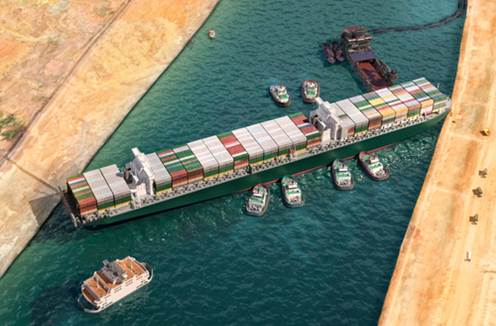
Strait of Hormuz : Source Internet

The Strait of Hormuz, a narrow maritime corridor connecting the Persian Gulf with the Arabian Sea, occupies a central position in the global energy system. For India, however, its importance extends far beyond global statistics or abstract geopolitical narratives. It is a lifeline that underpins the country’s energy security, economic stability, and strategic autonomy. As tensions in the Middle East intensify and the risk of disruption in this critical chokepoint grows, the Strait of Hormuz has emerged not merely as a distant geopolitical concern but as a direct determinant of India’s economic resilience and policy choices. 

India’s dependence on imported energy forms the foundation of its vulnerability. The country imports approximately 85–90 percent of its crude oil requirements, with a significant share originating from Gulf countries such as Iraq, Saudi Arabia, the United Arab Emirates, and Kuwait. A substantial portion of these imports estimated at nearly half of India’s total crude intake passes through the Strait of Hormuz. This geographic concentration of supply routes creates a structural dependency that leaves India highly exposed to any disruption in the region. Unlike countries with diversified energy sources or domestic reserves, India’s growth trajectory is intricately linked to the uninterrupted flow of hydrocarbons through this narrow passage. 

The economic implications of this dependency are profound. Oil is not merely a commodity for India; it is a critical input that influences transportation, manufacturing, agriculture, and electricity generation. Any disruption in supply or spike in prices triggered by instability in the Strait of Hormuz quickly transmits across the economy. Higher crude prices increase fuel costs, which in turn elevate transportation expenses and contribute to inflationary pressures. This cascading effect impacts everything from food prices to industrial output, ultimately affecting household consumption and economic growth. In a country where price stability is closely tied to political and social stability, such shocks can have far-reaching consequences. 

One of the most immediate channels through which disruptions in the Strait affect India is inflation. A sustained increase in crude oil prices can significantly raise the consumer price index, eroding purchasing power and complicating monetary policy. For instance, a sharp rise in oil prices can push up the cost of essential goods and services, forcing policymakers to balance growth objectives with inflation control. This creates a challenging macroeconomic environment, particularly when combined with external uncertainties such as global financial volatility or supply chain disruptions. 

In addition to inflation, the Strait of Hormuz plays a critical role in shaping India’s external balances. The country’s current account deficit is highly sensitive to fluctuations in oil prices. When crude prices rise, the import bill increases, widening the deficit and exerting pressure on the national currency. A weaker currency, in turn, makes imports more expensive, creating a feedback loop that exacerbates economic stress. This dynamic underscore the extent to which India’s macroeconomic stability is intertwined with developments in the Strait of Hormuz. 

Beyond macroeconomic indicators, the Strait’s importance is also evident in its role in supporting India’s industrial and technological sectors. The country’s $250 billion in information technology and services industry, while not directly dependent on oil, relies on stable energy supplies to maintain operations and infrastructure. Energy disruptions can indirectly affect these sectors by increasing operational costs, disrupting supply chains, and creating uncertainties in global markets. Furthermore, industries such as petrochemicals, aviation, and logistics are directly impacted by fuel availability and pricing, making them particularly vulnerable to disruptions in the Strait. 

The strategic dimension of the Strait of Hormuz is equally significant. Control over or disruption of this chokepoint has historically been a tool of geopolitical leverage. For India, which maintains strong economic and diplomatic ties with multiple countries in the Gulf region, this creates a complex balancing act. The country must navigate relationships with energy suppliers, regional powers, and global actors while safeguarding its own interests. Any escalation in tensions involving major powers in the region has the potential to disrupt not only energy flows but also broader trade and diplomatic engagements. 

India’s exposure is further compounded by the limited availability of immediate alternatives. While the country has diversified its energy imports to include suppliers such as Russia, the United States, and countries in West Africa, these alternatives come with logistical, economic, and geopolitical constraints. Shipping routes from these regions are longer and more expensive, and in some cases, the quality of crude differs from what Indian refineries are optimized to process. This limits the speed and scale at which India can substitute Gulf supplies in the event of a disruption. 

To mitigate these risks, India has invested in strategic petroleum reserves, which serve as a buffer during supply disruptions. These reserves, along with commercial inventories, provide a limited window of protection, allowing the country to manage short-term shocks. However, they are not a long-term solution. In the event of a prolonged disruption in the Strait of Hormuz, these reserves would need to be supplemented by alternative supply arrangements, which may not be readily available at scale. 

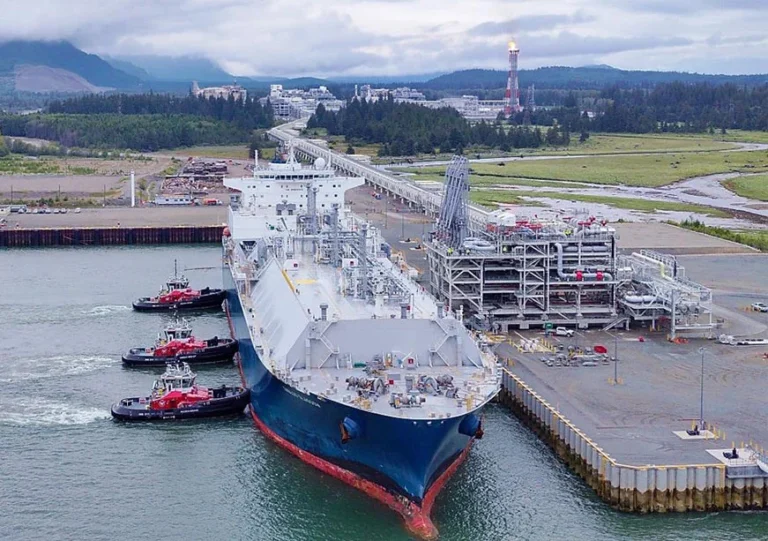
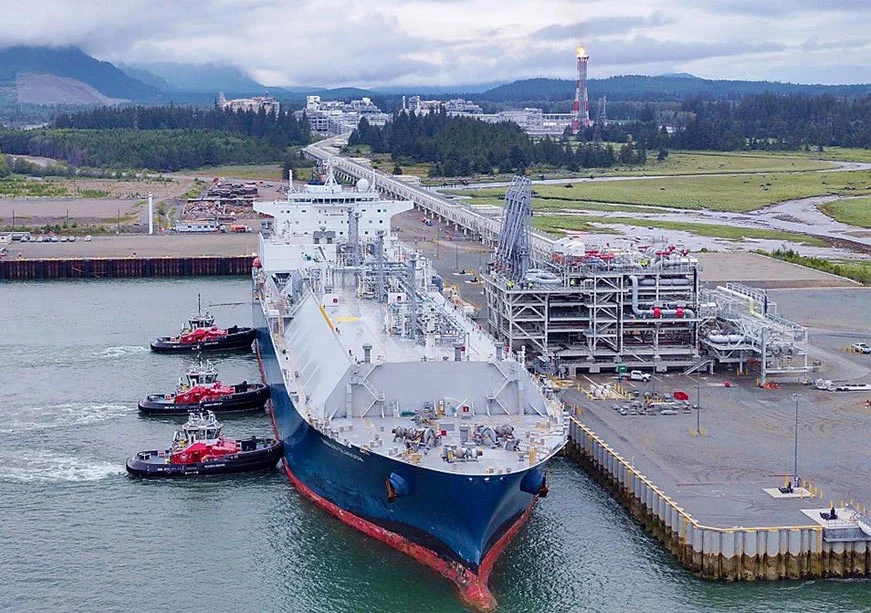
The Strait’s importance is not confined to oil alone. It is also a critical route for liquefied natural gas (LNG), which plays an increasingly important role in India’s energy mix. As the country transitions toward cleaner energy sources, natural gas is expected to serve as a bridge of fuel, supporting industrial growth while reducing carbon emissions. A disruption in LNG shipments through the Strait would therefore have implications not only for energy security but also for India’s environmental and sustainability goals. 

In recent years, the Strait of Hormuz has also emerged as a focal point for discussions on maritime security. The presence of naval forces from various countries reflects the recognition of its strategic importance. For India, enhancing maritime domain awareness and expanding naval capabilities in the region are critical components of its energy security strategy. The Indian Navy’s increased presence in the Western Indian Ocean, along with its participation in anti-piracy operations and international collaborations, underscores the country’s commitment to safeguarding its maritime interests. 

Another dimension that has gained prominence is the intersection of energy security with digital infrastructure. The seabed around the Strait of Hormuz hosts several submarine communication cables that carry a significant portion of global internet traffic. For India, which is deeply integrated into the global digital economy, disruptions to these cables could have implications for connectivity, financial transactions, and technological operations. This dual role of the Strait as both an energy and digital chokepoint adds a new layer of complexity to its strategic significance. 

The geopolitical history of the region further highlights the persistent risks associated with the Strait. Tensions between Iran and Western countries, periodic threats to block the passage, and incidents involving attacks on shipping vessels have repeatedly underscored its vulnerability. These developments serve as reminders that the stability of this corridor cannot be taken for granted. For India, which depends heavily on predictable and uninterrupted energy flows, such uncertainties necessitate proactive planning and strategic foresight. 

Looking ahead, India’s approach to managing its dependence on the Strait of Hormuz is likely to involve a combination of diversification, diplomacy, and domestic capacity building. Diversifying energy sources remains a key priority, with efforts to increase imports from non-Gulf regions and expand renewable energy capacity. At the same time, strengthening diplomatic engagement with Gulf countries and participating in multilateral initiatives can help ensure the security of maritime routes. 

Investments in infrastructure, such as pipelines and port facilities, also play a role in reducing reliance on a single chokepoint. Projects like the development of the Chabahar Port in Iran offer potential alternative routes for trade and connectivity, although their impact on energy flows remains limited. Similarly, enhancing domestic refining capabilities and adopting flexible procurement strategies can improve resilience in the face of disruptions. 

The transition to renewable energy represents a long-term solution to reducing dependence on imported hydrocarbons. India’s ambitious targets for solar, wind, and other renewable sources reflect a recognition of the need to diversify its energy mix. However, this transition will take time, and in the interim, the Strait of Hormuz will continue to play a central role in meeting the country’s energy needs. 

Therefore, the Strait of Hormuz is far more than a geographic feature on the global map. For India, it is a critical artery that sustains economic growth, supports industrial development, and influences strategic decision-making. Its significance is rooted in the country’s dependence on imported energy, the structure of global supply chains, and the complexities of regional geopolitics. As the world navigates an era of heightened uncertainty, the importance of this narrow passage is likely to grow rather than diminish. 

Ensuring energy security in this context requires a comprehensive and forward-looking approach. It demands not only the ability to respond to immediate challenges but also the capacity to anticipate and mitigate future risks. For India, this means balancing short-term resilience with long-term transformation, leveraging both domestic capabilities and international partnerships. The Strait of Hormuz, with all its vulnerabilities and strategic implications, will remain at the center of this endeavor, shaping the contours of India’s energy landscape for years to come. 

About the Author

Sonalika Singh began her journey as an UPSC aspirant and has since transitioned into a full-time professional working with various organizations, including NCERT, in the governance and policy sector. She holds a master’s degree in political science and, over the years, has developed a strong interest in international relations, security studies, and geopolitics. Alongside this, she has cultivated a deep passion for research, analysis, and writing. Her work reflects a sustained commitment to rigorous inquiry and making meaningful contributions to the field of public affairs. 

Simran Speakes: Drones, The Future of Warfare

0

By: Simran Sodhi, Guest Author, GSDN

Swarm of Shahed-136 drones: source Internet

If there is one common thread or lesson coming out of the Russia-Ukraine conflict and the ongoing conflict in the Middle East, it is how drones have changed the war theatre. The Russia-Ukraine conflict has been going on for four years now and despite the Russians being the larger and bigger armed forces, Ukraine has held up. A similar scenario is being played out in the Middle East where the United States and Israel, two of the world’s largest and best equipped armies, have been held up by Iran. In both cases, much of the credit goes to the use of low-cost and high accuracy drones used in great numbers to target the enemy.

For Iran, even in the face of unrelenting bombing by the US and Israel, its secret weapon to fighting back is the cheap and easy to manufacture Shahed drone. Interestingly, the Russians reverse-engineered the Shahed to make its own drones to use in the Russia-Ukraine conflict. Shahed is also easier to launch as compared to ballistic missiles. While drones like Shahed cost between $20,000 to $50,000 to manufacture, the costs of interceptors (to neutralize them in the air) is much higher, a million apiece, as some estimates point out. A simple point here is also that as long as Iran can rely on firing more drones, it can keep a check on which shipping vessels cross the Strait of Hormuz.

It is also to be noted here that Russia which is fighting its own war with Ukraine gains with the closure of the Strait of Hormuz. Russia relies heavily on income earned by oil and gas sales. Already countries are buying oil from Russia as oil and gas from the Gulf nations is cut off. Another point is that every time the US and Israel fire an interceptor to take down an Iranian drone, it automatically reduces the interceptors Ukraine can/will get to take down Russian drones. In an increasingly globalized worlds, conflicts in one part of the world are getting inextricably linked to other conflicts.

The four-day conflict between India and Pakistan in May 2025 was another arena where the usage of drones was in full display. India used cost-effective aerial platforms like Harop, Harpy, Nagastra-1, Warmate R, Warmate 3, and ASL drones – into Pakistan’s airspace. India used the Israeli-made Harpy in large numbers during the conflict.

In turn, Pakistan also retaliated by using drones at India. This was probably one of the first illustrations of how modern warfare has changed. The use of these low-cost drones which were primarily used to target the other’s military sites nevertheless also created panic among the civilian populations. Even if the drones are intercepted, the falling debris can also cause considerable damage. Any future India-Pakistan conflict is likely to see a greater use of drones from both sides.

Thus, at this point, it would be a fair assessment to make that future military conflicts will involve a greater use of low-cost drones, probably with some inbuilt features of Artificial Intelligence (AI).

Taking a close look at the Russia-Ukraine conflict also then helps one understand how the Gulf States will need to invest in protecting their energy companies from drone attacks in the near future. This protection will mean investing in interceptors and jamming systems. Ukraine ‘s national oil and gas company Naftogaz has spent spending millions of dollars on air defences as Russian drones attack the country and its facilities. It is estimated that around 200 drone experts from Ukraine have travelled to Saudi Arabia and the United Arab Emirates (UAE) to offer their expertise in countering Iranian drones. The Gulf States had been expecting more of missile attacks by Iran but the hundreds of drones fired by Iran has taken many by surprise.

The global economy has been shaken by the Middle East conflict as the Strait of Hormuz remains closed de facto and by the strikes on their energy facilities. Asian economies like Japan, South Korea and India, who rely heavily on Gulf oil and gas, have been hit quite badly. The price of gas in Europe also went up by more than 50%. As the affects reach the US and inflation hits the global economy, it will become even more imperative that energy facilities be protected against such shocks in the future. One way forward would be investing more in technology that helps counter drone attacks by States and non-state actors.  

We are already in the future of modern warfare where low-cost drones and their interceptions will decide the winners and losers. AI will increasingly play a role in this as the objective is to develop swarms of drones that can chase and hit targets by scanning locations and are controlled by a single operator from afar. As the Middle East conflict rages on, we are also witnessing the trajectory of future wars: how they will be fought and won or lost.

About the Author

Simran Sodhi is Director-India, TRENDS (Abu Dhabi Media Research & Advisory). In a journalistic career spanning over two decades, she has written for a number of national and international publications. She has also reported from various corners of the world like Tokyo, Beijing, Pakistan and Bhutan, among others. She tweets at @Simransodhi9

From Blue Economy to Viksit Bharat: Reimagining India’s Maritime Power in the 21st Century

By: Khushbu Ahlawat, Consulting Editor, GSDN

India’s Maritime Power: Source Internet

Introduction

India’s emergence as the world’s fourth-largest economy and its projected ascent to the third position by 2028 signals a transformative phase in its economic trajectory. Contributing nearly 16 percent to global growth in 2023, India’s rise is underpinned by robust domestic demand, demographic advantage, and expanding industrial sectors. Within this broader growth story, the maritime sector is increasingly being recognised as a strategic enabler of economic expansion, global trade integration, and geopolitical influence.

Historically, India’s prosperity was deeply rooted in its maritime prowess. From the Indus Valley Civilisation to the Chola naval expeditions, India maintained vibrant trade linkages across the Indian Ocean Region (IOR). However, colonial disruptions eroded this dominance, reducing India’s share of global GDP dramatically. Today, under the vision of Amrit Kaal 2047, India seeks not only economic resurgence but also the restoration of its maritime legacy through the development of a robust Blue Economy.

The Blue Economy: Scope, Potential, and Strategic Significance

India’s Blue Economy encompasses a wide spectrum of sectors, including shipping, port-led development, fisheries, renewable energy, marine biotechnology, and deep-sea exploration. With an 11,098 km coastline, a 2.3 million sq km Exclusive Economic Zone, and 14,500 km of inland waterways, the country possesses immense untapped maritime potential. Currently contributing about 4 percent to GDP, the Blue Economy is projected to reach double-digit levels by 2047. This ambition aligns with global trends, where maritime economies significantly contribute to national output—over 20 percent in several ASEAN countries and 7.9 percent in China. Shipping remains the backbone of India’s trade, handling 95 percent of volume and 70 percent of value. Its cost-effectiveness, lower fuel consumption, and reduced carbon emissions compared to road and rail transport make it central to sustainable logistics. Complementing this, sectors like offshore wind energy, deep-sea mining, and fisheries are emerging as high-growth domains, with fisheries alone supporting over 60 million livelihoods.

Policy Architecture Driving Maritime Transformation

India’s maritime transformation is anchored in a comprehensive policy ecosystem. Flagship initiatives such as the Sagarmala Programme, Maritime India Vision (MIV) 2030, and Maritime Amrit Kaal Vision (MAKV) 2047 collectively provide a phased roadmap for sectoral expansion. Sagarmala focuses on port-led development and logistics efficiency, identifying over 800 projects worth INR 5.8 lakh crore. MIV 2030 outlines 150 initiatives across infrastructure, digitalisation, and sustainability, while MAKV 2047 extends this vision with over 300 action points aligned with long-term national goals. Financial instruments such as the Maritime Development Fund (INR 25,000 crore) and policy incentives like 100 percent FDI under the automatic route, tax holidays, and infrastructure status for large vessels are designed to attract private and foreign investments. Collectively, these initiatives aim to mobilise investments of up to INR 89 lakh crore by 2047.

A decisive factor in realising India’s maritime ambitions will be its ability to mobilise sustainable and diversified financing for large-scale infrastructure and technological transformation. The maritime sector is inherently capital-intensive, requiring long gestation periods and substantial upfront investments, which often deter private participation. While initiatives such as the Maritime Development Fund mark an important step, there remains a need to deepen financial innovation through instruments such as blue bonds, infrastructure investment trusts (InvITs), and blended finance models that combine public and private capital. Leveraging multilateral financing from institutions like the World Bank and Asian Development Bank can further de-risk projects and attract global investors. Additionally, developing a robust domestic ship financing ecosystem is critical, as Indian shipping companies currently rely heavily on foreign lenders, exposing them to currency volatility and external shocks. Establishing maritime-focused financial hubs, strengthening ship leasing frameworks (such as those emerging in GIFT City), and providing credit enhancement mechanisms can significantly boost domestic capacity. Furthermore, aligning financial flows with sustainability goals—through green financing and ESG-linked investments—can position India as a leader in responsible maritime development. By creating a resilient and innovative financial architecture, India can not only accelerate project execution but also ensure long-term competitiveness in the global maritime economy, transforming its Blue Economy vision into a financially viable and globally integrated growth engine.

Shipping, Ports, and Infrastructure Expansion

India’s maritime infrastructure is undergoing rapid expansion. Port capacity is expected to grow threefold to 10,000 MTPA by 2047, supported by the development of mega ports such as Vadhavan and Galathea Bay. Inland waterways are also being scaled up, with cargo capacity projected to reach 500 MTPA. Despite progress, structural gaps remain. India’s merchant fleet accounts for only 1.3 percent of global capacity, and shipbuilding contributes less than 1 percent to the global market. To address this, the government has launched targeted schemes like the Shipbuilding Development Scheme and National Shipbuilding Mission, aiming to position India among the top five shipbuilding nations by 2047. Importantly, India paid US$75 billion in sea freight to foreign shipping lines in 2023, highlighting strategic vulnerabilities. Expanding domestic shipping capacity is therefore not just an economic necessity but a geopolitical imperative.

Digitalisation, Green Transition, and Emerging Technologies

Technological transformation is central to enhancing efficiency and sustainability in the maritime sector. Initiatives such as AI-based berth allocation, maritime single-window systems, and digital platforms like SAGAR-SETU and ULIP are streamlining operations and improving ease of doing business. Simultaneously, India is pursuing an ambitious green maritime agenda. Policies like the National Green Hydrogen Mission and Harit Sagar Guidelines aim to decarbonise ports and shipping. Targets include 23 percent renewable energy usage at ports and participation in 25 global green shipping corridors by 2030. However, challenges persist in scaling alternative fuels, managing high retrofit costs, and building technical capacity. Bridging these gaps will require international collaboration, risk-sharing mechanisms, and sustained investment.

An equally crucial pillar underpinning the success of India’s maritime ambitions is the development of a skilled workforce and robust institutional capacity. As the sector transitions towards high-technology domains such as green shipping, autonomous vessels, and offshore renewable energy, the demand for specialised skills is set to rise significantly. However, India currently faces a shortage of trained maritime professionals, particularly in areas like marine engineering, port digitalisation, and environmental compliance. Strengthening maritime education through institutions such as the Indian Maritime University, alongside industry-led skilling initiatives, will be essential to bridge this gap. Furthermore, enhancing regulatory coherence and institutional coordination remains imperative. The multiplicity of agencies governing ports, shipping, fisheries, and environmental protection often leads to fragmented decision-making and implementation delays. Streamlining governance through integrated maritime authorities and single-window clearances can significantly improve efficiency and investor confidence. Additionally, fostering public-private partnerships (PPPs) in port management, shipbuilding, and logistics infrastructure can unlock innovation and capital infusion. Lessons can be drawn from global best practices, where countries have successfully combined state support with private sector dynamism to build competitive maritime ecosystems. Ultimately, aligning human capital development with institutional reforms will ensure that India’s maritime growth is not only rapid but also sustainable and globally competitive, enabling the country to fully harness the economic and strategic potential of its Blue Economy.

Inland Waterways and Multimodal Connectivity

The development of inland waterways represents a strategic shift towards cost-effective and environmentally sustainable logistics. With cargo share rising from 0.5 percent to 2 percent and a target of 5 percent by 2030, initiatives like the Jal Marg Vikas Project are transforming riverine transport. Complementing this is the PM Gati Shakti initiative, which integrates ports, railways, roads, and logistics through a GIS-enabled platform. By reducing logistics costs from 14 percent to 9 percent of GDP, it enhances India’s global competitiveness and supports maritime-led growth.

A critical yet underexplored dimension of India’s maritime transformation lies in its evolving geopolitical strategy within the Indo-Pacific. As global trade increasingly pivots towards the Indian Ocean Region, India’s maritime policies are no longer confined to economic considerations but are deeply intertwined with strategic security imperatives. Initiatives such as SAGAR (Security and Growth for All in the Region), Indo-Pacific Oceans Initiative (IPOI), and enhanced naval diplomacy underscore India’s intent to shape regional maritime governance. The development of strategic port partnerships in countries like Iran (Chabahar), Sri Lanka, and Southeast Asia reflects a calibrated response to expanding Chinese maritime influence under the Belt and Road Initiative (BRI). Moreover, India’s emphasis on maritime domain awareness, capacity building for littoral states, and participation in multilateral frameworks such as the Quad highlights a shift towards cooperative security architecture. This strategic maritime outreach not only safeguards sea lines of communication (SLOCs), which carry over 80 percent of India’s trade, but also enhances India’s role as a net security provider in the region. Integrating economic initiatives with security frameworks ensures that the Blue Economy is protected against emerging threats such as piracy, geopolitical tensions, and supply chain disruptions. In this context, maritime strength becomes a force multiplier, linking economic resilience with geopolitical influence and reinforcing India’s position as a pivotal Indo-Pacific power.

Challenges and Structural Constraints

Beyond existing constraints, India’s maritime sector also faces deeper structural and systemic challenges that could impede its long-term competitiveness. One critical issue is the inefficiency in hinterland connectivity, where inadequate last-mile linkages between ports and industrial corridors increase logistics costs and turnaround time, undermining the advantages of port-led development. Procedural complexities, including lengthy customs clearances and fragmented regulatory compliance, further reduce ease of doing business compared to global maritime hubs such as Singapore and Rotterdam. Additionally, India’s relatively low levels of research and development (R&D) investment in maritime technologies limit its capacity to innovate in areas such as autonomous shipping, smart ports, and advanced vessel design. The absence of a globally competitive maritime cluster ecosystem—integrating shipbuilding, financing, insurance, and legal services—also weakens India’s position in the global value chain. Furthermore, geopolitical uncertainties, including disruptions in key chokepoints like the Strait of Hormuz and the Malacca Strait, expose India’s trade routes to external vulnerabilities. The sector is also constrained by policy implementation gaps at the state level, where coordination challenges and land acquisition issues delay critical infrastructure projects. Lastly, the lack of a robust data governance framework for maritime operations limits the effectiveness of digitalisation efforts. Addressing these multifaceted structural bottlenecks will require not only policy intent but also institutional reform, technological investment, and enhanced coordination across stakeholders to ensure that India’s maritime ambitions translate into tangible outcomes.

As India accelerates its maritime expansion, embedding climate resilience and environmental sustainability into the Blue Economy framework becomes imperative. Coastal regions, which serve as hubs of economic activity, are increasingly vulnerable to climate-induced risks such as sea-level rise, coastal erosion, extreme weather events, and biodiversity loss. Ports and maritime infrastructure must therefore be designed with climate-adaptive features, including resilient construction standards, early warning systems, and disaster risk management frameworks. At the same time, the ecological sustainability of marine resources is critical for long-term economic viability. Overfishing, marine pollution—particularly plastic waste—and habitat degradation threaten not only marine biodiversity but also the livelihoods of millions dependent on fisheries. Strengthening regulatory enforcement, promoting sustainable fishing practices, and investing in marine conservation initiatives such as blue carbon ecosystems (mangroves, seagrasses, and coral reefs) can generate both environmental and economic benefits. Furthermore, integrating climate considerations into maritime policy through tools like coastal zone management plans and environmental impact assessments will ensure balanced development. India’s leadership in global climate platforms also positions it to advocate for equitable and sustainable ocean governance. By aligning economic growth with ecological stewardship, India can build a resilient Blue Economy that not only drives development but also safeguards marine ecosystems for future generations, reinforcing its commitment to sustainable and inclusive growth.

Conclusion

India’s maritime sector stands at a critical juncture, poised to play a transformative role in the country’s journey towards becoming a developed economy by 2047. The convergence of strategic geography, policy momentum, and economic ambition provides a strong foundation for growth. However, realising this potential will depend on sustained policy coherence, effective implementation, and the ability to integrate technological innovation with human capital development. Strengthening domestic shipping, enhancing infrastructure, and advancing sustainability will be key to building a resilient maritime ecosystem. Ultimately, the Blue Economy is not merely an economic construct but a strategic pathway to national power, enabling India to secure its trade routes, strengthen supply chains, and assert its influence in the Indo-Pacific. If effectively harnessed, it can serve as a vital gateway to Viksit Bharat, restoring India’s historical maritime prominence while shaping its future as a global maritime leader.

About the Author

Khushbu Ahlawat is a research analyst with a strong academic background in International Relations and Political Science. She has undertaken research projects at Jawaharlal Nehru University, contributing to analytical work on international and regional security issues. Alongside her research experience, she has professional exposure to Human Resources, with involvement in talent acquisition and organizational operations. She holds a Master’s degree in International Relations from Christ University, Bangalore, and a Bachelor’s degree in Political Science from the University of Delhi.

From Sanctions to Strategic Convergence: Mapping Russian Investment and Economic Statecraft in India

By: Khushbu Ahlawat, Consulting Editor, GSDN

India-Russia Ties: Source Internet

Introduction

The trajectory of India–Russia economic relations since 2022 reflects a paradox of expansion and imbalance. Bilateral trade has surged to unprecedented levels, reaching US$68.7 billion in FY2024–25, more than doubling the earlier target of US$30 billion. This dramatic rise is overwhelmingly driven by India’s import of discounted Russian crude oil, which constitutes nearly 80 percent of total trade, underscoring a structurally skewed partnership. While this surge demonstrates resilience amid Western sanctions, it simultaneously exposes vulnerabilities rooted in overdependence on a single commodity.

To mitigate the impact of sanctions imposed by the United States, European Union, and G7 countries, both nations have adopted innovative financial mechanisms. The rupee–ruble settlement system, introduced by the Reserve Bank of India in 2022, now accounts for over 90 percent of bilateral transactions, significantly reducing reliance on Western financial systems. Complementing this, logistical initiatives such as the Vladivostok–Chennai maritime corridor and the International North–South Transport Corridor (INSTC) have enhanced connectivity and trade facilitation.

However, the structural imbalance remains stark. India’s exports to Russia have grown only modestly—from US$3.1 billion in FY2022–23 to US$4.9 billion in FY2024–25—highlighting persistent asymmetry. This imbalance is compounded by regulatory barriers, limited market knowledge, and risk-averse private sector participation. Thus, while trade expansion signals opportunity, it also necessitates diversification and deeper structural reforms.

Sanctions, Slowdowns, and the Limits of Trade Expansion

Despite impressive growth, India–Russia trade is showing signs of stagnation. By late 2025, Russian President Vladimir Putin acknowledged that trade volumes had plateaued, indicating a potential ceiling in current dynamics. Western sanctions have played a decisive role in constraining further expansion, particularly in non-energy sectors. A notable example is the collapse of Russia’s diamond exports to India, which fell sharply from US$1.4 billion to US$400 million following the 2024 G7 and EU ban on Russian-origin diamonds. This has disrupted India’s diamond processing industry, traditionally reliant on Russian raw materials. Similarly, sanctions targeting Russian oil companies and tanker fleets in 2025 have complicated energy shipments, forcing Indian refiners to recalibrate sourcing strategies. Moreover, the persistence of a one-sided trade structure remains a fundamental constraint. India’s inability to match Russia’s export scale—particularly in energy—limits the scope for balanced growth. Non-tariff barriers, logistical inefficiencies, and compliance risks further deter Indian exporters. While sectors such as electronics and pharmaceuticals have shown incremental growth, these gains remain insufficient to offset the broader imbalance.

Thus, the current phase of India–Russia trade reflects not just external pressures but also internal structural limitations, necessitating a shift from volume-driven growth to value-based diversification.

Investment Cooperation: From Energy Dominance to Sectoral Diversification

Investment cooperation between India and Russia has evolved beyond traditional sectors, though energy continues to dominate. The landmark acquisition of Essar Oil by Russian energy giant Rosneft for US$12.9 billion remains the largest single Russian investment in India. Operating under Nayara Energy, the company has expanded to over 6,750 fuel stations, reinforcing Russia’s deep footprint in India’s downstream energy sector.

In the nuclear domain, Russia’s state corporation Rosatom has played a pivotal role in constructing the Kudankulam Nuclear Power Plant, with Units I and II operational since 2014 and 2016. The project exemplifies long-term strategic cooperation, supported by concessional financing and technology transfer. Beyond energy, diversification is evident across metallurgy, chemicals, and manufacturing. Russian aluminium giant Rusal’s US$244 million investment in an Indian alumina refinery and the establishment of KuibyshevAzot’s engineering plastics plant in Andhra Pradesh signal growing industrial collaboration. Similarly, Russian firm NLMK’s investment in transformer steel production highlights integration into India’s manufacturing ecosystem.

An equally significant yet evolving pillar of India–Russia economic engagement lies in the digital economy and fintech cooperation, which is gradually reshaping the architecture of bilateral transactions. As Western financial systems remain partially inaccessible to Russian institutions, both countries have accelerated efforts to build alternative payment ecosystems and digital financial linkages. The expansion of Russia’s SPFS (System for Transfer of Financial Messages) and its potential interoperability with India’s domestic financial messaging systems reflects a broader push to bypass SWIFT-dependent channels. Simultaneously, India’s globally recognised Unified Payments Interface (UPI) has emerged as a model for scalable, low-cost digital payments, opening avenues for cross-border integration. In 2025, discussions around mutual acceptance of payment cards and digital settlement mechanisms gained traction, signalling a move toward deeper financial interoperability. Moreover, Russian banks such as Sberbank establishing IT hubs in Bengaluru highlight a shift toward embedding themselves within India’s digital innovation ecosystem. This convergence is further reinforced by India’s rapid fintech expansion—projected to reach US$150 billion in market size by 2025—making it an attractive destination for Russian capital seeking diversification. Importantly, such collaboration is not merely transactional but strategic, as it enables both nations to co-develop sanctions-resilient financial infrastructures, enhance cybersecurity cooperation, and reduce systemic dependence on Western-controlled platforms. Over time, this digital-financial synergy could serve as a cornerstone for a parallel geoeconomic architecture, aligning with the broader ambitions of a multipolar global financial order.

In the railways sector, the Transmashholding–RVNL joint venture represents a transformative partnership. With a contract worth US$6.5 billion, it includes the production of 120 Vande Bharat sleeper trains and long-term maintenance commitments, embedding Russian expertise into India’s infrastructure modernization.

An additional and increasingly important vector of India–Russia economic cooperation lies in the defence-industrial and technological partnership, which continues to anchor bilateral ties even amid shifting geopolitical realities. Historically, Russia has been India’s largest defence supplier, accounting for nearly 60–70 percent of India’s military inventory over the past decades. Although this share has gradually declined due to India’s diversification strategy, recent developments indicate a transition from a buyer–seller dynamic to joint production and technology co-development. The BrahMos supersonic cruise missile programme, a flagship Indo-Russian joint venture, has gained renewed momentum, particularly after India’s efforts to expand its export footprint to Southeast Asia. Additionally, agreements on the licensed production of AK-203 assault rifles in Uttar Pradesh and ongoing cooperation in areas such as air defence systems and nuclear submarines reflect deepening industrial linkages. In 2025, both countries reiterated commitments to defence indigenisation under India’s “Make in India” initiative, emphasising local manufacturing and technology transfer. This shift aligns with India’s broader goal of reducing import dependency while retaining strategic autonomy. Furthermore, in the context of Western sanctions on Russia, defence cooperation has acquired a new dimension, with India emerging as a reliable partner for sustaining Russia’s defence exports and industrial base. However, challenges such as payment delays, sanctions risks, and technology-sharing limitations persist. Strengthening this partnership through co-innovation, joint R&D, and export-oriented production could transform defence ties into a cornerstone of long-term strategic and economic cooperation.

A critical yet underexplored dimension of India–Russia economic engagement is the growing strategic alignment in critical minerals and supply chain security, which has gained urgency in the post-2024 global economic landscape. As countries increasingly weaponise resource access, India has intensified efforts to secure inputs essential for energy transition technologies such as lithium, cobalt, and rare earth elements. Russia, possessing vast reserves of nickel, cobalt, and rare earths, has emerged as a potential long-term partner in this domain. In 2024–25, bilateral discussions explicitly focused on technology transfer and joint exploration in mining, culminating in the inclusion of cooperation on mining technologies in the August 2025 protocol on industrial modernisation. This aligns with India’s broader strategy of reducing dependence on China-dominated supply chains, particularly in electric vehicle batteries and renewable energy infrastructure. Simultaneously, global disruptions—exacerbated by the Ukraine conflict and export restrictions by multiple countries—have intensified competition over mineral access, with over 200 export restrictions recorded globally since 2018. Russia’s pivot towards Asian markets, including India, thus reflects both necessity and opportunity. Furthermore, India’s policy push through initiatives like the Critical Minerals Mission (2025) and Production-Linked Incentive (PLI) schemes enhances its attractiveness for Russian investment in downstream processing and value addition. If effectively operationalised, this cooperation could move the bilateral partnership beyond hydrocarbons towards a future-oriented geoeconomic axis, embedding resilience, technological collaboration, and strategic autonomy into India–Russia relations.

These developments indicate a gradual shift from resource-centric engagement to diversified industrial cooperation, though the scale of investment remains modest relative to potential. Another crucial dimension shaping India–Russia economic relations is the evolving connectivity and logistics architecture, which is central to sustaining long-term trade and investment flows. The operationalisation of the International North–South Transport Corridor (INSTC)—a 7,200-km multimodal network linking India, Iran, Russia, and Central Asia—has emerged as a strategic alternative to traditional routes like the Suez Canal. Recent pilot shipments have demonstrated that the INSTC can reduce transit time by 30–40 percent and lower freight costs by nearly 20 percent, significantly enhancing trade efficiency. Parallelly, the Vladivostok–Chennai maritime corridor, first proposed in 2019, has gained renewed momentum post-2022, offering a direct sea route that cuts shipping time from over 40 days to approximately 24 days. In 2025, both countries also intensified cooperation on the Eastern Maritime Corridor, integrating port infrastructure and boosting energy transportation. Furthermore, Russia’s interest in expanding the Northern Sea Route (NSR), coupled with discussions on joint shipbuilding and ice-class vessel development with India, highlights the Arctic’s growing relevance in bilateral cooperation. These developments are not merely logistical but deeply strategic, as they enable both nations to bypass chokepoints and mitigate geopolitical risks associated with Western-controlled trade routes. However, challenges such as infrastructural gaps in Iran, regulatory inconsistencies, and limited private sector participation continue to constrain full operational efficiency. Strengthening these corridors through coordinated investments and policy harmonisation will be essential to unlocking the next phase of India–Russia economic integration.

Financial Integration and the Rise of Alternative Investment Channels

A defining feature of post-2022 economic engagement is the deepening of financial integration. Russian banks such as Sberbank and VTB have expanded their presence in India, facilitating trade settlements and investment flows. The introduction of Special Rupee Vostro Accounts (SRVAs) has enabled Russian firms to channel surplus rupees into Indian government securities and financial markets.

Portfolio investments have emerged as a significant avenue, exceeding US$2 billion in 2024. Russian investors increasingly view India as a “safe harbour,” driven by its economic stability and growth prospects. The launch of a mutual fund linked to the Nifty 50 index further institutionalizes financial connectivity, allowing Russian retail investors exposure to India’s top companies. In the startup ecosystem, Russian-origin funds such as RTP Global and Sistema Asia Capital have invested in sectors ranging from fintech to food delivery. While some of these entities have distanced themselves from Russia post-Ukraine conflict, their continued engagement underscores India’s attractiveness as an innovation hub. This financial convergence reflects a broader reorientation of Russian capital towards the Global South, with India emerging as a central node in this transition.

Persistent Bottlenecks: Structural and Institutional Constraints

Despite progress, several structural challenges hinder the full realization of investment potential. The absence of a Bilateral Investment Treaty (BIT) since 2017 leaves investors without robust legal protection, increasing uncertainty. Although negotiations resumed in 2024, a final agreement remains elusive. Currency-related challenges persist within the rupee–ruble framework. Dependence on third-country exchange rates, restrictions on rupee repatriation, and forex volatility complicate transactions. Additionally, India’s cautious regulatory approach—reflected in Russia’s high-risk rating by export credit agencies—limits deeper financial integration. Infrastructure and logistical gaps further constrain trade expansion. While corridors like INSTC offer promise, their operational efficiency remains inconsistent. Moreover, Indian private sector reluctance to engage with Russia, driven by sanctions risk and market unfamiliarity, continues to impede diversification. Addressing these bottlenecks requires coordinated policy reforms, enhanced institutional frameworks, and greater private sector participation.

Conclusion

The evolution of India–Russia economic relations in the post-2022 era reflects a complex interplay of geopolitics, economic pragmatism, and strategic necessity. While sanctions have disrupted traditional pathways, they have also catalyzed innovation in financial mechanisms, logistics, and investment strategies. India’s emergence as a key destination for Russian capital underscores its growing importance in the Global South. For Russia, India offers not only a large and dynamic market but also a gateway to alternative economic networks beyond the West. For India, engagement with Russia ensures energy security, technological collaboration, and strategic autonomy.

However, the sustainability of this partnership will depend on addressing structural imbalances, diversifying trade, and strengthening institutional frameworks. Moving forward, the focus must shift from transactional engagement to long-term strategic integration, encompassing emerging sectors such as critical minerals, digital economy, and green energy. In an increasingly fragmented global order, the India–Russia partnership stands as a testament to adaptive resilience. Its future trajectory will not merely shape bilateral ties but also influence the contours of a multipolar economic system in the decades to come.

About the Author

Khushbu Ahlawat is a research analyst with a strong academic background in International Relations and Political Science. She has undertaken research projects at Jawaharlal Nehru University, contributing to analytical work on international and regional security issues. Alongside her research experience, she has professional exposure to Human Resources, with involvement in talent acquisition and organizational operations. She holds a Master’s degree in International Relations from Christ University, Bangalore, and a Bachelor’s degree in Political Science from the University of Delhi.

When Rule-Makers Become Rule-Breakers: The Crisis of Order in Contemporary Geopolitics

By: Khushbu Ahlawat, Consulting Editor, GSDN

Rule-Makers Become Rule- Breakers: Source Internet

Introduction

The contemporary international system stands at a critical inflection point, where the very actors that once designed and upheld global rules are increasingly bypassing, bending, or outright violating them. Institutions such as the United Nations and the World Trade Organization—long regarded as pillars of a rules-based international order—are facing an unprecedented crisis of legitimacy and effectiveness. What was once a system characterized by predictability, multilateral cooperation, and institutionalized norms is now giving way to a fragmented and volatile geopolitical landscape defined by strategic competition, unilateralism, and transactional decision-making.

This shift is not merely structural but deeply systemic. The post-Cold War optimism that economic interdependence and shared values would foster enduring cooperation has eroded under the weight of emerging realities. Major powers increasingly prioritize national interests over collective commitments, as evidenced by the weaponization of trade through tariffs, the expansion of sanctions regimes, and the growing use of technology controls as instruments of geopolitical leverage. The paralysis of global institutions in addressing major conflicts and economic disruptions further underscores the limitations of existing governance frameworks.

Compounding this transformation is the convergence of multiple global crises. The COVID-19 pandemic exposed stark inequalities in global health governance, while subsequent disruptions in supply chains, energy markets, and financial systems revealed the vulnerabilities of an interconnected world. Simultaneously, intensifying geopolitical rivalries—from tensions in the Indo-Pacific to conflicts in Eastern Europe and the Middle East—have heightened uncertainty and accelerated the shift toward strategic autonomy. The increasing securitization of economic policy, coupled with the rise of digital platforms and non-state actors as influential stakeholders, has blurred the traditional boundaries between economics, security, and governance.

In this evolving context, the distinction between cooperation and competition is becoming increasingly obsolete. States now operate in a complex environment where they may simultaneously collaborate, compete, and contest with the same actors across different domains. This emerging reality reflects a transition from a values-based order to one driven by “shared value,” where pragmatic interests, rather than ideological alignment, determine the contours of engagement.

This article argues that the ongoing transformation of the global order is characterized by the erosion of rule-based systems, the rise of transactional geopolitics, and the growing agency of middle powers navigating a fragmented landscape. It contends that while this shift introduces uncertainty and instability, it also creates opportunities for reimagining global governance through more inclusive, flexible, and adaptive frameworks. Ultimately, the challenge for the international community lies not in restoring the past order, but in constructing a new equilibrium that balances power, equity, and cooperation in an increasingly multipolar world.

The Rise of Transactional Geopolitics and “Shared Value” Partnerships

One of the defining features of this emerging order is the transition from values-based alliances to interest-driven, transactional partnerships. Countries increasingly collaborate not because of shared ideologies but due to converging strategic or economic interests. For instance, despite ongoing tensions between the United States and China in areas like technology and security, both continue to engage on climate negotiations and global financial stability mechanisms. Similarly, India’s simultaneous engagement with Western powers through frameworks like the Quad, while maintaining strategic ties with Russia for defense and energy, exemplifies this duality.

Recent developments in 2025–26 further underscore this trend: global supply chain disruptions caused by geopolitical conflicts have forced unlikely partnerships in critical minerals and semiconductor production. The European Union’s outreach to countries in Africa and Latin America for rare earths, and Japan’s investments in Southeast Asia to counter Chinese dominance, demonstrate how “shared value” is replacing “shared values” as the glue of cooperation. However, such arrangements remain inherently fragile, as they lack the deeper ideological cohesion that sustained alliances during the Cold War.

Fragmentation of Multilateralism and the Crisis of Global Governance

The weakening of multilateral institutions is perhaps the most visible symptom of this geopolitical transition. The United Nations Security Council continues to face criticism for its inability to respond effectively to major conflicts, including the prolonged war in Ukraine and the intensifying crises in the Middle East. The absence of structural reforms—particularly the underrepresentation of Africa and the Global South—has further eroded its legitimacy.

Simultaneously, the WTO faces an existential crisis. Data from recent international trade reports indicate that over 3,000 trade-restrictive measures were implemented globally in 2025 alone, compared to fewer than 100 annually two decades ago. The increasing use of unilateral sanctions and export controls, especially in technology sectors such as semiconductors and artificial intelligence, has fragmented global trade governance. The rise of plurilateral agreements, such as Indo-Pacific economic frameworks and regional trade blocs, signals a move away from universal rules toward selective, interest-based arrangements. This fragmentation risks creating a “patchwork order,” where overlapping rules generate uncertainty and disproportionately disadvantage smaller economies.

Climate Inequity and the Geopolitics of Climate Finance

Another critical dimension reinforcing the crisis of the global order is the intensification of climate geopolitics and unequal climate finance flows. Despite repeated commitments under frameworks like the Paris Agreement, developed countries have consistently fallen short of their pledge to mobilize $100 billion annually for developing nations—a target only partially met and often through loans rather than grants. According to recent estimates by the World Bank and the International Monetary Fund, developing economies require over $2 trillion annually by 2030 to meet climate mitigation and adaptation goals. Yet, in 2025, climate finance flows remained heavily skewed, with nearly 70% directed toward mitigation projects in middle-income countries, leaving least developed countries severely underfunded. The growing use of carbon border taxes, particularly the European Union’s Carbon Border Adjustment Mechanism (CBAM), has further complicated global trade dynamics by imposing additional costs on exports from developing economies. At the same time, extreme climate events—ranging from devastating floods in South Asia in 2024 to prolonged droughts in Africa—have exposed the vulnerability of countries with minimal adaptive capacity. These developments highlight a widening gap between climate commitments and actual delivery, reinforcing perceptions of inequity in the global system. As climate change increasingly intersects with trade, finance, and security, it is becoming a central axis of geopolitical contestation. Without a fundamental restructuring of climate finance mechanisms and more equitable burden-sharing, the credibility of global governance frameworks will continue to erode, further weakening already fragile international cooperation.

Middle Powers and the “New Delhi Moment”

Amid the decline of traditional power structures, middle powers are emerging as crucial actors shaping the new geopolitical landscape. Countries like India, Brazil, and Turkey are asserting greater strategic autonomy, leveraging their positions to influence global debates on trade, climate, and security. The idea of a “New Delhi Moment,” discussed prominently at global forums, reflects the potential for such states to redefine cooperation frameworks outside the shadow of superpower rivalry.

Recent initiatives reinforce this shift. India’s leadership during the G20 presidency emphasized inclusive development and digital public infrastructure, while Brazil’s renewed activism in climate diplomacy highlights the Global South’s growing agency. Furthermore, coalitions such as BRICS expansion in 2024–25 demonstrate how emerging economies are creating parallel platforms to challenge Western-dominated institutions. However, the effectiveness of these coalitions depends on their ability to move beyond rhetoric and deliver tangible outcomes, particularly in areas like climate finance and development assistance.

Sovereignty, Power Politics, and the Erosion of Trust

The resurgence of sovereignty as a central principle reflects both empowerment and risk. While countries increasingly assert their right to independent decision-making, this has also led to heightened tensions and reduced trust in international cooperation. Instances of alleged political interference, economic coercion, and strategic pressure—whether through sanctions, tariffs, or digital surveillance—have intensified in recent years.

For example, disputes over technology governance, including restrictions on semiconductor exports and concerns over data sovereignty, illustrate how economic tools are being weaponized. Similarly, geopolitical tensions in regions like the South China Sea and Eastern Europe highlight the limits of international law when confronted with power politics. This environment creates a paradox: while sovereignty is championed as a safeguard of national interest, its aggressive assertion often undermines collective stability.

The Economic Dimension: Uncertainty, Supply Chains, and Development Challenges

From a business perspective, the erosion of predictable rules has profound implications. Global corporations increasingly face regulatory fragmentation, geopolitical risks, and supply chain vulnerabilities. The shift toward “de-risking” and “friend-shoring” strategies—accelerated by the COVID-19 aftermath and geopolitical tensions—has reconfigured global production networks.

Recent data indicates that multinational companies are diversifying manufacturing bases away from China toward countries like Vietnam, India, and Mexico. However, this transition comes with increased costs and inefficiencies. Moreover, developing countries risk being marginalized if they cannot integrate into these new supply chains. The decline of multilateral trade frameworks also threatens economic growth, with estimates suggesting that the collapse of global trade norms could reduce GDP in emerging economies by up to 5%.

At the same time, climate finance and development funding remain inadequate. Despite commitments made at global climate summits, actual disbursements to vulnerable nations fall significantly short, exacerbating inequalities and undermining trust in global governance.

A further dimension underscoring the fragility of the current geopolitical order is the resurgence of conflict economies and the securitization of energy and food systems. The ongoing repercussions of the Russia–Ukraine War continue to disrupt global grain and fertilizer supplies, with Ukraine and Russia together accounting for nearly 30% of global wheat exports before the war. In 2024–25, renewed disruptions in Black Sea shipping routes led to spikes in global food prices, disproportionately affecting countries in Africa and West Asia. Simultaneously, energy markets have been reshaped by geopolitical tensions, with Europe reducing dependence on Russian gas while increasing imports of liquefied natural gas (LNG) from the United States and Qatar. This transition, while strategic, has increased energy costs and exposed vulnerabilities in supply chains. Furthermore, the weaponization of energy—seen in production cuts by oil-producing nations and strategic reserves management—has amplified volatility in global markets. According to recent estimates, over 345 million people worldwide faced acute food insecurity in 2025, nearly double pre-pandemic levels. The convergence of conflict, climate change, and economic instability has thus created a “polycrisis,” where shocks in one domain rapidly cascade into others. These trends not only exacerbate inequalities between developed and developing nations but also challenge the effectiveness of global governance mechanisms in ensuring stability. Without coordinated international responses to secure food and energy systems, such disruptions risk becoming a permanent feature of the global order.

Techno-Politics and the Weaponization of Innovation

A critical yet often underexplored dimension of this shifting geopolitical order is the growing intersection between technology governance, economic security, and strategic competition. The rapid advancement of artificial intelligence, quantum computing, and semiconductor technologies has transformed them into instruments of geopolitical leverage. In 2025, the United States expanded export controls on advanced chips and AI technologies targeting China, while simultaneously investing over $50 billion under industrial policy frameworks such as domestic semiconductor initiatives. In response, China accelerated its self-reliance strategy, increasing R&D spending to over 2.6% of GDP and tightening control over critical mineral exports like gallium and germanium—essential for global electronics supply chains. Meanwhile, the European Union introduced its Digital Markets Act and AI regulatory frameworks, aiming to set global standards while reducing dependence on external technological ecosystems. These developments have effectively fragmented the digital economy into competing regulatory and technological blocs. Additionally, cyberattacks on critical infrastructure—including financial networks and energy grids in 2024–25—have highlighted the vulnerability of interconnected systems in the absence of universally accepted norms. The result is an emerging “techno-polar” world order, where innovation is increasingly securitized and access to technology is weaponized. This trend not only deepens strategic mistrust among major powers but also creates significant barriers for developing countries, which risk exclusion from next-generation technological ecosystems. Without coordinated global governance mechanisms, the technological divide could become as consequential as traditional economic inequalities, reshaping power hierarchies in the decades to come.

Conclusion

The transformation of the global order is neither entirely negative nor wholly inevitable; it is, rather, a moment of profound transition that demands both critical reflection and strategic imagination. While the erosion of rule-based systems has undoubtedly introduced volatility and distrust, it has also exposed the inadequacies of outdated institutions and created space for necessary reform. The real challenge before the international community is not to nostalgically restore a past order that no longer reflects contemporary realities, but to construct a more adaptive, inclusive, and representative framework of global governance.

Reform must go beyond rhetoric. Institutions such as the United Nations and the World Trade Organization must evolve to accommodate the voices and aspirations of the Global South, particularly regions like Africa that remain structurally underrepresented. At the same time, governance mechanisms must expand to address emerging domains—digital technologies, artificial intelligence, climate finance, and supply chain resilience—where the absence of coherent rules risks deepening fragmentation. Re-centering development, equity, and sustainability within global discourse is no longer optional; it is essential for restoring legitimacy and ensuring long-term stability.

Ultimately, the future of geopolitics will be defined by whether states can transcend zero-sum calculations and embrace the reality of deep interdependence. In a world where cooperation and competition coexist, leadership will be measured not by dominance, but by the ability to forge trust amid uncertainty and consensus amid divergence. If the current era is marked by rule-makers becoming rule-breakers, the next must be defined by rule-shapers—actors willing to rebuild norms that are fair, flexible, and forward-looking. The stakes are not merely institutional or strategic; they are civilizational. The choices made today will determine whether the emerging world order descends into prolonged fragmentation or evolves into a more just and resilient system capable of addressing the shared challenges of humanity.

About the Author

Khushbu Ahlawat is a research analyst with a strong academic background in International Relations and Political Science. She has undertaken research projects at Jawaharlal Nehru University, contributing to analytical work on international and regional security issues. Alongside her research experience, she has professional exposure to Human Resources, with involvement in talent acquisition and organizational operations. She holds a Master’s degree in International Relations from Christ University, Bangalore, and a Bachelor’s degree in Political Science from the University of Delhi.

What is Stopping the USA from striking North Korea Militarily?

0

By: Bhaskar Jha, Research Analyst, GSDN

North Korea: source Internet

The relations between U.S. and the Democratic People’s Republic of Korea have continuously revolved between diplomatic manoeuvres and aggravated military tensions in the last few decades, fuelled by the traditional structures and ideological differences. President Donald Trump swearing into his second term raised speculations about high level meetings, based on the precedent set in the first term where Trump held the Singapore and Hanoi Summit. A dichotomous approach taken by the U.S. has led their relations with DPRK. While Donald Trump continuously talks about his desire to hold high-level meetings and improve geopolitical relations based on the good rapport that he banks on, with the Supreme Leader Kim Jong Un, the U.S. policy still asserts a permanent and verifiable denuclearization of the Korean Peninsula, evident from the statements passed during Trump’s meet with the President of Republic of Korea lee Jae Myung in 2025.

The DPRK’s Ninth Party Congress held in the last week of February, highlighted the dual approach employed by DPRK. Kim Jong Un hints at both the countries getting along well, if the U.S. mends its policies towards DPRK’s nuclearization. He also confirms an expansion in his nuclear arsenal in the upcoming years, coupled with the tactical weapons including Intercontinental Ballistic Missiles, as it declares South Korea as its primary rival, rejecting any peaceful resolution between the two nations. This stance has been provided with a promptly phased military preparation, incorporating various ballistic and cruise missile tests in 2025, followed by provocations in early 2026.

North Korea has also worked on ties with Russia, evident from the deployment of more than 15000 soldiers of the DPRK in the Russia-Ukraine confrontation, and inviting the Russian leaders to the 80th Worker’s Party Celebration, and scoring a major draw of efficient combat techniques and latest technology in the bargain. DPRK has also enhanced relations with China which has emboldened its stance in the broader hegemonic contention. One of the recent instances of the same can be the stance on the recent tensions in the middle east where North Korea offers support to Iran and justifies its arsenal of nuclear weapons.

However, these conditions are still not enough for a display of American aggression against North Korea and the following would require an extreme circumstance like a conventional or nuclear attack on one of the U.S. allies, namely South Korea and Japan, an intercontinental ballistic missile test which directly threatens the land of United States or a non-traditional threats incorporating situations like an unstable regime leaving the nuclear elements up for grabs, major technology transfer to jeopardising non-state actors, escalations during annual military exercises or Cyber and Kinetic threats can catalyse a firm retaliation. Through this article we will look at how even after continuous provocations and an alarmingly opposite stance taken by DPRK, deterrence and diplomatic procedures is the more favourable option for the United States of America.

The Nuclear Threat

North Korea has gradually built a strong and alarming nuclear framework even after hindrances created at every step through international pressure and economic sanctions. The Democratic People’s Republic of Korea conducted its primary nuclear tests on October 9, 2006, transitioning to its most significant test after a decade on September 3, 2017, of the Hydrogen bomb. North Korea has said to have assembled an estimate of 50 Nuclear warheads with fissile material for up to 90 weapons. The state has also worked towards enhancing the delivery systems as it makes advancements like the Hwasong-18 solid-fuel variant, which has been tested many times in the last couple of years, along with short range systems, with the calibre of hitting targets all across South Korea and Japan. These developments have provided North Korea with a second-strike option, forcing the U.S. to speculate any military action.

Any pre-emptive U.S. strike can lead to a vehement nuclear retaliation afflicting the U.S. territories or its allies, namely, Japan and South Korea. DPRK will also consider the nuclear option on the battlefield, as it has publicly abandoned its no-first-use policy. Moreover, attacking the North Korean nuclear facilities can lead to a radiological release or even an extensive nuclear exchange.

Therefore, while the U.S. has a stronger nuclear arsenal, North Korea commands an artillery, enough to survive the hegemonic battle, as the stakes are extreme and unreasonable, which means any partial success can act as a catalyst for a catastrophic battle.

The Threat to South Korea and other Regional Allies

Apart from its nuclear arsenal, the Democratic People’s Republic of Korea has also amassed a strong traditional force which poses an imminent risk on the Republic of Korea, which is a significant U.S. ally with a population of more than 50 million. North Korea maintains an army of more than 1.2 million active personnel with more than half of them deployed in Demilitarised Zone (DMZ). This coupled with more than 5000 artillery systems with South Korean cities with massive population in range, encompassing more than 900-long range missiles capable of reaching Seoul, with a population over 10 million, located less than 40 miles from DMZ.

Pentagon reports have also estimated the scale of damage in-case of a full-scale conflict, with projections going up to 3,00,000 South Korean and American casualties, with civilian deaths up to 20,000 per day, from military exchanges. There are more conservative estimates that consider an hour of military barrage enough to inflict thousands of casualties, before a potential counter-strike tackles the situation.

The United Stations has also stationed 28,500 troops in South Korea under the Mutual Defence Treaty, signed in 1953. These troops and major bases in Japan, will immediately be exposed to any kinds of huge-scale confrontation. While North Korean missiles have overflown Japanese territory innumerable times, a broader war would afflict the U.S. allies and infrastructure. The South Korean Miracle of the Han, has its foundation in the technological and infrastructural development in its metropolitan cities, which would face severe damage with global supply chains of semiconductors and electronic goods disrupting triggering an economic collapse.

A Potential Russian and Chinese Involvement

Any kind of aggression portrayed through a U.S. military stance will also face a potential backlash from the People’s Republic of China as well, which has been an ally of the Democratic People’s Republic of Korea since The Cold War Era, bound by agreements like the Treaty of Friendship since 1961. The People’s Republic of China also intervened significantly in the Korean War, leading to the Armistice Agreement in 1953, which still majorly governs the region.

China has also expressed its views on how it looks at Pyongyang as a strategic buffer and would retaliate against any kind of assertion or attempt made at changing the regime. Moreover, any kind of U.S. aggression can trigger a massive refugee influx into China, which can lead to a direct confrontation between the two major hegemonic contenders. China has also supported the DPRK diplomatically as it vetoes harsh UNSC decisions, and continues to maintain relations even after strong international pressure.

North Korea has also strengthened relation with Russia, especially in the last couple of years, evident from the mutual defence commitments and the weapons trade. Russian leaders were also a part of the celebration for the 80th Anniversary of the Worker’s Party. North Korea has also supported Russia in its confrontation with Ukraine, sending more than 15,000 troops. This relationship complicates the scenario for U.S. even further as a direct confrontation with North Korea can lead to a greater battle, detrimental for the United States.

Economic and Global Implications

Any direct confrontation between North Korea and the U.S or one of its allies can afflict the global supply chains distinctly. Bloomberg Economics in one of its reports predicted how a full-scale war between the two nuclear nations can cause damages potentially worth more than 4 trillion USD (3.9% of the total world GDP). South Korea and Japan, whose economy significantly relies on semiconductors and automobiles exports, could see a major contraction in their sales, with estimates ranging up to 40%, leading to major shortages at a world scale

Moreover, any kind of reparations post a catastrophic war would cost both the U.S. and its allies trillions of dollars, encompassing property damages, afflicted productivity, and global supply chain disruptions. The U.S. will also have to bear the military expenditure, worth billions of dollars, while taking an indirect hit because of a volatile market, stupendous energy prices, and a recessionary pressure. The global trade routes passing through the Northeast Asian region would be disrupted, heavily impacting both U.S. and its allies. This also takes a heavy toll on the U.S. considering the confrontation that it is going through with Iran and the heavy toll on the economy due to the recent tariffs.

Humanitarian Challenges

The humanitarian aspect of a direct confrontation between two nuclear nations can be catastrophic, causing thousands of civilian and military casualties. A conflict between the two nations and its allied countries can also displace millions of people, cause famine, disease outbreaks, environmental contamination making the place inhabitable, etc. The nuclear sites of North Korea, if struck without precision can cause radioactive leaks that can afflict the upcoming generations in the nearby cities. The stabilisation process after the conflict would also require a huge occupation force, with thousands of troops, to secure loose nuclear materials, manage refugees, rebuilding the state amid potential resistance from guerilla forces.

From a militaristic perspective, North Korea’s underground facilities due to its mobile and dispersed nature are impossible to denuclearise completely through air strikes. Intelligence gaps would sustain and retaliatory strikes would escalate the situation without complete elimination. To pursue a full regime change, U.S. will have to turn to ground operations without a clear exit strategy.

Political and Diplomatic Restraints

A U.S. strike without significant threat would face strong condemnation and also strain the alliances on an international scale. While South Korea and Japan do perceive North Korea as a threat and root for firm deterrence, both the nations have consistently taken a stance of avoiding confrontations that would afflict their territory. The United States’ foreign policy has itself emphasised the significance of diplomacy and deliberation, which are ideals considered foundational in developing their soft power.

The public opinion of the people of the U.S. also shows a hesitation and in some cases resistance to conflicts including threats of high-casualty. Moreover, any kind of authorisation from the Congress would face serious contention, and a threat of thousands of deaths will make the action prohibitive.

Conclusion

The factors that restrain the U.S. from striking DPRK, form a firm interlocking barrier. Nuclear Threats, potential backlash for the allies, humanitarian disaster, economic devastation and practical impossibilities, make any strategic gain counter-productive. Thus, different U.S. administrations have worked on firm alliances, advanced missile defence systems like the Terminal High Altitude Area Défense (THAAD) systems, targeted sanctions and diplomatic engagements.

However, as North Korea, continues to strengthen its capabilities, including developments from its recent party congress, U.S. and its allies need to maintain credible deterrence while also indulging in dialogues. The current status might be sceptical, but prevent a large-scale humanitarian disaster. A path of sustained international cooperation, diplomacy and recognition that military action in the particular situation is counter-productive is the only way to reach to a resolution that is sustainable.

Financing Survival: Reimagining Climate Justice for Least Developed Countries in a Debt-Constrained World

By: Khushbu Ahlawat, Consulting Editor, GSDN

Developing Nations struggle with the Climate Finance: Source Internet

Climate Vulnerability Amid Structural Financial Inequities

Least Developed Countries (LDCs), particularly in Sub-Saharan Africa, stand at the frontline of the global climate crisis despite contributing minimally to historical greenhouse gas emissions. This paradox reflects a deeper structural inequity embedded in the global financial architecture. These countries face disproportionately high borrowing costs—often reaching 25 percent interest rates—while requiring an estimated US$ 40 million annually per country for climate adaptation. Yet, a persistent financing gap of nearly US$ 20 million per year continues to undermine their resilience.

Existing financial mechanisms such as the Least Developed Countries Fund (LDCF), administered by the World Bank, have disbursed around US$ 1.7 billion, but a significant portion is skewed towards mitigation rather than adaptation. This misalignment is critical, as LDCs require urgent investments in climate-resilient infrastructure, disaster preparedness, and agricultural adaptation rather than long-term emission reduction strategies alone. The issue is not merely financial scarcity but systemic exclusion—where high-risk premiums, weak credit ratings, and limited institutional capacity restrict LDCs’ access to affordable capital. Without structural reforms, climate vulnerability in these regions will translate into broader global instability.

Debt Trap and Climate Crisis: A Vicious Cycle of Underdevelopment

LDCs today are caught in a “triple crisis” of climate vulnerability, debt distress, and economic fragility. According to recent estimates, their average debt-to-GDP ratio reached 55.4 percent in 2022, significantly constraining fiscal flexibility. A large share of national revenue is directed toward servicing external debt rather than investing in climate adaptation or social development.

A key dimension of this crisis is the growing external debt dependence, particularly on bilateral creditors. Nearly 60 percent of Sub-Saharan Africa’s external government debt is owed to China, raising concerns over strategic vulnerabilities often framed within the discourse of “debt-trap diplomacy.” While this narrative is debated, the reality remains that high-interest and non-concessional loans exacerbate fiscal distress.A critical yet often overlooked dimension of climate finance for LDCs is the issue of credit rating bias and risk perception in global financial markets, which significantly inflates borrowing costs for vulnerable economies. International credit rating agencies frequently assign lower sovereign ratings to LDCs due to structural vulnerabilities, governance challenges, and exposure to external shocks. However, these assessments often fail to adequately factor in climate resilience investments, international support mechanisms, and long-term sustainability gains, thereby creating a distorted risk profile. This results in a “climate penalty,” where countries most in need of affordable finance are charged the highest premiums. Recent discussions at global platforms such as COP28 (2023) and the Paris Summit for a New Global Financing Pact (2023) have highlighted the urgent need to reform the global financial architecture, including the methodologies used by rating agencies. Proposals include incorporating climate vulnerability indices, resilience-building efforts, and access to multilateral support into sovereign risk assessments. Additionally, the role of blended finance—where public funds are used to de-risk private investments—has gained traction as a viable solution to crowd in capital for LDCs. Institutions like the World Bank and regional development banks are increasingly deploying guarantees and first-loss mechanisms to make LDC investments more attractive. If effectively implemented, these reforms could unlock billions in private capital, reduce dependency on high-interest loans, and enable LDCs to transition from being perceived as “high-risk borrowers” to emerging hubs of sustainable investment and green growth.

This debt burden directly affects climate preparedness. Governments struggling to meet immediate livelihood needs—healthcare, food security, employment—are unable to prioritize long-term investments in climate resilience. Consequently, climate shocks such as floods, droughts, and cyclones further erode economic stability, triggering migration, conflict, and regional insecurity. Recent global developments, including the outcomes of COP28 (Dubai, 2023) and the establishment of the Loss and Damage Fund, acknowledge these vulnerabilities. However, operationalisation remains slow, and funding commitments fall far short of actual needs, reinforcing the urgency for alternative financial pathways.

Innovative Climate Finance Mechanisms: Pathways to Resilience

Addressing the climate finance gap in LDCs requires a shift from traditional debt-based financing to innovative, flexible, and inclusive instruments. Another crucial dimension in advancing climate finance for LDCs is the role of technology transfer and capacity-building within the framework of climate justice. Financial resources alone are insufficient if LDCs lack the technical expertise, institutional mechanisms, and governance structures required to effectively deploy these funds. Many LDCs face challenges in designing bankable climate projects, meeting compliance standards for green financing instruments, and monitoring the impact of funded initiatives. This creates a paradox where available funds remain underutilized due to limited absorptive capacity. International frameworks such as the Paris Agreement (2015)—particularly Article 10 on technology development and transfer—emphasize the need for developed countries to facilitate access to climate technologies for developing nations. More recently, initiatives under COP28 (2023) have reiterated the importance of scaling up climate technology partnerships, including digital climate modelling, early warning systems, and renewable energy innovations. Additionally, institutions like the Climate Technology Centre and Network (CTCN) have begun supporting LDCs in building technical capacity, but their outreach remains limited relative to demand. Strengthening domestic institutions, training local experts, and fostering public-private partnerships can significantly enhance the efficiency and transparency of climate finance utilization. Furthermore, integrating indigenous knowledge systems with modern technological solutions can create context-specific adaptation strategies, particularly in agriculture and water management sectors. By prioritizing capacity-building alongside financial flows, LDCs can move beyond dependency and evolve into active agents of climate innovation, ensuring that climate finance translates into tangible, sustainable outcomes on the ground.

a) Debt-for-Nature Swaps: Aligning Ecology with Economics

Debt-for-nature swaps offer a transformative mechanism by linking debt relief with environmental conservation. Countries can restructure or reduce debt in exchange for commitments to biodiversity protection and climate adaptation. A landmark example is Ecuador’s 2023 agreement, which enabled US$ 1.126 billion in debt savings, channelled toward marine conservation. Supported by multilateral actors like the Inter-American Development Bank and the U.S. Development Finance Corporation, the deal highlights how multi-stakeholder cooperation can convert fiscal stress into ecological investment. For African LDCs with rich biodiversity and high climate risk, such swaps can simultaneously address debt burdens and environmental degradation, fostering sustainable development.

b) Green Bonds: Unlocking Sustainable Capital Markets

Green bonds represent a powerful instrument for mobilizing large-scale climate finance. While widely used in developed markets, their adoption in LDCs remains limited due to weak financial institutions and underdeveloped capital markets. However, success stories like Egypt demonstrate their potential. In 2022, Egypt issued US$ 500 million in green bonds, attracting US$ 3.7 billion in investor interest at a relatively low coupon rate of 5.25 percent. The funds supported renewable energy and sustainable urban infrastructure projects.

For LDCs, green bonds can:

  • Lower borrowing costs
  • Diversify investor bases
  • Promote clean energy transitions
  • Strengthen financial credibility

To scale this model, international institutions must provide credit guarantees, technical assistance, and risk mitigation frameworks.

c) Sustainability-Linked Bonds (SLBs): Flexibility with Accountability

Unlike green bonds, Sustainability-Linked Bonds (SLBs) are not restricted to specific projects but are tied to measurable sustainability outcomes. This flexibility makes them particularly suitable for LDCs with diverse development needs. Rwanda’s 2023 issuance of Eastern Africa’s first SLB raised US$ 24 million, supported by the World Bank. The bond incorporated innovative features such as a US$ 10 million escrow account to reduce investor risk and focused on ESG goals, including women-led enterprises and affordable housing.

SLBs enable:

  • Performance-based financing
  • Capacity-building through institutional partnerships
  • Integration of social and environmental goals

Their success signals growing investor confidence in LDC markets when backed by credible governance frameworks.An equally significant yet underexplored avenue for strengthening climate finance in LDCs lies in the reform and effective utilisation of carbon markets under Article 6 of the Paris Agreement. Carbon markets, both compliance-based and voluntary, offer LDCs an opportunity to generate revenue by trading carbon credits derived from emission reduction and climate mitigation projects such as afforestation, renewable energy deployment, and sustainable land use. However, LDCs have thus far remained largely marginalised in these markets due to limited institutional capacity, lack of standardised measurement, reporting, and verification (MRV) systems, and concerns over market transparency and equity. The operationalisation of Article 6 at COP26 (Glasgow, 2021) and subsequent efforts at COP28 (2023) to streamline carbon trading rules have created a renewed momentum for integrating LDCs into global carbon finance systems. If governed effectively, carbon markets could provide a non-debt creating source of finance, reducing reliance on high-interest external borrowing. Moreover, initiatives such as the Integrity Council for the Voluntary Carbon Market (ICVCM) are working towards improving credibility and standardisation, which could enhance investor confidence in projects originating from LDCs. However, ensuring that carbon markets do not perpetuate new forms of inequality is crucial; safeguards must be in place to prevent exploitation, ensure fair pricing, and protect local communities. By strengthening regulatory frameworks, building MRV capacity, and ensuring equitable participation, LDCs can leverage carbon markets not only as a financial tool but also as a mechanism to assert their role in global climate governance, thereby aligning economic incentives with environmental sustainability.

Way Forward: Towards an Inclusive and Equitable Climate Finance Architecture

The future of climate resilience in LDCs lies in restructuring the global financial system to prioritize equity, accessibility, and sustainability. Emerging economies, particularly within platforms like BRICS, have a critical role to play in advancing South-South cooperation.

A transformative approach to addressing climate finance challenges in LDCs lies in the integration of climate finance with broader development financing through the concept of “climate-development nexus” and SDG alignment. Climate vulnerability in LDCs is deeply intertwined with structural issues such as poverty, weak healthcare systems, food insecurity, and inadequate infrastructure. Therefore, isolating climate finance from development priorities often leads to fragmented and inefficient outcomes. Recent global policy discourse, particularly following the UN Sustainable Development Goals (SDGs) Summit 2023, has emphasised the need for holistic financing frameworks that simultaneously address climate resilience and developmental deficits. For instance, investments in climate-smart agriculture not only enhance adaptation capacity but also improve food security and rural livelihoods. Similarly, renewable energy projects contribute to both emission reduction and energy access, directly supporting SDG 7 (Affordable and Clean Energy). Multilateral initiatives such as the Global Gateway (EU, 2021) and the G20 New Delhi Leaders’ Declaration (2023) have increasingly highlighted integrated financing models that align climate objectives with long-term economic transformation. However, LDCs often face institutional silos, where climate and development ministries operate independently, limiting policy coherence. Bridging this gap requires mainstreaming climate considerations into national budgeting processes, strengthening inter-ministerial coordination, and adopting integrated policy frameworks. Furthermore, development finance institutions (DFIs) and multilateral development banks (MDBs) must shift from project-based lending to programmatic and sector-wide approaches, ensuring that climate finance contributes to systemic transformation. By embedding climate finance within the broader development agenda, LDCs can maximise the impact of limited resources, avoid duplication, and create resilient economies capable of withstanding future shocks, thereby moving closer to achieving both climate and development goals in a sustainable and inclusive manner. Recent developments such as the expansion of BRICS (2024) and discussions around a BRICS Development Bank reform agenda offer opportunities to channel low-cost capital into LDCs. Similarly, institutions like the Asian Infrastructure Investment Bank (AIIB) and African Development Bank (AfDB) must expand their focus on adaptation infrastructure in vulnerable regions.

Key policy priorities include:

  • Establishing integrated financial management systems for transparency and accountability
  • Enabling local currency financing to reduce exchange rate risks
  • Enhancing institutional capacity and governance frameworks
  • Scaling up the operationalisation of the Loss and Damage Fund
  • Promoting blended finance models combining public and private capital

Ultimately, climate finance must transition from a model of conditional assistance to one of climate justice and shared responsibility. Empowering LDCs is not merely a moral imperative but a strategic necessity for global stability.

Conclusion

The climate crisis is no longer a distant environmental concern—it is a present and escalating threat that is reshaping global economic, political, and social realities. For Least Developed Countries (LDCs), this crisis is particularly existential. Despite contributing the least to global emissions, they remain disproportionately exposed to climate shocks while being constrained by a deeply unequal financial system that limits their ability to respond effectively. This contradiction underscores a fundamental failure of the current global order to align responsibility with capability.

Addressing this imbalance requires more than incremental reforms; it demands a paradigm shift in the architecture of global climate finance. Instruments such as debt-for-nature swaps, green bonds, sustainability-linked bonds, and carbon markets provide promising pathways, but their transformative potential lies in how equitably and inclusively they are implemented. Without addressing structural barriers—ranging from high borrowing costs and credit rating biases to weak institutional capacity—these mechanisms risk remaining underutilised or inaccessible to those who need them most.

At the same time, emerging global platforms and initiatives—from the operationalisation of climate funds to South-South cooperation frameworks—offer a window of opportunity to reimagine financial flows in a way that prioritises resilience, inclusivity, and long-term sustainability. Empowering LDCs must therefore move beyond rhetoric to actionable commitments, backed by predictable financing, technology transfer, and institutional support. Ultimately, placing LDCs at the centre of climate finance is not an act of charity—it is a strategic imperative. In an interconnected world, climate instability in one region inevitably reverberates across borders through economic disruption, migration pressures, and geopolitical tensions. The choice before the international community is clear: invest collectively in resilience today or confront far greater costs tomorrow. The path to a sustainable future will be defined by how decisively and equitably we act now.

About the Author

Khushbu Ahlawat is a research analyst with a strong academic background in International Relations and Political Science. She has undertaken research projects at Jawaharlal Nehru University, contributing to analytical work on international and regional security issues. Alongside her research experience, she has professional exposure to Human Resources, with involvement in talent acquisition and organizational operations. She holds a Master’s degree in International Relations from Christ University, Bangalore, and a Bachelor’s degree in Political Science from the University of Delhi.

Is the Ceasefire in the Middle East on the Horizon? 

By : Sonalika Singh, Consulting Editor, GSDN
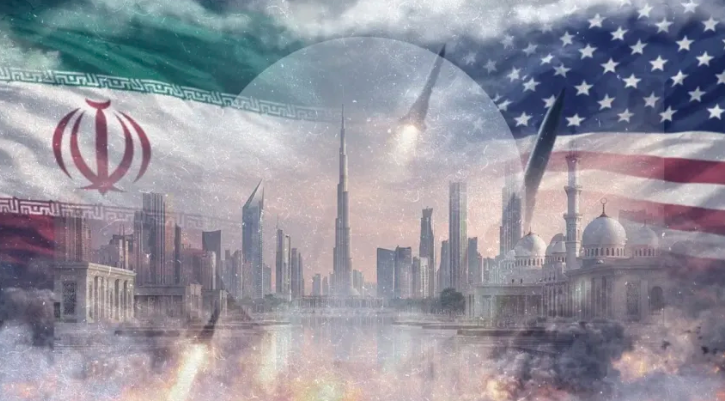
Ceasefire : Source Internet

The prospect of a ceasefire in the Middle East, particularly amid the intensifying confrontation involving Iran, Israel, and the United States, remains both urgent and uncertain. As the conflict enters a prolonged and increasingly complex phase, diplomatic signals, military developments, and geopolitical calculations collectively suggest that while pathways to de-escalation exist, they are fragile, contested, and contingent on a convergence of interests that has yet to fully materialize. 

At the heart of the current crisis lies a dangerous cycle of escalation. The war has expanded beyond direct hostilities between principal actors to encompass regional proxies, critical infrastructure, and vital global trade routes. The effective disruption of the Strait of Hormuz, one of the world’s most important energy chokepoints, has amplified by the global consequences of the conflict. Energy markets have reacted sharply, with rising fuel prices underscoring how regional instability can rapidly translate into worldwide economic strain. This interdependence has heightened international urgency for a ceasefire, not only as a humanitarian imperative but as an economic necessity. 

Despite the intensity of the conflict, there are emerging, albeit tentative, indications of diplomatic movement. The circulation of peace proposals, including multi-point frameworks aimed at curbing nuclear ambitions and restoring freedom of navigation, reflects a recognition among global powers that a purely military resolution is neither sustainable nor desirable. However, these proposals are constrained by deep mistrust. Public rhetoric from key actors continues to emphasize strength and resolve, often overshadowing quieter, back-channel communications that hint at a willingness to negotiate. This duality public defiance paired with private opennessillustrates the complexity of achieving a ceasefire in a highly polarized environment. 

One of the principal obstacles to a ceasefire is asymmetry in stated objectives. For some actors, the goal is immediate de-escalation and stabilization, while for others, it extends to broader strategic outcomes such as dismantling military capabilities, securing long-term deterrence, or redefining regional power balances. This divergence complicates negotiations, as a ceasefire is not merely a pause in hostilities but a reflection of underlying political compromises. Without alignment on what a ceasefire is meant to achieve, even temporary agreements risk collapsing under the weight of unmet expectations. 

The role of external actors further complicates the situation. European nations, alongside other global stakeholders, have begun to articulate frameworks aimed at ensuring maritime security and preventing further escalation. These efforts signal a shift toward multilateral crisis management, recognizing that the consequences of the conflict extend far beyond the immediate region. Proposals to establish international coalitions focused on safeguarding energy flows and facilitating negotiations represent a pragmatic approach to de-escalation. However, the effectiveness of such coalitions depends on inclusivity and credibility. Excluding key stakeholders risks undermining legitimacy, while over-inclusion may dilute strategic coherence. 

Regional dynamics also play a critical role in shaping the prospects for a ceasefire. Countries across the Middle East, many of which have direct economic and security stakes in the conflict, are navigating a delicate balance between alignment and neutrality. Their involvement in mediation efforts reflects both self-interest and a broader desire to prevent the conflict from spiraling into a wider regional war. At the same time, the participation of non-regional powers introduces additional layers of strategic competition, as global rivalries intersect with local conflicts. 

Humanitarian considerations add another dimension to the urgency of a ceasefire. The conflict has already resulted in significant civilian casualties, displacement, and infrastructure destruction. In parallel, ongoing tensions in Gaza and the West Bank highlight the interconnected nature of Middle Eastern conflicts, where developments in one arena can influence dynamics in another. Efforts to secure humanitarian corridors, facilitate aid delivery, and protect civilian populations are often seen as precursors to broader ceasefire agreements. These measures, while limited in scope, can build confidence and create momentum for more comprehensive negotiations. 

Economic pressures are also shaping the trajectory of the conflict. The disruption of energy supplies, combined with broader market instability, has created incentives for de-escalation. Governments facing domestic economic challenges may be more inclined to pursue diplomatic solutions, particularly as the costs of prolonged conflict become increasingly apparent. However, economic considerations alone are unlikely to override strategic and ideological priorities, especially in contexts where national security narratives dominate political discourse. 

Another critical factor influencing the likelihood of a ceasefire is the internal political landscape of the involved states. Leadership decisions are often shaped by domestic considerations, including public opinion, political legitimacy, and institutional constraints. In some cases, adopting a hardline stance may be politically advantageous, even if it complicates diplomatic efforts. Conversely, the pursuit of negotiations may be framed as a sign of weakness, limiting leaders’ willingness to engage openly in peace processes. Understanding these internal dynamics is essential for assessing the feasibility of a ceasefire. 

The role of international organizations and multilateral frameworks cannot be overlooked. United Nations-led initiatives, as well as resolutions aimed at conflict resolution and post-conflict reconstruction, provide institutional pathways for peacebuilding. The establishment of transitional governance structures, stabilization forces, and reconstruction mechanisms in conflict-affected areas demonstrates the potential for coordinated international action. However, the success of these initiatives depends on sustained political will and cooperation among major powers, which has often been lacking in recent years. 

In assessing whether a ceasefire is on the horizon, it is important to distinguish between short-term pauses and long-term resolutions. Temporary ceasefires, often driven by immediate pressures such as humanitarian concerns or tactical recalibrations, are more achievable but inherently unstable. They can provide critical relief and create opportunities for dialogue, but without addressing underlying grievances, they risk becoming merely interluded in a continuing cycle of conflict. A durable ceasefire, by contrast, requires a comprehensive approach that integrates security arrangements, political negotiations, and economic reconstruction. 

Confidence-building measures could play a pivotal role in bridging the gap between these two forms of ceasefire. Initiatives such as prisoner exchanges, phased withdrawals, and joint monitoring mechanisms can help reduce tensions and build trust among conflicting parties. Additionally, third-party mediation, particularly by actors perceived as neutral or balanced, can facilitate communication and reduce the risk of miscalculation. The involvement of countries with established diplomatic channels to both sides may be particularly valuable in this regard. 

Looking ahead, several scenarios are possible. One scenario involves a gradual de-escalation driven by a combination of diplomatic pressure, economic incentives, and strategic recalibration. In this case, a ceasefire could emerge as part of a broader negotiated settlement, potentially linked to issues such as nuclear oversight, regional security arrangements, and economic cooperation. Another scenario involves continued escalation, with intermittent pauses that fail to translate into lasting peace. This outcome would likely exacerbate humanitarian suffering and increase the risk of a wider regional conflict. 

A third, more complex scenario involves a hybrid approach, where limited ceasefires coexist with ongoing low-intensity conflict. This pattern, which has been observed in other regions, reflects the difficulty of achieving comprehensive peace in deeply entrenched conflicts. While not ideal, such an arrangement may provide a degree of stability and create space for incremental progress. 

Eventually, the question of whether a ceasefire is on the horizon depends on the interplay of multiple factors the willingness of key actors to compromise, the effectiveness of diplomatic initiatives, the impact of economic pressures, and the broader geopolitical context. While there are reasons for cautious optimism, particularly considering ongoing diplomatic efforts, significant challenges remain. 

The path to a ceasefire in the Middle East is neither linear nor guaranteed. It requires not only the cessation of hostilities but also reimagining regional relationships and security frameworks. Achieving this will demand sustained engagement, strategic patience, and recognition that peace is not a singular event but a continuous process. As the conflict continues to evolve, the international community faces a critical test of its ability to navigate complexity, balance competing interests, and prioritize long-term stability over short-term gains. Therefore, the horizon of a ceasefire is visible but distant, shaped by both the urgency of the present and the uncertainties of the future. 

About the Author

Sonalika Singh began her journey as an UPSC aspirant and has since transitioned into a full-time professional working with various organizations, including NCERT, in the governance and policy sector. She holds a master’s degree in political science and, over the years, has developed a strong interest in international relations, security studies, and geopolitics. Alongside this, she has cultivated a deep passion for research, analysis, and writing. Her work reflects a sustained commitment to rigorous inquiry and making meaningful contributions to the field of public affairs. 

Ads Blocker Image Powered by Code Help Pro

Ads Blocker Detected!!!

We have detected that you are using extensions to block ads. Please support us by disabling these ads blocker.

Powered By
100% Free SEO Tools - Tool Kits PRO