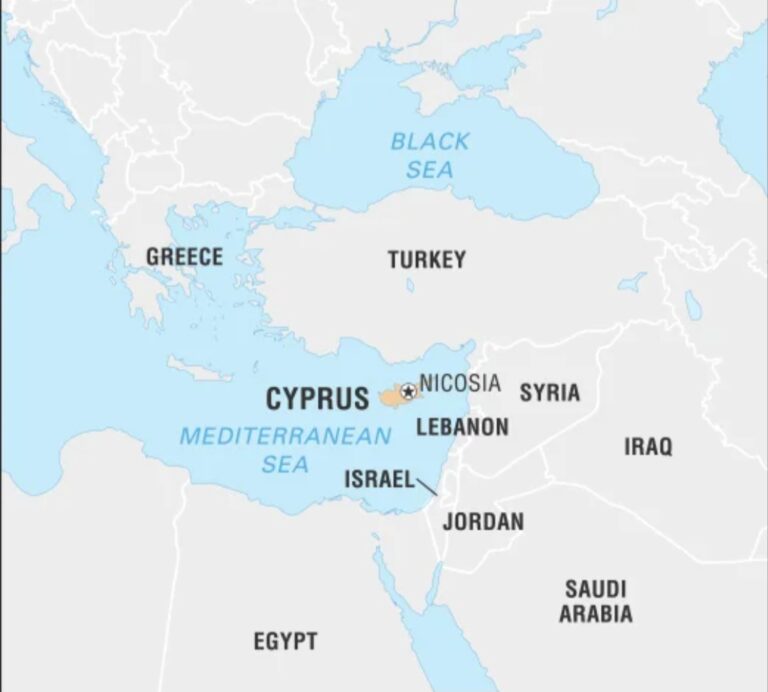
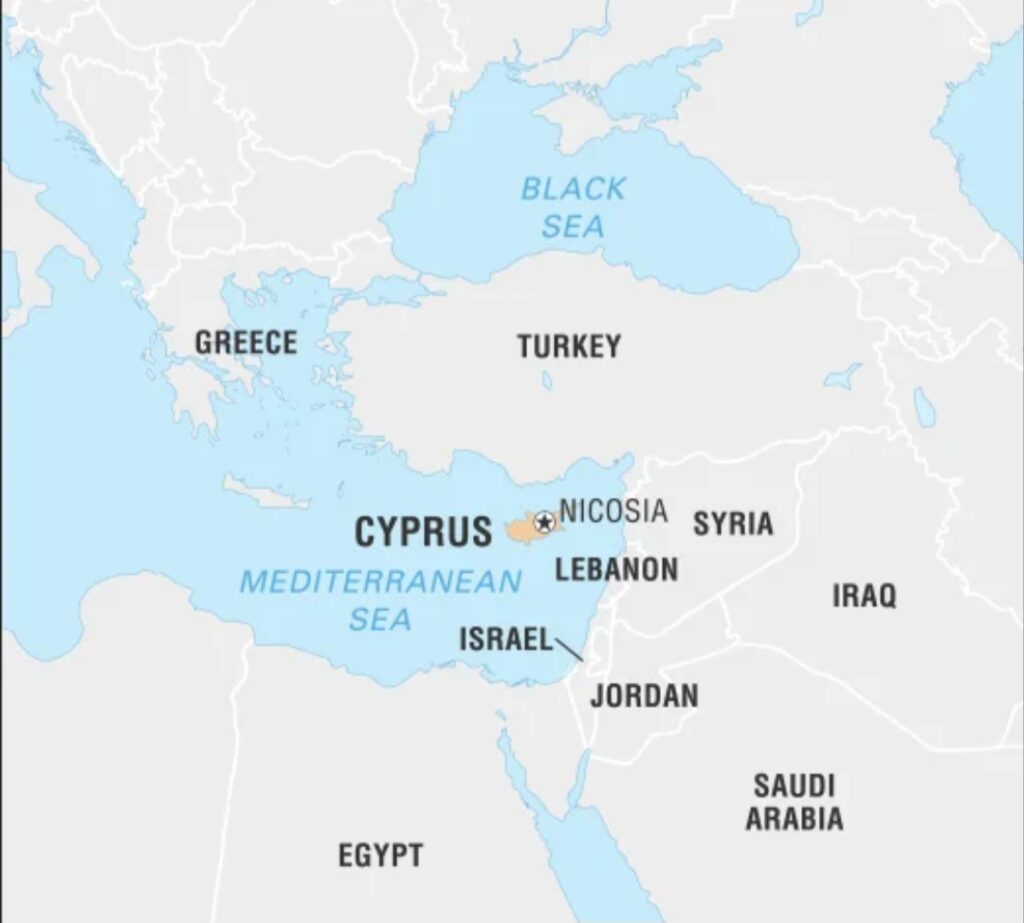
In the global geopolitics, the formation of alliance, partnership, blocks and groups has allowed nations to secure their common interest and ensure peace and stability in the directed or concern region. Among all such developments the formation of a trilateral group between Israel, Cyprus and Greece which later included the US has allowed these three founding members to enhance and develop their relationship into a strategic partnership. With change in technology, increase in conflict worldwide and the growing need for energy has become a hot topic for any country has only impacted the global order. The 3+1 trilateral group has been viewed as one such group who is working to address such queries in the Mediterranean region. As relationship between Israel, Greece and Cyprus has been part of their holistic strategy of their foreign policy which has allowed them to cooperate on various agenda with like-minded countries. In this regard, invitation to India to attend the 10th Trilateral Summit in 2024 reflects the strength, relevance and prospect of the group who is looking for a country like India to join them in their journey to ensure peace, stability and prospect in Eastern Mediterranean.
What is the 3+1 Alliance
On January 28, 2016, Greece, Cyprus and Israel came together to initiate the trilateral summit directed to promote peace, stability and security in the Eastern Mediterranean. The group aimed to achieve this through substantive and practical strengthening of joint ventures in all the fields of cooperation which isn’t directed against any country. As they agreed to cooperate in the field of energy, tourism, research and technology, environment, water management, terrorism and migration. Formulation of trilateral cooperation was a historic event bringing the blessings of progress not only to the citizens of three democracies but also to the wider region by helping stability, security, prosperity and peace.
The group improved relationship between Israel, Cyprus and Greece transforming into a strategic partnership based on a shared common vision for a thriving Eastern Mediterranean.
The prospect of substantial hydrocarbon resources waiting to be tapped beneath the Eastern Mediterranean waters have sparked major global interest. Energy being common denominator, it will become a main component of the geostrategic struggle in the East Mediterranean and its surroundings. As the resources requires careful management to ensure peace, stability, security and prosperity in the region to avoid confrontation and friction disturbing trade in the region which could impact global trade. Thus, the inclusion of the US expanded the group – formed 3+1 – which expanded the scope and role of the trilateral cooperation in the region.
Invitation to India join the alliance and its geopolitical implications
With India’s bilateral relationship with the US and Israel have improved in recent years which brought them together as reflected from the I2U2. The invitation to India to join the 3+1 group is viewed as of great strategic relevance for the group and India. India’s inclusion and Turkey’s role, position and aim towards the Eastern Mediterranean cannot be viewed as separate events. With the Eastern Mediterranean region becoming a hotbed of geopolitical activity, and India making inroads has caused contentment and concern in the region. As the region is strategically important, rich in natural gas, and riddled with the maritime territorial disputes. The news that India is planning to join the group has directly challenged Turkey in its backyard, and is bound to ruffle some feathers in Ankara.
Invitation to India to attend the group and hopefully join the 3+1 group next year during the 10th Trilateral Summit highlights the group’s continued intention to invite like-minded countries to strengthened its aim and objectives. Such decision was taken during the 9th Trilateral Summit which was held in Nicosia, Cyprus to discuss regional energy cooperation and focus on exports to Europe, especially natural gas and renewables. The Group views such partnership will strengthen their resolute efforts intend for Eastern Mediterranean as common interests will increase the prospect of the group, compelling other countries to cooperate or even join such a group in the near future.
Such partnership will ensure peace, stability and security in the Eastern Mediterranean region, the group is looking for a way to ensure the growing need for the energy diversification, interconnectivity and a reliable energy corridor from the region basin to Europe is secured. In the recent years, the need for energy has increased and thus the need to ensure countries abide by and respect the international laws like the United Nation Convention on the Law of the Seas (UNCLOS) has become the need of the hour. In the last 15 years, major gas discoveries have been made in Eastern Mediterranean Sea, particularly off the coasts of Israel (Tamar Field) and Egypt, and more such gas exploration is taking place in Cyprus’s exclusive economic zone.
As the Eastern Mediterranean has been riddled with maritime territorial disputes for years, caused by Turkey, who claims EEZ beyond its water assigned under the UNCLOS which has caused dispute with Greece and Cyprus. Further, with Europe diversifying its source of energy demands caused by the Russa-Ukraine conflict, Greece could play the role of a gateway. With India diversifying its source of energy demands, considering the prospect of India joining the group and its bilateral relationship with Greece will allow the flow of natural gas both ways to Europe and India.
With Abraham Accord being a success and another such accord is being made or on the table between Israel and Saudi Arabia, all such developments succees in happening will transit gas from Greece to India through Israel and the Arabian Peninsula providing a safe and stable trade route. Such aspects were visible during India’s PM Narendra Modi’s recent visit to Greece which was strategically planned to ensure India’s engagement in gas exploration and transportation in the Eastern Mediterranean region. Thus, India joining the 3+1 group in near future will ensure the above mentioned aspects giving India ample window of opportunities to thwart Turkey’s anti-India stance and improve its bilateral ties with other Mediterranean nations. Such aspect will keep Turkey caution while ensuring the need and supply of India’s energy demand is secured to propel its economic growth improving India’s global stature and strengthening its foreign policy.
Conclusion
Development of the 3+1 group was viewed as a great achievement which was inconceivable 20 years ago as Israel’s Ambassador to Cyprus Oren Anolik stated, as it speaks volumes of the success it has achieved since its inception. As it is envisioned to enhance the regional cooperation through the creation of various linkages at different levels, it allows them to extend invitation to India to join the group which will be a win-win situation for group’s members. On the other hand, over the years has allowed them to enhance multilateral engagement and defence cooperation with the US, like it bolsters US support for Greece military modernisation. The recent 9th Trilateral Conference, 2023, happened at the time when they’re constructing an ‘Energy Highway’ which will connect national electricity grid of all three nations. India becoming a partner of the group in near future will allow Israel, Cyprus, Greece and India to engage in the defence cooperation and supply chain too. As it will further pushed, strengthened and promote India’s Make in India and Aatmanirbhar Bharat initiative, something India’s foreign and defence policy are working tirelessly and thus strategic cooperation with the like-minded nations is highly required today.
For over a decade, China has been actively courting developing nations, offering them an alternative to Western influence. China’s remarkable rise from poverty and its ambitious global development initiatives have been a source of inspiration for many countries in the Global South. However, a new player is emerging in this arena – India. India is now presenting itself as a distinct leader for developing nations, challenging China’s dominance and offering a different approach to global leadership. This article explores India’s growing influence and its potential to lead the Global South.
India’s Leadership Ambitions
India’s aspirations for influence are obvious in its role as G20 President. India has done its best to be the voice of the Global South throughout its presidency. Prime Minister Narendra Modi has emphasized the significance of dialogue with other nations in the Global South in order to effectively tackle their problems. India’s voice is concerning that the greater part of the Global South is missing from representation at the G20 table. To encourage equitable growth, India invited the African Union (AU), comprising all fifty-five African nations, to join the G20 as an official member, identical to the European Union (EU). This happened during the summit, especially with the backing of USA President Joe Biden and German Chancellor Olaf Scholz. This initiative is a concrete step towards making the G20 more reflective of the world and a place where poorer countries could express their issues effectively.
Recently, at the 15th BRICS Summit in South Africa, PM Modi said that the Global South is not just a diplomatic term but represents the shared history of these countries against colonialism and apartheid based on which modern relations are being reshaped.
India as the Voice of the Global South
India’s emergence as the leader of the Global South requires active engagement with regional politics within developing nations. India recognizes the diversity within the Global South and tailors its policies to different regions and groups. It aims to bridge the North-South divide by focusing on practical outcomes rather than ideological battles, aligning with changing global dynamics.
Challenges Faced by the Global South
Despite progress, the Global South faces numerous challenges. Developed countries in the Global North have been reluctant to fund green energy initiatives, leaving less-developed nations to bear the consequences of climate change. Geopolitical conflicts, such as the Russia-Ukraine war, impact least-developed countries’ food, energy, and financial stability. China’s Belt and Road Initiative (BRI) has raised questions about its true intent and benefits. The dominance of the United States in global affairs and historical inequalities persist, hindering global convergence. The COVID-19 pandemic has exacerbated existing divides, leading Global South countries to face unique challenges.
India as China’s replacement
China, long seen as a champion of the Global South, now faces criticism for its actions, notably through the Belt and Road Initiative (BRI) and its alleged “debt trap” policies. Many nations in Asia and Africa have experienced the repercussions of these actions, with assets like Hambantota port in Sri Lanka, Mombasa port in Kenya, and areas in Pakistan, Tajikistan, and Kyrgyzstan seemingly lost. This has tarnished China’s global image. In contrast, India has steadfastly championed the cause of the Global South, positioning itself as a reliable advocate.
India’s commitment to the Global South is unwavering, even as it faces its own domestic challenges. Foreign Minister Subrahmanyam Jaishankar aptly compared the Global South to a family unit, with India assuming a central role within it. India’s recent success with the Chandrayaan mission is a testament to this familial spirit, earning it admiration and pride not only within its borders but also among fellow Global South nations.
India’s soft power stands as one of its most significant assets on the global stage. Its vibrant culture, world-renowned art, cinema, and rich cuisine have transcended borders, fostering connections and goodwill around the world. In the wake of the COVID-19 pandemic and China’s assertive foreign policy, the world’s interest in manufacturing within India has surged. India now stands at the precipice of positioning itself as the world’s next global manufacturing hub, leveraging its extensive capacity, skilled workforce, low production costs, and scalability.
India’s attractiveness as a destination for foreign investments is undeniable. A recent report from the World Economic Forum (WEF) underlines India’s appeal, with the country attracting substantial foreign direct investments (FDIs) totaling $83.6 billion in the 2021-22 fiscal year. India offers a lucrative market, cost-effective production capabilities, and a business environment that rivals that of the United States and China.
India’s leadership extends to critical sectors, notably renewable energy. The country is on the brink of becoming the world’s largest solar energy producer, underlining its commitment to sustainable development. In addition, India has prioritized green transportation and mobility. To reduce its dependence on China, India’s government has taken a decisive step by approving a $10 billion package aimed at boosting its semiconductor industry.
India’s leadership in the Global South is guided by a vision of a more equitable and just world order. Its priorities for the future include:
Reforming Global Governance: India seeks a more representative and inclusive global governance structure. This includes reforming the UNSC to reflect contemporary geopolitical realities and giving a stronger voice to developing nations.
Sustainable Development: India is committed to achieving the United Nations Sustainable Development Goals (SDGs) and promoting sustainable development practices in partnership with other developing countries.
Peace and Security: India advocates for peaceful resolution of conflicts and regional stability. It plays a constructive role in peacekeeping missions and conflict resolution efforts.
Economic Cooperation: India continues to promote South-South cooperation, sharing its developmental experiences and expertise with other countries in areas such as healthcare, agriculture, and technology.
Climate Action: India remains dedicated to its climate commitments and actively participates in international climate negotiations. It continues to invest in renewable energy and sustainable practices
Challenges to India
India’s aspiration to lead the Global South comes with a set of complex challenges. First and foremost is the economic diversity among Global South nations. While India’s economic prowess is significant, it must find ways to address the varying levels of economic development and resources among member nations without causing feelings of marginalization. Additionally, India’s geopolitical landscape is fraught with complexities, as it shares borders and diplomatic relationships with countries that may have conflicting interests or geopolitical tensions. Striking a balance between regional priorities and global leadership can be a delicate task.
Resource constraints pose another challenge. India has its own domestic issues, such as poverty, healthcare, and infrastructure development, that demand significant attention and resources. Managing these domestic priorities alongside global leadership responsibilities requires careful planning and resource allocation. Moreover, climate change is a pressing concern for Global South nations, including India itself. As a leader, India must advocate for climate action while addressing its own environmental challenges.
Maintaining a balanced foreign policy is crucial. India must align with the interests of Global South nations while avoiding conflicts with powerful countries in the Global North, such as the United States and the European Union. Furthermore, representation in international organizations remains an issue for Global South nations, and India must work towards reforming these institutions to ensure fair representation.
China’s assertive global presence and economic influence present a significant challenge. India must differentiate itself and offer a compelling alternative to China’s dominance. The COVID-19 pandemic has also highlighted the need for global cooperation in healthcare. India must collaborate with other Global South nations to strengthen healthcare systems and ensure access to vaccines and medical resources during crises.
Infrastructure development in many Global South countries is lacking, and India’s leadership may involve supporting resource-intensive infrastructure projects in these nations. Additionally, the Global South’s diversity in terms of culture, religion, and language is vast. India must navigate this diversity effectively to build strong relationships and promote unity among member nations.
Conclusion
The global South is dealing with difficulties such as energy and food shortages, as well as the worldwide economic impact of the recession. Elucidating India’s approach to the Global South, Prime Minister Modi in his address to the opening session of Voice of Global South Summit 2023 said, “India has always shared its developmental experience with our brothers of the Global South…People of Global South should no longer be excluded from the fruits of development. Together we must attempt to redesign global political and financial governance. This can remove inequities, enlarge opportunities, support growth and spread progress and prosperity.”
In this scenario, India may provide the Global South with the required leadership and a new narrative for worldwide geopolitics. This might undoubtedly give a fresh boost to the present global order.
On September 07, 2023 two days prior to the historic G20 summit in New Delhi, Prime Minister Narendra Modi attended the 20th ASEAN-India Summit and the 18th East Asia Summit, which highlights the importance of ASEAN countries in India’s foreign policy matrix.
Attending the ASEAN summit just before the important G20 summit reaffirms India’s commitment to strengthen a comprehensive strategic partnership with ASEAN in line with the principle of ASEAN centrality. Let us look into why ASEAN matters to India and how, in the last three decades, the relationship between ASEAN and India has evolved.
Genesis of ASEAN
To understand why ASEAN matters to India, we first have to look into the conditions under which ASEAN came into being along with the fundamental principles of the organisation.
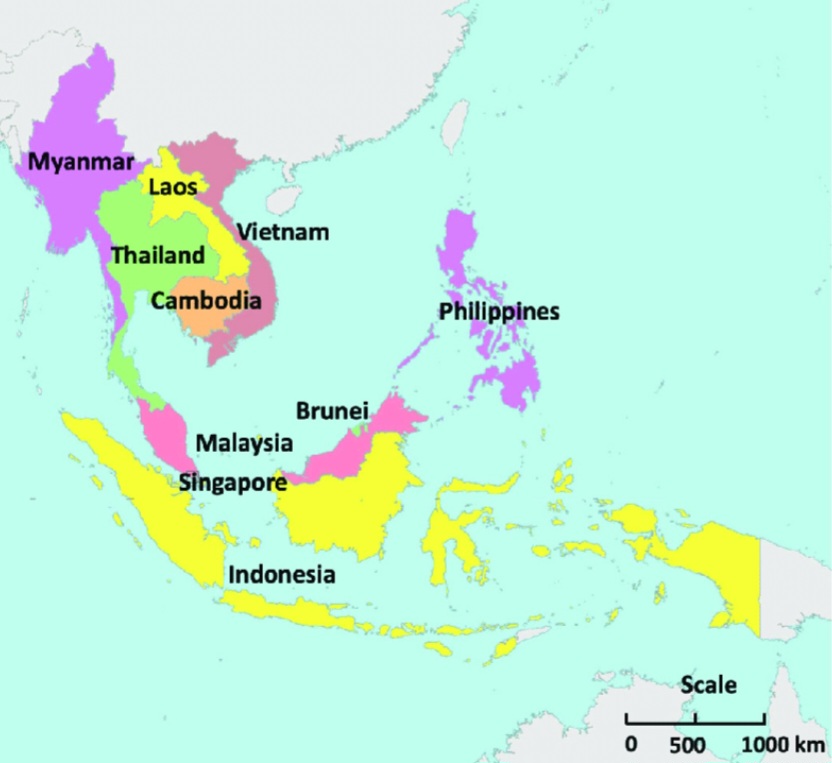
Amid the geopolitical rivalries and block politics of the Cold War, August 08, 1967 the leaders of Indonesia, Malaysia, the Philippines, Singapore and Thailand came together and signed what is today famously known as the ASEAN Declaration, thus giving birth to the Association of Southeast Asian Nations.
Subsequently, in the next few decades, especially after the end of the Cold War, other countries from the region, such as Brunei (1984), Vietnam (1995), Lao PDR (1997), Myanmar (1997) and Cambodia (1999), have joined the association, further advancing integration in the region.
The fundamental principles on which ASEAN functions, and are highlighted by the Treaty of Amity and Cooperation in Southeast Asia (TAC) of 1976, are i) Non-interference in the internal affairs of one another; ii) Settlement of differences or disputes by peaceful manner; iii) Renunciation of the threat or use of force; iv) Effective cooperation among member states, v) Mutual respect for the independence, sovereignty, equality, territorial integrity, and national identity of all nations and vi) The right of every State to lead its national existence free from external interference, subversion or coercion.
India and ASEAN: From Look East to Act East
India Southeast Asia in general and ASEAN in particular share a deep cultural and historical ties that are being supplemented by growing economic integration and the convergence of strategic interests.
In 1991, India, with the implementation of LPG (Liberalisation, Privatisation and Globalisation) reforms, opened its economy and, with it, the possibility of higher investments in various sectors. India’s foraging of economic space morphed into the operationalisation of “Look East Policy” by the then PM PV Narasimha Rao government.
The Look East Policy opened new pathways for India to take advantage of new opportunities in the various sectors of trade and investment. Due to its successful implementation, India’s trade with ASEAN has risen from US$2.4 billion in 1990 to US$23 billion in 2005.
Eventually, in November 2014, during the 12th India-ASEAN summit, PM Modi formally launched the “Act East Policy,” advancing goals enunciated in the erstwhile Look East policy, further enhancing relations with ASEAN along with BIMSTEC countries. ASEAN is a central pillar of India’s Act East policy.
As per the latest data, the India-ASEAN trade amount stands at $133 billion, with India having a trade deficit of around $43 billion. As mentioned earlier, from $2.4 billion in 1990 to $133 billion in 2022, economic trade and integration have increased drastically.
However, we have to look at these figures in comparison with China, which is by far one of the biggest trade partners of the ASEAN countries, with $975.3 billion in 2022 itself. There has to be more investment by the Indian private sector in ASEAN countries to solidify the overall supply chain vis-à-vis India.
The ASEAN-India Free Trade Area (AIFTA), which was signed in 2003 and came into effect in 2010, was further upgraded by adding the services sector, with the signing of the ASEAN-India Trade in Services Agreement, in November 2014, fostering persistent economic integration.
AIFTA eliminates tariffs for 75% of goods traded between India and ASEAN and promotes deeper cooperation in areas such as agriculture, fisheries, and forestry; services; mining and energy; science and technology; transport and infrastructure; manufacturing, etc.
Connectivity projects in the region further form one of the key pillars of India-ASEAN cooperation. The India-Myanmar-Thailand Trilateral Highway is on the verge of completion, and once finally operationalized, over 1,400 kilometres of highway will connect the Indian city of Moreh in Manipur to Thailand’s Mae Sot through Myanmar.
Another such project is the Kaladan Multimodal Project, which will enable India’s multimodal transit connectivity with Southeast Asia. Such connectivity projects help India reduce its dependence on crucial sea routes. Although we cannot abolish waterways, these projects will enable India to supplement maritime routes while doing trade with the Southeast Asian region.
Convergence of Strategic Interests
With the changing shift in relations between India and China, especially in post-Galwan times, it becomes extremely important for India to develop defensive and offensive capabilities against the adversary. The exasperating attempts by China to alter the status quo in the South China Sea provide an opportunity for India and ASEAN countries to collaborate to establish rules-based order in the Indo-Pacific region.
China claims an exclusive economic zone in the South China Sea around the so-called “nine-dash line” based on historical reasons. The ongoing conflicts in the South China Sea between China and several ASEAN member states are one of the major drivers for China in shaping its relations with ASEAN countries. Just like India and China, ASEAN and China’s economies are intertwined; however, due to China repeatedly violating the sovereignty of ASEAN members, ASEAN countries are looking to diversify and de-risk their economy.
Further, due to its geographical location being located at the strategic flashpoint of the Strait of Malacca, countries like Indonesia become pivotal in India’s maritime strategy.
Various military exercises, one of which was Exercise Samudra Shakti-23, illustrated the strong partnership between India and Indonesia and reaffirmed the commitment of both navies, through cooperative engagement, to promote peace and stability in the region.
Countries of ASEAN also see India as a reliable defence partner who can help them develop deterrent capabilities against potential aggressors in the Indo-Pacific. The Philippines is likely to receive the first delivery of the BrahMos cruise missile by this December, strengthening the country’s deterrence capabilities.
Further, India is likely to sell BrahMos missiles to Vietnam, bolstering defence cooperation between both countries. In the maritime domain, India has also gifted the active warship INS Kirpan to Vietnam, which will help it secure its sovereignty in the region. This becomes evident with Chinese ships often violating international norms by showing unforeseen coercion in the Indo-Pacific.
India also plays a role as a net security provider and first responder in the region through initiatives like SAGAR (Security And Growth for All in the Region), through which we ensure economic growth and security in the region are not affected widely in the face of any unforeseen natural disasters.
Present Visit and Implications
Prime Minister Modi, during his visit to Indonesia at the India-ASEAN Summit, presented a 12-point proposal to strengthen relations between India and ASEAN in areas such as digital transformation, connectivity, trade and economic engagement, calling for building a rules-based post-COVID World Order.
It further called for a collective fight against terrorism, terror financing and cyber-disinformation, in addition to calling for cooperation in disaster management and enhanced cooperation on maritime safety, security and domain awareness.
Reaffirming the principle of ASEAN centrality in the Indo-Pacific, the PM highlighted the synergies between India’s Indo-Pacific Ocean’s Initiative (IPOI) and ASEAN’s Outlook on the Indo-Pacific (AOIP). He also called for a review of the ASEAN-India FTA in a time-bound manner to rationalise the trade imbalance under the current agreement.
At the East Asia Summit, calling ASEAN the focal point of Quad’s vision, PM Modi emphasised Quad’s aim of ensuring a free, open, and rules-based Indo-Pacific. The Prime Minister advocated a cooperative approach to address global challenges, including terrorism, climate change, resilient supply chains, etc. He accentuated India’s steps in the area of climate change through initiatives like OSOWOG, ISA, CDRI, and Mission LiFE.
It is sine qua non for every country in the region to maintain a code of conduct by following UNCLOS, thus securing the respective country’s sovereignty and territorial integrity. The PM called for compliance with such treaties.
With the shifting balance of power and plausible security dilemmas, the relationship between India and ASEAN becomes very important due to their geographical proximity and, as mentioned earlier, economic interlinkages and convergence of strategic interests.
With India increasing its maritime prowess, the strategic location of ASEAN countries makes them obvious partners in the region. In addition to defence and security, cooperation in the areas of sustainable development, disaster management, and climate change will benefit the entire region as a whole.
India’s defense dependency on foreign suppliers has been a longstanding concern, leading to vulnerabilities in times of conflict. The early 1980s saw the commencement of the LCA program, with the primary objective of reducing India’s reliance on imported fighter jets. This strategic decision was driven by the realization that self-reliance in defense manufacturing not only strengthens national security but also bolsters the country’s technological and industrial capabilities.
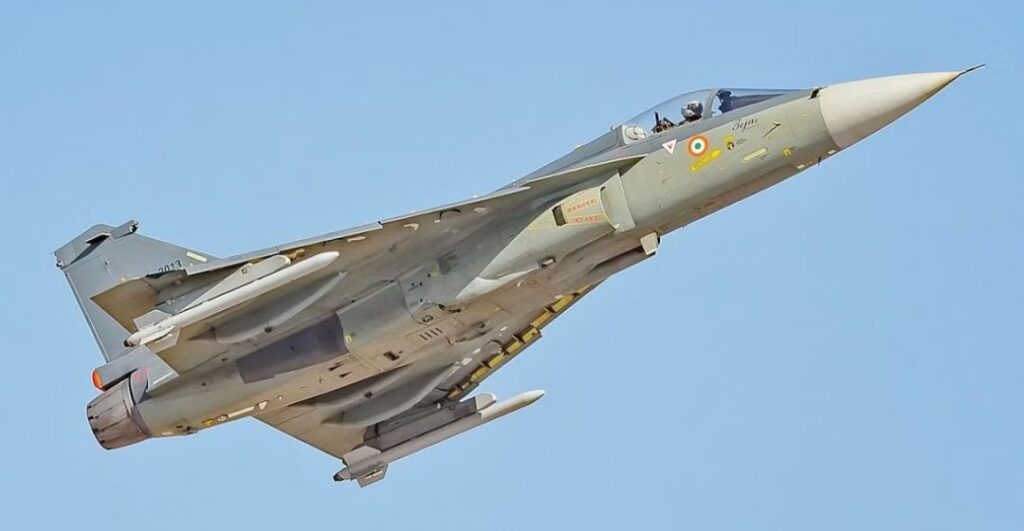
The Light Combat Aircraft (LCA) Tejas stands as a symbol of India’s pursuit of self-reliance in defense manufacturing. Developed by the Aeronautical Development Agency (ADA) in collaboration with Hindustan Aeronautics Limited (HAL), the LCA Tejas program showcases India’s determination to establish its indigenous capabilities in designing, developing and manufacturing advanced military aircraft. This article delves into the significance of LCA Tejas in India’s journey towards defense self-reliance, highlighting its key achievements.
Key Achievements of LCA Tejas
Indigenous Design, Development and Manufacture
The LCA Tejas was conceptualized, designed, and developed in India. The aircraft’s design incorporates advanced features such as a quadruplex digital fly-by-wire flight control system, composite materials, an advanced glass cockpit, and having over sixty percent of indigenous content, including its indigenous weapons, that truly make the LCA Tejas a shining example of the ‘self-reliance’ narrative of the current government.
Modern day fighter jets are a complete and complex system in themselves. Apart from the main component of these systems: the jet itself, various other systems like its weapons and ammunition, avionics, electronic controls, navigation equipment, etc. play an important role in making the aircraft ‘flight-worthy’. When a country purchases a fighter jet from any foreign manufacturer, it’s not just the jet being purchased, but all the above-mentioned systems also have to be purchased from the foreign entity. This significantly increases the purchase costs. Even the software codes (called as source codes) required to fire a weapon from the aircraft also have to be purchased as a part of the ‘package deal’.
Incase of the LCA Tejas, most of its components, weapons and software and codes have been developed indigenously. This directly helps reduce the dependency on foreign manufacturers. It also enables India to install a diverse range of weapons and other systems manufactured by a foreign or domestic entity on the LCA – to customize it as per mission requirements. This flexibility of choice is very much important keeping in mind the technical, financial and geopolitical parameters.
Variants and Capabilities
As on date the LCA exists in various variants Mk1, Mk1A, a naval version and the upcoming Mk2 variant that will have an increased range and a more powerful engine.
One thing which is common to all these variants is the delta-shaped wing of the jet. The wings have not been changed in these variants due to their strength and proven capabilities. The wing of the LCA Tejas is one of the lightest and strongest jet wings in the world, made largely of carbon fiber composite material. This reduces the weight of the aircraft – an important factor since lowered weight means lower requirement of fuel. This also allows more weapons to be added on to the jet, thus increasing its lethality. It must also be pointed out here that the LCA Tejas has the highest payload carrying capacity among all single-engine fighters, globally.
It is also equipped with an air-to-air refueling probe that helps it to extend it’s range. It is capable of performing various missions like air-to-air, air-to-ground and also dogfights owing to its lightweight, lowest radius turn of all fighter jets globally, and superior material strength. The LCA Mk2 will carry the AESA long range detection radar that is capable of tracking multiple targets. The LCA has flown more than 3000 sorties till date, without a single crash. This one factor in itself proves the technological worth and the air-worthiness of this aircraft.
Weapons Integration
The Tejas is capable of carrying a wide range of precision-guided munitions, air-to-air missiles, and other advanced weaponry. As of now the LCA carries the DRDO developed beyond-visual-range missile named ASTRA, a 1200 litre external fuel tank, a LDP – Laser Designation Pod that helps the LCA’s weapons with laser demarcation of a target, and also an indigenously developed Electronic Warfare Suite developed by the DRDO. The Tejas also carries the famous R-73 missile manufactured by Russia and a 1000-pound laser-guided bomb (guided by the LDP) that is known for hitting ground targets with accuracy.
The LCA can be fitted with a wide variety of Indian and foreign made weapons like the Python and ASRAAM close combat missiles, as per the mission requirements. The upcoming LCA Mk2 variant will be able to carry eight BVR missiles – a capability unmatched by any other single-engine fighter as on date.
Global Recognition
The successful development of the LCA Tejas has garnered international attention, highlighting India’s growing expertise in aerospace technology. Several countries like Egypt, Malaysia, Argentina etc have shown interest in procuring the Tejas, demonstrating its export potential. The cost of an LCA Tejas is significantly lower compared to its contemporary foreign made counterparts, making it an attractive option for both the Indian Air Force and potential foreign buyers. A high-end technology like this demands the best of capabilities from a diverse pool of human resources like metallurgy, forging, mechatronics, computer technology etc. The LCA Tejas is thus a symbol of the high-quality manpower that has been invested in its development program over so many years.
Challenges and Prospects
Despite its achievements, the LCA Tejas program has faced challenges related to delays in development, testing, and procurement. However, these challenges are not uncommon in complex aerospace projects and can be attributed to the steep learning curve associated with indigenous design and development. The HAL and the DRDO are working towards reducing the use of foreign components in the jet, including its engine – which is one of the most important military technologies.
Looking ahead, the LCA Tejas program is poised for growth and refinement. Ongoing efforts to improve the aircraft’s capabilities, increase indigenous content, and explore export opportunities will contribute to India’s goal of becoming a globally competitive defense manufacturer. India has thus come a far way since its independence in its military modernization, though much remains to be desired.
Conclusion
The LCA Tejas fighter jet is in its true sense of the word the ‘Pride of India’. The LCA stands as a testament to India’s determination to achieve defense self-reliance. Its successful development showcases India’s growing prowess in aerospace technology, manufacturing, and innovation. With each milestone achieved, the LCA Tejas program brings India closer to its goal of strengthening national security and establishing itself as a reliable global defense supplier.
About the Author
Rahul Wankhede is a post graduate in Defence and Strategic Studies with a gold medal. Rahul has worked with think tanks and NGOs in the domains of research, analysis and mentoring and is a former Assistant Professor in the Department of Defence and Strategic Studies, Savitribai Phule Pune University, Pune, India. Currently he is doing PhD from JNU Special Centre for National Security Studies. The views expressed are personal.
By: Prashant Singh Parihar, Research Analyst, GSDN
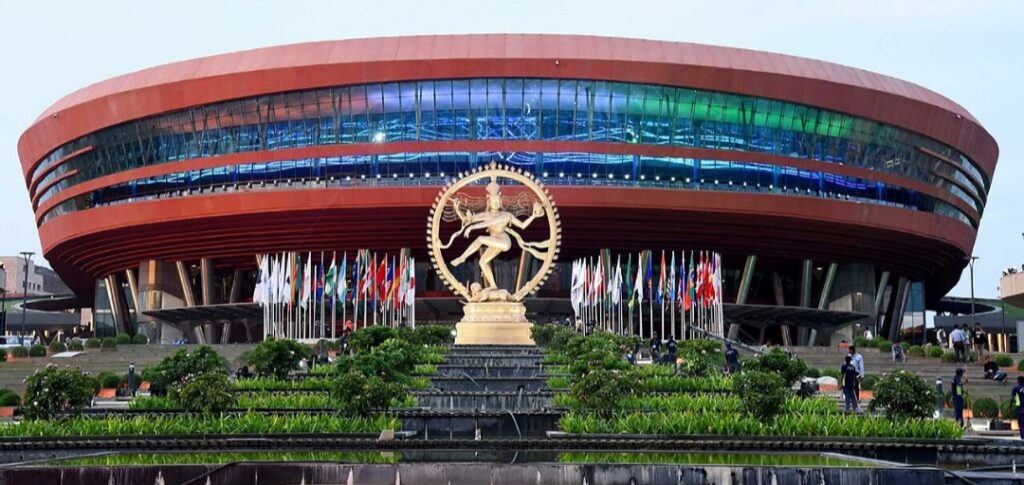
Bharat Mandapam-Venue of G20 Summit in New Delhi, India: source Internet
December 01, 2022 will be remembered as milestone day for India as it was on this day that India took over the G20 presidency from Indonesia at the 17th G20 summit held in Bali. The Group of Twenty (G20) comprises 19 countries — Argentina, Australia, Brazil, Canada, China, France, Germany, India, Indonesia, Italy, Japan, South Korea, Mexico, Russia, Saudi Arabia, South Africa, Turkey, the United Kingdom, and the United States and the European Union. G20 members represent around 85 percent of the global GDP, over 75 percent of the global trade, and about two-thirds of the world population. G20 is the premier forum for international economic cooperation, and it plays an important role in shaping and strengthening global architecture and governance on all major international economic issues
India’s presidency assumed importance on the context that it took over when the world was facing geopolitical tumult and uncertainty over post-pandemic economic recovery. India through year-long events and summit have tried its way to give the world positive way forward on various issues ranging from support to multilateralism, one earth one family concept, voice to global south cooperation and a direction on strengthening of global architecture and governance. India has not left any stone unturned to showcase its leadership skill on global platform and in this article, we will analyze the year-long events and the outcome of the summit.
Elevating the Voice of the Global South
Throughout its presidency, India has emerged as a steadfast champion of the Global South, propounding innovative development concepts and addressing the distinct challenges faced by these nations. The Global South, a term encompassing regions frequently categorized as developing, less developed, or underdeveloped, spans across the continents of Africa, Asia, and Latin America. In January, Prime Minister Modi assumed the pivotal role of the main articulator, hosting a groundbreaking virtual “Voice of the Global South Summit,” which saw active participation from an impressive 125 countries. Furthermore, the guest list at the G20 was notably dominated by countries from the global south like Bangladesh, Mauritius, Oman, Egypt etc… marking a significant shift in global diplomatic dynamics.
Making transformative change in G20 membership for the very first time, India boldly lead the integration of the African Union as a new permanent member within this influential grouping. This momentous initiative not only underscored India’s commitment to amplifying the voices of the Global South but also represented a remarkable diplomatic accomplishment during its presidency. By placing the Global South at the forefront global discussions and addressing their pressing needs, India has achieved a diplomatic milestone of immense significance.
Mitigating climate risk
India has consistently made effort at global platform for the cause of sustainable human centric growth and has been torch bearer for initiative to mitigate climate risk. Some of these initiatives include the International Day of Yoga, the International Solar Alliance, the Coalition for Disaster Resilient Infrastructure, Infrastructure for Resilient Island States, and One Sun One World One Grid. Continuing this commitment, on November 8, 2022, Prime Minister Narendra Modi launched the G20 logo and revealed India’s G20 Presidency theme: “Vasudhaiva Kutumbakam,” which translates to “One Earth, One Family, and One Future.” The G20 logo embodies India’s pro-planet stance and its vision of cooperation and unity amid global challenges.
During its presidency, India spearheaded the establishment of the Global Biofuel Alliance, aiming to boost global ethanol blending with petrol to 20%. At the ‘One Earth Session’ of the G20, Prime Minister Modi proposed the launch of the G20 satellite mission for environmental and climate monitoring and called for action on the green credit initiative. India also introduced the ‘Gandhinagar Implementation Roadmap’ and ‘Gandhinagar Implementation Framework’ to reinforce the G20 Global Land Initiative. Another noteworthy achievement was the launch of the industry-led Resource Efficiency and Circular Economy Industry Coalition (RECEIC) under India’s G20 Presidency.
Digital cooperation
“India, as the G20 host, fervently displayed its technological capabilities to fellow member nations, emphasizing the importance of digital collaboration. The esteemed ministerial meeting unanimously embraced the G20 Framework for Systems of Digital Public Infrastructure, a tool for enhancing financial inclusivity. India’s proposal to establish the Global Digital Public Infrastructure Repository (GDPIR), a virtual depository of voluntarily shared Digital Public Infrastructure (DPI) by G20 nations, received resounding support. Additionally, the summit oversaw the creation of the G20 Toolkit on Cyber Education and Youth Cyber Awareness and the G20 Roadmap for Cross-Country Comparison of Digital Skills, further strengthening global digital cooperation.”
Women centric presidency
Promoting Gender equality and outlining solutions tailored for women across education, entrepreneurship, technology, finance have been a focus area for India under its presidency India calibrated efforts toward education with a focus on STEM and one of the critical contributions of its presidency included ‘Tech Equity’, a Digital Inclusion Platform through which girls and women can skill, upskill and reskill themselves in digital literacy, financial literacy and other technical subjects. For the first time, the KPI Dashboard for G20 EMPOWER would look at the role of women in Small and Medium Enterprises. India’s Presidency has added substantially to G20 EMPOWER advocates (comprising CEOs, association heads and other leaders) promoting women’s advancement.
Economic Reforms
With assuming presidency India has consistently focused on the need for revitalized multilateralism to adequately address contemporary global challenges of the 21st Century and to make global governance more representative, effective, transparent and accountable. It has led member nations to agree on Reforming Multilateral Development banks (MDBs) so as to make them more effective, credible, accountable and legitimate institution. G20 members also emphasised on the importance of addressing debt vulnerabilities in low- and middle-income countries in an effective, comprehensive and systematic manner with collaborating We encourage the efforts of the Global Sovereign Debt Roundtable (GSDR) framework.
Countries also agreed on regulation on cryptocurrencies given the threat they pose to the stability to financial system by endorsing the Financial Stability Board’s (FSB’s) for the regulation, supervision and oversight of crypto-assets activities and markets and of global stable coin arrangements. India -West Asia -Europe connectivity initiative launched on sidelines of September meet boosted the greater connectivity among members.
Janbhagidari – People’s Presidency
Janbhagidari marked a distinctive era in India’s presidency, moving from Delhi-centric diplomacy to active citizen engagement across states and Union Territories. With 220 meetings in 60 cities, involving nearly 30,000 delegates in G20 meetings and over 100,000 participants in side events, G20 connected with people from all corners of the nation. Activities like G20 University Connect, Model G20 meetings, festivals, quizzes, selfies, and #G20India stories gave Indian youth a chance to understand how significant role they can play in progress of country and prepare themselves to leadership they will assume in decade ahead This summit also offered common citizens a deeper understanding of the country’s foreign policy and learning to future such event.
Successful New Delhi Declaration
The New Delhi Declaration is a main document floated among the member countries of the G20 Summit which touches on issues as mentioned above like digital public Infrastructure, gender equality and inclusion sustainable development goal, International taxation counterterrorism and money laundering, green development Technological transformation etc.
India’s G20 Presidency faced a unique challenge as Western nations like the USA, France, the EU, and the UK called for strong language condemning Russia’s actions in Ukraine, while China and Russia advocated for a milder stance. India, with its neutral position on the conflict, skillfully navigated this divide as the G20 chair. in this context, the successful crafting of the Delhi Declaration, which garnered consensus in a world marked by fractures, showcased Indian diplomacy at its best.
This achievement marked a stark departure from the previous G20 summit in Bali in 2022, which had been marred by sharp divisions among member nations regarding the Ukraine war this time G20 leaders’ declaration avoided mentioning the Russian invasion of Ukraine and made a general call to all states to follow the principle of respecting each other’s territorial integrity and sovereignty. India’ success also becomes meaningful when it has overcome all sabotage plans made by its rival member China from creating issue over Sanskrit Quote to skipping the meet by its President
Conclusion
India’s year-long G20 Presidency has been nothing short of a remarkable milestone in its foreign policy. Throughout this period, India has proven its mettle in leading and influencing global affairs in a world marked by complexity and rapid change. Notably, India used this platform to display its rich tapestry of soft power and cultural diversity. It opened its arms to G20 leaders and delegates, treating them to a dazzling array of cultural events and exhibitions. This was more than just diplomacy; it was a celebration of India’s unique identity on the world stage. the summit itself was a resounding affirmation of India’s ascent as a global leader and a responsible participant in addressing the shared challenges and opportunities of our time. India’s Presidency has truly left an indelible mark on the international stage.
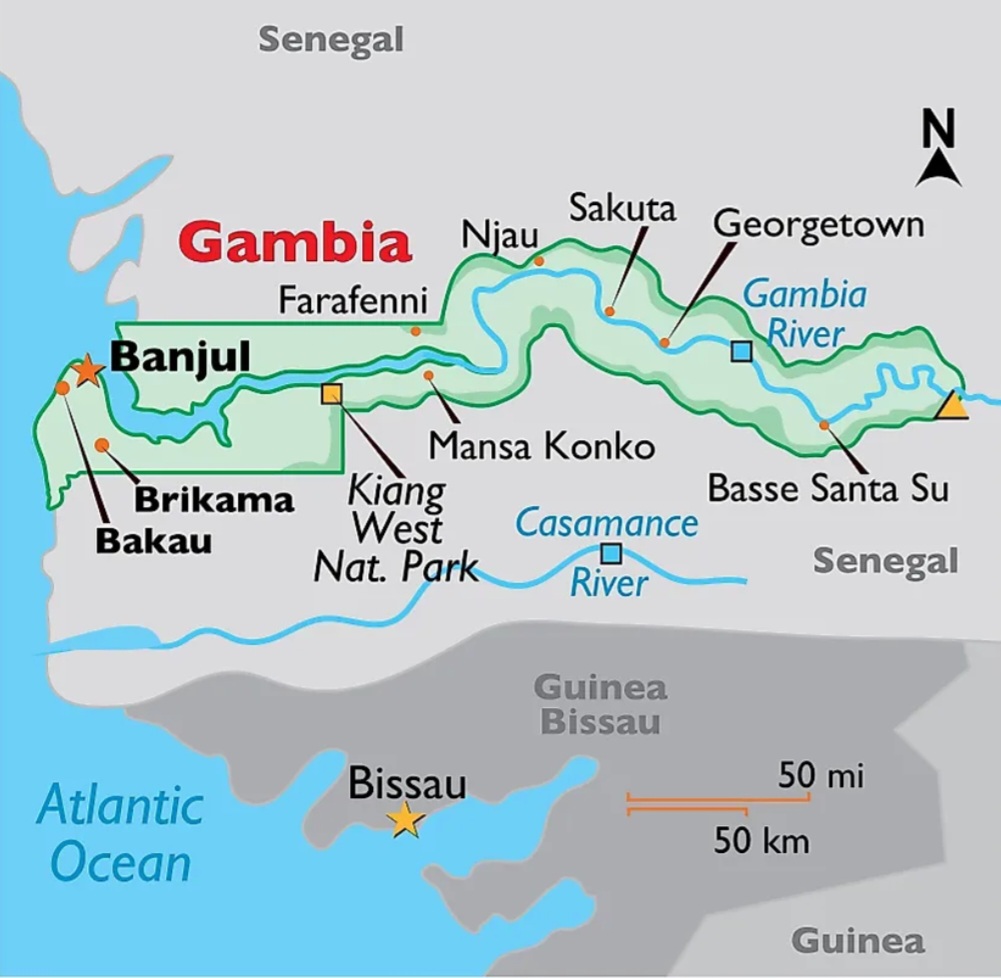
On December 21, 2022 the Government of Gambia Spokesman and Presidential Adviser issued a statement stating that a coup attempt had been foiled, and some suspects were detained.
It is unknown who was behind the attempt to overthrow President Adama Barrow, who was re-elected to a second term last year.
There had been no reports of gunshots and no evidence that loyalist forces have been dispatched to secure vital areas. On the other hand, the official statement stated that military reservists had been placed on standby. “Based on intelligence reports some soldiers of the Gambian Army were plotting to overthrow the democratically elected government,” the government spokesman added.
According to the 1946-2018 global database of coups, The Gambia had one successful coup and six unsuccessful or alleged coup attempts between 1994 and 2016, as well as the instability and interruptions they caused to the national development agenda. Since the Barrow administration took office in 2017, The Gambia has experienced two coup attempts.
Background
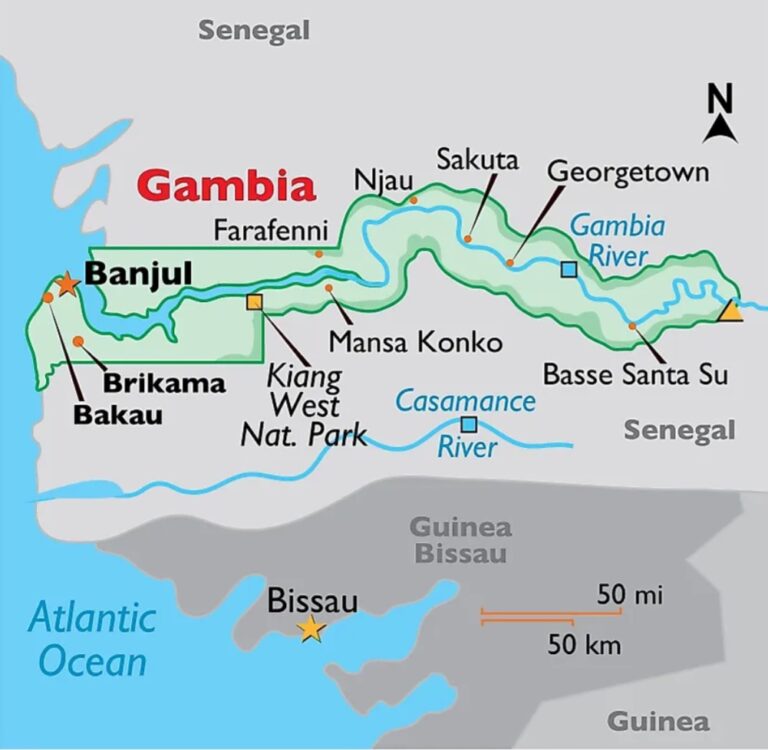
The Gambia is a largely stable country in West Africa popular with tourists due to its beaches and wildlife. Banjul, the capital, seems calm, and life goes on as usual. However, Gambians are once again engrossed in heated debates about yet another claimed coup attempt in the country. For a country that is the smallest on the African continent and one of the poorest in the world, The Gambia has had its fair share of upheavals from coups, whether successful or not.
In February 1982 the Senegambia Confederation was formed as a result of an abortive coup attempt in The Gambia in 1981, which was put down by Senegalese forces. The confederation, however, disbanded in 1989. The Ministry of Defence was established in 1982, and the Gambia Armed Forces Act was passed in 1985, and the Gambia National Army (GNA) was created.
On July 22, 1994 troops led by Lieutenant Yahya Jammeh executed a bloodless coup against President Sir Dawda Kairaba Jawara’s government, effectively terminating Africa’s longest-surviving democracy at that moment. The coupists used “rampant corruption and the retrogressive nature of the country” as justifications for destabilizing the government.
Jammeh’s rule finally ended in 2017, following his defeat at the hands of a coalition of opposition groups led by Adama Barrow in the December 2016 presidential elections. Barrow’s victory was widely regarded as a victory for democracy, yet there has been growing dissatisfaction with his administration for failing to address poverty and rising living costs.
The Coup Attempt of December 2022
There was no word on whether the coup attempt was tied to the former administration. Eight ex-soldiers plotted to depose Barrow a year after he took power, led by one of Jammeh’s former military advisers. They were sentenced to jail in 2019 on treason and conspiracy charges they denied. Although Barrow’s government has released limited information, there is no indication of what prompted the coup attempt.
According to David Aworawo, Professor of international relations and strategic studies at Nigeria’s University of Lagos, The Gambia has a history of coups as well. Yahya Jammeh, Barrow’s predecessor, seized power in a bloodless coup attempt until being deposed in 2016.
Jammeh, who lives in exile in Equatorial Guinea, continues to play a role in the Gambia’s polarised politics. According to Aworawo, Barrow’s lack of trust in the military may have played a factor in the coup attempt. When Barrow entered office in 2017, some top officers resigned from the Gambia National Army, creating an uneasy relationship between the president and the military forces.
“In 2017, he was sworn in in Senegal, not even in Gambia itself,” Aworawo explained in an interview with Nigerian television channel TVC television. “Since then, elements in the military loyal to Yahya Jammeh have been attempting to cause problems for Barrow.”
Barrow’s personal security is provided by Senegalese troops. According to the BBC, Nigerian and Ghanaian military guard the Gambia’s international airport and key seaport. As a result, he is unpopular among many Gambians, who feel he has undermined the country’s sovereignty by relying on foreign troops.
Although the deployment of foreign Soldiers has been unpopular, Barrow was easily re-elected in December 2021, receiving 53% of the votes.
The attempted coup stunned Gambian political expert Sait Matty Jaw, executive director of the Banjul-based Centre for Research and Policy Development, who said some have questioned its legitimacy.
According to Jaw, Barrow’s administration is dealing with a number of difficult difficulties. “People are frustrated by the slow progress made since Jammeh’s departure, and there is still no constitution,” he told the Voice of America. “Many people blame this incident on a lack of reform in the security sector.”
According to Jaw, Gambians are concerned about the country’s economy but oppose military intervention in domestic politics. “There are so many other issues that people are worried about,” he explained. “We also know from survey data that the majority of Gambians are anti-coup.”
Poverty, according to Aworawo, has fuelled discontent in The Gambia. “Inflation is still very high in the country, economic problems are pervasive, and the quality of life is still very low,” he stated. “There have been protests. As a result, optimism has given way to pessimism, and hope has given way to despair.”
Mr. Barrow also fell out of favour after splitting from the United Democratic Party (UDP), which pushed him to power in 2016, and forming the National People’s Party (NPP) to run in last year’s election. His popularity sank even further when he revealed his alliance with Mr. Jammeh’s old party in what was seen as an attempt to boost his chances of securing a second term.
Geopolitical Implications
Aworawo, suggested that it might be a case of copying recent coups in the region. Over the last two years, West Africa has seen a surge in coups and coup attempts. Military juntas took power in Burkina Faso, Guinea, and Mali, and the government of Guinea-Bissau averted a coup attempt in February 2022. And then the most recent coup in Gabon might also be a consequence of these cycle of coup.
These events highlight two of the most visible realities of contemporary African Politics:
(1) African democratic institutions are not yet strongly consolidated and
(2) Military interventions continue to be a significant hindrance to the democratic process in Africa
The alleged coup attempt was swiftly and unequivocally criticised by the National Human Rights Commission, ECOWAS, and civil society organisations, with some urging the government to guarantee that those imprisoned receive due process. In response to these calls, the government announced on December 27, 2022 the formation of an 11-member “investigative panel” to study and report on the coup attempt.
The latest coup attempt was condemned by West and Central African leaders, who are concerned about the region’s stability. There has been no word about who was responsible or whether it was connected to the former leadership.
Since 2020, West Africa has seen six successful military coups, indicating a reversal of democracy in a region that had previously been making progress in shedding its “coup belt” moniker.
Kemesit Effiong is a Nigerian geopolitical analyst. He blames some countries’ military efforts or takeovers on corruption, economic incompetence, and the misuse of authority across the continent. “If you look at the age profile of many coup plotters in places like Mali, Guinea Bissau, Burkina Faso, and right across the region, they are relatively young people, and for many of them, democracy has not delivered, and they are channelling this popular frustration with a democratic ruling in the region into violence and military takeovers,” Effiong said.
Jaw believes that the Gambia’s administration must change the country’s political, economic, and security structures in order to prevent the military from seizing power. “One way of ensuring that things like this do not happen is to ensure that there are adequate reforms that will address the gaps, the lacuna, but also for the government to be more transparent with the population, ensuring that the governance challenges in this country are addressed,” Jaw explained.
Conclusion
Military coups in Africa have been a constant concern since the winds of change swept across the continent in the late 1950s. The earlier coups took place following independence. In the decade of the 1970s, the pervasiveness of military coups in Africa was such that over half of the countries on the continent were under the tutelage of military dictatorships.
However, during the 1990s, in West Africa alone, we witnessed the annulment of a democratic election in Nigeria, the overthrow of the democratically elected government of Sierra Leone, and the disposing of one of the longest almost three-decade democratically elected government in the Gambia.
In a small country like The Gambia, which has a deficit in economic or geo-political weight, the answers to the threat of military coups must be found internally. The relatively small size of The Gambia’s population and land size have always been a disadvantage. The country is not enriched with significant natural resources. It is not sufficiently geo-strategically pivotal to any of her neighbours (except for Senegal) to warrant outside intervention in a coup. This was demonstrated by the refusal of the United States government to assist in stopping the coup, despite pleas from President Jawara. If the US had deemed it a national interest to intervene, it is highly conceivable that the coup would not have occurred.
The escalating tensions between China and India in recent years have resulted in an increased strategic significance of the nations located between them. Since their respective establishments in 1949 (in the case of the People’s Republic of China) and 1947 (for India), the two dominant countries have consistently pursued the establishment of a buffer zone between them. Numerous academics believe that the impetus for China’s invasion of Tibet in 1950 might be attributed to the pursuit of a sense of security and protection. Presently, the endeavors of the Chinese Communist Party (CCP) to exert influence on the democratic processes in Nepal have been effective in molding a government in Kathmandu that exhibits more receptiveness towards Beijing as opposed to New Delhi. The Chinese Communist Party (CCP) has also expanded its influence to oversee and repress the Tibetan people residing under its jurisdiction.
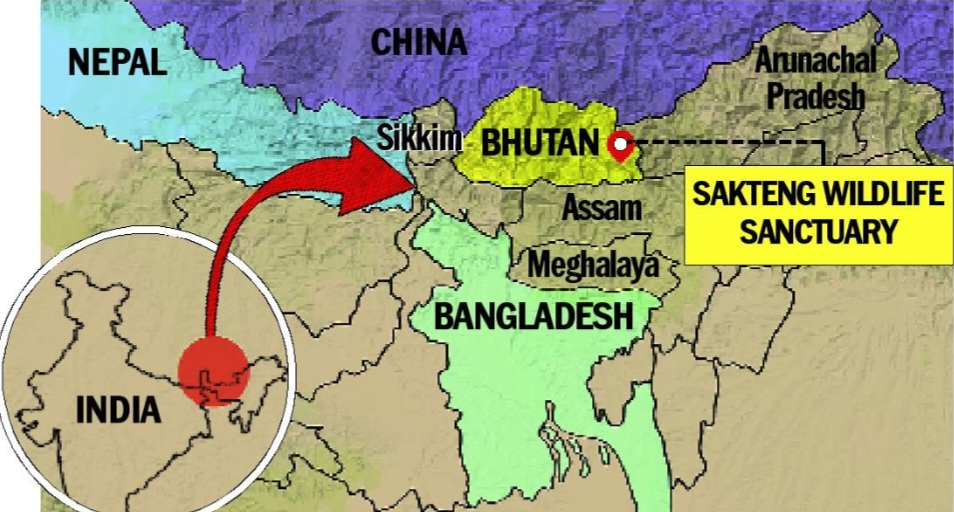
In recent months, China has directed its focus towards the eastern region to address the long-standing border conflict it has with the Kingdom of Bhutan. China is now seeking discussions with Bhutan to establish legal recognition of its territorial acquisitions along their shared border, a tactic that bears resemblance to China’s previous actions along its border with India and in the South China Sea.
The acquisition of the disputed Doklam plateau by China would grant Beijing unrestricted mobilization capabilities and additional access routes in the event of a potential military confrontation with New Delhi. Consequently, the discussions between China and Bhutan transcend mere bilateral concerns, instead forming an integral component of China’s strategic maneuvering aimed at securing a significant edge over India. The potential resolution between the Chinese Communist Party (CCP) and the government of Bhutan could have significant implications for India, potentially jeopardizing regional peace and exacerbating the ongoing crisis along the Sino-Indian border. The matter necessitates careful consideration from New Delhi, as well as the Quadrilateral Security Dialogue, an Indo-Pacific partnership comprising Australia, India, Japan, and the United States.
China has worked hard to maintain a connection with Bhutan despite not having a diplomatic representation there. After an almost two-year hiatus, Beijing has escalated border dialogues this year, indicating increasing urgency. Thimphu, Bhutan hosted the latest conference in May 2023, months after Chinese and Bhutanese leaders met in Kunming. Bhutan and China have reached a mutual agreement to form a collaborative technical team and undertake coordinated measures to accelerate the execution of a ‘three-step roadmap’ aimed at facilitating the delineation of their respective borders. A joint press statement was published following the 13th expert group meeting (EGM) on the China-Bhutan problem, held in Beijing from August 21-24, 2023. This was the third expert group meeting this year.
China maintains territorial claims to about 764 square kilometers of land located in the northwestern and central areas of Bhutan. Originally, the dispute was part of border negotiations between India and China. However, direct dialogues between China and Bhutan were initiated in 1984. Since then, over 24 rounds of border talks and 12 rounds of expert-level meetings have taken place.
One of the significant results of the 13th Expert Group Meeting (EGM) is the formation of the Joint Technical Team on the Delimitation of the China-Bhutan Boundary. This team convened its first meeting at the 13th EGM. Additionally, both parties reached a consensus to promptly convene the next expert group meeting and sustain ongoing contact for the organization of the 25th Round of China-Bhutan Boundary Talks. The resumption of diplomatic negotiations between Chinese and Bhutanese officials is likely to have generated apprehension among India and the other nations in the Quad alliance. Following his official visit to Brussels in March, an interview conducted by the Belgian daily La Libre with Bhutanese Prime Minister Lotay Tshering shed insight on his nation’s preparedness to address the continuing border dispute with China.
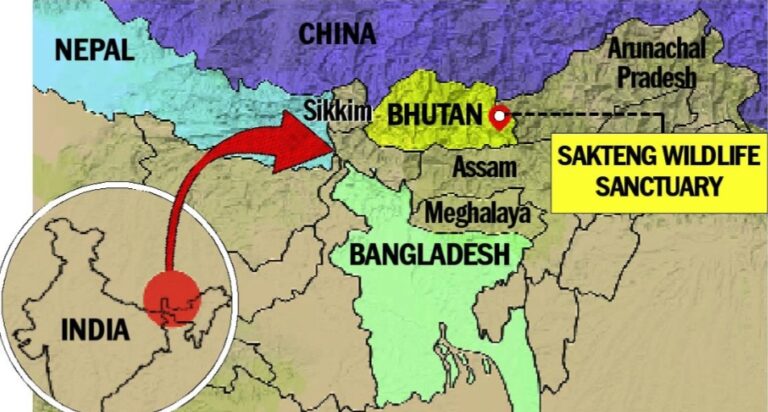
Nevertheless, the resolution of the boundary dispute between China and Bhutan is a complex undertaking. China now asserts its territorial claims over three distinct geographical areas, including Doklam in the western region, the revered Buddhist site of Beyul Khenpajong in the northern region, and the Sakteng wildlife sanctuary in the eastern region. The inclusion of the wildlife refuge in Chinese requests only occurred in 2020, despite its geographical distance from the border. The aforementioned assertions exemplify Beijing’s lack of sincerity in negotiations, which has negatively impacted the ongoing discussions between the two nations since their commencement in 1984. The lack of progress in discussions between both parties, despite repeated meetings over an extended period, is apparent.
Since 1996, China has proposed a territorial swap with Bhutan, to renounce its claim to disputed territories in the northern area. In return, China seeks for Bhutan to cede land of greater strategic significance in the western region. Beijing regards Doklam as a strategic objective due to its location at the confluence of Tibet, Bhutan, and India, which would provide the Chinese People’s Liberation Army with a significant tactical benefit. To enhance the appeal of its offer, China acknowledged that the northern area in question had far more geographical expanse than the land it specifically requested. Despite the original offer showing promise, the negotiations in 1996 eventually failed to resolve.
Bhutan’s steadfast rejection of the agreement may have potentially compelled China to introduce the Sakteng claim, conveying a signal on the extent to which it is willing to assert its position. In recent times, China has intensified its use of coercive strategies and has chosen to employ innovative methods to achieve significant advancement. The series of events started with instances of border intrusions, which saw a substantial escalation throughout the 2000s, afterward leading to the rapid development of cross-border civilian and military infrastructure.
In recent years, China has established whole settlements inside the territorial boundaries of Bhutan. One notable example is Gyalaphug village, located in the northern Beyul area. Alongside the construction of extensive road networks, the Chinese government has also established administrative centres for the Chinese Communist Party (CCP) and other outposts to accommodate military, police, and other security personnel. The establishment of villages along the border is a component of a plan that was revealed by Beijing in 2017. This plan aims to create a total of 600 villages in the border regions of the Tibet Autonomous Region (TAR), which is situated on the Chinese side of the contested boundary. Nevertheless, as stated in the aforementioned study, several communities are located inside the contested region. According to the Chinese foreign ministry in January 2023, the building project was primarily aimed at enhancing the local population’s working and living standards. Contrary to the claim made, it is evident that there exists a military aspect to their operations.
The primary aim of China is to enhance its authority over the contested regions and shift the trijunction about seven km towards the southern direction. The acquisition of a commanding vantage point over the strategically critical Siliguri Corridor would bestow a notable advantage on China. The Chinese government is exerting heightened pressure on Bhutan to negotiate a land exchange agreement aimed at resolving the border dispute between Bhutan and China, with the underlying objective of obtaining a strategic edge over India.
The large infrastructure development plan may appear to contradict China’s apparent preference for western regions, as seen by its readiness to trade developed land for settlements. However, this approach misinterprets the Chinese Communist Party’s genuine goal. The CCP appears to want to undermine Bhutan’s Buddhist culture rather than grab its territory for colonization.
The likelihood of Bhutan relinquishing control over the Beyul region, which holds significant cultural and religious significance, can be compared to the probability of Britain renouncing ownership of Stonehenge. The covert occupation is designed to exert pressure on the Bhutanese leadership, thereby increasing their willingness to engage in discussions regarding the future of Doklam. The situation of Doklam concerns three parties. Bhutan-India relations have been distinctive and noteworthy since the 1949 Treaty of Friendship. This pact gave India control over Bhutan’s diplomatic and military affairs. Despite the 2007 treaty relaxation, the two countries have maintained this strong connection. Chinese military troops and Indian soldiers clashed in 2017 over a Chinese route connecting Doklam to Tibet. The disputed land threatens India and China’s security. Doklam lies in the south and borders the Siliguri corridor, a short band of terrain that connects central India to the northeast. The road is the only way Indian armed troops can enter battlegrounds like Arunachal Pradesh, like during the 1962 Sino-Indian conflict. Last year saw the latest violent conflict between the two countries’ forces in this region.
The Chumbi Valley, located north of Doklam, has been frequently characterized as a Chinese intrusion into Indian territory. China perceives this ancient gateway to Tibet as susceptible to a pincer movement, wherein Indian troops could potentially launch simultaneous attacks from both Bhutan and India, thereby exploiting a vulnerability for China. China’s strategic objective of expanding its territorial claim by 89 square kilometers to the south of the Bhutan-India junction is aimed at securing a favorable position that may potentially be used for both offensive and defensive objectives in the event of a confrontation with India.
China’s increased haste in border discussions with Bhutan is not a vacuum. The China-India border conflict is intimately tied to the Doklam settlement. China claims Arunachal Pradesh as an extension of South Tibet, which is key to this issue. With Doklam, China might gain power over India, disrupting India’s access to the eastern part of their contentious border. The resolution may lead to further serious Chinese measures in Arunachal Pradesh, perhaps including the US.
CONCLUSION
The ramifications of the negotiations between China and Bhutan will exert significant influence on the prospects of peace along the China-India border, as well as on wider geopolitical tensions. Despite the increasing pace of discussions, China and Bhutan have not yet finalized a date for the highly significant 25th round of boundary talks, which holds the potential for a substantial breakthrough. From a Western perspective, it is evident that the United States and India are actively strengthening their bilateral relations. Given this trajectory, it seems increasingly likely that the Quadrilateral Security Dialogue (Quad) will need to incorporate military cooperation as part of its framework. Given the significant implications involved, it is imperative for New Delhi to strongly encourage Thimphu to uphold the existing state of affairs in the Doklam region, despite the ongoing pressure exerted by Beijing.
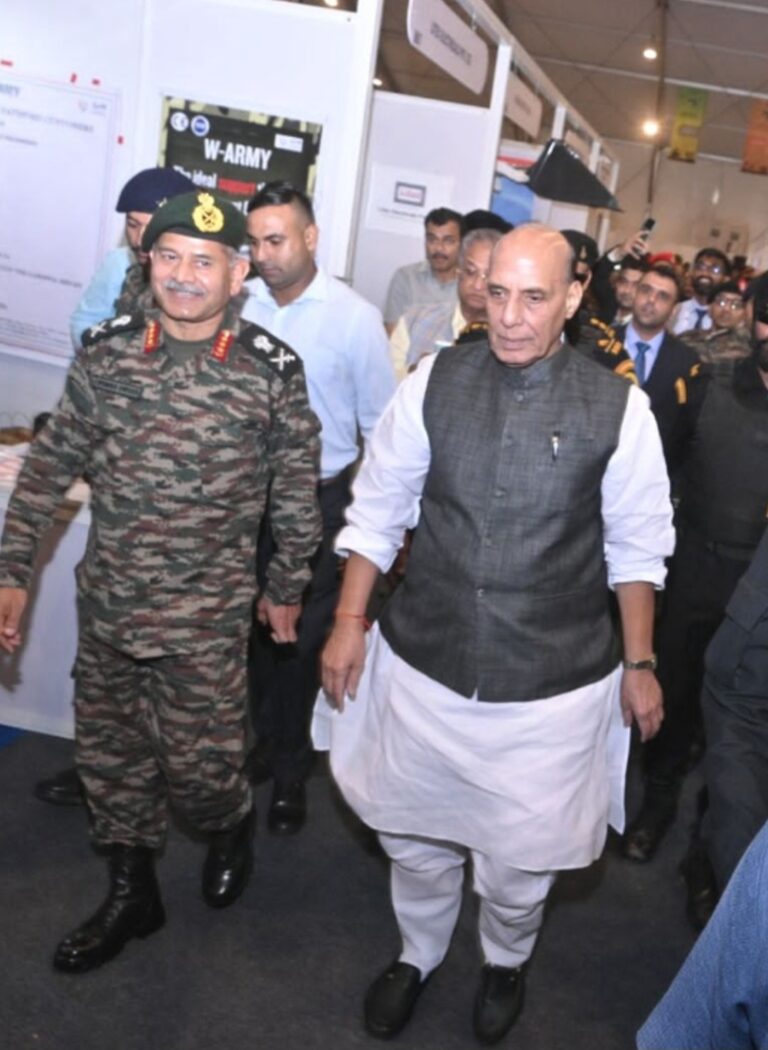
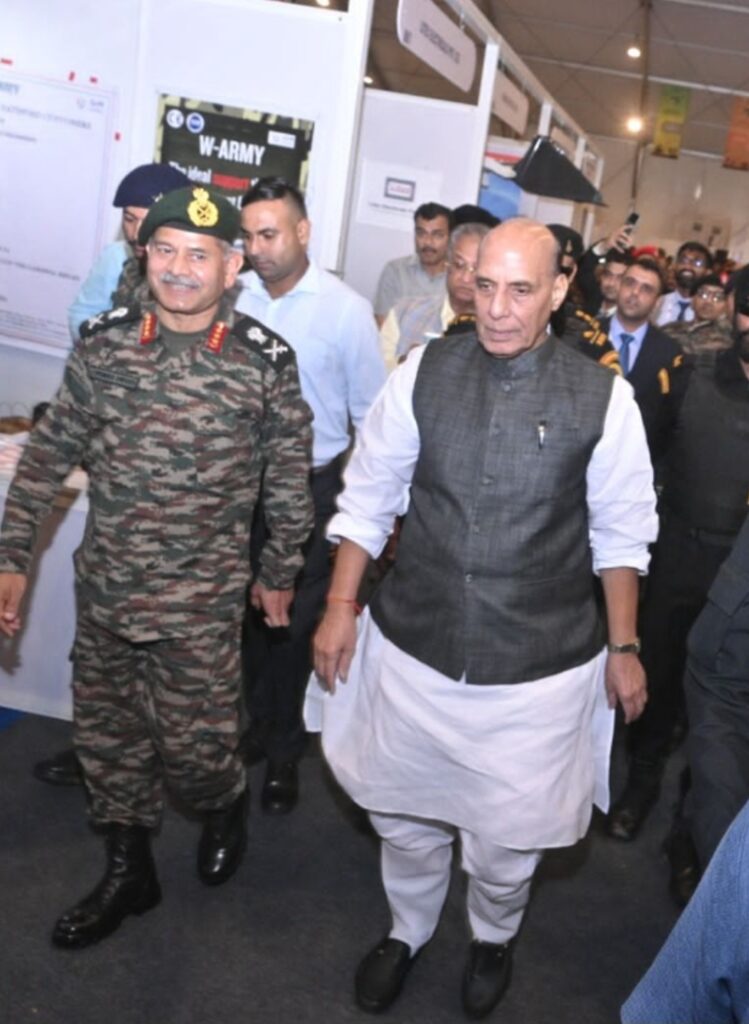
Mr Rajnath Singh, Defence Minister of India and Lt Gen Upendra Dwivedi, AVSM, GOC-in-C Northern Command in the North Tech Symposium: source Internet
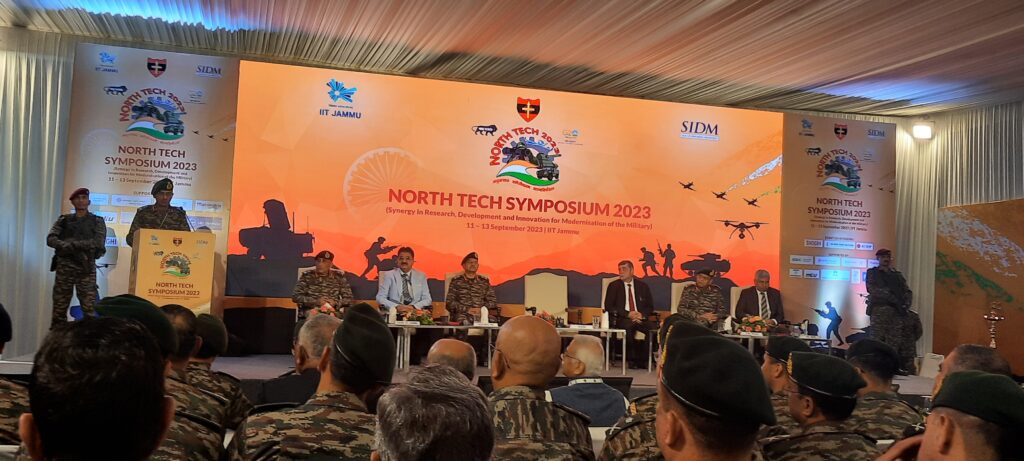
The Northern Command of the Indian Army jointly organised the North Tech Symposium (NTS) 2023 along with the Indian Institute of Technology (IIT), Jammu and the Society of Indian Defence Manufacturers (SIDM) from September 11-13, 2023 in IIT Jammu which successfully showcased the Atmanirbhar Bharat (Self Reliant India) and Make in India initiatives announced by the Indian Prime Minister Narendra Modi soon after he assumed office as India’s Prime Minister in May 2014.
The three day well-organised and well-conducted Symposium which was inaugurated by Lieutenant General MV Suchindra Kumar, AVSM, YSM**, VSM, Vice Chief of Army Staff had over 180 firms participating with their defence equipment which were all Made in India.
The inauguration ceremony of NTS 2023 was held on September 11, 2023 which also had the presence of Lieutenant General Upendra Dwivedi, AVSM, General Officer Commanding-in-Chief Northern Command, Dr Anurag Mishra, Dean IIT Jammu and Mr SP Shukla, President SIDM amongst other dignitaries which included Army Officers, Academia and the Defence Industry.
The VCOAS in his inaugural address stated the importance of technology prowess in national defence preparedness. Dean IIT Jammu stated that the IIT will be a hub for translational research and it has been collaborating with the Northern Command of the Indian Army for developing better weapon systems, while the President SIDM remarked that such a symposium is being held in an academic institution for the first time since its inception 15 years ago and the Indian Defence Industry has come a long way in the last one decade in consonance with the vision of the Government of India.
Lt Gen MV Suchindra Kumar, AVSM, YSM**, VSM, Vice Chief of Army Staff inaugurating NTS 2023: source Author
The objectives of the NTS 2023 were fully met with the successful conduct of the symposium. The objectives of the symposium were to engage with the academia and industry to identify unique/customised solutions to meet the operational requirements of the Northern Army, as also to provide a platform to the original equipment manufacturers/vendors to showcase the existing products and to undertake new launches. The objectives also included promotion of inclusive Atmanirbharta in defence production and technology proliferation by encouraging startups and MSMEs, to create an effective ecosystem for knowledge diffusion on contemporary defence technologies and to enhance the technological knowledge threshold of the participants through joint Army-Industry-Academia participation.
The Chief of Defence Staff (CDS) of the Indian Armed Forces, General Anil Chauhan, PVSM, UYSM, AVSM, SM, VSM visited the NTS 2023 on September 11, 2023 and in the media interaction spoke of the importance of technology and tactics in modern warfare. On a query by the author of this article on how the Indian Armed Forces view the quality and efficiency of the weapon systems Made in India as compared to the foreign made weapon systems, the CDS replied that strict quality assurance is being done through DGQA.
Mr Rajnath Singh, the Defence Minister of India visited NTS 2023 on September 12, 2023 and appreciated the weapon systems displayed and said that the defence manufacturing sector in India is imaginative and innovative.
The third day of NTS 2023 ie September 13, 2023 was thrown open to the public and the public visited the Symposium in large numbers to get a real time feel of the weapon systems of the Indian Armed Forces.
The Symposium was organised on a large scale in IIT Jammu, under the stewardship of Lt Gen Upendra Dwivedi, AVSM, drew huge applause from the industry and the IIT Students. Large number of students could participate due to proximity and accessibility. Conception, design and conduct of the Symposium 2023 will go a long way in supporting indigenous industry in establishing Defence manufacturing ecosystem.
North Tech Symposium was a great platform for the Army-Industry-Academia to interact which will go a long way to enhance the combat potential of the Indian Army, which is rated as one of the finest armies of the world. The event conducted from 11-13 Sep was a resounding success and should pave the way for more collaboration.
This document contains my master dissertation, the final document of my masters in clinical psychology at NSHM Knowledge Campus – Kolkata. It describes results of my research on Stress and Adaptability among Indian Army Officers, Junior and Senior Rank posted in Peace station and field station. Finishing this research project means a lot to me and could have not been possible without the help of many people.
Firstly, I want to express my gratitude to my supervisor Soma Pramanik whose insightfulness feedback pushed me to put my best foot forward which brought my work to high level with all her patience and understanding. I am fortunate to finish research work under her guidance. Whose expertise was invaluable in formulating my research at every step.
I can’t forget to thank my friends whose constant faith has always boosted my morale and confidence in my abilities.
I would thank my mom and dad for encouraging, supporting and motivating me to complete my dissertation successfully. My special thanks to my dad who himself being a senior Army Officer helped me at every step with his past experiences of his service as an Indian Army Officer. It was challenging task to carry out this topic in this difficult times. I am grateful to each and every officer posted in different terrains who cooperated in best of their efforts in every possible way with my research work.
Above all, thankful to the almighty God who bestowed me with good health, knowledge and skill, giving me strength and perseverance in hard times and always holding my hands.
ABSTRACT
Mental illness, shrouded by disgrace is the giant in the room here which is finally acknowledged by the society. The propagation issues of mental health are the armed defensive conflicts and majorly the terrorists activities both the military as well as the civilian society are affected. The meticulous aspect of military life appears to be leading to mental health issues in defense personnel. In India, with limited medical resources, the situation is even dark.
The present study explores the differences in stress and adaptability among Indian Army Officers posted in different locations. The structured Likert scales were used to collect data through online survey method from 100 serving Indian Army officers, of both genders (female and male) of junior and senior rank posted in peace station & field station. The tests used include perceived social support, perceived stress, quality of life, general health questionnaire, PCL-M and resilience scale. The data was then statistically analysed through (SPSS).
The results of the study indicate difference in social support among Peace station and Field station officers in the Indian Army. In fact, field station has less social support (p<0.05) on social support scale as compared to peace station Army personnel. Thus, the study also proposes strategies for reducing stress level and increasing support among field station officers for better adaptability in the Indian Army.
INTRODUCTION OF THE RESEARCH
Stress may occur in many forms such as psychological, emotional, physical, social, occupational or job-related. Occupational stress is a condition arising from job-related factors or combination of factors obstructing the worker and impinging on his or her physical and psychological health; and simultaneously leading to various organisational consequences such as sickness-related absence, high employee turnover, high stress-related health care costs, loss of productivity, etc. Therefore, stressful situations in the workplace create occupational stress which leads to negative and harmful effects on both employers and employees, which is exactly the situation in the army these days as occupational stress is propelling its soldiers toward deadly steps and simultaneously tarnishing the image of the Indian army.
India has 1.13 million strong Army making it world’s second largest Army. No better soldier than the Indian soldier. The Indian soldier can suffer the privacy, his needs are few and more importantly, he can brave the hardship of Army life even in combat better than any other soldier in the world. Though it has not fought a full-blown war in decades, the force is bogged down in fighting domestic insurgencies, guarding restrictive borders and sometime quelling civilian rioting. Each type of profession has its own difficulties and demands adjustment to it. Adjustment and devotion in any work get hampered by non-fulfilment of basic needs e.g., physical and emotional needs and this is true for our army men too. The need for physical survival and bodily comforts includes the needs for food, clothing, shelter, sleep, rest etc the love and affection for family, religious as well as national sentiments are emotional needs that drives human behaviour. The changing times through which army has traversed during the past over six decades, the Politico-Bureaucratic establishment, the socio- economic changes and the consequent changes in value of the society and advent of booming electronic media and telecommunication revolution have had their direct impact on the men in the uniform. Their levels of aspirations are high and they feel they are left behind in the race of life than their counterparts in the civil society. The armed forces personnel have perceived to have been neglected vis-à-vis their counterparts especially the IAS/IPS cadres. Armed forces appear to be the last option for the youth. This transition is inconsistent with the core value of Armed Forces depriving them of the best material in the youth and resulting in the continued shortage of officers in junior ranks.
Stress has become the biggest wary of the Army personnel. Stress therefore is the by-product of the environment from which they come and the environment in which they operate Violence by itself has become synonymous with trauma and stress. That is why 80,000 people from Kashmir alone complained of depression during 2005-6 with over three fourth of them being diagnosed with serious physiological disorders. Automatically, warfare without doubt is among the most distressing circumstances that human beings endure. To be separated from family, friends and familiar locations for longer period is sufficient enough to produce stress reaction in most healthy people. Death and injuries to friends and colleagues are emotionally devastating and cause intense grief reaction. Add in the constant threat of personal maiming or death and contributions to killing of others. The result is extremely high level of psychological arousal, aggression, anxiety and fear. Therefore, from Generals to the enlisted in lower ranks everyone in the military is stressed.
Armed forces workers are exposed to various kinds of stress on account of unique nature of their duties and services that involve being away from their away from their families for long periods, being in life threatening combat situations and deployment in extreme weather conditions. The stress that takes place from this anxiety have no parallel in civilian life as much as threat to life and well-being which accompanies this job. The untreated mental health tribulations have an indifferent impact in happiness and operational effectiveness of armed forces in combat situations. Researchers reveal that fear of well-being stigmatized and lack of trust/conflict in mental health providers are major barriers to seeking help in armed personnels.
According to study conducted by Defence Institute of Psychological Research (DIPR), 3 main operational stressors found were fear of torture, uncertain environment and domestic stress.
Stress in field areas
The stress in field area is due to active operations of counter terrorism and counter insurgency or deployment on the borders. In cases officers are leading their soldiers and they are under stress that no harm should come to them or the soldiers they are commanding. So, there is stress to safeguard yourself and also your troops.
Normally the deployment is in companies or platoons and there is only one officer for 100 soldiers. So as a leader he is isolated, he has to make decisions. If things go wrong, he is responsible. The burden of responsibility of his soldiers is a big stress on officers.
The situations on the borders can suddenly flare up like in Galwan and can lead to war between two countries. Therefore, the officers have to focus on their task always. He cannot go on leaves when he wants. His family is on separated accommodation and parents are old. But he has to keep his role and stay deployed in border areas.
In Kashmir, it is very stressful since if wrong decision is taken then innocent people will get killed, media and police will take action against army officer. Terrorists hide in civil population and searching for them is very difficult.
Stress in high altitude
A -60 degree temperature is not designed for mortals like us to survive but our soldiers fight to harshest weather conditions in the world, not only staying but fighting to survive each day, eventually lead to numerous health issues in them.
The Indian Army spends 80% of their time to prepare soldiers for deployment in such harsh terrains.
As Indian Army foundations aptly reads “We do the difficult as a routine. The impossible may take a little longer”.
Soldiers here face not just threat of enemies but also suffer from diseases such as frostbites, severe depression, pulmonary and cerebral oedema.
The present investigation selected under consideration are – Junior Rank, Senior Rank Army Officers posted in peace station, field station and high-altitude station.
Psychometric testing has been conducted over 100 serving officers to check the amount of stress they have to bear in the place where they are presently posted. The various psychometric testing is perceived social support, perceived stress, general health questionnaire, quality of life, post traumatic checklist: military version and resilience.
LITERATURE REVIEW
ARTICLE BY: MAJOR GENERAL MINAL SUMAN 23THAUGUST 2014
Soldiers and Stress
Although stress is a biological term, it is commonly used in a metaphorical sense. It has also come to be accepted as a euphemism for describing difficulties faced by an individual. Every one faces challenges in life. These could be due to professional, societal and domestic environment. These challenges vary in intensity and are handled appropriately by human bodies, both at physical and emotional levels. Failure to adapt to challenges results in perceiving them as threats, which in turn generates pressures. When pressures become severe, human organism gets strained to respond. Extreme pressures become stress. Some experts consider stress to be as a subjective sensation as it differs with individuals with varied symptoms. When stress surpasses ability to handle, it becomes a threat to both physical and emotional well-being. While stress refers to the reaction of the organism, stressor implies perceived threat. However, stress within manageable limits is not only desirable but essential. It acts as an engine that drives humans to excel. Unless a human experiences sufficient stress, enough adrenaline does not get produced to propel him to strive for achieving objectives beyond his normal capabilities. Stress is thus, an integral part of human functioning and is a catalyst for fulfilment of aspirations.
Stresses faced by soldiers are entirely different from those faced by civilians, both in nature and intensity. These stresses threaten emotional and psychological equilibrium of soldiers and generate the “fight-or-flight” response. Some of the major peculiarities are as follows: –
· Whereas stresses faced by civilians generally relate to material and societal issues, soldiers face both physical (threat to life) and emotional stresses. Civilians have their families with them to share their concerns unlike a soldier who has to bear it all alone
– lack of family support in times of emotional disturbances is thus, a major contributory factor.
· Military’s highly disciplined, hierarchal and restrictive environment deters giving vent to or sharing pent up frustrations. Howsoever disturbed a soldier maybe he has to put up a façade of bravado. Bottled up discontentment with no escape valve results in a ‘pressure cooker effect’. Additionally, military service is a long-term commitment. Unlike civilians, soldiers cannot switch jobs if not satisfied.
· Serving in isolated, lonely and oxygen-starved high-altitude areas of the Himalayas affects physiology and psychology of soldiers. For example, many soldiers fear that continued exposure to ultra-violet rays and lack of oxygen would affect their reproductive organs. Fear of impotency becomes highly stressful.
· Inability to be with parents and family in times of domestic emergencies weighs heavily on the minds of many soldiers. They do understand problems relating to exigencies of military service and distances from home, but tend to suffer from guilt complex. They feel that they have failed their parents or family. Earlier joint family system took care of many such exigencies.
· The search for recognition is one of the pursuits which all human beings indulge in and continuously strive for. The same is equally applicable to soldiers. They draw strength to face privations from the love and respect that their countrymen extend to them. Conversely, they are very sensitive to unfair and ill-informed criticism. They wonder if the nation recognises their services and values them. It causes immense despair to them. Consequently, their capacity to withstand adversities suffers.
STUDY CONDUCTED BY: COL AK MOR, 2019-2020
Military duty is considered as one of the most stressful jobs in the world.
The life expectancy of army personnel has been found to be much less than the civil employees of central government.
In addition to this many personnel have been affected by hypertension, heart diseases, psychosis, neurosis and other related ailments.
One of the primary reasons for such incidents is increasing organisational stress in Indian army due to deployment in Counter insurgency/counter terrorist environment.
Stress is the foremost outcome of any situation which entails lack of fit, conflict, restrain and/or anxiety.
Under prolonged stress, individuals tend to behave illogically and irrationally.
There is rising trend of mental illnesses and loosing mental balance among soldiers in Army over the last few decades.
Armed forces personnel being drawn from same society, rigorously trained physically and mentally both, sometimes not attuned to deal with highly tensed situations in unique operational and environmental stresses, which are resulting in increasing incidents of psychological disturbances.
Despite being the most stressful job when compared professionally, the Indian army has remained an under researched group.
Prolonged deployment in field and high-altitude areas, fear of death, separation from families, lack of control over task, hardships involved, lack of opportunity for change of routine, improper sleep/rest are few challenges faced by an army person makes his/her life more challenging.
Studies conducted on US military have found that active-duty military men have highest days of low health related quality of life outcomes, lack of good mental health, pain, depression, anxiety, lack of adequate rest, and lack of adequate energy levels are few to count as compare to a common man.
It has been recognised that as the strongest stressors followed by role conflict, insufficient consciousness concerning profession, work load and job pressure, uncooperative colleagues, role ambiguity and unproductive management style.
Stress as a term is known to have been used during 14th and 15th century, but it had very little to do with psychological state, as we understand today.
Indian army personnel have to always remain battle ready/ operationally committed and face no war no peace scenario throughout their service. All living conditions are different.
In peace all amenities like accommodation, proper Cantts etc are there.
In field and high-altitude areas officers stay in temporary shelters and basic amenities like electricity, proper food etc are affected.
There is loneliness and operational stress and pressure in field areas along with family separation.
Weather conditions in High Altitude areas are very challenging from health aspects since oxygen levels are very low and extreme cold climate throughout the year like at Nathu La which is about 14000ft and Siachen Glacier at 18000ft makes life tougher and challenging to survive.
Field areas also include places like Kashmir where army is fighting terrorism and line of control where there is daily firing and bomb blasts and with technological drones used by enemies throw a bigger challenge.
In forward areas, especially in CI/CT/LC environment, personnel’s experience severe isolation, due to confinement to defined location, restrictions on movement, restriction on interactions with civilians, the difference of the local population or lack of communication with the locals due to language problems. There are also restrictions on the way for communication for communicating with families at home. This social separation creates a sense of isolation amongst personnel’s, which in turn generates stress.
Some of the stressful incidents faced my army officers are:
Frequent Dislocations: Combat units in Indian Army have alternate tenures in field areas and at peace stations, implying dislocation after every few years. Officers and troops also have to move on tenure postings to various headquarters, training establishments and Assam Rifles/ Rastriya Rifles. Dislocation also occurs when one is required to move out for attending training/ professional courses at various training institutions. Besides hassles of packing, unpacking and waiting again for allotment of accommodation at the new station, these frequent dislocations of Army personnel adversely affect the education of their children and their spouse’s ability to take up/ keep jobs, despite having adequate qualifications. These dislocations, therefore, create stress amongst many Army personnel and
their families.
Deficiencies in Married & Separated Family Accommodation: Presently there is an acute shortage of married and separated family accommodation in Indian Army, especially in Class A and Class B cities, where better educational facilities are available. While waiting for allotment of accommodation, Army personnel go through a harassing experience trying to accommodate their families and household luggage. Also, unlike other central civil services, Army personnel are not allowed to retain their accommodation at the last station when getting posted to field/ CI/ CT areas. Non-availability of accommodation generates stress amongst affected personnel and adds on to the cumulative stress induced due to harsh conditions under which these personnel are required to serve.
Inadequate Education Facilities: Frequent dislocation of Army personnel adversely affects children education. Many times, Army personnel find it very difficult to obtain admission for their children at the new station. Since Army personnel are required to vacate Govt accommodation even when getting posted to CI/ CT/ field areas, it invariably requires them to shift their children to some other schools. This process of frequent shifting of schools and running around for admissions, not only affects children’s education but generates a significant amount of avoidable stress amongst Army personnel.
Inadequacies in Psychiatric Help and Treatment:Presently there are no professional counsellors posted with Army units and formations. Psychiatric help and treatment are available only in select military hospitals. There is a stigma associated with an officer seeking psychiatric help/ treatment. This makes the affected officers shy away from seeking timely psychiatric help, thereby further aggravating their condition.
Personal Stressors
Personal Traits:Personality traits of every individual affect the level of stress experienced by him in different situations. A person who is enterprising, cheerful, social and has faith in his abilities, is likely to feel lesser stress than a person who is introvert, non-communicative or not confidant about his ability to deal with the situation. The power of each individual to tolerate uncertainty and fear, and rationally analyse a situation, seriously affects
the level of stress experienced by him. In CI/ CT and LC operations, the uncertainty of the situation and a high degree of threat to personal safety greatly accentuates the stress experienced by all Army personnel operating in it.
Stress of Distress:Each officer has a different stress tolerance level. When under stress, he tries to get out of it. If he cannot get out of it, he may get distressed and resort to in disciplined or irrational behaviour. Elaborating the thinking process of the distressed soldiers in World War I, British Psychiatrist Dr Peter Tyrer writes, “Duty and instinct were in conflict, and at times instinct won. Enough is enough. I can no longer tolerate the stress you are putting me under and I am going to take independent action, his conscious mind was not involved in what he was doing”. This is how the stress of distress gets generated, resulting in irrational behaviour. Use of violence, running amok, and even suicide can be the outcome of the stress of distress.
Threat to Life & Limbs:The threat to personal safety and well-being goes against basic survival instinct of every individual. This results in ‘fight or flight response’, with the body automatically releasing certain hormones. This ‘fight or flight response’ puts the soldier in a high state of alertness. In CI/ CT/ LC operations, where troops remain in danger for prolonged durations, it results in chronic stress. Suffering from Depression, Sexual Dysfunction or some Disease. If an individual is suffering from mental depression and lack of mental robustness or long drawn disease or has an apprehension of sexual dysfunction, he may find the rigours of CI/ CT/ LC operations and the uncertainty of the situation unbearable as his stress will get compounded.
Role Related Stressors
Role Incongruity: In CI/ CT operations, Army personnel are often required to perform tasks which are incompatible with their established role, image, military values and code of conduct. This is particularly true in the process of gathering intelligence, wherein the service personnel are required to entertain petty criminals, drunkards, addicts and even members of rival groups of insurgents. Similarly, the troops who are trained to see themselves as the defenders of the citizens’ freedom are compelled by the CI/CT environment to detain and question suspects, some of whom turn out to be innocent civilians. Against their basic nature, soldiers are also required to interrogate the captured insurgents/ terrorists to extract timely
information from them. This entails putting mental and physical pressure on them to eke-out the information. These acts are repulsive and hence stressful to a majority of Army personnel.
Burden of Responsibility:The leaders at all levels in CI/ CT operations carry the heavy burden of responsibility of the safety of troops under their command, the success of the mission and upholding the reputation of the unit or sub-unit they represent. Even the troops feel the stress of responsibility to perform up to the expectations, lest any of their colleagues, may lose their lives or limbs. This sense of responsibility and fear of failure generates stress amongst soldiers and junior leaders.
Role Conflict:The conflict between the need to act for safety and well-being of self, and the need to risk danger to achieve the organisational goal, causes stress at all levels. The leaders face additional role conflict and stress in the form of need to safeguard the well-being of the troops under their command, and the need to expose them to danger to achieve operational success.
Role Redundancy: Often due to lack of confidence in other officers/ JCOs/NCOs or due to greater confidence in a particular officer/ JCO/ NCO and the high stakes in the CI/CT operations, some commanders tend to assign all crucial tasks to particular officers/ JCOs/ NCOs. This results in the erosion of self-esteem and role of other officers/ JCOs/ NCOs and hence causes stress to them.
Job Satisfaction: One of the essential factors for role stress is lack of job satisfaction as a result of the inability to fulfil the basic physiological and psychological needs of soldiers. Job satisfaction requires mentally challenging work, sense of achievement, recognition of one’s contribution, sound and fair reward system, and supportive work environment. While all this can be provided in the Army, more often than not, the conservative, over conscious and parochial attitude of the leaders and their rigid adherence to the conventional methods/ techniques, denies it to the troops under their command. It results in stress, particularly amongst those individuals who are enterprising, enthusiastic and willing to risk their safety to achieve results.
Group Dynamics: In a highly cohesive group such as combat sub-unit, at times, individuals are compelled by the group dynamics to act in contrast with their basic nature and traits. Even a calm and sober person may get highly agitated on witnessing one of his comrades getting wounded or killed. When the group gets agitated/ violent, each member is likely to respond similarly, though the action may have been initiated by one or two over-agitated individuals. When the sober person participates in such an act due to group dynamics, he will experience a high level of stress as violence is against his nature.
Socio-economic Stressors
Break up of Joint Family Support System: The joint family support system has almost broken down even in rural India. The joint family support system was a boon for Indian Army. When they were posted in the CI/ CT/ conflict-ridden environment, their families at home were looked after by other members of the joint family. The nucleus family system has resulted in officer’s families being alone at home when they are deployed away. This results in officers being always worried about well-being of their families and therefore generates stress amongst troops deployed away in CI/CT/ field areas.
Family Discords/ Extra-marital Affair:Soldiers lead a very regimented life. The regular routine itself is stressful enough. While serving in the CI/ CT/ field environment, they get separated from their families, unable to visit them to share their moments of happiness, anxiety, pain and suffering. Many times, wives of soldiers are working women who have the freedom to interact with male colleagues at the place of work. This has resulted in soldiers developing family discords or their wives developing extra-marital affairs in their absence. Resultant stress due to family discords and extramarital affairs by wives adds on the existing operational stress, thereby many a time propelling soldiers towards irrational behaviour.
Rising Aspirations:Social media proliferation and exposure of families and children of soldiers to socio-economic changes taking place around them has resulted in their families having higher aspirations. The families and children of Indian Army soldiers compare themselves with perks, privileges and socio-economic condition of other Central Govt employees and their relatives. Soldier’s inability to meet these rising aspirations of his family members creates tremendous stress.
Debt/ Financial Liabilities:Today credit-based finances or loans are easily available through various financial institutions. To meet the rising aspirations of family members, many soldiers get tempted to overdraw credits/ loans, which subsequently they find it difficult to service. The stress generated due to lack of adequate finances and outstanding debt adds to the existing occupational stress.
Immediate Communicability:With the proliferation of mobile telephony, it can safely be assumed that almost all Indian Army personnel and their families have mobile phones today. Mobiles have provided the family members direct means to immediately communicate their emotions to soldiers even when they are serving away in the operational environment. This often results in immediate transfer of bitter/ unpleasant emotions to soldiers whenever any discord/ dispute/ argument happens at home. Coupled with operational & organisational stress, soldiers many a time reach tipping points.
Encroachment of Property: Like western nations, Indian society too is becoming more and more materialistic. In earlier days, society used to collectively guard the landed property of soldiers serving away in operational areas. However, today it has become challenging to protect the property of soldiers from encroachment by unscrupulous elements. Even neighbours and other family members have started encroaching upon properties of soldiers due to their long periods of absence from home. Soldiers are forced to run around Govt officials and judicial complexes during their leave. This creates a considerable amount of stress amongst the soldiers serving in the CI/ CT/ field environment.
Social Apathy:To motivate soldiers to face risks and hardships of soldiering, they are constantly fed that they are serving for the nation; that the country and the society are indebted to them; that every community holds the soldiers in the highest esteem. However, due to their peculiar service conditions, soldiers generally get cut off from the members of their local society over a period of time. When they visit their homes during leave or arrive back after retirement, they realize that society does not respect them the way they were made to believe. They find it difficult to accept the attitude of apathy/ indifference/ unaccommodating displayed by society members towards them. This hurts their self-esteem and gives rise to stress amongst Army personnel.
Miscellaneous Stressors
Social Media:social media is fast becoming a source of addiction in today’s generation. Indian Army soldiers are no different. Through social media platforms, soldiers are not only consuming a lot of negative news on a daily basis but also wasting a large amount of their spare/ rest time. Instead of communicating and interacting with each other, most remain glued to their mobile phone screens. The social media has thus been adding on to the isolation, lack of rest and mental agitation, thereby compounding the existing occupational stress.
“If you ask what is the single most key to longevity, I would have to say it is avoiding worry, stress & tension. And if you didn’t ask me, I would still have to say”
– George Burns
Effect of Stress on Health and Efficiency of Soldiers
As explained in preceding paragraphs, stress affects both soldier’s body and mind. Stress has been recognised as a cause for a variety of illnesses and behavioural problems. However, the degree of effect of stress will be different on different soldiers as the same set of stressors can be recognised differently by different individuals depending upon: –
® Importance of stressor to an individual.
® Perception of the threat as a component of the stressor.
® Personal, social and organisational support systems available to the individual.
® Willingness on the part of the individual to do something about the state of stress.
Whenever any soldier faces too much stress for any incident or reason, he is likely to get perturbed, which may subsequently affect his abilities to perform day to day activities/ tasks. Soldiers under continuous/ chronic stress can become tired, sick, and unable to concentrate or think clearly about their duties and other military activities. Sometimes, they can even suffer mental breakdowns and develop suicidal/ fratricidal tendencies.
Some of the adverse effects of stress on health and efficiency of soldiers are enumerated below: –
· Physical Health and Fitness. Stressed up soldiers will carry a feeling of sickness, may develop associated ailments, will tend to avoid physical activities and consequently, will have reduced levels of physical fitness.
· Mental Health. Soldiers under stress may go into depression and develop tendencies to harm themselves, including suicidal tendencies.
· Psychosomatic Disorders. Stressed up soldiers may develop psychosomatic disorders, including stomach problems, heart irregularities, breathing difficulties, fatigue, headaches, muscle tension, skin problems, hypertension, ulcers, allergy, asthma attacks and insomnia.
· Decreased Performance. There would be a continuous drop in the performance of soldiers under excessive stress.
· Impaired Decision Making. Soldiers and leaders under stress will not be able to properly analyse situations/ data to make judgements or take decisions. Their decision-making abilities will get highly impaired.
· Aggressive/ Violent Behaviour. Stressed up soldiers can get easily irritated, may behave aggressively & tend to get unreasonably violent. They may get violent even with their colleagues or seniors.
· Lack of Focus/ Concentration. Stressed up soldiers and leaders are unable to concentrate on their job. They may not be able to assimilate and analyse all the information/ inputs and channelize their focus on completing the task in the given time frame.
· Low Morale, Motivation and Esprit-de-Corps. Soldiers under stress will lack the desired feeling of esprit-de-corps and display low morale and motivation.
· Lack of initiative. Since excessive stress results in lack of concentration and low morale, stressed up personnel will lack the initiative to deal with emerging or dynamic combat situations/ events/ activities on their own.
Thus, stress has profound adverse effects on the health and efficiency of Army personnel. Stressed up soldiers not only lose abilities to perform their tasks, but they may also even adversely affect morale, motivation and combat efficiency of remaining personnel of their sub-unit, if not handled professionally by their leaders. Stressed up soldiers can, therefore, seriously hamper the performance of tasks by entire sub-unit/unit of which they form part. The Raksha Mantri’s Committee of Experts on ‘Review of Service and Pension Matters including Potential Disputes, Minimizing Litigation and Strengthening Institutional Mechanisms related to Redressal of Grievances 2015’ states following in Paragraph 2.2.1 of its Report: –
“The Committee notes that there can be no comparison of the inherent stress and strain of military life with a civilian employee or others and what may be ‘lifestyle diseases’ for a common person on the street may be aggravated by stress and strain in case of military personnel. A person who is 24 hours / 365 days on call, sometimes under the shadow of gun, under a strict disciplinary code mostly away from his family, in a strictly regimented routine, cannot be simplistically compared with a civilian employee. The nature of military service denies to all military personnel a commune living with his family or in his hometown, the enjoyment of gazetted holidays and even the enjoyment of normal day to day freedoms such as the very basic liberties of life which are taken by all citizens for granted. Even in a peace area, a member of the military does not have the freedom enjoyed by private citizens, even for something as simple as going to the market, permission is required from higher authorities. Life is highly regulated by order including for matters such as breakfast, lunch, dinner or even going to the toilet or bathroom. When a person is not with his or her family, even common ailments such as hypertension or IHD or minor psychiatric illnesses or psychosomatic disorders are bound to get aggravated by seemingly insignificant incidents at the home or domestic front such as non-performance of children in school, property disputes, red-tapism in other spheres, family problems etc and such practical aspects of life in general cannot be ignored by the system by taking a highly technical and impractical approach of stating reasons such as ‘posted in peace area’ which have no link with practical on-ground realities. Even nonfulfillment of sexual needs of soldiers by virtue of being away from the spouse could contribute to rise in stress levels, and all such reasons are being conveniently ignored and the stress and strain of military life is wrongly being compared with counterparts in other professions… ”
Manifestation of Stress amongst Soldiers and Combat Units
Adverse effects of excessive/ chronic stress amongst soldiers can manifest in many ways. It can lead to impaired motivation, disobedience of orders, non-performance of tasks, increased unserviceability of equipment, poor quality of work, accidents, suicides/ fratricidal killings and desertions from Army. Some of the ways in which stress can manifest amongst soldiers and combat units are elaborated below: –
· General Discipline. Stressed out personnel will be lackadaisical in their conduct and discipline. They will generally be shabbily dressed and will not salute with pride and respect. This is likely to result in an increased number of Military Police Reports against the unit personnel.
· Drop in Performance. Soldiers under excessive stress will start showing a drop in their performance. They will begin to commit mistakes even in most routine/ mundane tasks. This is likely to manifest in unit/ subunit not being able to perform even routine tasks properly.
· Overstayal of Leave/ Desertion. Stressed up soldiers tend not to rejoin from leave in time or absent themselves from duty without leave. This is likely to result in an increased number of cases of Overstayal of leave/ desertion in a sub-unit/ unit.
· Disobedience to Orders and Insubordination. Soldiers under prolonged and excessive stress tend to disregard/ disobey orders and may show insubordination. This is likely to result in an increased number of cases of disobedience, courts of enquiries etc.
· Suicides. The most alarming manifestation of excessive stress is the increase in incidents of suicides amongst soldiers. This is the extreme step a stressed-up soldier takes when he is unable to cope with his circumstances and feels absolutely helpless.
· Fratricides. Fratricide is causing fatal injuries to own colleagues/ subordinates/ seniors. Stressed up soldiers, if not identified, counselled and handled with empathy, may become unreasonably violent on specific triggers and cause fratricides.
· Performance in Sports & Professional Competitions. Stressed up personnel will tend to avoid participating in sports and professional competitions. Their performance in competitions will generally be below par. This will result in a combat unit/ sub-unit’s poor performance in various competitions.
· Failing in Promotion Cadre/ Examination. Even competent personnel may fail/ perform poorly in promotion cadres or promotion examinations, if under acute stress. This may manifest in the disproportionate number of failures in promotion cadres/ examinations in a combat unit/ sub-unit.
· Training Standards. Soldiers under stress will tend to avoid training activities and will be unable to keep pace with desired training standards. This is likely to manifest in a combat unit/ sub-unit having lower standards of military training and unable to meet the quantifiable Key Result Areas (KRAs) set by the higher commanders.
· Alcohol & Drug Abuse Cases. To cope with increased stress, many soldiers resort to excessive consumption of alcohol or use of drugs. Over a period of time, they become dependent or addicted to alcohol/ drugs. Increased number of alcohol or drug dependent cases in a combat unit/ sub-unit may be indicative of the prevalence of excessive, levels of stress.
· Sick Reports. Increased number of personnel reporting for sick over a period of time may be indicative of excessive stress in a unit/sub-unit.
· Feigning Injury/ Self Inflicted injuries. Some personnel under excessive stress may resort to feigning injury or cause self-inflicted injuries to avoid some event/ activity.
· Maintenance of Weapons and Equipment. Units/ sub-units subjected to acute and prolonged stress will no longer take pride in the care of their weapons and equipment. This is likely to result in an increased number of weapons and equipment lying unserviceable for prolonged periods.
· Accidents. Since the stressed-up individuals are prone to causing/ meeting accidents, a combat unit/ sub-unit under stress may see a rise in the number of motor/ personal accidents.
· Quality of Work. Since stressed up personnel are unable to concentrate/ focus on their work, their team/ sub-unit will invariably produce poor quality of work.
· Morale, Motivation & Esprit-de-corps. Soldiers under stress tend to have low morale, motivation and esprit-de-corps. Morale, motivation and spirit-de-corps are the biggest human resource force multipliers when dealing with combat situations. This is likely to adversely affect a combat unit/ sub-unit’s capability to deal with dynamic combat situations, especially when dealing with the invisible enemy in CI/CT areas.
· Anger and Frustration towards Non-combatants. Stressed up combatants tend to carry a feeling of anger and frustration against the civilians/ non-combatants. They may hold them responsible for their problems/ living conditions. This is likely to result in increased\ incidents of assault and affray or acts of indiscipline/ misbehaviour when interacting with civilians.
· Human Rights Violations. Since stressed up soldiers tend to be irritable/ aggressive/ violent and generally carry perceived grudges against the civilian population, they may resort to using excessive force or indulge in violation of human rights when operating in CI/CT environment or aid to civil authorities.
Increased Divorces/ Family Discords. As soldiers under stress tend to be socially reclusive or obsessive and aggressive, this can result in an increased number of incidents of personnel having family discords or facing divorces.
· Post-Traumatic Stress Disorder (PTSD). PTSD is a condition characterised by failure to recover after experiencing or witnessing some traumatic/ violent event. Such personnel frequently experience uncontrollable thoughts/ memories of trauma accompanied by intense emotional and physical reactions. Excess stress is likely to result in an increased number of cases of PTSD in a combat unit/ sub-unit.
Thus, the effect of stress would manifest in many ways on the health of Army personnel and their conduct both during non-combat and combat environment. Units and sub-units under stress are likely to witness an increased number of incidents of indiscipline and low morale, motivation and spirit-de-corps; adversely affecting their combat training, preparedness and capabilities.
Effect of Stress on Efficiency of Combat Units & Sub-units
Combat units and sub-units are the basic foundation bricks of Indian Army. Their performance has a direct bearing not only on the success of tactical operations but also on operational tasks. The outcome of any military operation is dependent upon the task accomplishment by combat units and sub-units involved. However, the ability of a combat unit/ subunit to successfully undertake the assigned task is directly dependent upon the sum total of capabilities of its troops and leaders; their training standards and their level of morale, motivation and esprit-de-corps. One of the major consequences of stress in soldiers is decreased performance along with a host of related negative outcomes that have an adverse impact on the performance of combat units and sub-units. As stated earlier, when stressed out, many soldiers tend to avoid training, feign injuries, report sick, avoid combat, desert, disregard orders, don’t maintain their weapons and equipment, display low morale/ motivation/ spirit-de-corps, show despaired decision-making abilities, indulge in irrational behaviour and may cause injuries to own colleagues/ subordinates/ leaders. Thus, soldiers and military leaders under excessive stress tend to lose their professional competencies to do their jobs successfully. Therefore, combat units/ subunits under prolonged excessive stress are likely to be low on combat efficiency. Such units/ sub-units would not be able to effectively deal with emerging and dynamic combat situations, requiring a high degree of initiative, situational awareness and decision making. They are unlikely to display the resoluteness necessary to achieve success under severe hazardous conditions and are most likely to get bogged down when faced with adverse situations. Stressed up soldiers and leaders in CI/CT environment may resort to unethical behaviour, violation of human rights, use of excessive force and unjustified violence. Thus, incidents of human rights violations by soldiers in CI/CT environment may not be due to inadequate training or lack of command and control, but a result of these soldiers and their leaders being under stress. Though such incidents could be far and few, however, these still can have profound adverse implications on the overall strategy of winning hearts and minds of the local population in terrorism/ insurgency infested areas. Such actions of troops/ leaders resulting from prolonged exposure to excessive stress may alienate the local people and provide inimical forces ammunition for propaganda against the Indian Army and Indian Govt. Also, such incidents may have long term implications on the combat efficiency of concerned units and sub-units. ‘Izzat aur Naam’ (respect and reputation) is a very revered and valued term for combat units in the Indian Army. Troops rally to uphold their unit’s name to achieve success in combat operations. Incidents of unethical behaviour or human rights violations directly affect the unit’s name and reputation and therefore, have adverse implications on morale and motivation of the unit’s troops and leaders. It may not be possible to quantify the overall adverse effects of stress on functioning and efficiency of combat units & sub-units, because of so many variables involved. However, as per 31st Report of Parliamentary Standing Committee on Defence (Fourteenth Lok Sabha), “the direct cost of stress for the Armed Forces could be several hundred crores of rupees per year due to man-days of work lost, cost of treatment and deaths. The indirect costs are very difficult to estimate, and include such things as impaired motivation, prolonged unserviceability of equipment, poor decision-making, poor quality of work, loss of creativity and accidents”. Soldiers under stress, therefore, should not only be closely monitored and provided with fullhearted support, guidance and counselling by their friends and superiors, but appropriate measures at organisational level should also be initiated to mitigate/ manage the stress and resultant adverse effects.
Various Coping Strategies/ Measures for Management of Stress
We have seen that stress is an integral part of every profession; that soldiering is the most stressful job in the world, and that excessive stress can cause widespread damage to health and efficiency. Since stress arises from so many factors and conditions, it may not be possible to eliminate it completely; however, we can apply certain techniques/ measures to lessen its potentially harmful effects. It is, therefore, crucial for all soldiers and military leaders to understand stress management strategies. Stress coping strategies/ measures can be grouped under the following heads: –
® Individual Strategies.
® Organisational Strategies.
Individual Stress Coping Strategies. Some strategies/ measures which can help individuals cope with the occupational stress are listed below: –
· Yoga & Meditation.
· Practising good sleep hygiene.
· Social networking and interacting with friends and relatives.
· Nutrition & healthy lifestyle.
· Interacting with religious teachers; indulging in prayers and worships.
· Behavioural self-discipline and practising stress avoidance techniques.
· Improving physical fitness.
· Participating in recreational activities.
· Cognitive therapy.
· Relaxation through biofeedback.
· Being positive and looking at each problem as a learning experience.
Organisational Stress Coping Strategies/ Measures: Some of the strategies/ measures which can be adopted by organisations to reduce stress at the workplace and help their employees cope with increasing levels of stress to maintain desired operational efficiency are given below: –
· Counselling by professional counsellors.
· Interactions with motivational speakers.
· Adequate flexibility in working hours and leave policies.
· Caring and appreciative working environment.
· Providing adequate administrative support facilities.
· Ensuring effective, efficient and inspiring leadership at all levels.
· Reducing role conflict and continually clarify organisational goals.
· Reducing ambiguity in tasks & methodologies.
· Providing necessary resources for the tasks assigned.
· Creating adequate opportunities for career growth & promotion.
· Having an effective grievance redressal system.
· Allowing participation of subordinates in the decision-making process.
· Providing sufficient rest, recoup and recreational facilities.
· Reducing unprofessional commitments and undignified tasks.
· Having fair and transparent policies for promotions and transfers.
AIM OF THE STUDY
Aim of the study is to explore the differences in stress and adaptability among Indian Army Officers posted in different locations.
OPERATIONAL DEFINITION OF THE VARIABLES
Peace Station– A station located in an area away from the border, in the hinterland where army units are stationed for their training and peace time activities.
Field Station– A station located on the border where army units are stationed to guard the border and be ready for war.
High Altitude Station– A station located at a height of 9000 feet and above. It is a field station but the living conditions are more difficult.
Junior Rank Officer – the rank of Major and Lt Colonel have been taken as junior rank officers for the purpose of this study.
Senior Rank Officer – the rank of Colonel, Brigadier, Maj General and Lt General have been taken as senior rank officer for the purpose of this study.
Perceived Social Support– Social support is the “experience of being valued, respected, cared about and loved by others who are present in one’s life.” Those people may be friends, partners, teachers or family members. Perceived social support is an incredible asset to individuals. Even when people with strong perceptions of social support are alone, they feel maintained because they believe in the network around them. Inversely, those with low perceived social support may feel alone even in the presence of others.
Perceived Stress – Perceived stress is often defined as a condition subjectively experienced by respondents who identify an imbalance between demands addressed to them and the resources available to them to counter these demands (Lazarus, 1990).
Quality of life– Quality of Life may be defined as “an individual’s perceptions of his or her functioning and well-being in different domains of life.” (Wenger et al., 1984)
Resilience – Resilience is understood as referring to positive adaptation, or the ability to maintain or regain mental health, despite experiencing adversity. (Herrman, H., Stewart, D. E., Diaz-Granados, N., Berger, E. L., Jackson, B., & Yuen, T. (2011)
HYPOTHESES
Ho1: There is no significant difference among the stress levels of those of peace stationed, field stationed officers and high-altitude station.
Ho2: There is no significant difference among the resilience of officers in the peace station, field station and high-altitude station.
Ho3: There is no significant difference in psychopathology/ psychiatric problems among officers in the peace station, field station and high-altitude station.
Ho4: There is no significant difference among the stress levels of those of junior officers and senior officers.
Ho5: There is no significant difference among the quality of life among officers in peace station, field station and high-altitude station.
Ho 6: There is no significant difference among the perceived social support among officers in peace station, field station and high-altitude station.
Ho 7: There is significant difference in the social support of the peace station and field station officers.
SAMPLE
Purposive sampling technique was followed to obtain representative samples. 100 serving officers of high altitude, field station and peace station were selected for the study. The army unit selected safeguards the sensitive border areas. Due to security reasons the specific identity of the unit and region selected has not been disclosed here. Samples were selected based on the following inclusion and exclusion criteria:
INCLUSION CRITERIA
→ Married as well as unmarried
→ Males and females
→ Age range: 20 years – 58 years
EXCLUSION CRITERIA
→ Death of a loved one/ family member in past one year
→ Current diagnosis of severe mental illness, such as, bipolar affective disorder, severe depression, schizophrenia, PTSD.
TOOLS USED
1. MULTI DIMENSIONAL SCALE FOR PERCIEVED SOCIAL SUPPORT – MSPSS
2. PERCIEVED STRESS SCALE – PSS
3. QUALITY OF LIFE – QOL
4. GENERAL HEALTH QUESTIONNAIRE – GHQ
5. PTSD CHECKLIST: MILITARY VERSION – PCL.M
6. RESILIENCE SCALE – RS
DESCRIPTION OF TOOLS
❖ The Multidimensional Scale of Perceived Social Support (MSPSS) is a brief research tool designed to measure perceptions of support from 3 sources: Family, Friends, and a Significant Other. The scale is comprised of a total of 12 items, with 4 items for each subscale. It’s a 7-point Likert scale consisting of:
→ Each item is scored on a scale from 1 to 7:
● 1 = Very Strongly Disagree
● 2 = Strongly Disagree
● 3 = Mildly Disagree
● 4 = Neutral
● 5 = Mildly Agree
● 6 = Strongly Agree
● 7 = Very Strongly Agree
→ SCALES
● Family: 3, 4, 8, 11
● Friends: 6, 7, 9, 12
● Significant Other: 1, 2, 5, 10
❖ The Perceived Stress Scale (PSS) is the most widely used psychological instrument for measuring the perception of stress. It is a measure of the degree to which situations in one’s life are appraised as stressful. Items were designed to tap how unpredictable, uncontrollable, and overloaded respondents find their lives. The scale also includes a number of direct queries about current levels of experienced stress. The items are easy to understand, and the response alternatives are simple to grasp. Moreover, the questions are of a general nature and hence are relatively free of content specific to any subpopulation group. The questions in the PSS ask about feelings and thoughts during the last month. In each case, respondents are asked how often they felt a certain way. It’s a 4-point Likert scale consisting of:
● 0 = Never
● 1 = Almost Never
● 2 = Sometimes
● 3 = Fairly Often
● 4 = Very Often
❖ This form of the Quality-of-Life Scale (QOLS) has 16 items rather than the 15 found in the original Flanagan version. Item #16, “Independence, doing for yourself” was added after a qualitative study indicated that the instrument had content validity in chronic illness groups but that it needed an item that reflected the importance to these people of remaining independent and able to care for themselves. The instrument is scored by summing the items to make a total score. Subjects should be encouraged to fill out every item even if they are not currently engaged in it. (e.g., they can be satisfied even if they do not currently participate in organizations. Or they can be satisfied about not having children.) Missing data can be treated by entering the mean score for the item. It’s a 7-point Likert scale consisting of:
● 7 = Delighted
● 6 = Pleased
● 5 = Mostly Satisfied
● 4 = Mixed
● 3 = Mostly Dissatisfied
● 2 = Unhappy
● 1 = Terrible
❖ The GHQ-28 was developed by Goldberg in 1978 (Goldberg 1978) and has since been translated into 38 languages. Developed as a screening tool to detect those likely to have or to be at risk of developing psychiatric disorders, the GHQ-28 is a 28-item measure of emotional distress in medical settings. Through factor analysis, the GHQ- 28 has been divided into four subscales. These are: somatic symptoms (items 1–7); anxiety/insomnia (items 8–14); social dysfunction (items 15–21), and severe depression (items 22–28) (Goldberg 1978). It takes less than 5 minutes to complete. The GHQ-28 can be scored with a binary method where not at all, and no more than usual score 0, and rather more than usual and much more than usual score 1. Using this method any score above 4 indicates the presence of distress or ‘caseness’. This is a 4 – point Likert scale.
❖ The PTSD checklist-military version is a self-report measure that assesses the 20 DSM-5 symptoms of PTSD. The checklist monitors symptom changes before and after the treatment, screening individuals for PTSD and making a PTSD diagnosis. The assessment is 17 questions that are answered on a scale from 1 -5. This is a 5- point Likert scale consisting of:
● 1 = Not at all
● 2 = A little bit
● 3 = Moderately
● 4 = Quite a bit
● 5 = Extremely
❖ The 25-item Resilience Scale is the original resilience measure and considered the “gold standard” for resilience assessments among researchers around the world. It is a highly valid and reliable 25-item measure and measures resilience in any setting. It was first published in 1993 and is the first resilience assessment to measure resilience directly. The Resilience Scale measures what is going right versus what is going wrong in your life. It measures strengths rather than limitations. Evidence shows that the more resilient you are the more rewarding and richer your life will be and the better able you’ll be to handle stress. This is a 7-point Likert Scale.
PLAN OF WORK
INDEPENDENT VARIABLE (IV) – Posting of military officers
Levels of IV:
● Peace Stationed
● Field Stationed
● High Altitude Stationed
Rank:
● Junior Rank: Major & Lieutenant Colonel
● Senior Rank: Colonel, Brigadier, Major General, Lt General
DEPENDENT VARIABLE(DV) –
● Perceived Social Support
● Perceived Stress
● Quality Of Life
● Resilience
Peace- stationed (50 officers)
Field- stationed (40 officers)
High- altitude stationed (10 officers)
Junior rank (Major & Lt Col)
25
20
5
Senior rank (Col, Brigadier, Major General and Lt General)
25
20
5
PROCEDURE
In the present study the sample was divided into two groups according to their rank, viz, Junior and Senior. The sample was also divided into three groups based on their area of posting, viz, peace, field and high altitude. Scales measuring stress, social support, general health, quality of life, PTSD checklist: military version and resilience were used in this study. But, the most existing scale focused on Peace and field area of posting. Data was collected through an online survey. Participation in study was voluntary and confidentiality of information was ensured. The collected data was scored and then analyzed using appropriate statistics. Due to practical constraints, lack of amenities and military restrictions, scanty data was obtained for high-altitude stationed officers. Hence, it could not be used during statistical analysis as that would compromise the findings. Final statistical analysis entailed two groups in terms of posting i.e., peace and field, and two groups in terms of rank i.e., junior and senior.
STATISTICAL ANALYSIS
Specialized statistical package was used for data analysis. T-test statistics which is a type of inferential statistics have been used to determine if there is a significant difference between two groups which may be related in certain feature, so T-test was carried out between two groups viz, posting area and rank. Comparison was done in lieu of the differences in mean scores of the various groups and the findings interpreted.
Variable & Group (Posting) N MEAN + SD T-test p-value MSPSS PEACE 50 5.9404 .83811 2.345 0.21 FIELD 40 5.4258 1.23778 PSS PEACE 50 14.4200 7.29856 0.209 .835 FIELD 40 14.7250 6.32045 QOL PEACE 50 91.4800 12.83369 .695 .489 FIELD 40 89.4000 15.8072 GHQ PEACE 50 2.7600 5.50532 .522 .603 FIELD 40 2.2000 4.42139 PCL-M PEACE 50 25.1800 10.29502 .380 .705 FIELD 40 24.4000 8.82828 RS PEACE 50 149.4200 21.32651 .772 .442 FIELD 40 145.9500 20.98345
RESULT
OF
RESEARCH
Variable & Group (Posting) N MEAN + SD T-test p-value MSPSS PEACE 50 5.5886 1.07820 1.388 .184 FIELD 40 5.8654 .98817 PSS PEACE 50 15.5400 7.25683 1.734 .086 FIELD 40 13.1800 6.32355 QOL PEACE 50 89.1200 14.72557 1.806 .074 FIELD 50 94.1600 13.14342 GHQ PEACE 50 3.1800 5.57212 1.571 .119 FIELD 50 1.6400 4.12439 PCL-M PEACE 50 25.0200 11.15840 .498 .620 FIELD 50 24.0800 7.33969 RS PEACE 50 141.8600 22.47267 3.100 .003 FIELD 50 154.3200 17.39275
RESULT
OF
RESEARCH
Thus, from the above table it is seen that:
Ø HO 1 is rejected as the computed t-value is not significant at 0.05 level. Therefore, there is no significant difference among the stress levels of those of peace stationed, field stationed officers and high-altitude station.
Ø HO 2 is rejected as the computed t-value is not significant at 0.05 level. Therefore, there is no significant difference among the resilience of officers in the peace station, field station and high-altitude station.
Ø HO 3 is rejected as the computed t-value is not significant at 0.05 level. Therefore, there is no significant difference in psychopathology/ psychiatric problems among officers in the peace station, field station and high-altitude station.
Ø HO 4 is rejected as the computed t-value is not significant at 0.05 level. Therefore, there is no significant difference among the stress levels of those of junior officers and senior officers.
Ø HO 5 is rejected as the computed t-value is not significant at 0.05 level. Therefore, there is no significant difference among the quality of life among officers in peace station, field station and high-altitude station.
Ø HO 6 is rejected as the computed t-value is not significant at 0.05 level. Therefore, there is no significant difference among the perceived social support among officers in peace station, field station and high-altitude station.
Ø HO 7 is accepted as the computed t-value is significant at 0.05 level. Therefore, there is significant difference in the social support of the peace station and field station officers.
DISCUSSION OF RESEARCH
As we sit peacefully in our homes with our loved ones we cannot overlook the role of an army soldier, with a huge responsibility towards the nation, we as a responsible citizens should be aware about the fact that he is safeguarding borders day and night selflessly. As a result, almost a quarter of our Indian Army soldiers don’t have healthy mental condition due to the need of their service in different harsh terrains. More than 10% qualifying for a diagnosis of two or more mental illnesses. An initiative by AWWA (Army wives welfare association) is to provide all psychological support to their families, who are staying alone and managing on their own in the absence of a son, husband and a father of a family. This clearly supports my research that a soldier is always in constant need for psychological support socially as well mentally. Many studies have recognized the fact that service personnels struggle to access mental health treatment. And often, soldier’s privacy takes a backseat to other concerns. In field station (close to borders) officers have to really look after their troops in every possible way and extensive training constantly have to be given at all times to combat with enemies. All officers posted in field areas stay away from their families and have lesser resources for social interaction due to alertness on the frontline borders and security reasons.
Here I am sharing some first-hand experiences of officers from field station:
EXPERIENCE 1:
I am an Indian Army Officer having served for 11 years in the organisation. In those 11 years I have served around 6 years in field area postings in a Counter Insurgency and High-Altitude Environment. Both the environments have few challenges to offer, which are completely different and increasingly difficult to cope up with, from each other. Following are few challenges faced by soldiers posted in those environments.
“In Counter Insurgency Environment – Counter insurgency environment offers more psychological challenges than physical ones. The enemy in this context could be a local hero or an enemy from outside country. It continuously engages you in difficult situations which may negatively impact the psychological state of a soldier which includes ambiguity with regard to aim, feelings of uncertainty, fear of ever-present danger. The continuous nature of this war has instilled the feeling of fighting a constant but futile war with our own citizens.
The polity of this environment is against you, which leads to feeling of frustration. The effect is manifolded by lack of communication with family members, being deployed in isolated posts, lack of facilities like internet, banking, sports etc.”
In my view, above experiences can be counter-balanced by the factors such as group cohesiveness, regimental spirit, constant guidance by counsellors and organisational support, which can contribute towards high morale despite the adverse psychological effects in the environment. Improving communication with one’s family members will have positive impact on the morale. Also, support from polity will improve the confidence in this never- ending war.
“In high altitude environment, the effect is more of physical and environmental constrains. As a pilot flying in this environment, one is supposed to be in control of 2 things viz aircraft that he’s flying and his own body. This envelope of environment has limitations on both the things. Aircraft in these conditions is flying at its highest limits, with no or very little margins available. Landings at forward helipads or at no helipad, always challenges the skills of the pilot. He requires special techniques, which are different than normal techniques of flying that he employs in normal sea level terrain. Pilot requires his max capabilities and skills employed in small cockpit that he shares with one more pilot. Lack of oxygen is a grave thing. One needs constant oxygen supply to fly in these conditions. If not, it is aggravated by hypoxic conditions. Visual Illusions and spatial disorientation are very common. Fatigue limits are always breached. Due to lack of experience and natural constraints, pilot is always under extreme apprehension or in doubt.”
EXPERIENCE 2:
1. Intro: I was posted in an area which was designated as high altitude and field on the LC. It was my first tenure in a field area after completing a tenure in peace area. I was mentally ready to face the challenges of field conditions which required me to be ready operationally whenever the situation demanded. With operational readiness state there were challenges also associated with it.”
(a) Always Alert: As member of the armed forces serving on the LC in a high altitude at 12000ft, it was very much necessary to be always prepared for any eventuality by day/night to be operationally ready to thwart any threat. The sporadic shelling by the enemy increased the requirement to be OP ready. The dangers of trans border raids (BAT action) also caused fatigue and eventually loss of alertness.
(b) No Movement: The post being cut-off mostly and especially during winters required air maint, Air evac etc. Even the helipad was located about two hours of trekking to the next post, under observation by the en across the LC. So, a constant state of no movement prevailed during the days takes a toll on mental exhaustion. The nights were harsh and cold and all the maint and repairs etc required to the post had to be done at night. This further taxed our energies.
(c) Communication Problems: Since the migration of most of the populace on social media, the men of the armed forces can easily interact with their near and dear ones. But at such remote posts there is no mobile network coverage so the lack of communication eats away at the mental well-being slowly.
(d) Utilization of Technology: Certain things can do away with utilization of manpower with advanced systems like motion detectors, motion triggered camera and alarm systems (which are being installed) night vision devices should be more and new and state of the art weapons and equipment.
(e) Granting timely leave/relief: Giving leave on time affects the happiness quotient in the individual as he is recharged once he devotes time to his family & is available for duty with a better morale.
4. Conclusion: The challenges are diversified in field area and specially places filled with visible and ever-present threat. It is very necessary for the unit commander to understand from perspective of every man standing on duty and the challenges that he is facing and mitigate them quickly for better functioning of unit and prevailing need of alertness and pro- activeness.
CONCLUSION
From this study we can conclude that:
There is no significant difference among the stress levels of those of peace stationed, field stationed officers and high-altitude station.
There is no significant difference among the resilience of officers in the peace station, field station and high-altitude station.
v There is no significant difference in psychopathology/ psychiatric problems among officers in the peace station, field station and high-altitude station.
There is no significant difference among the stress levels of those of junior officers and senior officers.
There is no significant difference among the quality of life among officers in peace station, field station and high-altitude station.
v There is no significant difference among the perceived social support among officers in peace station, field station and high-altitude station.
v Therefore, there is significant difference in the social support of the peace station and field station officers.
Social support is very less as compared to peace station. As in field station (closer to the borders) officers have to be alert and vigilant most of the time. Officers stay away from there families with hardly any communication with them. Family plays an integral part in one’s life but in field areas is most important and crucial element is missing which takes a toll on the mental health of officers serving there. Its not only about social support but lacking such important element affects a person physically, mentally and emotionally.
LIMITATIONS OF RESEARCH
There are certain factors limiting the interpretability of the present study.
The current study focuses on stress and adaptability among Indian Army Officer’s posted in peace station and field station. It was a challenging task altogether right from data collection through online survey to result and statistics. Unfortunately, the study began with 3 posting areas that is peace station, field station and high-altitude station but due to insufficient data (p<0.05) to be considered for statistics the high altitude had to be eliminated from the research. Now the present study focuses on Junior & Senior Rank Officer’s posted in Peace station and field station. Owing to the sensitive nature of topic of research, Army personnel might have been hesitant to express their stress levels. It would have been better if the research would have been taken place on ground for better data collection, in spite of physical constraints I tried to put in my best to carry out this research work.
Despite all the challenges, I am glad that I could do justice to my research.
SUGGESTION
Utilization of Technology: Certain things can do away with utilization of manpower with advanced systems like motion detectors, motion triggered camera and alarm systems (which are being installed) night vision devices should be more and new and state of the art weapons and equipment.
Granting timely leave/relief: Giving leave on time affects the happiness quotient in the individual as he is recharged once he devotes time to his family & is available for duty with a better morale.
The challenges are diversified in field area and specially places filled with visible and ever- present threat. It is very necessary for the unit commander to understand from perspective of every man standing on duty and the challenges that he is facing and mitigate them quickly for better functioning of unit and prevailing need of alertness and pro-activeness.
Mental health can be counter-balanced by the factors such as group cohesiveness, regimental spirit, constant guidance by counsellors and organisational support, which can contribute towards high morale despite the adverse psychological effects in the environment. Improving communication with one’s family members will have positive impact on the morale. Also, support from polity will improve the confidence in this never-ending war.
Counselling: Regular counselling of troops is very essential for the troops deployed in the CI area. Regular counselling helps to reduce their stress and improves their physical and mental capacity and output.
Recreational activities: Organisation of recreational activities helps to reduce stress which again results in better output
Training: Training of troops to enable them to face any unforeseen situation makes them confident of handling any unknown situation. This helps to reduce the fear of unknown.
SUGGESTIONS FOR FUTURE RESEARCH
v How to reduce stress in Army officers
v Selection of officers and their training to reduce stress.
v How to eliminate officers with weak psychological threshold from selection process
MULTIDIMENSIONAL SCALE OF PERCEIVED SOCIAL SUPPORT
Instructions: We are interested in how you feel about the following statements. Read each statement carefully.
Indicate how you feel about each statement.
1. There is a special person who is around when I am in need.
2. There is a special person with whom I can share joys and sorrows.
3. My family really tries to help me.
4. I get the emotional help & support I need from my family.
5. I have a special person who is a real source of comfort to me.
6. My friends really try to help me.
7. I can count on my friends when things go wrong.
8. I can talk about my problems with
9. I have friends with whom I can share my joys and sorrows.
10. There is a special person in my life who cares about my feelings.
11. My family is willing to help me make decisions.
12. I can talk about my problems with my friends.
PSS
The questions in this scale ask you about your feelings and thoughts during the last month. In each case, you will be asked to indicate by circling how often you felt or thought a certain way.
0 = Never 1 = Almost Never 2 = Sometimes 3 = Fairly Often
1. In the last month, how often have you been upset because of something that happened unexpectedly?
2. In the last month, how often have you felt that you were unable to control the important things in your life?
3. In the last month, how often have you felt nervous and “stressed”?
4. In the last month, how often have you felt confident about your ability to handle your personal problems?
5. In the last month, how often have you felt that things were going your way?
6. In the last month, how often have you found that you could not cope with all the things that you had to do?
7. In the last month, how often have you been able to control irritations in your life?
8. In the last month, how often have you felt that you were on top of things?
9. In the last month, how often have you been angered because of things that were outside of your control?
10. In the last month, how often have you felt difficulties were piling up so high that you could not overcome them?
QOL
Please read each item and circle the number that best describes how satisfied you are at this time. Please answer each item even if you do not currently participate in an activity or have a relationship. You can be satisfied or dissatisfied with not doing the activity or having the relationship.
1. Material comforts home, food, conveniences, financial security…………………..
2. Health – being physically fit and vigorous . . .
3. Relationships with parents, siblings & other relatives- communicating, visiting, helping . . .
4. Having and rearing children……………
5. Close relationships with spouse or significant other . . . . . . . . . . . . . . . . . . . . . . . .
INSTRUCTIONS: We would like to know if you have had any medical complaints and how your health has been in general, OVER THE PAST FEW WEEKS. Please answer ALL the questions simply by underlying the answer which you think most nearly applies to you.
Have you recently
A1
Been feeling perfectly well and in good health?
Better than usual
Same as usual
Worse than usual
Much worse than usual
A2
Been feeling in need of a good tonic?
Not at all
No more than usual
Rather more than usual
Much more than usual
A3
Been feeling run down and out of sorts?
Not at all
No more than usual
Rather more than usual
Much more than usual
A4
Felt that you are ill?
Not at all
No more than usual
Rather more than usual
Much more than usual
A5
Been getting any pains in your head?
Not at all
No more than usual
Rather more than usual
Much more than usual
A6
Been getting a feeling of tightness or pressure in your head?
Not at all
No more than usual
Rather more than usual
Much more than usual
A7
Been having hot or cold spells?
Not at all
No more than usual
Rather more than usual
Much more than usual
B1
Lost much sleep over worry?
Not at all
No more than usual
Rather more than usual
Much more than usual
B2
Had difficulty in staying asleep once you are off?
Not at all
No more than usual
Rather more than usual
Much more than usual
B3
Felt constantly under strain?
Not at all
No more than usual
Rather more than usual
Much more than usual
B4
Been getting edgy and bad- tempered?
Not at all
No more than usual
Rather more than usual
Much more than usual
B5
Been getting scared or panicky for no good reason?
Not at all
No more than usual
Rather more than usual
Much more than usual
B6
Found everything getting on top of you?
Not at all
No more than usual
Rather more than usual
Much more than usual
B7
Been feeling nervous and strung up all the time?
Not at all
No more than usual
Rather more than usual
Much more than usual
C1
Been managing to keep yourself busy and occupied?
More so than usual
Same as usual
Rather more than usual
Much more than usual
C2
Been taking longer over the things you do?
Quicker than usual
Same as usual
Longer than usual
Much longer than usual
C3
Felt on the whole you were doing things well?
Better than usual
About the same
Less than usual
Much less well
C4
Been satisfied with the way you’ve carried out your task?
More satisfied
About same as usual
Less satisfied than usual
Much less satisfied
C5
Felt that you are playing a useful part in things?
More so than usual
Same as usual
Less useful than usual
Much less useful
C6
Felt capable of making decisions about things?
More so than usual
Same as usual
Less so than usual
Much less capable
C7
Been able to enjoy your normal day-to-day activities?
More so than usual
Same as usual
Less so than usual
Much less than usual
D1
Been thinking of yourself as a worthless person?
Not at all
No more than usual
Rather more than usual
Much more than usual
D2
Felt that life is entirely hopeless?
Not at all
No more than usual
Rather more than usual
Much more than usual
D3
Felt that life isn’t worth living?
Not at all
No more than usual
Rather more than usual
Much more than usual
D4
Thought of the possibility that you might make away with yourself?
Definitely not
I don’t think so
Has crossed my mind
Definitely have
D5
Found at times you couldn’t do anything because your nerves were too bad?
Not at all
No more than usual
Rather more than usual
Much more than usual
D6
Found yourself wishing you were dead and away from it all?
Not at all
No more than usual
Rather more than usual
Much more than usual
D7
Found that the idea of taking your own life kept coming into your mind?
Definitely not
I don’t think so
Has crossed my mind
Definitely has
PCL-M
Instruction to patient: Below is a list of problems and complaints that veterans sometimes have in response to stressful life experiences. Please read each one carefully, put an “X” in the box to indicate how much you have been bothered by that problem in the last month.
1. Repeated, disturbing memories, thoughts, or images of a stressful military experience from the past?
2. Repeated, disturbing dreams of a stressful military experience from the past?
3. Suddenly acting or feeling as if a stressful military experience were happening again (as if you were reliving it)?
4. Feeling very upset when something reminded you of a stressful military experience from the past?
5. Having physical reactions (e.g., heart pounding, trouble breathing, or sweating) when something reminded you of a stressful military experience from the past?
6. Avoid thinking about or talking about a stressful
7. Military experience from the past or avoid having feelings related to it?
8. Avoid activities or situations because they remind you of a stressful military experience from the past?
9. Trouble remembering important parts of a stressful military experience from the past?
10. Loss of interest in things that you used to enjoy?
11. Feeling distant or cut off from other people?
12. Feeling emotionally numb or being unable to have loving feelings for those close to you?
13. Feeling as if your future will somehow be cut short?
14. Trouble falling or staying asleep?
15. Feeling irritable or having angry outbursts?
16. Having difficulty concentrating?
17. Being “super alert” or watchful on guard?
18. Feeling jumpy or easily startled.
RS
Please read the following statements. To the right of each you will find seven numbers, ranging from “1” (Strongly Disagree) on the left to “7” (Strongly Agree) on the right. Click the circle below the number which best indicates your feelings about that statement. For example, if you strongly disagree with a statement, click “1”. If you are neutral, click “4”, and if you strongly agree, click “7”, etc.
1. When I make plans, I follow through with them.
2. I usually manage one way or another.
3. I am able to depend on myself more than anyone else.
4. Keeping interested in things is important to me.
5. I can be on my own if I have to.
6. I feel proud that I have accomplished things in life.
7. I usually take things in stride.
8. I am friends with myself.
9. I feel that I can handle many things at a time.
10. I am determined.
11. I seldom wonder what the point of it all is.
12. I take things one day at a time.
13. I can get through difficult times because I’ve experienced difficulty before.
14. I have self-discipline.
15. I keep interested in things.
16. I can usually find something to laugh about.
17. My belief in myself gets me through hard times.
18. In an emergency, I’m someone people can generally rely on.
19. I can usually look at a situation in a number of ways.
20. Sometimes I make myself do things whether I want to or not.
21. My life has meaning.
22. I do not dwell on things that I can’t do anything about.
23. When I’m in a difficult situation, I can usually find my way out of it.
24. I have enough energy to do what I have to do.
25. It’s okay if there are people who don’t like me.
Long-standing bilateral ties between Canada and India are based on a commitment to democratic pluralism, solid and interpersonal relations, and other shared values. One of the most significant populations of people of Indian origin resides in Canada, where 4% of the population is of Indian descent. Recent estimates show India as Canada’s tenth-largest trading partner; the two countries’ goods commerce totalled about US$12 billion in 2022, a significant 57% rise from the year before. Despite the expectation of a friendly relationship based on these facts and figures, some tensions exist between India and Canada. The tension between India and Canada is mainly caused by how the country tolerates anti-Indian views among emigrated Indians and offers a safe haven for Indian expatriates, particularly those who support Khalistan. Although there are no longer any pro-Khalistan Sikhs in mainstream India, Canada has the second-largest Sikh population after India, making it a fertile ground for separatist anti-Indian activities. Khalistan supporters in Canada supported the movement in India financially and morally throughout the 1980s as it rose to prominence, acting as a tool for foreign powers keen on an unstable India. There has never been a smooth connection between the Sikh population in Canada and their home country; the situation worsened during the Justin Trudeau administration, and Canada has recently seen a surge in pro-Khalistan and anti-India actions.
The Background of Pro-Khalistan Movement in Canada
Historical records show that the Vessel RMS Empress of India brought the first group of Sikh immigrants from India to Canada in 1897. Despite Canada’s stringent emigration rules in the early 20th century, the Sikh community managed to become a notable ethnic group in Canada over a period of 125 years and rose to the top in all spheres of social, financial, and political life. In Punjab and Canada, pro-Khalistan sentiments were expanding at the same time. The Khalistan movement in Punjab was spurred by the failure of the Green Revolution, the blending of politics and religion, and the failure of the administration. However, in Canada, the desire for a separate state for Sikhs was fostered by the common sense of culture and homeland across national boundaries. The terrorist attack on Air India flight IC-182, which killed 329 people and demonstrated the rise of pro-Khalistan terrorism in Canada, was the result of Operation Bluestar, which was preceded by the assassination of Indira Gandhi and the subsequent Anti-Sikh riot.
However, it is claimed that the Pakistani ISI aided to fuel pro-Khalistan sentiments in Canada in order to undermine India’s stability and escape taking responsibility for it as the pro-Khalistan forces are not based there. Additionally, there are suspicions that the ISI was able to collect money from few wealthy Sikh population residing in Canada and use it to finance their campaigns. According to reports, in 1980’s and 1990’s the Pakistan ISI also assisted drug cartels in channelling drugs from Afghanistan, the United States, and Latin America with the aid of Indian fugitives who found refuge in Canada and migrant Pakistani citizens to finance the separatist movement in Indian Punjab. In contrast to their Indian counterparts, certain Indian emigrants in Canada maintained their pro-Khalistan sympathies due to a combination of all these factors, a higher representation in Canadian mainstream politics, and high numerical leverage.
Recent Developments
Since Justin Trudeau became the president of Canada, there has been a noticeable increase in separatist movements there. However, because Trudeau is the head of a minority government and is dependent on the New Democratic Party (NDP) which is led by Jagmeet Singh Dhaliwal, an alleged separatist whose visa was rejected by the Indian government in 2013, his administration is compelled to remain silent.
Numerous wrongdoers from India, including the recently killed separatist militant Harjeet Singh Nijjar, Arshdeep Singh Arsh, and Gurpatwant Singh Pannu, have a safe haven in Canada and are working against India as a result of the ineffective extradition laws of Canada. Certain members of the Sikh community in Canada assembled in Brampton on September 19, 2022 to promote a referendum that aims to separate them from India by founding a new nation. The referendum was organised by the Gurpatwant Singh Pannun-founded U.S. secessionist group ‘Sikhs for Justice’, who are said to have attracted 100,000 Canadian Sikhs to vote. It shows the popularity of secessionist sentiments among them.
The recent development among those who support Khalistan is the assassination of sectarian leader Hardeep Singh Nijjar, the leader of the militant group Khalistan Tiger Force (KTF). Two unknown gunmen shot and killed Nijjar on June 19, 2023 in the parking lot of a gurdwara in Surrey. This prompted outrage among Canadian Sikhs who support Khalistan as they suspect Nijjer was murdered with India’s knowledge. After Avtar Singh Khanda and Paramjit Singh Panjwar, who both passed away in “mysterious circumstances” in the UK and Pakistan respectively, Mr. Nijjar is the third Khalistani sympathiser to have passed away abruptly in recent months. Nijjer’s passing did cause a minor law and order problem in Canada when Nijjer’s followers rallied against India and were met with counter protests by those who backed India.
Nevertheless, the law-and-order problems caused by pro-Khalistan criminals are not new in Canada. According to numerous accounts, anti-Indian and pro-Khalistan groups target Hindu temples, including the Lakshmi Narayana Temple, one of the largest and oldest in British Columbia, in an effort to create strife among communities. As the Khalistan radicals vandalised Mahatma Gandhi’s statue in July, there was an increase in hate crimes in Canada. The Trudeau administration’s unwillingness to stop these anti-Indian activities has caused the diplomatic rift between India and Canada to worsen.
Diplomatic Implications
The Sikh community in Canada is extremely influential, frequently holds key positions in governance, and accounts for a sizable portion of the voting population. This community is thought to support Trudeau’s Liberal Party of Canada (LPC) in large numbers, giving it 13 MPs in contrast to four for the Conservative Party, the opposition party, and one for the NDP, which assisted Trudeau in forming a government. The Trudeau administration is constrained by all these electoral equations from taking decisive action against the anti-India groups, which the Indian government finds unpleasant. Through diplomatic channels, India has repeatedly voiced its concerns to the Trudeau administration about their tolerant approach to “terror” in the name of freedom of expression.
Due to the interdependence of trade and the fact that pro-Khalistan forces do not immediately threaten Indian security, these difficulties and worries frequently only take second place in relations between India and Canada. However, recently, the Indian government changed their approach to dealing with these issues in a more aggressive manner. India warned its citizens and students in Canada to use caution in light of the spike in crime and anti-Indian activities in the country on September 23, 2022. The statement also signalled India’s disappointment that the perpetrators of these atrocities had not yet faced justice in Canada.
In retaliation, Canada issued a travel warning urging Canadians to avoid Gujarat, Punjab, and Rajasthan “due to the unpredictable security situation and presence of landmines”. Furthermore, unless absolutely necessary, it suggests avoiding travel to Assam and Manipur “due to the risk of terrorism and insurgency”. This diplomatic spat is a direct result of India and Canada’s strained ties over Ottawa’s passive response to anti-India, pro-Khalistan movements.
However, given the fast-expanding anti-Indian sentiment in Canada, it appears that there will be further diplomatic escalation in the near future with both the countries already expelling a diplomat of the other on September 19, 2023. No country, no matter how much trade there is, can accept that another country would serve as a breeding ground for a rival power. India and Canada must first build trust in order for cooperation, not just for financial gains, but also for a better tomorrow.