Wednesday
June 3, 2026
Home Blog Page 73

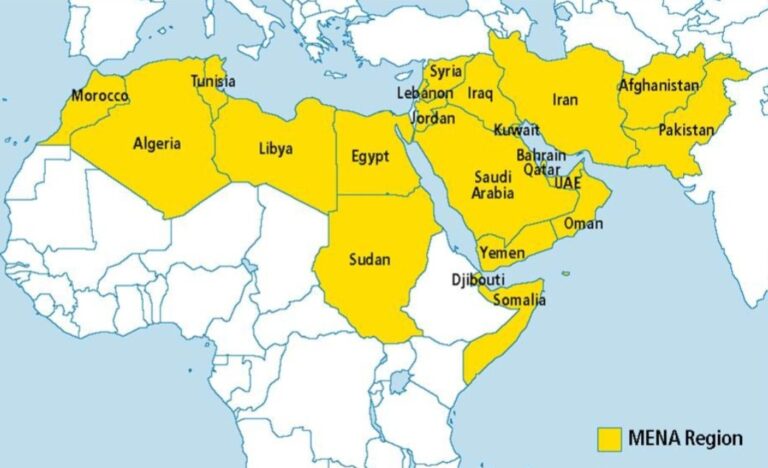
Israel-Palestine War: The WANA Angle

0

By: Nandini Khandelwal, Research Analyst, GSDN

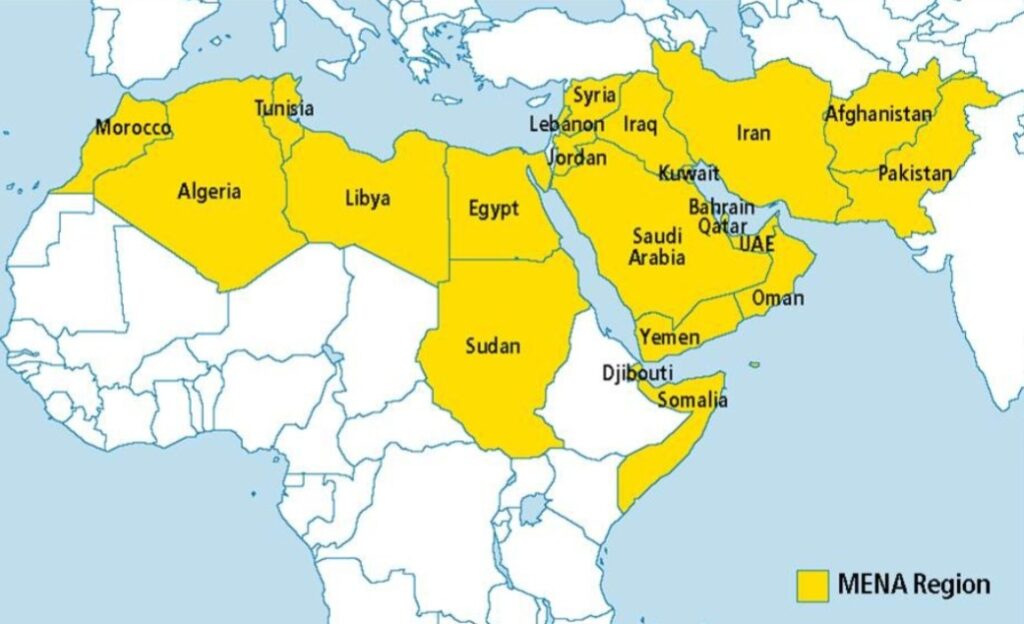
WANA Region: source Internet

Although the countries that make up the WANA region are often referred to as being around the Mediterranean and Red Seas, there may not be unanimity on this matter. Alternative terms for this region include WANA (West Asia North Africa), NAWA (North Africa and West Asia), SWANA (Southwest Asia and North Africa), and MENA (Middle East and North Africa). The precise nations that make up this region may vary depending on the context or the source. The Indian Ministry of Commerce describes the region as WANA, indicating its preference over the term MENA due to its lost relevance with the end of British colonialism and its geographic bias.

Owing to the region’s strategic importance, it has long been a geopolitical significance. Israel-Palestine conflict revolves around this region beginning with the flourishing civilisations such as Mesopotamia, the Persian Empire, and the Roman Empire known for being the birthplace of Jews in historical Israel and Judah, along with their long-drawn persecution. Its relevance for the origins of three religions: Christianity, Judaism, and Islam, gave rise to the multiplicity of cultures, faiths, and ethnicity. However, this rich past has also become the source of the region’s current political turbulence and instability.

Thucydides, one of the most prominent ancient realists, stated in The Melian Dialogue, “The strong do what they have the power to do, and the weak accept what they have to accept.” This statement is especially relevant in this region, where over time certain religions and ethnicities have dominated others to maintain their power status quo. While the seeds were already sown by the inevitable power politics, external factors such as European colonialism, beginning with the Sykes-Picot agreement post World War I marked its entry into the modern international system. 

COLONIALISM’S LONG-LASTING EFFECTS

Modernisation theory argues that under-developed and developing nation-states should follow a universal Western path for optimal development. However, the response of the WANA region has proved it false. The Europeans’ arrival as torchbearers for the region’s economic development caused turbulence in practically every nation-state. The lone distinction consisted of whether there were positive impacts or solely negative ones. The notion that peace and development go hand in hand, proved paradoxical with the advent of the Europeans in the region.

While Israel at least saw some positive impacts after years of violent displacement due to European colonialism as a result of gaining a Jewish homeland for themselves, Palestine’s condition turned into a political wreck as a result of its experiences with Zionism, which proved problematic when it took a cultural nationalistic turn, committing Spacio-cide (coined by Sari Hanafi) on the Palestinians alongside genocide. Alongside, its socioeconomic graph displayed a decline over time, coinciding with the large-scale Jewish settlement in and around the region.

UNENDING TALE OF PROXY WARFARE

Proxy warfare refers to a military confrontation taking place in a proxy land, away from the homeland involving one or more players directly or indirectly supporting state or non-state actors to further their strategic goals while undermining that of their opponents.

Following European colonialism, the region was entrapped into the neo-colonialism of the United States and the European nation-states, beginning with the Cold War era. The British as a result of rising violence between the Jews and Arabs in Palestine post-Balfour declaration (1918) relieved themselves of the responsibility to shift it to the United Nations (the US, implicitly) to decide. This resulted in Pan-Arabism with key players of the Arab world, especially Egypt, and Syria forming the United Arab Republic against the creation of Israel by the UN mandate of 1948. With each following Arab-Israeli wars, Israel became militarily, and technologically richer with the relentless support from the United States.

This resulted in two blocs in the region, one included Israel supported by the US and the other bloc by Arab states supporting Palestinians like Egypt, Syria, Lebanon, Iran, Iraq, Kuwait, Qatar and the like. Israel’s invasion of Lebanon in 1982 provided roots to Hezbollah supported by Shiite Iran’s mobilisation in the country. This formed the present-day Axis of Resistance, a rebranded elite overseas arm of Iran’s Islamic Revolutionary Guard Corps (IRGC) which includes Lebanon-based Hezbollah, the Syrian government of Bashar Al-Assad, Iraqi Shia militias and the Houthis of Yemen. The support to Arabs also witnessed an inevitable evolution of Russia (former Soviet Union) from supporting Israel’s creation to providing military aid to the Arab nation-states in their fight with Israel in the light of Cold War politics.

REPLICATING HISTORY- ISRAEL VS HAMAS

The blocs are relevant in the ongoing Israel’s wrestle with Hamas, which began on October 7, 2023. Repeating the history of the 1973 Yom Kippur War, Hamas launched massive attacks on Israel taking advantage of the people celebrating the Jewish holiday of Sukkot. The only distinction is different and multiple players, adding to the graveness. The bloc supporting the Arabs includes the revived Axis of Resistance. Houthi spokesperson Yahya Saree blamed Israel for instability in the Middle East, saying the “circle of conflict” in the region was being expanded by its “continued crimes”. The Houthis would continue to mount attacks “until the Israeli aggression stops”. For Hezbollah, Naim Qassem stated its clear purpose, “We are trying to weaken the Israeli enemy and let them know that we are ready.” Hamas officials have said that if Israel starts a ground offensive in Gaza, Hezbollah will join the fighting.

Europe is showing many voices concerning the humanitarian pause in the conflict. Both inter-divide and intra-divide are visible. For instance, there are countries such as Belgium, France, Ireland, Luxembourg, Spain and Sweden most critical of Israel owing to their domestic politics, stressing issues of human rights and international law while Germany, Austria, Netherlands, and the Czech Republic are among those condemning Hamas terrorism on Israel. Intra-divide is apparent in the United Kingdom between the political parties as well as the public, thereby accusing the government of failing to be a critical friend to Israel.

Israel has no right to defend itself as it is an occupying power, Russia’s representative to the United Nations (UN), Vasily Nebenzya, said at an emergency special session of the UN General Assembly on Wednesday, along with stating that Israel as an occupying power doesn’t hold the power to self-defence according to the International Court of Justice ruling in 2004 and resolution of the Palestinian issue through the UN resolutions is the pre-requisite to Israel’s security. Russia’s continuing support comes at a time per the national interests when it is itself being condemned by the West for its invasion of Ukraine, referring to the US as a hypocrite. On the other hand, White House spokesperson John Kirby said “We are not drawing red lines for Israel,” pressing relentless support for Israel. The US also supports the “humanitarian pause”, however, for the captives held by Hamas alone. It’s interesting to note that the precursor to Hamas, the Mujama al-Islamiyah (Islamic Centre) was allowed to raise proxy funds through Israel with the West (US) overhead.

The proxy warfare continues to the extent that it is no longer about the original issue involving peace between Israel and Palestine but the assertion of the influence of different state and non-state actors in the region. The US’s aspirations to urge mediation and peace in the region while continuing to unconditionally support Israel years after the Cold War has ended, appears to be paradoxical. Iran, a US rival, is benefitting by promoting propaganda against Israel to achieve its interests at the cost of catastrophic violence. Russia is manoeuvring as per its interests and taking advantage as the conflict is putting a shadow over its actions in Ukraine. The UN appears to be defunct which is reflected upon by its recent resolution about the immediate ceasefire and humanitarian pause. After all, it is regulated by the P5 nation-states which never come to a consensus, vetoing around the bush. Perhaps, the proxy actions by the external actors wouldn’t have been conceivable if international organisations like the UN had been sufficiently trustworthy as a collective security mechanism.

Syria-Jordan Relations: Road of Recovery

1

By: Vaishnavi Verma, Research Analyst, GSDN

Syria-Jordan: source Internet

Jordan has made a significant effort to re-establish normalcy with Syria in recent months. There had been a diplomatic rift between Syria and Jordan before the Arab Spring and the Syrian civil war bringing their relationship to an all-time low. Jordan withdrew its ambassador from Syria in 2012, but kept their embassy open, denouncing the activities of the Syrian government against their nationals. Jordan removed Bahjat Suleiman, the Syrian ambassador, on May 26, 2014 ostensibly as a result of comments he had made criticizing Jordan’s support of Syrian rebels. In reaction, because the Jordanian envoy was no longer physically present in Syria, the Syrians symbolically ejected him from the country.

First of all, even at the height of regional and worldwide condemnation of Syria’s harsh policies after the commencement of the uprising in the nation back in 2011, Jordan never severed ties with Syria. Jordan has always believed that severing ties with Damascus is not a useful strategy for influencing its practices and policies.

On the contrary, there was only going to be a chance to patch things up in Syria and put an end to the brutal civil war that resulted from continuing to have ties and communicate with the Syrian leadership.

Hundreds of thousands of Syrian refugees left war-torn regions at the same time and fled to Jordan. Opposition forces liberated the regions close to the triangle formed by the borders of Israel, Syria, and Jordan. The Syrian opposition also took control of the region on the outskirts of Swaida, east of the city of Daraa. The Syrian government-maintained control over Daraa up to the Nassib-Jaber border crossing. Parts of the city of Deraa and the border crossing were taken over by opposition forces in 2015.

At first, Jordan did not let Syrian opposition agents operate from Jordanian territory against Syria. Fears that the Muslim Brotherhood might seize power in the event of the Assad regime’s downfall and maybe deepen this trend in Jordan, endangering the stability of the Hashemite monarchy, were the primary cause of this.

Jordan’s concerns grew in 2015 as ISIS supporter Jish Khalid ibn al-Walid captured the border triangle between Syria, Jordan, and Israel. The expansion of Sunni radicalism within ISIS into Jordan was a major source of worry for Jordan.

Due to the opposition factions’ lack of cohesiveness on Syrian territory, the situation on the Jordanian-Syrian border deteriorated in 2014. Syria has developed into a hotbed of Islamic extremism, home to groups like ISIS and Al-Nusra Front (Al-Qaeda).

Jordan agreed to set up a joint operations and coordination centre with the several nations participating in Syria due to concerns about Sunni extremism seeping into Jordanian territory. This centre, known as the Military Operations Centre (MOC), included Arab nations like Saudi Arabia and the United Arab Emirates as well as Western nations like the United States, Britain, and France. Under the supervision of Jordanian intelligence officials, this operations room functioned inside Jordanian territory.

Jordan has advocated for a peace deal that would put an end to the Syrian crisis and permit Damascus’ readmission to the Arab League as part of its larger strategy for guaranteeing stability and security in the region.

A unified Arab committee that “would directly engage the Syrian government on a detailed plan to end the conflict” was one of Amman’s initiatives, which were made public in April. For Syria to reclaim its place in the region and rejoin the Arab League, a comprehensive plan addressing all the pertinent concerns must be addressed. Syria was eventually readmitted to the Arab League in May, ending a decade-long ban.

However, there doesn’t seem to have been much progress in the two countries’ bilateral ties since the first rapprochement. Instead, it seems to have stalled as a result of several issues that need strong bilateral collaboration.

The first problem is the ongoing drug smuggling from Syria into Jordan after the reconciliation. Drug trafficking may cause commerce between Syria and Jordan to become unstable. Another issue with drug trafficking is that it threatens a nation’s social, political, and economic stability, which in turn fuels an increase in other criminal activity. This problem may become especially dangerous in a nation like Jordan, where there are a lot of young people.

Since Damascus has regrettably turned into a centre for the manufacture of illegal narcotics, Jordan believes that the reintegration of Syria into the regional scene might help solve this problem.

It is now easier for criminal organizations to operate an underground economy and manufacture and transport illegal substances into other countries due to the civil conflict, lack of security, political vacuum, economic crises, and international isolation of the nation. The stated value of this multibillion-dollar economy in Syria is almost three times more than the total commerce of the cartels in Mexico.

A climate that is conducive to criminal gangs engaging in an illicit economy and producing and smuggling illegal substances into other nations has been created by civil conflict, lack of security, political vacuum, economic catastrophe, and isolation of the nation by the international community. According to reports, the overall value of the Mexican cartels’ trade is about three times that of this multimillion-dollar sector in Syria.

Jordan is working harder than ever to stop the flow of illegal narcotics out of Syria. Several drones bringing Syrian crystal meth into Jordan have been shot down by the Jordanian military.

Officials from Jordan and Syria have met on many occasions to discuss the illegal drug traffic, but little has been accomplished to address the problem. During their July meeting in Damascus, Assad and Ayman Safadi, the foreign minister of Jordan, reportedly discussed “the dangers posed by drug smuggling across the Syrian border into the kingdom, and the need for cooperation to confront it.”

The refugee crisis is the second barrier separating the two countries. Many Syrian refugees in Jordan have chosen to stay where they are, refusing to go back to their homes despite the re-engagement between Amman and Damascus.

One million and four hundred thousand Syrian refugees were predicted to exist in 2021, making up around 10% of Jordan’s population. The economy of Jordan is severely impacted by the influx of Syrian refugees, particularly in the areas of employment, social care, and the water sector. A nation that hosts the second-highest number of refugees per capita worldwide is under tremendous socioeconomic strain as a result of this.

Jordan is home to over 675,000 Syrian refugees who are officially registered with the UN High Commissioner for Refugees. The refugees fled their home country in 2011 when the situation there caused unfathomable misery for its residents. Jordan’s cities and villages are home to the majority of Syrian refugees. Only 17% of refugees dwell in the two biggest camps, Za’atari and Azraq.

This support persisted and even became stronger as long as Jordan was under attack from different opposition factions. This happened as Jordan hosted and cared for hundreds of thousands of Syrian refugees who had fled to northern Jordan after the start of the conflict in Syria and were divided between the two camps at Zaatari and Mafraq.

Another important effect is the demographic issue. Jordan’s objective is to repatriate most, if not all, of the refugees to Syria. But marriages have developed over time. Young Syrian ladies wed nationals of Jordan. The kingdom’s internal security and stability are threatened by this population problem. The al-Rukban refugee camp, which is the easternmost on the Syrian-Jordanian border, is one example of the radical Islamic elements that the Jordanian government fears and has been the source of assaults against Jordanian security forces.

Russia’s military intervention in the Syrian civil war in 2015 served as a breaking point, assisting the Syrian army, Hezbollah, and the Iranian Quds Force in regaining control of all of Syria over time, including agreements on the Syrian-Jordanian border for peace in 2018. It was well understood in Jordan that Assad was here to stay, backed by Russia and Iran. Jordan therefore consented to the actions of Russia and the cessation of Western assistance to the resistance.

In Jordan’s bordering province of Deraa, the security situation is still unstable. However, Jordan has been working towards normalization, and relations with the Syrian government headed by Assad have improved recently. Jordan intended to reestablish diplomatic relations with Syria as early as December 2019.

Then, it was announced that a group led by Samir Habashneh, the minister of agriculture, and Tarek al-Masri, the former prime minister of Jordan, would go to Syria to restore ties between the two nations since they share interests. Against the backdrop, efforts to normalize ties with Syria have also been made by other Arab nations, like the United Arab Emirates.

King Abdullah paid a visit to the US in July 2021. During their meeting, US President Biden gave him a proposal for ending the Syrian conflict, which included normalizing relations with Arab nations and releasing Jordan from the “Caesar Act.”

A Syrian team went to Jordan in September 2021 to talk with the prime minister and his ministries about commerce, agriculture, economy, and water concerns. Many delegations from Syria came to Jordan in the weeks that followed to discuss security and economic matters.

To coordinate the security of the shared border and combat terrorism, particularly drug smuggling, which worries the Jordanians greatly, Syrian Chief of Staff Ali Ayoub travelled to Jordan on September 19, 2021 and met with Jordanian Chief of Staff Yusef Al-Huneiti.

King Abdullah and Bashar al-Assad talked over the phone on October 3, 2021. They spoke about ways to improve their collaboration as well as the relationship between the two nations. The King of Jordan emphasized that his nation supports initiatives aimed at preserving Syria’s territorial integrity, stability, and sovereignty.

Meetings with business delegations resulted in an agreement to restore the Jaber-Nassib crossing, which had been closed in April 2015 after the occupation of the region by Syrian rebels. The border was reopened in October 2018 with the achievement of peace accords; however, it was closed once again in 2020 due to the coronavirus. In practice, the crossings formally opened on October 29, 2021 together with the free trade zone. Flights between Amman and Damascus were also agreed to restart in October 2021 ((this has not yet been implemented). The opening of land and air border crossings will help to stimulate the Jordanian and Syrian economies tremendously.

Relations between Syria and Jordan are not inevitably moving towards complete alignment. Much remains to be seen in terms of the Syrian regime’s behavior towards Jordan, as well as regional and international policy towards Syria. Even if this is a new era in Syria-Jordan ties, it has only just started, and its future course is uncertain. Nonetheless, most indicators indicate that Jordan’s economy has already profited, if little, from stronger links with Syria. Jordan is also seeking to develop a new economic paradigm for itself. In this concept, Jordan would be more than just a market for Syrian products and a transit stop for them on their route to Gulf markets; it would also be an exporter to Syria and a connection connecting Syria to worldwide markets. Finally, although the strengthening of Syrian-Jordanian economic connections is a significant success, it may also help to foster collaboration on other concerns, such as water difficulties, border security, and, eventually, regional politics.

A Relationship Unique but Not Unusual: The Special Partnership Between India and Mauritius

1

By: Harshit Tokas, Research Analyst, GSDN

Mauritius: source Internet

The relationship between India and Mauritius is a testament to the enduring ties that can exist between nations, forged by shared history, culture, and mutual interests. Over the years, this unique bond has evolved, encompassing various facets of cooperation, including politics, economics, and security. While some critics may misinterpret their collaboration as a form of subservience, it is essential to acknowledge that such strategic partnerships are not unusual in the international arena. This article delves into the history, contributions, and the mutual security interests that underpin the special relationship between India and Mauritius.

The history of India’s relationship with Mauritius can be traced back to the colonial period when thousands of Indians migrated to the island nation. This migration, driven by diverse reasons, played a pivotal role in shaping modern Mauritian society. As people of Indian descent, belonging to different castes and creeds, continued to arrive over nearly two centuries, their contributions were significant in building the Mauritian nation.

During the struggle for independence from colonial rule, Mauritian political leaders found inspiration in the Indian freedom movement. Mahatma Gandhi’s visit to Mauritius in 1901 left an indelible mark, and his legacy continues to be revered in the country. In fact, Mauritius chose March 12 as its Independence Day, commemorating the Dandi Salt March by Mahatma Gandhi in India in 1930. This historical connection serves as a strong foundation for the close relationship between the two nations.

After achieving independence in 1968, Mauritius received steadfast support from India across various spheres. This support was not merely political but extended to fields like health, education, agriculture, and consumer goods. Indian grants and concessional loan assistance have led to the creation of numerous iconic facilities in Mauritius, benefiting its citizens.

India’s economic partnership with Mauritius has been instrumental in the latter’s growth. India’s role in boosting the Mauritian economy, particularly through the textile industry, has been pivotal. The Double Taxation Avoidance Convention (DTAC) signed in 1983 was a game-changer, enabling Mauritius to develop its financial services sector and establish itself as an international financial hub. Although the DTAC initially faced criticism for potential misuse, India and Mauritius negotiated a revised agreement in 2016, ensuring fair and legal economic cooperation.

The Comprehensive Economic Cooperation and Partnership Agreement (CECPA) signed in 2017 further solidified their economic ties. India’s support in fostering Mauritius’ economic prosperity has been a silent but significant driver of their relationship.

The robust relationship between India and Mauritius extends to the realm of defense and security, a dimension that is often misinterpreted. It is essential to clarify that such partnerships, based on mutual trust and shared objectives, are not indicative of subservience.

India’s support in defense and security matters dates back to the period before Mauritian independence when the future of British colonial possessions in the Indian Ocean was under discussion. India’s consistent diplomatic support for Mauritius’s sovereignty over the Chagos archipelago highlights its unwavering commitment to the nation.

Mauritius recognized the need for maritime security in the Indian Ocean, especially after the British Royal Navy withdrew from the region. India, at Mauritius’s request, provided a naval patrol boat (AMAR) in 1974 and offered training for Mauritian maritime security professionals. This support has been invaluable in safeguarding Mauritius’ vast Exclusive Economic Zone (EEZ) and ensuring its security.

Joint patrols by the Indian Navy and Mauritian Coast Guard have addressed challenges such as illegal fishing, piracy, drug trafficking, and poaching. Such collaborative efforts have played a crucial role in maintaining the region’s stability and security.

Recent discussions surrounding India and Mauritius’ joint development of infrastructure at Agalega have sparked controversy. However, a closer examination of the project reveals its genuine aim to improve the lives of the Agalega residents and enhance Mauritius’ maritime surveillance capabilities.

Mauritius has long sought to upgrade the infrastructure in its Outer Islands, including Agalega, to address transportation challenges and improve connectivity. India’s positive response to this request was based on a Memorandum of Understanding for the Improvement in Sea and Air Transportation Facilities, signed during Indian Prime Minister Narendra Modi’s visit to Mauritius in 2015.

The bipartisan endorsement of this project, irrespective of the political party in power, demonstrates the consensus on its importance. The project seeks to provide better connectivity between Agalega and Mauritius, facilitate surveillance of Mauritius’ EEZ, and support the development of Outer Islands. The infrastructure development at Agalega is designed to benefit Mauritius in multiple ways, from maritime security to disaster response and search and rescue operations.

The special partnership between India and Mauritius is one of choice, not coercion. This partnership is based on mutual respect, shared interests, and a commitment to peace and security in the Indian Ocean region. It is essential to recognize that such strategic collaborations are common in international relations and do not imply subservience.

As Mauritius continues its efforts to secure sovereignty over the Chagos archipelago, the operational facilities at Agalega will play a vital role in facilitating transportation between Mauritius and Chagos. This aspect is often overlooked by critics who focus on unfounded fears of an “Indian military base” at Agalega.

The relationship between India and Mauritius is a testament to the enduring bonds that can develop between nations with shared history and interests. Their close ties encompass political, economic, and security cooperation, with each nation benefiting from this partnership. India’s support has contributed significantly to Mauritius’ growth and security, and it is crucial to dispel misinterpretations of their collaboration. The special partnership between these two nations is based on choice and mutual trust, and it is likely to endure as both countries continue to work together in the spirit of cooperation and friendship.

Yemen’s Houthi Movement Joins the Israel-Hamas Conflict

0

By: Harshit Tokas, Research Analyst, GSDN

Yemen: source Internet

The involvement of Yemen’s Houthi movement in the Israel-Hamas conflict adds a new layer of complexity to an already volatile and multi-faceted situation in the Middle East. This article delves into the background of the Houthi movement, their role in the Yemen conflict, their recent actions against Israel, and their alignment with Iran’s “Axis of Resistance.” By examining these factors, we can better understand the implications of the Houthis’ involvement in the broader regional context.

The Houthi movement, also known as Ansar Allah (Supporters of God), emerged in Yemen in the 1990s, driven by dissatisfaction with the Yemeni government’s alignment with Saudi Arabia and the United States. The movement has positioned itself as an anti-imperialist and anti-foreign intervention force, advocating for economic development and self-determination for the Yemeni people.

The Houthi slogan, “God is Great, Death to America, Death to Israel, Curse on the Jews, Victory to Islam,” has drawn international attention. While some view this slogan as a literal threat, the Houthis claim it symbolizes their opposition to foreign interference by these countries. The movement is rooted in Zaydism, a Shiite sect that represents about 25% of Yemen’s population, with the majority being Sunni.

The conflict in Yemen began in 2014 when the Houthi rebels, backed by elements of the Yemeni military loyal to former President Ali Abdullah Saleh, seized control of Yemen’s capital, Sanaa. This action forced the internationally recognized government of President Abdrabbuh Mansur Hadi into exile and escalated the conflict. In response, a Saudi-led coalition intervened in March 2015 to restore Hadi to power and prevent Iranian influence from spreading in the region.

While the Houthi movement does not represent the officially recognized government of Yemen, it controls a significant portion of the country. This situation goes against Western efforts to contain the conflict within Yemen’s borders and prevent its spread to other parts of the Middle East.

The Houthi movement is closely aligned with Iran’s “Axis of Resistance,” an informal military coalition centered on anti-Western and anti-Israel sentiments. This alliance includes other militant groups like Lebanon-based Hezbollah, Palestinian militant groups such as Hamas, the Syrian government, and various Iraqi militant groups.

The Houthi movement’s alignment with the “Axis of Resistance” indicates its shared goals and strategic cooperation with these groups. In 2021, the Houthi leaders suggested a link with Hamas when they proposed swapping Saudi prisoners they held for the release of Palestinian prisoners. This move demonstrated their willingness to work in concert with other members of the “Axis of Resistance.”

The Houthi movement’s recent missile and drone attacks on Israel have brought the Israel-Hamas conflict to a new geographic and geopolitical context. While not the officially recognized government of Yemen, the Houthis have effectively declared their involvement in the Israel-Hamas conflict by targeting Israel with these attacks.

On several occasions, the Houthis have claimed responsibility for missile and drone attacks on Israel, signaling their intent to participate in the broader struggle against Israel. In the eyes of the Houthi military spokesperson, Yahya Saree, Israel is responsible for regional conflicts, and they have pledged to continue their involvement until Israeli aggression ceases.

The Houthi movement’s involvement in the Israel-Hamas conflict carries significant implications for regional stability and security. Here are some key points to consider:

(a) Regional Escalation: The Middle East is already a volatile region with numerous ongoing conflicts and geopolitical tensions. The Houthi attacks on Israel add another layer of complexity. While these attacks may, for now, be more about messaging than a military threat, there is a risk that an all-out engagement with multiple rockets launches from various directions could overwhelm Israeli air defenses. Such a scenario could lead to regional escalation.

(b) Broader Regional Conflict: The alignment of the Houthis with Iran’s “Axis of Resistance” raises the risk of a broader regional conflict. If Israel perceives a significant and sustained threat from the Houthis, it might respond in a way that escalates the situation. Israel has a history of preemptive military action when it believes it faces an existential threat. Moreover, if Hezbollah and Hamas coordinate their actions with the Houthis, the potential for a synchronized attack on Israel increases, which could lead to a wider regional conflict.

(c) Diplomatic Efforts: Diplomatic efforts to end the Yemen conflict and address broader regional tensions are crucial in preventing a wider war. The United States, as a key player in the region, will play a pivotal role in shaping the path toward peace and stability. Achieving lasting peace in a region with numerous competing interests and conflicts will undoubtedly be a formidable challenge.

The Houthi movement’s involvement in the Israel-Hamas conflict extends the reach of this already complex and interconnected regional conflict. The alignment of the Houthis with Iran’s “Axis of Resistance” underscores the broader regional implications of their actions. Diplomacy, prevention of regional escalation, and addressing the root causes of conflicts are essential steps in achieving lasting peace and stability in the Middle East.

The situation highlights the fragility of the region and the need for diplomatic initiatives to reduce tensions and prevent a broader regional conflict. International efforts must focus on de-escalation and fostering dialogue among key stakeholders to ensure the long-term security and stability of the Middle East. The recent Houthi attacks on Israel serve as a stark reminder of the intricate and volatile nature of the region and the urgency of finding diplomatic solutions to regional conflicts.

Poland’s New Government: Geopolitical Implications

0

By: Darshan Gajjar, Research Analyst, GSDN

Poland: source Internet

American President Abraham Lincoln famously remarked, “Elections belong to the people. It’s their decision. If they decide to turn their back on the fire and burn their behinds, then they will just have to sit on their blisters.” Elections in a democracy are always interesting, especially when they have the potential to shape and change the geopolitical dynamics not only for the region but also for the world at large.

Recently, on October 15, 2023 the Republic of Poland held its parliamentary elections, which are being held on a regular basis four years apart. The Polish constitution does not mention any body such as the parliament; instead, it provides the composition of a bicameral legislature, with the Sejm being a lower house akin to the House of Representatives in the USA and the Senate being an upper house.

To be precise,Article 95 of the Polish Constitution states that, “Legislative power in the Republic of Poland shall be exercised by the Sejm and the Senate,” further the same article also mentions that, “The Sejm shall exercise control over the activities of the Council of Ministers…” During the October 15 election, seats for both houses were contested.

This piece aims to provide a geopolitical analysis of that election and its implications on the country’s politics, in addition to analysing Poland’s relationship with the European Union (EU), stance on the ongoing Ukraine conflict, and broader implications for populist policies in Europe.

Results of the Elections

The current elections saw the one of the highest turnouts of voters, nearly 74%, the highest since the fall of communism in 1989. As per the final count, the incumbent PiS (Law and Justice Party) got 35.4% of votes, with the centrist Civic Coalition securing 30.7% and the centre-right Third Way getting 14.4% of votes, in addition to the Left with 8.6% and the far-right Confederation with 7.2% of the votes.

In numerical strength, the Law and Justice party takes 194 seats in parliament, followed by the Civic Coalition with 157, the Third Way with 65, the Left with 26 and Confederation with 18 seats.

Although the incumbent PiS is the largest party, it did not garner enough seats to form the majority even with its coalition partners. Thus, paving the way for the change of government with PiS losing the reign of power for the first time since 2015. Former European Council President and Prime Minister Donald Tusk is expected to lead a new coalition with his Civic Coalition, which will partner with the Third Way and the Left, who together hold 248 seats.

However, it will not be a cakewalk for Mr. Tusk to become the Prime Minister. As per Article 154 of the Polish Constitution, the President will have to appoint a Prime Minister within 14 days after convening the first session of the newly elected Sejm. The current President Andrzej Duda, a PiS ally, has signalled picking up a person from the winning party, i.e., the party with the greatest number of seats, which is PiS in this case. In due course, however, Mr. Tusk is believed to be the new Prime Minister. Let’s look into the various policy changes and implications that Mr. Tusk has suggested during his campaign.

Ukraine Policy

Strategically the location of Poland makes it one of the most important countries in Europe. Since the start of the Russia-Ukraine war last year, the former Warsaw Pact country has proven to be instrumental in many ways, from accepting refugees to sending important weapons to Ukraine from western countries.

Poland is not directly involved in the Russia-Ukraine conflict; however, it has been actively involved in providing humanitarian aid to Ukraine, which includes providing shelter, medical assistance, and support for Ukrainian refugees.

Further, Poland has provided Ukraine with 320 Soviet-era tanks and 14 MiG-29 fighter jets in terms of military aid. However, in early August this year, a diplomatic rift emerged over the grain deal.

The European Union had brokered a deal between Poland and four other neighbouring countries to ban grain imports from Ukraine to protect their domestic farmers; with the condition that they must allow the grain to cross their territory into other countries. The agreement was set to expire on Sept 15, 2023 but Polish officials have called for extending the restrictions. Eventually, on September 21, 2023 Ukraine filed a complaint with the WTO, against Hungary, Poland, and the Slovak Republic over the ban and threatened retaliatory import restrictions.

This move did not go well with Prime Minister Mateusz Morawiecki, who was facing an election just next month. Subsequently, Poland has suspended all military aid to Ukraine, citing military modernization plans. Experts believe that the populist Polish PM invoked the grain issue for the benefit of their rural voters rather than for them to solve it.

However, it is clear from the results that such a move failed to materialise and yield any results. Now, one of the prime tasks that the new government has to perform after being sworn in will be to make sure the engagement with Ukraine on all fronts is back on track.

Mr. Donald Tusk is believed to be pro-Ukraine and keen on resolving disputes and enhancing engagement. During his political campaign, he even called for unwavering military aid to Ukraine to defeat Russia in addition to moral and diplomatic support.

Under a new Prime Minister, Poland would likely have remained a key player in channelling humanitarian aid for Ukraine and supporting sanctions against Russia, among other things.

Relations With the EU

Due to the populist policies of PiS and the divergence of interests between conservatives in Poland and progressives in the EU, the relationship between Brussels and Warsaw saw a rough patch in the last few years, which is expected to hit a reset once former European Council President Mr. Tusk takes over the executive.

It is obvious that Mr. Tusk is deeply pro-European Union (EU). Many EU officials are keen on restoring liberal democratic principles in Poland. Mr. Tusk has promised to do so during his election campaign. Thereupon, the EU will most likely unlock billions of euros in EU funding that was allocated to Poland as part of the COVID-19 pandemic recovery fund, which was frozen due to the EU citing a threat to the independent judiciary in Poland, further increasing tensions between Warsaw and Brussels. “Poland must use all methods possible to access frozen European Union funds,” said Mr. Donald Tusk during his trip to Brussels on October 25, 2023.

Among other things, in last few years, Poland also criticised the EU’s centralised model, citing threats to its sovereignty. Additionally, it has refused to cooperate with the EU on the European Green Deal and has outright rejected the EU’s migration policies concerning the Middle East and North Africa (MENA) region. Amid growing geopolitical tensions in the region, it becomes extremely necessary for Poland to amend its ties with the EU, strengthening overall European security vis-à-vis Russia.

Way Forward

The result of the election in Poland serves as a reminder for countries around the world that populism alone will not be enough to help them sustain power. PiS’s excessive authoritarian policies, along with interfering in the domain of the judiciary, a hyper-adversarial attitude towards the LGBTQ+ community, and blind opposition to the EU, were rejected by Polish voters.

As mentioned earlier, there may be some initial constitutional hindrances in front of Mr. Tusk, like the President calling PiS to form the government due to it being the largest party in the Sejm. Even after becoming Prime Minister for Mr. Tusk, the immediate reversal of policies will not be possible.

This election may be the first of many European elections that may take a pro-EU shift in the future. With due deliberation with his coalition partners, the new government has to make sure the relationship with the EU picks up from where it was raptured, in addition to making sure that support for Ukraine doesn’t fall short in the domestic population, for it is consequential since Poland is a NATO ally and plays a very crucial role in deterring Russia against the West.

Turmoil in Myanmar: Tough Times Ahead

1

By: Vaishnavi Verma, Research Analyst, GSDN

Myanmar: source Internet

Over its decades of independence, Myanmar has undergone a turbulent history marked by military authority, civil conflict, inadequate administration, and terrible poverty. Political unrest has plagued Myanmar since the military took control of the nation on February 1, 2021. However, this kind of upheaval is nothing new. Myanmar has had a sporadic democratic transition.

Following the Saffron Revolution in 2007, Myanmar enacted its third constitution in 2008, granting the military 25% of the seats in both chambers of Parliament as well as authority over the ministries of home affairs, defence, and border affairs. The constitution went into effect in 2011, and the National League for Democracy (NLD) won elections in 2015.

A major watershed moment happened in February 2021, when a military coup dashed Southeast Asia’s expectations for democratic transformation. The Tatmadaw, Myanmar’s military, staged a calamitous putsch two years ago, plunging the nation into further turmoil and economic disaster.

The second anniversary of the military “coup” in Myanmar, which occurred on February 1, 2023 was the NLD’s abortive attempt to retake power after winning a landslide victory in the November 2020 elections (which followed the first in 2015) under the 2008 constitution drafted by the military.

Following the coup, the military imposed a one-year state of emergency, detained, arrested, and ultimately sentenced to lengthy prison terms on pretences President Win Myint, State Counsellor and leader of the NLD, Daw Aung San Suu Kyi, and other opposition figures. They also established a State Administration Council (SAC) to manage the day-to-day operations of the nation. 

The democratic “transition” that Senior General Than Shwe, Senior General Min Aung Hlaing’s politically astute predecessor, started with his seven-stage “road map” towards a “discipline-flourishing democracy” and which was ostensibly “fulfilled” with elections that brought the reformist, military-backed Union Solidarity and Development Party (USDP) to power in 2010 has been effectively reversed together with subsequent developments.

Despite the military’s use of force against peaceful protestors and a widespread Civil Disobedience Movement, launched by government doctors in Yangon, and then against spontaneously proliferated new ‘People’s Defence Forces’ (PDFs) in Bamar and ethnic areas, as well as several long-standing ethnic armed organizations (EAOs), the situation has not been stabilized.

The violence has led to thousands, if not tens of thousands of arrests, four judicial executions (including one involving a member of parliament), and an estimated 1.5 million people displaced in Myanmar and abroad (including an estimated 50,000 refugees in India). The military’s use of arson, artillery, airpower, and scorched earth policies has also caused widespread armed resistance and retaliation from the populace.

The Association for the Assistance of Political Prisoners (AAPP) has documented close to 3,000 deaths, with other estimates placing the number as high as 30,000.

Escalating Conflict 

After two years, the situation in Myanmar remains unresolved. Images of nonviolent protestors giving the three-fingered salute still accompany many news stories and opinion pieces about the nation, but they no longer adequately capture the political unrest that exists there.  Instead, it seems like a bleak tapestry of political violence, with photos of bullet-riddled dead, burned-out communities, and uprooted families. The Tatmadaw has utilized its indiscriminate “four cuts” technique on the same people it claims to protect; the horrific methods that were previously used with impunity in ethnic minority areas have now been unleashed on the Bamar heartland.

Practically speaking, it is a war waged by the Tatmadaw (the name given to the Myanmar military as the leaders of Burma’s independence movement) against its people, free from the stigma associated with being classified as “majoritarian,” “sectarian,” “ethnic,” “religious,” “minority,” “left,” “right,” or “communist,” and, on the other hand, a “people’s war” that primarily employs guerilla tactics against the Tatmadaw. Even those EAOs that have traditionally disagreed with the Tatmadaw and rejected their peace proposals have been excluded from the fight for tactical or political reasons.

Following the coup, the political opposition established the National Unity Government (NUG), which is supported by the wider National Unity Consultative Council (NUCC), a committee consisting of deposed elected lawmakers, the Committee Representing the Pyidaunsu Hluttaw (CRPH), a Federal Democratic Union charter, a Defence Ministry, a military “high command,” and an announcement of a “defensive war” against the armed forces.

The state has designated the NUG as a ‘terrorist’ group, but the ‘people’s war’ is more than simply a fight for democracy, a federal union, or a civil conflict. It is now more accurately described as a brutal war for freedom.

Humanitarian Crisis

The above figures do not include the uncounted tens of thousands who died during the Covid-19 third wave, as well as deaths from preventable or treatable diseases as a result of a weakened health system, the toll among displaced and refugee communities, and rising suicides amid the country’s mental health crisis.

According to the United Nations Office for the Coordination of Humanitarian Affairs (OCHA), 17.6 million people, or about a third of Myanmar’s population, need humanitarian assistance, and around 1.3 million have been displaced since the coup.

These astonishing figures do not include the approximately 330,000 internally displaced people from conflicts before the coup.

They do not include the 1 million Rohingya refugees who have been languishing in Bangladeshi camps for the last five years, having been ignored by the world community and preyed upon by their former protectors.

Economic Collapse

Myanmar’s economy continues to struggle after falling dramatically in 2021. Overall macroeconomic indicators seem to have stabilized, but they are hampered by falling productivity, foreign current and import permission limitations, insecurity, rolling blackouts, and rising inflation, all of which are exacerbated by heavy-handed SAC policies that change without notice.

Businesses are balancing between the junta and its adversaries, fearing crackdowns, bloodshed, and social humiliation.

Because of mismanagement, speculation, and rumours, the kyat has plummeted by half versus other currencies since the takeover. Those who still have money have hurried to acquire real estate and gold to protect against the kyat’s volatility. The financial sector looks to have stabilized as well, albeit it is still constrained.

International Response

Nonetheless, despite a recent December 2022 United Nations Security Council Resolution 2669 (its first on Myanmar since 1948, on which Russia, China, and India abstained), Myanmar remains in the shadow of international and domestic media attention, with political resolution largely left to the ASEAN alliance, of which Myanmar is a member and its April 21, 2021 five-point consensus.

The Association of Southeast Asian Nations (ASEAN) has been unable to impose pressure on Myanmar due to disagreements on its approach to the country. Following a secret trial, Myanmar killed four pro-democracy campaigners in July of this year. The act was deemed “reprehensible” by ASEAN.

ASEAN, of which Myanmar became a full member in 1997, had asked the Army Chief Min Aung Hlaing to attend the ASEAN conference in Jakarta in 2021 when a five-point consensus—a road plan to cease violence, talk with pro-democratic activists, and return to democracy—was developed. Myanmar’s contempt for this agreement was evident when it refused to let an ASEAN special envoy meet with Aung San Suu Kyi and other imprisoned leaders.

ASEAN declined to allow General Min Aung Hlaing to attend the biennial ASEAN Summit in October 2023, stating that only “non-political” bureaucrats or officials may participate, and Myanmar refused to send a representative.

Despite worldwide censure, ASEAN remains divided on its engagement with Myanmar. Both India and China, who are striving for power in Myanmar, are still engaging with the Tatmadaw. Russia and Pakistan continue to send weapons to Myanmar’s military.

The refugee movement demonstrates the geographical effect of the military coup and the resulting unrest and bloodshed. In an act of ethnic cleansing, Myanmar displaced around 7 million Rohingyas from the Rakhine state during the 2017 conflict.

Even though Bangladesh was inundated with Rohingya migrants long before the coup, the violence has worsened. Other ethnic groups, like the Chins and other pro-democracy activists, have left the military crackdown and sought asylum in Myanmar’s neighbouring nations, India and Thailand. Myanmar has never had complete control over its borders. The violence is altering border regions, causing ethnic fragmentation and deepening fault lines. Political splintering will make it impossible for the nation to stay together, with major consequences for the area.

Conclusion

All of these tragedies are the result of an unjustified coup that ended Myanmar’s imperfect democratic experiment. The whole situation is man-made and could have been avoided. In contrast to other nations, Myanmar currently has two factions claiming to be its true government, but neither is willing to pursue a peaceful political settlement.

Whoever “wins” will discover a burnt environment, impoverished people, and a future in ruins. As a result, in addition to guaranteeing an open political discussion, ASEAN is responsible for providing humanitarian help to those in need. While isolating the nation will not restore normality, a comprehensive strategy is required to enable an open discourse. Military authorities in Myanmar must be pressed to engage in consultative engagement with all stakeholders, particularly the NUG and key EAOs, to restore peace and stability.

Arab States and the Israel-Hamas Conflict: A Regional Perspective

0

By: Harshit Tokas, Research Analyst, GSDN

Israel-Palestine War: source Internet

The Israel-Hamas conflict has been a long-standing and deeply entrenched issue in the Middle East, with profound regional and global implications. The recent escalation of violence, including the surprise attack by Hamas on southern Israel on October 07, 2023 and subsequent retaliation on Northern Gaza, has once again brought the conflict to the forefront of international attention. This article explores the ongoing conflict between Israel and Hamas, its regional implications, and the dynamics involving major global players.

The roots of the Israel-Hamas conflict can be traced back to the late 1980s when Hamas emerged as a Palestinian resistance movement. The group, founded by Sheikh Ahmed Yassin, was born out of frustration and opposition to the Oslo Accords, which sought to establish a framework for peace between Israel and the Palestinian Liberation Organization (PLO). Hamas is deeply entrenched in the Gaza Strip and is known for its armed wing, the Izz al-Din al-Qassam Brigades.

The conflict revolves around key issues such as the Israeli occupation of Palestinian territories, the status of Jerusalem, the rights of Palestinian refugees and the establishment of a Palestinian state. These unresolved issues have led to a series of violent confrontations over the years.

The surprise attack by the Izz al-Din al-Qassam Brigades into southern Israel on October 07, 2023 shocked the region. Thousands of Israeli and Palestinian civilians have lost their lives in the subsequent violence. This attack, occurring on Israeli soil, was unprecedented and deeply traumatic for the Israeli population, unaccustomed to such large-scale violence.

In retaliation, Israel launched a brutal bombing campaign on Gaza, resulting in significant casualties and widespread destruction. This aggressive response prompted discussions about the lack of a clear endgame for Gaza and the seemingly punitive nature of the Israeli campaign against the 2.3 million Palestinians living in the besieged enclave, approximately half of whom are children.

As the conflict intensifies, there is increasing speculation about the possibility of an Israeli ground invasion of Gaza. Such an operation in this densely populated urban territory would likely result in a high number of casualties on both sides and raise critical questions about the future of Hamas, the Gaza population, and regional dynamics.

The prospect of an Israeli ground invasion of Gaza raises significant concerns among Arab states in the region. Responses to such a campaign and its aftermath would likely reveal divisions among Arab governments.

Arab states that normalized diplomatic relations with Israel in 2020, namely Bahrain and the United Arab Emirates (UAE), have openly criticized Hamas for the October attack. In contrast, other Arab states have either firmly opposed normalization with Israel or refrained from joining the Abraham Accords. These include Algeria, Kuwait, Iraq, Qatar, Saudi Arabia, and Tunisia.

The response of these Arab states to an Israeli invasion of Gaza is expected to be directly proportional to their relationships with Israel. The UAE, with its close ties to Israel and a mild approach to criticism, is likely to take a more measured stance than other Arab states that may be critical of such an invasion.

Regime legitimacy is a crucial variable in determining Arab states’ responses to an Israeli invasion of Gaza. Arab governments that are concerned about their own legitimacy and face internal pressures may adopt more vocal and critical stances in response to the conflict.

Public opinion on the Palestinian cause is an essential issue for Arab citizens. The plight of the Palestinians holds great significance in the collective identity of many Arabs and Muslims. While the public emphasizes the importance of the Palestinian issue, ruling elites often have different priorities.

Any escalation of suffering, human rights violations, and war crimes in Gaza could lead to popular mobilization in solidarity with the Palestinians. This mobilization could be directed not only against Israel but also against ruling elites with formal or informal relationships with Tel Aviv and close partnerships with Washington.

Anger among citizens of Arab countries could shift from being directed against Israel and the United States to their own governments. Arab states, particularly authoritarian ones, have often used the Palestinian cause as an outlet for public sentiment against Israel, instead of addressing domestic issues. The region has seen widespread protests, particularly post-Arab Spring, against the socio-economic and socio-political conditions in many Arab countries.

These protests indicate that Arab populations are increasingly frustrated with their governments and seek political and economic reforms. Public demonstrations, ostensibly in support of Palestine, can become an outlet for grievances against authoritarian regimes.

The looming Israeli ground invasion of Gaza raises questions about how countries in the Abraham Accords might respond. While it is unlikely that any Arab state in the normalization camp would abrogate their normalization deal with Israel, it is possible that they may take symbolic steps to express their concerns.

Countries like the UAE and Bahrain, which have benefited from the Abraham Accords, might choose to withdraw ambassadors or cool their relations with Tel Aviv. This middle-ground approach would allow them to maintain the benefits of their normalization agreements while aligning with domestic and regional public opinion.

The ongoing Israel-Hamas conflict takes place in the context of a changing global landscape. China has deployed warships to the Middle East, and Russia has strongly condemned the U.S. for its role in the Israel-Palestine conflict.

Arab states, including Egypt, Jordan, and GCC members, are closely watching China and Russia’s involvement in the crisis. These great powers are major players in the region, and their actions could significantly impact the balance of power and influence in the Middle East.

The world is becoming increasingly multipolar, with multiple centers of power and influence. China and Russia’s coordinated response to the Israel-Hamas conflict is a significant development, as it represents a departure from previous dynamics.

The involvement of China and Russia could reshape the Gaza final solution, the broader Israeli-Palestinian conflict and the regional order. Their presence may influence the actions and reactions of regional states, including those in the Arab world.

The ongoing Israel-Hamas conflict is a deeply entrenched and complex issue with far-reaching regional and global implications. The recent escalation in violence and the potential for an Israeli ground invasion of Gaza have sparked concerns among Arab states and raised questions about the Arab-Israeli normalization agreements.

Furthermore, the role of great powers like China and Russia in the region adds another layer of complexity to the conflict. The world’s changing dynamics and the multipolar nature of international relations underscore the need for a comprehensive and coordinated approach to address the Israel-Hamas conflict and its ramifications for the Middle East and beyond.

Mexico: An Emerging Threat to USA

0

By: Barsha Hazarika, Research Analyst, GSDN

North America: source Internet/GraphicMaps.com

In geopolitics, the kind of neighbor one has can make a big difference. A good neighbor can mean beneficial security and trade relations. A bad neighbor can mean a border crisis, resource conflict, and war. Mexico, by most measures, is a good neighbor to the USA. It’s been long since the two nations had any military conflict. And Mexico is arguably the US’s most important trading partner. This closeness has allowed the United States to rely on peace in its neighborhood and to focus on other issues abroad. This US neighbor is an emerging country with the 15th largest economy in the world. It is America’s most important trading partner ahead of China and Canada.

Today, some 11 million Mexicans and 35 million Mexican Americans are a big part of the US population. Mexico is also important regarding the USA’s shared environment along the border in terms of industries, waterways and overall security.

It is said that no other country in the world affects day-to-day life in the United States than Mexico. However, there are a few hot-button issues in the USA regarding Mexico, like trade, immigration, and drug trafficking.

Trade relations: in 2022, an estimated US$ 855 billion in trade was conducted between Mexico and the United States, affecting 5 billion jobs. Again, that’s higher than overall trade with China in the same year. So today, when we look at products in the US, Mexico and Canada are integral in making these products, and these countries are big buyers of US goods and services when they make products. So, for instance, a product that comes in from Mexico, on average, about 40 % of the product is made in the US. So, US workers put things together that are then sent to Mexico to be assembled. If you look at a product from China, it’s less than 4% made in the US, so almost everything is made on the other side of the ocean. Hence, Mexico and the US are essential to each other because they make things together.

However, there is a downside in this trade relation for the US in the form of NAFTA. It is because there was the loss of United States manufacturing jobs. As higher-paying factory jobs relocated to more cost-effective countries, many jobs went from the United States to Mexico. This was especially true in lower-skilled industries like automotive and textiles. Between 1994 and 2010, the US trade deficit with Mexico totaled US$ 97.2 billion. In the same period, 682,900 U.S. jobs were displaced.

Almost 80% of losses were in manufacturing. California, New York, Michigan, and Texas were the hardest-hit states. They had a high concentration of industries that moved plants to Mexico.

There was a trade deficit of US$ 131.1 billion with Mexico in 2022, which is estimated to increase. US exports mainly raw materials and other parts that return to the US as finished goods. For instance, US auto parts export of US$13 billion returned in the US$ 30 billion worth of cars and trucks imported from Mexico each year. Unlike Canada and Chile, the US’ other established free trade partners, Mexico isn’t developing into a major consumer market for American products. 

Peter Navarro, a former senior adviser to the US President on trade and industry, stated that a deficit threatens national security because the United States depends on foreign debt and investment to finance it.  In terms of trade, USA is clearly at a disadvantage with Mexico.

On July 01, 2020 USMCA came into force, substituting NAFTA in the hope of a more mutually beneficial trade agreement between all the partners- USA, Canada, and Mexico.

Illegal immigration: Immigration that is most talked about in USA. Former US President Donald J Trump has declared constantly that the presence of immigrants on US soil has eroded the security of the country, both historically and in present times. The National Security Strategy (NSS) for the 45th federal administration of the United States places the immigration policy as a top priority in order to protect the homeland, its nationals, and the “American way of life.” That is why the former President has raised the need to build a physical wall at the southern border and to reshape the immigration policy, which has sparked major controversy.

However, it is not about Mexican migration as much but about migration from other places that come through Mexico. Since 2014 and 2015, the USA has seen waves of Central Americans coming through Mexico’s border to the United States. This migration is mainly driven by violence, poverty, bad governance, corruption, etc. Many Central Americans are looking for a life elsewhere, and many have pulled into the United States. The most significant spike of migrants was from Central America, particularly from the northern triangle. In this sense, Mexico is not only an export country; it is also a transit country and is becoming a receiving country. Recent cases of migration include lots of Haitians coming, tens of thousands. So, Mexico has become a gateway for migration to the United States.

In 2016, nearly 44 million immigrants living in the United States, representing 13.5% of the total population. The National security strategy, states that “illegal immigration [….] burdens the economy, hurts American workers, presents public safety risks, and enriches smugglers and other criminals.”

This poses a huge problem for the USA to deal with, as Mexico doesn’t have the capacities or the resources even close to what is required to deal with this problem professionally or humanely.

Organized crime: it is one problem that has been persistent for decades. The 2023 Mexico Peace Index finds that the national organized crime rate has risen by 64.2 percent in the past eight years. The rate has climbed every year since 2016, with the exception of a slight decrease in 2020. According to Al Jazeera, “Today Mexico is the most dangerous country in Latin America. Since the late ’80s and ’90s, Mexico has become one of the most significant sources of drugs imported into the US, starting with marijuana and cocaine and then moving into 2010 to meth. Today, much of the fentanyl that comes into the States from abroad comes through Mexico. Due to illegal drugs, particularly in recent years, the rise of fentanyl, about 70,000 Americans died last year from fentanyl and opioid overdose. Mexico supplies almost the entire US drug market.

Security is a massive issue in the US-Mexico relations and goes both ways. The US has not been able to curb the sale of guns to the Mexican cartels, which has become an irritant. Mexican cartel has become all-powerful and is even a threat to the state.

It impacts American businesses, tourism, and border-area security, and its effect is predicted to grow. In one survey, nearly half of American companies in Mexico said fear over drug violence was affecting their expansion plans. For 20 years, Columbia endured of chaos, terrorism, and warfare with its neighbor due to drug gangs.

Democratic backsliding: Mexico has operated as an electoral democracy for nearly three decades, despite corruption, violence, and inequality, with political competition and a thriving civil society. But in recent years, Mexico’s autonomous institutions are gradually losing their ability to serve as a counterweight to the executive under President Andrés Manuel López Obrador, a pugnacious and popular leader who stormed to power in 2018. Many people on both sides of the border are concerned that recent reforms to Mexico’s National Electoral Institute may erode the country’s ability to assure the quality and integrity of elections and significantly influence the quality of Mexico’s democracy.

Mexico is embroiled in a heated debate over the future of its democracy. The United States should pay close attention, maybe even more so given the ongoing dispute over the functioning of American democracy.

These are major challenges that directly affect the United States in terms of security and prosperity. That is why the USA needs a stable Mexico at its border, but these are some huge issues that hit deep political, social, and economic nerves that the USA needs to deal with.  However, these challenges are being addressed through cooperation between the two governments. But this has been the most challenging part of the relationship because it is hard to know what to do in complex issues like building capacity to manage tens of thousands of people flowing through. And one of the more significant challenges is that Mexico needs more capacity to do that. Misunderstanding about the shared problem has emerged as a theme over and over again in US-Mexico relations.

What happens in Mexico will continue to affect the lives of Americans every day. So, if Mexico does well, America will do well. If Mexico is doing poorly, it will be a massive problem for the United States.

Both have a history of long partnerships, and there would be an enormous problem if the relationship deteriorates.

India, Anglosphere and the Five Eyes Alliance: Possibility of Inclusion of India into Five Eyes

0

By: Aishwarya Dutta and Chaitanya Deshpande

Five Eyes Alliance: source Internet

History of Five Eyes

Recent events in Canada which led to the straining of bilateral relations between India and Canada have sparked a controversy in the international political scenario. The killing of Hardeep Singh Nijjar, a Khalistani terrorist on June 18, 2023 has caused major disruptions. Canadian Prime Minister Justin Trudeau is allegedly suspecting the role and involvement of the Indian government behind the killing. Though India has rejected the allegations as “absurd”, it is also aware that these events would affect the talks regarding India’s inclusion in the Five Eyes.  The Five Eyes (FVEY) is an intelligence alliance created for cooperation in signals intelligence, i.e., intelligence gathering through the interception of signals. The formal foundation of the organization took place in the aftermath of the World War II, through the Multilateral Agreement for Co-operation in Signals Intelligence (SIGINT), known as the UK-USA Agreement, on March 05, 1946. There is an exchange of a wide range of intelligence within the grouping. It is one of the most secretive and powerful intelligence-sharing alliances in the world.

Informal secret meetings that took place during the World War II between USA and UK, the then Allied powers who were fighting to counter the Axis uprising in the world, served as the base for the Five Eyes alliance. While the origins of the alliance date back to World War I, it wasn’t until the early 1940s that the alliance started taking formal shape. It was formally signed on March 05, 1946 between the US and UK. Canada joined in 1949 and Australia and New Zealand in 1956. Together it came to be known as the Five Eyes. However, it was not until 2010 that the alliance was fully made public. Until the 1990s, the member states were mostly bound by a common goal of defeating the Soviet Union in every aspect. Post the Cold War, the Five Eyes were also responsible for some of the most egregious human rights abuses carried out by the Anglosphere.

Relation between the Anglosphere and five eyes

The Five Eyes has been hailed as the ‘Intelligence Alliance of the Anglosphere.’ ‘Anglosphere’ is one of the salient terms we come across in International Relations. It is a shorthand for the Anglo-American sphere of influence, representing a major transnational community. The Anglosphere has been the architect and a staunch proponent of international norms. It has incubated and hatched the institutional norms and philosophies that continue to dominate the international security architecture.

The FVEY has been an infrastructure of surveillance with a global reach and it remains one of the most complex and far-reaching intelligence and espionage alliances in the history of the world. Each and every member of the alliance is equally responsible for intelligence gathering and analysis over specific regions of the world. The states comprising the Anglosphere share several convergent aspects: common language and principles, liberal democratic values, similar national interests and strategic cultures. These characteristics foster mutual understanding, trust and respect. The alliance is thus the ‘gold standard’ of intelligence alliances. It is an enormous asset to keep the citizens of the ‘English-speaking World’ safer and maintain mutual trust and partnership among them.

The debate around India’s Possible Inclusion into the Alliance

The proposal of reforms and expansion of the Alliance consisting of Anglo-Saxon countries has been in discussion since 2020. US Congress Subcommittee on Intelligence and Operations had suggested that “in light of Great Power Competition, Five Eyes Countries must work closer together, as well as expand the circle of trust to other like-minded democracies.” It mentioned the names of Japan, Germany, India and South Korea as proposed members.

Out of these four, India is the only country which doesn’t have a formal alliance with the USA or Anglo-Saxon world. Also, India is undoubtedly not an Anglo-Saxon country which will fit into an inherently Anglo-Saxon Intelligent alliance. Despite these facts, India’s increasing strategic convergence with the US, Australia and the UK allowed the possibility of including India in FVEY. With India’s concerns about cross-border terrorism and other security threats, inclusion in FVEY had generated the possibility of having unparalleled state of art of intelligence from countries like the USA and the UK.

Also, the proposed expansion was more or less focused on countering China using intelligence agencies of India, Japan and South Korea. Though this proposal is politically attractive when the USA is trying to build many alliances in the Indo-Pacific Region like QUAD and AUKUS in light of increasing Chinese assertiveness, the question is whether there is a deep trust between the intelligence agencies of Five Eyes and the proposed members.

Similarly, members apart from the USA and the UK had expressed concerns over the ‘expansion’ of the Five Eyes Alliance. It is also pointed out that India and the other three proposed members don’t have common worldviews on global threats such as terrorism which the existing members of the FYEY have.

Anglosphere, Five Eyes and Nijjar Case

The talks of the inclusion of India in the Five Eyes have vanished in the air. The current diplomatic standoff between India and Canada has brought the Five Eyes Alliance back into the limelight. US Ambassador to Canada, David Cohen, said during the CTV interview that there was ‘shared intelligence amongst Five Eyes partners’ before the Canadian PM accused India of involvement in the killing of Hardeep Singh Nijjar. He also said that ‘this was a matter of shared intelligence information.’

The Five Eyes providing intelligence pointing out towards possible hand of Indian intelligence agencies in the killing of a Khalistani separatist and a ‘Canadian Citizen’ has many implications.  Despite the close relations between the US and India, Anglospheric Five Eyes could encircle India with doubts and insist on cooperation with Canada in the investigation as US Secretary of State Anthony Blinken asserted the same. This shows that The Five Eyes as an alliance don’t consider India as a close and trustful partner to be a member of the Anglosphere Intelligence Alliance.

Though the US might be willing to cooperate on a range of issues including QUAD and other issues especially when the US has become India’s largest trading partner, the other members of the Five Eyes especially Canada and New Zealand have a history of roller coaster relationships with India. Given the tough diplomatic situation, the hopes of optimists who were seeing India as a member of Five Eyes have been smoked out.

Thus, the situation between India and Canada has shadowed any possibility of expansion of Five Eyes. The talks of expansion in 2020 have disappeared with time. Also, there are fundamental disagreements about the expansion within the Five Eyes. The Five Eyes institutionalize the conception of Anglosphere in a very tightly knit security alliance. The recent India-Canada standoff made the alliance closer and tighter, ruling out any possibility of expansion at least in the near future.

Ads Blocker Image Powered by Code Help Pro

Ads Blocker Detected!!!

We have detected that you are using extensions to block ads. Please support us by disabling these ads blocker.

Powered By
100% Free SEO Tools - Tool Kits PRO