Tuesday
November 18, 2025
Home Blog Page 46

Fissures in the European Union over aid to Ukraine

2

By: Aasi Ansari, Research Analyst, GSDN

European Union: source Internet

Introduction

On February 28, 2022 Ukraine requested to become the official member of European Union (EU), just a few days after the full-scale attack launched from Russia. Just a few days after the invasion the members of European Union collaborated with each other to support Ukraine in the area of economy and defence, by supplying arms and humanitarian aid, opening their borders for the refugees and promising to give them jobs. Simultaneously, NATO also increased their defence budget by 2% of their GDP.

As this war has been going on over two years, it has starting to show some major cracks in the aid to Ukraine. Some of the EU countries are now trying to cut off defence supply because of the political and economic reasons. Similarly, many US officials are now voting against additional funding to Ukraine in the ongoing war. The Ukrainians authorities are also worried that the Russian could possibly win this war by simply waiting out the war. 

Cracks in European Aid

Since the beginning of the war, both the US and the EU showed determination towards the fight against Russia. Both have provided humanitarian aid for the civilians and defence aid to military to fight against Russia. However, this determination did not last very long. This war has been going on for so long, that it is now becoming difficult for the European Union to maintain the solidarity towards the aid for the Ukraine.

In the end of 2023, Ukraine asked for more 500,000 new troops for the year 2024 so that they can continue defending the nation. President Volodymyr Zelensky showed cracks in the aid from both EU and USA, that the new troops might not be having any arms and ammunition to fight. Thus, addressing urgent need for defence aid along with the new troops. Furthermore, Europe is facing difficulties in getting their own aid from Hungary, is the main stumbling block. The President of Hungary has also signalled that he will make trouble for Ukraine for joining the European Union. 

Firstly, these fissures are because of the economic crisis, energy crisis, and political elections closing in. Due to the economic crisis, political parties among European Union have exploiting the costs of war to influence public opinion. Some political parties from western European countries believe that Ukraine is far too weak against Russia to fight this war any longer, and Ukraine should consider a peace treaty with Russia. They believe that giving more aid to Ukraine will only give rise to inflation, refugees, bankrupt industries and unemployment to their own people. On the other hand, the bordering countries to Russia, demand the imposition of the most severe sanctions on Russia for the war crimes and increase military support for Ukraine. Simultaneously, growing energy crisis is one of the main concerns for the European leaders, as it could have geopolitical effect in the nation. Because of this conflict European leaders have realized how much they are dependent on Russian energy through oil and natural gas.

Secondly, the war in the Middle East between Palestine and Israel has highlighted the disagreements among the EU members in choosing to support either of the nations, in which some countries have supported the pro-Israel ideology and others want to protect the Palestinian civilians in Gaza. It has shown limitations of influence the EU has in the Middle-East. These difference also have increased incoherence among policymakers at the headquarters in Brussels, resulting in growing tensions to manage more than one ongoing conflict in the world. This growing tensions can risk distracting EU governments from humanitarian and military funding to Ukraine’s war of self-defence.

Both the US and the EU are deeply divided over continuing funding the Ukraine with the defence and humanitarian aid, all while Russia is increasingly getting more aggressive in this war increasing the numbers of casualties and destruction on both sides. Recently, Russia has also increased the defence production with one-third of its 2024 budget. The NATO as a whole with the political parties of the US and the EU should take some serious action in order to end this war.

Why European Aid is essential to Ukraine war

The United States and European Union has aided Ukraine since the beginning of the Russia-Ukraine war. The EU countries especially the bordering countries to Russia see Russia’s aggression as a threat to their own countries and to treat this crisis as a priority. Since, February 2022, the total of €926 million has been provided to Ukraine for humanitarian aid by the European commission for the civilians for essential services like cash assistance, food, water, shelter, health care, psychosocial support, and protection.

Other than humanitarian aid the USA and EU have also provided military aid through arms and ammunition. Since the full scale invasion of Russia in Ukraine, $44.2 billion has been provided to Ukraine by the USA for defence aid to the military to defend and protection the civilians from the war. The total of €77 billion have been given to the Ukraine by EU for the defence aid. Germany helped with 17.7 billion Euros worth of defence aid, and the European Union facilitated the transfer of arms and ammunition to Ukraine for the first time and in the end of the last year, Germany also delivered second Patriot air defence system with missiles, spare parts and ammunition to Ukraine in new aid package. UK  has given €9.1 billion, Denmark has committed €8.4 billion, Norway €6.6 billion and Finland authorities have promised to double the ammo production by building new factories to help Ukraine.

The difference in opinion within Washington authorities has become a big stumbling block in aid to Ukraine. The White House National Security Council spokesperson John Kirby stated that “Time is not our friend.” Ukraine backers in Washington are supporting Biden’s request to give $24 billion in new economic and military assistance to Ukraine. John Kirby said “We have enough funding authorities to meet Ukraine’s battlefield needs but we need Congress to act to make sure there is no disruption in our support.”  US military aid is rapidly running out due to the delay in making decisions on a new budget package in Congress drag on.

Ukraine is working to increasing its own capacity to develop weapons that are likely to run out from US and EU military supplies. In attempt to increase the military power, they hosted an International Defence Industry Conference in Kyiv late last year. In that conference, Zelensky mentioned that about 252 military companies and more than 30 countries represented at the forum showed a readiness to help Ukraine. He stated “to build the arsenal of the free world together with Ukraine and in Ukraine. A modern and powerful arsenal that will leave no chance for any aggressor.” 

Beyond the financial and military needs, Ukraine also needs solidarity and diplomatic support in this war. To support solidarity, the foreign policy chief of European Union Josep Borrell held a meeting in Kyiv with representatives of the 27 EU members, including at least 23 foreign ministers. He stated “By coming to Kyiv, the European Union’s foreign ministers sent a strong message of solidarity and support to Ukraine in the face of this unjust and illegitimate war.” President of the European commission vowed to fund Ukraine with or without the help of few European countries being a barrier to Ukraine aid. EU diplomats even increased the pressure on Hungary by threatening to invoke the nuclear option

The solidarity of few European countries have been wavering because of political and economic reasons. For instance, Prime Minister of Slovakia called for cutting off military aid to Ukraine, and suggested for a peace settlement between Moscow and Kyiv. Similarly, Hungary refused to provide military support to Ukraine. Hungary has been taking Ukrainian refugees all-along, while maintaining economic ties with Russia and blocking Ukraine’s approach to join the European Union. Politicians from Poland promoted anti-Ukraine agendas to motivate voters in the election last year, such as blocking Ukraine’s grain shipment in order to protect the polish farmers and not sending defence aid beyond already established agreement. Prime Minister of Poland said that we are no longer transferring any weapons but arming ourselves with the most modern weapon.

Despite Russia and some of EU and US diplomats sees Ukraine as a lost cause and are trying to push Ukraine towards peace negotiations, this year Europe Council decided to give 50 billion Euros to Ukraine from which 17 billion euros via grants and 33 billion euros via loans. This success comes just in time when all hopes of defence and economic aid have dried up. This is a good news for Ukraine and will keep Ukraine in the fight against Russia for next four years for the basic needs such as government salary, humanitarian help, develop arms and ammunition, defend against missile and cyberattacks and carry out military operations.

This agreement has shown that European Union is now spending more than the United States in supporting Ukraine in this war. This is also a signal to US that EU is stepping up and is ready for the upcoming years if the war drags on. The EU will supply this military aid to Ukraine in a ‘timely, predictable and sustainable’ manner. The European Council also acknowledged the shortcomings in defence aid with one million artillery shells that they promised to provide by March 2024.

Conclusion

Ukraine needs as much help as it can get from both EU and US to sustain this fight for future. If Russia manages to conquer Ukraine, its border will extend to more NATO countries like Poland, Hungary, Slovakia and Romania. European leaders should take this Ukraine crisis as their own crisis, since the bordering countries could be attacked next after Russia occupies Ukraine. Therefore, Europe needs to communicate among themselves, keeping their differences in opinion aside and work together in order to increase effectiveness of military power and efficiency of defence technology. The Ukrainians authorities are also worried because the Russian’s vast military power and defence technology, they could possibly win this war by simply waiting out the war. US and EU both needs to double down the supply by working on the fissure in the aid and keep supplying humanitarian and military aid till Ukraine wins the war or the war end up in a peace agreement.

Rift within Ukraine over its War Strategy

1

By: Pinkle Gogoi, Research Analyst, GSDN

Ukraine: source Encyclopaedia Britannica

Introduction

The analysis aptly underscores the pivotal role corruption plays in Ukraine’s current challenges and its ability to effectively navigate its existential crisis. While corruption may not be the sole problem facing the country, its pervasive nature exacerbates other issues and erodes vital domestic and international support.

The recent corruption scandal, coupled with reported rifts within Ukraine’s power structure, further diminishes confidence in the country’s ability to overcome its challenges and maintain Western support. Without tangible progress in combating corruption, doubts about Ukraine’s credibility in avoiding defeat or achieving victory persist, potentially jeopardizing future aid and weakening support for pro-Western and pro-European agendas.

Corruption scandal

Moreover, corruption’s corrosive effects extend beyond domestic politics to the broader perception of Ukraine’s European future. Western support may increasingly be viewed as bolstering a corrupt elite rather than fostering genuine democratic reforms and economic development.

Ukraine has set an ambitious military objective for this year. However, it’s the third year of the country’s full-scale conflict with Russia, marking a decade since Moscow’s illegal annexation of Crimea and the initiation of a conflict in eastern Ukraine. Despite initial despair at the onset of the attack and subsequent hopes for a swift reversal, the current frontline situation suggests a year of stagnation.

Ukrainian soldiers are facing exhaustion, and the military is grappling with shortages of artillery ammunition and air defense rockets. Furthermore, critical weapons such as F-16 fighter jets and the U.S.-made MGM-140 Army Tactical Missile System (ATACMS) have yet to arrive in substantial numbers.

In addition to the precariousness of ongoing western support, Zelensky faces increased vulnerability domestically. Repeated high-profile corruption scandals undermine one of his fundamental election promises from 2019, to eradicate graft.

While the Ukrainian President has taken steps to strengthen anti-corruption agencies and has been transparent about the ongoing challenges Ukraine faces, his continued crackdown can now also be interpreted as politically motivated by his domestic critics. This is likely to exacerbate and solidify political divisions within Ukraine. At a time when there is already a highly contentious debate over war strategy and when disagreements between the country’s political and military leaderships are becoming more pronounced, this is the last thing Zelensky needs.

Rift between the Ukrainian President Zelenskyy and General Valery Zaluzhny, Commander-in-Chief, Ukrainian Armed Forces

For over a year, the elites in Kyiv frequently confronted decisions regarding their allegiance, aligning either with President Volodymyr Zelensky or his chief military commander, General Valery Zaluzhny. These tensions often unfolded discreetly, primarily within the confines of the President’s war room, sparking concerns of a potential rift within the nation’s leadership that could imperil its efforts in the conflict against Russia.

However, when Zelensky ultimately relieved the General of his duties, Zaluzhny remained silent initially. The photographs shared on the presidential website depicted the two individuals embracing and sharing smiles as Zelensky conferred upon General Zaluzhny Ukraine’s most prestigious military accolade, the Hero of Ukraine award.

Their disagreement could have concluded much less cordially. Zaluzhny holds the position of the nation’s most revered figure, credited extensively with safeguarding the country during the initial stages of the Russian invasion. Certain advisors had encouraged him to contemplate running against Zelensky for the presidency. Conversely, some of the president’s close associates cautioned that dismissing the general might estrange a significant portion of the officer ranks, potentially leading to a defense of their commander. Consequently, this division presented the most substantial internal challenge to Zelensky’s leadership during wartime. Yet, it now seems he has effectively resolved it.

At the onset of the invasion in February 2022, President Zelensky delegated significant authority to his generals to oversee battlefield operations, allowing him to concentrate on diplomatic efforts aimed at securing substantial military and financial support from international allies. However, as time progressed, the President and his advisors began to formulate their own strategic vision for Ukraine’s defense, which didn’t always align with General Zaluzhny’s perspective. Disagreements arose regarding the necessity of conscripting around 500,000 troops into the military, as well as the general’s choice to declare a stalemate along the frontlines last autumn.

One of their earliest disagreements revolved around Snake Island, a small piece of land in the Black Sea that the Russians seized in the initial days of the invasion. According to sources familiar with the Ukrainian response, Zelensky advocated for a military operation in the spring of 2022 to reclaim the island, viewing it as a demonstration of strength against the Russians and a means to safeguard crucial shipping lanes in the Black Sea. However, General Zaluzhny expressed reservations, believing that the operation posed undue risks to soldiers and military equipment, which he prioritized for other sectors of the front. Ultimately, Zelensky’s position prevailed. The operation, spanning over two months and involving multiple attempts to retake the island, finally ousted the Russian occupiers in June 2022.

A parallel disagreement unfolded that summer regarding the location for a significantly more ambitious counteroffensive. In collaboration with his U.S. and European counterparts, General Zaluzhny conducted a series of virtual war simulations to evaluate different offensive strategies. Ultimately, he settled on an ambitious proposal to advance southward towards Crimea, with the objective of rupturing Russia’s primary lines of defense. This plan necessitated meticulous planning, along with substantial reserves of weaponry and personnel. However, the president’s office favoured a swifter approach, one that could swiftly showcase Ukraine’s capacity to reclaim territory.Top of Form

Satellite imagery and intelligence analysis revealed that the Russian defenses were most vulnerable not in the south, towards Crimea, but in the northeast, particularly around the city of Kharkiv. Zelensky pressed his top commander to initiate an offensive in the direction of Kharkiv. However, Zaluzhny resisted, contending that such a manoeuvre would prove to be a costly diversion from the critical thrust towards the south. By the onset of autumn, Zelensky once again opted to overrule the general and authorized the Kharkiv offensive to proceed, with command entrusted to Ukraine’s second-highest-ranking officer, Colonel General Oleksandr Syrsky.

The operation exceeded expectations. In September 2022, Ukrainian forces successfully recaptured the Kharkiv region from the Russians, compelling thousands of fleeing Russian troops in the face of the advancing forces under General Syrsky’s leadership. Subsequently, Zelensky journeyed to the battlefield to rendezvous with Syrsky and hoist a flag over the liberated city of Izyum.Top of Form

Rumours swiftly circulated among high-ranking officials that the President aimed to remove General Zaluzhny from his position and appoint Syrsky as his successor. True to speculation, the president executed this decision after hesitating for over a year, primarily due to apprehensions that acting against Zaluzhny could adversely affect morale among the military ranks. Additionally, the President’s office harboured concerns that Zaluzhny might opt to pursue a political career, posing a direct challenge to Zelensky’s leadership.

Throughout the duration of the Russian invasion, opinion polls have consistently indicated that Zelensky and Zaluzhny are by far the two most popular leaders in the country. A survey conducted in December by the Kyiv International Institute of Sociology revealed that Zaluzhny commands the trust of 88% of Ukrainians. Meanwhile, trust in the President stood at 62%, a notable decline from 84% recorded a year earlier.

Conclusion

In the context of an ongoing war, the implications of corruption become even more dire. It not only undermines critical domestic institutions and erodes public trust but also weakens Ukraine’s position on the international stage, making it more vulnerable to external threats.

Addressing corruption, therefore, remains paramount for Ukraine’s survival and long-term stability. Efforts to combat corruption must be accompanied by visible reforms and a commitment to transparency, not only to mitigate the immediate effects of corruption but also to rebuild trust and secure continued support from both domestic and international stakeholders.

China’s Economy: Declining or Deception

3

By: Anjali Mahto, Research Analyst, GSDN

Renminbi & Dollar: source Internet

China’s economic achievements over the past thirty years have been spectacular. In 2022, its Gross Domestic Product (GDP) reached US$ 18.3 tn, which is 73% of the United States’ GDP, and its per capita income was about US$ 13,000. With 35% of the rise in global nominal GDP, China has been the main driver of global economic expansion. China’s enormous government spending during the 2008–2009 recession contributed to the global economy’s survival and rebound. However, as the world is on the edge of a global recession, a repeat of China’s 2008–2009 economic rebound is less likely due to Russia’s war in Ukraine and the COVID-19 pandemic lockdown. Moreover, others contend that domestic vulnerabilities including a weak institutional framework and an ineffective banking system made China’s economic collapse inevitable.

According to the National Bureau of Statistics, China’s economy grew by only 3% in 2022 and 5.2% in 2023, recovering from three years of severe “zero Covid” control measures. However, the optimistic recovery scenario does not project a return to the country’s high growth rates since 1978, when annual GDP growth averaged about 10%. China’s private-sector restrictions and stringent lockdowns have disrupted supply chains and harmed investor confidence since the outbreak began. Furthermore, the population reduction in January 2022 raises concerns about the future workforce.

Despite surpassing the government’s 5% growth target last year, the Chinese economy faces obstacles such as low private investment, poor consumer confidence, and high youth unemployment, all of which point to potential future issues.

Why the economic decline?

Economists and analysts believe that China’s era of double-digit growth is probably ended because the country’s previous economic model has reached its end and the future is unpredictable. Due to high inflation and an extended period of deflation, China faced difficult economic conditions outside when it reopened in January 2023 following the relaxation of severe “zero-COVID” regulations. Rising inflation discouraged people from purchasing Chinese goods, and discouraged domestic buyers from resuming their purchases. The real estate crisis persisted in November 2023, with prices falling by 0.5% annually—the biggest decline in three years—and home sales falling to half their December 2020 levels. Developers were in danger of defaulting.

China’s massive labour pools, which have fueled its low-cost industrial foundation, are diminishing due to an aging population, slowing birth rates, and debt-laden real estate and infrastructure projects. Since 2008, total factor productivity has fallen from 2.8% to 0.7% per year, demonstrating that real estate and infrastructure expenditures are yielding lower returns.

China’s economy has been largely dependent on the expansion of its investments, which have been supported by an ineffective banking system. This dependence grew following the global financial crisis of 2008. By lowering growth that is heavily reliant on investments and emphasizing household spending as the primary driver of GDP growth, the government hopes to rebalance the economy. To enhance employment growth, this involves shifting away from physical capital-intensive growth and producing more growth from the services sector than from low-skill, low-wage manufacturing.

China’s heavily reliant real estate sector, which accounts for 30% of GDP and 70% of household wealth, poses significant economic challenges with 60-80 million empty apartments and 20 million unfinished ones. If the sector declines by one-third, 10% of production would need to be replaced. Despite Beijing’s avoidance of a major Western-style bailout, 50 developers have been placed on a list for government support. Efforts to reduce property reliance have had mixed results, with electric vehicle and green energy industries making strides and semiconductors struggling. In 2019, Beijing poured US$ 29 bn into its semiconductor industry, but corruption and inefficiency were reported. The country faces significant local government debt amounting to US$ 12.6 tn or 76% of economic output in 2022 according to the International Monetary Fund (IMF) and a downgraded credit rating from stable to negative by Moody’s citing the real estate crisis and shrinking population.

China’s President Xi Jinping has prioritized political control over the economy, blurring the lines between the state and the ruling Communist Party. This has led to a regulatory crackdown on tech, financial services, and private education industries. In 2023, the National Financial Regulatory Administration was established to regulate the financial industry. However, other changes including anti-espionage law have raised concerns about the legality of foreign consulting and business intelligence work as China has investigated consulting firms Bain & Company and the Mintz Group, fining the latter US$ 1.5 mn in August 2023. This has resulted in a stronger state-led approach in deciding China’s industries. Moreover, US sanctions on Russia due to its invasion of Ukraine have increased the cautiousness of geopolitical risks among Western investors as sanctions mean that you need to pull up quickly as there would be a lot of money.

China requires fundamental reforms, and economic challenges have highlighted President Xi Jinping’s leadership. He has shifted from a “growth at all costs” to a “high-quality growth” strategy, emphasizing resilience to external pressure, equal wealth distribution, and less reliance on export-driven growth to build an economy fueled by domestic consumption and pursue cutting-edge technologies such as advanced semiconductors and quantum computing. This move recognizes China’s new reality and the necessity for new narratives to retain the legitimacy of the ruling Chinese Communist Party (CCP). After all, the communist government is not raising corporate tax rates.

Major challenges for 2024

The IMF anticipates 5.4% growth in China’s GDP, but economists expect a decline in 2024 due to structural challenges such as high debt and low birth rates. According to Goldman Sachs, China’s foreign investment deficit reached US$ 11.8 bn in September 2023, while capital outflows hit US$ 75 bn, the largest level in seven years.

The consumer price index dropped in November 2023 by the most in three years, indicating that China’s deflationary forces have gotten harsher. Due to low domestic demand, producer price inflation has been negative for more than a year. This has resulted in a decline in production, a rise in unemployment, a decline in wages, and an increase in real borrowing costs since 2016.

China’s government implemented stimulus measures in 2023 in response to weak aggregate demand and decreasing prices. The People’s Bank of China reduced policy interest rates, probably due to poor loan demand and a weaker currency and the Central Economic Work Conference proposed relaxing monetary policy but no large-scale stimulus.

Chinese consumer confidence is at a historic low, with households storing savings in liquid assets like bank deposits which earlier they would have spent on real estate, reaching a record level of Renminbi (RMB) 135 tn. The long COVID pandemic has been a major cause, and support measures in the housing sector by the government have not restored confidence or increased sales. The state-owned banks are being asked to provide more loans to property developers to support developer financing.

China’s economy is facing low investor confidence due to rapid Foreign Direct Investment (FDI) exit, with foreign firms not only reluctant to make new investments but also selling assets and remitting earnings. Geopolitics and other factors contribute to the collapse, making it uncertain if foreign investors will return in 2024.

The World Bank has reduced its forecast for Chinese GDP growth for 2024 from 4.8% to 4.4% due to the country’s property sector weakness and potential overdraft on future growth. The University of Wisconsin-Madison’s Yi Fuxian argues that China’s economic growth over the past decade has been an overdraft on future growth that may never materialize. However, Northwestern University’s Nancy Qian Nancy Qian argues that China’s economic performance is less concerning than Organisation for Economic Co-operation and Development (OECD) countries like Spain, Italy, and Sweden, and Yu Yongding, a former member of the People’s Bank of China argues that China can achieve higher growth rates than most developed economies in the future.

Is there really an economic downturn in China?

The State Administration of Foreign Exchange revealed data in 2022 that showed that half of China’s US$ 6 tn in foreign exchange reserves are “hidden.” China’s export surplus has likely increased, and a large amount of China’s foreign exchange reserves are not included in the People’s Bank of China’s official records. Rather, these reserves also referred to as “shadow reserves,” are kept by organizations like policy banks and state commercial lenders. According to Brad Setser, a former US Treasury and trade official, this poses a new risk to the global economy given China’s size and centrality in it.  Setser emphasized the lack of transparency regarding China’s reserves as a concern, as any actions taken by China will have an enormous impact on the rest of the world. China’s reserves have been instrumental in funding the Belt and Road Initiative, aiming to develop global infrastructure, was originated from China’s efforts to diversify its foreign exchange holdings after the 2008-09 financial crisis. Despite domestic debt issues, China remains a massive global creditor, and the weight of its foreign exchange accumulation continues to be felt worldwide.

Conclusion

In conclusion, China’s economy has performed remarkably well over the last thirty years, but there are still a lot of challenges and uncertainties ahead. With structural problems like high debt, low birth rates, and a reliance on investment growth posing significant challenges, the era of double-digit growth appears to have ended. The problem is made worse by the collapse in the real estate market, low investor confidence, and geopolitical tensions.  Despite a slowdown in growth, China remains a global economic powerhouse with significant foreign exchange reserves, yet the lack of transparency about these reserves creates new risks to the global economy. China’s US$ 3.1 tn shadow reserve raises questions if it is purposefully keeping it secret, and whether it intends to have a substantial negative influence on the world economy. China has suffered significant economic losses, but with such a large reserve, it may resume its role as a major driver in global economic growth, opposite to what economists predict. China’s transition towards a “high-quality growth” strategy under President Xi Jinping reflects a shift in priorities towards resilience and domestic consumption. However, the extent to which China can navigate these challenges and maintain its economic trajectory remains uncertain.

The Quest for Alternatives: BRICS and the Challenge to Dollar Dominance

2

By: Harshit Tokas, Research Analyst, GSDN

BRICS & Dollar: source Internet

For the past 80 years, the United States dollar has reigned supreme as the world’s principal reserve currency. However, a consortium of developing nations, growing weary of Western hegemony in global finance, is determined to reshape the landscape of international monetary transactions. Spearheaded by the BRICS nations—Brazil, Russia, India, China, and South Africa—a movement towards de-dollarization is gaining momentum, signaling a seismic shift in the global financial order.

At the last BRICS summit held in Johannesburg in August 2023, Russian President Vladimir Putin emphasized the irreversibility and accelerating pace of de-dollarization. The BRICS leaders echoed concerns about the overwhelming dominance of the dollar, which is estimated to facilitate over 80% of international trade. Their aspirations for a more equitable global financial architecture stem from a desire to reduce dependency on Western-controlled mechanisms and mitigate the risks associated with unilateral economic sanctions, as evidenced by the sanctions imposed on Russia following its invasion of Ukraine and restrictions placed on China’s access to semiconductor technology.

Brazilian President Luiz Inacio Lula da Silva’s questioning of the necessity for all nations to conduct trade in dollars underscores the growing sentiment among emerging economies. The BRICS nations are exploring various avenues to diversify away from dollar hegemony, including the establishment of alternative currencies or payment systems. However, the path forward is riddled with complexities and challenges.

One proposed solution is the creation of a separate BRICS currency, potentially backed by a basket of currencies or even cryptocurrencies. While this idea may appear attractive on the surface, experts’ express skepticism due to the inherent difficulties in aligning the diverse economic interests and institutional frameworks of the member states. The notion of a unified BRICS currency raises questions about governance, stability, and the dominance of China within the grouping.

Professor Danny Bradlow of the University of Pretoria doubts the feasibility of reverting to the gold standard or adopting cryptocurrencies, citing their inherent risks and limitations in facilitating international trade. Furthermore, the idea of a BRICS currency is met with considerable skepticism, with analysts highlighting the disparities in economic size and power dynamics among the member states.

Despite the challenges, BRICS nations are exploring alternatives to the dollar, including the increased use of local currencies in bilateral trade agreements. Already, significant portions of trade between Russia, China, and India are settled in their respective currencies, signaling a gradual shift away from dollar reliance. However, achieving widespread convertibility and liquidity remains a formidable task, particularly in countries like India with stringent capital controls.

The quest for alternatives to the dollar reflects broader aspirations for a multipolar world order, characterized by greater diversity and inclusivity in financial transactions. South Africa’s BRICS ambassador, Anil Sooklal, emphasized the need for a multipolar financial system that offers choices beyond the traditional Western-dominated framework. Initiatives such as the Pan-African payment and settlement system exemplify regional efforts to reduce reliance on global banking networks like SWIFT and foster intra-continental trade.

Despite these efforts, analysts caution that the dollar’s dominance is likely to persist for the foreseeable future. Even if the BRICS were to establish a common currency, it would likely coexist alongside the dollar rather than supplanting it entirely. The dollar’s entrenched position as the benchmark currency for commodities like oil underscores its enduring relevance in global trade and finance.

In conclusion, while the push for de-dollarization represents a significant challenge to the existing financial order, the road ahead is fraught with complexities and uncertainties. The BRICS nations face formidable obstacles in their quest for alternatives, including divergent economic interests, institutional constraints, and the enduring supremacy of the dollar. Nonetheless, their collective efforts underscore a broader shift towards a more multipolar and inclusive global financial system, albeit one that will likely coexist with the dollar for the foreseeable future.

Essequibo: The Land of Perpetual Conflict

0

By: Seetal Patra, Research Analyst, GSDN

Essequibo: source The Print

“There is nothing that prevents Guyana from exercising its rights to its internationally recognized land and marine space”, said Robert Persaud, Guyana’s Foreign Secretary. This statement further amplified and fanned the statement of “We are not going anywhere”, made by Alistair Routledge, President of ExxonMobil.

These are of primary importance to the regional politics and diplomacy of Latin America, as the region of Essequibo has yet again been brought to limelight by Venezuela in December, 2023, which continues to remain in news owing to regular developments. On December 4, 2023 Venezuelan voters were reported to have approved a referendum to annex Essequibo. And on December 5, 2023 Venezuelan President Nicolas Maduro ordered his government to “immediately” explore and exploit the oil, gas, mines in the disputed region.

But the history of this dispute goes back to 1814, when Great Britain assumed control of the future British Guyana (including Essequibo) via a treaty with the Dutch. With the discovery of gold, the claims of Britain and newly independent Venezuela started becoming aggressive, ultimately both the parties agreeing to submit to an international tribunal, with the USA representing Venezuela. January 2024 saw the statement given by Maduro as, “Our [Essequibo] has been de facto occupied by the British Empire and its heirs and they have destroyed the area”, with the criticism pointed towards the 1899 tribunal. Upon the independence of Guyana in 1966 and the prescription under the 1966 Geneva Agreement, recognized Venezuela’s position, as to the 1899 tribunal as null and void, but the territorial dispute remained status quo.

Essequibo has remained an issue like that of a dormant volcano. It erupts as and when the contentions of resources and its utilization comes to the fore. In the mid-2010s discovery of a massive offshore oil deposits in Guyanese waters again got Venezuela interested, instructing the state oil company PDVSA to begin planning and extraction of oil in Essequibo. It went an extra mile to directing the legislature to nullify offshore oil contracts granted by Guyana, and increasing its military presence along the disputed border.

The issue of Essequibo is nothing new. Neither for the Venezuelans, nor for the Guyanese. Because the specter of Essequibo looms large in Venezuela. The region continues to remain marked in red in the school textbooks as the “zone in reclamation” and this claim resonates with maximum population in Venezuela as well. The fact of the matter is Venezuela in all probability is set to go to polls in 2024, and Maduro is flattering its options to get rid of the anti-sentiment against him in the country.

Venezuela and Guyana are perhaps the most diametrically opposite economies who are neighbors to each other. Guyana’s economy has expanded by 62% (as per 2022 data), making it the highest real GDP growth in the world in 2022. While the right next-door neighbor, Venezuela is suffering from ballooning inflation to around 360 percent in 2023, and also the highest in the world. The fueling of the current escalation by the Venezuelan President, is seen to have felt a limited success in diverting the attention away from the domestic political Opposition and the upcoming elections. The Venezuelans are more concerned about the domestic issues like violent crime, and spiraling inflation.

Despite the reemergence of this issue, we have good reasons to believe that a full-scale invasion is not knocking the doors. This reasoning can be attributed to the fact that, the referendum was announced prior to the opposition primary. Even though the opposition in Venezuela is divided as to the occurrence of referendum, but their views with respect to Essequibo aligns overwhelmingly. With general elections ahead in 2024, the possible reasons for bringing this up by an unpopular Maduro sitting on a heap of precarious economic conditions, was to rally the nationalists around his platform, and brand the opposition as the puppets of foreign interests. Maduro might not want to jeopardize as to what appears as an improved reputational standing in the region. Many see Washington’s ‘maximum pressure’ regime change campaign as a failure experiment, as governments are more willing to engage with Venezuela. Colombian President Gustavo Petro hosted negotiations to resolve the Venezuelan political crisis and partnered with Maduro to achieve ceasefires with Colombia’s armed groups. Even the United States forged an agreement with Venezuela to lift some oil sanctions in return for political concessions, and Washington is permitting Chevron to again pump Venezuelan oil. Venezuela is no longer the outcast it was, and Maduro has survived several overlapping challenges to his rule.

Brazil has been showing interest and has also been the one to be the mediator and find out a resolution to this issue. This interest stems out of the fact of being an active partner in regional integration, and the demand to be considered for UNSC permanent seat. Such a stance goes for the Caribbean Community (CARICOM) as well. They have shown support for Guyana despite the fact of receiving energy subsidies from Venezuela for years. Next comes in line is China. China cannot afford to be an ally to this dispute flaring up to a conflict. It has to take a neutral stance considering it has strong relations with both these countries, and at the same time has a vested interest in ensuring the prevention of war. It has a 25 percent stake in the Exxon-Mobil led consortium controlling the Stabroek oil fields, located offshore Essequibo region.

The story does not end only with the regional disparity and the vested interests of other players. The fact of the matter is, if this runs into a full-fledged conflict (war), then the military capability comes into question. The ratio of military strength of Venezuela to that of Guyana stands as 100:1. Not overlooking the fact, Venezuela’s military contingency suffers from absolute corruption and lack of proper maintenance, which has grounded majority of the air force. On the other hand, Guyana with Washington’s clear vested interests in place, shall come to the rescue of its Latino brother. Although the bigger question that looms is, is this a war that Washington should poke its nose in? Wisdom says, Washington should not. This should percolate well within the capitalist lobbyists in the USA, and the fanning of the event should be checked at any cost. That part of the world which has not seen war in the last 150 years, should avoid this uncalled for resource war. The world is already reeling under two precarious resource wars at two ends of the world.

All said and done. But what matters to us as Indians/Bharatiyas; as Dr. S Jaishankar has recently said in Munich Security Conference, ‘We cannot be castigated or called out because we keep our options open. Rather this is being smart.’ Smart negotiations can only align India/ Bharat as a Vishwa Guru and not get boxed as non-aligned, non-west, and anti-west. Whether this conflict fizzles out or no, New Delhi needs to keep itself on toes. The primary reason being, Venezuela was one of the primary exporters of oil to India, amounting to somewhere around, 12% some years back before Venezuela was embroiled in economic mayhem. Guyana has not yet been listed among the exporters for oil in India, but soon that day shall come. Then India must be ready for a diplomatic balancing act. Apart from the oil business between India and Guyana, the relations run deeper, with the largest ethnic group in Guyana being the Indo-Guyanese. It is this global south which has the potential to churn up a balancing act as and when the global north faulters.

Propaganda: Operations and Proliferation

1

By: Darshan Gajjar, Research Analyst, GSDN

Propaganda: source Internet

“Everything is propaganda.” ~ Jacques Driencourt

Since the inception of human civilization, and for that matter, the origin of the species, we have been fighting—fighting to make sure that our interests are protected, fighting to keep one’s tribe and people safe, and most importantly, fighting for the survival of our existence. From the time of Alexander the Great, where the prime focus was on linear battles between the forces, to today, where the battlefield of the war has transcended into every aspect of the public sphere, warriors and soldiers have used many weapons, but one of the most potent weapons of them would be that of deceit.

Deception and propaganda have been inalienable parts of wars fought throughout history. Thus, it becomes imperative not only to understand the intent of propaganda but also to understand its operations and proliferation in warfare and, in this digital age, in normal public life. This piece aims to examine how propaganda originates, how it proliferates, and, most importantly, how to establish the necessary channels of counter-propaganda in order to diminish its effect.

What is Propaganda?

Initially, the word ‘propaganda’ was not such an inglorious one. It was coined in 1622, when Pope Gregory XV erected the Office for the Propagation of the Faith (Congregatio de Propaganda Fide) that would supervise the Church’s missionary efforts in the new world. With time, however, the word has gained new and, for obvious reasons, vicious meaning.

French philosopher and sociologist Jacques Ellul, in his work ‘Propaganda: The Formation of Men’s Attitudes’, citing American political scientist Harold Lasswell, writes, “Propaganda is the expression of opinions or actions carried out deliberately by individuals or groups with a view to influencing the opinions or actions of other individuals or groups for predetermined ends and through psychological manipulations.” Further exploring this definition, he quotes Italian author Antonio Miotto, who said, “Propaganda is a technique of social pressure which tends to create psychological or social groups with a unified structure across the homogeneity of the affective and mental states of the individuals under consideration.”

In simpler terms, propaganda means a certain set of persuasive tactics designed to sway public opinion towards desired ends. Based on those desired outcomes, the tactics of persuasion target a specific audience in the domains of business, education, politics, and most importantly, war.

Propaganda as Public Relations

American writer Edward Bernays, who is also known as the father of Public Relations, in his seminal work Propaganda (originally published in 1928), provides quite an interesting perspective about the functioning of Propaganda. Public relations, he argued, was a civilised version of propaganda where traditional propagandists would be replaced by expert public relations counsels.

Believing the prime function of propaganda is to manufacture consent throughout the public sphere, he provided various political and business case studies in which various political parties and business organisations have used several public relations campaigns to manipulate the popular psyche.

Out of all the available information, which one to use and tweak is sine qua non when designing any propaganda campaign? Bernays argued in this context, “Modern propaganda is a consistent, enduring effort to create or shape events to influence the relations of the public to an enterprise, idea, or group… anatomy of society, with its interlocking group formations and loyalties. It sees the individual not only as a cell in the social organism but as a cell organised into the social unit. Touch a nerve at a sensitive spot, and you get an automatic response from certain specific members of the organism.”

Let’s take an example of the US’ aid to Ukraine. The prevailing assumption here is that there are two groups, one of which wants to send Ukraine financial aid as much as it requires to defeat Russia, and the other opposes unconditional aid. In the first case, if someone wishes to influence the public sphere, he will argue that the Russia-Ukraine war is a war of democracy vs. autocracy and how the fall of Ukraine can lead to the endangering of democracy across the world, which in turn will also threaten the US’ sphere of influence. By contrast, the opposing side, in an attempt to sway public opinion in its favour, points at the rising unemployment and inflation in the USA in addition to the border security issues and argues that such money should be spent on securing the United States instead of arming Ukraine. Any objective reader of this piece may find both arguments compelling because both of them are not entirely wrong, but they are designed and tweaked in a way to target a particular audience group.

Bernays emphasised the indispensability of appropriate and acceptable emotional content for the success of any propaganda campaign. He argued that emotional content must—(i) coincide in every way with the broad basic plans of the campaign and all its minor details; (ii) be adapted to the many groups of the public at which it is to be aimed; and (iii) conform to the media of the distribution of ideas.

Means to an End

Any research on the topic of propaganda will be incomplete without mentioning Nazi propaganda tactics. “Propaganda is a means and must therefore be judged in relation to the end it is intended to serve,” wrote Adolf Hitler in his autobiographical manifesto ‘Mein Kamph’ in the chapter concerning war propaganda. Hitler argued that propaganda is a weapon—a most terrifying weapon in the hands of those who know how to use it.

Propaganda is supposed to be designed for the broader masses, most importantly those of the lowest mental common denominator, and not for the intellectual classes, for the purpose of propaganda is to appeal to the feelings of the public rather than to their reasoning powers. Further, it is important that well-organised propaganda not investigate the truth objectively; on the contrary, it must present only those aspects of the truth that are favourable to one’s own side. Simply put, propaganda is not entirely a lie but not the objective truth either.

Apart from emotional appeal and repetition, another aspect of Nazi propaganda was heavy censorship and control of information. Including control over education. “It is the absolute right of the state to supervise the formation of public opinion,” infamously remarked Joseph Goebbel, chief propagandist for the Nazi Party and later Reich Minister of Propaganda, stressing the importance for governments to have absolute control over the information processed in the public sphere.

Propaganda In the Age of Social Media

In the age of technological advancements, everything becomes easy, from getting groceries to doorsteps to being aware of developments in every part of the world. Likewise, it is also very easy for propaganda to proliferate. It becomes much more dangerous when supplemented by offensive strategic directives.

Countries like China, for example, use modern tools to wage what it calls unrestricted warfare. One of the key components of China’s three warfares strategies is public opinion warfare, the other two being psychological and legal warfare. China’s propaganda machinery works two-fold: on the one hand, it uses all the manipulation and propaganda techniques to boost the CCP’s political agendas domestically; on the other, it also projects China as a muscular power in the international arena.

Another example of well-organised propaganda machine is Pakistan’s Inter Services Public Relations (ISPR), which acts as the public relations wing of the Pakistan Armed Forces, but one of its aims is to spread disinformation primarily against India. Its YouTube channel is filled with anti-India propaganda videos; it further employs people to organise mass dissent against India on various social media platforms.

In recent times, apart from China & Pakistan, countries like Russia, Iran, and non-state actors like Hamas have been using social media to further their propaganda, flooding the internet with so much information that it has become nearly impossible for the general public to distinguish between a real piece of information and propaganda.

With the widespread use of technologies such as artificial intelligence, new deepfakes can be exploited by any modern propagandist to create unrest and chaos in society.

Countering Propaganda and Way Forward

There is an urgent need to take necessary, legal and governmental, measures to counter the proliferation of propaganda. It is often believed that if you tell a lie big enough and keep repeating it, people will eventually come to believe it. The key lies with the people themselves. There is a need for a proper education drive that can make the general population aware of various propaganda tactics used by propagandists.

Instant and timely fact-checking also plays a crucial role in countering propaganda. The process of fact-checking bridges the gap between dubious propaganda and reality. Along with fact-checking, a simultaneous promotion of counter-narratives is equally important, for it is hard to discard old information until we have the updated one to replace it.

In this age of information warfare, the importance of civil-military fusion, especially in developing countermeasures, cannot be overemphasised. Intergovernmental cooperation between like-minded countries can also lead to the development of robust counter-propaganda mechanisms. At the military level, where there do exist proper channels to counter propaganda and information operations, there is an urgent need to develop robust offensive capabilities against the adversaries to win this digital modern war, which was also reaffirmed by recent conflicts in Gaza and Ukraine.

Arab League: An Analysis

1

By: Mahima Sharma, Research Analyst, GSDN

The Arab League flag: source Internet

The Arab League, officially known as the League of Arab States, is a regional organization that brings together 22 member countries in the Arab world. Established on March 1945, the Arab League aims to promote economic, cultural, and political cooperation among its member states. Over the years, the organization has played a significant role in addressing regional challenges and fostering unity among Arab nations. This article will provide an analysis of the Arab League, examining its historical background, achievements, challenges, and the path forward with reforms.

Historical Background:

The Arab League was founded on March 22, 1945 in Cairo, Egypt, with the signing of the Arab League Charter by seven Arab countries. The original signatories included Egypt, Iraq, Jordan, Lebanon, Saudi Arabia, Syria, and Yemen. The League’s establishment was driven by a desire to promote collective security, coordinate economic policies, and enhance cultural ties among Arab nations. Since its inception, the organization has expanded to include a total of 22 member states. The Arab League’s primary objectives, as outlined in its Charter, include promoting economic cooperation, coordinating political efforts, safeguarding the independence and sovereignty of member states, and fostering cultural ties. The organization seeks to address common challenges faced by Arab nations, including political conflicts, economic disparities, and social issues. The Arab League also aims to strengthen the collective voice of its member states on the international stage. Furthermore, the League highlighted the importance of the Palestinian cause in 1964 with the establishment of the Palestinian Liberation Order (PLO), whose charter states that “the liberation of Palestine, from an Arab viewpoint, is a national duty.” Following another significant defeat by the Israelis in 1967, the league issued the Khartoum Resolution, often remembered for its three “nos”: “no peace with Israel, no recognition of Israel, no negotiations with it.”

Achievements

The Arab League has undeniably achieved several significant milestones throughout its history, reflecting its commitment to fostering independence, regional cooperation, and cultural unity among its member states. Foremost among its achievements is the pivotal role it played in supporting the quest for Arab independence, contributing to the establishment of numerous sovereign Arab nations. Additionally, the Arab League’s initiative in creating regional organizations, such as the Arab Monetary Fund and the Greater Arab Free Trade Area, has played a crucial role in enhancing economic collaboration, fostering a sense of unity among member states. In the realm of conflict resolution, the organization has engaged in diplomatic efforts, exemplified by the Arab Peace Initiative, demonstrating its commitment to finding lasting solutions to regional disputes, notably the Israeli-Palestinian conflict. Beyond political endeavours, the Arab League has actively supported cultural and social initiatives through organizations like ALECSO and the Arab Women’s Organization, contributing to the promotion of cultural exchange and cooperation among member states. These achievements collectively underscore the Arab League’s multifaceted impact on the Arab world, addressing both political and socio-economic aspects in its pursuit of regional unity and progress.

Challenges and Limitations

The Arab League, an organization established to enhance the political, economic, and social interests of its member states, has faced numerous challenges and limitations that have hindered its effectiveness. The organization’s lack of cohesion and effectiveness has been a subject of criticism and debate, with individualism stymieing collectivism and unity, weakening the Arab League and calling its existence into question. The League’s original weakness stemmed from its charter, which stipulates that only countries approving its resolutions are bound by them, leading to disunity and limiting its ability to represent the interests of over 400 million Arabs regionally. The Arab League has also exhibited an inability to address active civil wars and simmering disputes among its members, such as those in Yemen, Syria, Libya, and the Gulf Cooperation Council Crisis of 2017. Furthermore, the organization has faced challenges in implementing comprehensive reforms, with no finite schedule for their implementation, and has struggled to address the demands for more political openness, respect for civil and human rights, and acceptance of democratic development from the Arab street. In addition to this, nations of Arab League have failed to uphold their “No Israel” policy as many Arabic nations like Saudi Arabia and UAE have flourishing trade relations with Israel. The League’s lack of commitment to common action and its failure to honour long-term commitments, such as in the case of Palestine, have further contributed to its ineffectiveness. Additionally, the Arab League has been criticized for its inability to be a decisive actor in addressing various regional challenges, including the war in Yemen, the Syrian civil war, and the fight against ISIL. These limitations have led to calls for internal reforms within the organization to strengthen its institutional capabilities and enhance its diplomatic impact, particularly in areas such as the Israeli-Palestinian peace process and the fight against terrorism.

Need for Reforms

To improve the effectiveness of the Arab League, several reforms and suggestions have been proposed. One of the most significant reforms is to strengthen the League’s decision-making mechanisms by adopting a majority-based decision-making process, rather than the current requirement of unanimity, to enable more efficient and timely responses to regional challenges. Another important reform is to enhance enforcement mechanisms by establishing a mechanism to compel member states to comply with its resolutions, which would help to ensure that decisions are implemented and that the organization’s authority is respected.

The Arab League should also promote intra-Arab cooperation in areas such as trade, cultural exchange, and regional security, which would help to strengthen the organization’s role in the region. Additionally, the League should formalize its commitment to human rights and the protection of civilians, which would help to improve its image and credibility. Other reforms that have been suggested include establishing an Arab consultation council or parliament, creating a court to help resolve disputes among member states, and establishing a council or forum for issues of regional security. The League should also work to create a more integrated Arab economy, which would help to promote economic growth and development in the region.

To support these reforms, the Arab League should provide greater support to civil society organizations, which would help to promote democracy and human rights in the region. The League should also work to address sectarian divisions, which would help to promote greater unity and cooperation among member states. However, it is important to note that the Arab League’s effectiveness will ultimately depend on the willingness of its member states to cooperate and support these initiatives. The League should also address its lack of commitment to common action and its failure to honour long-term commitments, such as in the case of Palestine, which has further contributed to its ineffectiveness.

Conclusion

In conclusion, the Arab League has played a vital role in shaping the collective destiny of Arab nations, addressing challenges, and fostering collaboration across a diverse and complex region. Its achievements in promoting independence, establishing regional organizations, and engaging in diplomatic initiatives underscore its commitment to unity and progress. Despite facing internal divisions and scepticism about its effectiveness, the Arab League remains a crucial forum for dialogue and cooperation. As the organization continues to evolve, addressing internal rifts, enhancing enforcement mechanisms, and maintaining a focus on economic development and conflict resolution will be essential for ensuring its relevance and effectiveness in the dynamic landscape of the Arab world. If reformed in time, the Arab League can serve as an important alternate centre of power in multipolar world and a backbone of Islamic strength. The Arab League’s journey reflects the ongoing pursuit of solidarity, peace, and prosperity among its member states.

Importance of Red Sea for Global Trade and Geopolitics

0

By: Barsha Hazarika, Research Analyst, GSDN

Red Sea: source Encyclopaedia Britannica

The Red Sea, situated between Africa and Asia, stands as a vital inlet of the Indian Ocean with its strategic importance primarily anchored in the Suez Canal. Operating as a global trade conduit since its inception in 1869, the Suez Canal connects the Red Sea to the Mediterranean Sea, rendering the Red Sea a pivotal artery for global trade.

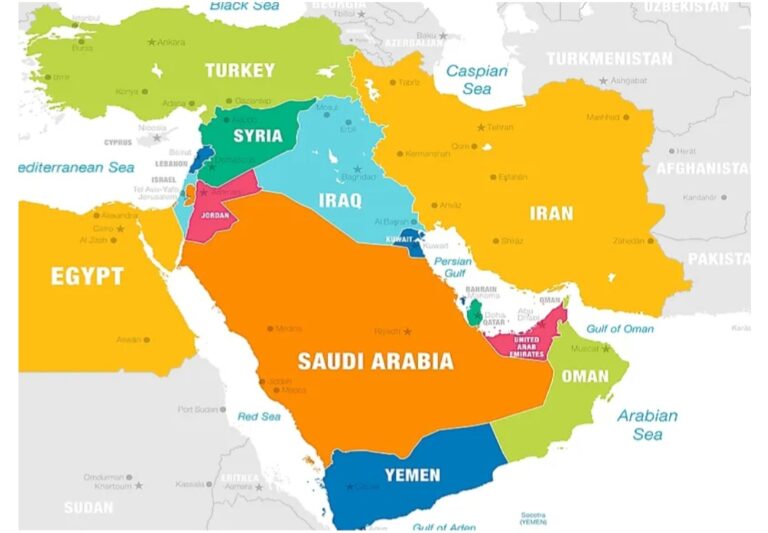
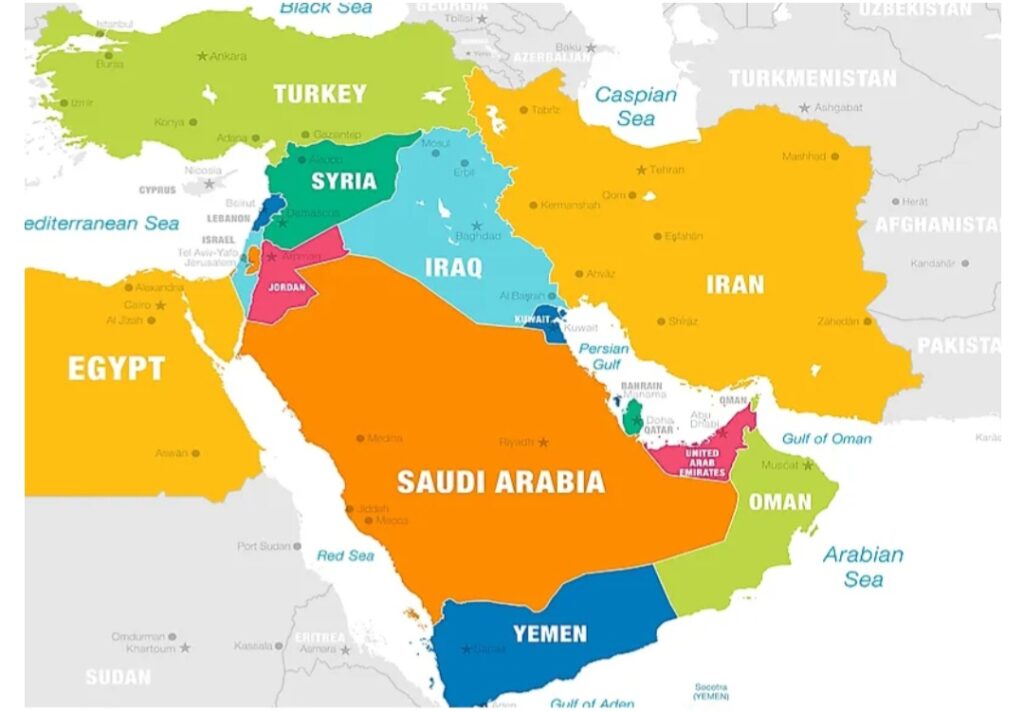
In the geopolitical landscape, Egypt, Israel, and Saudi Arabia emerge as dominant powers, while the remaining four states grapple with economic weakness, poverty, volatility, and vulnerability. This scenario has prompted a steady increase in the involvement of both regional and global military players in the region.

The Red Sea’s strategic importance extends beyond being a link between the Mediterranean Sea, the Suez Canal, the Strait of Hormuz, and the Indian Ocean. It serves as a maritime domain with military chokepoints, facilitating efficient supply routes for oil and gas, trade, information cables, and military operations.

The Horn of Africa’s maritime domain boasts valuable natural resources, including oil and gas reserves, marine life, shipping, and port services. Somalia, in particular, is estimated to possess significant oil and gas reserves, potentially ranking it as the world’s seventh-largest holder of oil reserves and the fourth-largest holder of gas reserves.

The competition for influence over the Red Sea and the states relying on it for trade and transit has integrated the Horn of Africa into the security systems of the Middle East, the Indo-Pacific, and the Mediterranean. Consequently, developments in the Horn not only shape these regions but also directly impact their political, economic, and security environments.

Importance of Red Sea for Trade

The Red Sea is a crucial economic lifeline for global trade, poised to gain even greater significance in the next decade. Each year, over 10% of the world’s trade flows through this vital waterway, navigating two of the planet’s top ten strategic passages: the Bab-al-Mandab in the south and Egypt’s Suez Canal in the north. Its pivotal role as a key sea route for commercial traffic between Europe and Asia, along with its integral role in transporting oil from the Persian Gulf to the Mediterranean, underscores its immense importance.

Historically, the Red Sea has been a vital link in a global network of waterways connecting the Mediterranean to the Indian Ocean and the Pacific, earning it the name “Interstate 95 of the planet.” Its strategic and economic significance has attracted the attention of historical conquerors, from Alexander the Great to Napoleon, making it a focal point in geopolitical affairs.

Functioning as a primary trade route linking Asia, the Middle East, and Europe, the Red Sea witness’ substantial global traffic. Estimates by Clarksons indicate that around 10% of world trade by volume utilizes this route, including 20% of container shipping, nearly 10% of seaborne oil, and 8% of liquefied natural gas (LNG). The Red Sea’s enduring importance as a critical economic conduit highlights its pivotal role in shaping global trade dynamics.

The ongoing Israel-Palestine conflict serves as a noteworthy case study due to its indirect repercussions on worldwide trade. The Houthi blockade, a focal point in this context, affects approximately 12% of global trade passing through the Red Sea. Challenges in this region prompt shipping companies to adapt their routes, diverting traffic through the Cape of Good Hope, South Africa.

This rerouting of maritime transport entails a substantial extension of travel time, ranging from ten to thirty days based on vessel speed and destination. Consequently, even a minor segment of a company’s supply chain reliant on Red Sea routes could significantly disrupt overall operations and diminish profits. The increased shipping durations also elevate costs and impact ship availability. Sea Intelligence estimates that the shift to circumventing Africa would necessitate an additional 1.5 million twenty-foot units of ship capacity.

The repercussions of this disruption extend beyond direct impacts on Europe-Asian trade, affecting US-Asian trade as well. A substantial portion of Asian trade destined for the East Coast of the United States typically traverses the Suez Canal, crosses the Strait of Gibraltar, and proceeds across the Atlantic Ocean.

Given these multifaceted challenges, the imperative for security and military presence arises to ensure the freedom of navigation, regulate trade, and safeguard critical chokepoints, notably the Bab-al-Mandeb Strait – the strategic southern entrance to the Red Sea. This imperative is particularly pronounced in Eritrea, Djibouti, and Somalia, which not only host crucial sea routes but also serve as logistical bases for international commercial activities. As the Red Sea’s significance in global trade continues to burgeon, addressing these challenges becomes paramount for maintaining the integrity of maritime activities in the region.

Geopolitical Dynamics in the Red Sea

In recent years, the Red Sea region has witnessed a surge in the establishment of military bases by both global and regional players, marking a transformative phase in geopolitical dynamics. The Red Sea, surrounded by seven littoral states, serves as a crucial nexus connecting Africa and Asia, with its western flank comprising Egypt, Sudan, Eritrea, and Djibouti, while Saudi Arabia and Yemen constitute the eastern shoreline.

In the past decade, major nations, notably China and Japan, have focused on the region, establishing overseas military bases in Djibouti, strategically located in the Horn of Africa. China’s experiences, particularly during the evacuations from Libya in 2011 and Yemen in 2015, have highlighted the strategic importance of maintaining forward operating bases. Russia has articulated its intentions to establish a naval base in Sudan, signaling an expanded presence in the region.

The United States, actively engaged in regional geopolitics, has solidified its position with a base in Djibouti, forming close strategic ties with Egypt, Israel, and Saudi Arabia. Additionally, its participation in multinational efforts, such as the Combined Maritime Forces (CMF), further emphasizes its commitment to shaping the evolving landscape of the Red Sea.

Djibouti, despite its modest size and barren landscape, has successfully capitalized on its geopolitical advantage, becoming a key location for military bases established by the US, Europe, and Asia to safeguard their interests in the Red Sea. The simultaneous presence of the U.S., China, and Russia signifies an escalating era of great power politics in the region. Additionally, Israel’s port of Eilat is strategically positioned in the northeastern corner of this vital waterway.

The Red Sea has also emerged as a critical link in China’s Belt and Road Initiative (BRI), playing a central role in the geopolitical competition in the Eastern Hemisphere over the past decade. Infrastructure investment along the route from Djibouti through the Red Sea to the Mediterranean has expanded alongside a growing Chinese military presence. A notable example of military build-up is Egypt’s recent major expansion of its Berenice naval base, inaugurated in 2021. Further south, ports in Sudan have developed in the context of regional geopolitics, with China rehabilitating and enlarging Port Sudan’s container terminal, integrating it into the BRI framework.

Struggles for footholds at strategic locations around the Red Sea are intensifying, with the U.S. also bolstering its naval fleet in the region. In a strategic move, the India-Middle East-Europe Economic Corridor (IMEC), unveiled in September, serves as a counter to the BRI. Bypassing the Red Sea altogether, the IMEC aims to connect India to the Arabian Peninsula and then link to Europe. This major geopolitical initiative draws regional states away from the Chinese initiative, despite Saudi Arabia and the UAE being signatories to the BRI. The IMEC, if realized, promises to cut transportation times for goods from India to Europe by 40% and could position Saudi Arabia as a global logistics hub.

Middle Eastern nations have actively involved themselves in the internal affairs of African states within the broader Red Sea region. The domestic politics of African nations are significantly influenced by regional rivalries among Middle Eastern powers, adding a crucial dimension to the geopolitics of the Red Sea. Notably, amid the Yemeni conflict since 2015, the United Arab Emirates (UAE) and Saudi Arabia have aimed to diminish the influence of Iran-backed Houthis and counter Iranian presence in the southern Red Sea region. Through strategic partnerships with Sudan, Djibouti, and Eritrea, they have expanded their influence and military footprint. Concurrently, Turkey seeks to enhance its regional presence by reconstructing the port of Suakin in Sudan, complementing its existing influence in Somalia.

The growing Iranian military presence in the Red Sea region, particularly to support Houthi rebels in Yemen, has become a matter of concern for Arab states and Israel. This presence has added a layer of complexity to the regional geopolitical landscape, fueling tensions and shaping strategic calculations.

As global powers continue to vie for influence, the Red Sea remains a focal point, shaping the geopolitical, economic, and security landscape in this critical maritime corridor.

Conclusion

In conclusion, the Red Sea holds pivotal significance in global trade and geopolitics, connecting major regions and facilitating the flow of goods. Recent tensions, sparked by the Gaza war, have led to increased clashes involving Houthi rebels, prompting Iran’s involvement and necessitating the establishment of a US maritime task force. Sudan’s war and attacks near Israel’s south have threatened Saudi Arabia’s strategic interests, resulting in heightened security measures and fleet upgrades. The stability of the Red Sea is vital for Saudi development plans, exemplified by the importance of the Yanbu pipeline terminal. Ongoing conflicts underscore persistent challenges, demanding Riyadh’s mediation efforts. As a focal point for strategic competition and conflict, the Red Sea’s stability remains crucial for global prosperity and the seamless functioning of the trade network, highlighting its enduring importance in shaping geopolitical landscapes.

Iran: Impact of Economic Sanctions

1

By: Muktha Prasannan, Research Analyst, GSDN

Iran: source Internet

Since January 1984, Iran’s economy has been under various US economic sanctions of increasing scope and intensity. The sanctions progressively increased in scope, encompassing a complete embargo on all bilateral trade, beginning with a prohibition on the sale of American weapons and dual-use technologies and investment, and were extended to secondary boycotts, penalizing foreign companies investing in Iran’s oil and gas sector. United States imposed restrictions on activities with Iran under various legal authorities since 1997, following the seizure of the US embassy in Tehran in which hostages were taken. These sanctions were lifted after the hostages were released. The third set of sanctions was enforced in December 2006 in accordance with UN Security Council Resolution 1737, following Iran’s defiance of UN Security Council Resolution 1696, which called for the country to cease its uranium enrichment program.

The official aim of the sanctions is to force Iran to comply with international rules over its disputed nuclear program. The US Department of State Office of Economic Sanctions, Policy and Implementation is responsible for enforcing and implementing a number of US sanctions programs that control access to United States regarding businesses that conduct specific business operations in Iran. Initially, the sanctions were intended on investments in oil, gas, and petrochemicals, exports of refined petroleum products, and business dealings with the Islamic Revolutionary Guard Corps (IRGC). Over the years, sanctions have seriously impacted on Iran’s economy and population.

Significant unilateral (from 2018 to the present) and multilateral (from 2006 to 2016) sanctions campaigns have targeted Iran. The nation’s economic performance has suffered greatly as a result of these sanctions. Iran is subject to the strictest sanctions in the world, which are layered and cover Iranian sectors, entities, and individuals in relation to human rights, terrorism, and nuclear proliferation. Numerous detrimental macroeconomic effects, such as sharp currency devaluations, significant trade and budgetary deficits, high inflation, and rising rates of poverty, have been brought about by or made worse by these sanctions. Due to the broad nature of the sanctions, Iranians’ right to health, education, and other human rights aspects have been adversely impacted. Iran has not been able to effectively lessen or withstand the sanctions economic pressures.

Between 1984/85 and 1988/89, there was an average annual rate of decline in real GDP of about 2%, but the primary cause of this decline was the percentage decline in the annual value of oil exports during that time, not any other factor, including the limited sanctions. The estimated effect of sanctions on Iran’s real GDP, using counterfactual analysis, is estimated to be between 17 % and a maximum of 19 % for the first three to four years after the sanctions (2012–2015). Iran’s GDP remained below its counterfactual two years following the withdrawal of nuclear sanctions between 2015 and 2017. To comprehend the ways in which the Iranian economy has reacted to sanctions pressure, it is essential to identify the sectoral and firm-level effects of sanctions. Breakdowns in supply chains are the most visible sectoral effects of sanctions. Sanctions placed on Iran had made it more difficult for Iranian firms to maintain reliable supply chains.

In March 2012, the Iranian financial sector was denied access to SWIFT messaging service and the European Union froze the assets of Iran’s central bank, thereby denying Iran access to a secure international payment system. In its nearly 40-year history, Swift had never cut off a nation before this incident. This was in addition to the 2012 oil embargo. In an effort to cut off the Iranian financial sector’s ties to the US and the global financial system, the US imposed a series of sanctions in late 2011, which were followed by the EU sanctions. EU had imposed sanctions on certain Iranian companies, freezing their assets and suspending economic activities. Sanctions on financial sector had blocked Iran’s access to global banking system and prohibiting from partaking in international transactions. As a result, foreign banks and businesses were forced to decide between doing business with Iran and the US. Sanctions have hindered Iran’s ability to obtain goods required for the energy and oil industries, forcing many oil companies to leave the country, and decreased access to technologies that would have increased oil production. Additionally, a lot of foreign businesses have been hesitant to work with Iran out of concern that they would lose access to more lucrative Western markets. In addition to limiting export markets, the sanctions have increased the cost of repatriating oil earnings in convoluted ways that avoid the sanctions, which has decreased Iran’s oil revenue.

The Joint Comprehensive Plan of Action [(JCPOA) (2016–2017)] greatly reduced the severity of the sanctions, which had increased during the Mahmoud Ahmadinejad administration and Iran’s nuclear programme. However, in 2018, the Trump administration’s decision to reimpose economic sanctions and withdraw from the JCPOA caused the sanctions to increase once again. The immediate adverse impact on the Iranian economy were declining GDP growth and oil production, depreciation of Iranian rial, and rise in inflation. Exports and imports dropped down sharply after the sanctions were reimposed. Besides oil, Iran’s industrial metals which was a large source of the country’s export revenue, were also sanctioned. IMF estimates suggest Iran fell into a trade deficit of $3.45 billion in 2020. The country had a trade surplus of $6.11 billion in 2019, according to the IMF. On a large scale the external economic pressure along with internal economic mismanagement and corruption had led to decrease in GDP; resulted in high inflation rate and unprecedented reduction in national currency value. More than 42% of the Iranian population are living in below poverty line.

Iran’s military budget fluctuated throughout the various sanction periods and forms. They demonstrate that a greater short and long-term decline in military spending is linked to an increase in the severity of sanctions. Additionally, it was discovered that the multilateral sanctions had a statistically significant negative impact on Iran’s military spending. Iranian government modified its military budget in response to sanctions. It might not always be the case to make a negative adjustment, though. This is dependent upon how much the income effects of sanctions outweigh the effects on security. In the event that the financial consequences of the sanctions outweigh the security risks, the nation’s militarization could potentially rise. Sanctions may compel the state to divert its meagre funding from non-military (health, education, and culture) to military initiatives since they raise the target nation’s security risks well beyond income reductions. This resource reallocation may leave it challenging to invest in the nation’s healthcare system and enhance the welfare of its workforce.

The devastating consequences of the sanctions had affected all the aspects of healthcare delivery in Iran, restricting the availability of critical medicines and medical devices and adversely impacted the primary healthcare, treatment of complex disease including cancer; medical tourism and medical education and research. Sanctions had led to the interruption in pharmaceutical industry, resulting in shortage of medical drugs and supplies. This had turned the drug companies in obtaining less reliable and low-quality materials, leading to decreased efficacy and unexpected toxicity. Drug shortage has compelled the patients and clinics to turn to black market, at times with tragic side effects as blindness. Certain lifesaving drugs had been vanished from the legal market like lyophilized coagulation factor VIII concentrate for hemophilic patients. With the exponential inflation and significant devaluation of currency, resulted in reduced public access to health care. The sanctions have also diminished the accessibility of vital health maintenance, such as childhood vaccines and anti-rejection drugs for transplant patients. The prices of goods have been doubled from the original price which has added catastrophic expenditure on families and endangering health of patients, as well as widening the gap and tension between the socio-economic classes.

The sanctions caused an overall contraction in Irans manufacturing employment growth rate. In 2011, the manufacturing industry made up 92% of all imports and 19% of Iran’s non-oil GDP. The primary purpose of imports into the manufacturing sector is to provide capital and intermediate items that enhance local output. 16% of all jobs in Iran were in the manufacturing sector. Various industrial sectors are more or less vulnerable to a trade shock. However, the effect on employment is contingent upon how trade restrictions are interpreted by each sector. In some sectors of the economy, the imposition of sanctions may have caused imports and exports to be diverted to other markets where there are still unofficial financial channels and it is more difficult to enforce sanctions compliance. Domestic manufacture might take the place of imports in sectors where deflection is expensive. When it comes to imported inputs, this might result in input autarky or a total stop to production. Therefore, we take advantage of the different ways that different sectors have responded to the trade shock and calculate the proportional short-term job gain or loss in those areas.

It’s crucial to remember that the efficacy and impact of sanctions may alter over time and are often influenced by developments in international relations, diplomacy, and geopolitics. Furthermore, sanctions may harm civilian populations more than their intended targets, leading to unexpected repercussions. Furthermore, policymakers and experts disagree on whether sanctions are effective in accomplishing their objectives.

Nauru’s Recognition of China: Trouble for Taiwan

2

By: Deeplaxmi Patil, Research Analyst, GSDN

Nauru: source Internet

Introduction

Nauru, a tiny Micronesian island, was among the select few nations upholding diplomatic relations with Taipei amidst China’s persistent efforts to sway allegiances. The tiny island nation swiftly announced that it will no longer recognise Taiwan as a separate country. Beijing insists that the island is part of China’s territory.

Located in the South Pacific, Nauru has switched loyalties in the past. In 2002, it recognised China after 22 years of diplomatic relations with Taiwan. In 2005, it switched back to Taipei. The latest switch came as a blow to Taipei. It left Taiwan with just 12 allies that officially recognise the island as a sovereign state, although it holds strong unofficial relations with the United States, Japan, and other nations

In a significant shift, Nauru has announced the severance of ties with Taiwan, aligning itself with Beijing’s stance that regards Taiwan as an integral part of China. This decision comes against the backdrop of China’s ongoing diplomatic manoeuvres aimed at undermining Taiwan’s international standing. Taiwan attributes this latest diplomatic setback to the aftermath of its recent elections, wherein the election of William Lai, a staunch advocate of Taiwanese sovereignty, as president, has irked Beijing. Lai’s past support for Taiwanese independence has drawn criticism from China, labelling him a “troublemaker” and further exacerbating tensions between the two sides.

China has been gradually enticing diplomatic allies away from Taiwan, partly as a reprisal against the ruling Democratic Progressive Party (DPP), which advocates maintaining the current status quo wherein Taiwan operates with its own government, military, and de facto independent status. Despite never having governed the island, the People’s Republic of China (PRC) has been assertive in its stance that Taiwan must eventually fall under its control. This sentiment has been reinforced by China’s military exercises conducted around the island to underscore its resolve.

Since the initial election of DPP President Tsai Ing-wen in 2016, ten countries have shifted their diplomatic recognition from Taipei to Beijing. In response to Nauru’s announcement of severing ties, Taiwan’s Deputy Foreign Minister Tien Chung-Kwang asserted that China’s one-party Communist government aimed to undermine the democracy and freedom valued by the Taiwanese people.

Challenges for Taiwan

Nauru’s decision to recognize China and sever ties with Taiwan poses significant challenges for Taiwan on multiple fronts. Firstly, it reduces Taiwan’s already dwindling number of diplomatic allies, leaving it with only 11 countries and the Vatican. This diminishes Taiwan’s international standing and weakens its ability to participate in global forums and organisations.

Furthermore, China’s continuous efforts to poach Taiwan’s allies not only isolates Taiwan diplomatically but also serves to punish the ruling Democratic Progressive Party (DPP). The DPP’s advocacy for maintaining Taiwan’s de facto independent status irks China, which considers Taiwan as part of its territory. By pressuring Taiwan’s allies to switch allegiance, China aims to undermine the DPP’s legitimacy and promote its own narrative of eventual reunification with Taiwan under its rule.

Moreover, Nauru’s decision underscores the vulnerability of Taiwan’s remaining allies, most of which are developing nations susceptible to China’s economic influence. China’s willingness to offer financial incentives to countries like Nauru demonstrates its strategy of leveraging economic power to gain political support and isolate Taiwan further.

Additionally, the timing of Nauru’s announcement, just two days after Taiwan’s presidential election, suggests a deliberate attempt by China to undermine Taiwan’s democratic process and challenge its values of democracy and freedom. This tactic not only aims to discredit Taiwan’s democracy but also to assert China’s authority and control over the island. While the United States expressed disappointment with Nauru’s decision, its unofficial ties with Taiwan remain strong, including defence cooperation. However, Taiwan’s diplomatic options continue to dwindle, further limiting its ability to engage with the international community. Overall, Nauru’s recognition of China exacerbates Taiwan’s diplomatic challenges, highlights its vulnerability to Chinese pressure and underscores the complex geopolitical dynamics surrounding the Taiwan-China relationship.

Geopolitical Implications of Nauru’s Recognition of China

The geopolitical implications of Nauru severing diplomatic relations with Taiwan and switching to China are multifaceted and significant:

1. Isolation of Taiwan: Nauru’s decision further isolates Taiwan on the international stage, reducing its already limited number of diplomatic allies. This diminishes Taiwan’s ability to engage with the international community and participate in global affairs.

2. Strengthening of China’s Influence: China’s success in convincing Nauru to switch recognition strengthens its influence in the Pacific region. By securing diplomatic ties with Nauru, China extends its reach and strategic presence, potentially enhancing its ability to project power and advance its interests in the region.

3. Challenges to Taiwan’s Sovereignty: Nauru’s move aligns with China’s narrative of Taiwan as an integral part of its territory. This challenges Taiwan’s sovereignty and undermines its efforts to maintain its de facto independence and international recognition as a separate entity from mainland China.

4. Impact on Regional Dynamics: The switch in diplomatic recognition could have broader implications for regional dynamics in the Pacific. It may encourage other countries in the region to reconsider their own relationships with Taiwan and potentially shift their allegiance to China, further consolidating China’s influence and reshaping the geopolitical landscape in the Pacific.

5. Strategic Considerations for Other Nations: Nauru’s decision may prompt other countries, particularly those with diplomatic ties to Taiwan, to reassess their own diplomatic relationships and strategic interests. It highlights the geopolitical competition between China and Taiwan and underscores the complexities of navigating relationships in the context of competing regional and global powers.

Conclusion

In conclusion, Nauru’s decision to recognize China and sever diplomatic ties with Taiwan marks a significant shift in the geopolitical landscape of the region. This move underscores the growing influence of Beijing in global affairs and its concerted efforts to isolate Taiwan diplomatically. It also highlights the complexities of international relations and the pressures faced by smaller nations in navigating between competing interests. As Nauru aligns itself with China, the repercussions of this decision will undoubtedly reverberate across the Asia-Pacific region, shaping future diplomatic dynamics and alliances.

Ads Blocker Image Powered by Code Help Pro

Ads Blocker Detected!!!

We have detected that you are using extensions to block ads. Please support us by disabling these ads blocker.

Powered By
100% Free SEO Tools - Tool Kits PRO