
By: Brigadier KGK Nair, SM (Retired)
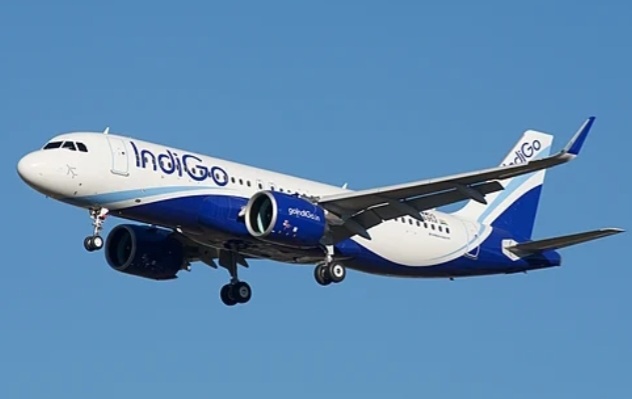
The IndiGo crisis has been splashed across headlines over the last few days, with more than 1.2 lakh passengers suffering delays, cancellations, and spiralling fares—budget travel reduced to a daily ordeal. This was not inevitable. With foresight and deft execution by all parties—the airline, the Directorate General Civil Aviation (DGCA), and the other statutory agencies—it could have been avoided. But foresight was in short supply.
IndiGo, despite its reputation for planning and a board stacked with marquee names—Mr Vikram Mehta (ex-Chairman Brookings India), Ms Pallavi Shroff (Shardul Amarchand Mangaldas & Co), Mr Rahul Bhatia (MD), Air Chief Marshal BS Dhanoa (former Air Chief), M. Damodaran (former SEBI Chairman), and Amitabh Kant (former CEO NITI Aayog)—misread the winds. Believing it could negotiate some slack, the airline gambled on regulatory leniency. The new rules struck harder than expected, eroding margins and goodwill. Time to prepare was squandered, and passengers as well as investors now pay the price.
At the heart of this debacle lies not just airline missteps but also the culpability of the DGCA—an authority neither staffed adequately nor given the muscle to enforce its writ. Its reactive stance, compounded by government apathy, allowed systemic cracks to widen until they finally demanded new rules on crew duty hours and rest norms.
Implementation delays will ironically give rivals like SpiceJet and Air India breathing space, but the industry as a whole faces turbulence. Crew costs are set to rise sharply next year, pushing ticket prices higher. IndiGo’s brand, once synonymous with reliability, has taken a hit, and the stock’s 10% slide in just five days may only be the beginning of a long journey southward.
To cut a long story short, this episode will have lasting consequences for budget travel, for consumers, and for IndiGo itself—unless the government finally addresses the elephant in the room: the crushing taxes on aviation fuel, which account for nearly 40% of airline operating costs. Perhaps, in disguise, this crisis forces the hand of policymakers to bring ATF under GST at 12–18%. If that happens, it may yet turn out to be the only silver lining. And as usual, we may live up to our reputation of needing a (good) crisis to reform.
Cheers, happy investing and flying (though the latter remains more of a hope for now)!
About the Author
Brigadier KGK Nair (Retired) is an Indian Army Veteran from the Regiment of Artillery. He is the Founder, Fidillery Advisors.
Author




Excellent analysis
Agreed. Flying needs to be made easy and cheap. No point investing in infrastructure if companies have short run way . Incentive structure needs to change from the government .
Indigo is now in quicksand territory
While the masses will prefer to stick with Mood Indigo,
wary travellers will prefer a bit pricier alternatives like fAir India and at times niceSpiceJet
Shares shall remain beaten as results shall be muted
In detail explanation. Well written.
Aggressively expanding network without creating the right infrastructure- added complexity of starting international operations especially the long haul flights – contradictory to their successful low cost . Hope they able to recreate customer experiences. Image has taken a beating
Well analysed, need for reforms in the aviation industry. Also any airlines can’t keep us at ransom. Need to break monopoly in market.