The need to protect civilians in conflict zones around the globe should be paramount and at the forefront of global efforts to prevent genocide. With reports of genocide and ethnic cleansing in Sudan and Burkina Faso, global leaders must do more to prevent such a widescale tragedy from taking place.
Sudan
Armed groups and national armed forces have committed numerous human rights violations against civilians in Sudan since the start of the conflict in 2016. Thousands of civilian deaths have been recorded, especially in besieged areas, according to the Armed Conflict Location Event Database (ACLED).
Since fighting first broke out between the Sudanese Armed Forces (SAF) and paramilitary Rapid Support Forces (RSF) on April 15, 2023, ACLED recorded 8,752 events of political violence and more than 27,120 reported fatalities in Sudan.
Outbreaks of dengue fever, malaria, cholera, and measles are hitting children the hardest, with the collapse of the education system also keeping roughly 90% of Sudan’s kids out of school, according to a recent CBS report.
Foreign Secretary David Lammy, the current rotating UN Security Council president, led a vote on a UK-Sierra Leone resolution urging civilian protection in Sudan. “The UK will never let Sudan be forgotten,” Lammy said, pledging to double UK aid for Sudan to £226 million ($285 million).
But Russia used its veto to block the proposal, accusing the UK of “neo-colonialism.”
Lammy said it was a “disgrace” that Russia had blocked the UN effort to call for a ceasefire in Sudan, adding that the “mean, nasty, and cynical veto sends a message to the warring parties that they can act with impunity.”
He said, “Shame on [Russian President Vladimir] Putin for using his mercenaries to spread conflict and violence across the African continent. And shame on Putin for pretending to be a partner of the Global South while condemning black Africans to further killing, further rape, further starvation in a brutal civil war.”
Russia’s deputy permanent representative to the UN, Dmitry Polyanskiy, responded, saying Lammy’s speech was “an excellent demonstration of British neo-colonialism” and the UK’s stance was “nothing but an attempt to allow themselves to meddle in Sudanese affairs.”
A new report by Amnesty alleges the RSF is using weapons supplied by the U.S.-allied United Arab Emirates and equipped with military technology made in France.
Amnesty identified armoured personnel carriers (APCs) made in the United Arab Emirates (UAE) in various parts of Sudan. New research has shown that these APCs, which are in use by the RSF, include sophisticated French-designed and manufactured reactive defense systems.
“Our research shows that weaponry designed and manufactured in France is in active use on the battlefield in Sudan,” said Agnès Callamard, Amnesty’s Secretary General.
“All countries must immediately cease direct and indirect supplies of all arms and ammunition to the warring parties in Sudan,” she said. “They must respect and enforce the UN Security Council’s arms embargo regime on Darfur before even more civilian lives are lost.”
UN Special Adviser of the Secretary-General on the Prevention of Genocide, Alice Wairimu Nderit, has warned against the possibility of genocide in Sudan and has pushed for a resolution to the crisis.
“I’m calling for attention to this particular conflict. I have been trying to get my voice out, but my voice is drowned out by other wars – in Ukraine and Gaza,” she said.
Israel’s war in Gaza against the terrorist group Hamas, which is entrenched amidst the civilian population, has also drawn vociferous criticism and accusations of genocide and ethnic cleansing.
The U.S. has resisted these claims, but until the conflict ends and the fog of war dissipates, it will be impossible to verify whether these accusations are true or not.
Burkina Faso
According to Human Rights Watch (HRW), an Islamist armed group massacred at least 133 people in the town of Barsalogho, Burkina Faso, on August 24, 2024 and forced civilians to build a trench to protect the town with a military base.
The massacre is the latest example of atrocities by Islamist armed groups against civilians. The government must cease placing their civilians at such high risk of injury or death.
Since last year at least, Amnesty has been reporting on armed groups in the region committing war crimes against civilians.
According to Amnesty, since 2016, Burkina Faso has faced a non-international armed conflict opposing the government forces against Ansaroul Islam, a local armed group affiliated with Al Qaida and with the Islamic State in the Sahel (ISS or ISGS).
Government forces have been fighting insurgencies by the Al-Qaeda-linked Group for the Support of Islam and Muslims (Jama’at Nusrat al-Islam wa al-Muslimeen, JNIM) and the ISS since the armed groups entered Burkina Faso from Mali in 2016.
The two Islamist armed groups control large swathes of Burkinabè territory; they have attacked civilians as well as government security forces and fought each other.
And now, the military regime wants to reinstate the death penalty, which was abolished in the country in 2018.
Amnesty has reported a surge in the use of the death penalty on the African continent, saying in a statement in October that “recorded executions more than tripled and recorded death sentences increased significantly by 66 percent.”
The conflict is part of the broader armed conflict in the Central Sahel that began with the 2012 conflict in Mali before spreading to neighboring Burkina Faso and Niger and further south to Benin, Togo, Ghana, and Côte d’Ivoire.
“We are witnessing an incredibly concerning surge in Islamist violence in Burkina Faso. The Islamist armed groups’ massacres of villagers, worshipers, and displaced people are not only war crimes but a cruel affront to human decency,” said Ilaria Allegrozzi, the senior Sahel researcher at HRW.
“The leaders of the Islamist armed groups should immediately end these deadly attacks on civilians,” she said.
Changing the paradigm
With so much tragedy, we must think of ways to end these terrible conflicts.
Kholood Khair, founding director of the Sudanese think tank Confluence Advisory and a prominent civil society advocate for Sudan, together with Nathaniel Raymond, executive director of the Humanitarian Research Lab at the Yale School of Public Health, and Alex de Waal, executive director of the World Peace Foundation, explored whether there is a way to stop the war in Sudan.
They suggested that the warring parties abandon the idea of winning and agree to a ceasefire. They also suggested that the UN Secretary-General use Resolution 2417 to help protect civilians. And others have taken steps as well.
As HRW noted, since he gained power in a September 2022 military coup, President Ibrahim Traoré has increased the use of civilian auxiliaries called Volunteers for the Defense of the Homeland (Volontaires pour la défense de la Patrie, or VDPs).
The international community must do more to pressure the various governments and armed groups in Sudan and Burkina Faso to end their conflicts and cease committing crimes against humanity. Nations must unite to fight and prevent such crimes wherever they might be committed.
Over the past few years, India and Canada have experienced a major diplomatic showdown. Bilateral relations have been blemished by diplomatic spats, reactionary frictions, and an overall sense of mistrust between the two nations. This sudden downturn in ties between the two democracies that have maintained a customary relationship has left many wondering about the implications for India’s foreign policy and the future of Indo-Canadian relations.
The History behind the ties
Canada and India have a connection rooted in their history as British colonies, which set the stage for their diplomatic ties. Their relationship began in the 1800s with people moving between the two countries and later on which grew into official diplomatic links after India gained independence. They set up formal diplomatic relations in 1947 starting a new phase in their two-way engagement backed by their shared belief in democracy and diversity. But this relationship has had its rough patches too, when it comes to issues about Sikhs living in Canada and India’s worries about the rising call for a separatist movement.
Canada’s significant Sikh population and the majority of their support for a sectarian movement against another sovereign state, has created problems for diplomacy over the years. In the wake of the most tragic and disturbing event of the 1984 Anti-Sikh Riots, a few sections of the Sikh diaspora in Canada found themselves at the forefront of a movement that has often been viewed with suspicion by the Indian side. Subsequently, the bombing of Air India Flight 182 back in the year 1985, made things more tough for both sides and a major concern in terms of security for India.
The Recent Tussle
The recent tensions started with Canadian Prime Minister Justin Trudeau’s allegations in September 2023, which claimed credible evidence linking Indian government agents to Hardeep Singh Nijjar’s murder on Canadian soil. The Indian side refuted such claims calling it “absurd”. What followed next was a climatic loop of diplomatic actions, further intensifying the existing rift. Canada’s accusation was followed by the expulsion of six Indian diplomats, at the same time India fired back by swiftly suspending Canadian diplomats, mirroring the concept of “Tit for Tat” diplomacy. The move by India exemplifies India’s fierce approach towards its foreign policy that prioritizes national interest, sovereignty, and security.
In the month of October, things got more complicated when the Canadian Government named the Indian High Commissioner and other diplomats as ‘persons of interest’, India’s Ministry of External Affairs (MEA) debunked the claims, stating “preposterous imputations” and blamed Canadian PM Justin Trudeau’s “political agenda” based on “vote bank politics”. Subsequently, New Delhi recalled its High Commissioner and other diplomats back to India.
The statement released by the Ministry of External Affairs on October 14, in response to diplomatic communication from Canada, can be described as extraordinarily ‘harsh’ and pinpointed. Many geopolitical or foreign policy commentators, for instance, Abhijit Iyer Mitra, a senior fellow at the Institute of Peace and Conflict Studies (IPCS) believed that such languages were not even used for countries like the state in mess, Pakistan.
It’s not India, but Canada.
The Indian Government time and again has mentioned the growing anti-India sentiments, and calculated attacks on Hindu temples in Canada, However, Ottawa overlooked all such diplomatic messages, even about the high chances of attacks on Indian diplomats. The series of attacks and threats show Canada’s failure to provide security and ensure the safety of Indian officials. This is not the first time, the Canadian PM’s action tried to poke the relationship negatively, back in the year 2020, he expressed ‘uninvited’ concern for the farmer’s protests, which is an ‘internal’ matter of India. Similarly, the Canadian Government has entertained serious anti-India activities like the glorification of the assassination of a former Indian PM, which shows how Canada takes the relationship with India seriously as a mature nation pursuing a relationship.
Turning a blind on such serious events not only hinders the relationship but also the notion of ‘interdependence’. Captivating separatist movements to pander to political gains will complicate foreign relations, as countries, in this case for India are a ‘deception’ of trust and an affront to India’s sovereignty. The path of resolving the tussle through ‘dialogue and discussion’ is also in question, which has always been the first step of ‘conflict resolution’ for democracies.
India’s immediate and reactionary stance signifies India’s adherence to strategic autonomy, a core principle of India’s foreign policy. This autonomy allows India to confidently address challenges from countries, irrespective of economic or diplomatic consequences, affirming that India is no longer willing to overlook actions that it perceives as baneful to its security and sovereignty. The whole India-Canada event also brings out a major argument, that cooperation through economic interdependence is not always effective when national security concerns are prioritized by countries. From the Canadian lens, the same can be visualized with the allegations stating ‘India, violated Canada’s sovereignty’. Thus, the way forward for the relationship requires a ‘matured’ stance, and calculated move, with an assurance of respect to the notion of ‘sovereignty’, and ‘national security’.
On October 21 of this year, news came about India and China having reached a possible agreement on patrolling arrangements along the volatile Line of Actual Control (LAC) which has witnessed the armed forces of both the countries engaged in a stalemate since 2020. This announcement by Foreign Secretary Vikram Misri was bolstered by External Affairs Minister (EAM) Dr S Jaishankar’s claim of the situation ‘going back to where it was in 2020…we can say that the disengagement process with China has been completed’. The agreement being alluded to was centered on the friction regarding Demchok and Depsang Plains while the understanding of disengagement in the other two points− Galwan Valley and Pangong Tso− would remain the same as reached in 2022 with the creation of mutually agreed upon buffer zones. The current agreement would entail Indian troops having access to patrol points in the sector of Depsang and Demchok which were blocked since 2020 and the same are being confirmed with the onset of verification patrolling by the Indian Army. In addition, the agreement also entails ‘coordinated patrolling’ between the both the armies to prevent the flaring up of violent face-offs during patrolling while the Chinese troops would be allowed to patrol till the Yangtse sector along the eastern part of the LAC in Arunachal Pradesh which was the site of a major confrontation in 2022.
Most importantly, it should also be noted that the above Sino-Indian disengagement have been endorsed by both PM Modi and President Xi Jinping during their bilateral meet in the sidelines of the recently concluded BRICS Summit in Kazan Russia from 22nd to 24th October. In the bilateral summit, both the leaders welcomed the ‘recent agreement for complete disengagement and resolution of issues’ while emphasizing that ‘stable, predictable, and amicable bilateral relations’ between the two Asian giants were crucial not only for the region, but for the wider world. In addition, both sides asked their respective Special Representatives (SR) on the border issue− National Security Adviser (NSA) Ajit Doval and Foreign Minister Wang Yi− to expedite and carry forward the process of disengagement.
While the agreement has generated enthusiasm or a sense of it in official statements as the thawing of relations which would pave the way for greater engagement, yet there have also been expressions of skepticism and cautious reception of the same. This has especially been regarding the yet unrevealed details of the agreement and the status of the ‘buffer zones’ created because of the earlier disengagement dialogues following the 2020 clash. The fact that the current agreement focused only on Demchok and Depsang sectors without any mention of revision or settlement over the above zones has led to the perception that the latter’s existence would hinder any sort of return to the pre-2020 status. In addition to sketchy details about the agreement released in the public domain, another reason why the agreement hasn’t generated much excitement in policy and strategic circles is the latter’s focus only on ‘disengagement’ which precedes the more important steps of de-escalation and de-induction of troops on the border. While both sides have hailed the current phase of disengagement, there has been no clear signals from any side regarding the steps to be taken for de-escalation and de-induction as of now.
The challenge of de-escalation is further compounded by the lack of trust between the populace of both the sides as well as the systemic and geopolitical challenge posed by China to India’s global ambitions in its immediate and extended neighbourhood which goes beyond the boundary dispute. This sense of mistrust and skepticism was also witnessed in speculations that the talk surrounding the disengagement was designed to provide optics to pave the way for the Modi- Xi Summit as well as providing a convenient cover for New Delhi to continue the unequal but vital trade and economic relationship with Beijing. On the same note, the ‘convenient cover’ also provided justification for India sharing dais as well as having summits with fellow BRICS countries such as China, Russia and Iran− dubbed as the ‘Axis of Evil/ Upheaval’ by Western strategic circles and thinkers.
However, in addition to the above, the LAC disengagement would also have repercussions on two major areas of importance for both India and China− leadership of the Global South and Taiwan. These ramifications might also add to the skepticism and mistrust around the current Sino-Indian ‘thaw’ or ‘rapprochement’.
As the two largest economies and markets of the non-Western world accounting for around 35% of the global population and around 29% of the global GDP, both India and China have aspired for the leadership role of the non-Western world of developing and underdeveloped countries also known as the Global South. However, both sides have held different perceptions of the Global South vis a vis the West− while New Delhi views itself as a ‘Southwestern power’ acting as the bridge between the West and the non-West world; Beijing, on the other hand, sees itself as leading the developing countries of the world in a bid to replace the current Western origin global international system with a new one which is more ‘just and representative’. In addition, as per some quarters, China is not considered by India to be a part of the ‘Global South’ which was reflected in New Delhi’s non-invitation to Beijing to join the Voice of Global South Summit held last year under the aegis of India’s G20 Presidency in 2023 as well as in August this year. But, China has in recent years picked up the narrative of itself being a ‘natural partner of the Global South’ by virtue of being ‘the largest developing country’. This sentiment of Global South leadership has also been echoed in the launch of the three Global Initiatives by China on Development, Security and Civilizational Dialogue.
The link between the Global South and the current LAC disengagement was highlighted in the official readout of the Modi-Xi Summit by the Chinese Ministry of Foreign Affairs (MFA). As per the readout, President Xi called upon both the countries to ‘to keep to the trend of history and the right direction of bilateral relations’ given the importance of India and China as ‘time-honored civilizations, large developing countries and important members of the Global South’ with ‘both stand(ing) at a crucial phase of their respective modernization endeavours’. What also adds to the salience of the Global South is the fact that the Summit took place in the sidelines and in the immediate aftermath of the 16th BRICS Summit which in recent years has emerged as an important and crucial platform for advocating the concerns of the Global South on matters such as reform of multilateral and international institutions, just and equitable development and security for all. Any action of goodwill such as ‘taking the initiative’ of promoting peace by mending of long-standing strained ties is bound to attract the attention of all the member states, and by extension, highlight and justify one’s claim of possessing the qualities to lead the non- Western world. It cannot be ruled out that this might have been one of the primary motives underlying the actions on the part of both China and India to seek disengagement at this point of time.
However, what needs closer scrutiny is the way China has shaped the narrative on the disengagement agreement. While lauding the latter as the first step towards heralding peace between two major Asian countries, comments from scholars such as Lin Minwang of ‘China ha(ving) always maintained a positive attitude and hope to improve India- China relations, but India has always set thresholds for border issues’ appears to give the impression that Beijing had been willing all along to resolve the long-standing border issues, but it was New Delhi who was stubborn and inflexible and hence, not interested in peace. Such a statement should also be seen in the backdrop of Beijing earlier laying the blame for the 2020 confrontation squarely on Indian ‘illegal encroachment on Chinese territory’. Moreover, Lin also goes to state that ‘the uncertainty of the United States (as well as the US election outcomes) is an important factor that prompted India to soften its stance toward China’ thereby implying that more than the internal wish for peace and tranquillity, it was the unfavourable external environment which pushed India to seek peace. As a corollary, such a view also reinforces the Chinese misperception of New Delhi having no existence of its own without the support of US− the propagation of such would also put a dent into Indian image of a credible leader of the Global South. This perception of Indian ‘dependence on US’ was also carried in the Global Times editorial on the disengagement which emphasised on China’s unwavering maintenance of its position in the face of ‘strengthening India- US cooperation’ as well as Washington’s ‘attempt’ at using ‘India to exhaust China’ (which was realised by New Delhi as per the editorial). In addition, the editorial also goes to list the ‘internal reasons’ which ‘compelled’ India to seek disengagement− increasing burden of defence expenditure, the rising Sino- Indian trade and interdependence despite the calls for ‘de-coupling’ and difficulties faced by Indian technological and production companies due to visa restrictions imposed by New Delhi. The above focus on ‘internal factors’ not only exposes the level of Indian dependence on China (which can be weaponised by Beijing in the future) but also attempts to showcase New Delhi as a junior partner who is not capable of providing leadership to the Global South.
The competition between India and China to claim leadership of the Global South is not new and can be traced to the early years of the Independence and formation of both the countries in the 1940s and 60s. By framing Nehru-led India as part of the ‘imperial and expansionist bourgeoisie’, Mao painted the 1962 war as Beijing’s ‘revolutionary’ defence against the creation of a ‘Great Indian Empire’ by Nehru and his masters in the Western World. This narrative allowed Mao and revolutionary China to become the icon of liberation in the then Third World (colonised countries of Asia and Africa). Drawing parallels to current times, Beijing can be said to be striving for leadership in the eyes of the Global South by portraying itself as the active initiator of the disengagement while painting New Delhi as the recipient who has been ‘forced’ to come to the negotiating table because of external complications.
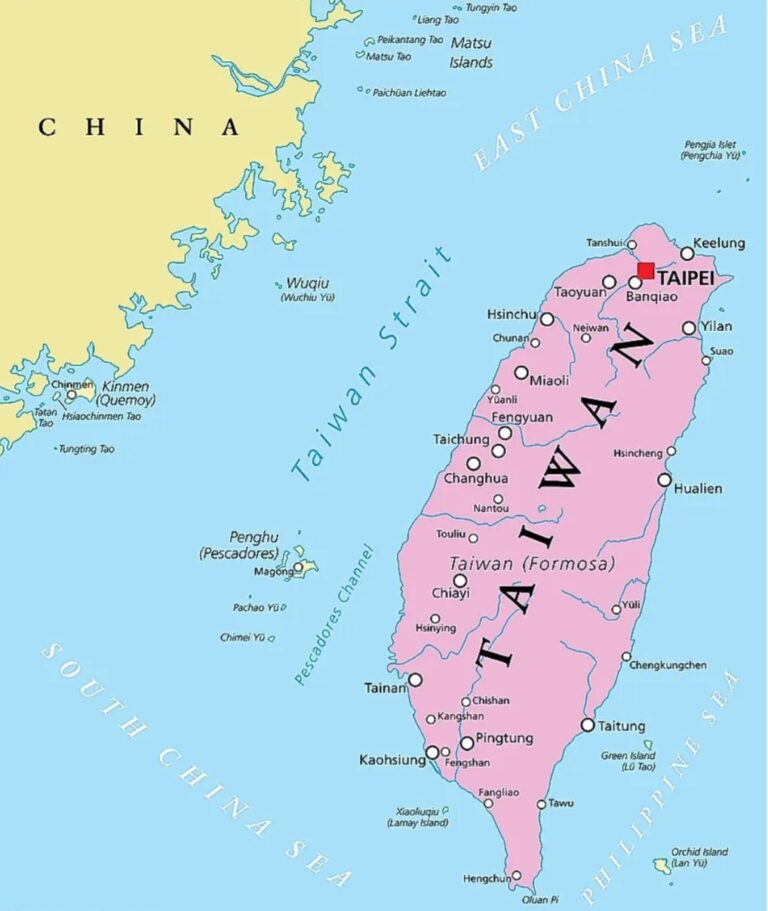
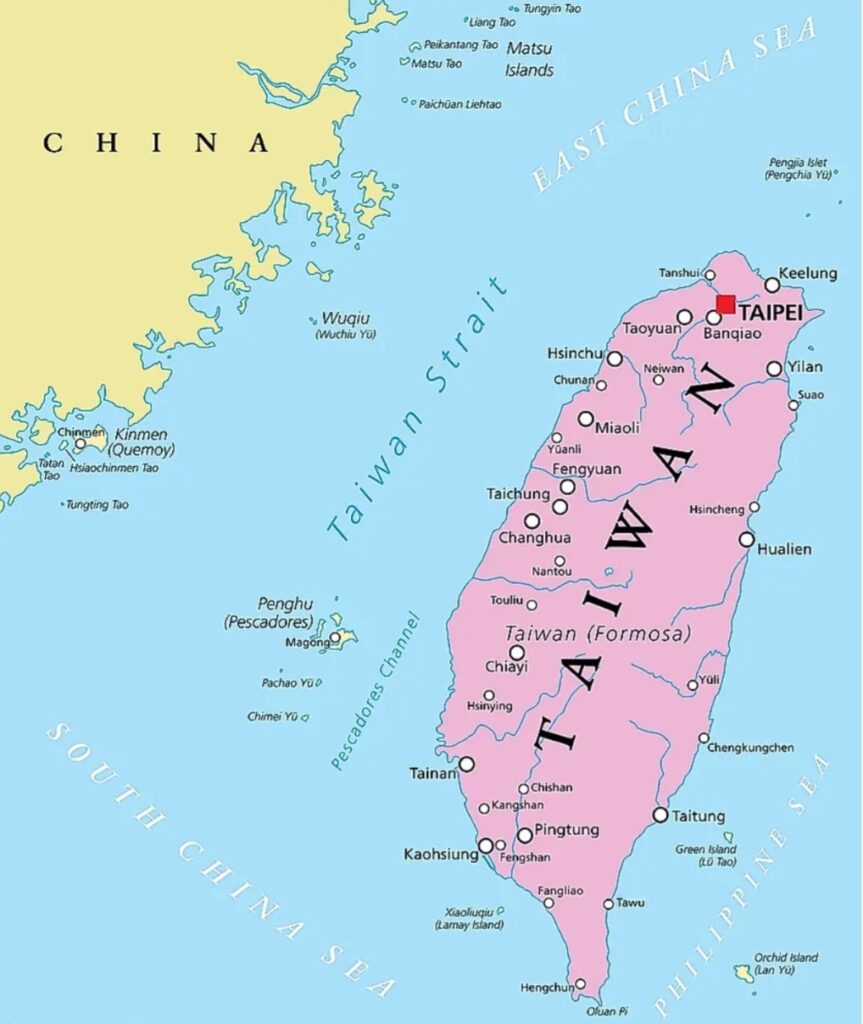
The other major area subject to potential LAC disengagement ramification is Taiwan. Weeks before the announcement of the LAC disengagement, Taiwan had grabbed headlines when its President Lai Ching-te, during his National Day speech on 10 October, rejected the claim of China or the People’s Republic of China (PRC) being the ‘motherland’ of Taiwan or the Republic of China (ROC)− the official name of the self-governing island nation. Lai rooted his rejection in the fact that while the PRC was founded in 1949, the ROC came into being in the aftermath of the 1911 Revolution that had overthrown the Qing dynasty and established a Republican government, thereby making it older and deserving of much more respect than the Communist ruled regime led by Mao Tse Dong. This statement by the Taiwanese president was preceded by Xi’s own remarks on the National Day of the PRC on 1st October where he reaffirmed his commitment to ‘achieving complete national reunification’ which is the ‘common aspiration of the Chinese people’ (on both sides of the Taiwan Straits).
The comments by Lai were rejected by the Taiwan Affairs Office of Beijing which lambasted the latter for ‘fabricating fallacies about “Taiwanese independence, advocating separatist views, and inciting hostility and confrontation across the Straits’ while reiterating the ‘unstoppable’ nature of the ‘historical trend of national rejuvenation and reunification’. This reiteration was followed by the conduction of ‘Joint Sword-2024B’ military exercise on 14 October by the People’s Liberation Army (PLA)’s Eastern Command which saw the participation of the PLA Army, Navy, Air Force and Rocket Force and was conducted in the Taiwan Straits as well as in the northern, southern and eastern vicinity of Taiwan.
In the midst of the above disturbance in the Straits, on 16 October, India allowed Taipei to open its third Taipei Economic and Cultural Centre (TECC) in Mumbai which would cater to the services of Indian nationals in four states− Maharashtra, Gujarat, Madhya Pradesh, and Goa and the Union Territory of Dadra and Nagar Haveli and Daman & Diu. The opening of this new office marking the 113th National Day of Taiwan is a sign of the increasing ties between Taipei and New Delhi on areas such as semiconductors, technology, and trade as well as strategic convergence in areas such as the Indo- Pacific. As expected, the development of such Indo-Taiwan ties has not been to Beijing’s liking which called upon New Delhi to adhere to the One-China principle and ‘avoid interference in the improvement of Sino- Indian ties’ by handling the ‘Taiwan issue with caution’.
Given the precedence of the above events before the announcement of the LAC Disengagement, can it be reasoned that the sudden Chinese interest in rapprochement with India is also linked with its strategic calculus on Taiwan?
From Beijing’s perspective, the thawing of strained relations with India and further improvement would provide an opportunity to incentivize New Delhi to re-examine its burgeoning ties with Taiwan. However, given the new normal of ‘cautious engagement’ such a scenario seems unlikely as of now. On the converse, the instance of ‘thawing’ and ‘normalisation’ of Sino-Indian ties could be weaponised in a misinformation campaign to dissuade Taipei from relying upon India as a credible partner who will support it against Chinese manoeuvres.
At the same time, the proximity between the current tensions and military exercise across the Taiwan Straits and the seeking of disengagement with India could also be interpreted as China’s tactic of avoiding pressure on two fronts as it prepares to realise the goal of ‘national reunification.’ This speculation is partially buttressed by the fact that the latest Joint Sword-2024B exercise was much more aggressive in nature which included drills focused on ‘capture of key ports and islands and the joint seizure of comprehensive superiority’. This exercise, involving, 153 sorties by PLA aircraft and quarantine operations of maritime cargo by Chinese Coast Guard (CCG), was conducted on a larger scale unseen till date and in much closer proximity to Taiwan as compared to the drills of the past− hinting at the possibility of it being a preparation exercise for the eventual invasion to be conducted in near future. Moreover, the ‘near future’ would seem to be approaching soon, if one considers the recent published work of Lt Col (Retd) JS Sodhi titled ‘China’s War Clouds’ focusing on China’s long term military strategy of the future. Here Sodhi cites an article published by the pro- Beijing daily Wenweipo in 2013 which mentioned six wars or military campaigns to be undertaken by the PLA in the next 50 years− the invasion of Taiwan in 2027 which precedes the two-front war with India in 2035-40. As per Sodhi, 2027 would be the year when Xi would seek a fourth term to his Presidency and the ‘reunification’ of Taiwan would not only justify the latter but also cement his legacy. Moreover, with the pacification of Taiwan, the PLA would be free to re-direct their energy in the confrontation with India via both land and sea.
Other factors buttressing the above speculation is the return to power of Republican candidate Donald Trump as US President. The latter’s aversion towards long-term military commitments and wars as well as comments accusing Taiwan of ‘stealing jobs from the American chip industry’ and ‘not paying for defence’ has brought uncertainty in Taipei over US commitment to its defence in the face of Chinese onslaught. In addition, reports of American company Space X led by Elon Musk asking Taiwanese suppliers to move manufacturing away from Taiwan because of ‘geopolitical concerns’ further adds fuel to such interpretations of an ‘imminent Chinese invasion’ about to come. Combing the above with US involvement in the wars in Ukraine and West Asia, and the possible pacification of border dispute with India, Beijing might be tempted not to derive the upmost opportunity of this moment vis a vis its ambitions on Taiwan. History is replete with examples when Beijing did not deter from the using moments of global crises to further its own strategic ends− the 1962 war with India in the backdrop of the Cuban Missile Crisis and the 2020 eastern Ladakh clashes during the n-COVID 19 pandemic.
While only time will tell whether the LAC Disengagement is a genuine effort at seeking peace or an elaborate eyewash for ulterior motives, India should not let its guard down and repeat mistakes of the past.
As Sun Tzu said- “Let your plans be dark and impenetrable as night, and when you move, fall like a thunderbolt.”
About the Author
Anuraag Khaund is pursuing PhD in International Politics from the School of International Studies, Central University of Gujarat. He has published opinion pieces in The Diplomat, Deccan Herald, Kashmir Observer and Modern Diplomacy. His interests include International Relations and Geopolitics with a focus on Eurasia, East, West, South and Southeast Asia. In addition to geopolitics, he also looks at the intersection between civilizational histories and current global politics. The author can be contacted at khaundanuraag@gmail.com
The modernization of China’s People’s Liberation Army (PLA) under President Xi Jinping is one of the most significant military transformations of the 21st century. To transform the PLA into a “world-class military” by 2049, Xi Jinping has driven a series of extensive reforms since assuming office in 2012. These reforms, first announced in 2015, seek to enhance the PLA’s capabilities in joint operations, advanced warfare, and global power projection, aligning with Xi’s vision of China’s “national rejuvenation.” The modernization process emphasizes organizational restructuring, technological integration, and combat readiness to equip the PLA to respond to regional and global threats.
Strategic Vision and Political Context
Xi Jinping’s modernization of the PLA is rooted in his strategic goal to reclaim China’s historical standing as a major world power. His “Chinese Dream” of national rejuvenation sees military strength as integral to safeguarding China’s territorial integrity and expanding its global influence. The PLA’s transformation is also a response to perceived threats, particularly from the United States, and a reflection of China’s ambitions to reshape the security dynamics of the Asia-Pacific region. This vision aligns with China’s increasing assertiveness in regional hotspots, including Taiwan, the South China Sea, and the East China Sea.
Xi’s modernization agenda has redefined the PLA’s role as the protector of the Communist Party’s authority. By reinforcing the Party’s control over the military, Xi has positioned the PLA not just as a national defense force but also as a tool for promoting China’s political and economic interests on the global stage. His reforms have focused on enhancing the PLA’s ability to “fight and win wars” by preparing it for modern warfare scenarios through a series of phased, top-down structural adjustments.
Key Phases of Modernization
Xi’s reforms can be divided into two main phases: “above-the-neck” and “below-the-neck” reforms. These phases address both the high-level command structures and the operational capabilities of the PLA across its branches.
Above-the-Neck Reforms: The “above-the-neck” phase began in 2015, focusing on the centralization and streamlining of the PLA’s command structure. One of the most significant changes was the reorganization of the Central Military Commission (CMC) and the establishment of five Theater Commands (Eastern, Southern, Western, Northern, and Central), which replaced the former seven Military Regions. This move aligned command chains with strategic regions, enhancing coordination and readiness for joint operations. The reforms also emphasized “jointness,” pushing for integration across the PLA’s four conventional services: the Army, Navy, Air Force, and Rocket Force.
As part of this restructuring, the PLA’s general departments were dismantled and reformed into 15 functional departments directly under the CMC, which strengthened civilian oversight and Xi’s direct control. Xi’s reforms aimed to remove corruption and inefficiencies, consolidating the Party’s authority over the PLA and ensuring that it could be deployed in line with Xi’s political and strategic goals.
Below-the-Neck Reforms: The “below-the-neck” phase, initiated in 2016, focused on improving the operational capabilities of the PLA’s individual services and introduced organizational restructuring at lower command levels. A shift to a brigade-centric structure for ground forces replaced the division-based system, allowing for faster mobilization and greater flexibility in joint operations. This change aligned the PLA with advanced military organizations, emphasizing the development of combined arms brigades capable of executing independent operations.
Additionally, the PLA Air Force (PLAAF) and PLA Rocket Force (PLAARF) were restructured for improved strategic and tactical coordination. The Rocket Force, previously known as the Second Artillery Corps, gained prominence as an independent branch, signaling China’s focus on long-range strike and nuclear deterrence. In parallel, the establishment of the Strategic Support Force (PLASSF) which has been disbanded now and replaced with three deputy theater-level forces that sit directly under the CMC: the PLA Information Support Force (PLAISF), the PLA Space Force (PLASF), and the PLA Cyberspace Force (PLACF). The likely motivation for this reorganization is to enhance the CMC’s control over these critical capabilities so that top leaders can exert more strategic influence over how they are allocated to and used by other parts of the military. Joint Logistic Support Force (PLAJLSF) introduced specialized capabilities in information warfare, cyber operations, and military logistics, essential for modern and future battlefields.
Modernization of PLA’s Key Branches
PLA Ground Forces: The Army has undergone substantial downsizing and restructuring to become more versatile and responsive. By reducing troop numbers by 300,000, Xi aimed to shed the Army’s historical dominance within the PLA and redirect resources toward advanced weapons, army aviation, and cyber warfare capabilities. The reformed brigade-battalion structure enabled the PLA to adopt a flatter, more agile command hierarchy, suitable for modern, multi-domain operations.
PLA Navy (PLAN): The PLAN has received increased funding and focus under Xi’s leadership, reflecting China’s ambition to project power beyond its borders. PLAN’s modernization includes expanding its fleet, which now includes advanced destroyers, frigates, and submarines, and the commissioning of aircraft carriers like the Liaoning and Shandong with the third, Fujian, currently undergoing sea trials. These assets support China’s “far-seas” naval operations, securing its interests along maritime trade routes, and increasing its presence in contested waters like the South China Sea. PLAN’s development of anti-access/area-denial (A2/AD) capabilities counters U.S. influence in the region, asserting Chinese dominance over critical sea lanes.
PLA Air Force (PLAAF): Under the reforms, the PLAAF has enhanced its strategic reach and integrated new technologies. Key advancements include fifth-generation fighter jets like the J-20 and H-20 stealth bombers, improving China’s aerial combat and strategic strike capabilities. The PLAAF has adopted a base-brigade structure that promotes coordination with other services and enables faster deployment. The PLAAF’s modernization not only bolsters China’s air defense but also supports its broader geopolitical ambitions by projecting air power in contested areas like Taiwan and the East China Sea.
PLA Rocket Force (PLARF): The PLARF, designated as an independent branch, has become central to China’s strategic deterrence and power projection. Equipped with a growing arsenal of ballistic and cruise missiles, including hypersonic missiles, the PLARF represents China’s emphasis on counter-intervention strategies. The development of long-range missiles and advancements in nuclear technology reflect China’s intention to maintain a credible deterrent against potential adversaries, particularly the United States. This enhanced capability underscores China’s resolve to defend its core interests while reshaping the regional security architecture.
Strategic Support Force (PLASSF): Established in 2015, the PLASSF embodies the PLA’s push toward “intelligentized” and “informationized” warfare, encompassing cyber, space, and electronic warfare capabilities. The PLASSF integrates artificial intelligence, surveillance, and reconnaissance capabilities to support PLA operations, creating a “system of systems” approach for future combat scenarios. As cyber and electronic warfare become increasingly critical, the PLASSF’s role in securing Chinese interests in digital and space domains makes it an essential component of the PLA’s modernization. But in April 2024, the PLASSF was disbanded and replaced by three deputy theater-level forces that sit directly under the CMC: the PLA Information Support Force (PLAISF), the PLA Space Force (PLASF), and the PLA Cyberspace Force (PLACF). This bureaucratic upgrade suggests a rising focus in the PLA on information warfare and network capabilities.
Joint Logistic Support Force (PLAJLSF): The PLAJLSF, created in 2016, supports the logistical demands of China’s expanding military operations. It coordinates resources across all Theater Commands, ensuring efficient supply chains and medical support. The PLAJLSF’s capacity was tested during the COVID-19 pandemic when it managed rapid resource deployment across China and facilitated global medical support as part of China’s “mask diplomacy.” Its establishment highlights the need for a sophisticated logistics network to support China’s ambitions for a global military presence.
Technological Advancements and Training Reforms
Technological innovation is a cornerstone of Xi’s military reforms. The PLA has invested heavily in emerging technologies such as artificial intelligence, quantum computing, hypersonic missiles, and unmanned systems. The incorporation of such technologies reflects China’s desire to leapfrog conventional military limitations and compete with advanced military powers. The modernization process also involves enhancing training regimens, with PLA exercises increasingly focusing on joint operations, realistic combat scenarios, and readiness for multi-domain warfare.
Challenges and Future Prospects
Despite impressive advancements, the PLA faces several challenges. Corruption within the ranks, while mitigated, remains a concern, and the restructuring has temporarily affected morale among mid-level officers. Additionally, the PLA’s lack of recent combat experience limits its ability to test its new capabilities in real-world scenarios. U.S. export controls on high-tech goods pose another obstacle, making self-reliance in defense technology a pressing necessity.
Xi’s vision for a “world-class” military by 2049 remains ambitious, particularly as the PLA still has strides to make in mastering joint operations and achieving interoperability across its branches. Moreover, the international community, led by the U.S. and its allies, has increased its vigilance, potentially countering China’s rise with collaborative security frameworks. Nevertheless, the PLA’s modernization underscores China’s commitment to reshaping the balance of power in Asia, signaling that its transformation is well underway.
Conclusion
Under Xi Jinping, the modernization of the PLA represents a strategic shift in China’s military posture, with implications for regional and global security. Through extensive reforms, organizational restructuring, and technological integration, the PLA has transitioned into a formidable military force. While challenges persist, Xi’s leadership has laid the foundation for a new era in Chinese military power, one that aims to project influence and defend China’s interests on the world stage. As China approaches its 2049 target, the PLA’s trajectory will remain a critical element in the evolving landscape of global security.
The Chinese People’s Liberation Army (PLA) had amassed a large number of troops and armaments in eastern Ladakh and other areas along the 3,488 km Line of Actual Control (LAC) in April-May, 2020. The PLA moved into the Indian Territory and built fortified structures and defenses, in an attempt to permanently alter the ‘status quo’ on the ground contrary to the Protocols and Agreements signed in 1993, 1996, 2005, 2012 and 2013 between the two neighbours with nuclear power destroying the peace and tranquillity along the border holding out for the preceding four odd decades.
The clashes that erupted on the north bank of Pangong Tso on May 5, 2020 in which 70 Indian soldiers were injured was triggered by the PLA ingress blocking the routine Indian Army (IA) patrol to Finger 8 followed by at Naku La in north Sikkim on May 9, 2020. This compelled India to respond by mobilizing additional troops and equipment to match the Chinese build up. The clash at Galwan on June 15, 2020 resulting in loss of lives of 20 Indian soldiers and over 45 PLA soldiers, though only four lives of PLA soldiers claimed to have been lost by China, was followed by yet another clash on December 9, 2022, when the IA soldiers prevented the PLA from transgressing into Indian territory resulting in injuries.
The disengagement process at five friction points was completed in September 2022. The latest agreement announced on October 21, 2024 by the Foreign Secretary Mr Vikram Misri that was reached with China on “patrolling arrangement” along the LAC leading to disengagement and a resolution of the issues that had arisen in these areas in 2020 brings hope of restoration of stability including removal of the buffer zones and resumption of patrolling as was undertaken prior to April 2020 post-disengagement in Depsang and Demchok that were considered complex and tricky.
There are two immediate benefits from the months-long negotiation that led to the agreement. First, political re-engagement has commenced with the Modi-Xi meeting in Kazan as there has been no meeting between the top leaders of the two nuclear-armed states for the past five years, and the resumption of the Foreign Minister and National Security Advisor-level dialogues.
Second, it ends the five-year crisis by bringing the resolution of the standoffs at Depsang and Demchok in eastern Ladakh, thus stabilizing the border region.
In addition, the same also is hoped to restore the access of the IA patrols to their Patrolling Points (PPs) 1 to 65 from Karakoram pass to Chumar in eastern Ladakh extending over a distance of 832 kms in High /Super-High Altitude Areas. These PPs, in vogue since 1996 based on the China Study Group guidelines, largely located on the limits of patrolling depicting the benchmark locations mutually agreed to by both India and China, are to be patrolled regularly by the Indian Security Forces (ISF).
According to one of the research papers submitted at the police conference in January 2023, out of 65 PPs, India’s presence reportedly had lost in 26 PPs due to restrictive or no patrolling by the ISFs. Later China, by process of “Salami Slicing”, to grab land inch by inch forcing India to accept the fact that as such areas did not have the presence of ISFs or civilians since long, the presence of Chinese in these areas entitled the same to the latter leading to shifting of border under control of ISFs towards Indian side. The same thus resulted in creating a buffer zone in all such pockets leading to loss of control over these areas by India thereby denying grazing rights for herders.
The traditional grazing grounds have served as pastures of the semi-nomadic community of Changthang region (Rebos) and given the scarcity of the rich pastures, they would traditionally venture into the areas close to the PPs. As there has been enhanced restrictions on the grazing movement and areas imposed on the Rebos by the ISFs , the same has caused resentment amongst them. The issue of grazing grounds has been a major friction point between India and China and the latest agreement addresses that in Demchok area.
The next stage of de-escalation in eastern Ladakh to guarantee that the agreement remains durable will be more difficult and may require extended and patient negotiation by two sides. As trust is in short supply, neither side will dilute its military presence unless there is confidence that the other side will not exploit the situation to their respective advantage.
The “mobilization differential” of PLA being faster than ISFs owing to former’s better connectivity being on flat terrain to its forward locations as against long distances and adverse terrain friction in the Indian side of the border, India should retain the same as one of the central factors for negotiation in favour of ISFs by locating suitable force close to “Point of Action” for a proactive “Response Matrix” if not better based on effective Intelligence Surveillance and Reconnaissance (ISR) platforms to avoid being surprised in future.
Using the current thaw as a trigger, India should consider establishing permanent structures incrementally and locate ISF along all the 65 PPs to stabilize and resolve the long pending border dispute permanently on “As is Where is” basis.
The defense budget that has been declining from approximately 16.4% in 2012-13 to 12.9% in 2024-25 of Annual Central Government Expenditure must be increased as continued investment in the military will enhance India’s defence capability, urgently required along the borders.
Overall, the rebuilding of trust with China will require China working on the same. India would do well to be cautious, trust but verify and continue building deterrence, as both are necessary for national security.
Major General Sudhakar Jee, VSM (Retd) has been General Officer Commanding, 3 Infantry Division and Colonel of the Mahar Regiment of the Indian Army. The General Officer is now an internationally renowned defence and strategic affairs analyst who often appears on leading television news channels for discussions and whose articles and comments are regularly published in reputed print media publications.
The government of the Republic of Mauritius and the United Kingdom reached a historic agreement on October 03, 2024, on transferring the sovereignty over the Chagos Archipelago, to Port Louis. The United Kingdom will retain the sovereignty of Diego Garcia, which the United States exercises as a military base for the navy ships and long-range bomber aircrafts. The treaty will end diplomatic isolation of Britain, over its claim to the British Indian Ocean Territory, which will be ceded as the ‘last colony in Africa’. A financial support package will be provided to Mauritius, including annual payments and infrastructure investment, while securing a long-term relationship with Mauritius, a close Commonwealth Partner.
Strategic Importance of Chagos Islands
The Chagos Islands – an archipelago of more than 60 islands in the Indian Ocean, lies east of Mauritius in Southern Africa and is located at a distance of 2191 kilometres from it. The islands remain critical to global security operations in the Indian Ocean, connecting the Middle East, South Asia, and East Africa.
The United States accessed the base to conduct military operations during the wars in the Republic of Iraq and the Islamic Emirate of Afghanistan. The development of Diego Garcia as a military base involved the eviction of 2,000 residents to Mauritius and the Seychelles, while others were displaced to the United Kingdom.
Migrant Issues
The agreement states that relocating displaced Chagossians back to the Chagos Islands, other than Diego Garcia, will be provided with a resettlement fund from the United Kingdom. A trust fund will be provided for the descendants of the 1,500 Chagossians who were forcefully evicted from the islands between the 1960s and 1970s, which the Human Rights Watch described as ‘crimes against humanity committed by a colonial power against an Indigenous people’.
The displaced complain of ill-treatment and low salaries in their adopted countries, and state that they have never been made a part of the negotiations. The Conservative Government in the United Kingdom refused the ‘right to return’, which the agreement reversed to maintain the pathway for Chagossians to obtain British Citizenship and return to an island, other than Diego Garcia. The migrant issue also deals with the Sri Lankan Tamils who have been held in a fenced camp on the island, stranded for more than two years in a makeshift camp on Diego Garcia.
Economic & Environmental Development
The agreement will enable infrastructure development and partnership, backed by the United Kingdom grant funding to deliver strategic projects. Mauritius and the United Kingdom will as well collaborate on projects on environmental protection, maritime security, and crime prevention, in addition to combating drug and human trafficking, as well as, illegal fishing in the Chagos Archipelago.
The region is rich in biodiversity and hosts over 200 species of coral and over 800 species of fish, thereby protection is enabled by the establishment of the Mauritian Marine Protected Area, enabling environmental cooperation between Mauritius and the United Kingdom.
Commercial fishing and tourism development could enable island restoration and economic revival. Cooperation between Seychelles and Mauritius to establish a joint management area of the underwater extended continental shelf to enable protection of the marine ecosystems threatened by climate change.
Inhabitation of islands might potentially result in increased levels of heat and pollution, thereby potentially damaging the islands. Except for the US military base on Diego Garcia at the southern tip of the archipelago, the islands have been uninhabited since 1973.
Security Implications & Foreign Policy
There remains contention regarding the handling of the Chagos Islands to Mauritius, especially with the Conservatives in the United Kingdom, apprehending close relations between China and Mauritius, as the latter could provide access to the strategic territory, resulting in a potential security threat to the military base of Diego Garcia.
The apprehension remains over the infrastructural development taken up by China, in addition to the Sino-Minitians tracing their ancestry back to Beijing, which can jeopardize the ties between the United Kingdom and the United States.
The base remains the key logistical center for navy ships, long-range bombers, and intelligence operations in the Indian Ocean Region (IOCR), especially with the expansion of Iran and Lebanon’s military expansion and attacks in the region, a stronghold of the United States is crucial to maintain international security, in addition to the escalation of China-Taiwan conflict and Beijing militarization of the South China Sea.
Political Implications
The territorial dispute has raised internal conflicts, with the Labour Party under scrutiny for potentially ceding away the remaining 13 British Overseas Territories (BOTs). Argentina could potentially reclaim authority over the Falkland Islands, however, Bermuda, Dhekelia in Cyprus, Gibraltar Islands, the Sovereign Base Areas of Akrotiri, Caribbean, Pitcairn, and St. Helena are not contested so far.
The migrant issue can be a cause of concern for Gibraltar, with an open land border policy, in addition to a potential claim by Spain. Countries in the European Union (EU) and the African subcontinent remain less supportive of the United Kingdom, while the agreement with Mauritius could provide some leverage against diplomatic isolation especially with the United States Presidential Elections turning in favour of Donald Trump.
The Role of New Delhi
The extension of the United States in the Indo-Pacific region supports balancing ties with Beijing, in addition to increasing its deterrence ability to secure the maritime frontiers. The United States of America and the Republic of India have granted support to secure the national interests of Mauritius in the Global South. Back-channel diplomacy aimed at securing peace and rule-based order in the Indo-Pacific highlights the statement made at the Shangri La Dialogue in 2018 by the Indian Prime Minister respecting international law and negotiations to resolve border disputes.
By: Gayathri Pramod Panamoottil, Research Analyst, GSDN
BRICS & G7: source Internet
The rise of BRICS in 2009 with the initial four countries –Brazil, Russia, India, and China- aimed to create a platform for cooperation among emerging economies. South Africa officially joined in 2010 completing the grouping. These nations represent a diverse mix of regional powers, large populations, and significant natural resources giving them collective weight on the global stage and presenting a significant challenge to the traditional dominance of the G7 countries – the United States, Japan, Germany, the United Kingdom, France, Italy, and Canada. However, in a world on the edge of a geopolitical shift, a seismic shift has taken place. As Western nations scramble to maintain their powers a new alliance has arisen. From October 22-24, 2024 Russian President Vladimir Putin hosted a historic summit by uniting the founding members of the BRICS with five new powerhouses Egypt, Iran, Ethiopia, Saudi Arabia, and UAE. The transition of BRICS from five to BRICS Plus in 2024 (Brazil, Russia, India, China, South Africa, Egypt, Ethiopia, Iran, United Arab Emirates, and Saudi Arabia signalizes the waning nature of Western dominance and challenging the rule-based order of G7 in many ways. So, through this paper, I will analyze the possible way how BRICS can pose challenges to G7.
The rise of BRICS
The BRICS nations have emerged as major players in the global economy over the past few decades. One of the key reasons for the rise of the BRICS nations is their rapid economic growth. With their rapid growth and increasing influence, Brazil, Russia, India, China, and South Africa sought to establish a platform where they could coordinate their positions on key economic and political issues. By coming together, BRICS countries aimed to enhance their bargaining power in international negotiations and promote a more equitable and inclusive global economic order. Traditionally speaking BRICS was considered a geopolitical counterweight to the West birthed from the ashes of the 2008 financial crisis. BRICS acted as a voice of the global south in the international domain. Another important aspect that contributed to the formation of BRICS was the desire to challenge the dominance of Western powers in global institutions such as the World Bank and the International Monetary Fund. These institutions have traditionally been dominated by Western countries, which has led to a perceived lack of representation and voice for emerging economies. By forming BRICS, the member countries sought to create alternative institutions such as the New Development Bank to address the financing needs of developing countries and promote a more balanced and fair global economic system.
Moreover, BRICS countries also recognized the benefits of closer economic cooperation and integration. By leveraging their collective strengths and resources, the member countries could explore new avenues for trade and investment, expand market access, and foster greater economic development. Through initiatives such as the BRICS Business Council and the BRICS Trade Fair, the organization aims to facilitate business partnerships and enhance economic ties among its members. Furthermore, the geopolitical dimension also played a significant role in the establishment of BRICS. The member countries share common concerns about issues such as global security, terrorism, and regional stability. By working together, BRICS countries can coordinate their efforts to address these challenges and promote peace and stability in their respective regions and beyond. The organization has also emerged as a platform for dialogue and cooperation on a wide range of global issues, including climate change, sustainable development, and governance reform. The origins of BRICS can be attributed to a combination of economic, political, and strategic considerations. The organization represents a unique grouping of emerging economies with shared interests and goals, seeking to enhance their influence on the global stage and promote a more inclusive and equitable international order. As BRICS continues to evolve and deepen its cooperation, it has the potential to become a key player in shaping the future of global governance and economic development.
Challenges to G-7
Overall, the rise of the BRICS nations presents a significant challenge to the traditional dominance of the G7 countries. There was a golden time when G7 ruled the global economic stage with 45.5% of Global GDP in 1992 and BRICS was a mere 16.7%. Today there has been a momentous shift as BRICS nations account for 37.4% of Global GDP which indicates the dwarfing nature of the GDP of G7% up to 29.3%. As BRICS expands it is challenging the established G7 along with G20 presenting a united front of nations determined to re-write the rules of International Governance. The expansion of BRICS signals a dramatic power shift on the world stage with the recent inclusion of energy-rich nations like Saudi Arabia and Iran. BRICS Plus stands poised to wield unprecedented influences over global energy markets. Together these nations account for 43% of crude oil production and 32 % of natural gas output. The BRICS nations have emerged as major players in the global economy, challenging the G7’s dominance in international trade, investment, and governance.
One of the key aims of BRICS is to create an independent payment system that utilizes the currencies of its member states to facilitate de-dollarization, thereby reducing the effects of Western sanctions that are intended to protect sovereignty, freedoms, and human rights. The initial phase of this initiative involves targeting essential international markets to enhance economic influence. A notable example of this strategy is BRICS’s engagement in the energy sector, where the organization seeks to establish a collaborative energy partnership among its members. With the recent addition of energy-rich countries like Saudi Arabia, Iran, and the United Arab Emirates, BRICS has the potential to exert a level of influence in the global energy market that rivals that of OPEC, thereby reshaping the landscape by controlling a substantial share of the world’s oil and gas resources. They have also formed a political and economic bloc, presenting a united front on key global issues. This has challenged the G7’s ability to act unilaterally and dictate the terms of global governance. As the BRICS nations continue to rise in prominence, they are likely to present an ongoing challenge to the dominance of the G7 countries in the years to come.
Similar to various global organizations, BRICS has acknowledged that artificial intelligence represents a pivotal advancement in technology, possessing the capacity to boost productivity, protect national and domestic security interests, influence public discourse, and heighten competitive dynamics. During the recent BRICS summit held in South Africa in August 2023, Chinese President Xi Jinping unveiled plans for the formation of an AI study group aimed at “developing AI governance frameworks and standards through broad-based consensus.” This group is charged with the responsibility of coordinating AI-related initiatives, promoting interdisciplinary research, and examining the ethical, social, and economic ramifications of AI technologies. Given China’s practices regarding AI, this initiative poses significant risks to the international order; the nation is known for its extensive surveillance and regulation of citizens via the social credit score system, its efforts to create deepfakes for propaganda purposes, and its influence over the development of international AI standards that prioritize state control over transparent governance.
Additionally, BRICS is focusing on the agricultural market, with the primary goal of developing an independent grain trading system proposed by Russia. Given that BRICS members represent 42 percent of global grain production annually, this initiative would enhance the group’s bargaining power regarding grain prices and counteract sanctions imposed by the United States and its G7 allies. Among the BRICS nations, China, Russia, and Iran have been particularly proactive in forming a security partnership, often referred to as the new triple axis. Since 2018, these three countries have conducted annual joint military maritime exercises to bolster regional security, promote multilateral collaboration, and demonstrate to the G7 that BRICS is consolidating its stance against Western military and political influence. The latest exercise took place in March 2024 in the Gulf of Oman, a crucial waterway for oil transportation in the Middle East and the sole maritime passage from the Indian Ocean and Arabian Sea into the Persian Gulf. This naval drill involved over twenty warships and included training in search and rescue operations, special joint tactical manoeuvres, and aerial exercises.
Strategies to mitigate the influence of BRICS
Three policy approaches are suggested to counter the initiatives of BRICS and protect the established international order from potential disruptions. The first approach emphasizes the creation of substantial economic trade agreements designed to deter actions that could undermine the current economic system. This can be accomplished by offering BRICS nations a trade agreement that includes significant financial incentives, thereby fostering closer ties with the United States and its G7 allies. Such a strategy would help reduce these countries’ alignment with the objectives of Russia and China. South Africa is particularly well-suited for this agreement due to its neutral stance on BRICS issues and the growing importance of Africa as a focal point of economic interest and competition among global powers. The existing African Growth and Opportunity Act could be expanded into a more formal trade agreement, strengthening political and economic ties with Western nations. This would not only enhance trade relations but also create a platform for dialogue on shared values such as democracy, human rights, and sustainable development. While South Africa is a prime candidate, similar agreements could also be pursued with other BRICS members like India or Egypt, which may be receptive to increased economic collaboration. India, with its burgeoning economy and strategic geopolitical position, could benefit from enhanced trade ties with the West, particularly in the technology and defense sectors. Egypt, on the other hand, could leverage its strategic location and historical ties to attract investment and support from Western nations, thereby reducing its reliance on BRICS partnerships.
The second policy recommendation emphasizes the importance of establishing a Western-led AI governance framework that garners global acceptance. This initiative is essential to undertake before China and BRICS make significant progress in this area. The pursuit of this framework has been ongoing since the G7 summit held in Hiroshima, Japan, in May 2023, where Prime Minister Fumio Kishida launched the Hiroshima AI Process. This initiative seeks to create a guidebook that upholds international norms, forming the basis for a G7 AI governance framework. A notable outcome of this effort was the introduction of the Hiroshima AI Process Comprehensive Policy Framework in December 2023. However, despite these advancements, the framework has not yet engaged with the global community. The subsequent vital step involves ensuring the interoperability of regulations within advanced AI systems, which will enable the G7 to uphold the rule of law, human rights, and democratic values.
This can be accomplished through the establishment of risk management protocols, governance guidelines, ethical frameworks, and consistent terminology and definitions. It is even strengthening multilateral institutions and frameworks that promote a rules-based international order. By reinforcing organizations such as the World Trade Organization (WTO) and the International Monetary Fund (IMF), the U.S. and its allies can ensure that global economic governance remains transparent, equitable, and responsive to the needs of all nations. This could include advocating for reforms within these institutions to represent the interests of developing countries better, thereby countering the narrative that BRICS nations are the sole champions of the Global South. Additionally, the U.S. could lead initiatives to create new coalitions or partnerships that focus on shared challenges such as climate change, public health, and cyber security. By positioning itself as a leader in addressing these global issues, the U.S. can attract countries that may feel marginalized by BRICS initiatives, thereby fostering a sense of collective responsibility and cooperation among like-minded nations.
The third policy recommendation highlights the necessity of enhancing military collaboration to tackle regional security challenges. The G7 must fortify security alliances with China’s principal military partners to diminish their collective operational effectiveness. A strategic emphasis should be placed on strengthening military ties with India, which, as of 2024, is recognized as the fourth most formidable military globally, following the United States, Russia, and China. The United States is already engaged in cooperative efforts with India through the Quadrilateral Security Dialogue, which includes Japan and Australia. Additionally, India’s intricate relationship with China, particularly following the 2020 border conflict that resulted in casualties on both sides, highlights the urgency for closer military collaboration. To enhance India’s operational capabilities, the G7 and the United States should consider initiating joint military exercises that cater to India’s unique requirements, such as mountain warfare training and the provision of specialized equipment to effectively address potential border incidents. This strengthened military partnership would not only improve India’s defense preparedness but also play a vital role in promoting regional security and stability. While fostering security partnerships with other BRICS nations like Saudi Arabia or Brazil may offer advantages, a more robust relationship with India through joint military exercises would be especially effective in countering the military influence of Russia and China.
Forecast
The implications of BRICS extend beyond economies. They reach into very fabrics of global governance. The G20 has long served as a platform for addressing global issues. But BRICS Plus threatens to divide it further with countries like India, Brazil, and South Africa holding membership in both groups, while BRICS Plus creates a unified block and it has the potential for fragmentation and increased tensions within G20 countries – having multifaceted and overlapping interests and identities. Moreover, BRICS countries are playing tremendous roles in global security as they come together their collective influence extends beyond economies to address international security concerns through Joint Military Exercises and collaborative efforts to combat terrorism.
BRICS Plus is positioning itself as a vital player in the global security landscape. Further solidifying its relevance on the world stage BRICS is not just a club of emerging economies it challenges the status quo with initiatives like independent payment systems and AI governance frameworks. BRICS Plus aims to reshape the landscape of international relations as they push for de-dollarization. Under such circumstances, the relevance of G7 is highly significant and worth addressing as we stand on the precipice of this new era of BRICS plus. There exists a huge shift in the power structure not only in the economic landscape but also as a whole. The current development in West Asia and the spike in oil and petroleum products is worth understanding. The new grouping can potentially act as a catalyst for managing the price hike through their creative bilateral dialogues and engagements.
Conclusion
The BRICS coalition, which includes Brazil, Russia, India, China, and South Africa, is increasingly positioning itself as a formidable counterweight to the traditional dominance of the United States and its allies within the G7. This coalition, particularly under the leadership of China and Russia, is not merely a collection of emerging economies; it represents a concerted effort to challenge and potentially redefine the established rules-based international order that has been in place since the end of World War II. One of the primary strategies employed by BRICS is the creation of an autonomous economic system that operates independently of Western influence. This includes initiatives such as the New Development Bank, which aims to provide funding for infrastructure and sustainable development projects in member countries and beyond, thereby reducing reliance on Western financial institutions like the International Monetary Fund (IMF) and the World Bank.
By fostering economic cooperation among its members and promoting trade in local currencies, BRICS seeks to diminish the dollar’s dominance in global trade, which has been a cornerstone of US economic power. In addition to economic initiatives, BRICS is advocating for a governance framework for artificial intelligence (AI) that could disrupt existing global standards. As AI technology continues to evolve and permeate various sectors, the establishment of a BRICS-led framework could challenge the norms set by Western countries, particularly in areas such as data privacy, ethical AI use, and regulatory oversight. This shift could lead to a fragmented global landscape where different standards coexist, complicating international cooperation and potentially leading to a race to the bottom in terms of regulatory practices.
Moreover, BRICS is actively building military alliances and enhancing defense cooperation among its member states. This includes joint military exercises, arms trade, and strategic partnerships that could alter the balance of power in various regions, particularly in Asia and Africa. The military collaboration among BRICS nations not only serves to bolster their collective security but also sends a clear signal to the West that they are prepared to defend their interests and assert their influence on the global stage. In light of these developments, the United States and its allies face a critical juncture. To effectively counter the challenge posed by BRICS, they must undertake a series of proactive measures. Establishing strategic trade agreements that enhance economic ties among like-minded nations can help to counterbalance the economic initiatives of BRICS. These agreements should focus on fostering innovation, ensuring fair trade practices, and promoting sustainable development. Additionally, the formulation of a universally recognized AI governance framework is essential. In response to this challenge, the United States and its allies must undertake proactive measures, such as establishing strategic trade agreements, formulating a universally recognized AI governance framework, and enhancing security collaborations with the key BRICS nations. Neglecting these actions could lead to a reduction in US influence and threaten the stability of the international order that has historically upheld global peace. The US and its allies should lead efforts to create standards that prioritize ethical considerations, transparency, and accountability.
The recent appointment of Mark Rutte, the ex-Dutch prime minister as the 14th Secretary-General of NATO on October 01, 2024 is the addition of a highly skilled political figure to one of the most complex organisations in global politics. Rutte will face a complex set of challenges as he takes on this new responsibility. He is known to be strong supporter of Ukraine, and is known to have a legacy of successful consensus-building. Of course, the main strategic task of NATO, collective defense is under significant pressure from various geopolitical processes internal disagreements within the member states. From Donald Trump’s coming back to power in America to Europe’s negligence on defence expenditure; much will rely on Rutte’s leadership to cement the future stability of NATO.
One of the major tests ahead of Rutte is going to be his dealings with Donald Trump as the 47th President of USA. Donal Trump has previously questioned NATO’s relevance to American interests, and he has openly said that he is sceptical of the organisation. Past criticisms of NATO from Trump have been that the US provided more than other member countries, with hints of discouraging the US from being part of NATO. This could bring several immediate questions for Rutte, such as further backing for Ukraine, the future enlargement of NATO, and the USA’s attitude to European security.
Of course, Trump’s policy towards Ukraine can become a threat to the North Atlantic Alliance and harm the long-term goals for attaining a stable, unified, and peaceful Europe. He has also suggested during the campaign that he will reduce the USA’s aid to Ukraine, which will be inoperative for NATO, while it is trying to enlist Ukraine and support Ukraine’s sovereignty. The United States is the largest donor in Ukraine’s fight against Russia, supplying critical arms and assistance that other NATO partner cannot supply at this time. If this support weakens it could harm Ukraine’s defense and discourage other NATO members to contribute their resources thus create a division in NATO alliance.
With the arrival of another harsh winter, Russia is continuing its brutal attacks on Ukraine, particularly its energy infrastructure. This plan that was also used during the winter of 2022-2023 targets to decrease Ukraine’s capability by paralyzing the electricity and other critical services. NATO, therefore, under leadership of Rutte will be focusing on strengthening the air defense systems that can help repel targets on Ukrainian infrastructure. The previous secretary general of NATO, Jens Stoltenberg, had emphasized the importance of air defence in protecting Ukraine’s critical infrastructure. Unfortunately, Europe has a small stockpile of such air defence currently, and a few NATO supporters that are relatively close to Russia are not generous in handing over their defense due to increasing threats.
This challenge highlights that there is an immediate need for NATO to reinforce and improve its defense inventory. Even the U.S., one of the most active members of support, experiences delays when it comes to Congress allocating more money and arms for Ukraine. Rutte will need to make sure that NATO partners join force to get the job done and to provide all the required support that Ukraine needs in terms of help for reconstruction of the damaged infrastructure. A significant challenge for Rutte will be money. For many years, he was considered to be leader of the ‘frugal’ faction. Thus, it will be a challenge for him to argue that countries have to increase their defence expenditure.
NATO’s collective defence framework is based on equitable contributions, that NATO members are expected to contribute, 2% of GDP on defense. However, even today, several significant NATO members do not meet this specified level. 23 out of the 32 countries are contributing 2% of their GDP on defence. Other countries that spend below the target are those in the Southern Europe such as Italy, Spain and Portugal. Another NATO member not to meet the threshold is the founding member Canada, who has spent 1.37% of its GDP for defense.
The paradox in defence spending poses several risks to democracies and more importantly challenges the stability of NATO. Some members cannot or will not pay their fair share and, this has been a point of conflict between the member states, particularly those in Eastern Europe who feel threatened by Russia’s ongoing aggression. It also provides NATO-critics, like POTUS-elect Trump, with a valid point to demand American spending cuts on the alliance.
For Rutte, this will be a question that requires gentle persistence on the one hand and some essentialist understanding on the other. Encouraging underperforming countries to increase their defence expenditure, will need diplomatic pressure, while being sensitive to their economic concerns.
One of the longstanding problems within NATO has been the complaint of Eastern European member states of their limited representation at the leadership roles of NATO. Though these countries, especially those bordering Russia has been very vocal against the Russian aggression, these countries feel that they do not contribute much in the organization’s decision-making system. To make matters worse, the Eastern flank was further disappointed when Rutte, a Western European was appointed as the Secretary-General.
This tension demonstrates a dichotomy between some of NATO’s western members who prefer stability and dialogue, while the Eastern countries who, feeling threatened by Russia, prefer a more assertive approach. This division is not only rhetorical since it impacts the allocation of resources, deployment strategies, and the prioritization of NATO’s security objectives.
Rutte will also soon have to appoint a deputy secretary-general. Picking a member from an Eastern European state could therefore go a long way towards addressing some of the dissatisfaction and show that NATO is serious about a broader representation of leadership. Moreover, deepening cooperation with the Eastern European partners will become crucial for Rutte as these states have a clear interest in enhancing the NATO’s defence capabilities against Russia.
In addition to transatlantic conflicts, NATO has internal threats because of growing authoritarian nationalism throughout Europe. In Europe, Pro-Russian and Anti-NATO sentiments have become quite prominent in the recent years. For instance, in France the far-right National Rally party has seen a positive change, in Hungary Prime Minister Viktor Orban has openly shown his support to Russian President Vladimir Putin.
These parties challenge the stability and integrity of NATO because of their narrative, which might provoke criticism of the alliance and questions NATO’s stance towards Russia. Rutte himself is no stranger to this phenomenon, as he has seen the rise of Geert Wilders Party for Freedom in Netherlands which has shown admiration for both Trump and Putin. This political reality poses a specific difficulty for Rutte, because, on the one hand, he will have to balance the interests of NATO member countries, and on the other, take a clear stance against authoritarian regimes.
Some of the difficulties that Rutte will encounter are; Rutte will have to help NATO regains its strategic direction amid the influence of the far-right political parties. This might involve advocating for greater transparency, ensuring that NATO policies are communicated effectively to the public, and working closely with governments to address domestic concerns without compromising the alliance’s core values.
Conclusion
The Former Dutch Prime Minister Mark Rutte is NATO Secretary-General at a time when the organisation is challenged by complex external threats and internal discord. The return of Trump may weaken US support, which in turn undermines NATO, especially when Russia’s aggression against Ukraine demands NATO support and coordination Internally, the disagreement between the countries of Eastern and Western Europe, and the rise NATO-sceptic political parties may disturb the unity of the alliance.
To overcome these challenges, Rutte has to use his skills, namely, the ability to reach consensus and commitment to NATO’s charter. This will be critical in strengthening the unity of NATO, reminding members to make equitable contributions and solve security concerns of allies in Eastern front. As NATO faces a period of uncertainty, Rutte’s strategic decisions and diplomatic acumen will play a vital role in ensuring the alliance remains a robust force for peace and stability in an increasingly polarized world.
Donald Trump’s return to the White House marks a significant political shift in the U.S. and beyond, ushering in a new phase of U.S. policy both domestically and internationally. Following the victory over Vice President Kamala Harris, Trump’s second term is set to bring policies aligned with his “America First” agenda, potentially reshaping the U.S. approach to trade, immigration, and global security.
Domestic And International Impact of Trump’s Policies
Trump’s 2024 campaign reiterated his core themes from his previous term: stricter immigration policies, protectionist economic measures, and conservative social stances. Backed by a Republican-controlled Senate, Trump has the momentum to advance these policies more decisively than in his previous term. Key policy areas include immigration reform, trade policies, and a reduction in U.S. involvement in international organisations.
Immigration Policies
In his campaign, Trump stressed the importance of stronger borders and proposed sweeping immigration reforms. His plans include terminating birthright citizenship and implementing stricter visa policies, which could significantly impact H-1B visa holders, many of whom are Indian nationals working in technology and engineering fields.
This stance could disrupt the lives of Indian professionals in the U.S. and raise challenges for aspiring immigrants. Trump’s rhetoric of reducing legal immigration pathways may lead to increased scrutiny of visa applications and make the immigration process more stringent for Indian families and professionals.
Economic Ramifications: “America First” And Its Effect on Trade with India
A hallmark of Trump’s agenda has been economic nationalism, with a focus on reducing trade deficits and bringing manufacturing jobs back to America. This “America First” approach could affect India-U.S. trade relations by imposing higher tariffs on imports, a strategy that could impact Indian exports to the U.S. and affect sectors such as IT services, pharmaceuticals, and textiles.
For the Indian economy, these trade restrictions may prompt concerns over a narrower U.S. market. Trump has hinted at renegotiating trade deals that he perceives as unfavourable to U.S. interests, and this may include agreements with India. However, some analysts suggest that Trump’s strong stance against China could open avenues for India to emerge as a strategic alternative partner, leveraging tensions to deepen economic ties.
Foreign Policy and Strategic Alliances: Potential Gains For India?
Trump’s renewed focus on a U.S.-led coalition against China could benefit India, particularly as tensions between India and China remain heightened. Analysts foresee a Trump administration continuing to encourage India’s role as a counterbalance to China in Asia. Trump’s past administration saw the U.S.-India defence relationship strengthen, with multiple defence agreements signed, and this trend may continue with India positioned as a key regional ally.
However, Trump’s scepticism toward NATO and other traditional alliances could signal a more unpredictable U.S. presence in global security frameworks. This unpredictability could lead India to recalibrate its foreign policy, seeking stronger ties with European and Asian powers to offset potential volatility in its relationship with the U.S.
Stock Markets and Economic Stability
Trump’s win had an immediate effect on financial markets worldwide, with investors reacting to potential policy changes that could impact global stability. Indian markets, sensitive to U.S. economic policy shifts, initially responded with a dip amid concerns over Trump’s trade policies and their impact on emerging economies like India. Analysts predict that if Trump implements tariff increases and limits on tech and services sectors, India’s stock markets could experience further volatility. However, India may benefit if Trump’s policies indirectly encourage Indian investment or redirect capital flows toward Asia amid U.S.-China tensions.
Environmental Policies and Climate Change
During his first term, Trump withdrew the U.S. from the Paris Agreement, and although the U.S. later rejoined under Biden, Trump’s re-election raises questions about the future of U.S. climate commitments. Trump’s emphasis on deregulation and prioritisation of American energy independence may lead to reduced U.S. involvement in global climate initiatives. This could put pressure on India, which is balancing its own energy needs with ambitious climate goals. A divergence on climate policy could impact collaborative efforts in renewable energy and emissions reduction.
What Lies Ahead
Trump’s leadership style and policy priorities could reshape not only U.S.-India relations but also the broader global political landscape. His focus on a transactional approach may redefine traditional alliances and lead to a more bilateral approach in international relations. For India, this means both challenges and opportunities. As Trump prioritises U.S. economic interests, India may need to navigate a more complex diplomatic landscape, positioning itself as a reliable ally while advancing its own strategic interests.
India’s strategic value as a regional counterbalance to China is likely to remain a significant factor in its relationship with the U.S. under Trump. However, India’s policymakers may need to adapt quickly to changes in U.S. trade policies, visa regulations, and geopolitical strategies, all of which could impact the Indian economy and its global partnerships.
Prime Minister Narendra Modi and President Xi Jinping meet during BRICS 2024 Summit: source Internet
On the sidelines of the 16th BRICS Summit, 2024 Indian Prime Minister Mr Narendra Modi held a bilateral meeting with Chinese President Xi Jinping in Kazan. In their first formal bilateral meeting after half a decade, Prime Minister Modi and President Xi Jinping on October 23, 2024 accepted the agreement for a resolution of the military stand-offat the Line of Actual Control in their joint initiative to bring Sino-Indian relations to normalcy. Prime Minister Narendra Modi highlighted the importance of properly handling the differences, disputes and disagreements between the two countries. Besides, the leaders also decided to restart dialogue mechanisms between Foreign Ministers and other officials of the two countries in order to stabilize and rebuild bilateral relations that have been virtually suspended on most of the issues.
A brief overview of the BRICS and its achievements
In its two decades of existence, the BRICS (comprising Brazil, Russia, India, China and South Africa) group has achieved policy coordination among five very disparate countries and has started posing a serious challenge to the status quo in global governance. With the addition of five new members – Egypt, Ethiopia, Iran, Saudi Arabia, and the United Arab Emirates, it is now collaborating on many policy issues and delegating authority to a range of newer BRICS organizations. Throughout its first decade, BRICS has advanced new policy initiatives in the field of global economic governance. At the 2014 BRICS Summit in Brazil, the New Development Bank (NDB), and the Contingent Reserve Arrangement (CRA) was launched. Since then, the NDB has approved billions of dollars in infrastructure and renewable energy financing projects in BRICS countries and received excellent long-term issuer credit ratings from respected agencies. The CRA has become an important financial stability mechanism designed to assist countries with balance of payments crises. The new institutions have stepped up to provide financial stability and respond to the needs of COVID-19. In addition, BRICS countries have also made some progress in the ‘old’ international financial institutions. For example, they negotiated a reform of the IMF quota system, which now includes Brazil, Russia, India, and China among the top ten largest shareholders. These accomplishments have demonstrated that BRICS countries’ domestic differences in political structures, development models and values can be overcome in pursuit of common, well-defined international agendas.
But BRICS lacks common organizational features such as a permanent international secretariat or a formal treaty. The presidency of BRICS usually rotates and so do the summits. The India–China rivalry has also cast a dark shadow over the group and has been a bottleneck for BRICS institutionalization.
The trajectory of India-China relationship in the context of BRICS:
India and China’s rivalry stemmed from their national aspirations of becoming global powers. The two countries have competed in various spheres since their independence, especially for influence in the third world. China is not supportive of India’s aspirations to become a permanent member of the UN Security Council and has been against India’s membership in the Nuclear Suppliers Group (NSG). In 1962, both the countries fought a war which has been the main reason for a more aggravated and antagonistic relation. In addition to border disputes, the two countries have also clashed over the Tibet issue and the Dalai Lama, as well as over influence and strategic space in South Asia, East Asia, and the Indian Ocean. In addition to that, China’s ‘all-weather’ strategic partnership with Pakistan has been a constant worry for India, which sees China using Pakistan as a ‘cat’s paw’ to keep India enmeshed in South Asian affairs, inhibit India’s ability to channel its energies to challenge China’s aspirations to become the pre-eminent power in the Asia-Pacific, and curtail India’s rise as a global power.
In a similar way, China did not receive India’s support for its most important international project – the Belt and Road Initiative (BRI). China resented India’s unwillingness not only to join BRI but also to endorse it. In its defense, India claims that its principal objection is the China–Pakistan Economic Corridor (CPEC), BRI’s flagship project, which passes through Kashmir and impinges on India’s territorial sovereignty. Moreover, other concerns include China’s ‘String of Pearls Strategy’ (network of commercial and military facilities extending along the sea lanes of communication in Asia and Africa) and its increasing forays in the Indian Ocean. To counter China’s rising ascendancy, India has launched initiatives such as The Bay of Bengal Initiative for Multi-Sectoral Technical and Economic Cooperation (BIMSTEC), Security and Growth for All in the Region (SAGAR) and Project Mausam.
Sino-Indian bilateral ties suffered a huge setback in 2017 during the 73-day standoff between troops from two countries in Doklam, at China–Bhutan–Indian trijunction. The standoff led to increased tensions with a potential to escalate into a nuclear war, but both India and China agreed to withdraw troops from the area. However, the incident increased mistrust between the two countries and damaged bilateral ties.
To improve bilateral ties, in 2018, Modi and Xi met informally in Wuhan, China. In the ten-hour meeting known as the Wuhan Summit, both countries agreed to improve communication and further strengthen the existing confidence building measures. The bilateral relationship received a jolt when the Modi government amended Article 370 of the Indian constitution in August 2019 and divided the state of Jammu and Kashmir into two union territories – Jammu and Kashmir and Ladakh – to be administered directly by the central/federal government in New Delhi. However, the ‘Chennai Connect’, an informal meeting between Modi and Xi in October 2019 in Mamallapuram, restored and enhanced bilateral relations. ‘Chennai Connect’ led to the formation of a high-level mechanism on trade and investment. The chief aim was to increase Chinese investments in India and bilateral trade with China, finding ways and means to increase Indian exports and market access for Indian companies in China to mitigate the trade deficit – a major Indian concern. In 2020, Xi proposed to further strengthen the bilateral relationship, including cultural exchanges and people-to-people ties to mark 70 years of the establishment of diplomatic cooperation between the two countries. Modi hailed the ‘Chennai Connect’ as ‘a new era of cooperation between the two countries and Xi invited Modi for a third summit in China in 2020. ‘Chennai Connect’ emitted the belief that increasing economic and cultural ties will strengthen bilateral ties and ease the differences from becoming disputes.
Current position of the two countries
Tensions between the two countries arose again in June 2020 because of the clashes in Galwan, which further escalated into a military standoff. Although Modi and Xi had brief encounters at the Group of 20 meeting in Bali in 2022 and again in Johannesburg in 2023, the 16th BRICS Summit marks a significant renewal of dialogue. Both the leaders emphasized on the fact that stable, predictable, and cordial bilateral relations between India and China, as two neighbors and the two largest nations on earth, will have a positive impact on regional and global peace and prosperity. Besides that, it will also contribute to a multi-polar Asia and a multi-polar world.