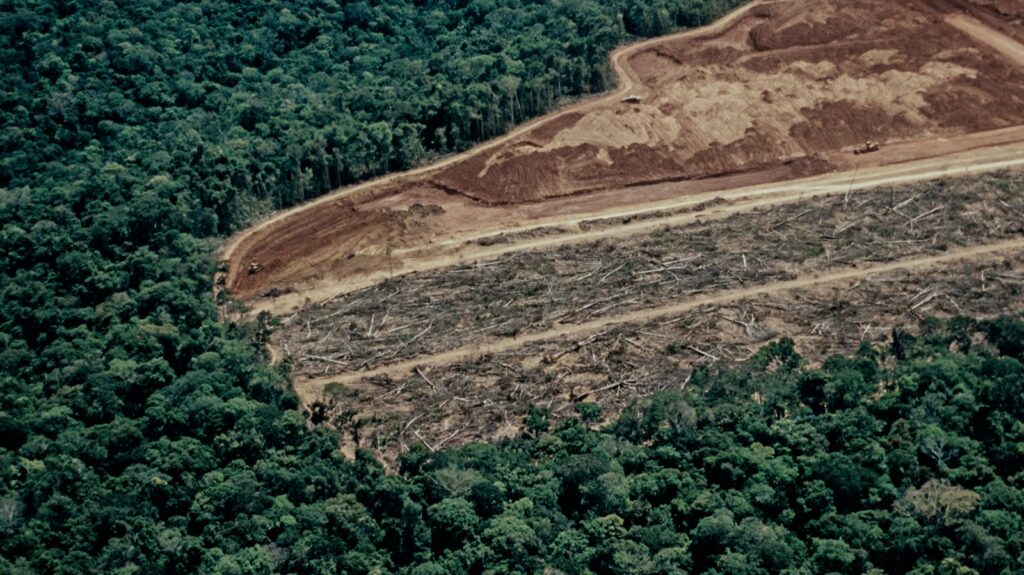
ICEYE, a Finnish aerospace company that owns and operates the world’s largest constellation of Synthetic Aperture Radar (SAR) satellites and is a global leader in disaster intelligence from space has launched its deforestation monitoring solution. This technology is designed to provide law enforcement agencies, government officials, and conservation organisations with near real-time visibility into forest loss, even in the most cloud-covered regions of the world, as SAR-powered monitoring delivers reliable insights through cloud cover, enabling near real-time response to illegal logging and mining
The launch comes amid sustained pressure to protect the Amazon rainforest. According to Global Forest Watch, Brazil lost 28 million hectares of tree cover between 2000 and 2020, which is a nearly six percent net decline, reflecting a long-term trend that continues to challenge enforcement efforts in remote and cloud-covered regions. While enforcement efforts have reduced deforestation from peak levels seen earlier this decade, illegal clearing remains persistent and highly adaptive.
Traditional optical satellites often struggle in tropical regions where heavy cloud cover can obscure imagery for days or weeks at a time. These monitoring gaps create enforcement blind spots, limiting authorities’ ability to respond proactively when illegal clearing occurs. Without reliable evidence and verification, forest loss can expand before action is possible.
ICEYE’s synthetic aperture radar constellation closes that gap. SAR imagery operates day and night through all weather conditions providing persistent monitoring even in the cloudiest parts of the Amazon. The system delivers incremental deforestation detections with pre- and post-event imagery for a clear evidence trail.
“When forests are under threat, timing is everything,” said Andy Read, Vice President of Government Solutions at ICEYE, further adding, “SAR removes the blind spots that have historically limited monitoring and enables a continuous stream of trusted intelligence. That shift in speed and persistence is game-changing for the authorities and conservation partners responsible for protecting these landscapes.”
ICEYE has monitored forest change across Brazil for several years, observing deforestation patterns in remote regions where optical monitoring has been intermittent. The formal launch of this solution marks an expansion of ICEYE’s environmental intelligence capabilities to deliver structured, repeatable monitoring designed specifically for enforcement agencies, conservation NGOs, and government ministries.
“Reliable, persistent monitoring is critical for protecting wildlife and natural habitats,” said Dr. Lilian Pintea, Vice President of Conservation Science at the Jane Goodall Institute, adding, “Illegal mining and deforestation are accelerating in remote regions. Access to near real-time, cloud-penetrating data strengthens our ability to document impacts, prioritise threats, and advocate for immediate action.”
Source Author
ICEYE’s monitoring supports the full ecosystem of forest protection, from NGOs’ advocacy and donor transparency to national climate reporting and environmental compliance. Meanwhile, enforcement agencies gain access to evidence-based deforestation data, enabling intervention during active operations. As pressure on tropical forests intensifies, persistent and reliable monitoring is foundational to global conservation efforts. ICEYE’s approach links continuous monitoring with forward-looking analytics to support long-term conservation strategies in Amazonia, Congo Basin and other threatened forest biomes around the world.
ICEYE is known for delivering intelligence in sectors such as defence and intelligence, insurance, natural catastrophe response and recovery, security, maritime monitoring, and finance, enabling decision-making that contributes to community resilience and sustainable development.
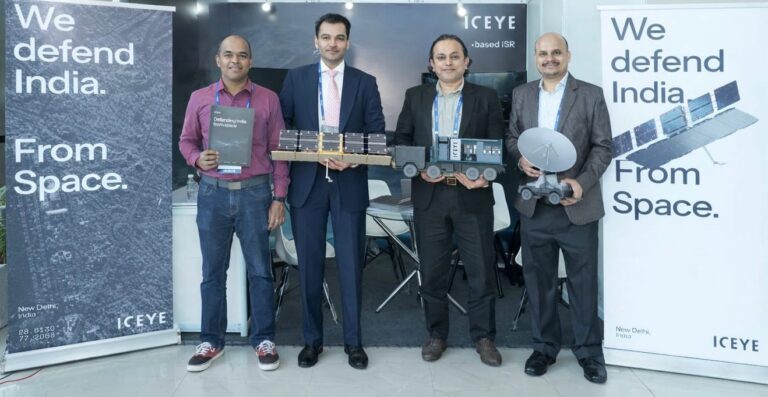
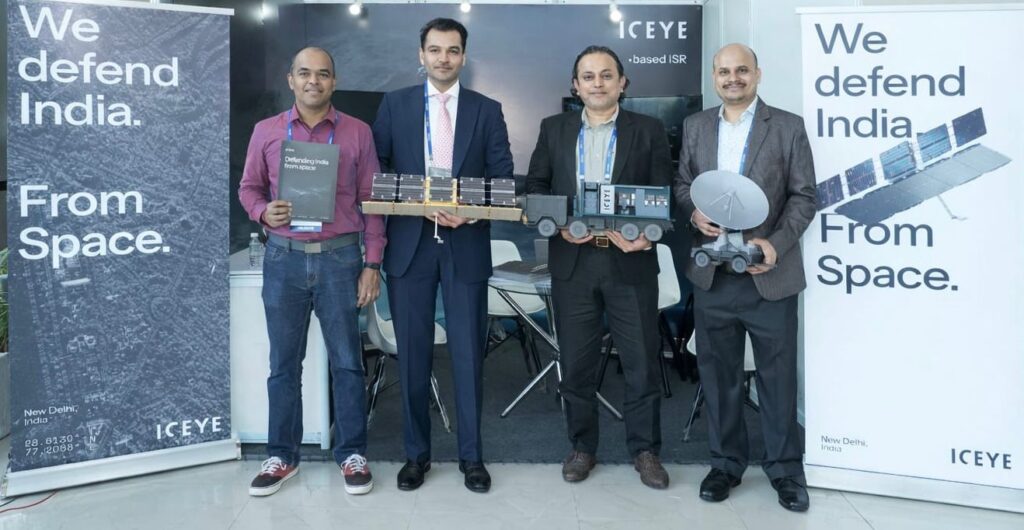
ICEYE Strengthens Engagement with India’s Defence-Space Ecosystem at DEFSAT 2026
ICEYE strengthened its engagement with India’s defence-space ecosystem through its active participation in DEFSAT 2026, held from 24–26 February at the Manekshaw Centre in New Delhi. With the theme “Space at the Core of National Security”, the flagship defence-space conference and exposition brought together military leaders, government policymakers, industry stakeholders, and international innovators to advance dialogue on space security, operational resilience, and strategic autonomy.
The event provided ICEYE with an opportunity to showcase its advanced SAR capabilities and to engage with key decision-makers on how resilient, all-weather Earth observation data can support defence, intelligence, and national security operations in India.
Partha P. Roy Chowdhury, Vice President, Missions, ICEYE, addressed stakeholders on the evolving role of space technology in India’s strategic landscape. In his keynote, he outlined how allied nations across Europe are now fielding sovereign SAR constellations within months of contract signature, and how ICEYE’s ITAR-free, turnkey approach can support India’s own ambitions for space-based surveillance at scale. Reflecting on ICEYE’s participation, he said, “DEFSAT 2026 provided a tremendous platform to engage with the defence, space, and technology community in India. The dialogues reinforced the critical importance of space-based data for national security, and we are grateful for the opportunity to deepen partnerships across services, government, and industry.”
ICEYE’s strategic engagement extended into key thought-leadership forums, including a high-level panel discussion on “EU–India Defence and Space Industrial Cooperation: From Strategic Alignment to Industrial Collaboration.” Abhishek Agarwal, Director of Business Development, ICEYE, represented the company alongside industry and government experts.“The dialogue clearly reflected the shift from strategic intent to tangible industrial collaboration, particularly in areas such as sovereign SAR capabilities, technology partnerships, and resilient supply chains,” remarked Agarwal, adding, “Flexible access to space-based intelligence is no longer optional; it is central to strengthening operational readiness and enabling trusted, long-term cooperation between European and Indian defence ecosystems. ICEYE is an active partner to defence and intelligence organisations in India, supporting critical monitoring requirements across the northern and eastern frontiers. Platforms like DEFSAT 2026 play a pivotal role in translating alignment into actionable collaboration.”
ICEYE’s contributions at DEFSAT-2026 highlighted the role of commercial SAR in augmenting situational awareness, disaster response, and security operations for India’s defence and civil authorities.
ICEYE operates internationally with offices in Finland, Poland, Spain, the UK, Australia, Japan, UAE, Greece, and the US. With its more than 900 employees, inspired by the shared vision of improving life on Earth by becoming the global source of truth in Earth Observation. Through its largest SAR constellation, ICEYE provides objective, near real-time insights, ensuring that customers have unmatched access to actionable data, day or night, even in challenging environmental conditions.
About the Author
Suman Sharma is a former instructor from the Indian Military Academy, Dehradun and has been a journalist for almost two decades in various respectable national and international media houses, covering and reporting on security, strategy, military diplomacy and international relations. She has won numerous national and international awards including the Great Women Achievers award.
The joint military offensive launched by the United States and Israel against Iran in late February 2026 represents one of the most consequential escalations in Middle Eastern geopolitics in decades. Framed by Washington and Jerusalem as a necessary act of pre-emptive self-defence, the strikes targeted Iran’s nuclear infrastructure, missile facilities, senior military leadership, and elements of its command-and-control apparatus. The killing of Iran’s Supreme Leader, Ayatollah Ali Khamenei, marked an unprecedented moment in the history of the Islamic Republic and signaled that the campaign extended beyond limited deterrence into the realm of strategic transformation. To understand why the United States and Israel undertook such a high-risk operation, one must examine the convergence of nuclear concerns, regional proxy warfare, missile proliferation, domestic political calculations, and the collapse of diplomatic efforts that had attempted unsuccessfully to restrain Tehran’s ambitions.
At the heart of the confrontation lies Iran’s nuclear program, a project that has generated international controversy for more than two decades. Iran insists its nuclear activities are peaceful and oriented toward civilian energy production and medical isotope development. However, Western intelligence agencies and the International Atomic Energy Agency (IAEA) have repeatedly raised concerns over enrichment levels and verification gaps. Under the 2015 Joint Comprehensive Plan of Action (JCPOA), Iran agreed to strict limitations on uranium enrichment and intrusive inspection regimes in exchange for sanctions relief. That agreement, endorsed by the United Nations Security Council, was designed to lengthen Iran’s “breakout time” the period required to accumulate sufficient fissile material for a nuclear weapon. The United States withdrew from the JCPOA during President Donald Trump’s first term, reimposed sanctions, and adopted a “maximum pressure” strategy aimed at compelling Tehran to negotiate a more comprehensive accord covering missiles and regional activities.
Following Washington’s withdrawal, Iran gradually reduced compliance with JCPOA restrictions, increasing enrichment levels and expanding stockpiles of uranium. By 2026, U.S. officials alleged that Iran possessed approximately 460 kilograms of uranium enriched to 60 percent purity technically below weapons-grade, but significantly above levels required for civilian reactors. American officials, including Special Envoy Steve Witkoff and Vice President JD Vance, argued that such a stockpile could be further enriched to weapons-grade levels within days or weeks. Tehran countered that enrichment at 60 percent remained legal under the Nuclear Non-Proliferation Treaty and was reversible in the context of a credible diplomatic settlement. Nonetheless, Israeli intelligence assessments concluded that Iran’s “threshold” status maintaining the capacity to rapidly assemble a weapon without formally crossing the line posed an intolerable existential risk to Israel’s security.
Israel’s security doctrine has long emphasized pre-emption against hostile states seeking nuclear weapons. Prime Minister Benjamin Netanyahu has repeatedly described a nuclear-armed Iran as a threat to Israel’s survival. Israeli leaders argue that Iran’s rhetoric calling for Israel’s destruction, combined with its sponsorship of militant groups, differentiates it from other nuclear-capable states. The strategic calculation in Jerusalem is that deterrence may not be reliable against a revolutionary regime that views confrontation with Israel as ideological. Thus, Israeli planners have for years prepared contingency operations to degrade Iran’s nuclear infrastructure, including facilities at Fordow, Natanz, and Isfahan. The joint operation in 2026 reportedly codenamed “Operation Epic Fury” by the United States and “Lion’s Roar” by Israel reflected the maturation of these plans into coordinated execution.
Beyond nuclear concerns, Iran’s ballistic missile program served as a central justification for the strikes. Iran has developed one of the largest missile arsenals in the Middle East, including medium-range systems capable of reaching Israel and U.S. bases across the Gulf. Although U.S. intelligence assessments suggested that an intercontinental ballistic missile capable of striking the American mainland might not be viable before 2035, policymakers in Washington emphasized Iran’s rapid progress in solid-fuel technologies and underground missile infrastructure. The construction of deeply buried enrichment and missile facilities some reportedly 70 to 80 feet underground fueled suspicions that Tehran was hardening assets against future attacks while advancing toward a more survivable deterrent capability.
Equally significant was Iran’s network of regional proxies, often described as the “axis of resistance.” Through the Islamic Revolutionary Guard Corps’ Quds Force, Iran has armed, trained, and financed groups such as Hezbollah in Lebanon, Hamas in Gaza, Shiite militias in Iraq and Syria, and the Houthi movement in Yemen. These organizations have engaged in hostilities against Israel, attacked U.S. personnel, and threatened maritime shipping in the Red Sea and the Strait of Hormuz. The October 7, 2023, Hamas attacks on Israel and the subsequent regional escalation intensified Israeli perceptions that Iran was orchestrating a multi-front encirclement strategy. By 2026, Israeli officials argued that allowing Iran to combine proxy warfare with nuclear threshold capability would dramatically shift the regional balance of power in Tehran’s favor.
The collapse of diplomatic engagement also contributed directly to the decision to strike. In early 2026, U.S. and Iranian negotiators engaged in indirect talks mediated by Oman and European partners. According to American officials, the United States demanded a complete halt to enrichment above low civilian levels, stringent verification, and restrictions on ballistic missile development. Iran reportedly insisted on its “inalienable right” to enrich uranium on its own soil and rejected demands to dismantle key facilities. While Omani mediators expressed cautious optimism, Washington concluded that Tehran was using negotiations to buy time and disperse sensitive materials. The perception rightly or wrongly that Iran was negotiating in bad faith hardened positions in both Washington and Jerusalem.
Domestic political considerations cannot be overlooked. In Israel, elections were approaching, and Netanyahu faced both security pressures and political vulnerabilities. A decisive strike against Iran offered the possibility of reshaping the strategic environment while reinforcing his leadership credentials. In the United States, President Trump had campaigned on preventing Iran from obtaining a nuclear weapon and restoring American deterrence credibility. After earlier limited strikes in 2025 that reportedly set back Iran’s program only temporarily, the administration may have concluded that incremental measures were insufficient. The decision to escalate reflected a belief that the strategic window for decisive action was closing.
Another dimension was the legal and normative framing of the operation. The United States invoked Article 51 of the UN Charter, asserting a right of self-defence against imminent threats. Critics, including Russia and China, described the attack as an unlawful act of aggression. European responses were divided, with some governments condemning Iranian retaliation while urging de-escalation. The legal debate underscores a broader tension in international law: whether anticipatory self-defence against a latent nuclear threat is permissible when concrete evidence of an imminent attack is contested.
The targeting profile of the strikes further illustrates their objectives. Initial waves reportedly focused on air defence suppression, missile launch sites, and command centers. Subsequentattacks struck naval assets and facilities associated with uranium enrichment. The killing of senior Iranian military commanders and ultimately Khamenei himself indicated an effort not merely to degrade capabilities but to disrupt strategic leadership continuity. Whether regime change was an explicit objective remains debated. President Trump publicly encouraged Iranians to “take back” their country, while Israeli officials called for liberation from authoritarian rule. Yet history suggests that external military pressure often strengthens hardline factions rather than catalyzes liberal transformation.
Iran’s response launching missiles at Israel and at U.S. bases in Bahrain, Qatar, Kuwait, and the United Arab Emirates demonstrated its willingness to broaden the conflict geographically. Attacks near the Strait of Hormuz and threats to maritime traffic highlighted the global economic stakes. Approximately 20 percent of the world’s petroleum flows transit that chokepoint. Any sustained disruption could trigger energy price spikes and reverberate through global markets. Thus, the decision to attack Iran carried not only military risk but systemic economic consequences.
In strategic terms, the United States and Israel appear to have calculated that the risks of inaction outweighed the risks of escalation. From their perspective, Iran was approaching a point where its nuclear threshold status, fortified underground infrastructure, and regional proxy network would become too entrenched to reverse without far greater cost. The strikes were intended to reset the strategic equation either by compelling Tehran back to the negotiating table under less favorable terms or by significantly delaying its path to nuclear capability. Whether this objective will be realized remains uncertain.
Historically, military strikes on nuclear facilities have produced mixed outcomes. Israel’s 1981 attack on Iraq’s Osirak reactor delayed Saddam Hussein’s program but did not eliminate his ambitions. Similarly, the 2007 Israeli strike on Syria’s Al-Kibar facility removed a clandestine reactor but did not spark regional war. Iran’s program, however, is far more dispersed, technologically advanced, and politically embedded. Destroying physical infrastructure does not erase technical knowledge or national resolve. Indeed, some analysts argue that the attack may incentivize Iran to pursue an explicit nuclear deterrent as a guarantee of regime survival.
Ultimately, the decision by the United States and Israel to attack Iran in 2026 reflects a convergence of strategic anxieties fear of nuclear proliferation, concern over missile and proxy warfare, frustration with stalled diplomacy, and shifting regional power balances. It also reflects divergent interpretations of deterrence and international law. For Washington and Jerusalem, the operation was a necessary act to prevent a hostile regime from acquiring irreversible capabilities. For Tehran and its supporters, it was an aggressive violation of sovereignty designed to impose regime change.
The long-term implications will depend on multiple variables Iran’s internal political transition after Khamenei’s death, the resilience of its security institutions, the stance of Gulf Arab states, and the willingness of major powers to mediate de-escalation. What is clear is that the strikes mark a watershed moment in Middle Eastern geopolitics. They underscore the fragility of nuclear diplomacy, the limits of sanctions as coercive tools, and the enduring appeal of military solutions when trust collapses. Whether this confrontation ultimately produces renewed negotiations, prolonged regional war, or a transformed Iranian political order remains to be seen. What cannot be disputed is that the attack was rooted in a complex interplay of nuclear fears, strategic rivalry, ideological hostility, and the perception shared in Washington and Jerusalem that the status quo had become unsustainable.
About the Author
Sonalika Singh began her journey as an UPSC aspirant and has since transitioned into a full-time professional working with various organizations, including NCERT, in the governance and policy sector. She holds a master’s degree in political science and, over the years, has developed a strong interest in international relations, security studies, and geopolitics. Alongside this, she has cultivated a deep passion for research, analysis, and writing. Her work reflects a sustained commitment to rigorous inquiry and making meaningful contributions to the field of public affairs.
Strategic partnerships are often tested not in moments of rhetorical alignment, but in the hard realities of economic negotiation. The relationship between India and the United States stands today as one of the most consequential axes of global politics. Over the past two decades, the two democracies have built a multidimensional partnership encompassing defense cooperation, critical technologies, resilient supply chains, clean energy transitions, and Indo-Pacific maritime strategy. Yet, even as strategic convergence strengthens, trade—the most measurable and materially consequential pillar of the relationship—continues to fluctuate between optimism and friction. Bilateral commerce has expanded in scale and sophistication, but recurring disputes over tariffs, market access, digital regulation, and industrial subsidies reveal persistent structural tensions. These tensions underscore a broader truth: strategic trust does not automatically translate into seamless economic alignment.
The recent turbulence surrounding U.S.-imposed tariffs, particularly those framed under reciprocity and national security justifications, has once again injected uncertainty into bilateral economic negotiations. Reports that the U.S. Supreme Court curtailed elements of certain tariff frameworks, combined with evolving policy signals from Washington, have reignited a central question: where does the India–U.S. trade deal truly stand? This article examines the legal, political, and geopolitical dimensions shaping the current impasse, analyzes the structural asymmetries and domestic pressures influencing both capitals, and evaluates whether economic pragmatism can align with strategic ambition. Ultimately, it argues that the future of the trade deal will not be determined by tariff percentages alone, but by the depth of trust, predictability, and long-term vision underpinning the broader partnership.
The Legal Shockwave: Tariffs, Reciprocity, and Institutional Constraints
Trade tensions between India and the United States have rarely erupted overnight; they typically build through incremental disputes over market access, subsidies, and regulatory standards. The recent tariff episode, however, introduced a sharper institutional dimension. The U.S. administration’s reliance on emergency trade powers and national security justifications to impose tariffs—including on steel and aluminium imports—triggered domestic legal scrutiny. When the Supreme Court of the United States reportedly curtailed aspects of these tariff frameworks, the impact extended beyond legal technicalities. It reshaped diplomatic calculations and injected fresh uncertainty into bilateral trade negotiations. For Indian exporters—particularly small and medium enterprises integrated into global value chains—the unpredictability of tariff policy complicated pricing, contracts, and long-term investment decisions. Solar modules and other industrial goods similarly faced volatility at a time when supply chain resilience was being elevated as a shared strategic priority. Recent American scrutiny of electric vehicle supply chains, semiconductor subsidies under industrial policy legislation, and tightened rules of origin requirements have further signaled that trade measures are increasingly embedded within broader strategic competition frameworks.
The Court’s intervention underscored the strength of institutional checks within the American constitutional system, yet it also revealed how deeply trade policy is intertwined with domestic political cycles. Debates in Washington over “reciprocal tariff” proposals, renewed emphasis on reducing trade deficits, and pressure from domestic manufacturing lobbies have reinforced perceptions that economic policy is increasingly shaped by electoral considerations. Simultaneously, disagreements over digital services taxation, data localization norms, and agricultural market access have resurfaced as negotiation flashpoints. India’s response has been calibrated rather than confrontational. Instead of immediate retaliation, New Delhi has opted for sustained engagement through trade policy forums while accelerating production-linked incentive (PLI) schemes and concluding trade agreements with other partners to hedge risk. The broader message is unmistakable: trade policy in Washington has become an arena where law, politics, and strategy intersect. For India, navigating this landscape now requires not only economic negotiation but also strategic foresight—recognizing that tariffs today function as instruments of leverage, domestic signaling, and geopolitical bargaining as much as tools of commerce.
Economic Interdependence in an Era of Strategic Competition
Despite episodic friction, economic interdependence between India and the United States remains deep, dynamic, and structurally consequential. The United States continues to rank among India’s largest trading partners, with bilateral trade in goods and services reaching record highs in recent years. Crucially, the relationship now extends far beyond traditional merchandise trade. Indian IT firms remain deeply embedded in the American services ecosystem, while U.S. technology giants have expanded investments in India’s digital economy, semiconductor ecosystem, and clean energy transition. Recent initiatives under the Initiative on Critical and Emerging Technology (iCET), expanded cooperation on semiconductor fabrication, and collaboration in defense manufacturing—ranging from jet engine technology discussions to co-production frameworks—underscore that economic engagement is increasingly intertwined with strategic imperatives. At the same time, American companies have accelerated “China-plus-one” diversification strategies, with India emerging as a preferred destination for electronics manufacturing, pharmaceuticals, and renewable energy supply chains. These shifts signal that economic ties are no longer transactional—they are foundational to broader geopolitical recalibration.
Yet asymmetry remains a defining feature. The United States, with diversified global trade networks and greater market leverage, retains stronger bargaining power in tariff negotiations. India, while one of the fastest-growing major economies, remains more vulnerable to sudden market access restrictions—particularly in labor-intensive exports such as textiles, pharmaceuticals, and engineering goods. Simultaneously, recent American industrial policies—such as domestic subsidy regimes favoring local manufacturing and tighter regulatory scrutiny on imports—have complicated the environment for external partners. Meanwhile, India has responded with production-linked incentive (PLI) schemes to boost domestic manufacturing capacity and reduce import dependence, signaling that economic resilience is now central to national strategy. This creates a paradox: both countries recognize the strategic necessity of supply chain alignment, especially amid intensifying competition with China, yet domestic political pressures on both sides constrain full liberalization. The trajectory of the trade deal, therefore, hinges on whether strategic foresight can override short-term protectionist signaling—transforming interdependence into durable economic architecture rather than episodic negotiation.
Geopolitics, Domestic Politics, and the Limits of Strategic Alignment
The India–U.S. trade equation cannot be understood in isolation from shifting geopolitical currents. The Indo-Pacific has become the principal arena of strategic contestation, where maritime security, technology governance, and supply chain resilience converge. Cooperation through the Quadrilateral Security Dialogue reflects a shared recognition that balancing China’s assertiveness requires deeper coordination among like-minded democracies. Joint naval exercises, expanded defense interoperability, and critical technology partnerships signal growing strategic trust. Yet, recent developments—from intensifying tensions in the South China Sea to disruptions in Red Sea shipping routes—have underscored how closely economic security is now tied to geopolitical stability. Initiatives such as semiconductor collaboration under bilateral technology frameworks and defense co-production agreements demonstrate that trade and strategy are no longer separate silos. However, this convergence also raises expectations: if strategic alignment is strong, why does economic friction persist? The answer lies not in diplomatic divergence but in domestic political constraints that shape trade decision-making in both capitals.
Strategic convergence, however, does not automatically produce economic accommodation. Trade policy remains one of the most politically charged domains in both democracies. In the United States, tariff rhetoric continues to resonate with constituencies concerned about manufacturing job losses, industrial decline, and trade deficits—particularly in an election-driven environment where economic nationalism carries bipartisan appeal. Recent proposals advocating stricter reciprocity standards and expanded domestic manufacturing incentives reinforce the narrative that trade must visibly benefit American workers. In India, too, electoral sensitivities shape policy. Protecting agriculture, small-scale industries, and emerging domestic manufacturing sectors remains politically imperative, especially as New Delhi advances self-reliance initiatives alongside production-linked incentive schemes. Meanwhile, global institutions such as the World Trade Organization face diminished authority, weakening multilateral dispute resolution mechanisms and amplifying bilateral tensions. The deeper question, therefore, is whether India and the United States can compartmentalize trade disagreements without allowing them to erode broader strategic cooperation. History offers cautious optimism—the civil nuclear breakthrough and defense foundational agreements survived earlier friction—but in an era of rising economic nationalism and fragmented globalization, maintaining that insulation demands far greater political discipline and long-term vision than ever before.
Strategic Patience or Strategic Drift? The Road Ahead for India–U.S. Trade
The current phase of engagement between India and the United States reflects a partnership in transition—caught between transactional tariff bargaining and the promise of structured economic alignment. On one hand, strategic cooperation is expanding in concrete ways. Under the Initiative on Critical and Emerging Technology (iCET), both sides have advanced semiconductor collaboration, including U.S. support for chip manufacturing and design ecosystems in India. Defense ties have moved beyond buyer–seller dynamics toward co-production, exemplified by jet engine technology cooperation and expanded defense industrial partnerships. American firms such as major semiconductor and electronics manufacturers have announced investments in India as part of “China-plus-one” diversification strategies, while Indian pharmaceutical and IT companies continue to deepen their footprint in U.S. markets. Yet, parallel to this progress, unresolved irritants persist—disagreements over digital services taxation, tightening U.S. subsidy regimes under domestic industrial policies, concerns over data localization, and longstanding tensions over agricultural access and tariff structures. Each side is careful not to concede ground that may carry domestic political costs, particularly in election-sensitive climates where trade debates are closely tied to employment, manufacturing revival, and strategic autonomy narratives.
This duality creates the risk of strategic drift. When disputes—such as steel and aluminium tariffs, market access for agricultural products, or regulatory scrutiny of technology flows—are repeatedly postponed rather than institutionally resolved, uncertainty becomes normalized. Businesses adjust through supply chain hedging, but long-term trust gradually absorbs strain. In Washington, electoral cycles intensify calls for tariff reciprocity and stricter industrial safeguards; in New Delhi, production-linked incentive (PLI) schemes and self-reliance initiatives signal a cautious approach to liberalization. Both capitals recognize that deeper economic integration strengthens their shared capacity to balance China and secure resilient supply chains. However, recognition alone is insufficient. Without structured dispute-resolution mechanisms, predictable tariff frameworks, and sector-specific confidence-building agreements—particularly in digital trade and clean energy—the partnership risks oscillating between strategic ambition and tactical friction. The challenge now is to convert episodic breakthroughs into institutionalized stability, ensuring that trade becomes a durable strategic asset rather than a recurring vulnerability.
Conclusion
At its core, the future of trade relations between India and the United States will not be decided by the next round of tariff adjustments or the resolution of a single dispute. It will be determined by whether both democracies are prepared to elevate trade from a bargaining instrument to a pillar of strategic architecture. Over the past two decades, the partnership has withstood sanctions, political transitions, and moments of diplomatic unease, emerging stronger each time because its foundations rested on converging long-term interests. Today’s trade friction is different in form but similar in implication: it tests whether economic nationalism and electoral calculations will narrow the horizon of cooperation, or whether strategic foresight will prevail. In a world marked by supply chain fragmentation, technological rivalry, and intensifying competition with China, the logic of deeper India–U.S. economic alignment is not ideological—it is structural. Both nations require resilient markets, diversified production networks, and trusted technology partnerships. Allowing trade volatility to persist unchecked would not merely slow commerce; it would weaken the very strategic ecosystem both are trying to build.
The challenge, therefore, is not to eliminate disagreement—no mature partnership is free of friction—but to institutionalize predictability. Trade must move from episodic negotiation to rule-bound engagement, from reactive tariff cycles to forward-looking sectoral compacts in digital trade, clean energy, defense manufacturing, and critical minerals. For India, this means leveraging its growing economic weight with confidence while sustaining reform momentum. For the United States, it requires reconciling domestic industrial renewal with the credibility expected of a global economic leader. If both sides can insulate long-term strategy from short-term political turbulence, the trade relationship can become the ballast of the broader partnership rather than its pressure point. Ultimately, the India–U.S. trade deal is not just a commercial arrangement—it is a litmus test for whether two of the world’s most influential democracies can align economic pragmatism with geopolitical vision. The choice before them is clear: remain trapped in cycles of tactical friction, or construct a durable economic compact capable of shaping the balance of power in the decades ahead.
About the Author
Khushbu Ahlawat is a research analyst with a strong academic background in International Relations and Political Science. She has undertaken research projects at Jawaharlal Nehru University, contributing to analytical work on international and regional security issues. Alongside her research experience, she has professional exposure to Human Resources, with involvement in talent acquisition and organizational operations. She holds a Master’s degree in International Relations from Christ University, Bangalore, and a Bachelor’s degree in Political Science from the University of Delhi.
Lula’s Call for Collective Resistance: Source Internet
Introduction
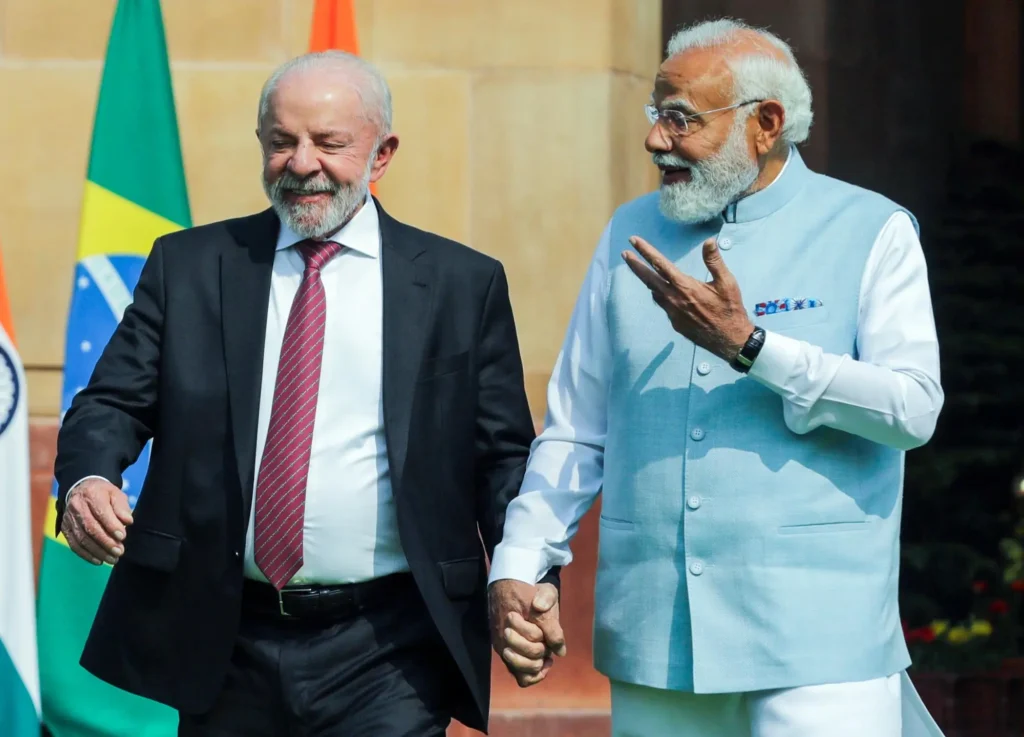
Brazilian President Luiz Inácio Lula da Silva’s recent remarks during his visit to India have reignited a fundamental debate about global trade governance, power asymmetry, and the future of the Global South. At a time when protectionism is resurfacing in major economies and unilateral tariff measures are increasingly deployed as instruments of geopolitical leverage, Lula’s statement that “small countries negotiating individually with bigger ones always lose” captures a widening frustration among developing nations. His call for collective bargaining rather than fragmented negotiations is not merely rhetorical; it signals a deeper structural realignment underway in global economic diplomacy.
The context of Lula’s intervention is critical. The resurgence of tariff wars—particularly linked to U.S. protectionist cycles—has reshaped global supply chains and injected uncertainty into trade regimes. For countries such as Brazil and India, which are major emerging economies yet remain vulnerable to shifts in Western policy, tariff escalation presents both economic and political risks. Lula’s proposal that nations of the Global South act together in negotiations reflects an attempt to rebalance global trade power dynamics through coalition-building platforms such as BRICS, G20, and expanded South-South cooperation frameworks.
This article examines the strategic meaning behind Lula’s position, situating it within Brazil’s trade diplomacy, India–Brazil relations, BRICS politics, U.S.–Global South tensions, and the broader transformation of multilateral trade governance. It argues that Lula’s stance is not a tactical reaction to immediate economic pressures but part of a deeper recalibration of Brazil’s foreign policy identity in an era of geopolitical fragmentation. By privileging coalition-based engagement over bilateral vulnerability, Brazil seeks to expand its negotiating leverage while safeguarding developmental policy space.
The article also explores how Lula’s approach intersects with India’s own advocacy of strategic autonomy and reform of global institutions, highlighting areas of convergence and friction within BRICS. Furthermore, it situates Brazil’s posture within escalating U.S.–Global South tensions over tariffs, sanctions, and supply-chain security, demonstrating how trade has become increasingly securitized. Ultimately, the article contends that Lula’s trade philosophy reflects a broader shift from liberal globalization toward contested, multipolar economic governance—where middle powers leverage collective platforms to reshape the rules rather than merely comply with them.
Lula’s Trade Philosophy: Collective Bargaining over Bilateral Vulnerability
Lula’s trade philosophy is deeply rooted in both his personal political evolution and Brazil’s long-standing diplomatic tradition of strategic autonomy. Emerging from the labor movements that challenged Brazil’s military regime, Lula developed a worldview shaped by resistance to inequality and external dependency. During his first presidency (2003–2010), he strengthened South–South cooperation, expanded Brazil’s engagement with Africa and Asia, and helped institutionalize BRICS as a platform for emerging power coordination. The commodities boom of that era reinforced the belief that collective action among developing economies could rebalance global governance structures historically dominated by Western powers. For Lula, multilateralism is not ideological symbolism but a strategic instrument to amplify bargaining capacity and protect national development priorities.
Drawing lessons from the Latin American debt crisis and more recent U.S. tariff measures on Brazilian steel and aluminum, Lula argues that bilateral negotiations with economic superpowers expose mid-sized economies to structural asymmetry. His current approach prioritizes bloc-based engagement through BRICS and similar coalitions to reduce vulnerability to unilateral trade pressures and the securitization of economic policy. By promoting alternative financial mechanisms, local currency trade settlements, and diversified partnerships, Lula seeks to redefine economic sovereignty as diversified interdependence rather than isolation. In an era marked by great-power rivalry and economic weaponization, his philosophy positions collective bargaining as both a pragmatic shield against volatility and a pathway toward a more multipolar and inclusive global economic order.
India–Brazil Convergence: Strategic Partnership in an Uncertain Trade Environment
India–Brazil convergence is not a recent phenomenon but the product of two decades of structured engagement. Diplomatic relations between the two countries date back to 1948, yet the partnership gained strategic momentum in the early 2000s. During the leadership of Prime Minister Atal Bihari Vajpayee and President Lula’s first term (2003–2010), both sides institutionalized cooperation through the creation of the IBSA Dialogue Forum in 2003 and later through BRICS in 2009. These platforms were designed to amplify the collective voice of major democracies from the Global South, particularly in trade negotiations and development financing debates. The shared experience of navigating post-Cold War globalization—while managing domestic development imperatives—fostered a natural alignment in multilateral forums.
Over time, economic complementarities strengthened the political foundation. Bilateral trade, which was modest in the 1990s, expanded significantly during the commodities boom of the 2000s, laying the groundwork for today’s $15–16 billion trade relationship. Both countries faced similar challenges during episodes of global financial instability—most notably the 2008 financial crisis—reinforcing the importance of diversified trade partnerships and South–South economic resilience. Cooperation within the G20, especially during the global economic downturn, further consolidated coordination on financial regulation reform and development-oriented growth strategies.
In recent years, collaboration has broadened into new domains such as renewable energy, biofuels, climate governance, and digital public infrastructure. Brazil’s global leadership in ethanol production aligns with India’s push for cleaner energy transitions, while India’s digital public goods model—particularly in financial inclusion and identity systems—has generated interest in Brazil. Defense and space cooperation discussions reflect both countries’ desire to diversify partnerships beyond traditional Western suppliers and enhance strategic autonomy. In this broader historical arc, Lula’s visit symbolizes continuity in a partnership that blends developmental pragmatism with geopolitical ambition, positioning India and Brazil as coordinated voices in an increasingly fragmented global trade order.
BRICS and the Architecture of Economic Counterbalance
Lula’s call for collective bargaining is deeply intertwined with the evolution of BRICS as a geopolitical and economic platform. Originally coined as “BRIC” in 2001 by Goldman Sachs economist Jim O’Neill to describe high-growth emerging economies, the grouping became institutionalized with its first leaders’ summit in Yekaterinburg in 2009 and expanded to include South Africa in 2010, transforming it into BRICS. From the outset, BRICS reflected dissatisfaction with Western dominance over global financial governance, particularly the IMF and World Bank, whose quota and voting structures were widely criticized as misaligned with contemporary economic realities. The aftermath of the 2008 global financial crisis strengthened this perception, as emerging economies bore spillover costs from instability originating in advanced markets. The creation of the New Development Bank (NDB) in 2014 and the Contingent Reserve Arrangement (CRA) marked concrete efforts to build alternative financial safety nets and development financing channels with fewer political conditionalities. Over time, annual summits expanded cooperation into areas such as health, digital economy, counterterrorism, and energy security. The bloc’s recent expansion to include Saudi Arabia, Iran, Egypt, Ethiopia, and the UAE significantly enhances its demographic, energy, and geopolitical weight, strengthening its claim to represent a broader Global South constituency and increasing its leverage in debates over trade and development governance.
In trade diplomacy, BRICS increasingly functions as a coordination platform against unilateral tariff pressures and financial coercion. Debates over local currency trade settlements and reduced reliance on the U.S. dollar gained traction following sanctions episodes on Russia and secondary sanctions affecting other economies, which exposed vulnerabilities in dollar-centric systems and cross-border payment networks such as SWIFT. Finance ministers and central bank governors within BRICS have intensified consultations on payment connectivity, credit rating alternatives, and development finance expansion. While internal divergences—particularly between India and China—limit full cohesion, and economic asymmetries persist between commodity exporters and manufacturing powerhouses, members share an interest in resisting securitized trade policies framed under national security justifications. Lula’s emphasis on collective negotiation aligns with this trajectory: tariff disputes are framed not as isolated bilateral tensions but as structural imbalances in global economic governance that require coordinated institutional responses. Despite challenges of asymmetry, geopolitical rivalry, and policy divergence within the bloc, BRICS remains a strategic hedge—an evolving architecture through which emerging economies seek greater bargaining power, financial resilience, and a more multipolar trade order.
U.S. Protectionism and the Reshaping of Trade Diplomacy
The resurgence of tariff politics in the United States—visible across successive administrations—has fundamentally altered global trade calculations. Beginning with the imposition of tariffs on steel and aluminum under Section 232 of the Trade Expansion Act and extending into broader strategic trade restrictions on China in sectors such as semiconductors, clean energy technologies, and advanced manufacturing, U.S. policy has increasingly linked trade to national security and domestic industrial revival. Even as rhetoric shifts between administrations, the structural emphasis on reshoring critical industries, reducing strategic dependencies, and protecting domestic employment has endured. Legislative measures such as the Inflation Reduction Act and the CHIPS and Science Act further institutionalized industrial policy tools, combining subsidies with trade preferences to incentivize domestic production. For emerging economies, this continuity signals that protectionism is no longer episodic but embedded within American economic statecraft. As a result, global markets face heightened unpredictability, with trade flows shaped not solely by comparative advantage but by geopolitical alignment and strategic competition.
For countries such as Brazil and India, the implications are significant. Export-dependent industries—from agriculture and steel to pharmaceuticals and technology components—can be exposed to sudden tariff barriers or regulatory restrictions. Supply chains are increasingly reorganized through “friend-shoring” and “near-shoring,” privileging political alliances over cost efficiency, thereby narrowing opportunities for non-aligned economies. Moreover, retaliatory cycles risk disadvantaging middle powers that lack the economic scale to impose equivalent countermeasures, particularly when disputes spill into multilateral forums such as the WTO, whose dispute resolution mechanisms have weakened in recent years. Lula’s critique therefore addresses structural asymmetry rather than individual administrations: smaller economies negotiating alone with a major power face inherent leverage deficits. Yet Brazil and India must pursue calibrated hedging rather than confrontation, deepening Global South coordination through BRICS and the G20 while preserving diversified trade engagement with the United States and Europe to avoid strategic isolation and economic retaliation.
Conclusion
President Luiz Inácio Lula da Silva’s intervention during his India visit ultimately reflects more than a critique of tariff politics—it signals a structural shift in how middle powers interpret sovereignty, vulnerability, and leverage in the 21st-century global economy. His assertion that smaller countries lose when negotiating individually with larger powers distills a central dilemma of contemporary trade governance: asymmetry has become embedded not only in market size but in the ability to weaponize finance, technology, and supply chains. In this context, coalition-building is not a rhetorical flourish of South–South solidarity but a strategic recalibration aimed at redistributing negotiating power in an era of securitized interdependence.
The transformation underway is not a simple binary between protectionism and free trade. Rather, it marks the erosion of the liberal multilateral consensus that characterized the post-Cold War decades. As tariff measures, export controls, and industrial policy instruments proliferate, trade diplomacy increasingly overlaps with strategic competition. Institutions designed to mediate disputes and preserve predictability face credibility challenges, while national security exemptions expand the policy space of major powers. For countries such as Brazil and India, whose developmental trajectories depend on external markets yet whose autonomy remains politically non-negotiable, this environment demands calibrated adaptation rather than ideological alignment. Within this shifting terrain, platforms like BRICS emerge as instruments of hedging. They do not replace engagement with Western economies, nor do they constitute a cohesive counter-bloc. Instead, they provide negotiating ballast—mechanisms through which emerging powers can diversify financial channels, coordinate responses to trade pressures, and incrementally influence rule-setting debates. The strategic logic is clear: collective weight mitigates bilateral vulnerability. Yet the effectiveness of such coordination will depend on internal coherence, the management of intra-bloc rivalries, and the capacity to translate political signaling into institutional innovation.
For India–Brazil relations, Lula’s articulation of collective bargaining reinforces an evolving partnership anchored in shared developmental priorities and strategic autonomy. Both states seek reform, not rupture—greater voice within existing institutions alongside parallel efforts to strengthen alternative platforms. The challenge lies in sustaining equilibrium: balancing Global South coordination with continued integration into Western markets and value chains.
Ultimately, Lula’s trade philosophy encapsulates a broader inflection point in global governance. As globalization fragments into competing spheres of influence and economic nationalism gains legitimacy, middle powers are redefining agency through coalition diplomacy. Whether this recalibration produces a more equitable multipolar order or merely a more complex arena of contestation will depend on how effectively these coalitions convert shared grievances into durable institutional reforms. In that uncertainty lies both the risk and the promise of the emerging trade order.
About the Author
Khushbu Ahlawat is a research analyst with a strong academic background in International Relations and Political Science. She has undertaken research projects at Jawaharlal Nehru University, contributing to analytical work on international and regional security issues. Alongside her research experience, she has professional exposure to Human Resources, with involvement in talent acquisition and organizational operations. She holds a Master’s degree in International Relations from Christ University, Bangalore, and a Bachelor’s degree in Political Science from the University of Delhi.
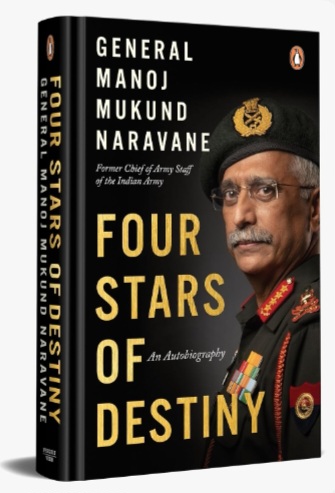
Working within the realms of ambiguity is the hallmark of a true leader. It is the crucible where the weight of the four stars is tested against the friction of political reality. Yet, the ongoing storm in Parliament over General M.M. Naravane’s stalled memoir, “Four Stars of Destiny”, raises a fundamental question about the nature of our higher echelons. Are we witnessing the rise of “leaders of convenience,” who prioritize personal legacy and post-retirement prospects over the decisive, often uncomfortable, actions required while in the chair?
In his memoir — excerpts of which have recently triggered acrimonious exchanges in the Lok Sabha—General Naravane recounts the night of August 31, 2020, as a “hot potato” moment. As Chinese tanks rumbled toward Rechin La, he describes a frantic search for clear orders from the very top. The message that finally reached him from the Prime Minister, conveyed via the Defence Minister (RM), was: “Jo uchit samjho, who karo” (Do whatever you deem appropriate).
The Protocol Fallacy
Apologists for the General argue that his hands were tied by the 1996 and 2005 bilateral agreements that forbade firing within 2km of the LAC, or that he was paralyzed by the need for concurrence from the bureaucratic China Study Group (CSG).
But this defence fails the moment one remembers the 20 brave Indian soldiers who made the supreme sacrifice at Galwan just weeks prior. Their blood was the ultimate testimony that the “peace deals” were dead; the enemy had already torn up the rulebook. To cite “no-firing” protocols while tanks are advancing in 2020 is not professional restraint; it is a failure of character. A leader of character recognizes when the strategic landscape has shifted and acts to protect the nation’s sovereignty. If the General felt the political leadership was “hollow,” his duty was to force a resolution—or resign in protest—while he still held the baton. Having chosen to be silent then, even if we assume to maintain a united front at the strategic levels with the “enemy at the gates”, he should have maintained his “omerta” in respect to the institution of COAS rather than write a post mortem now!
Delegation as a Test of Character
A true military leader also does not view a “carte blanche” from the political establishment as a burden. In the higher echelons of command, being told to “do what you deem fit” is the ultimate restoration of military authority. It is the moment the state trusts the General to be a commander, not a clerk.
Yet, Naravane’s narrative suggests he felt “onus” and “abandonment” rather than empowerment. This is the hallmark of a leader of convenience—one who is comfortable when the responsibility is shared by a committee, but who comes a cropper when the ambiguity of war requires a solitary, bold decision.
The Shadow of Ambition
The optics are further muddied by the race for the Chief of Defence Staff (CDS) post. During the long vacancy following General Bipin Rawat’s passing, the perception of “auditioning” for the role became unavoidable. When a sitting Chief seems to be navigating ideological currents or leveraging his home advantage to secure his next move, his objective military advice is compromised, as is the weight of any post retirement indictment he chooses to offer! Did the desire for the next “big post” temper the professional pushback required during the Ladakh crisis? A leader of character keeps both eyes on the battle; a leader of convenience keeps one eye on his next office. While Naravane has since claimed he “never questioned the wisdom of the government” regarding the CDS appointment, his memoir ironically seeks to do that and maybe also something to embarrass the govt, just to get even!
COAS on Probation
The govt also has an equal share in this fiasco by taking too long and playing musical chairs with the military hierarchy in their selection to the CDS. The tragedy of the nine-month CDS vacancy was that it forced a sitting Chief into an unintended “probation.” For a commander leading a standoff at the LAC, even the whisper of a post-retirement ‘reward’ is enough to devalue his strategic voice. The powers that be should surely realize the damage that this could do to the institution of COAS and CDS in particular and the Services at large!
The Verdict
The moral authority of the baton is not a pensionable asset to be spent later in a tell-all book. A General who waits for a book deal to find his voice hasn’t led; he has merely observed.
If we allow the “Retirement Revelation” to become the standard for our top brass, we degrade the institution of the Army Chief. We need leaders of character who are willing to risk their careers for the mission, not leaders of convenience who save their “truths” for the publisher. True leadership is exercised when the risk is personal and the consequences are immediate—not in a four-star post-mortem written from the comfort of a study.
The dramatic deterioration in relations between Pakistan and the Afghan Taliban marks one of the most consequential geopolitical reversals in South Asia in recent decades. Once perceived as strategic allies bound by ideological affinity and convergent interests against external actors, Islamabad and Kabul now find themselves locked in escalating hostility that borders on open conflict. The transformation is striking: Pakistan, long accused of nurturing and sheltering the Taliban during the U.S.-led intervention in Afghanistan, is today conducting cross-border strikes against targets inside Afghan territory. Meanwhile, the Taliban regime in Kabul resists Pakistani pressure, asserts sovereignty over contested border regions, and deepens diplomatic outreach beyond Islamabad’s traditional sphere of influence.
This rupture is not a sudden rupture but the culmination of structural contradictions embedded in Pakistan’s long-standing “strategic depth” doctrine. For decades, Pakistan’s military establishment viewed a friendly regime in Kabul as essential to offset India’s influence and secure its western flank. The Taliban’s return to power in August 2021 was therefore initially welcomed in Islamabad as a geopolitical dividend. Yet the outcome has proved far more complex. Instead of subservience, the Taliban have pursued autonomy; instead of stability, Pakistan faces intensified attacks from the Tehreek-e-Taliban Pakistan (TTP). What was once considered a strategic asset has evolved into a multidimensional liability.
Understanding this shift requires unpacking three interconnected dynamics: the Durand Line dispute, the resurgence of the TTP, and the Taliban’s recalibrated foreign policy, particularly its cautious outreach to India and regional powers. Together, these factors illuminate why former allies are drifting toward confrontation and what this means for the broader regional order.
Historical Foundations: Strategic Depth and Its Miscalculations
Pakistan’s Afghanistan policy since the late 1970s has been deeply shaped by two enduring strategic anxieties: its rivalry with India and its fear of encirclement. Within the Pakistani military establishment, particularly the General Headquarters (GHQ) in Rawalpindi, Afghanistan was never viewed merely as a neighbouring state; it was seen as a critical buffer space. The concept of “strategic depth” emerged from this worldview — the belief that a friendly or compliant government in Kabul would provide Pakistan with rear security in the event of a conventional war with India and prevent New Delhi from gaining a foothold on Pakistan’s western flank. This thinking crystallized during the anti-Soviet jihad (1979–1989). When the Soviet Union invaded Afghanistan in 1979, Pakistan became the frontline state for the U.S.-led effort to arm and fund Afghan mujahideen factions. With financial and military support from the United States and Saudi Arabia, Pakistan’s Inter-Services Intelligence (ISI) played a central role in selecting, training, and equipping Islamist groups fighting Soviet forces. This period institutionalized Pakistan’s influence networks within Afghanistan and reinforced the belief that militant proxies could serve long-term strategic objectives.
After the Soviet withdrawal and the collapse of Afghanistan into civil war, Pakistan backed factions it believed would secure its interests. When the Taliban emerged in the mid-1990s under Mullah Mohammad Omar, promising order amid chaos, Islamabad quickly recognized their potential utility. In 1997, Pakistan formally recognized the Taliban regime, becoming one of only three countries to do so, alongside Saudi Arabia and the United Arab Emirates. The Taliban’s ideological conservatism was less important to Islamabad than their geopolitical orientation: they were perceived as anti-India, anti-Iran (at the time), and dependent on Pakistani logistical and diplomatic support.
During the Taliban’s first rule (1996–2001), Islamabad believed its strategic objectives were largely being met. India’s diplomatic presence in Afghanistan was eliminated, and Pakistan enjoyed considerable influence in Kabul’s political and security circles. The expectation was that this alignment would translate into long-term stability along the western border and suppress Pashtun nationalist claims that historically challenged Pakistan’s control over its frontier regions. The events of 9/11 fundamentally disrupted this equation. After the United States launched its military intervention in Afghanistan in October 2001, Pakistan officially aligned itself with Washington as a key non-NATO ally in the “War on Terror.” However, this alignment was layered with strategic ambiguity. While Pakistan cooperated with U.S. counterterrorism efforts and received billions in military and economic aid, it was widely accused of maintaining selective tolerance for Afghan Taliban elements operating from its territory. This dual-track policy was rooted in long-term calculations: Pakistan feared that the eventual U.S. withdrawal would leave behind a power vacuum, and it sought to retain leverage over any future political settlement in Kabul.
Over two decades of conflict, the Afghan Taliban reorganized and regrouped, benefiting from sanctuary networks and cross-border tribal linkages. Meanwhile, Pakistan’s own security landscape became increasingly volatile with the rise of the Tehreek-e-Taliban Pakistan (TTP), a militant umbrella organization formed in 2007. Unlike the Afghan Taliban, the TTP directed its violence against the Pakistani state itself. Nevertheless, Islamabad continued to differentiate between “good” and “bad” Taliban, maintaining that the Afghan Taliban were strategically useful while the TTP posed an existential threat.
When the Taliban regained control of Kabul in August 2021 following the U.S. withdrawal under the Doha Agreement, Pakistan’s leadership initially viewed the development as a strategic vindication. Statements from senior Pakistani officials suggested a sense of triumph, interpreting the Taliban’s return as the collapse of Indian influence and Western presence in Afghanistan. There was a widespread expectation within Pakistan’s security establishment that the new Taliban regime would prioritize Islamabad’s concerns, particularly by curbing TTP activities and recognizing the Durand Line as the official border.
However, these assumptions underestimated two structural realities. First, the Taliban, despite years of external support, are fundamentally rooted in Afghan nationalism. Their leadership has consistently resisted the perception of being Pakistan’s proxy. Domestic legitimacy within Afghanistan requires demonstrating independence from foreign influence — especially from Pakistan, which many Afghans historically view with suspicion. As a result, the Taliban have been reluctant to concede on politically sensitive issues such as border recognition or decisive military action against the TTP. Second, the Taliban’s victory in 2021 had a powerful symbolic impact across militant networks in the region. The success of an insurgent movement in expelling a superpower emboldened ideologically aligned groups, including the TTP. Instead of weakening anti-Pakistan militancy, the Taliban takeover indirectly strengthened it. The TTP found renewed sanctuary and operational space across the porous border, increasing attacks within Pakistan’s Khyber Pakhtunkhwa and Balochistan provinces.
Thus, the strategic depth doctrine began to unravel under the weight of its own contradictions. A policy designed to secure Pakistan’s western frontier instead contributed to internal instability. A regime expected to function as a compliant partner asserted sovereign autonomy. What Islamabad perceived as a geopolitical asset evolved into a complex liability, exposing the limits of proxy-based regional strategy in a transformed post-American Afghanistan.
Border Faultlines: The Durand Line and Escalating Military Tensions
At the heart of current tensions lies the unresolved status of the Durand Line, the 2,640-kilometre boundary demarcated in 1893 between British India and Afghanistan. Pakistan regards the Durand Line as the legitimate international border, inherited under international law after 1947. Afghanistan, however, has historically disputed its legitimacy, arguing that it divided Pashtun tribal lands without proper consent. No Afghan government—monarchist, republican, or Taliban—has formally recognized the border. Pakistan’s attempt to fence the entire border accelerated after 2017 to curb cross-border militancy. The project, involving hundreds of checkpoints and surveillance installations, was framed as a security necessity. Yet Taliban fighters have repeatedly dismantled fencing segments, declaring them illegal encroachments.
Since 2022, border clashes have intensified in regions such as Torkham, Chaman, Spin Boldak, and Kunar. Artillery exchanges, closure of trade crossings, and civilian displacement have become recurring features. These incidents signify more than tactical disagreements; they reflect a clash between Pakistan’s security-driven border consolidation and the Taliban’s refusal to legitimize colonial-era demarcations. The border question also carries symbolic weight. For the Taliban, acquiescing to Pakistani demands risks undermining domestic legitimacy among Pashtun constituencies. For Pakistan’s military establishment, failing to assert control undermines state authority and emboldens insurgents. Thus, the Durand Line dispute has transformed into a litmus test of sovereignty and power projection.
The TTP Challenge: Blowback and the Security Dilemma
The most immediate catalyst for hostility is the resurgence of the Tehreek-e-Taliban Pakistan (TTP). Formed in 2007, the TTP seeks to overthrow the Pakistani state and impose its version of Sharia law. It was responsible for some of the deadliest attacks in Pakistan’s history, including the 2014 Army Public School massacre in Peshawar.
Following Pakistan’s military operations—Zarb-e-Azb (2014) and Radd-ul-Fasaad (2017)—many TTP militants fled into Afghanistan. Islamabad expected that the Taliban’s return to power would result in decisive action against these elements. Instead, the Taliban have adopted a cautious approach. While occasionally facilitating talks between Islamabad and the TTP, they have resisted direct confrontation, viewing the group as ideological brethren and fellow jihad veterans. A temporary ceasefire brokered in 2021 collapsed in late 2022. Since then, TTP attacks have surged, particularly in Khyber Pakhtunkhwa and Balochistan. Pakistani officials accuse the Afghan Taliban of providing sanctuary and logistical support. Kabul denies these claims, insisting that Pakistan’s security issues are internal matters. In response, Pakistan has conducted airstrikes targeting suspected TTP hideouts inside Afghan territory, including in provinces such as Khost and Paktika. These strikes have killed militants but also civilians, provoking sharp condemnation from Kabul. The Taliban government has warned of retaliation and characterized the strikes as violations of sovereignty.
This dynamic exemplifies classic blowback: policies designed to cultivate militant proxies for external leverage have generated internal insecurity. Pakistan now confronts a security dilemma where coercion risks escalation, but restraint enables militant consolidation.
The India Factor and Regional Realignments
One of the most significant shifts complicating Pakistan–Taliban relations is the Taliban’s evolving approach toward India. Historically, India opposed the Taliban during their first regime (1996–2001) and supported the Northern Alliance. During the U.S.-backed Afghan Republic (2001–2021), New Delhi invested over $3 billion in infrastructure, development projects, the Afghan Parliament building, the Salma Dam (Afghan-India Friendship Dam), and capacity-building initiatives. For Pakistan, India’s growing footprint in Afghanistan was viewed through a zero-sum lens — as strategic encirclement. Islamabad’s support for the Taliban was partly driven by the objective of eliminating Indian influence from Afghan soil. However, after the Taliban’s return to power in 2021, India adopted a pragmatic recalibration rather than confrontation. It reopened channels of communication, resumed humanitarian assistance (including wheat shipments and medical aid), allowed limited diplomatic presence in Kabul, and engaged Taliban representatives in Doha and Afghanistan. The Taliban, seeking international legitimacy, economic relief, and political recognition, responded cautiously but positively. High-level engagements and the gradual normalization of contact indicate that both sides are willing to compartmentalize past hostilities in pursuit of present interests. For Pakistan, this development is strategically unsettling because it weakens the very premise of “strategic depth” — the assumption that a Taliban-led Afghanistan would automatically align against India.
Beyond India, the Taliban have pursued a broader strategy of regional diversification. They have engaged China on economic cooperation and the possible extension of the China-Pakistan Economic Corridor (CPEC) into Afghanistan, participated in Moscow-led regional dialogues, maintained working relations with Iran despite border and water disputes, and strengthened ties with Qatar and Central Asian republics. China’s approach remains cautious and transactional, focused on security assurances against militant spillover and potential mineral investments. Iran, meanwhile, has confronted the Taliban over water-sharing issues related to the Helmand River and refugee flows, demonstrating that Kabul’s assertiveness extends beyond Pakistan. Russia and Central Asian states maintain limited but pragmatic engagement aimed at containing instability. This multipolar outreach reflects the Taliban’s strategic intent to avoid overdependence on any single actor, particularly Pakistan. By expanding diplomatic options, the Taliban enhance their bargaining leverage, assert sovereign independence, and reduce vulnerability to external pressure. For Islamabad, this emerging autonomy challenges long-held assumptions about influence and control, underscoring the limits of proxy-based regional strategy in a rapidly shifting geopolitical environment.
Conclusion
The breakdown in Pakistan–Taliban relations marks a decisive strategic inflection point in South Asia. What Islamabad once considered a geopolitical triumph—the return of the Taliban to Kabul—has evolved into a complex security and diplomatic liability. The foundational logic of “strategic depth” has collided with Afghan nationalist assertion, the Durand Line dispute, and the resurgence of the Tehreek-e-Taliban Pakistan (TTP). Instead of ensuring a compliant western flank, Pakistan now faces cross-border militancy, escalating military tensions, and a Taliban leadership unwilling to be perceived as subordinate. Simultaneously, Kabul’s calibrated outreach to India, China, Russia, Iran, and Central Asian states reflects a deliberate attempt to diversify partnerships and enhance strategic autonomy.
This evolving confrontation underscores a broader lesson about proxy politics and regional power management. Influence built on tactical convergence rather than institutional trust is inherently fragile. For Pakistan, sustainable stability will require policy recalibration—strengthening internal security frameworks while institutionalizing diplomatic engagement with Kabul. For the Taliban, long-term legitimacy depends on balancing sovereignty with responsible regional conduct. The trajectory of this strained relationship will not only define bilateral ties but also shape the wider strategic architecture of South Asia in the years ahead.
About the Author
Khushbu Ahlawat is a research analyst with a strong academic background in International Relations and Political Science. She has undertaken research projects at Jawaharlal Nehru University, contributing to analytical work on international and regional security issues. Alongside her research experience, she has professional exposure to Human Resources, with involvement in talent acquisition and organizational operations. She holds a Master’s degree in International Relations from Christ University, Bangalore, and a Bachelor’s degree in Political Science from the University of Delhi.
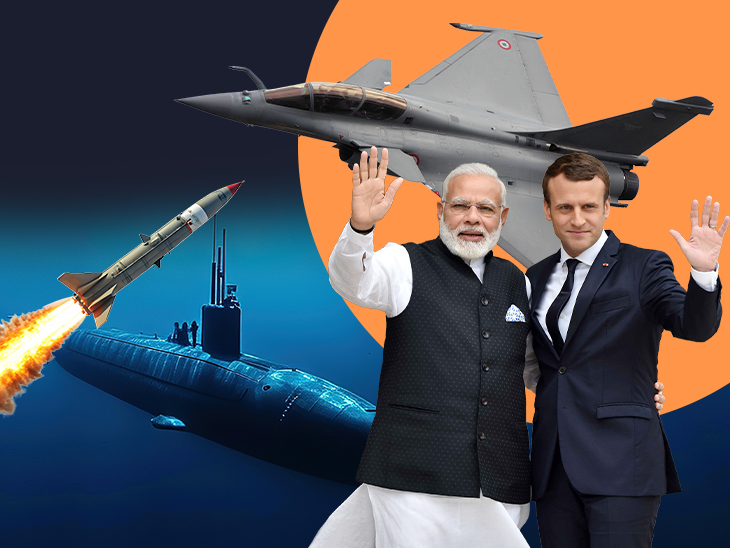
In February 2026, as French President Emmanuel Macron stood beside Prime Minister Narendra Modi during his official visit to India, the symbolism was unmistakable. The declaration that India–France ties stretch “from the deep oceans to the tallest mountains” was not diplomatic hyperbole; it captured the strategic breadth of a partnership that has matured into one of India’s most stable and trusted global relationships. What began as a buyer–seller defence equation in the 1950s has evolved into a comprehensive strategic alignment grounded in shared commitments to sovereignty, multipolarity, and strategic autonomy.
The 2026 visit, coinciding with the “India–France Year of Innovation,” underscored that the bilateral relationship is no longer confined to defence procurement. It now spans advanced technology, maritime security, space cooperation, climate transition, nuclear energy, and critical supply chains. Yet, at its core remains defence cooperation—the anchor of trust and continuity in a volatile international system. The transition underway—from procurement to co-development, from licensed assembly to intellectual property co-ownership—signals a decisive structural shift. The Rafale MRFA project and the unprecedented DRDO–Safran AMCA engine collaboration represent not merely defence contracts, but a redefinition of industrial sovereignty.
This article argues that 2026 marks an inflection point in India–France defence ties: a movement toward genuine technological partnership that could reshape India’s aerospace ecosystem and recalibrate power equations in the Indo-Pacific. Beyond conventional defence trade, the emerging framework emphasises co-design, joint research, industrial integration, and intellectual property sharing. Such a shift strengthens India’s strategic autonomy while positioning France as a pivotal long-term collaborator in advanced defence innovation and regional security architecture.
Historical Foundations: Trust Forged in Combat and Autonomy
India–France defence cooperation began formally in 1953, when India signed a contract with Dassault Aviation for the acquisition of the Dassault Ouragan fighter aircraft. Known in India as the “Toofani,” this platform marked one of independent India’s earliest major defence procurements from a Western supplier. At a time when India was still shaping its post-colonial strategic identity, the decision to diversify beyond British equipment signalled New Delhi’s desire for operational flexibility and diplomatic balance. The Toofani aircraft were not merely symbolic acquisitions; they were actively deployed during the 1961 liberation of Goa and undertook reconnaissance missions during the 1962 India–China War. These early operational deployments laid the foundation for institutional familiarity between the Indian Air Force (IAF) and French aerospace systems.
The partnership deepened with the induction of the Mystère IV, another Dassault platform that saw combat during both the 1965 and 1971 India–Pakistan wars. By this stage, French aircraft were no longer experimental additions but had become integrated into India’s frontline strike and air superiority capabilities. Importantly, this period established a pattern: French platforms proved reliable in high-intensity conflict conditions, reinforcing professional confidence within the IAF.
The late 1970s marked a structural shift from procurement to industrial collaboration with the induction of the SEPECAT Jaguar, a Franco-British aircraft. Nearly 180 Jaguars were delivered over two decades, with the majority manufactured under licence in India by Hindustan Aeronautics Limited. This arrangement went beyond simple purchase agreements; it embedded technology absorption, domestic assembly lines, and maintenance ecosystems within India’s defence industrial base. The Jaguar’s long service life—participating in operations ranging from the Indian Peace Keeping Force (IPKF) deployment in Sri Lanka to the 1999 Kargil War—demonstrated the durability of this industrial partnership.
In the 1980s, India inducted more than 50 Mirage-2000 fighters from Dassault Aviation. The Mirage-2000 became one of the most trusted platforms in the IAF’s inventory. During the 1999 Kargil War, its ability to deliver precision-guided munitions at high altitude proved decisive in neutralising fortified Pakistani positions. Two decades later, in the 2019 Balakot airstrike, Mirage-2000 aircraft again played a central operational role. These missions elevated the platform’s status from a tactical asset to a strategic instrument of deterrence. Both the Jaguar and Mirage fleets are widely assessed to contribute to the air-based leg of India’s nuclear triad, underscoring the level of trust reposed in French-origin systems.
Perhaps most significantly, the partnership endured geopolitical turbulence. Following India’s 1998 nuclear tests, several Western countries imposed sanctions and restricted defence cooperation. France, however, maintained engagement and avoided a punitive rupture. This decision left a lasting impression in New Delhi’s strategic community. It reinforced the perception that Paris pursues an independent foreign policy and values long-term strategic partnerships over short-term political signalling. Thus, over seven decades, India–France defence ties have evolved through combat-tested platforms, licensed production, industrial learning, and diplomatic steadiness. The continuity of engagement—across wars, sanctions, and shifting global alignments—has forged a rare foundation of trust. It is this accumulated operational confidence and shared commitment to strategic autonomy that continues to anchor the bilateral defence partnership today.
India’s fighter squadron strength has declined to nearly 30 squadrons against a sanctioned strength of 42, creating a widening operational gap at a time of growing regional security challenges. The Defence Acquisition Council’s Acceptance of Necessity for 114 Multi-Role Fighter Aircraft (MRFA) — widely expected to favour additional Dassault Rafale jets — reflects the urgent need to restore combat capability. Unlike the earlier 2007 MMRCA tender, which collapsed over cost and liability disputes and led to the 2016 Intergovernmental Agreement for 36 Rafales, the new MRFA proposal is designed to go beyond procurement. Under current plans, 18 aircraft would be delivered in fly-away condition, while more than 90 would be manufactured in India with substantial transfer of technology (ToT), targeting over 50 percent indigenous content under the Defence Acquisition Procedure 2026. This approach aligns with India’s broader goal of reducing import dependency while simultaneously strengthening deterrence capabilities across both western and northern borders.
At the heart of this shift is an expanding industrial ecosystem led by Dassault Aviation in partnership with Tata Advanced Systems Limited and other Indian firms. The upcoming Rafale fuselage plant in Hyderabad and Maintenance, Repair, and Overhaul (MRO) facilities in Noida signal India’s integration into Dassault’s global supply chain. Collaboration with Safran (engines), Thales (avionics), and MBDA (missile systems) further strengthens this ecosystem. Beyond manufacturing, the project is expected to generate skilled employment, boost MSME participation in aerospace supply chains, and encourage technology absorption in advanced materials and avionics. Valued at around US$35 billion, the MRFA deal could become the largest in IAF history and would consolidate the Rafale as a unified platform across both air force and naval variants, streamlining logistics, training, and operational readiness well into the 2030s while bridging the gap until the indigenous AMCA becomes operational.
The AMCA Engine Breakthrough: A Strategic Game-Changer
If the Rafale MRFA deal strengthens India’s fighter fleet, the AMCA engine partnership strengthens India’s technological independence. The agreement between the Defence Research and Development Organisation (DRDO) and Safran to jointly develop a powerful 120–140 kN engine for India’s Advanced Medium Combat Aircraft (AMCA) is a major milestone. For the first time, India will receive 100 percent transfer of technology for highly sensitive engine components, including single-crystal turbine blades and advanced heat-resistant materials. These parts are critical because they allow engines to function at extremely high temperatures without losing performance.
Jet engines are among the most complex machines in the world. Very few countries have the capability to design and produce advanced fighter jet engines on their own. At present, only the five permanent members of the UN Security Council—the United States, Russia, China, the United Kingdom, and France—have full expertise in this field. Through this partnership, India moves closer to joining this small group of technologically advanced nations. The new engine will power the AMCA Mk2, expected to enter service in the mid-2030s, with testing likely to begin around 2028. But the impact goes beyond one aircraft. The same engine technology could later be used in unmanned combat drones (UCAVs) and future naval fighter jets. Importantly, producing engines in India reduces the risk of supply disruptions or sanctions during geopolitical crises.
India’s earlier Kaveri engine project did not succeed, but it helped Indian scientists gain valuable experience in metallurgy and engine design. The Safran partnership builds on those lessons. Unlike older agreements where India only assembled foreign engines, this project involves joint design, shared expertise, and Indian ownership of intellectual property. In simple terms, India is not just buying an engine—it is learning how to build one, improve it, and control its future development.
Expanding the Strategic Canvas: Trade, Technology, and Indo-Pacific Convergence
India–France defence cooperation today operates within a much wider economic, technological, and geopolitical framework. Bilateral trade has crossed €15 billion in recent years, with both governments setting ambitious targets for expansion in high-technology sectors such as green hydrogen, semiconductors, artificial intelligence, cyber security, and critical minerals supply chains. France has emerged as one of the leading European investors in India, with cumulative investments exceeding €10 billion across infrastructure, metro rail projects, renewable energy, smart cities, and aerospace manufacturing. Companies such as Airbus, Safran, Thales, and EDF have significantly expanded their industrial footprint in India, aligning with New Delhi’s push for domestic manufacturing and resilient supply chains.
Civil nuclear cooperation remains a strategic pillar. The proposed Jaitapur Nuclear Power Project in Maharashtra—planned in partnership with EDF—is expected to host six EPR reactors and, upon completion, become the world’s largest nuclear power facility. Though negotiations over pricing and liability frameworks have been complex, the project symbolizes long-term trust in sensitive, high-technology domains. Beyond electricity generation, Jaitapur represents energy security, low-carbon transition goals, and India’s commitment to diversifying its clean energy mix. It also reflects France’s confidence in sharing advanced reactor technology and supporting India’s long-term nuclear expansion strategy.
Space cooperation between Indian Space Research Organisation (ISRO) and National Centre for Space Studies (CNES) continues to deepen, particularly in earth observation, climate monitoring, and maritime domain awareness. Joint satellite missions enhance surveillance across the Indian Ocean Region, complementing defence cooperation. Maritime convergence has intensified through the Varuna naval exercises and reciprocal logistics agreements that allow access to French bases in the western Indian Ocean, including Réunion. As a resident Indo-Pacific power, France shares India’s concerns regarding freedom of navigation and strategic stability amid China’s expanding maritime presence.
Scholars such as C. Raja Mohan have argued that the India–France partnership reflects a “coalition of autonomy,” where both states seek multipolar balance without alliance entanglements. Similarly, strategic analyst Harsh V. Pant notes that France’s willingness to share critical technologies distinguishes it from many Western partners. The India–EU Trade and Technology Council and ongoing FTA discussions further institutionalize this convergence. In this broader ecosystem, defence co-development does not stand alone; it reinforces economic interdependence, technological co-creation, and a shared Indo-Pacific strategic vision.
Conclusion
As Emmanuel Macron and Narendra Modi reaffirmed the depth of bilateral ties in 2026, it became clear that India–France defence cooperation has entered a decisive new phase. What began in the 1950s as a straightforward buyer–seller relationship has matured into a strategic partnership anchored in trust, resilience, and shared technological ambition. The collaboration between the Defence Research and Development Organisation and Safran on next-generation jet engines, alongside the expanding industrial ecosystem around Dassault Aviation and the Rafale platform, demonstrates a shift from procurement to co-development. This transition reflects more than defence modernisation—it signals India’s determination to achieve technological sovereignty and France’s willingness to act as a long-term, reliable strategic partner in a turbulent global environment.
In a world increasingly shaped by geopolitical competition and supply chain vulnerabilities, the India–France partnership offers a model of strategic autonomy without alliance dependency. Defence cooperation now intersects with maritime security, civil nuclear energy, space collaboration, and Indo-Pacific stability, forming an integrated framework of shared interests. Beyond immediate capability enhancement, these initiatives are laying the foundations for joint research ecosystems, skilled workforce development, and deeper private-sector integration across aerospace and high-technology domains. As India strengthens its aerospace capabilities and France reinforces its Indo-Pacific footprint, both nations are positioning themselves not merely as partners, but as co-architects of a more balanced, technologically empowered, and multipolar global order for the decades ahead.
About the Author
Khushbu Ahlawat is a research analyst with a strong academic background in International Relations and Political Science. She has undertaken research projects at Jawaharlal Nehru University, contributing to analytical work on international and regional security issues. Alongside her research experience, she has professional exposure to Human Resources, with involvement in talent acquisition and organizational operations. She holds a Master’s degree in International Relations from Christ University, Bangalore, and a Bachelor’s degree in Political Science from the University of Delhi.
India Between Israel and Palestine Tensions: Source Internet
Introduction
In an era defined by sharpening geopolitical fault lines, India’s West Asia policy stands at a delicate crossroads. Prime Minister Narendra Modi’s recent high-profile engagement with Israel—amid intensifying violence in Gaza and regional polarization—has renewed debate over whether India is recalibrating its historically balanced approach toward a more overt strategic alignment. The stakes are high. West Asia is not merely a distant theatre of conflict; it is central to India’s energy security, diaspora interests, maritime connectivity ambitions, and emerging trade corridors such as the India-Middle East-Europe Economic Corridor (IMEC). For decades, India carefully balanced solidarity with Palestine and pragmatic engagement with Israel. Yet the current geopolitical environment—shaped by the October 2023 Hamas attacks, Israel’s military response in Gaza, U.S.–Iran tensions, and great-power competition—has intensified scrutiny of India’s diplomatic posture. Is New Delhi abandoning strategic autonomy for strategic partnership? Or is it practicing a refined form of multi-alignment suited to a multipolar world?
This article argues that India is not “taking sides” in the conventional sense. Rather, it is attempting to institutionalize a strategic equilibrium—deepening defense and technology ties with Israel while preserving historical commitments to Palestinian statehood and maintaining robust relations with Arab partners. Understanding this recalibration requires historical grounding, geopolitical analysis, and attention to recent diplomatic initiatives.
Historical Foundations: From Non-Alignment to Calibrated Engagement
India’s calibrated approach toward Israel and Palestine must be understood not merely as diplomatic maneuvering, but as part of a broader civilizational and strategic worldview that evolved across distinct geopolitical phases. In the early decades after independence, India’s support for Palestine was embedded within its anti-colonial identity and leadership role in the Global South. Jawaharlal Nehru viewed the Palestinian struggle through the prism of decolonization, drawing parallels with India’s own freedom movement. This normative positioning was reinforced by India’s central role in the Non-Aligned Movement (NAM), where solidarity with Arab nations strengthened New Delhi’s moral stature among postcolonial states. Energy interdependence further deepened this alignment. By the 1970s, West Asia had become indispensable to India’s oil security. Simultaneously, the migration of millions of Indian workers to the Gulf created socio-economic linkages that made political goodwill with Arab governments a strategic necessity. Support for the Palestinian cause thus aligned moral principle with pragmatic economic calculation.
The end of the Cold War, however, marked a structural inflection point. The collapse of the Soviet Union deprived India of a key strategic partner, while economic liberalization compelled integration with global technology and defense markets. Establishing full diplomatic relations with Israel in 1992 was therefore less an ideological shift and more a recalibration to emerging systemic realities. Israel’s advanced defense technologies, agricultural innovations, and intelligence capabilities complemented India’s modernization needs. The 1999 Kargil conflict became a pivotal moment, reportedly accelerating defense cooperation and fostering operational trust. Over the following decades, ties expanded into counterterrorism, cyber security, water management, and innovation ecosystems. Prime Minister Narendra Modi’s 2017 visit to Israel symbolically marked the institutionalization of this partnership, while India simultaneously maintained high-level engagement with Palestine, including development assistance and budgetary support.
This historical trajectory reveals continuity within change. India’s West Asia diplomacy has consistently combined normative commitments with strategic pragmatism. Rather than oscillating between ideological poles, New Delhi has pursued strategic autonomy—seeking to preserve flexibility in an increasingly polarized region. The present moment, shaped by renewed conflict and shifting regional alignments, represents not a rupture but the latest phase in this long pattern of calibrated engagement.
The Strategic Deepening of India–Israel Ties
What began as a cautious and politically sensitive engagement has evolved into one of India’s most strategically significant partnerships in West Asia. Today, Israel stands among India’s leading defense collaborators, supplying advanced missile systems such as the jointly developed Barak-8 (MR-SAM/LR-SAM), unmanned aerial vehicles including the Heron platform, precision-guided munitions, and sophisticated border surveillance technologies. Over the past decade, the relationship has moved beyond a traditional buyer–seller framework toward co-development and joint innovation under India’s “Make in India” initiative. Institutional mechanisms such as the India–Israel Industrial R&D and Technological Innovation Fund (I4F) have fostered collaboration in defense-adjacent technologies and civilian high-tech sectors. Cooperation now extends into cybersecurity architecture, counterterrorism intelligence-sharing, and homeland security frameworks—areas that gained renewed urgency following the October 7, 2023 Hamas attacks and Israel’s subsequent military operations in Gaza.
Beyond defense, the partnership has entered a technologically transformative phase. Bilateral engagement increasingly centers on artificial intelligence, quantum communication, semiconductor design, space collaboration between ISRO and the Israel Space Agency, water desalination systems, and climate-resilient agriculture. Recent discussions have focused on semiconductor ecosystem cooperation, aligning India’s production-linked incentive schemes with Israel’s strengths in chip design and deep-tech innovation. The operationalization of labor mobility agreements in 2024—facilitating employment opportunities for thousands of Indian workers in Israel’s construction and caregiving sectors—adds a new societal dimension to what was once an elite strategic partnership. Trade diversification, fintech collaboration, renewable energy projects, and academic exchanges further embed the relationship within long-term developmental frameworks.
Geopolitically, India–Israel ties are now nested within broader minilateral and connectivity initiatives. The I2U2 grouping (India, Israel, UAE, United States) and the proposed India–Middle East–Europe Economic Corridor (IMEC), announced during the 2023 G20 Summit in New Delhi, position Israel within a larger geo-economic architecture linking South Asia to Europe via the Gulf. While regional instability has complicated implementation timelines, these frameworks underscore Israel’s strategic relevance to India’s supply-chain diversification and technological sovereignty goals. As scholars such as Efraim Inbar argue, Israel views India as a civilizational partner and stabilizing Asian power, while Indian analysts like C. Raja Mohan interpret the relationship as central to India’s pursuit of multipolar strategic autonomy. In an era of geopolitical volatility and technological competition, the India–Israel partnership has matured into a multidimensional alliance—simultaneously strategic, technological, and geo-economic in scope.
Palestine, Arab Partnerships, and Strategic Balancing
India’s West Asia calculus extends far beyond Israel; it is anchored in deep structural interdependence with the Arab world. The Gulf region supplies more than half of India’s crude oil requirements and an increasing share of its liquefied natural gas imports, making energy security inseparable from regional stability. Moreover, over eight million Indian expatriates reside across the Gulf monarchies, forming one of the largest overseas communities. Their remittances—amounting to tens of billions of dollars annually—constitute a stabilizing pillar of India’s external finances. Any diplomatic miscalculation in West Asia therefore carries immediate economic and social consequences.
Over the past decade, India’s relations with the United Arab Emirates and Saudi Arabia have undergone a qualitative transformation. The 2022 India–UAE Comprehensive Economic Partnership Agreement significantly expanded non-oil trade, fintech collaboration, logistics integration, and investment flows. The UAE has emerged as a critical partner in infrastructure, renewable energy, and sovereign wealth investments in India. Saudi Arabia, under its Vision 2030 reforms, has deepened cooperation in energy transition, petrochemicals, and strategic investments, while institutionalizing a Strategic Partnership Council with India. Simultaneously, negotiations with the Gulf Cooperation Council aim to embed economic integration at a bloc level, signaling long-term institutional convergence rather than episodic engagement.
India’s balancing strategy also includes sustained developmental assistance to Palestine, including budgetary support, capacity-building initiatives, and infrastructure projects in the West Bank. In multilateral platforms such as the United Nations, India continues to endorse a two-state solution and has supported humanitarian ceasefire resolutions during periods of escalated violence. Prime Minister Modi’s outreach to Ramallah in 2018—conducted independently of an Israel visit—symbolized the operationalization of de-hyphenation: engagement with Israel and Palestine as parallel, not mutually exclusive, tracks.
The emergence of minilateral arrangements such as I2U2 and the India–Middle East–Europe Economic Corridor (IMEC), announced during the 2023 G20 Summit in New Delhi, reflects India’s preference for issue-based coalitions over rigid alliances. IMEC, in particular, envisions multimodal connectivity linking Indian ports to the Gulf and onward to Europe through Israel, integrating logistics, energy grids, and digital infrastructure. Crucially, this initiative does not replace India’s Arab partnerships but rather incorporates them into a broader geo-economic framework. India’s West Asia strategy, therefore, is not a zero-sum alignment but a layered equilibrium—simultaneously safeguarding energy security, diaspora welfare, technological access, and normative commitments to Palestinian statehood.
Navigating Fault Lines: Strategic Autonomy Amid West Asia’s Geopolitical Crosscurrents
India’s contemporary West Asia policy sits at the intersection of intensifying geopolitical rivalries, ideological contestations, and shifting regional alignments. Scholars remain divided in their interpretation of New Delhi’s trajectory. Some strategic analysts argue that deepening defense cooperation with Israel and expanding engagement with the United States signal a gradual tilt toward a quasi-alignment structure embedded within the Indo-Pacific and broader Western security architecture. Others counter that India is practicing an advanced form of multi-alignment—simultaneously strengthening ties with Israel while sustaining robust partnerships with the United Arab Emirates, Saudi Arabia, and even Iran. This interpretation frames India not as a camp follower but as a system-shaping actor leveraging overlapping networks of cooperation. The revival of connectivity negotiations with the Gulf Cooperation Council, continued high-level exchanges with Arab capitals, and participation in flexible groupings such as I2U2 illustrate a strategy anchored in issue-based coalitions rather than bloc politics.
The Iran dimension introduces an additional layer of complexity. India’s investment in the strategic Chabahar Port project reflects its long-standing objective of securing overland access to Afghanistan and Central Asia, thereby bypassing Pakistan. However, U.S. sanctions regimes and escalating U.S.–Iran tensions complicate financial flows, insurance mechanisms, and long-term infrastructure planning. Any regional escalation risks disrupting maritime trade routes in the Strait of Hormuz, through which a substantial portion of India’s energy imports transit. Simultaneously, Iran’s evolving alignment with Russia and China adds another geopolitical variable. For Indian policymakers, managing this triangle—Washington, Tehran, and Tel Aviv—requires calibrated signaling and diplomatic agility. The challenge is not merely bilateral but systemic: preserving strategic space in an increasingly polarized international order.
The Gaza conflict has further amplified the stakes. As civilian casualties mounted and global protests intensified, Western European states such as Germany, France, and the United Kingdom faced scrutiny over their diplomatic positions. India, positioning itself as a leading voice of the Global South—particularly after hosting the 2023 G20 Summit—must reconcile moral expectations with material interests. From a realist lens, India’s approach reflects interest maximization: safeguarding defense supply chains, protecting energy security, and ensuring diaspora stability. From a constructivist perspective, however, India must balance its historical identity as a champion of anti-colonial solidarity with its emerging image as a technological and strategic power integrated into advanced security networks. Recent diplomatic messaging—unequivocally condemning terrorism while advocating humanitarian pauses and reiterating support for a two-state solution—captures this delicate equilibrium. In an era defined by hardened binaries, India’s strategy is less about choosing sides and more about sustaining maneuverability within contested geopolitical terrain.
Conclusion
India’s engagement in West Asia today is neither accidental nor reactionary; it is the outcome of a long-evolving doctrine rooted in strategic autonomy and calibrated pragmatism. Far from abandoning its historical commitments, New Delhi is attempting to reconcile legacy principles with contemporary power realities. Its expanding partnership with Israel reflects hard security and technological imperatives in an era defined by defense modernization, supply-chain resilience, and innovation-driven growth. Simultaneously, its sustained political support for Palestinian statehood and deepening economic interdependence with Gulf Arab states underscore that India’s regional calculus remains multidimensional. The logic is not alignment but equilibrium.
The volatility unleashed by the October 2023 Hamas attacks and the subsequent Gaza conflict has sharpened global polarization, compelling states to clarify their positions. Yet India’s diplomatic messaging—condemning terrorism while urging humanitarian restraint and reaffirming support for a two-state solution—demonstrates an effort to preserve maneuverability. This balancing act is not without risks. Energy security, diaspora welfare, maritime stability in the Strait of Hormuz, and emerging trade corridors such as the India–Middle East–Europe Economic Corridor intersect in a region prone to escalation. However, India’s layered engagement—spanning defense innovation, development assistance, connectivity initiatives, and minilateral frameworks—suggests institutional depth rather than ad hoc positioning.
Ultimately, India’s West Asia strategy reveals a broader transformation in its foreign policy identity. It is no longer merely a postcolonial moral voice, nor solely a rising security consumer; it is an aspiring system-shaping power seeking influence across overlapping geopolitical theatres. Strategic equilibrium, therefore, is not a temporary adjustment to crisis but an evolving doctrine suited to a multipolar world. In navigating between Israel and Palestine, between Washington and Tehran, and between principle and pragmatism, India is not choosing sides—it is shaping space.
About the Author
Khushbu Ahlawat is a research analyst with a strong academic background in International Relations and Political Science. She has undertaken research projects at Jawaharlal Nehru University, contributing to analytical work on international and regional security issues. Alongside her research experience, she has professional exposure to Human Resources, with involvement in talent acquisition and organizational operations. She holds a Master’s degree in International Relations from Christ University, Bangalore, and a Bachelor’s degree in Political Science from the University of Delhi.
Global trade is no longer merely an economic exchange of goods and services; it has become a strategic instrument of power, influence, and resilience. The post–Cold War optimism surrounding rules-based multilateralism under the World Trade Organization (WTO) has steadily given way to a more fragmented and competitive landscape. Trade agreements are now deeply embedded in national security, technological competition, supply-chain resilience, and geoeconomic rivalry. The rise of protectionism, weaponization of tariffs, industrial subsidies, digital trade restrictions, and sanctions regimes has fundamentally altered the grammar of globalization.
India, once seen as a cautious and defensive trade actor, has recalibrated its approach. Moving beyond its historically protectionist stance, New Delhi is crafting a calibrated but assertive trade strategy aimed at integrating into global value chains, attracting investment, securing technology flows, and positioning itself as a credible alternative manufacturing hub. This transformation reflects structural shifts: the relative decline of multilateralism, intensifying U.S.–China rivalry, supply-chain diversification after the COVID-19 pandemic, and the ongoing fallout from the Russia–Ukraine war.
India’s evolving trade diplomacy thus represents more than economic reform—it signals a strategic repositioning within a multipolar world order. This article examines the transformation of global trade governance, the decline of WTO-centric multilateralism, the rise of bilateral and plurilateral trade agreements, and India’s emerging role as a pivotal node in twenty-first century trade networks.
The Erosion of Multilateral Trade Governance
The creation of the World Trade Organization (WTO) in 1995 marked the institutional consolidation of the global trading system. Built upon the earlier General Agreement on Tariffs and Trade (GATT), the WTO expanded trade disciplines beyond goods to include services (GATS) and intellectual property (TRIPS). For decades, this system provided predictability, binding commitments, and a credible dispute settlement mechanism that constrained arbitrary protectionism. However, structural cracks began to emerge in the early 2000s. The Doha Development Round stalled amid disagreements between developed and developing countries over agricultural subsidies, market access, and special and differential treatment. The paralysis deepened when the WTO’s Appellate Body ceased functioning in 2019 after the United States blocked judicial appointments, effectively crippling the organization’s enforcement capacity.
The resurgence of unilateralism under the Donald Trump administration marked a decisive rupture. Tariff wars—particularly with China—invoked national security exceptions under Article XXI of GATT, stretching the boundaries of trade law. The U.S.–China trade conflict not only disrupted global value chains but normalized the use of tariffs as geopolitical leverage. Simultaneously, mega-regional trade agreements bypassed WTO mechanisms, signaling a shift toward selective integration. The COVID-19 pandemic intensified these fractures. Export bans on personal protective equipment, competition over vaccine supplies, and semiconductor shortages revealed the fragility of hyper-optimized supply chains. Even advanced economies adopted inward-looking measures, challenging the liberal premise of open markets. The subsequent disruptions triggered debates over “strategic autonomy” in the European Union and “economic security” doctrines in the United States and Japan.
Scholars diverge sharply in interpreting this transformation. Dani Rodrik argues that hyper-globalization constrained domestic policy space, making backlash inevitable, while Robert Keohane views the erosion of institutional trust as a symptom of shifting power balances rather than institutional design flaws. Others, like Henry Farrell and Abraham Newman, highlight the emergence of “weaponized interdependence,” where states exploit central nodes in financial and technological networks for coercive leverage. In this evolving landscape, trade governance is fragmenting into competing blocs and issue-based coalitions, raising a pressing strategic question: how can middle powers like India navigate—and potentially shape—this transition without being subsumed by great-power rivalry?
The Rise of Mega-Regionals and Strategic Trade Blocs
As WTO-led liberalization stagnated, countries turned toward preferential trade agreements (PTAs), free trade agreements (FTAs), and comprehensive economic partnerships. These arrangements now govern a substantial share of global commerce and increasingly set rules that extend beyond tariffs into digital trade, state-owned enterprises, labor protections, and environmental governance.
One of the most consequential developments has been the formation of the Regional Comprehensive Economic Partnership (RCEP), comprising ASEAN states plus China, Japan, South Korea, Australia, and New Zealand. Covering nearly 30 percent of global GDP, RCEP reflects Asia’s consolidation into a production-centric trade architecture centered on supply-chain integration. India’s 2019 withdrawal underscored domestic anxieties over trade imbalances and concerns about import surges, particularly from China. Parallelly, the Comprehensive and Progressive Agreement for Trans-Pacific Partnership established high-standard rules on e-commerce, intellectual property, labor, and environmental standards. Its emphasis on regulatory convergence demonstrates that modern trade agreements increasingly function as governance frameworks rather than mere tariff-cutting exercises. The United Kingdom’s accession further underscores the pact’s expanding geopolitical footprint.
In Europe, the European Union integrates sustainability clauses and the Carbon Border Adjustment Mechanism into trade policy, linking market access with climate compliance. Meanwhile, the African Continental Free Trade Area seeks to boost intra-African trade and reduce commodity dependence, signaling the Global South’s search for collective resilience. Latin America’s MERCOSUR negotiations with the EU and Asia reflect similar recalibrations. Collectively, these mega-regionals illustrate what scholars term “competitive liberalization”—a race to shape rule-making domains before rivals do. Trade blocs are thus no longer peripheral arrangements; they are strategic platforms embedding geopolitical alignment, technological standards, and regulatory influence. States unable to embed themselves within these evolving architectures risk structural marginalization in the emerging geoeconomic order.
India’s Strategic Trade Recalibration
For decades, India’s trade strategy was characterized by cautious liberalization, calibrated tariff protection, and defensive multilateral positioning within the World Trade Organization. Concerns over agricultural vulnerability, infant industry protection, and persistent trade deficits shaped a relatively guarded posture. However, post-2020, India has undertaken a decisive shift toward targeted bilateralism, supply-chain integration, and geoeconomic positioning.
The India–UAE Comprehensive Economic Partnership Agreement (CEPA) signed in 2022 with the United Arab Emirates has now doubled bilateral trade, emerging as a catalyst for Indian non-oil exports and strategic investment flows into fintech, infrastructure, and green energy sectors. Building on this momentum, India has deepened engagement with Gulf Cooperation Council (GCC) countries, formally launching negotiations for a comprehensive FTA with the GCC bloc in late 2025, reflecting India’s aim to institutionalize partnerships with oil-producing states and Gulf markets worth ~$178 billion in bilateral trade.
A major breakthrough in 2026 has been the signing of a long-pending free trade agreement with the European Union, described as the “mother of all deals,” which will phase in tariff liberalization across goods and services between India and a bloc encompassing nearly one-third of global trade and 25% of world GDP. This deal represents a strategic convergence of mutual interests—not only in market access but also investment, regulatory cooperation, and digital trade standards. Simultaneously, bilateral “interim” trade frameworks with the United States were formalized in early 2026, cutting tariffs to an average 18% across key sectors and signaling substantive progress toward a comprehensive Bilateral Trade Agreement (BTA). High-level discussions between India’s Commerce Minister and U.S. economic representatives in February 2026 further underscore both sides’ desire to deepen cooperation and reduce trade frictions. On the Commonwealth front, India concluded a landmark Free Trade Agreement with the United Kingdom in 2025, reducing tariffs on almost all goods and services and creating a platform for future cooperation in sectors such as clean energy, education, and digital services. Complementing these deals, India has initiated FTA negotiations with Israel (first round held in February 2026) and is advancing talks with Latin American partners like Chile and Mexico, signaling an intentional widening of its trade network beyond traditional partners. The results of this calibrated diplomatic push are already visible. Commerce Minister Piyush Goyal recently stated that India has concluded nine free trade agreements covering 38 nations, granting preferential access to nearly two-thirds of global markets—an unprecedented expansion of New Delhi’s trade footprint.
From a scholarly perspective, this strategic recalibration aligns with the concept of “selective multilateralism”, where middle powers engage selectively with multiple partners to maximize strategic autonomy while embedding themselves in diversified economic networks. Analysts like C. Raja Mohan argue that this approach reflects India’s transition from a reluctant globalizer to a proactive architect of trade rules, balancing market access with regulatory safeguards. Others highlight that India’s strategy blends industrial policy (e.g., Production-Linked Incentives) with diplomacy—a model reminiscent of East Asian economies’ staged engagement with globalization, but calibrated to India’s development priorities. Unlike earlier eras defined by reactive protectionism, India today seeks to shape trade architectures across regions and sectors—balancing openness with resilience in a geopolitically charged economic landscape.
Trade, Technology, and Geoeconomics
Trade in the twenty-first century extends far beyond the exchange of goods. It encompasses cross-border data flows, digital infrastructure, intellectual property regimes, rare earths, semiconductors, and critical minerals essential for green technologies. The intensifying contest for technological primacy—particularly between the United States and China—has normalized export controls, outbound investment screening, technology denial regimes, and sanctions as standard tools of economic statecraft. Washington’s restrictions on advanced semiconductor exports to China and Beijing’s countermeasures on gallium and germanium exports underscore how supply chains have become strategic battlegrounds.
The Russia–Ukraine war further demonstrated the weaponization of interdependence. Western sanctions targeting Russia’s central bank reserves, SWIFT access, and energy exports reconfigured global oil flows, accelerated ruble-based transactions, and deepened conversations around de-dollarization. Scholars such as Nicholas Mulder argue that sanctions have become embedded instruments of modern economic warfare, while others warn that overuse may fragment the global financial architecture itself.
Digital trade represents an equally transformative frontier. Negotiations increasingly incorporate provisions on cross-border data transfers, algorithmic transparency, cybersecurity, and artificial intelligence governance. Frameworks like the Indo-Pacific Economic Framework (IPEF) emphasize supply-chain resilience and digital standards without traditional tariff concessions, signaling a shift toward rule-setting coalitions. Meanwhile, the European Union has advanced regulatory assertiveness through the Digital Services Act and Digital Markets Act, shaping global tech compliance norms through what Anu Bradford terms the “Brussels Effect. Climate-linked trade measures further complicate the landscape. The EU’s Carbon Border Adjustment Mechanism (CBAM), implemented in its transitional phase in 2023, imposes reporting obligations on carbon-intensive imports, potentially affecting Indian steel, cement, and aluminum exports. Simultaneously, the United States’ Inflation Reduction Act ties green subsidies to domestic content requirements, raising concerns about subsidy races and trade distortions.
Trade today is inseparable from national security doctrines, climate commitments, and technological ecosystems. As Susan Strange’s concept of structural power suggests, control over standards, finance, and production networks defines influence. In this geoeconomic era, economic agreements no longer merely reduce tariffs; they architect technological alliances, climate obligations, and strategic dependencies that will shape the balance of power for decades.
Conclusion
The global trading system is undergoing profound transformation. Multilateralism under the World Trade Organization faces stagnation; mega-regionals and bilateral FTAs are proliferating; geoeconomic rivalry is intensifying; and resilience has replaced efficiency as the guiding principle of globalization. The breakdown of the WTO Appellate Body, supply-chain shocks during COVID-19, and the strategic aftershocks of the Russia–Ukraine war have collectively accelerated this shift toward a more securitized trade order.
In this fragmented environment, India’s evolving trade diplomacy signals strategic maturity. Agreements with the United Arab Emirates and Australia, renewed negotiations with the European Union and the United Kingdom, and engagement in frameworks such as the Indo-Pacific Economic Framework reflect an outward-looking recalibration. India’s Production-Linked Incentive (PLI) schemes, semiconductor mission, and green hydrogen initiatives further align domestic industrial policy with global supply-chain realignments. Scholars like C. Raja Mohan view this as India’s transition from “reluctant globalizer” to “strategic trade actor,” while others caution that execution, not intent, will define outcomes.
Yet challenges persist: infrastructure deficits, regulatory unpredictability, export competitiveness gaps, and compliance with evolving environmental and digital standards. The European Union’s Carbon Border Adjustment Mechanism and emerging AI governance norms demand technological adaptation. Meanwhile, debates on data localization and digital sovereignty require India to balance openness with autonomy—echoing Dani Rodrik’s warning about the tension between globalization and domestic policy space.
Trade policy today is inseparable from grand strategy. As power diffuses and alliances become fluid, India’s ability to leverage trade for technological access, energy security, and diplomatic influence will shape its global standing. The future of globalization may not be universally multilateral—but it will reward states capable of blending economic reform with geopolitical foresight. India’s task, therefore, is not merely integration but rule-shaping. In an era where economics and geopolitics converge, trade has become statecraft—and India stands at a pivotal moment to exercise it with confidence and strategic clarity.
About the Author
Khushbu Ahlawat is a research analyst with a strong academic background in International Relations and Political Science. She has undertaken research projects at Jawaharlal Nehru University, contributing to analytical work on international and regional security issues. Alongside her research experience, she has professional exposure to Human Resources, with involvement in talent acquisition and organizational operations. She holds a Master’s degree in International Relations from Christ University, Bangalore, and a Bachelor’s degree in Political Science from the University of Delhi.
The Department of Political Science, in collaboration with the Internal Quality Assurance Cell (IQAC) of Galsi Mahavidyalaya, successfully organised its Sixth International Conference on January 9 and 10, 2026, on the theme “Global Rise of Democratic India in the 21st Century: Integrating Indigenous Wisdom with Inclusive Governance.” Sponsored by the Indian Council of Social Science Research (ICSSR), New Delhi, the two-day international academic event brought together eminent diplomats, vice-chancellors, distinguished scholars, academicians, and researchers from across India and abroad. The conference emerged as a significant intellectual platform for critically engaging with India’s democratic journey, its indigenous knowledge systems, and its expanding global leadership in contemporary international politics.
The conference commenced with a solemn inaugural ceremony marked by the traditional watering of plants by the distinguished guests, symbolising intellectual growth, sustainability, and the nurturing of democratic and civilisational values. The inaugural session was graced by an eminent panel of dignitaries, including Ambassador Ashok Sajjanhar, former Ambassador of India to Sweden, Latvia, and Kazakhstan; Professor Dr Mohan, Honourable Vice Chancellor of Sri Venkateshwara University, Sikkim; and Professor Harihar Bhattacharyya, Publius Distinguished Scholar and former Professor of Political Science at the University of Burdwan, who delivered the keynote address.
The inaugural ceremony was further enriched by the presence of academic leaders from MoU partner colleges of Galsi Mahavidyalaya. Among those present were Dr Sukanta Bhattacharyya, Principal of Mankar College; Dr Pradip Kumar Bandhopadhay, Principal of Vivekananda College; Dr Sudip Chatterjee of Gushkara Mahavidyalaya; Dr Shrabanti Banerjee, Principal of Jamalpur College; and Dr Bhim Chandra Mondol, Principal of Nikhil Banga Sikshan Mahavidyalaya. Their presence reflected the spirit of academic collaboration and institutional partnership, which continues to strengthen research culture and intellectual exchange among higher education institutions in the region.
Delivering the welcome address, the Principal of Galsi Mahavidyalaya, Dr Amit S. Tiwary, warmly welcomed the distinguished dignitaries, resource persons, scholars, faculty members, and participants. He emphasised the increasing global footprint of India in political, economic, and intellectual domains. Highlighting the relevance of the conference theme, he observed that India’s indigenous wisdom, rooted in centuries-old traditions and community-based governance practices, provides a strong foundation for inclusive and democratic governance. He expressed gratitude to ICSSR, New Delhi, for its generous support and acknowledged the guidance of the University of Burdwan and the contributions of partner institutions and organisers. He expressed confidence that the conference would generate meaningful academic dialogue and contribute to understanding India’s democratic evolution.
The introductory remarks were delivered by Dr Abhisek Karmakar, Associate Professor of Political Science, IQAC Coordinator, and Convener of the conference. In his address, Dr Karmakar highlighted the pluralistic and heterogeneous character of Indian society, noting that India’s democracy has successfully accommodated vast diversity in terms of caste, religion, language, ethnicity, and culture. He emphasised that despite numerous challenges arising from diversity and socio-economic inequalities, India’s democratic framework has demonstrated remarkable resilience and adaptability. He further stressed that integrating indigenous knowledge systems with modern governance practices is essential for strengthening inclusive democracy and sustainable development.
A major highlight of the inaugural session was the formal release of the edited volume titled “Democracy and Tolerance: Reflections on the Political Ideas and Recent Debates,” edited by Dr Abhisek Karmakar, which represented the scholarly outcome of the department’s previous (Fifth) international conference. The book release symbolised the department’s continued commitment to promoting academic research and intellectual engagement.
In his inaugural address, Ambassador Ashok Sajjanhar emphasised the contemporary relevance of indigenous knowledge systems in shaping India’s governance and foreign policy. He noted that India’s civilisational heritage of over 5,000 years has provided a strong foundation for its democratic resilience and global leadership. Referring to India’s rise as one of the world’s fastest-growing economies and its emergence as a leading voice of the Global South, he highlighted the importance of democratic institutions, constitutional values, and rule of law in sustaining India’s global credibility. He emphasised that India’s foreign policy reflects its civilisational ethos of peaceful coexistence, mutual respect, and global cooperation, embodied in the philosophy of Vasudhaiva Kutumbakam.
Vice Chancellor of the Sri Venkateshwara University Professor Dr Mohan, in his address, emphasised that India’s democratic traditions have deep roots in ancient institutions such as Sabha and Samiti, which embodied participatory governance. He observed that India’s democratic system integrates technological progress with humanistic values and constitutional responsibility. He highlighted India’s successful conduct of democratic elections involving millions of voters as evidence of its democratic vitality and emphasised the importance of combining indigenous wisdom with technological innovation to achieve inclusive development and global leadership.
The keynote address by Professor Harihar Bhattacharyya stood out as one of the most intellectually profound moments of the conference. In his deeply analytical and theoretically rich lecture, Professor Bhattacharyya emphasised that India’s democratic evolution must be understood through multiple intersecting discourses, including democracy, development, identity, and federalism. He argued that India’s democracy has evolved through continuous negotiation between diversity and unity, inclusion and development, and tradition and modernity. He highlighted that India’s federal structure and democratic institutions have played a critical role in accommodating diverse identities and ensuring political inclusion, thereby strengthening democratic legitimacy.
Professor Bhattacharyya emphasised that India’s democratic resilience is remarkable given its immense cultural diversity, historical inequalities, and socio-economic challenges. He reflected on historical challenges such as the Emergency period of 1975–77, noting that democracy was ultimately restored through popular will, demonstrating its institutional strength. He further observed that India has successfully transformed its global image from a developing postcolonial nation to an emerging global power with stable economic growth and political continuity. He emphasised that India’s democracy derives strength not only from its constitutional institutions but also from its civilisational knowledge systems, cultural diversity, and participatory political culture. He concluded by emphasising that democracy is not a fixed achievement but an evolving process shaped by political actors, institutions, and citizen participation. His keynote address provided a powerful theoretical framework for understanding India’s democratic resilience, inclusivity, and global rise.
The technical sessions featured distinguished scholars from India and abroad who presented insightful analyses on diverse aspects of India’s democratic and global transformation. Professor Dr Rajkumar Kothari, Honourable Vice Chancellor of Sanskrit University, Kolkata, delivered a significant lecture on India’s foreign policy and global engagement. He emphasised that India’s foreign policy reflects a unique synthesis of national interest and ethical values rooted in its civilisational traditions. He observed that India has emerged as a major global actor through its participation in international organisations such as BRICS, SCO, and multilateral forums, reflecting its growing diplomatic influence. He introduced the concept of “Realpolitik Plus,” explaining that India’s foreign policy integrates strategic interests with moral and philosophical values such as non-violence, cooperation, and mutual respect.
Professor Kothari further emphasised that India’s global engagement reflects not merely a pursuit of power but also a commitment to promoting peace, dialogue, and cooperative international order. He highlighted that India’s foreign policy demonstrates a balanced approach that integrates traditional civilisational values with modern diplomatic strategies, enabling India to maintain constructive relations with both developed and developing nations. He also noted that India’s ability to balance realism with ethical values enhances its credibility and moral authority in international politics, positioning India as a responsible global leader in the 21st century.
Dr Nisanka Sanjeewani Ariyarathne from the University of Ruhuna, Sri Lanka, examined indigenous epistemologies and their role in shaping governance in South Asia. She emphasised the importance of indigenous knowledge systems in addressing contemporary challenges and highlighted India’s potential leadership role in integrating traditional wisdom with modern governance frameworks.
Professor Maidul Islam of Keimyung University, South Korea, provided a comparative analysis of economic development in India and South Korea. He emphasised the importance of export-led growth, human capital development, industrial policy, and infrastructure investment for sustainable economic development.
Dr Payal Ray Chowdhury Dutt of Rabindra Bharati University highlighted the importance of indigenous lived experiences and human rights in shaping inclusive governance. She emphasised that governance must be sensitive to cultural diversity and local realities to ensure democratic legitimacy and social justice.
A major highlight of the conference was the presentation of 126 research papers in 12 parallel technical sessions, where scholars, assistant professors, and researchers from across the country presented their research on diverse themes related to democracy, governance, indigenous knowledge, political theory, public policy, and international relations. These sessions were charied by academicians like Dr Shilpa Nandy, Associate Professor of Khudiram Bose Central College; Dr Amrita Banerjee, Assistant Professor of Bidhan Chandra College, Asansol; Dr Bimalendu Ghosh, Associate Professor of Kanchrapara College; Dr Partha Sarathi Dey, Assistant Professor of Dinabandhu Mahavidyalaya, Dr Jayprakash Mondal, Assistant Professor of Bangabasi Evening College; Dr Tulika Chakravorty, Associate Professor of Bangabasi Morning College; Dr Sriparna Dutta, Principal of the Sonarpur College, Dr Selvakumar, Associate Professor and many. These sessions facilitated vibrant academic dialogue, critical engagement, and exchange of ideas among participants, significantly enriching the intellectual depth of the conference.
The second day of the conference featured additional technical sessions chaired jointly by Professor Harihar Bhattacharyya and Professor Dr Mohan. Distinguished speakers including Professor Dr Sunil Mahawar, Dr Pratip Chatterjee, Dr Bibhuti Bhusan Biswas, Dr Nandini Basistha, and Dr Pradipta Mukherjee presented insightful analyses on Indian political culture, indigenous knowledge systems, consociational democracy, and inclusive governance.
Professor Dr Sunil Mahawar, in his address on Indian Political Thought through the Lens of Indian Knowledge System, critically examined the dominance of Eurocentric frameworks in political theory and emphasised the need to rediscover India’s indigenous intellectual traditions rooted in ancient democratic practices such as Sabha and Samiti. He argued that India’s democratic legacy is deeply embedded in its civilisational ethos, which prioritises dialogue, coexistence, and ethical governance.
Dr Pratip Chatterjee focused on the regional dimensions of India’s democratic rise and emphasised the importance of institutional strength, democratic culture, and constructive engagement with neighbouring countries. He highlighted that India’s global leadership is closely linked to its ability to maintain democratic stability internally while fostering regional cooperation and diplomatic synergy externally.
Dr Bibhuti Bhusan Biswas, in his lecture on Understanding Indian Political Culture, emphasised that Indian political culture is shaped by historical experiences, social diversity, and citizens’ attitudes toward governance. He stressed the importance of civic education, transparency, youth participation, and institutional accountability in strengthening democratic participation and ensuring political stability.
Dr Nandini Basistha highlighted the crucial but often overlooked role of women in preserving and transmitting indigenous knowledge systems. She explained how women contribute significantly to sustainable practices in agriculture, environmental conservation, and community life, and emphasised that recognising their knowledge is essential for building inclusive and sustainable development models.
Dr Pradipta Mukherjee discussed the concept of consociational democracy in the Indian context, emphasising how India’s pluralistic society has successfully accommodated diversity through inclusive democratic institutions. He highlighted that India’s secular and federal framework plays a crucial role in integrating diverse social, linguistic, and cultural groups, thereby strengthening democratic unity and national cohesion.
Collectively, their presentations highlighted the importance of institutional accountability, civic participation, indigenous epistemologies, and democratic inclusion in strengthening India’s democratic framework and reinforcing its position as a resilient and inclusive democracy.
The valedictory session featured a thought-provoking address by Professor Shibashis Chatterjee, who examined India’s global rise through multiple theoretical perspectives. He emphasised that India’s rise cannot be understood solely through conventional frameworks of power politics but must be analysed in terms of its civilisational identity, democratic values, and cultural diversity.
Certificates were distributed to participants and paper presenters in recognition of their scholarly contributions. In his concluding remarks, Principal Dr Amit S. Tiwary expressed sincere gratitude to ICSSR, distinguished guests, MoU partner institutions, scholars, faculty members, participants, and organisers for their invaluable contributions.
The conference concluded with a formal vote of thanks delivered by Convener Dr Abhisek Karmakar, who acknowledged the contributions of dignitaries, partner institutions, scholars, and participants. He emphasised that the conference successfully fulfilled its objective of promoting academic dialogue on India’s democratic journey and its emerging global leadership.
The ICSSR-sponsored international conference reaffirmed India’s position as a vibrant and resilient democracy rooted in civilisational wisdom and inclusive governance. It also strengthened academic collaboration, fostered intellectual exchange, and contributed significantly to scholarly discourse on India’s democratic evolution and global rise in the 21st century.
About the Author
Dr Abhisek Karmakar is an Associate Professor in the Department of Political Science at Galsi Mahavidyalaya, West Bengal, India. He also teaches in Rabindra Bharati University as an ad-hoc faculty. He completed his MPhil and PhD at the University of Burdwan. His book, Making of a Democratic Intellectual Tradition in India, was published in 2019 from Germany and Mauritius. He has authored over 41 articles in international and national journals including UGC CARE listed journals. In 2025, his co-authored book Federal Thought, is set to be published as it is signed by Routledge. He edited Challenges to Democracy in South Asia (2021) and has co-edited three additional books. A regular contributor to major English dailies, Dr. Karmakar has participated in international conferences in Germany, Italy, South Korea and Bangladesh. He is a life member of several academic associations and frequently appears in electronic media as a political analyst.