
By: Sonalika Singh, Consulting Editor, GSDN
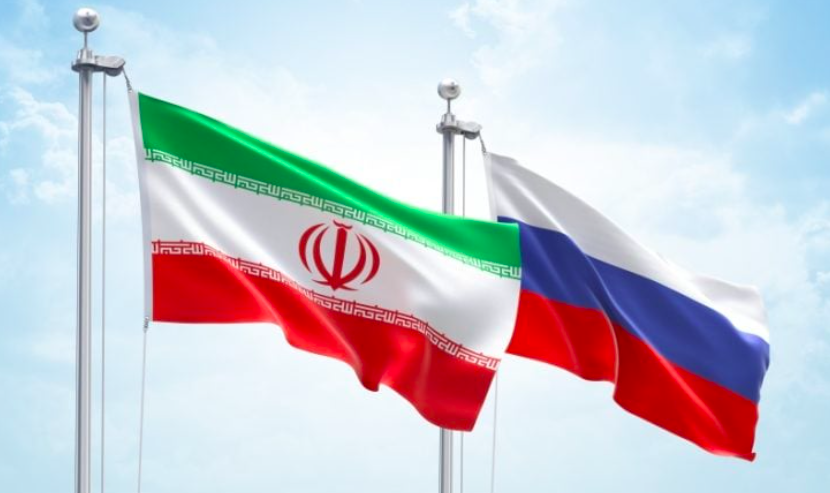
The outbreak of conflict involving the United States, Israel, and Iran in early 2026 has had far-reaching geopolitical and economic consequences. While the immediate focus of global attention has been on the Middle East, the ripple effects have significantly altered strategic and economic dynamics elsewhere most notably in Russia. For Vladimir Putin, the crisis has created a paradoxical situation while Moscow publicly condemns Western military actions. It has simultaneously emerged as one of the primary economic beneficiaries of turmoil. This advantage has been driven largely by disruptions in global energy markets, shifts in trade flows, and the reconfiguration of geopolitical priorities among Western powers.
At the heart of Russia’s economic gain lies the dramatic surge in global energy prices. The conflict led to severe disruptions in the Strait of Hormuz, a critical maritime chokepoint through which nearly 20% of the world’s oil supply typically flows. Iran’s effective closure or restriction of this route triggered immediate panic in global markets, sending crude oil prices soaring. Benchmarks such as Brent crude surged past $100 per barrel, while Russia’s Urals blend previously discounted due to sanctions rose sharply in value. For an economy heavily dependent on hydrocarbon exports, this price escalation translated directly into increased revenues.
Energy exports constitute a substantial portion of Russia’s federal budget, often ranging between 30% and 45%. Prior to the Iran conflict, Western sanctions had significantly constrained Russia’s energy earnings. Measures such as the G7 price cap, tighter secondary sanctions, and crackdowns on Russia’s “shadow fleet” of oil tankers had pushed revenues downward. However, the sudden tightening of global supply reversed this trend almost overnight. As buyers scrambled for alternative sources to replace disrupted Middle Eastern supplies, Russian oil became an attractive option despite ongoing sanctions. This shift allowed Moscow to regain market share, particularly in Asia, were countries prioritized energy security over geopolitical considerations.
Compounding this advantage was the temporary easing of certain U.S. restrictions on Russian oil exports. Although not a full-scale rollback of sanctions, this adjustment reflected a pragmatic response by the administration of Donald Trump to stabilize global energy markets. The unintended consequence, however, was a financial windfall for Russia. With higher prices and fewer barriers to trade, Russia’s monthly energy revenues surged by billions of dollars, significantly strengthening its fiscal position.
This influx of revenue arrived at a critical juncture for the Russian economy. In the months leading up to the Iran war, Russia had been experiencing mounting economic pressure. Export volumes were declining due to sanctions and targeted Ukrainian strikes on energy infrastructure. Budget deficits were widening, inflation remained high, and growth projections had been downgraded to below 1%. The National Welfare Fund Russia’s financial buffer had been steadily depleted, limiting the government’s ability to cushion economic shocks. In this context, the energy price spike acted as a lifeline, stabilizing public finances, and alleviating immediate fiscal stress.
The impact of increased revenues extended beyond mere budgetary relief. It also enhanced Russia’s capacity to sustain its military operations in Ukraine. War economies are heavily resource-dependent, and the additionalincome from energy exports provided the Kremlin with greater flexibility to fund defense spending, procure equipment, and maintain troop deployments. In essence, the Iran conflict indirectly strengthened Russia’s war effort by replenishing its financial resources at a time when they were under severe strain.
Another critical dimension of Russia’s economic benefit lies in its expanded influence over global energy markets. As traditional suppliers in the Middle East faced disruptions, Russia’s role as a reliable exporter became more pronounced. This shift not only increased demand for Russian commodities but also elevated Moscow’s strategic leverage. Countries dependent on stable energy supplies found themselves more inclined to engage with Russia, even if such engagement conflicted with broader geopolitical alignments. This dynamic reinforced Russia’s position as an indispensable player in global energy security.
Beyond oil and gas, the conflict also created opportunities in other commodity markets where Russia holds significant influence. Disruptions in the Middle East affected the supply of fertilizers, chemicals, and certain industrial gases. Russia, being a major producer of these commodities, was well-positioned to fill the gap. Increased demand for Russian exports in these sectors contributed additional revenue streams, further strengthening the country’s economic position.
Moreover, the conflict diverted Western political and military attention. The United States and its allies were compelled to allocate resources both financial and military to the Middle East. This included the deployment of advanced weaponry, missile defense systems, and logistical support. Such diversion had indirect economic implications for Russia. With Western resources stretched across multiple fronts, the intensity of sanctions enforcement and support for Ukraine risked dilution. This created a more favorable external environment for Russia to maneuver economically.
However, while the short-term gains for Russia are evident, they are not without limitations or risks. One key constraint is the physical capacity to sustain high export volumes. Ukrainian attacks on Russian energy infrastructure, including ports and refineries, have periodically disrupted supply chains. Even with higher prices, reduced export volumes can limit overall revenue gains. Additionally, Russia’s ability to capitalize on elevated prices has been partly dependent on selling previously stockpiled oil, a resource that is finite.
Another important consideration is the volatility of the global energy market. Historically, periods of sharp price increases are often followed by corrections. Prolonged high prices can dampen global economic growth, reduce demand for energy, and eventually drive prices downward. If such a scenario materializes, Russia could face a renewed economic downturn, potentially more severe than before. The structural weaknesses in its economy, such as overreliance on hydrocarbons, limited diversification, and persistent inflation, remain unresolved.
Furthermore, the geopolitical landscape could shift in ways that undermine Russia’s current advantages. A resolution of the Iran conflict, whether through diplomatic means or military outcomes, could restore stability to global energy markets. This would likely reduce prices and diminish the premium currently enjoyed by Russian exports. Additionally, any improvement in U.S.-Iran relations could reintroduce Iranian oil into the market, increasing competition and further pressure on Russian revenues.
There are also strategic risks associated with Russia’s deepening alignment with Iran. While the partnership has yielded mutual benefits such as military cooperation and sanctions of evasion, it is inherently asymmetric. Russia has been cautious not to become directly entangled in the conflict, reflecting its primary focus on Ukraine. However, a weakened or destabilized Iran could reduce Russia’s influence in the Middle East and disrupt collaborative initiatives. Conversely, a stronger Iranian dependence on Russia could increase Moscow’s regional leverage but also expose it to new geopolitical complexities.
In the broader context, the Iran war illustrates a recurring pattern in international politics crises in one region often create opportunities in another. For Russia, the conflict has provided a temporary economic reprieve and strategic advantage. Yet, these gains are contingent on external factors beyond Moscow’s control. The sustainability of this advantage depends on the duration of the conflict, the trajectory of global energy markets, and the responses of other major powers.
Therefore, the Iran war has undeniably benefited Russia economically in the short term. Through a combination of rising energy prices, increased export demand, and shifting geopolitical priorities, Moscow has been able to strengthen its fiscal position and support its strategic objectives. For Vladimir Putin, this represents a significant, albeit opportunistic, gain at a critical moment. However, the long-term outlook remains uncertain. Structural economic challenges, market volatility, and geopolitical risks continue to loom large. Ultimately, while the conflict has provided Russia with a valuable economic windfall, translating this temporary advantage into lasting strategic strength will require navigating a complex and unpredictable global landscape.

About the Author
Sonalika Singh began her journey as an UPSC aspirant and has since transitioned into a full-time professional working with various organizations, including NCERT, in the governance and policy sector. She holds a master’s degree in political science and, over the years, has developed a strong interest in international relations, security studies, and geopolitics. Alongside this, she has cultivated a deep passion for research, analysis, and writing. Her work reflects a sustained commitment to rigorous inquiry and making meaningful contributions to the field of public affairs.



