Sunday
October 18, 2026
Home Blog Page 68

US Military Reforms since World War II

0

By: Shivangee Bhattacharya, Research Analyst, GSDN
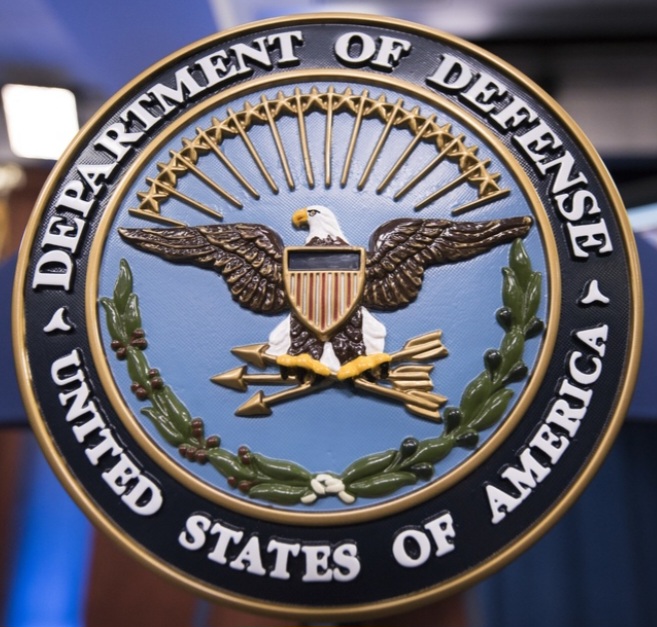
USA’s Department of Defence insignia: source Internet

After World War II, the United States saw the reorganization of its military forces which influenced its formation, tactics and preparedness in the face of emerging threats. The post war period therefore provided for the need to review the conduct of war especially in the Cold War period when there was need to fight the Warsaw Pact’s Soviet Union.

Quite prominently, in a bid to centralise the military management and promote co-ordination, the Department of Defence (DoD) was created in 1947. A reform was enacted that provided for improved resource management and to put into planning and direction a more co-ordinated military strategy of all branches of the military. Moreover, with the change in conflict dynamics from traditional warfare, to unconventional warfare and counter insurgency during the Cold War, fighter training programs underwent changes to meet requirements for versatile combat contexts.

However, technological development called for additional changes in the process. The application of nuclear weapons affected not only the military missions and operations, but also the strategic viewpoints, which led to such ideas as deterrence, and mutually assured destruction (MAD). These shifts demanded a radical reassessment of operational concepts which asserted more prominent focus on maneuverer and quickness of response.

In the last two decades the conflict in Iraq and Afghanistan has been the prescriptions for continued change within American military strategy and policy. It has relocated to the direction of hybrid warfare which makes use of both conventional forces, cyber forces, and intelligence – all of which show a constant effort to reforming the military due to new challenges.

Such historical changes show why military reforms after the Second World War continued to be necessary not only to protect the US but also to restore world peace amidst emerging new world orders. Top management should buy these changes because they are crucial in making the armed force intercept new threats and continue fulfilling their role of safeguarding American interests globally.

Second, Defence Information System for Security (DISS) took shape after post-War Demobilization during the adoption of The National Security Act of 1947.

As the war came to its close in Europe and the Pacific, the script supplied to members of the United States military was a complicated plan for returning to civilian life. Tens of millions of men came back to civilian society; the military services subsequently demobilized to a large extent. However, the development of the cold war requirement a more integrated and more regular military force. The National Security Act of 1947 was another important year in US military groundbreaking where fundamental reforms were passed under the act which include The Department of Defence (DoD), The National Security Council (NSC), the Central Intelligence Agency (CIA) as well as the formation of the US Air Force as a seperate branch of the military. It was a sign of a coordinated defence strategy and joined up approach to the security of the country. It has been said that the act has more importance in terms of mapping the contemporary warfare strategy. The idea of centralizing Army, Navy and Air Force under the DoD was helpful to the United States because it arranged its military resources. Other critics said that interservice animosities remained present, at times frustrating cooperation.

The forum of the Cold War however saw extensive reform along the military to ensure organised defense against the Soviet threat. Contention policy influenced military policies and contributed to the proliferation of nuclear capabilities and the start of the alliances such as NATO. Subsequent to the World War II, Korea War (1950-1953) and Vietnam War (1955-1975) again presented such imperative requirements for logistic reforms in integrated command structures and mobility of troops.

Otherwise, one major reform during this period was the adoption of the Goldwater-Nichols Department of Defense Reorganization Act of 1986. This legislation intended to target such problems which hindered coordinated efforts of U.S. Militaries most notably in Vietnam. The act raised the status of the Chairman of the Joint Chiefs of Staff and improved the structure of command, thus increasing efficiency of joint operations. It also stressed the integration of the services in terms of training and planning.

Appeal to the technological development was also significant for the change in the military. The emergence of ICBM, stealth and effective reconnaissance system highlighted the significance of achieving superiority in technology. Nevertheless, the critics of this period enlarge on volume of exterminate arms which frequently concealed regular forces capability.

The war at the fair ended in 1991 with the disintegration of Soviet Union increased the change of direction of the military strategy. Gulf War (1990-1991) reveal the utility of PGMs, up to date information and synch harmony between air and ground forces. Among these the Powell Doctrine which stressed for the application of massive power as well as clear aims and mandates also dominated the Gulf War period.

But on the other hand, the post-Cold War period had its problems with budgets and forces being relieved. The Base Realignment and Closure (BRAC) program set to accomplish strategic changes by shutting or restructuring ineffective military facilities. Although free of cost concerns, their implementation led to discussions regarding the effects on forces’ preparedness and regional markets.

The tragic terrorist attack on September 11, 2001 which was considered to be the turning point in the changing the strategy of USA. US stepped into the asymmetrical conflicts. US government created the Department of Homeland Security and the US North Command, could be seen as examples of the trends towards homeland defence.

The aim to ‘capture’ the hearts and minds of affected populations, as well as the intent to strengthen local institutions of governance was unconventional. Sceptics of this period claim that the military was stretched thin with people and assets having been committed to long campaigns.

Over the period of a decade military reforms in the USA have been motivated by a shift in focus to potential peer competitors, most prominently China and Russia. The current National Defence Strategy of USA was declared in September 2018 also highlights the move from counter-terrorism to strategic competition. Such a shift requires the acquisition of new technologies including artificial intelligence (AI), cyber warfare, and hypersonic weapons.

The US forces have also focus on at transforming its force structure as well. The concepts as the Army’s Multi-Domain Operations (MDO) and the Navy’s Distributed Maritime Operations (DMO) the indications of marking of a warfighting environment. The Space Force created in 2019 also proves the knowledge US government have related to space as a strategic domain nowadays.

However, there are still obstacles with reference to the subject. Lack of funds, conservatism, and the requirements of compatibility between the forces of different countries are the problems that remain with the identified type. Further, controversy regarding the future of autonomous weapon systems makes ethical and strategic questions a public matter.

To date, the United States of America is still considered, or is still the world’s super power in terms of military strength, efficiency in projecting force, as well as supply support and leverage of technology. They have lots of problem in trying to stand up to the challenge of a fast-transforming security architecture. As the war has shown in Ukraine, there remains demand for traditional and credible deterrence and as tensions in the Indo-Pacific demonstrate, there is desire for naval and air force capabilities.

People challenges are also faced here especially in areas relating to personnel. Shortages of recruitment and problems in retaining soldiers have created issues in applying an all-volunteer force. Furthermore, the military has made strides at exploring solutions to subjects such as inclusion and mental health and while this has been praised, it was also criticised.

Technologically, the US still remains the one of the most innovative nations in the world. However, because the People’s Republic of China has been expanding its military footprint at a relatively high pace, and especially in such spheres as quantum computing and artificial intelligence, the task appears to be especially fascinating. Another important issue is cybersecurity as budgets pour into US infrastructure and defence networks adversaries.

The organizational changes in the United States military after the Second World War reveal many significant factors such as strategy, and technology, political situation and its impact. Laws like the National Security Act of 1947, the Goldwater-Nichols act and change of focus to counter terrorism after 9/11 have formed a force that can combat different menace. But more is required in today’s era of competition between the major powers with respect to technology and force structure.

The legendary US military however has never been in a less certain world in the future despite having the most proficient and potent military power than any other country in the world. To achieve integration of old guards and new future beyond innovation, strategic vision that addresses the aspect of evolution of the warfare domain will be needed.


An Estonian Father’s Priceless gift for his Daughter: A School after Gender Discrimination

0

By: Suman Sharma

Taavi Kotka: source Author

Estonia, known for being the most digitally advanced country in the world, has lacked gender parity in technical education at the beginner level, until things changed in 2018, leading to a boom.  As on date, approximately 4000 young girls are now programming to fly self-assembled drones, operating lawn mowers, programming and operating robotics, all thanks to a father who began a technical school in a garage after his 10-year-old daughter was removed from the Robotics class in school, only for her gender.

Aimed at getting more girls into information technology (IT), as an encouragement for a level-playing field so as to be able to compete in a fair space with boys, an Estonian father, in his 50s, began his humble endeavour at his residential garage in 2018, in Tallinn.

A computer engineer by profession, Taavi Kotka, the Reliance Jio Head for Estonia, runs HK Unicorn Squad, named after his daughter- Helena Kotka, a.k.a HK. Father of four children, in which HK was the eldest and the only daughter, followed by three boys, Kotka says, “My daughter was kicked out of a Robotics class which had 30 boys and 2 girls. If you have a mixed group of boys and girls, the girls do not perform at the level of boys as they are not so technically advanced.” The school removed 16 students, including 14 boys and the two girls later, when one of the teachers left, in a bid to reduce the group size, in which HK was one of the students.

Angered by the school’s decision of removing his daughter just because she was a girl, Kotka decided to home-school his daughter and many other schoolgirls like her who wanted to fly drones, do programming, coding and learn robotics.  “I was irritated and wanted to show the Estonian education system that if proper environment is given to girls they will also perform and by proper environment I mean is to separate the boys and girls so as to create a level playing field, “adds Kotka.

HK Unicorn Squad began in 2018 with fundings fully from the Kotka family savings, for two groups, the junior primary one for 8–11-year-olds, while the advanced one for 16–17-year-olds. The curriculum was designed by Kotka himself, which is six courses divided into 10 lessons, each lesson being conducted for two hours every day, dealing with subjects like Physics, electronics, robotics, programming, coding etc.

Kotka’s efforts were rewarded finally, with his initiative being recognised by the Estonian Government’s Education Ministry and rewarding Kotka with an award. Tallinn’s technical University – TalTech, has also started helping HK Unicorn Squad significantly with funding.

Being a programmer himself, Kotka took the lead in designing the curriculum to be followed in HK Unicorn Squad but took help from curriculum creators also. The programme of studies is aligned with the Estonian national curriculum, with the idea being primarily to give a wide understanding of technology, and not just one type of a module, for example robots.

The complexity which the girls can programme at the age of 11 years is, for example that of moving a lawn mower, which these young girls can do as a skill set. Likewise, in the advanced section comprising girls aged 16-17 years, the complexity would be to fly a drone from scratch, calibrate motors and learn to fly and build a fully functional e-shop using ChatGPT, set up one’s own web domain etc.

There are no plans of going global as of now, but about the selection criterion, Kotka says, “We take in whoever wants to join. We accept 800 girls every year. Currently more than 1200 are in waiting list.” The entire programme is free of cost.

About future plans, Kotka reiterates, “Our family goal is to modernise technology studies in all schools in Estonia, we have not achieved that, yet.”

Still in the garage, HK Unicorn Squad makes use of digital classes along with physical in-person lessons, focusses more on promoting independent critical thinking, among girl students, thereby nourishing young minds towards invention-based entrepreneurial educative learning.

Taavi Kotka heads Jio Reliance in Estonia under the e-residency programme introduced by the Estonian Government to foreign nationals, of which Mukesh Ambani of Reliance is a member. Kotka has also provided consultancy to Chief Minister of Andhra Pradesh, N Chandrababu Naidu.

About the Author

Suman Sharma is a former instructor from the Indian Military Academy, Dehradun and has been a journalist for almost two decades in various respectable national and international media houses, covering and reporting on security, strategy, military diplomacy and international relations. She has won numerous national and international awards including the Great Women Achievers award. 

Xi Jinping’s Stopover in Morocco: Implications of closer China-Morocco’s Ties

1

By: Gayathri Pramod, Research Analyst, GSDN

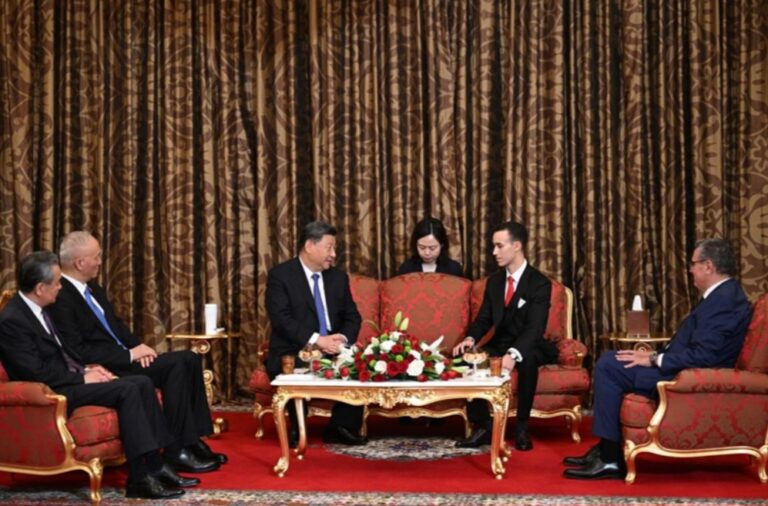
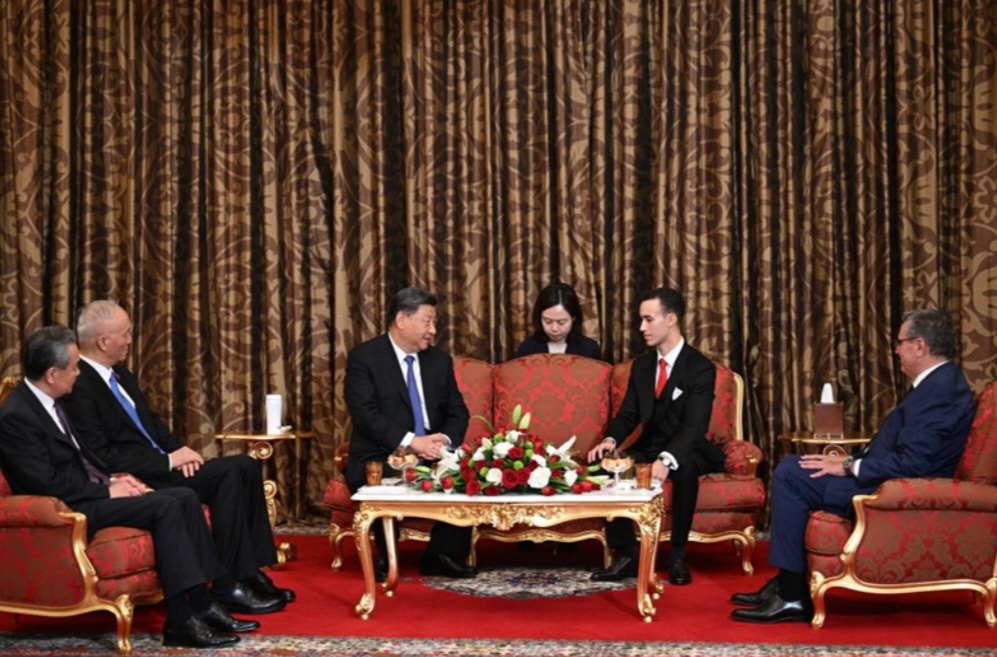
Chinese President Xi Jinping meeting the Moroccan Crown Prince Moulay Hassan in Casablanca on November 21, 2024: source Internet

Chinese President Xi Jinping’s recent visit to Morocco marks a significant moment in the evolving geopolitical landscape. Landed at Casablanca on November 21, 2024 Moroccan Prince Malay EL Hassen welcomed the Chinese delegates signalling growing ties between China and Morocco. This visit emphasizes their commitment to deepening their partnership and highlights their mutual aspirations to expand their influence and foster robust economic cooperation. The visit highlights Beijing’s growing strategic commitment for expanding its influence across North Africa, as this region serves as the gateway to Africa, Europe and the Middle East.

During the visit, the discussion centred around deepening economic cooperation, particularly in areas like renewable energy and infrastructure projects, such as Morocco’s first electric vehicle gigafactory (EV), which is taking centre stage. Moreover, this growing partnership is of global strategic importance regarding China’s ambitious Belt and Road Initiative and the utilization of Morocco as a strategic hub for the Chinese army to stretch its footprint across and beyond the region.   At the same time, Morocco’s strategic importance as a global trade hub and the ever-intensifying competition between China and the United States also play a significant role. So, through this paper, I will unpack the dynamics shaping this relationship and what it means for global power, spanning from the geopolitics of infrastructure to the geographic positioning of Morocco and trade and investment and analyze Xi Jinping’s visit and investments in Morocco and future implications.

Geopolitical Implications and Competitions in Africa

Xi Jinping’s recent visit to Morocco underscores China’s expanding influence in Africa, which has become a battleground for global power competition. Africa’s vast natural resources and emerging markets are critical aspects which make this region more pivotal for the strategic goals of big powers. Until now, China’s Belt and Road Initiative has become one of the significant geostrategic initiatives, marking the cutting edge initiative of China to inject billions of dollars into infrastructural developments across the continent, especially the construction of ports.

This has positioned Beijing as a dominant player in Africa’s economic landscape, and BRI impact is evident in the large-scale projects like the Mambasa-Nairobi Standard Gauge Railway in Kenya to the Doraleh Multipurpose Port in Djibouti; Beijing’s massive investments have modernized key infrastructure across the continent, connecting previously isolated regions to the global markets. Morocco became the first North African country to formalize its Belt and Road Initiative. This partnership has attracted significant Chinese investments, such as the US$ 1.3 billion electric vehicle battery gigafactory being built in Kenitra, a project set to make Morocco a leader in the global renewable energy supply chain.

All these investments and projects cement China’s long-term influence over the region. However, China’s approach has drawn criticism, and many scholars have accused it of fostering debt-trap diplomacy, where developing nations are burdened with unsustainable loans tied to Chinese firms and interests, just like how Kenya struggles with the repayment of its Chinese-funded railway exemplifies these concerns.

On the other hand, the United States has approached Africa through initiatives like Power Africa and Prosper Africa, emphasizing sustainable trade and partnerships governance reforms; unlike China’s infrastructure-heavy strategy, US efforts focus on capacity building and fostering private sector engagements. However, these initiatives have often been criticized for needing to be more visible than China’s tangible large-scale projects. Xi Jinping’s visit to Morocco places the country firmly within the more considerable geopolitical competition as a relatively stable and economically progressive nation in North Africa. Morocco has become a focal point for both Chinese and American engagement.

For Beijing, Morocco is a key partner in extending the BRI to North Africa and leveraging the country’s geographic and economic advantages. By strengthening economic ties with Morocco, China is poised to facilitate smoother trade routes and enhance its regional economic influence, paving the way for increased collaboration in various sectors, including infrastructure, energy, and technology. The implications of this partnership extend beyond mere economics; they also carry substantial geopolitical weight. As China seeks to expand its reach and influence on the global stage, cultivating relationships with key partners like Morocco becomes increasingly important. This partnership reflects a broader strategy of diversifying China’s economic and diplomatic relationships, reducing dependency on any single region, and strengthening its stance as a dominant player in global affairs.

Moreover, the collaboration between China and Morocco is a model for developing nations to engage with larger economies to promote mutual growth. As Morocco continues modernizing its infrastructure attract foreign investment, China’s involvement could accelerate these processes, benefiting both nations. This synergy supports Morocco’s economical developmental aims and aligns with China’s broader objectives under the BRI initiative, paving the way for a more interconnected world. Morocco remains a critical ally for Washington, particularly in counter-terrorism and trade as a bull against China’s growing regional influence. Along with the geopolitical implications, the strategic position of Morocco makes the region more vital not just for China but also for many other countries, mainly the USA.

China’s FDI share in Morocco is 3 per cent and has continued to increase gradually over recent years. However, Morocco has not cut off its relations with the European Union and the United States; instead, it has emphasized the investments. Since the early 2000s, China has invested nearly US$ 1.26 billion in Morocco’s Transport, Communication and Energy. Morocco’s participation in China’s BRI has significantly benefited its economy. This has led to accelerated industrialization, development, and a renewed drive to attract Foreign Direct Investments. Chinese investments, particularly in tourism, have also hugely boosted Morocco’s economy. Chinese firms have entered into hotels and resorts, spas, and amusement parks where visa applications have increased dramatically by 3500% from China to Morocco, significantly improving Chinese tourists to Morocco. Despite being relatively new, Sino-Morocco relations contrast with other North African countries’ trading partnerships. However, Morocco is gradually growing deeper in China’s debt book policy; the North African nation now owe China US$ 1030.55 million. This development is bringing the country nearer to the Asian behemoth China.

Geostrategic Significance

The geographic position of Morocco makes it a strategic lynch for global trade and geopolitics. Situated at the crossroads of Africa, Morocco act as a gateway for trade and investment to Europe and the Middle East. Its proximity to the Strait of Gibraltar is one of the world’s busiest transit points for trade between the Atlantic Ocean and the Mediterranean Sea. Morocco’s Free Trade Agreement with the European Union and the United States provides unparalleled access to major global markets. For China, investing in Morocco is a strategic move to secure a foothold in a region that connects three continents.

Key points illustrate how Beijing is leveraging Morocco’s location to strengthen its global trade networks is mainly through the investments in the Electric Vehicle battery Gigafactory in Kenitra, which Chinese firms announced as a tech-planned investment of US$ 1.3 billion. This facility is poised to make Morocco a hub for green energy supply chains. Trying the country to Europe’s growing demand for EV components, the factory’s initial capacity of 20 GWH, expandable to 100 GWH, will place Morocco at the centre of a burgeoning renewable energy market. China has also widely expressed interest in Morocco’s rail infrastructures, particularly the proposed Maresh-Agader high-speed rail line. This project will enhance domestic connectivity and bolster Morocco’s position as a regional logistic hub. This complements China’s broader strategy of developing African transportation networks into seamless trade corridors that connect African nations to global markets through Chinese-built infrastructures.

Morocco’s strategic location plays a vital role in Europe, particularly for the European Union, as it seeks to diversify its energy sources and reduce its reliance on Russian energy. By establishing Morocco as a renewable energy hub, China is indirectly positioning itself as a critical partner in Europe’s Green Transition. This significant alignment with Europe prioritizes enhancing influences in Africa and Europe for the United States. The strategic importance of Morocco must be considered as a focal point of research. Where Morocco remains a key ally in the region for bolstering military exercises like African Lion, which simultaneously serves as a platform for the US diplomatic and economic initiatives in Africa.

However, as China deepens its economic ties with Morocco, there is growing concern in Washington about the potential erosion of US influence. In order to counterbalance China, the US needs to increase its investments in Moroccan infrastructures, technology and clean energy sectors, aligning its strategy with Morocco’s development goals. China’s stretching of its strategic footprint has broader implications for global trade and geopolitical alignment, which will likely be discussed. China’s investment in Morocco is part of its larger strategy to reshape global trade and power dynamics. By integrating Morocco into its belt and road framework, China has not only strengthened its ties with North Africa but also gained indirect access to European and Middle Eastern markets.

This interconnected strategy enables China to expand its economic and geopolitics influences far beyond Africa. However, this deepening relationship comes with risk for Morocco. One of the main challenges Morocco will be facing is an over-reliance on China’s economic vulnerability and dependence on China. Chinese loans often come with conditions that benefit Chinese companies and may limit the economic sovereignty of the recipient nations. Morocco’s alignment with China for the United States presents challenges and opportunities. While there is a risk of losing strategic influence in North Africa, there is also an opening for collaboration by focusing on complementary investments such as clean energy technology and trade facilitation.

Morocco thus entered the competition for manufacturing value chains to become the geopolitical gatekeeper of North Africa. Morocco has already overtaken Spain and is on its way to becoming a leading maritime nation in the western Mediterranean. In his interview, Dong Liu, an economist for the Chinese Academy of Social Sciences, pointed out that Morocco presents a favourable setting for labour-intensive industrial manufacturing, which could create an excellent transfer opportunity for production from China to Morocco. While it is clear that China and Morocco’s bilateral cooperation and partnership involve more than cooperation and partnership business, the partnership has strategic dimensions for the two countries involved. On the other hand, Chinese enterprises may encounter challenges firmly tied up with French industries because Chinese and French relations are rare, and any hostility between the two countries may be bad news for Chinese business ventures.

Close relations with the countries of North Africa are critical for China due to the significant investments China has made in these countries. The Belt and Road Initiative (BRI) has aimed at some key Mediterranean ports, raising alarm about possible confrontations that may endanger Western interests. Morocco is strategically placed, which has led China and the Western world to focus on this area, though China’s interoperation has adverse effects on Western dominance in Africa. This means a growing political impact through the business front, such as BRI, can bring more Chinese presence in fields like land, sea, air, and cyberspace. The Chinese threat of building or joint construction of a military base in the Maghreb region may alter the balance of naval forces in an important world region. He said that China’s increasing influence in Morocco, an important and strategic country in North Africa, may cause tension with American and European allies, affecting their interests. The Western powers must consider China’s actions in the North African region to protect its interests.

Conclusion

Xi Jinping’s visit to Morocco symbolizes pivotal bilateral relations in a landscape where international partnerships are crucial for sustained growth and influence. It underscores the significance of collaboration in today’s interconnected global economy, fostering an environment ripe for future developments that could reshape trade dynamics and geopolitical landscapes in the years to come. China’s Belt and Road Initiative (BRI), formerly the One Belt One Road (OBOR) initiative, is designed to establish comprehensive land and maritime trade routes connecting China with Europe. This ambitious project seeks to stimulate economic growth and development across the vast expanse of Eurasia, fostering closer cooperation among nations and creating new opportunities for trade and investment. Morocco plays a vital role in this vision due to its strategic geographic position at the intersection of Europe, Africa, and the Middle East. The country is a crucial link that can enhance connectivity and trade flow between these continents. By strengthening economic partnerships with Morocco, China can streamline its trade routes and expand its influence in the region. The collaboration between China and Morocco goes beyond mere trade facilitation. Both nations can create more efficient logistics networks by investing in infrastructure projects like ports, railways, and roadways. This will benefit these two countries and neighbouring regions, opening new pathways for goods and services.

Moreover, Morocco’s rich cultural heritage and growing economy provide a favourable environment for Chinese businesses seeking to invest and establish a presence in North Africa. As both countries work together, they can drive mutual growth and development, enhancing Morocco’s role as a key hub in the broader context of the Belt and Road Initiative. This partnership symbolizes a new era of symbolizes and economic collaboration, promising to unlock significant potential for both nations and contribute to the overall economic landscape of the region.

The US can strengthen its partnership with Morocco while offering an alternative to Chinese financing. Xi Jinping’s visit to Morocco clearly signals Beijing’s long-term commitment to expanding its influence in Africa and beyond. Morocco’s strategic location and economic potential also make it a valuable partner in the China Belt and Road Initiative. However, they also place it at the centre of a growing rivalry between China and the US. The outcome of this competition will shape Morocco’s future and influence the balance of power across Africa, Europe, and the Middle East. For Beijing and Washington, Morocco represents an opportunity to assert global leadership in an increasingly interconnected world.

Chennai-Vladivostok Maritime Corridor

1

By: Paarvana Sree, Research Analyst, GSDN

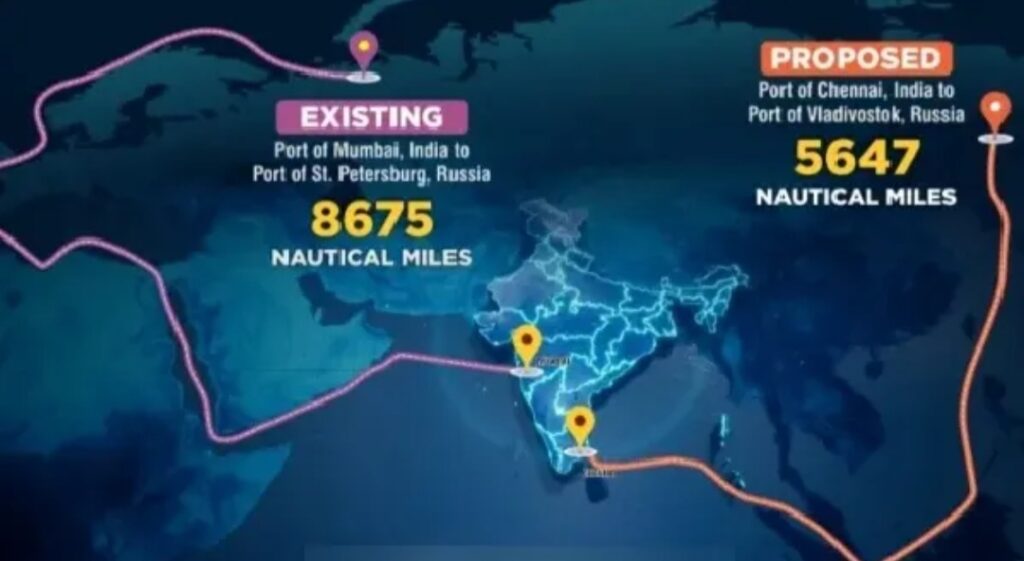
Chennai-Vladivostok maritime corridor: source Internet

Russia has been a trusted partner for India. Development of India-Russia relations have been a significant pillar of India’s foreign policy. By signing the Declaration on the India-Russia Strategic Partnership in October 2000, India-Russia bilateral ties have gained a new momentum with advanced levels of cooperation in almost all levels including security, defense, political, trade and economy, science and technology, culture and people to people ties. Further in December 2010 India and Russia’s strategic partnership was advanced to a high level of ‘ special and privileged strategic partnership’

Improving the trade and economic relation was the primary concern and considered as priority areas by both the nations. It is expected that bilateral investment will be improved by US$ 50 billion and that of bilateral trade to US$ 30 billion. According to the Department of commerce bilateral trade has reached US$ 65.70 billion in the 2023-24 financial year which is undoubtedly seen as a significant improvement.

In 2019, Russia and India announced their desire to establish a maritime corridor between the ports of Chennai and Vladivostok. Both nations consider it as an economic and geopolitical project. The Chennai-Vladivostok link was operating for a few years during the Soviet Union period. And after years this link is put into consideration for its revival.

One of the primary reasons for India-Russia’s limited trade was the lack of connectivity. But now there is certainly an increase in the trade. The International North-South Transport Corridor (INSTC) which was established by Russia, Indian and Iran is operating only in specific parts. Both India and Russia remained politically trusted partners in terms of trade. However they faced a number of obstacles in carrying out their economic relations. In order to rectify this situation, the 2019 summit considered improving trade relations with special consideration given to the Russian Far East (RTE). The proposed Chennai-Vladivostok Maritime Corridor is significantly a part of this same vision.

Chennai – Vladivostok Maritime Corridor: A brief analysis

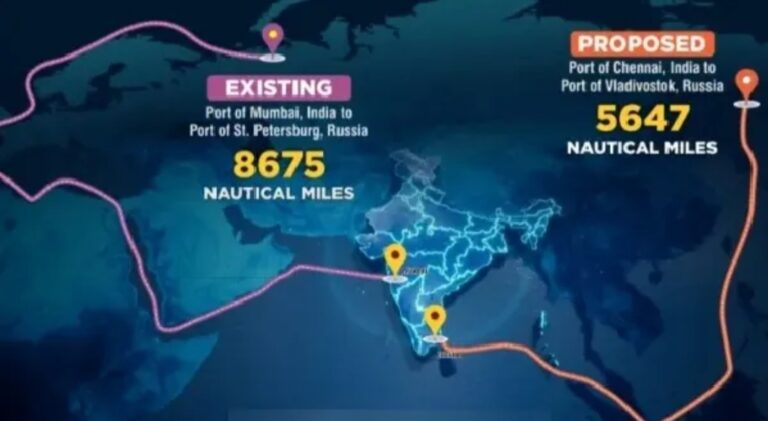
When Prime Minister Narendra Modi visited Vladivostok in 2019 to attend the Eastern Economic Forum (EEF) and annual Indo-Russian bilateral summit, a Memorandum of Intent (MoI) was signed by the officials on the’ Development of Maritime Communications between the ports of Chennai and Vladivostok. This maritime corridor is introduced to improve the bilateral trade between India and Russia. Presently India and Russia are connected through the Mumbai-St Petersburg shipping route. According to this, goods will take about 40 days to reach the destination. This proposed corridor sought to reduce the distance by saving economic costs. This corridor also has the potential to cover approximately 5,600 nautical miles which is about 10,300 km. As a result it will only take 24 days for the goods to reach the destination.

This corridor can be seen as an opportunity to India for realization of its ‘Act East Policy’. The Indian government can effectively manage its economic and political relations and also security concerns in the Indo Pacific region. This can be viewed as a ‘ game changer ‘ because it can add momentum to India and Russia’s economic relation. With the help of Russia, India is building a nuclear power plant in Kudankulam (Tamil Nadu coast). It is expected that this proposed corridor will automatically accelerate the project. This will also boost up India’s in land waterways with the aid of Russia’s low draft vessel technology system, which is one of the best in the world. Moscow’s increased participation in the project can assure the development of more than 5000 kilometers inland waterway and this can subsequently increase the cargo handling capacity by the ports for about 2,600 million tones.

Benefits for India

Both the countries Russia and India can attain numerous economic benefits by this corridor. It is known that the Middle Eastern region is the largest supplier of oil and Gas to India. This proposed corridor provides Indian companies and extraction opportunities in Russia’s Far East which will reduce India’s dependency on Arabian countries and subsequently provide energy security to India. Apart from this India will attain greater access to other resources like timber, forest resources, tin, gold, diamond, coal, nickel, rare earth minerals that the Russian Far East region holds. The Russian Government has already announced numerous initiatives to attract foreign investment in the region particularly in the areas of agriculture, infrastructure development, mining of mineral resources and precious metal deposits like gold, tin, tungsten and platinum. There are greater opportunities for collaboration in this aspect. India has announced US$ 1 billion  ‘ Line of Credit ‘for the development of this region. Hopefully both the Indian and Russian governments will increase that trade relations to US$ 30 billion by 2025, through this sea route. This serves as a Geo political thrust to India and Russia’s strategic and mutual partnership in Indo – Pacific region in order to counter the Chinese dominance.

India’s geopolitical implications

No doubt that the Chinese government is a bit sceptical about the Chennai-Vladivostok corridor as it passes through the South China Sea. India has enjoyed an important position in the Indian Ocean. But presently it has been challenged by Chinese dominance. So this project is of great importance to India in order to regain its influence in the Indian Ocean as well as around its neighborhood. This trade route enables India to build its own trade route independent of China’s influence. It is also to be noted that India’s maritime presence will be notable by passing the Chennai-Vladivostok sea route from South China and building the essential potential for ‘ Indian Naval Operations ‘ in the Indo-Pacific. Thus, India can counter-balance China’s influence in the Indo-Pacific region by this corridor. Further India is initiating a strategic dialogue with US, Japan and Australia through Quadrilateral Security Dialogue (QUAD) in order to counter China’s influence in the Indian Ocean region.

Conclusion

For more than 75 years, India and Russia’s bilateral relationship has remained strong and stable. This relationship is considered as one of the powerful relationships in the contemporary world with shared understanding and common commitment to the multipolar world. It is to be noted that there has been a steady increase in the bilateral trade in the past two years. Also discussions are conducting for increasing exports from India as well as Russia. Many connectivity initiatives are conducted which is considered as pivotal for the bilateral cooperation including the Chennai-Vladivostok maritime corridor.  Further both nations agreed to improve the cooperation in development of the Russian Far East region.

The Chennai-Vladivostok maritime corridor is now considered as an important project considering the economic and geopolitical interest of both the nations. The successful operationalization of this corridor will benefit both India and Russia to increase in trade and develop a vital and non-volatile channel for movement of goods.

Army Day Parade 2025: India’s Pride, Maharashtra’s Honour

2

By: Lt Col JS Sodhi (Retd), Editor, GSDN

Army Day Parade 2025: source Internet

Every Indian Army officer has either done a course of instruction in Pune or has been posted in Pune during his/her Service. And almost, every Indian Army soldier has either been posted to Pune or has been on Temporary Duty to Pune.

Thus, the city of Pune, located just 149 kilometres from Mumbai, the capital of the Indian state of Maharashtra occupies a special place in every Indian Army personnel’s heart. Hence, the decision of the Indian Army to hold its annual Army Day Parade in 2025 in Pune is apt and appropriate befitting the strong legacy and lineage that Pune has with the Indian Army.

With the Southern Command of the Indian Army located in Pune along with world class training institutions of the Indian Army like the National Defence Academy, College of Military Engineering, Bombay Engineer Group & Centre, Military Intelligence Training School, Military Institute of Technology, Foreign Training Node and some combat formations, Pune has immense military significance. 

Next year’s Army Day Parade will be the third edition being held outside New Delhi, the capital of India. Till 2022, the annual Army Day Parades were always held in New Delhi commencing 1949.

It was correctly decided on September 20, 2022 that the Army Day Parades should be held in various parts of the country so that more citizens can witness and to have more army-citizen engagement, apart from showcasing the Indian Army’s prowess across the country.

The Army Day is celebrated every year on 15 January to commemorate the assumption of command of the Indian Army in 1949 by General (later Field Marshal) KM Cariappa, OBE from General Sir Francis Robert Roy Bucher, KBE, CB, MC the last British Commander-in-Chief of the Indian Army.

With the earlier editions of the Army Day Parade held in Bengaluru in 2023 and Lucknow in 2024, it will be a historic first for Maharashtra and Pune to host the 77th Army Day Parade on January 15, 2025.

The Southern Command of the Indian Army is the organising Command for the Army Day Parade 2025.  The Southern Command is the biggest operational command of the Indian Army that has the onerous task of guarding the western borders of India and is being commanded by Lieutenant General Dhiraj Seth, AVSM, General Officer Commanding-in-Chief.

The Bombay Engineer Group & Centre located in Khadki, Pune will be the venue for next year’s Army Day Parade. The parade will be commanded by a Major General ranked officer.

Brigadier Paramjit Singh Jyoti, VSM is the Commandant of the Bombay Engineer Group & Centre also known as the Bombay Sappers or BEG (K) which are a famed and famous regiment of the Corps of Engineers of the Indian Army having performed exceedingly well in wars, counter-insurgency operations, peace and aid to civil authorities. The Bombay Sappers have been awarded numerous awards and honours including the Param Vir Chakra, Ashoka Chakra, the British Victoria Cross and the French Legion of Honour.

The Army Day Parade 2025 will be reviewed by General Upendra Dwivedi, PVSM, AVSM, ADC, the 30th Chief of the Army Staff (COAS), Indian Army in which the COAS will spell out the achievements of the organisation and the road-ahead.

The Army Day Parade is not a mere ceremonial function but a national celebration of courage, bravery, camaraderie, secularism, unity in diversity, professionalism and the technological prowess that the Indian Army is famous for, the world over.

The Army Day Parade 2025 scheduled to be held in Pune on January 15, 2025 is truly India’s pride and Maharashtra’s honour.

India’s Nuclear Programme: An Analysis

0

By: Mahima Sharma, Research Analyst, GSDN

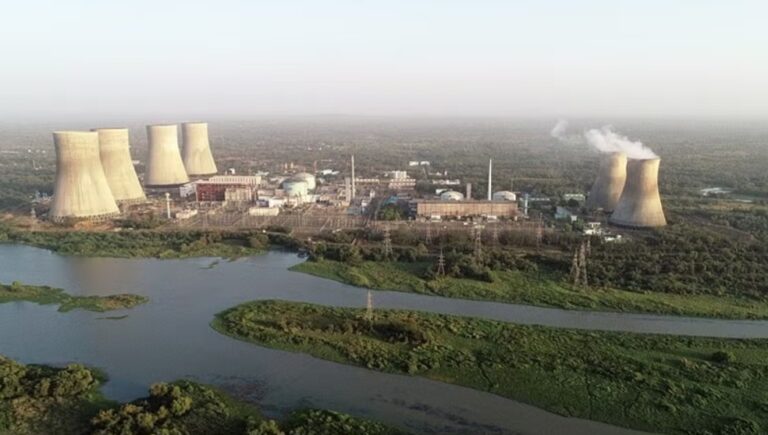
Kakrapar atomic power plant in India: source Internet

India’s nuclear programme stands as a testament to the nation’s ambition for energy independence and security. Since its inception in the mid-20th century, this programme has evolved from a modest initiative into a complex framework aimed at harnessing both uranium and thorium resources. With approximately 25% of the world’s known thorium reserves, India is uniquely positioned to leverage this resource for sustainable energy production, addressing both current and future energy demands. As the nation grapples with rising energy needs, the significance of nuclear energy becomes increasingly apparent, contributing only 3% to India’s electricity generation today but projected to reach 9% by 2047. This growth is not merely a reflection of energy strategy but also a critical component of India’s broader geopolitical posture, enhancing its standing on the global stage while ensuring a reliable energy supply for its burgeoning economy.

Historical Context

India’s nuclear programme began in the 1940s and 1950s, driven by Dr. Homi Bhabha, who is often referred to as the Father of India’s atomic energy initiative. Recognizing the country’s limited uranium resources—only about 1-2% of global reserves—Bhabha formulated a three-stage nuclear power programme aimed at achieving long-term energy security through the efficient utilization of India’s abundant thorium reserves, which account for approximately 25% of the world’s known supply. This innovative approach was designed to circumvent the limitations posed by scarce uranium while capitalizing on thorium’s potential as a sustainable energy source. The three-stage programme consists of:

  1. Pressurized Heavy Water Reactors (PHWRs) fuelled by natural uranium.
  2. Fast Breeder Reactors (FBRs) that utilize plutonium-based fuel.
  3. Thermal Breeder Reactors for utilizing thorium.

This strategy aims to generate nuclear power while ensuring minimal waste through a closed fuel cycle, where spent fuel from one stage is reprocessed for further use.

The Three-Stage Nuclear Programme

India’s three-stage nuclear power programme is a strategic initiative designed to ensure energy security and independence through efficient use of limited uranium resources and abundant thorium reserves. The stages are:

  1. Stage 1: Pressurized Heavy Water Reactors (PHWRs)
    • These reactors utilize natural uranium and are crucial for generating fissile material, specifically plutonium, necessary for subsequent stages.
  2. Stage 2: Fast Breeder Reactors (FBRs)
    • FBRs use plutonium derived from PHWR spent fuel and can generate more fissile material than they consume, effectively breeding additional plutonium.
  3. Stage 3: Thermal Breeder Reactors
    • This stage focuses on advanced reactors that utilize thorium as a primary fuel source, converting thorium-232 into uranium-233.
    •  

Significance of Thorium

Thorium holds particular significance for India due to its abundance; the country possesses about 25% of the world’s known thorium reserves, primarily located in coastal monazite sands. Unlike uranium, thorium is not fissile on its own and requires conversion to uranium-233 for use in reactors. The potential for thorium-based energy generation offers several advantages:

  • Energy Independence: Utilizing indigenous thorium reduces reliance on imported uranium.
  • Sustainability: Thorium reactors produce significantly less nuclear waste compared to conventional uranium reactors.
  • Environmental Benefits: Thorium contributes to cleaner energy production with minimal greenhouse gas emissions.

Transitioning to large-scale thorium utilization will require significant advancements in technology and infrastructure, particularly in developing efficient breeding processes and reactor designs.

Current Status of Nuclear Power in India

As of late 2023, India’s nuclear power capacity stands at 8,180 megawatts (MW) from 24 operational reactors, reflecting a growth from 4,780 MW in 2013-14—over a 70% increase in a decade. Annual electricity generation has risen from 34,228 million units in 2013-14 to approximately 47,971 million units in 2023-24. There are 21 additional reactors under development by the Nuclear Power Corporation of India Limited (NPCIL), aiming to add about 15,300 MW to the grid. This includes nine reactors under construction with a total capacity of 7,300 MW, and twelve in pre-project activities expected to contribute another 8,000 MW.

New Projects and International Collaborations

India plans significant expansion in its nuclear sector, targeting an increase to 22,480 MW by 2031-32, with an ultimate goal of reaching 100 GW by 2047. Major projects include:

  • Kudankulam Nuclear Power Plant: In collaboration with Russia, four new reactors with a capacity of 1,000 MW each are planned.
  • Fast Breeder Reactors (FBRs): The Prototype Fast Breeder Reactor (PFBR) at Kalpakkam marks India’s entry into advanced reactor technology.
  • New PHWRs: Approval for ten new PHWRs with a combined capacity of 7,000 MW, developed across various states.

International collaborations with countries like the USA and Russia facilitate technology transfer and enhance operational capabilities.

Challenges Facing the Nuclear Programme

Key challenges include:

  1. Need for Advanced Technology and Investment: Despite ambitious plans, the pace of reactor construction has been slow due to quality control issues and financial burdens associated with developing new reactors.
  2. Public Perception of Safety: Following the Fukushima disaster in 2011, public concerns regarding nuclear safety have increased scrutiny on facilities worldwide. The government must reassure the public about safety protocols while advancing its nuclear agenda.
  3. Civil Liability Laws: Stringent liability frameworks established post-Bhopal gas tragedy raise concerns among foreign suppliers regarding potential liabilities, deterring international collaboration essential for technology transfer.

Future Prospects

India’s nuclear power capacity is projected to expand significantly from 8,180 MW to 22,480 MW by 2031-32, contributing nearly 9% of electricity generation by 2047. Recent developments include adding two indigenously designed 700 MW PHWRs at Kakrapar and ongoing construction of nine more reactors. To facilitate growth in nuclear energy, several policy recommendations include:

  • Enhancing Public-Private Partnerships: Collaboration between public entities and private companies can drive innovation and efficiency.
  • International Cooperation: Strengthening partnerships for technology transfer is vital for accessing advanced reactor designs.
  • Streamlining Regulatory Frameworks: Revisiting civil liability laws could attract foreign investment.
  • Investment in Research and Development: Increased funding for R&D is essential for developing next-generation reactors like small modular reactors (SMRs).
  • Public Engagement and Education: Transparent communication can build trust regarding nuclear safety.

By implementing these changes, India can navigate challenges facing its nuclear programme while maximizing nuclear energy’s potential as a cornerstone of its future energy strategy.

Conclusion

India’s nuclear programme is crucial for energy security as it seeks to meet growing demands while transitioning to a low-carbon economy. With ambitious targets set by the government to increase capacity significantly—aiming for 22,480 MW by 2031 and ultimately reaching 100 GW by 2047—the programme plays a key role in achieving net-zero emissions by 2070.However, balancing growth with safety and sustainability is essential. Ensuring robust safety protocols will maintain public trust while investing in sustainable practices will minimize environmental impacts. By fostering a culture of safety and sustainability alongside aggressive growth targets, India can position itself as a leader in nuclear energy and contribute significantly to global climate change efforts while securing its energy future.

China-Myanmar Closeness: Warning Call for India

0

By: Shashank Khandwe, Research Analyst, GSDN

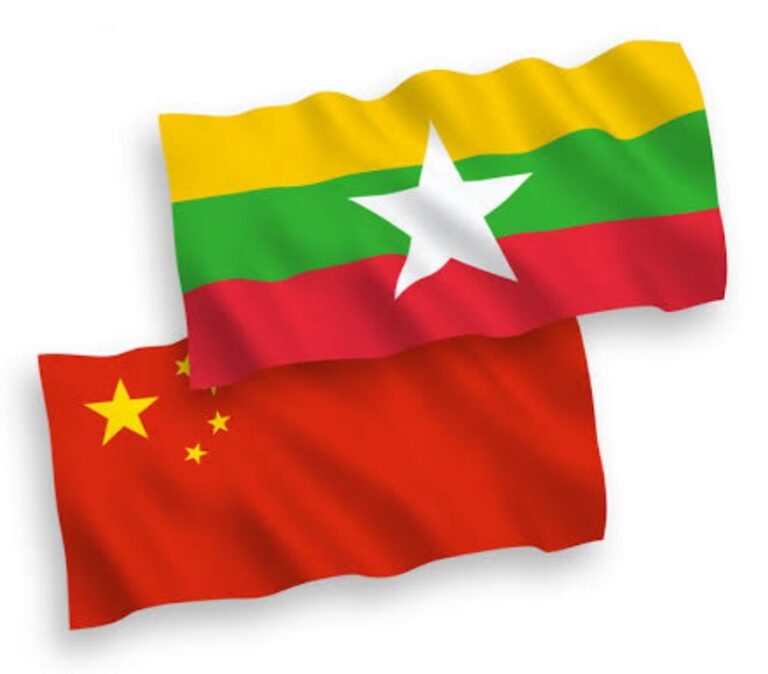
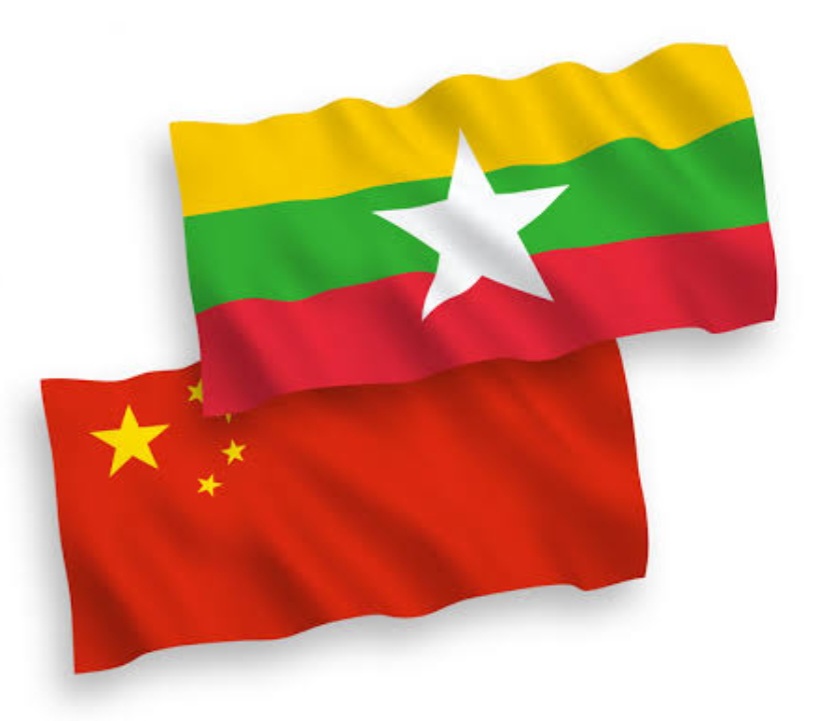
China and Myanmar’s flags: source Internet

Myanmar has historically been part of a syncretic region that experienced the political and cultural influences from both India and China. This influence has often lasted in different periods, factored by the domestic political situation in the country. While the post-World War II period saw distinct presence of Indian businesses in Rangoon, the recent decades have observed increasing Chinese domination in Myanmar’s decision-making mechanisms, which raises concerns for India.

Myanmar’s ties with China dates to the lineage traced by the Bamar tribe (Myanmar’s majority tribe) to Tibet. Their engagements date back to the 12th century CE, when the Song dynasty of China began exchanges with the Pyu dynasty of Burma. In the contemporary period, Myanmar became one of the first countries to recognize the People’s Republic of China and established official diplomatic relations in 1950. Recognizing the importance of friendship and shared cooperation, their bilateral relations has been titled as ‘Pauk-phaw’ (siblings in Burmese language). This continues to reflect the share of China in Myanmar’s trade and investment figures. As a resource-rich, least-developed country, Myanmar realizes the importance of China as a source of foreign investment. In the past seven months itself, Myanmar has managed to attract around US$ 40 million in investment from China. It has also emerged as the largest trade partner of Myanmar, with bilateral trade in FY 2022-23 stood at around US$ 2159.412 million.

With the coup by the State Administrative Council (SAC) Junta in 2021, this relation has taken a new dimension. China remained one of the few states to recognize and maintain ties with the military regime. As western condemnation pushed the country farther towards China, concerns emerged for other neighbors like India as the former backed the new regime with its veto power in the United Nations Security Council (UNSC).  China’s long border of around 2000 kms with Myanmar and its strategic interests in its domestic markets and investments pushed for increased role in maintaining domestic stability in Myanmar. On these lines, China brokered a ceasefire in January 2024 at Kunming between the military Junta and the armed organizations led by the Three Brotherhood Alliance. As this arrangement eventually fell through, immense pressure from the Chinese side forced the armed groups to unilaterally extend a ceasefire against the Junta forces in North Myanmar.

On the economic front, Chinese infrastructural engagement has seen new development post-coup, with the announcement of three new trade projects that would add on to the existing framework of China-Myanmar Economic Corridor (CMEC) and the Belt and Road Initiative (BRI). These include the construction of a new railroad Indian Ocean route that would connect the Chengdu (Sichuan province) of mainland China to the Yunnan province, extending to the Shan state in the North of Myanmar. The second project aims to create a new trade route between the Chongqing municipality in southern China to Laos, Thailand, and Myanmar. And lastly, a maritime trade route has been envisioned that would connect the Beibu gulf port (Guangxi province) to the Yangon port in Myanmar.

Meanwhile, India’s engagement with the Junta regime has been a tight rope-walk between its economic and strategic interests and its credentials for democracy and human rights. This has created a discontinuity in India’s engagement, where Myanmar has remained central to India’s Act East Policy and has reflected in its multidimensional interactions with the southeast Asian country. Infrastructural investment takes primacy in this, with the Kaladan Multi-Modal Transit Transport (KMMTT) project that connects the mainland east coast of India to its Northeastern states through the territory of Myanmar. The control over the Sittwe port became a major strategic advantage to India in this project, as it supports in countering China’s ‘String of Pearls’ strategy around the Indian subcontinent. It also reduced the cost and time in transportation of goods from mainland India to the Northeast by almost 50 per cent. Particularly for the Rakhine state of Myanmar, it has created opportunities of economic development and increased trade ties with India, in line to the ambitions of ‘Act East’ policy.

Despite the project being almost completed, what remains crucial is the domestic political dynamics that appear to be changing in the region. Particularly for the Kaladan project which falls in the Rakhine state, the presence of the Arakan army has created concerns for the Indian side, as they control the Rakhine state and aim to maintaining an inclusive administration. Doubts emerge on these ambitions as the potential clashes with the Rohingya militant groups like the Arakan Rohingya Salvation Army (ARSA) remains a possibility. Its manner of dealing with the Indian side on the Kaladan project would set an example for the future interactions. What is apparent is the greater influence that China has managed to have on the rebel forces in the vicinity of its borders, like the Ta’ang National Liberation Army (TNLA), compared to India’s engagement with Arakan Army (AA). This has ensured greater security to Chinese economic interests in the region compared to India.

Similarly on the issue of the refugees, China has had a distinct approach to that of India. Myanmar’s ethnic conflicts has repeatedly led to internal instability and displacement of local population. Since 2016, the Rohingya issue has emerged as a crisis leading to the ethnic cleansing and displacement of millions of ethnic Rohingya Muslims by the Tatmadaw forces and Rakhine Buddhists. China’s stakes in the region are enormous, including its presence on the Kyaukphyu port and the connectivity projects from Rakhine to Yunnan, to the health and security concerns from a potential refugee crisis. Nevertheless, China continued to protect the Myanmar forces on international platforms like the United Nations Security Council (UNSC) and calls on the ideals of sovereignty and non-intervention in the international law to prevent any action against the perpetrators.

China’s stand comes from the realization that any support to intervention in Rakhine would naturally extend to the situation of Uyghurs in Xinjiang. This is also supplemented by its belief system of prioritizing development to human rights, and focus exclusively on its economic interests in Myanmar like the Belt and Road Initiative (BRI). With the case in International Criminal Court still pending with issues on jurisdiction, China continues to stand against the international pressure on the matter.  It keeps Chinese aligned with the junta regime and its economic calculations in the country.

Meanwhile, India’s approach to the Rohingya crisis evolved with time. Initially the Indian response was like China of not taking an active stand and calling it an ‘internal matter’ of Myanmar. India has similar border security concerns as China, in addition to the Bangladesh factor. While the government addressed the Rohingya’s in Bangladesh as ‘displaced persons,’ the vocabulary changed to ‘illegal immigrants’ when in India. The political rhetoric for the Rohingya refugee situation merged with that of Bangladeshi migrant problem in the Northeast states. Gradually, the government came up with plans of deportation of the migrants and support to the Bangladeshi administration with management of the refugee camps.

India also believed that the long-term solution for the refugee crisis is the development of Rakhine state, which brought India in alignment with the ASEAN. Nevertheless, the ASEAN countries have themselves failed to provide any sustainable roadmap to the Rohingya problem. The ‘five-point consensus’ that the ASEAN countries put forth has failed to take off. Their response has been divided largely because of the individual differences these countries have in their relationship with the military junta. It has reflected the limitations of the institution and its ‘consensual’ approach to problem-solving.

While India’s position was developed with concerns of internal security and stability, the eventual decision of deportation drew criticism from human rights groups and international media. It has put India in a difficult spot, without solving the actual issues of resettlement of refugees and its challenges to India-Bangladesh relations. The latter has expressed deep concerns about the crisis as Bangladesh hosts around a million Rohingya refugees and did not receive sufficient support from both India and China. These responses from domestic actors or a third country like Bangladesh does not translate into comparable political pressure on China, meanwhile India finds itself struggling within these variables as it tries to engage with the Junta regime. China has found itself in a relatively stable position even on these lines.

The Myanmar issue continues to be another frontier of struggle between India and China. On the challenges of dealing with the Junta regime or issues like the Rohingya crisis, both India and China have attempted to engage with the domestic actors in proportion to their strategic and economic stakes in the country. The recent visit of military Junta leader Min Aung Hliang to Kunming represents the continued importance that China gives to his role in Myanmar’s political future. Similarly, China has pushed for the military regime’s engagement with Chinese-led multilateral forums, reducing the leverage that ASEAN once held on the Junta government. To prevent loosing further ground in the situation, ASEAN has pushed for a renewed support to the five-point consensus to restore political stability in Myanmar.

While the National Unity Government (NUG) and the rebel forces deny any engagement with the Junta forces, Chinese stand underscores the economic rationale without concerns of political morality. India meanwhile has been unable to frame a long-term plan with its democratic credentials and as a responsible regional power. The recent engagement with the military officials is a welcome step, as it shifts the discourse to a ‘Myanmar-led and Myanmar-owned solution’ of the present crisis, and helps India navigate the complexities in Myanmar.

Donald Trump & India: Outlook towards India in USA’s 47th Presidency

3

By: Manvi Banta, Research Analyst, GSDN

Donald Trump and India: source Internet

This article mainly focuses on how US-India relations will impact under newly elected President Donald Trump as USA’s 47th President. It has a potential of redefining bilateral relations and how it is affecting India defense partnerships and geopolitical relations. With Donald Trump securing a second term as President of the United States, the 2024 election marks his second successful presidential run after securing the presidency in 2016 and serving as the 45th president of the United States from 2017 to 2021.

Defense and Strategic Effects

Trump’s administration elevated the U.S.-India relationship to a “comprehensive strategic threat,” encouraging a coalition global strategic partnership. India is a vital member of the QUAD alliance, and the cooperation will probably concentrate on increasing defense, intelligence sharing, and military presence in the area.  Trump’s administration was the first to label China as a “to counter Beijing’s influence”, including the formation of the Quad in 2017. India, which shares 3,488 km of disputed border with China, enhances US-India defense cooperation, especially in countering China’s growing influence in the Indo-Pacific. Trump administration prioritized enhancing defense ties with India, viewing India as a key partner in its Indo-Pacific strategy.

Trump’s rhetoric toward Pakistan was often harsh, as he accused the country of harboring terrorists and providing support to militant groups that destabilized Afghanistan and India as Pakistan is a central player of terrorism.

Under Trump, U.S.-India defense relations were significantly strengthened, with agreements like the COMCASA (Communications Compatibility and Security Agreement) and LEMOA (Logistics Exchange Memorandum of Agreement), facilitating better interoperability and defense cooperation. A return to the presidency could lead to continued or even enhanced military collaboration.

Foreign Portfolio Investments (FPI)

India’s booming digital economy and growing demand for data storage have attracted significant foreign investment in data centers and cloud infrastructure. Global giants like Amazon, Microsoft, Google, and Oracle have committed to expanding their cloud and data center operations in India.

Indian government’s push for digital transformation, coupled with a large tech talent pool, is positioning India as a key player in AI, machine learning, and robotics. Investments from both Western and Asian companies are increasing in this space.

FPIs are foreign entities or individuals investing in assets that are relatively liquid and easily tradeable, such as equities and bonds, typically with shorter investment horizons than Foreign Direct Investment (FDI), which involves long-term business commitments.

Both the US and Indian IT sectors stand to gain from increased IT investments. However, offshoring might face challenges if Trump encourages more jobs in the US. A cut in corporate tax by Trump is likely to bring more business for the Indian tech companies.

Under Trump’s first term, IT companies grew at a CAGR of 13% during 2016-2020 and the IT index generated a return of 45% despite challenges on visa and offshoring.

How Trump 2.0 will impact his branded homes in India?

The first Trump Tower in India was unveiled in 2014 in Mumbai and was developed through licensing agreements with Lodha Group. Through Licensing agreements with various developers, Trump Towers came up in Mumbai (Lodha), Pune (Panchshil Developer), Gurugram in NCR and in Kolkata.

Tribeca Developers is the Trump’s Organizations’ exclusive Indian partner, founded by Kalpesh Mehta. Initially, the going for Trump Tower projects in India were slow and Mehta could license the brand only to Lodha in Mumbai and Panchshil in Pune. In 2018, Trump Tower with 250 units was launched in Gurugram and another with 136 units was launched in Kolkata. Trump Towers have also been planned in Bengaluru, Hyderabad and Chennai.

How much are they priced at?

The Trump branded houses are priced in the range of ₹5-15 crore per apartment. The demand for such Uber-luxury homes is going up significantly in India. Across Trump projects in the country, over 600 super luxury homes have been sold with a total combined revenue of more ₹5000-₹6000 crores.

Implications of Saudi Arabia-Iran Military Exercises 2024

0

By: Megha Mittal, Research Analyst, GSDN

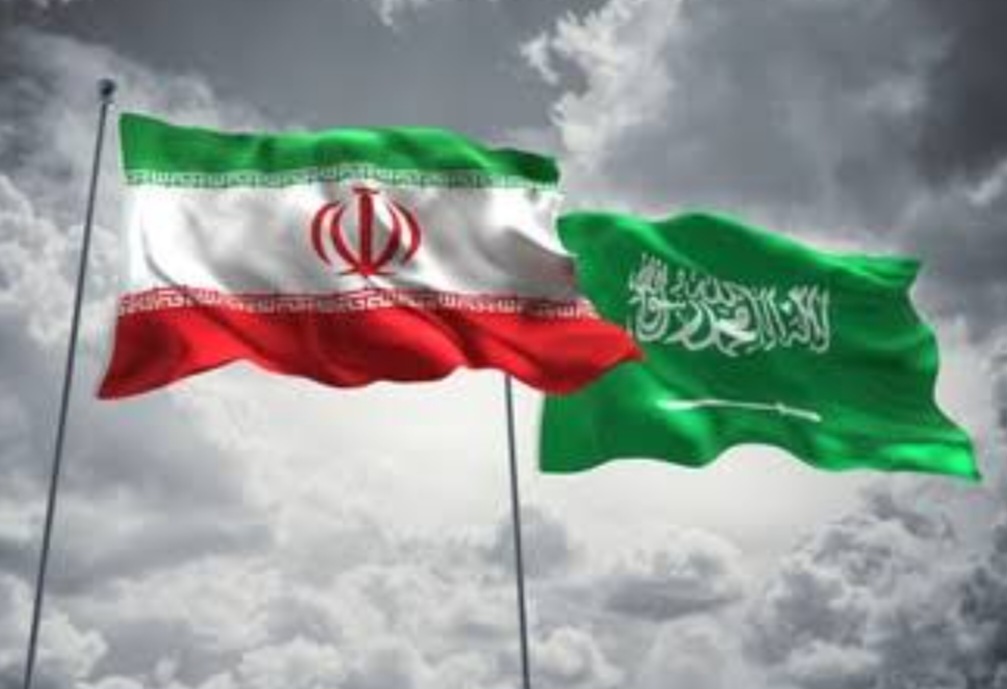
Saudi Arabia and Iran’s flags: source Internet

Military exercise between Saudi Arabia and Iran in the Sea of Oman in October 2024 marks a new development in the Middle East geopolitics. A rivalry, for long, exists between Saudi Arabia and Iran driven by difference in ideology, sectarian affiliations, and geopolitical influence. Their competition expressed through proxy wars and diplomatic standoffs is evident over the Yemen conflict, Syrian war, and the war in Iraq. However, the military exercises in 2023 are of great symbolic importance and potential change in regional dynamics. This article outlines implications of such exercises with respect to historical context, geopolitical implications, impacts on regional conflicts, and broader implications for global security.

Historical Context of Saudi-Iran Relations

For many decades, Iran held an animosity against Saudi Arabia so deeply rooted and much of it is based on political and religious differences. The Islamic Revolution, held in 1979 in Iran, heightened the animosity to a great extent by implementing Iran’s theocracy within its borders. Especially as it concerned the government of Iran’s backing of Shia militias and political organizations in the area, both Hezbollah in Lebanon and Houthi rebels in Yemen-whose members were a minority, Sunni in Saudi, the conflict with Saudi Arabia flared over the area.

The two most significant theaters of this struggle have been Yemen and Syria. Since 2015, Saudi Arabia has led a military coalition against the Iran-backed Houthi rebels in Yemen. In Syria, the two nations have taken diametrically opposing positions during the civil war—Saudi Arabia has supported opposition groups against Assad’s regime, while Iran has backed Assad. These conflicts have deepened the sectarian divide and significantly contributed to the longstanding hostility between these two regional powers.

Despite all these tensions, in 2023, there was this great breakthrough in the diplomatic front between Saudi Arabia and Iran led by China. It followed a military drill that showed the end of one and the beginning of another phase in that relationship.

Strategic Implication of such an event for Saudi Arabia

This would, in itself, be of major strategic implications for Saudi Arabia, as this would mark a shift in its foreign policy and regional strategy. Traditionally, Saudi security was so closely tied to its alliance with the United States because the latter provided it with military support against Iranian aggression. However, following the decline of U.S. influence in the region, the Kingdom has sought to diversify its alliances.

This is because Saudi Arabia is forced to reposition itself with the growing security threat from Iran and its allies, which include Houthi rebels in Yemen and Iranian militias in Iraq. Military cooperation with Iran allows Saudi Arabia to improve its security without having a heavy dependence on the United States and at the same time aligning itself with the greater strategy of balancing relations with Western powers and new emerging global players like China and Russia.

The Strait of Hormuz is a critical chokepoint of the world oil trade, thereby worrying for both Saudi Arabia and Iran. The two would approach this through military exercises strengthening security, which could go on to stabilize global energy markets as important to their economies. The exercises may mark a new page for more cooperative approaches to security in the Gulf, which will calm high tensions that may impact the volume of crude exported at a time when prices were rising.

Implications to Iran

This is the opportunity for military exercises with Saudi Arabia for Iran: as a tool of regional hegemony and to show the power. Iran has already employed proxy forces in the Islamic Revolutionary Guard Corps (IRGC) and militia forces of Iraq, Syria, and Lebanon to expand its power around its region. The military drill with Saudi is just one way that the Iranian regime can parade its strength while utilizing its regional context. This simultaneously signals a pragmatic approach to resolving longstanding tensions between two antagonists.

But maybe, the timing could be important for Iran, too. For the past few years, it has been a favorite punching bag in the West on nuclear activities and as an accomplice of terrorists. Exercises may finally turn out to be an instrument of its attempts to raise its international respectability and also showcase it as a willing player on the security table with the regional opponents. This may make the country let go of its disruptor image and be a more responsible player in the geopolitics of the Middle East.

Internally, it may serve as an instrument for the consolidation of political support in demonstrating that the regime can ensure its security and enhance stability in the region. Success in cooperating with Saudi Arabia will give legitimacy both nationally and internationally to the Iranian government.

Regional Conflicts Consequences

Military relations between Saudi Arabia and Iran will most likely seriously impact the already existing regional conflicts, primarily in Yemen and Syria. This war has been said to be one of the worst humanitarian crises around the world by some experts. Indeed, this is one of the major flashpoints between both the Saudi and Iranian camps. The Saudi Arabian state led a military coup into the Iran-backed Houthi rebels and had devastating effects on all sides. These military exercises may facilitate demilitarization, as both the parties would look forward to a political solution from the crisis.

Although a quick peace deal seems not to be in the pipeline, military exercises show both Iran and Saudi Arabia are in the mood to negotiate it. Cooling of the two can even pave the way to a ceasefire, which may, at least, soothe Yemen’s civilians. This deal may also represent a paradigm shift, regionally, as countries try to build on areas of conflict rather than sectarian identities.

Military exercises may be opening the doors of dialogue in Syria, that country which has been divided by sides supported by Saudi Arabia and Iran. Iran has taken the side of Assad’s regime, while Saudi Arabia supports groups opposing the regime. It is still complicated to come up with a solution for the Syrian war, but increasing cooperation between Saudi Arabia and Iran may present opportunities for joint cooperation toward stabilizing the country by discussing sectarian divisions and supporting political reconciliation.

Global Security Implications

This has very significant global security implications of Saudi-Iran military drills outside of the Middle East. The Gulf region constitutes a major reserve in terms of size, in terms of oil. Whichever party is favored then has an immense economic implication for the rest of the world since their tiffs tend to have a bearing on the Strait of Hormuz.

This can lead to the safer region, which will stabilize eventually the world’s oil supply through a safe region. Moreover, if it becomes clear that the middle ground tension will gradually relax in time between Iran and Saudi Arabia, then the possibility of conflict in the Gulf could potentially subside so as not to risk an outright disruption to shipping of oil. The region, therefore, counts to most of the countries as energy plays an indispensable role in its economy.

China and Russia, therefore, complicated this scenario even much since there is growing power within the Middle East. The two nations have even tried forming new allegiances with both Saudi and Iran as the alternative route to garner their support. Military cooperation between Saudi Arabia and Iran and embracing China and Russia can be regarded as a sign of the multi-polar world order that is emerging in the Middle East. The United States’ influence in this region would be derailed, and this would affect American foreign policy for many decades to come.

This could have security implications far, as improved cooperation between Saudi Arabia and Iran in reducing tension would eventually make both states work on more common security issues at a regional level, like how to counter terrorism and improve security and consolidate war-ridden states. Both may soon bring about an improved safer Middle East after eliminating all these common dangers by terrorists like Islamic State of Iraq and Syria (ISIS) whose strengths continue to grow.

Saudi-Iran 2024 war exercises are a turning point of the political game of the Middle East. For several decades, the two states have been in mutual competition. But lately, they have started to cooperate militarily. This may be a herald of an imminent shift of regional strategies and alliances. These exercises are an effort at a reassessment on the part of Saudi Arabia concerning its foreign policy and security agenda in reducing the country’s dependence on America and increasing its influence in this region. For Iran, military exercise is a way to flex muscle, gain international prestige and boost internal legitimacy.

Maybe one day, that future may finally appear in this region between Saudi Arabia and Iran. The region maybe more stabilized and there can be possible cooperation along with long term peace deals being made with those fighting regions. However the way to achieving durable peace will not be well known but global super powers participating in that conflict will largely determine that result.

Conclusion

The 2024 Saudi Arabia-Iran military exercises marked the dawn of a new chapter in Middle East geopolitics. Since it is traditionally a place with sharp ideological divisions and proxy conflicts, cooperation-oriented military exercises do hint that it’s open to sharing some of its collective pains and solutions through mutual and frank communication. The possibility of de-escalation in Yemen and Syria, combined with a strengthening regional stability, would open the way for more durable peace in the Gulf. On the global level, this cooperation strengthens energy security and signals a trend toward a multi-polar regional order. While there are significant challenges still ahead, these exercises underline the potential for transformation that diplomacy has to bring about stability and alter alliances.

Ads Blocker Image Powered by Code Help Pro

Ads Blocker Detected!!!

We have detected that you are using extensions to block ads. Please support us by disabling these ads blocker.

Powered By
Best Wordpress Adblock Detecting Plugin | CHP Adblock