Thursday
February 19, 2026
Home Blog Page 51

Voices of Discontent: Gilgit-Baltistan’s Fight for Economic Justice

By: Lt Col JS Sodhi (Retd), Editor, GSDN

Jammu & Kashmir: source Internet

In January and February 2024, Gilgit-Baltistan (GB) witnessed a wave of mass protests, sit-ins, and strikes as residents demanded the restoration of the wheat subsidy previously granted to the region. The unrest was fueled by the Pakistani federal government’s unilateral decisions, which had long been a source of discontent. This wave of protests mirrored the events of 2022, where similar grievances were aired. Despite these fervent demands and the protests leading up to the budget unveiling, the federal government remained reluctant to provide the necessary funds for GB. Ultimately, the region’s inhabitants continue to face the same challenges, with their demands largely unmet.

In the fiscal year 2024-25, the budget allocation for Gilgit-Baltistan starkly underscores significant disparities when compared to other regions in Pakistan. Despite its strategic importance and unique challenges, Gilgit-Baltistan received noticeably lower funding across various sectors. With a population of approximately 1.25 million spread over 72,496 square kilometers, the region’s federal budget allocation includes a Federal Grant-in-aid of PKR 68,000 million, a wheat subsidy of PKR 15,872 million, and a repayment of principal and interest totaling PKR 165 million. Additionally, there is an allocation of PKR 74,500 million under the Public Sector Development Programme (PSDP), which also includes funds for PoJK. These figures highlight the ongoing inequities in resource distribution that hinder the region’s development potential.

The National Finance Commission (NFC) award is crucial for the financial allocation and development of Pakistan’s regions. However, GB faces significant challenges due to its exclusion from the NFC framework. Without provincial status, GB is not eligible for a direct share of the NFC award, resulting in predetermined, top-down budgetary allocations. This approach undermines local legislation and hampers targeted development efforts. As a result, GB struggles with various development issues, including infrastructure, education, healthcare, and economic growth. The lack of a direct NFC share exacerbates these problems, making it difficult to meet local needs effectively. Addressing the NFC issue is essential for unlocking GB’s development potential and ensuring a fair distribution of resources, which would greatly enhance the region’s economic and social landscape. Former Chief Minister of GB, Hafiz Hafeez-Ur-Rehman, has emphasized the need for participation in the NFC, stating in strong words that GB deserves its share, not charity. 

The Gilgit-Baltistan Finance Act 2022, through the “Gilgit-Baltistan Revenue Authority Bill 2022,” has imposed new taxes on 135 items, significantly impacting the local population. Unlike other regions of Pakistan, the people of GB lack representation in the national legislature, making these new taxes particularly contentious. The taxes have led to a 15-20% increase in the cost of living, affecting essential items like food, fuel, and healthcare, thereby exacerbating the economic challenges faced by the region’s residents. Local businesses predict a potential 25% drop in sales and profitability due to reduced consumer spending as prices rise. This tax imposition is seen as unfair by the residents, given GB’s disputed status and its lack of political voice at the federal level. Furthermore, GB’s infrastructure and investment levels are already lower than other parts of Pakistan, making it harder for the region to absorb these new fiscal pressures. The additional financial burden limits the capacity of individuals and businesses to invest in local development projects, further stalling progress in key areas such as infrastructure, education, and healthcare​.

The Special Investment Facilitation Cell (SIFC) initiative in GB has sparked significant controversy and protests. While the government claims that this project aims to revitalize tourism by renovating 44 dilapidated government guest houses, critics argue that it serves as a strategy for resource acquisition rather than genuine development. Local residents and leaders strongly oppose the SIFC move, asserting that it undermines regional autonomy and disregards the rights and wishes of the local population. The leasing agreements have been labeled as illegal and unconstitutional, emphasizing the need for transparent consultation with local stakeholders. Moreover, concerns have arisen about potential land grabbing and environmental degradation. Forests and public lands are being leased for hotel construction, raising fears that GB’s natural resources are being sold off, endangering both the environment and the livelihoods of the local population. Leader of the Opposition in the GB Assembly, Muhammad Kazim Maisam, has demanded accountability from the government regarding the plunder of resources in GB. The role of the military in economic projects like the SIFC remains controversial, with doubts persisting about the extent and durability of military influence in civilian economic activities.

Development and protest often go hand in hand in GB. The region’s socio-political landscape is shaped by the interplay between government initiatives and public dissent. A prime example is the 2023–2024 Gilgit-Baltistan protests, sparked by a dramatic increase in wheat prices. Local residents, political parties, and civil society organizations expressed their dissatisfaction through demonstrations, sit-ins, and marches across various towns. This clash between economic stability through price adjustments and public discontent highlights the ongoing tension in GB. Awami Action Committee presented a comprehensive 15-point demand list, which included not only the restoration of the wheat subsidy but also the suspension of the Finance Act 2022, the withdrawal of various taxes, and ensuring GB’s share in the National Finance Commission (NFC) award. Additionally, they demanded land ownership rights for locals, the cancellation of mineral exploration leases granted to outsiders, and the allocation of 80 percent of the Diamer Basha Dam’s royalty to GB residents. The list also called for a reliable electricity supply, the end of 22-hour power outages, the establishment of medical and engineering colleges, and the restoration of traditional routes in GB.

The grassroots uprising in GB signifies a broader struggle for autonomy and dignity. As protests continue, the government faces a critical juncture to address economic, service, and human rights concerns. Balancing development initiatives with social justice and local empowerment remains a significant challenge. Economic crises and rising unemployment further fuel protests, with demands for basic necessities like wheat flour, pulses, and power supply. The struggle for economic stability and livelihoods often leads to public dissent and demonstrations. Resource allocation and accountability are also contentious issues. Decisions such as leasing tourism sites or adjusting wheat prices significantly impact people’s lives. When perceived as unfair or detrimental, these decisions trigger protests, highlighting the tension between development goals and public welfare. The dynamic between development policies, public needs, and dissent shapes GB’s socio-political landscape. Policymakers and activists must navigate the delicate balance between progress and citizens’ rights and aspirations.

In conclusion, the socio-political landscape of GB is marked by a persistent struggle for autonomy and equitable resource distribution. The mass protests for the restoration of the wheat subsidy, underscore the region’s ongoing discontent with federal policies. The disparities in budget allocation for GB in the fiscal year 2024-25, compared to other regions, highlight the challenges faced by this strategically important yet underfunded area. The exclusion from the NFC framework exacerbates these issues, hindering targeted development efforts and effective local governance. The imposition of new taxes through the Gilgit-Baltistan Finance Act 2022 has further strained the local economy, increased the cost of living and impacted business profitability. Controversial initiatives like the SIFC have sparked significant opposition, with residents and leaders decrying what they see as resource exploitation under the guise of development. The dynamic between development policies and public needs continues to shape GB’s socio-political environment, with ongoing protests reflecting the broader struggle for dignity and fair treatment.

Philippines-China’s Turbulent Ties

By: Aidamol Joseph, Research Analyst, GSDN

China & Philippines: source Internet

Throughout their many decades together, relations between China and Philippines have generally been friendly and cordial. Nonetheless, intense problems in both nations have recently caused them to “cool off”, reaching a low point since their diplomatic relations were established in 9 June 1975. China’s determination to assert its disputed sovereignty over the entirely of the vast South China Sea has sparked increasing clashes with its neighbors in recent years, particularly the Philippines.

China and Taiwan border the South China Sea on the north, the Indo-Chinese peninsula (which includes Vietnam, Thailand, Malaysia and Singapore) on the west, Indonesia and Brunei on the south, and the Philippines (also known as West Philippine Sea) on the east. It is connected to the East China Sea (both marginal seas of the Pacific Ocean) by the Taiwan Strait and the Luzon Strait. In 2016, trade across the South China Sea was valued at over USD 3.37 trillion, making it an essential global commercial route. 60% of all trade travels via Asia, and one third of all shipping passes through the South China Sea, according to the Center for Strategic and international Studies (CSIS), which estimates that 80% of trade worldwide is carried by sea by volume and 70% by value.  Millions of people rely on this sea’s abundant fishing grounds for their food security and means of subsistence.

Tensions between the Philippines and China have escalated over the last two years, mainly over two disputed territories: Scarborough Shoal and the Spratly Islands. The former is about 120 nautical miles (222 km) west of the Philippine Island of Luzon and is considered a part of the Philippines Exclusive Economic Zone (EEZ). The Spratly islands are a group of over 100 islands and reefs, and while the Philippines claims some parts, China lays claim to the entire archipelago. China calls the Scarborough Shoal ‘Huangyan Dao’ while the Philippino name for it is ‘Pantang Shoal’ or ‘Bajo de Masinloc’.

The root causes of the tensions lies in the contested claims over the South China Sea, with China asserting nearly all of the region. In 2012, China seized Scarborough Shoal in the South China Sea, defying a favorable ruling from the Permanent Court of Arbitration. On 22 January 2013, the Republic of the Philippines instituted arbitral proceedings against the People’s Republic of China under Annex VII to the United Nations Convention on the Law of the Sea. The arbitration concerned the role of historic rights and the source of maritime entitlements in the South China Sea, the status of certain maritime features in the South China Sea, and the lawfulness of certain actions by China in the South China Sea that the Philippines alleged to be in violation of the convention. China adopted a position of non-acceptance and non-participation in the proceedings. The Permanent Court of Arbitration served as Registry in this arbitration.

China lays claim to nearly all of the Soth China Sea, including the Paracel Islands. Its “nine dash line” claim encompasses up to 90% of the sea, leading to tensions as it has expanded islands and built military installations to reinforce control, especially in the Paracel and Spratly Islands. The line comprises nine dashes which extends hundreds of miles south and east from its most southernly province of Hainan. In 1947, China issued a map detailing its claims, and insists history backs up its claims- Beijing says its right to the area goes back centuries to when the Paracel and Spratly Island chains were regarded as integral parts of the Chinese nation. These claims are mirrored by Taiwan. However, critics say China has not been specific about what exactly its claim includes, and that the nine dash line that appears on Chinese maps encompassing almost the entirety of the South China Sea includes no coordinates.

However, in recent months, there has been a rapid increase in tensions between Beijing and Manila. The main focus of it is a dilapidated ship on Second Thomas Shoal that the Philippines intentionally left stranded to strengthen their claim to the shoal. Conflicts have arisen recently when Chinese Coast Guard ships have fired water cannons at Philippine resupply boats, forcing Philippino sailors to be injured and causing damage to the ships. The Philippine forces were trying to replenish the forces on board.

The People’s Republic of China (PRC) took harmful measures against legitimate Philippine maritime operations in the South China Sea on 23 March 2024, and the United States supports its ally, the Philippines. Resupply vessel suffered major damage that rendered it immobile, and Filipino service members were injured as a result of PRC ships’ frequent use of water cannons and careless blocking tactics. By its actions, the PRC stops regular staff rotations and denies basic supplies to Filipino service members stationed at Second Thomas Shoal. The PRC has repeatedly interfered with Philippine vessels’ ability to exercise their right to freedom of travel at sea and to cut off supplies to this long-standing outpost; this event is just the most recent example of this.

The PRC’s activities exhibit a blatant disdain for international law and destabilize the region. The legally binding ruling of an international tribunal rendered in July 2016 states that Second Thomas Shoal is a low tide feature that is unquestionably within the Philippines’ exclusive economic zone and that the PRC has no legitimate maritime claims to the waters surrounding it. The United States urges on the PRC to comply by the ruling and stop its risky and destabilizing behavior. The 2016 arbitral decision is final and legally binding on the PRC and the Philippines, as stipulated under the Law of the Sea Convention of 1982. The United States reiterates that any armed action against Philippine armed forces, public vessels, or aircraft, including Coast Guard aircraft, anywhere in the South China Sea is covered by Article IV of the 1951 U.S-Philippines Mutual Defense Treaty.

The tensions of the region are echoing in other parts of the world also. Germany has volunteered to arbitrate the conflict if it comes to that. When meeting with Ferdinand Macros Jr, Germany’s Federal Minister for Foreign affairs Annalena Baerbock offered her assistance in reducing tensions between China and Philippines. They emphasized the importance of establishing a peaceful dispute resolution framework and encouraging communication. On January 05, 2024 the US, Japan and the Republic of Korea convened a trilateral Indo-Pacific dialogue. During the discussion, the three nations expressed worry about China’s aggressive actions in the South China Sea. A series of naval drills in the area have been conducted by China, the US and the Philippines as a result go the events. The US and Philippine Navy ended their cooperative exercises in the South China Sea in January 2024. The coordinated patrol was allegedly being shadowed by the Chinese ships. China launched a second military drill in the area shortly after January 04, 2024 and the Peoples Liberation Army Southern Theatre Command referred to it as a “routine” exercise.

Philippines President Ferdinand Marcos Jr, Japan Prime Minister Fumio Kishida and US President Joe Biden jointly released a “Joint Vision Statement” on April 12, 2024 outlining a series of economic and defense cooperation initiatives, while slamming China’s “dangerous and aggressive behavior in the South China Sea.”

As hostilities in South China Sea worsen, India has promised to stand behind the Philippines. At a news conference in Manila, External Affairs Minister S. Jayashankar reiterated India’s commitment to supporting the Philippines in preserving freedom and peace in the Indo-Pacific region. He emphasized the need for closer cooperation between India and the Philippine to shape the emerging model in the changing world. India and Philippines formally established diplomatic relations on 26 November 1949. This milestone marks a transformative partnership between the two nations.

Witnessing the multiple clashes between the two countries, the ASEAN Foreign Ministers on 30 December 2023 released a statement on “Maintaining and Promoting Stability in the Maritime Sphere in the Southeast Asia. According to President Macros, the situation in the area has become “more dire”, and in order to keep the peace, the Philippines would need to work with its neighbors and allies. China is critical of the Philippines attempts and said that the Philippines should not become an “offbeat case” and that any separate “code” without China is unlikely to have recognition from ASEAN countries.

China says the Philippines ignored proposals it put forward to manage their dispute in the South China Sea. Philippines President Ferdinand Macros Jr said they did not reject the deal, but said it stood on a “questionable” premise. He added that China’s claims were not recognized by any country, certainly not by the Philippines.

Relations between China and the Philippines are heating up once more. Because it is the first island chain, the Philippines has a particularly important geostrategic location. Conflict in the area might arise if the Philippines erects a permanent building on the Shoal. This could therefore have an impact on the South China Sea’s regional stability in the absence of code of conduct. Owing to the region’s instability, a single calculation error could trigger a major chaos.

China’s Firm Stance on Taiwan Independence: Global Ramifications and India’s Strategic Response

By: Lipun Kumar Sanbad

China & Taiwan: source Internet

The question of Taiwan’s independence has long been a significant issue in international relations, particularly involving China, Taiwan, and other nations with interests in the region. Recently, China’s aggressive posture toward Taiwan has intensified, with Chinese leadership indicating their willingness to use force to stop Taiwan from declaring independence. This situation has substantial consequences for global politics, impacting regional stability, international alliances, and economic dynamics. This article examines the implications of China’s position on Taiwan’s independence, focusing on its effects on global politics and India.

Historical Context and Current Situation

Taiwan, officially the Republic of China (ROC), has a complicated history with mainland China. After the Chinese Civil War ended in 1949, the ROC government retreated to Taiwan, while the People’s Republic of China (PRC) was established on the mainland. Since then, Taiwan has functioned as a separate political entity, even though the PRC claims it under the “One China” policy. Despite Taiwan’s effective independence and strong democratic system, it is not widely recognized as a sovereign state due to diplomatic pressure from China.

Recently, the Chinese government has ramped up its rhetoric and military activities around Taiwan. President Xi Jinping has reaffirmed China’s commitment to reunification, stating that China will not rule out the use of force to achieve this goal. Military drills near Taiwan, increased incursions into Taiwan’s Air Defense Identification Zone (ADIZ), and efforts to diplomatically isolate Taiwan demonstrate China’s escalating pressure.

China’s Motivations

Reclaiming Taiwan is viewed as essential for China’s national rejuvenation and territorial integrity. Taiwan’s strategic military and economic significance, due to its location and technological advancements, is crucial for China. For the Chinese Communist Party (CCP), reasserting control over Taiwan bolsters its domestic authority and legitimacy. For the Chinese Communist Party (CCP), maintaining control over Taiwan is vital for its political legitimacy. The CCP perceives reunification as essential to restoring China’s national grandeur. Failing to prevent Taiwan’s independence could significantly weaken the CCP’s authority, both domestically and internationally.

Taiwan’s geographic location gives it substantial strategic importance. It lies within the first island chain, which serves as a strategic barrier to China’s access to the Pacific Ocean. Controlling Taiwan would enable China to extend its military reach into the Pacific and secure its maritime boundaries. Conversely, an independent Taiwan aligned with the United States or other Western powers would present a major security threat to China. Taiwan plays a critical role in high-tech industries, especially in semiconductor manufacturing. The Taiwan Semiconductor Manufacturing Company (TSMC) is integral to the global supply chain for advanced electronics. Gaining control over Taiwan’s technological assets would grant China significant economic and technological benefits.

For China, preventing Taiwan’s independence is also about preserving national unity and sovereignty. The PRC views any move toward Taiwanese independence as a breach of its sovereignty and territorial integrity, a principle that is central to its national policy. China’s position on Taiwan also affects its diplomatic relationships globally. The “One China” policy is a fundamental condition for diplomatic relations with the PRC. If Taiwan were allowed to declare independence, it could embolden other separatist movements within China, thereby undermining the CCP’s control over its other regions.

Global Political Implications

China’s aggressive stance towards Taiwan raises significant concerns about regional security and stability in the Asia-Pacific. A military conflict over Taiwan could involve neighboring countries and major powers, leading to widespread instability.

U.S.-China Relations

The United States has long maintained a policy of strategic ambiguity regarding Taiwan, balancing its commitment to Taiwan’s defense under the Taiwan Relations Act with its diplomatic recognition of the PRC. China’s forceful actions could force the U.S. to adopt a more definitive stance, potentially leading to direct military confrontation, with severe repercussions for global peace and security.

 Impact on Japan and South Korea

Japan and South Korea, key U.S. allies in the region, would be significantly impacted by any conflict over Taiwan. Both countries have strong economic ties with Taiwan and strategic interests in regional stability. They may increase their military readiness and cooperation with the U.S., further escalating tensions with China.

International Alliances and Diplomacy

China’s actions regarding Taiwan will likely influence international alliances and diplomatic relations, prompting countries to reassess their positions and alliances. The Quadrilateral Security Dialogue (Quad), comprising the U.S., Japan, Australia and India, is likely to become more united in response to China’s assertiveness. The Quad could enhance its military and strategic cooperation, sending a clear message to China about the unified stance of these democratic nations. The European Union, traditionally less involved in Asia-Pacific security issues, might increase its engagement in response to the Taiwan situation. The EU has economic and political interests in maintaining regional stability, and China’s actions could prompt a stronger EU stance on Indo-Pacific security matters.

Economic Consequences

The economic implications of China’s stance on Taiwan are significant, affecting global trade, supply chains, and economic stability. Taiwan is a vital player in the global supply chain, particularly in the semiconductor industry. Any conflict or instability in Taiwan could disrupt the production and supply of semiconductors, affecting industries worldwide, from electronics to automotive manufacturing. If China uses force to stop Taiwan’s independence, it could face substantial economic sanctions from the international community, similar to those imposed on Russia after its actions in Ukraine. These sanctions would impact China’s economy and have broader effects on global trade and investment.

Implications for India

India, as a key player in the Indo-Pacific region, has a vested interest in the Taiwan issue. China’s aggressive posture towards Taiwan has several implications for India’s geopolitical and strategic landscape. China’s actions are likely to push India closer to the U.S., both militarily and diplomatically. The two countries may enhance their defense cooperation, intelligence sharing, and strategic alignment to counterbalance China’s influence in the region. India’s strategic interests in the Indian Ocean and South China Sea could be threatened by China’s assertiveness. As a result, India may increase its focus on maritime security, expanding its naval capabilities and collaborations with like-minded countries to ensure freedom of navigation and regional stability.

The economic ramifications of the Taiwan situation also affect India, given its economic ties with both China and Taiwan. India’s technology and manufacturing sectors could face disruptions if the Taiwan conflict affects semiconductor production. This would necessitate India to diversify its supply chains and seek alternative sources for critical components. The situation could also present opportunities for India to enhance its economic collaboration with Taiwan, particularly in areas like technology, electronics, and renewable energy. Strengthening economic ties with Taiwan could provide India with a strategic edge and reduce its dependence on Chinese imports.

India’s diplomatic approach to the Taiwan issue will need to be carefully calibrated to balance its relations with China and its strategic interests. India will face diplomatic pressures from both China and its Western allies regarding the Taiwan issue. It will need to navigate these pressures strategically, maintaining a balanced stance that upholds its national interests without escalating tensions unnecessarily. India’s role in international forums like the United Nations, G20, and BRICS will be crucial in shaping the global response to China’s actions. India can leverage its position to advocate for peaceful resolution and uphold international norms and principles.

Conclusion

China’s readiness to forcefully stop Taiwan’s independence is a significant development with far-reaching implications for global politics. The potential for military conflict, shifts in international alliances, and economic disruptions underscores the gravity of the situation. For India, the Taiwan issue presents both challenges and opportunities, requiring strategic foresight and diplomatic acumen to navigate effectively. As the global community watches closely, the actions and responses of key players will shape the future of regional and global stability. Ensuring a balanced and peaceful resolution to the Taiwan issue is paramount, and it will require concerted efforts from all stakeholders to achieve this goal.

India-Maldives Standoff and its Implications

By: Kashif Anwar, Research Analyst, GSDN

Maldives: source Internet

Introduction

Growing India and China competition which was brewing for last few years, the development of India Out Campaign and victory of Mohammed Muizzu in the Maldives Presidential election highlights increased China’s role and influence in the country. The way China is changing the South Asia’s geo-political order, China’s reach and means to undermine India position in the region has become a concern for the India. The recent political upheaval happened due to a social media post has created a rift in India-Maldives relationship and allow President Muizzu to get closer to China. With Maldives getting closer to China under President Muizzu leadership, in coming years the gap and difference between India and Maldives will widen and cause more challenge to India to keep order and stability in South Asia and secure its geopolitical and national interest in the region vis-à-vis the Chinese threat in South Asia.

India-Maldives relationship: An Overview

Considering the current bilateral relationship between India and Maldives, the beginning of the relationship was warming as India became the first nation to recognise Maldives after it gained its independence in 1965 and establish diplomatic relationship. Establishing a healthy bilateral relationship and a closest maritime ally on many occasion Maldives supported India on various multilateral for like the UN, Commonwealth, NAM and SAARC, India supported and assisted the island country financially, militarily and diplomatically over the years. India also executed various projects like the Indira Gandhi Memorial Hospital, Faculty of Engineering Technology, provided tsunami aid and gave credit-line to address foreign exchange crisis, water crisis and construct houses.

As the Indian investment and Maldives support to India were mutual, a downfall to India-Maldives relations began during former President Abdulla Yameen (2013-2018) as the island nation started to shift towards China. Such a development and growing resentment towards India in Maldives were exploited by opposition parties in October 2020 under ‘India Out’ campaign which continued and became visible in the 2023 Maldives Presidential elections with Muizzu using the campaign to its advantage, thereby causing a rift in the India-Maldives relationship. Mud-slinging on X (formerly Twitter) become a watershed moment in the India-Maldives bilateral relationship and developments in the last few months are a fall-out of Maldives closeness to China and the continued impact of India Out campaign.

The Chinese Factor and Implication on the India-Maldives relationship

Posts on the social media caused a rise of hyper-nationalism on both sides, which was already under stress due to Muizzu becoming President in November 2023 and his closeness and focus on China has alarmed the Indian Government. As damage control measures failed to address the situation, at the time when Indian started to compared Lakshadweep to Maldives as an alternative tourist destination and Maldives counter response further worsened the situation. Since the incident, the reality around the India-Maldives relationship isn’t on a good term, as Maldives has removed the Indian Army personnel from the country. The number of Indian tourists arriving to the island nation fell from first to fifth position within few weeks after an uproar on X.

With a gap in the India-Maldives relations, China emerged as beneficiary in the diplomatic stand-off. Xiang Yang Hong 03, a Chinese surveying ship vital for anti-submarine warfare capabilities docked briefly in Maldives. Such Chinese manoeuvre in the Indian Ocean region has cautioned India. In return Indian Coast Guard Ship Samundra Paheredar visited Indonesia, the Philippines and Brunei in April 2024. Later, the Indian Navy concluded an operational deployment in the South China Sea when three naval ship destroyer Delhi, fleet tanker Shakti and anti-submarine corvette Kiltan made port call which started with Singapore, Malaysia, Vietnam, the Philippines and Brunei on May 26, 2024.

The situation in India-Maldives relationship emerged due to Maldives President Muizzu calls to defend national security and interests and restrict any foreign power interference in country’s internal matters. Although, social media post and response has impacted the relations between India and Maldives,  incidents like scrapping of India-Maldives hydrography agreement reflects that the year ahead is bleak for India and Maldives. Once India occupied the top spot in foreign visitors visiting Maldives and currently it has witnessed a fall of 54% between March 2023-24 as only 8,322 Indian tourist visited Maldives. Witnessing such a fall in tourist and its impact on Maldives economy, Ibrahim Faisal, Tourism Minister of Maldives on May 06, 2024 called upon the Indian tourists to return.

With the Muizzu government working to break free from his country’s dependence on India, withdrawal of Indian hydrographic ships from Maldives, welcoming Chinese ship and joining China’s Belt and Road Initiative will compel India to further strengthen its Indian Ocean region strategy. As China presence has increased in Maldives, India can’t afford to ignore and should ensure they remain strong and steadfast in their ‘Neighbourhood First’ policy and undermine new Chinese adventure in the Indian Ocean region. However, Maldives alignment with China can be seen as the Muizzu government’s means to address challenges emerged due to strained relationship with India, knowing such an alignment comes with an inherent risk.

The recent, outreach by the Maldives Tourism ministry illustrate nation is grappling with a debt of US$ 1.3 billion which today constitute 20% of nation’s total debt. On the other hand, India proposed reduction of its financial aid by 22% to Maldives for the financial year 2024-25 has worried the Muizzu government. Getting closer to China has caused criticism from opposition and public unrest towards the Maldives government, on the other hand, they’ve ensured relation with India didn’t deteriorate further and get into a Chinese debt trap and faced a financial crisis situation as witnessed in Sri Lanka in 2019.

As the challenge posed by distancing itself from India isn’t economic in nature, the statement made by Maldives Defence Minister Ghassan Maumoon on May 12, 2024 that the  inability of Maldives pilots to fly three Dornier aircrafts due to unspecified reason have become a concern for the Muizzu government, which were flew by Indian personnel till May 10, 2024. With Maldives grappling with economic and military problem, Maldives President Muizzu vision and inclination toward China has caused trouble for the country.

Conclusion

However, seeing Maldives President Mohammed Muizzu step to ask Indian army personnel from the country to stop any interference from any foreign power in their internal affairs should come as a sort of relief for the Indian government. As the Indian government approval of extending a budget support of US$ 50 million to Maldives has been hailed by Maldives Foreign Minister Moosa Zameer as a true gesture of goodwill which signifies and strengthens the longstanding friendship between India and Maldives during his visit to India in May this year.

The visit of the Maldives President Muizzu for the swearing-in ceremony of the Indian Prime Minister Narendra Modi for his third consecutive term on June 04, 2024 has raised hopes of the return of normalcy in relations between India and Maldives.

AUKUS: Assessing the State of the Security Pact

By: Nabhjyot Arora, Research Analyst, GSDN

AUKUS: source Internet

The AUKUS accord signed in September 2021 created ripples in the Indo-Pacific, potentially enabling Canberra to acquire nuclear powered submarines by the 2030s. The tripartite pact signed by the United Kingdom (UK), the United States (USA) and Australia aim at containing the expansionist tendencies of Beijing, as stated by the US President Joe Biden regarding ‘investing in our greatest source of strength, our alliances’.

Pillar I of the AUKUS Pact enables Canberra to acquire and develop nuclear submarine technology by the 2030s, which will be shared in the core group inclusive of the UK, the US, and Australia. The US will sell three second hand submarines to Canberra, before any new vessels could be commissioned.

Pillar II of the pact include Japan, Canada, New Zealand, and South Korea as potential members enabling cooperation in the development of military technologies such as quantum technology, artificial intelligence, hypersonic weapons, undersea capabilities, electronic warfare systems, and advanced cybersecurity.

The expansion of the pact has been, however, criticised by the Foreign Minister of China, stating that the alliance could destabilize the region due to potential nuclear proliferation in the South-Pacific. The US Department of State, on the other hand, has reduced export restrictions enabling military and technology transfer to Britain and Canberra under the AUKUS Pact.

Nuclear Proliferation and International Trafficking in Arms Regulations (ITAR)

The US International Trafficking in Arms Regulations (ITAR) restricts transfer of technology critical to the national security, military and intelligence; however, the US State Department’s Directorate of Défense Trade Controls (DDTC) is no longer required to license or approve defense articles, enabling the industries to operate in licence-free environment. Australia, UK, and Canada are the countries exempted from the ITAR, which prevents the US defense technology from illegal usage and obliges corporates to access the US military technology after qualifying the licensing requirements. Approvals would still be required for items included in the ‘excluded list’ governed by an international arms control agreement called the Missile Technology Control Regime (MTCR).

The alliance can operate in sync with the North Atlantic Treaty Organization (NATO) and the Five Eyes Intelligence, with Australia, UK, Canada, and New Zealand already a part of the alliance, where changes to the ITAR would enable private companies to safeguard the technology. It has been reported that the defense companies will no longer be required to seek approval from the State Department prior to any export, re-export, re-transfer, or temporary import of defense articles from the US, thereby only a secret level clearance would be required to mitigate the risks involved.

US lawmakers remain sceptical of the exemptions introduced, due to an increase in espionage activity affecting Australian defense industry. Challenges remain due to workforce protests and delays in establishing maintenance facilities in Western Australia. New Zealand, meanwhile seeks to revoke the anti-nuclear stand, to join the Pillar II of the AUKUS Pact; it has been engaged in displaying solidarity for freedom of navigation and shipping in the Red Sea Region, amidst the ongoing Israel-Palestinian War.

New Zealand and UK remain affected by cyberattacks sponsored by Beijing, though the latter maintains diplomatic relations with Beijing. UK undertook arms exports to Israel, however, an escalation in offensive to Rafah, would result in a ban on British arms exports by the US, underscoring the alliance.

Canada aims to boost defense spending and seek procurement of equipment as the purchase of nuclear-powered submarines remains crucial for protecting the sovereignty of Canada in the Arctic; while the Pillar II can augment information security against cyberattacks in the Arctic.

Nuclear Proliferation in the Indo-Pacific

Nuclear proliferation in the Indo-Pacific, on the other hand, is regulated by the South Pacific Nuclear Free Zone (SPNFZ) Treaty which bans the manufacture, possession, stationing, and testing of nuclear explosive devices in the territories of signatories to the treaty. The treaty also bans dumping of radioactive waste at sea, an issue highlighted by the Australian Defense Minister Richard Marles that the government will not accept nuclear waste from partner countries under the AUKUS Legislation – which includes ‘managing, storing, and, disposing of radioactive waste from an AUKUS submarine’, where AUKUS submarine stands for an Australian or a UK/US owned submarine. Canberra will accept low-level of nuclear waste from the UK and the US as a part of the deal, however, concerns have been raised against the disposal, wherein, the Defense Minister would be allowed to designate any area as a nuclear waste facility, however, there could be protests from local communities against the threat of emissions.

The SPNFZ Treaty also bans the use of nuclear explosive device against parties to the treaties or protocol parties’ territories and the testing of nuclear explosive device within the zone. There have been apprehensions regarding the operational control of Canberra over the submarines, after the architect of AUKUS and the Deputy US Secretary of State Kurt M. Campbell issued a statement that the submarines would be an extension of US naval capabilities, deployed by a close allied force.

The statement thereby, seems to pose a threat to sovereignty of Canberra, due to dependence on the US for the development of nuclear propulsion technology. Further, a wide discrepancy in funding could lead the latter to exert military and strategic dominance, though the pact seeks to maintain balance of power, with the Australian Prime Minister Anthony Albanese reiterating that the deployment of military assets in the event of conflict will be made as a sovereign nation. Australian defense companies have also expressed concern over Canberra’s efforts to replicate a U.S.-style export control regime, worrying that it could inhibit their ability to do business with non-AUKUS countries.

Manufacturing backlogs and supply chain disruptions in the submarine industry could hamper timely delivery of submarines; meanwhile, investment made by Canberra has been backing up production at the shipyards, which could be aided by the potential development of submarines designed by the UK. Canberra backing up funding to augment production capacity in the UK and the US, however, has drawn criticism back in the country. Easing of licensing requirements by the US Department of Commerce could enable exports within the AUKUS member countries.

AUKUS Pact could turn out crucial for the infrastructure development in South Australia and Western Australia, in addition to generating employment, with civilian and military personnel deployed to cooperate with manufacturing companies and navies in the US and the UK; in addition to delivering skill and training-based courses relevant to the nuclear-powered submarine plan in Adelaide, which would enable employment generation in Australia.

Multilateral Alliances and Arms Race – AUKUS Pillar II

Nuclear propulsion technology could enable Canberra to develop its own nuclear-powered submarines to be delivered by the early 2040s. The development remains crucial, with reports of an attack by a Chinese fighter jet, which eventually hit an Australian helicopter in the Yellow Sea, near western coast of South Korea.

Seoul and Tokyo proposed to join the alliance, where the technological capabilities could augment regional security. However, there have been apprehensions raised regarding the protection of sensitive information, as accusations regarding the stealing of military secrets could potentially disrupt participation in Pillar II. The political instability in addition to economic influence from Beijing, could in turn result in imposition of economic sanctions and boycott.

Tokyo diversifying the supply chains away from Beijing, could emerge as key defense partner, however, the security architecture remains vulnerable to cyber-attacks. The security clearance bill, thereby, remains critical to prevent any potential information leaks. Tokyo has been engaged in a territorial dispute with Beijing, over the Senkaku Islands in the East China Sea; which led Washington and Tokyo to upgrade defense industrial cooperation on advanced technology under the Pillar 2 of AUKUS.

The Prime Minister of Japan – Fumio Kishida, with reference to the geopolitical situation in Ukraine, stated that – ‘Ukraine today may be East Asia tomorrow,’ calling for Beijing to peruse peaceful resolution with Taiwan. The US, meanwhile authorized a military aid package worth USD 12.5 billion for the submarine funding dedicated to the Indo-Pacific region, with Australia contributing USD 4.6 billion funding commitment to the submarine capability.

Strategic Deterrence – Asian NATO

The funding is open to the Indo-Pacific region and non-NATO allies, as Washington aims to move to the model of ‘lattice fence’ of multilateral alliances, against the ‘hub and spokes’ system of bilateral alliances, acting as strategic deterrence in the region. The US remains a non-signatory to the United Nations Convention on the Law of the Sea (UNCLOS), though, maintaining a collective international rule-based order might provide a strategic upper hand to the AUKUS alliance with the nuclear proliferation acting as a deterrent against the military expansion by China.

Beijing, meanwhile claims expansion of AUKUS to potentially spark a regional arms race in the region, however, the recent incidents of coercion and blocking the Coast Guard Vessels from delivering supplies to military outpost in Ayungin Shoal (Second Thomas Shoal) led countries in the Indo-Pacific including Japan, the US, and Philippines cooperate to secure the principle of freedom of navigation and uphold the UNCLOS.

Ayungin Shoal is a low tide elevation within the Philippines’ Exclusive Economic Zone, claimed by Beijing. The blockade preventing delivery of supplies to military outpost in the South China Sea invokes the 1951 Mutual Defense Treaty, which obliges the US to protect Manila in case of an attack by a foreign agent. Maritime tensions between Beijing and Manilla make the deployment of submarines in the Asia-Pacific critical for the protection of Sea Lanes of Communication (SLOCs), with territorial disputes raised by Vietnam, Brunei, Malaysia and Taiwan in the South China Sea. Beijing, however, raised apprehensions that, arming the countries with nuclear weapons could turn the alliance into ‘Asian NATO’.

The United States Presidential Elections in November 2024 could as well affect the expansion of the AUKUS Pact, as the country could divert funds to meet domestic manufacturing targets, transfer of military aid amidst ongoing Ukraine War and Israel-Palestinian Crisis. Elections in the UK and Australia by May 2025, with potential territorial claims by Beijing, amidst ongoing recessionary crisis would potentially decide the way for AUKUS to secure the maritime order.

Red Shield Engineers’ Rescue & Relief: Relentless Assistance during the Manipur Floods

3

By: Lt Col JS Sodhi (Retd), Editor, GSDN

Red Shield Engineers in a rescue operation in the Manipur Valley: source Author

As the incessant rainfall since the midnight of May 27, 2024 created havoc and caused flash floods and mudslide leading to the breaching of river embankments and heavy flooding in and around Imphal, the Government of Manipur lost no time in requisitioning the Indian Army as thousands were stranded in the floods that the heavy downpour had caused within a few hours. The Imphal Valley also called as the Manipur Valley, which measures 57.92 kilometers from north to south and 32.19 kilometers from east to west at its broadest, and having an area of 1864.44 square kilometers was turned into a lake.  

The Red Shield Division of the Indian Army lost no time in the time of this calamity and being the first responders to the catastrophe that had befallen this pristine and picturesque valley, deployed Columns for Rescue & Relief and have so far been successful in rescuing more than 5000 stranded persons. The rescued individuals included people staying in residential houses, students from hostels, residents from Nagram, ISBT, Dewlahland and surrounding areas and also patients including new born babies from the flood affected Little Clinic Hospital in Imphal East district of Manipur.

Red Shield Engineers repairing a bund embankment in Manipur: source Author

The Red Shield Engineers, part of the Red Shield Division also successfully provided support to the Raj Bhavan, the official residence of the Governor of Manipur, by employing a Column which has enabled the Secretariat to function even in this tough and trying times. The Columns of the Engineer Regiment also successfully rescued two journalists including a foreign national. Mr Geetratha Pathak, President, Indian Journalists Union and Mr Ayub Bhuiyan, Joint Secretary, National Press Club, Dhaka, Bangladesh were rescued from the flood-hit Manipur Press Club.

The Red Shield Engineers also provided help to the Civil Department, Government of Manipur in plugging the breached embankment in the Kontha Khabam area due to torrential rains which has drastically reduced the inflow of water to low lying areas and caused severe flooding including inundation. The Sappers, as the Army Engineers are also known as, swiftly plugged two gaps where one of the gaps of 22-25 meters was plugged by creation of bund and saved an impending disaster which would have gravely affected 1.5 lakh residents.

The Indian Army Sappers in action in the Imphal Valley: source Author

The heroic and tireless efforts in the Rescue & Relief operations of the Red Shield Division including medical aid and delivering essential supplies are truly appreciable and admirable and are in the highest traditions of the Indian Army.  

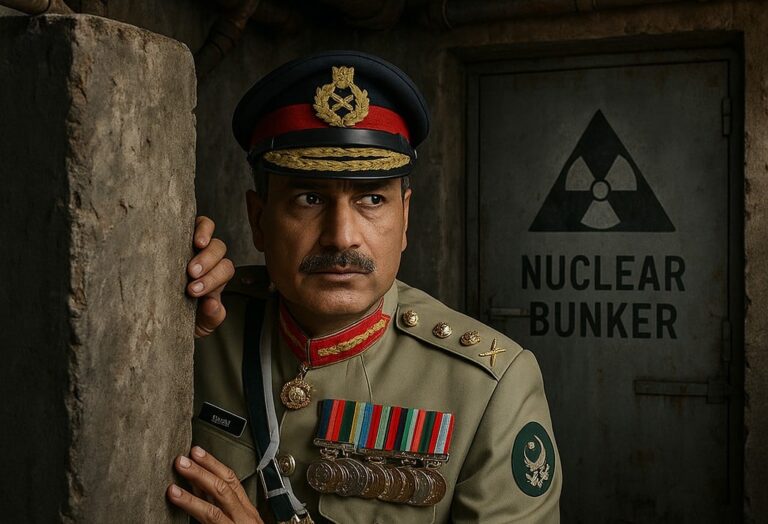
Pakistan’s Nuclear Weapons: The Dangers in the Indian Sub-Continent

By: Aasi Ansari, Research Analyst, GSDN

Pakistan’s nuclear plant: source Internet

Introduction

South Asia is considered one of the nuclear flashpoint due to the three nuclear armed bordering countries, i.e., India, China, and Pakistan. Among these countries, only China has signed the ‘Non-Proliferation Treaty’, ‘Credible Minimum Deterrence’ and ‘No First Use Policy’. However, China is not the part of Indian Sub-Continent. Indian Sub-Continent includes India, Nepal, Bangladesh, Pakistan, Bhutan, Sri Lanka, and the Maldives. India only has ‘Credible Minimum Deterrence’ and ‘No First Use Policy’. Pakistan on the other hand has not signed any of these treaties. As the matter of fact, Pakistan have ‘First Use Policy’ to deter from India and China and also uses their nuclear power to threaten nuclear and non-nuclear states, increasing the danger in the Indian Sub-Continent.

Pakistan’s position on nuclear disarmament is that it will only give up nuclear weapons if India gives up its own nuclear arsenal. All the other states in the Indian Sub-Continent are Non-Nuclear States. Pakistan don’t  have any official nuclear doctrine. Even if there exists one, it has not been made public. This ambiguity has increased the concerns in the Indian Sub-Continent, since South-Asia is a home to three nuclear armed states.

Pakistan’s Nuclear Capabilities

Pakistan tries to keep just a little more than India, i.e. nearly 170 warheads and have enough material to make up to 200 warheads by 2025. Right now Pakistan is the 6th largest nuclear power in the World, if they decide to increase the number they are estimated to be the 5th largest by 2025. India has around 160 warheads with 7th rank in the Nuclear arsenal after Pakistan. Although, India’s has nuclear capabilities is in all three domains i.e., land based, Aircrafts, and navel missiles. On the other hand, Pakistan’s nuclear is estimated to be mainly on land based missiles. However, they are considered to be capable of expanding their domain.

Pakistan is considered to have warheads in six deferent types of land based ballistic missile capable of nuclear payload. All of them are short range ballistic missiles. Pakistan has also tried to miniaturised nuclear missiles to make Multiple Independently Targeted Re-Entry Vehicles (MIRVs). Pakistan also have naval nuclear capabilities. Babar-3, a Sea Launch Ballistic Missile (SLBM), has been tested twice under the water. However, the completion of the development of Babar-3 has not been confirmed yet. Pakistan approved the purchase of 8 submarines from China, considered to be capable of carrying Babar-3 missiles. The F-16, Mirage-3 and Mirage-5 aircrafts are considered to be capable of carrying nuclear missile. Pakistan is estimated to have nearly 12 Mirage aircrafts.

The Dangers in the Indian Sub-Continent

Pakistan has always rebel against any international sanctioned. They have built a runaway program that has benefited them to increase their own nuclear power. The US and Pakistan multiple bilateral relations right after the independence of Pakistan, which has benefited both countries on papers. However, the relation between these two countries has been proven to be one of the most ‘mutual vulnerable’, since they have both threated each other for political benefits from time to time.

After Pakistan become a nuclear state the possibility of threat of a nuclear weapon getting into the hands of terrorists has been discussed around the globe, India in particular. Pakistan has used its nuclear capabilities to threaten other countries, every time the leading global nuclear power had to intervene to handle the conflict for establishing peace. Launch ability of nuclear weapon from Pakistan the biggest hindrance. To perform a launch of a missile with a nuclear payload needs a proper sophisticated technology to do the precis attack on a specific area or it needs to be carried on the aircraft to be dropped, or a submarine to launch.

This precision technology is only available with the military. In it highly believed that terrorist might not have this sophisticated technology and even with nuclear missile in the hands of terrorist, they might use the nuclear weapon to only threated any state rather than actually using it. However, nothing can be said for sure, and the concern remains the same. Therefore, without a precision technology launch platform readiness or availability can only be accomplished if the state supports it, in that case, it would no longer be an act of terror. It would be an act of aggression by the state of Pakistan.

America has tried to impose sanctions on Pakistan multiple times. However, American sanctions have failed to prevent Pakistan from building a nuclear program. After 9/11, United States gave Pakistan an ultimatum that Pakistan should allow U.S. to take full control on their nuclear facilities or American authorities will try to take control by force with the help of India. However, after that Bush administration had also spent around $100 million to help Pakistan safeguard its nuclear arsenal, but not able to establish control over Pakistani nuclear weapon. General Pervez Musharraf appreciated and suggested continued Western support will help to keep the nuclear arsenal away from the extremist hand.

In 2011, America had ‘Snatch and Grab’ contingency plan for Pakistan’s nuclear weapons, in case if they ever become a threat to United States or its interest. General Pervez Musharraf said Snatch-and-grab might lead to all-out-war by stating that “total confrontation by the whole nation against whoever comes in.” South-Asia plays a big role in global nuclear security, if they ever succumb to conflict, it could have a major impact on not only India-Pakistan but in all regions in Indian sub-continent. As the arsenal in South-Asia continues to grow, the risk of nuclear escalations also grows in the future conflicts.

America’s support for any country may fluctuate according to their interest and America has been seen to be bias in some conflicts. Just like America supporting Israel right now have raised concern of possible support to Pakistan against China or even India. America supported Pakistan during the Russian occupation of Afghanistan with the military aid. Although, America was not actually supporting Pakistan, they were just fighting against Russia. These crises have highlighted the third party influence to the nuclear escalation in the border of India and Pakistan. It is less likely to happen but not impossible.

The politics between India and Pakistan has also played a big role in escalation nuclear threat in the region. For instance, Prime Minister Narendra Modi for past decade has also used religion as key point to manipulate the civilians of India and win the election. Some researchers also believe that the Pulwama attacks was staged by the Indian government. Similarly, Pakistan has also used religion to use politics. All this religious politics form both the side has shown that the risk of nuclear threats is more under the leadership Bhartiya Janata Party (BJP).

It is considered that Pakistan has the nuclear power to use its own nuclear weapon in its own country in case of an invasion to kill the enemy force in the state along with killing of their own force. If Pakistan ever choses to use Weapon of Mass Destruction (WMD)  they are most likely to use a small scale nuclear warhead with minimum destruction. But both the bordering states have to deal with the fallout and radiation contamination, if it is used on the borders. Furthermore, even if the small scale low yield nuclear weapon is used, it could wipe out approximately 20 million people, depending on the population of the destroyed area and nearly 2 billion people will die, if the nuclear winter is triggered.

India don’t only have to deter from Pakistan but from China as well. India’s nuclear arsenal is lower than the Pakistan’s and China’s nuclear arsenal. India having nearly 165 nuclear warheads and have 700 Kg of weapon grad plutonium to make up to 213 warheads by 2033. Much more than India and Pakistan, China has about 500 nuclear warheads and they are developing the nuclear program much faster and it is estimated to be up to 1000 warheads by 2035. New Delhi worries about the continuing deep links between China and Pakistan. The links between Pakistan and China for the developments if the nuclear weapon has been found multiple times. For instance, in February 2020, India caught items being shipped by China to Pakistan. According to the DRDO, this item can be used for the manufacturing of rocket motors for ballistic missiles. This has further deteriorated the bilateral relationship between India with China and Pakistan.

Conclusion

Pakistan is a nation that has both nuclear weapons and a dangers of terrorism. Pakistani leaders have often been working surreptitiously with the terrorists to achieve common goals. Taliban secretly received political and military support from Pakistan’s Inter-Services Intelligence (ISI) agency. That fear now includes the possibility that Jihadis in Pakistan, freshly inspired by the Taliban victory in Afghanistan, might try to seize power at home. Pakistan claims to have nuclear weapon to deter from India and India have nuclear weapon to deter from China that increases the concern in entire Indian Sub-Continent.

However, in all the military conflicts at Sino-Indian and Indo-Pakistani border, Nuclear missile have never been used but only conventional arms were used. All these possible scenarios have the potential to lead to nuclear flashpoint and start the nuclear war in the world or at least between the nuclear armed states. Until-unless, Pakistan gives control of its nuclear arsenal to America or at least confirms that they are not helping the Terrorist organisations and anyway, the threat of nuclear conflict cannot be fully avoided.

75 Years of NATO: Relevance and Future

By: Darshan Gajjar, Research Analyst, GSDN

NATO at 75 years: source Internet

“There’s also hatred here… They’d be the first to be dreadfully unhappy if Russia should somehow rebuild itself, even the way they want it, and should somehow become boundlessly rich and happy. Then there would be no one for them to hate, no one to spit on, nothing to make fun of! What we have here is nothing but a boundless animal hatred for Russia which has eaten into their organism,” were the words of not Vladimir Putin in 2022 but that of Russian author Fyodor Dostoevsky in his novel Demons published in 1871–72. Though a work of fiction, Dostoevsky’s lines signal the persisting antagonism towards Russia in the European psyche, which has been enduring for many centuries.

Initially for cultural, later for religious, and now for ideological and geopolitical reasons, there exists this acrimony between Europe (including the West in general) and Russia. The existing conflict in eastern Europe can be attributed to this acrimony and antagonism. When Russia attacked Ukraine on February 24, 2024 one of the reasons it gave for invading Ukraine was the integration of Ukraine, which historically and politically was under Russian sphere of influence, into European and western security apparatus, most notably (potentially) in NATO.

April 4, 2024 marked 75 years since the Washington Treaty was signed in 1949 that conceptualised the North Atlantic Treaty Organisation (NATO). This article aims to dissect the popular myths and opinions about the role of NATO and its relevance post-dissolution of the USSR. It further makes the case for NATO to pivot into the Indo-Pacific in order to counter the growing Chinese threat.

Genesis of NATO

The end of World War II resulted in the crumbling of the then-established international order, with new potential hegemons and ideological rivals reshaping the balance of power considerations in the world. The world was subsequently divided into two economic and ideological blocks, with the West led by America promoting capitalism and the Soviet Union and allied countries spreading communism. Apprehensive about the rise of the USSR and its implications, Winston Churchill famously remarked, “From Stettin in the Baltic to Trieste in the Adriatic, an iron curtain has descended across the continent,” further highlighting the need to protect western values. Amid such developments, on April 4, 1949 the North Atlantic Treaty Organisation (NATO) came into being with the aim of providing “collective security against the Soviet Union.”

During the Cold War, NATO and its rival Warsaw Pact, which was established in 1955, indulged in multiple covert and overt operations in order to damage each other’s security framework. At the same time, with the advancements in precision technologies, the role of deterrence was redefined. The threat from the Soviet Union was at its zenith in the 1960s, when it actively made breakthroughs in intercontinental ballistic missiles (ICBMs). Eventually, NATO countries, along with their unabated nuclear posture, decided to strategically upgrade their conventional defence posture as well. One of the reasons why the Soviet Union collapsed was because of the leverage that NATO had in military and technological terms. The USSR’s pursuit of the same leverage led to its exhaustion of resources and its ultimate dissolution.

End of the Cold War and NATO Expansion

December 26, 1991 marked the official disintegration of the mighty USSR and the birth of fifteen sovereign republics. From the era of bipolarity during the Cold War, the world was suddenly ushered into an age of unipolarity, and the US dominance of the international system with all the major competing ideologies losing legitimacy and support. American political scientist and International Relations scholar Francis Fukuyama called this a moment of “the end of history,” where human civilization had reached its ideological pinnacle.

Amid all the changes in the international system, the question of the continuation of NATO was of utmost importance. Few of the leaders and scholars believed that NATO had achieved its raison d’être with the culmination of the Cold War and should be dissolved, contrary to those who necessitated its existence in order to counter any future threats. Eventually expansionists prevailed over the realists, and not only would NATO continue to exist, but it would also be expanded despite its rival Warsaw Pact having been dissolved. George Kennan, one of the key architects of the USA’s containment policy during the Cold War, warned in 1998 against NATO expansion. “I think it is the beginning of a new cold war… I think the Russians will gradually react quite adversely, and it will affect their policies. I think it is a tragic mistake. There was no reason for this whatsoever. No one was threatening anybody else,” he said.

Political Scientist Ted Galen Carpenter writes in his book titled Beyond NATO: Staying Out of Europe’s Wars which was published in 1994, “It would be extraordinarily difficult to expand NATO eastward without that action’s being viewed by Russia as unfriendly. Even the most modest schemes would bring the alliance to the borders of the old Soviet Union. Some of the more ambitious versions would have the alliance virtually surround the Russian Federation itself.” Even President Putin rattled during the 2007 Munich Security Conference, “It [the NATO expansion] represents a serious provocation that reduces the level of mutual trust. And we have the right to ask: Against whom is this expansion intended?”

John Mearsheimer, a prominent political scientist who forwarded the theory of offensive realism, argued in March 2022 (one month after Russia’s attack on Ukraine) that the West, and especially America, was principally responsible for the crisis in Ukraine. He further warned that the conflict has “now turned into a war that not only threatens to destroy Ukraine but also has the potential to escalate into a nuclear war between Russia and NATO.”

On the other hand, leaders including Bill Clinton, Madeleine Albright, and George H.W. Bush, inter alia, actively advocated NATO expansion in order to promote democratic freedom around the world and strengthen liberal international order. Further, leaders in the west today believe that it was the expansionist goals of Russia and President Putin that led to the catastrophe in Ukraine and not the security dilemmas associated with the apprehensions of Ukraine joining NATO.

Can NATO Pivot to Asia?

Whatever the arguments, the existence and expansion of NATO are realities, and one must accept that beyond strategic considerations. With eastern Europe and the Middle East being entangled in conflict, it gives Xi Jinping an opportunity to leverage the situation and achieve what it calls reunification of Taiwan with mainland China. Recently, Admiral John Aquilino, outgoing US Indo-Pacific commander, warned of the of the assertiveness of China in the region, citing examples of Chinese overreaction to Nancy Pelosi’s visit to Taiwan in 2022 and, most recently, Chinese aggressiveness against the Philippines, where China violated international and maritime law. “It’s getting more aggressive, they’re getting more bold, and it’s getting more dangerous,” he said further.

It is high time for NATO leaders to pivot to Asia with the aim of curbing the rising hegemon—China—that aims to destroy the very foundations of liberty, freedom, and human rights on which the West-led rule-based order is grounded. In 2022, after the NATO summit in Madrid, the final communiqué, officially known as the ‘NATO 2022 STRATEGIC CONCEPT,’ for the first time mentioned China as one of NATO’s strategic priorities, citing how China’s coercive policies challenge NATO’s interests, security, and values. It says, “The PRC’s malicious hybrid and cyber operations and its confrontational rhetoric and disinformation target Allies and harm Alliance security.”

Though NATO officially does not consider China an adversary, it has increased its engagement with allies and like-minded countries in the region, such as South Korea and Japan. Additionally, NATO Strategic Foresight Analysis (SFA) 2023 also talks about strengthening the organisation’s capabilities in space, information, and cyber domains, in which China vigorously pursues building military capabilities. This is evident with recent PLA reorganisation reforms, under which the PLA has established three independent branches: the Information Support Force (ISF), the Cyberspace Force, and the Aerospace Force, carved out of the erstwhile Strategic Support Force (SSF).

Rise of China, economically and militarily, requires all the security mechanisms and organisations to recalibrate their operational approaches to counter novel threats. The evolution of warfare and its transcendence to public life by means of grey zone warfare tactics, which are being employed by countries like China, predominantly require like-minded countries to collaborate on security matters, especially in the Indo-Pacific.

Conclusion

In the nineteenth century, Dostoevsky warned us about the inherent nature of antagonism between Russia and Europe. Under the current circumstances, in Ukraine, finding mutual conditions under which both countries—Russia and Ukraine—can agree for a permanent ceasefire and the secession of hostilities is paramount. If increasing collaboration between Russia and China is a cause of concern for NATO and the West, the overdependence of Russia on China is becoming worrisome for Russia as well due to fear of it becoming a vassal state of China. Changing conditions of the balance of power amid major geopolitical developments demand allies consolidate their power to deter rising adversaries in the Indo-Pacific.

The May 9, 2023 Incident: A Manifestation of Pakistan’s Struggle Against Authoritarianism

By: Lt Col JS Sodhi (Retd), Editor, GSDN

Imran Khan in prison: source Internet

In the annals of Pakistan’s tumultuous political history, May 9, 2023 stands out as a day of reckoning—a moment when the simmering discontent of the people erupted into a powerful wave of resistance against authoritarianism and injustice. The events of that fateful day, marked by the overturning of the PTI government and the imposition of false charges on its politicians, serve as a stark reminder of the entrenched power dynamics plaguing the country’s governance.

At the heart of the May 9 incident lies the Pakistan Army’s tightening grip on the levers of power, overshadowing democratic principles and stifling dissent. The army’s intervention in civilian affairs, culminating in the dismissal of the PTI government and the arbitrary arrest of its leaders, underscores the pervasive influence of the military establishment in shaping Pakistan’s political landscape.

The pretext for the army’s actions was ostensibly rooted in concerns over governance and stability. However, a closer examination reveals a deeper truth—the PTI government’s efforts to challenge the status quo threatened the entrenched interests of the military elite. Prime Minister Imran Khan’s crusade against corruption and injustice struck at the very core of the system perpetuated by the Pakistan Army—a system built on patronage, cronyism, and impunity.

Imran Khan’s pledge to clean the system of corruption and hold the powerful to account posed a direct challenge to the entrenched interests of the military establishment. As the PTI government sought to dismantle the structures of privilege and impunity, it incurred the wrath of those who benefit from the status quo. The events of May 9, therefore, must be understood within the broader context of a struggle for power and accountability—a struggle between the forces of democracy and those of authoritarianism.

The people’s anger on May 9 was not merely a reaction to the overturning of a government, but a manifestation of years of frustration and disillusionment with a system that prioritizes the interests of the few over the needs of the many. The imposition of false charges on PTI politicians served as a chilling reminder of the lengths to which the powerful will go to maintain their grip on power and privilege.

In the aftermath of the May 9 incident, Pakistan stands at a crossroads. The choice before its people is clear—whether to succumb to the forces of authoritarianism and oppression or to stand up and demand a return to democratic principles and the rule of law. The events of May 9 serve as a wake-up call—a call to action for all those who believe in the principles of justice, accountability, and freedom.

It is incumbent upon the people of Pakistan to hold their leaders accountable, to demand transparency and fairness in governance, and to resist attempts to undermine the foundations of democracy. The struggle against authoritarianism is not an easy one, but it is a fight worth waging—for the sake of future generations and the promise of a better, more just Pakistan. As long as there are those willing to speak out and stand up for what is right, there remains hope for a brighter tomorrow, free from the shadows of authoritarian rule.

The Dragon Stretching its Wings – Chinese Overseas Military Bases

0

By: Mahima Sharma, Research Analyst, GSDN

A Chinese military base: source Internet

In recent years, China has been rapidly expanding its military power and influence, with significant implications for global security. One of the most notable developments in this regard is China’s establishment of overseas military bases, which has raised concerns among policymakers and analysts around the world. This article will examine the implications of China’s overseas military bases, with a focus on their geopolitical significance, the challenges they pose to regional and global stability, and the potential for conflict.

China’s growing military power is well-documented, with the country investing heavily in modernizing its armed forces and expanding its military capabilities. This includes the development of advanced weapon systems, the expansion of its navy, and the establishment of overseas military bases. These bases, which are located in strategic regions around the world, are intended to support China’s military operations and enhance its ability to project power globally.

The significance of China’s overseas military bases cannot be overstated. These bases are not just military outposts, but also symbols of China’s growing influence and power. They represent a new phase in China’s military diplomacy, as the country seeks to establish itself as a global military power. Moreover, these bases are part of China’s broader strategy of expanding its economic and political influence around the world, particularly in regions where it has significant economic interests.

China’s quest for overseas military bases is a significant development in the country’s military diplomacy and strategic posture. Historically, China has been cautious about establishing military bases abroad, preferring instead to maintain a low military profile and avoid entangling alliances. However, in recent years, China has been more assertive in its pursuit of overseas military presence, driven by its growing economic and strategic interests around the world.

The Belt and Road Initiative (BRI), a massive infrastructure development project spanning several continents, has played a significant role in China’s quest for overseas military bases. Through the BRI, China has established partnerships with countries along the proposed routes, providing them with infrastructure development and investment in exchange for access to their markets and resources. These partnerships have also provided China with opportunities to establish military bases and access agreements, allowing it to protect its interests and project power in key regions.

China’s strategic infrastructure projects, such as ports, railways, and highways, have also played a crucial role in its quest for overseas military bases. These projects have provided China with access to strategic locations and resources, allowing it to project power and protect its interests in key regions. For example, China’s establishment of its first official overseas military base in Djibouti in 2017 has set the precedent for PLA units to be permanently stationed abroad, providing China with a strategic foothold in the Horn of Africa and the Indian Ocean.

China’s quest for overseas military bases has significant implications for global security and stability. The potential for conflict and military escalation is a significant concern, particularly in regions where China’s interests intersect with those of other powers. The establishment of military bases and access agreements also has implications for regional security dynamics, potentially altering the balance of power and creating new security challenges.

China’s military posture has been evolving in recent years, with a growing focus on expeditionary operations and the protection of its expanding interests overseas. While China has not yet established formal military alliances or full-fledged bases, it has been developing partnerships that allow it access to strategic locations and resources. These partnerships, often established under the Belt and Road Initiative, have provided China with opportunities to establish military bases and access agreements, allowing it to protect its interests and project power in key regions.

China’s continental geography has a significant impact on its military posture, as it shares long land boundaries with many powerful neighbours and must prioritize its periphery as a first-order national security theatre. This means that China’s military resources and strategic attention are primarily focused on its immediate surroundings, rather than on distant regions. However, China has been expanding its military presence overseas, particularly in regions where it has significant economic and strategic interests.

China’s “encirclement” by the U.S. and its allies across Asia, Oceania, and Europe also poses a challenge to its military posture. This is especially acute in maritime East Asia, where China has strategic threat perceptions and must prioritize its immediate littoral areas. The utility of bases far out of the likely theatre of operations is much diminished for China, as it faces a permanent reality of encirclement by the U.S. and its allies.

Technology also plays a significant role in shaping China’s approach to overseas military bases. The widespread diffusion of precision strike technologies makes all prospective Chinese bases soft targets, rendering the traditional method of foreign basing less strategically viable for China in the 21st century. Building dedicated basing infrastructure may yield greater liabilities than assets in high-end conflict, a problem that the U.S. joint force is also contending with as it seeks to blunt China’s threat to its many fixed positions across the Indo-Pacific.

China’s military diplomacy and overseas security activities are a significant aspect of the country’s foreign policy, aimed at furthering its national and military strategic objectives and goals. China’s military diplomacy includes high-level visits and professional military exchanges with counterparts overseas, participation in bilateral and multilateral exercises with partners outside the Indo-Pacific region, maritime patrols and port visits around the world, and provision of nontraditional security services. China’s military diplomacy is also used to signal displeasure with a country’s policies or actions toward China, through cancelling high-level engagements, dialogues, and exercises.

Chinese forces may utilize commercial port terminals leased to Chinese firms in a conflict scenario, as prescribed in China’s domestic law and policy. However, politically, host governments will generally have discretion to determine the type and degree of PLA use of any facility on its territory. The potential for Chinese forces to utilize commercial port terminals in a conflict scenario raises important questions about PRC external strategy, and requires that we take stock of China’s historically low levels of interest in engaging directly in militarized conflicts.

The political considerations for China’s military presence abroad include the need to safeguard the PRC’s sovereignty, security, and development interests; strengthen the military; and redefine the global community. China’s military diplomacy and overseas security activities are aimed at making the world safe for autocracy and shaping the perception of the Peoples Liberation Army (PLA) abroad. The CCP takes a much more expansive view of security, particularly from the information standpoint, than does the United States.

China’s overseas military bases have significant implications for global security and stability. The establishment of these bases represents a shift in China’s military posture, signalling its growing influence and power projection capabilities on a global scale. This expansion raises concerns about the potential for conflict and the need for diplomacy to manage tensions effectively.

The impact on global security and stability stems from the potential for increased military presence in strategic regions, which could alter the balance of power and create new security challenges. The presence of Chinese military forces in key locations around the world raises questions about how this will influence regional dynamics and the response of other major powers.

The potential for conflict is a significant concern, particularly in regions where China’s interests intersect with those of other countries. The establishment of overseas military bases can heighten tensions and increase the risk of miscalculations or misunderstandings that could lead to conflict. Diplomacy plays a crucial role in mitigating these risks and ensuring that disputes are resolved peacefully.

The role of the international community in addressing the implications of China’s overseas military bases is essential. Close monitoring, dialogue, and cooperation among nations are crucial to prevent misunderstandings and promote stability. Multilateral efforts to engage with China on military transparency, confidence-building measures, and conflict prevention can help manage potential conflicts and maintain global security.

In conclusion, the impact of China’s overseas military bases on global security and stability is significant, with the potential for conflict and the need for diplomacy to manage tensions effectively. The potential for Chinese forces to utilize commercial port terminals in a conflict scenario raises important questions about PRC external strategy, requiring careful management and diplomacy to prevent misunderstandings and miscalculations that could lead to conflict. Through vigilance, dialogue, and cooperation, we can ensure that China’s expanding military footprint contributes positively to global security and stability, promoting peace and prosperity for all.

Ads Blocker Image Powered by Code Help Pro

Ads Blocker Detected!!!

We have detected that you are using extensions to block ads. Please support us by disabling these ads blocker.

Powered By
100% Free SEO Tools - Tool Kits PRO