As the new millennium progressed in the year 2000, whilst the world at large was celebrating this historic year which few witness in their lifetime and the failure of the much-touted Y2K bug, further added relief and joy to the millennium revellers. In the offices of the Chinese Ministry of Education on the Xizhimenwai Street of Beijing and the Ministry of Science & Technology located on Fuxing Road, Beijing there was a growing worry about lesser Doctorates (PhD) in Science, Technology, Engineering & Mathematics (STEM) that China was producing in contrast to USA.
For, in that year China produced 9038 PhDs in STEM while USA was the global pole leader in this field having produced 18,289 PhDs in STEM.
Both the Ministry of Education and the Ministry of Science and Technology knew that if China had to make technological strides than more PhDs in STEM were required as they were the pivots in technology development and Research & Development (R&D).
After lot of brain-storming and studying various global models, China launched the “Young Thousand Talents Program” in 2007. The results of this decision were quick to be seen and in 2010, China surpassed USA in the number of PhDs in STEM, with China producing 34,801 STEM Doctorates that year while USA produced 26,076.
In 2019, China produced 49,498 PhDs in STEM and in the same year USA produced 33,759 and India had 700 plus STEM PhDs. Of these 700 plus Indian STEM PhDs, 70% have renounced their Indian citizenship and have migrated to foreign countries.
Buoyed by the unprecedented success of the “Young Thousand Talents Program”, China launched the “National High-end Foreign Experts Recruitment Plan” on March 17, 2020 to further hone up their technological prowess and by this year end, China is projected to produce 77,179 PhDs in STEM in comparison to USA’s 39,959.
As the Doctorates in STEM in China kept on increasing, so did their numbers of world-leading scientists. A world-leading scientist is one who has published research papers in the world’s top scientific journals.
Sample the period 2020-2024 for the number of world-leading scientists in both China and USA. In 2020, USA had 36,959 world-leading scientists while China was almost half of that number at 18,805. In 2024, China became the global leader in the world-leading scientists with 32,511 and the USA had 31,781.
Currently, China is the global leader in 37 out of 44 critical technologies while the USA leads in the balance seven critical technologies.
Clearly, China built the conducive scientific temperament for it to be the global leader in technology today. This certainly was not done in one day and as is visible from the above stated facts and figures, the process started a quarter of a century back, despite USA being the global leader in technology then.
In the field of technological advancements China proved their famous proverb apt “The best time to plant a tree was 20 years ago. The second-best time is now”. And China started their technological superiority journey in right earnest in 2000.
So, when DeepSeek, the Chinese artificial intelligence software that develops open-source Large Language Models (LLMs) was announced on January 20, 2025, it was no surprise to those who understood China well, for it was the product of investments in technology that China had started in 2000 and the result of strong educational fundamentals espoused by Mao Zedong in 1949.
After China was devastated by a civil war that ended in 1949, the literacy rate in China was just between 20-40%. The communist party on taking over power made education as one of its foremost priorities and through both formal schooling and literacy programmes was able to achieve school enrolment getting tripled, secondary school enrolment increasing by a factor of 8.5 and college enrolment quadrupling in the first sixteen years, thus laying a strong bedrock for education.
The fact that the date of announcement of DeepSeek on January 20, 2025 on the same day as of the inauguration of Donald Trump as the 47th President of USA was no coincidence but a well-planned strategy to show China’s biggest rival that it meant business.
A week later, President Donald Trump reacted by terming DeepSeek as a “Wake-up Call” as during the first week of its launch, DeepSeek surged to become the most downloaded free application displacing OpenAI’s ChatGPT.
Eric Schmidt, former CEO of Google termed the launch of DeepSeek as a turning point in the global AI race.
The shares of US-based Nvidia whose chips are used for making of ChatGPT tanked 17%, suffering a loss of over US$ 1 trillion since the launch of DeepSeek. Clearly, the Artificial Intelligence (AI) boom which was ignited by ChatGPT’s release on November 30, 2022 had Nvidia and OpenAI laughing all the way to the bank, besides giving USA the pole position in AI.
Russian President Vladimir Putin’s statement on September 04, 2017 that the nation leading in AI will be the ruler of the world, had the USA in that important driver’s seat for a brief period of 26 months till DeepSeek shattered the American dream-run in AI last month.
Costing a mere US$ 5.76 million to create DeepSeek, at one-tenth the cost that made ChatGPT, Hangzhou DeepSeek AI Technology Research Company Limited, the owners of DeepSeek is a Hangzhou-based startup founded in China in July 2023.
Using open-source approach the team that created DeepSeek has 50% of its members born after 1995 and 75% of its members born after 1990. Clearly, the young talent of China shocked the world in AI which is a testament of the technology-driven initiatives launched by China since 2000.
DeepSeek is an apt example of open collaboration dovetailing the successful integration of technology, information, capital and talent as DeepSeek using open-source approach collaborated with Sugon and Tencent Cloud, already well-established Chinese information technology companies in technology development, application, implementation and expansion. The words of Thomas Malone hold true “True innovation will come not from new technologies but from new ways of collaboration”. And, DeepSeek did exactly that.
The words of US President Donald Trump terming DeepSeek as a wake-up call are of immense importance to the six littoral nations of the South China Sea ie Taiwan, Brunei, Vietnam, the Philippines, Malaysia and Indonesia, apart from India and USA as China is to wage three wars in the next one decade on Taiwan in 2027, Spratly Islands in 2029 and a joint two-front war with Pakistan on India in 2035 in which AI will play a very significant role in China’s futuristic wars which will involve all the eight nations listed above at some point or the other in next one decade.
It is important to remember that the future wars will be fought using modern technology and not the past supremacy in culture or civilization.
A case in point of use of modern technology in modern warfare is when Hamas attacked Israel on October 07, 2023 at 6.30 am. For the next 20 minutes, the electromagnetic spectrum of the Israeli Defence Forces (IDF) was jammed. As result of which, the Israeli military commanders were not able to communicate with each other and this gave the crucial first-mover advantage to Israel and they were successful in taking 251 Israelis as hostages. The electromagnetic spectrum was jammed by China for Hamas and the Israel-Hamas War which ended on January 19, 2025 resulted in defeat for the IDF which is evident by the fact that the Chief of Staff of the IDF, Lieutenant General Herzi Halevi and its Southern Army Commander Major General Yaron Finkleman resigned on January 21, 2025.
The same IDF which had defeated a 11-nation coalition force during the 19-day Yom Kippur War of 1973 had to seek a ceasefire with both the Hamas and Hezbollah on January 19, 2025 and November 27, 2024 respectively ending the 15-month war with Hamas and the 60-day war with Hezbollah, as one of the pivotal factors was the Israeli hostages with Hamas and there was mounting pressure from the majority of the Israeli citizens to get the hostages released.
There is no runner-up in a war and with technology forming a very important edge in modern warfare, the choice rests with each nation that is to go to war with China in the next one decade.
China needs to be understood well. For those who understand China well, will be better prepared to tackle it when the balloon goes up (an army slang meaning commencement of a war) and not be surprised when softwares like DeepSeek are launched.
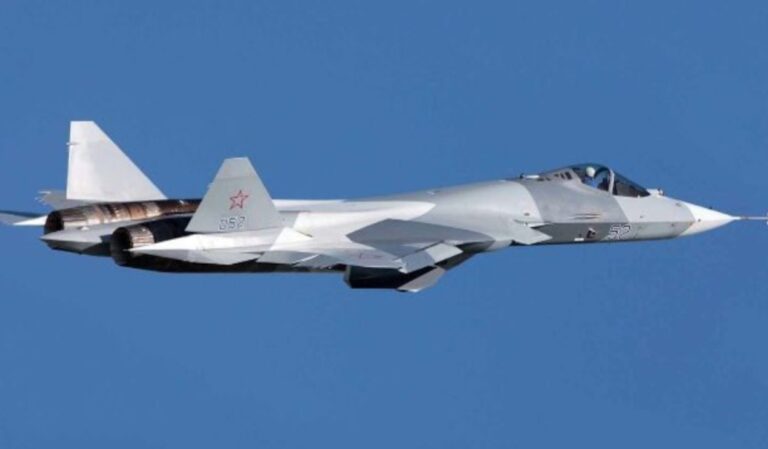
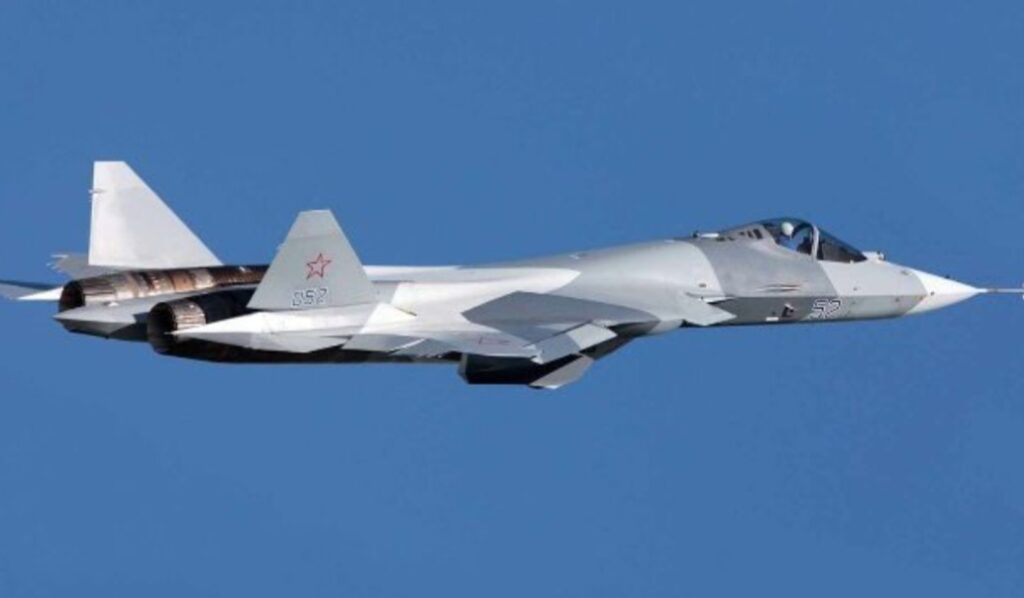
Expected to be the showstopper at this year’s Aero India, after the US Air Force (USAF)’s F-35 Lightening II’s India debut in 2023, Russia is all set to launch its fifth-generation fighter, the Su-57 Felon, developed by Russian aircraft manufacturer Sukhoi in India at the upcoming 15th edition of the biennial airshow-Aero India, from Feb 10-14, 2025 at Yelahanka, Bengaluru. India is the second country for the Felon to debut in after China, where it flew for the first time at the Chinese airshow in Zhuhai last November.
Though the USAF F-35 Lightning II will be on static display, unlike the Felon, the clear signalling is not lost on the strategic community about America’s last-minute decision to send its stealth fifth generation fighter, which enthralled viewers during Aero India-2023, through its aerial display and awe-inspiring manoeuvres.
Both US President Donald J Trump and Russian President Vladimir Putin are reported to visit India this year and the Indian Air Force (IAF) has had a long pending RFP (request for proposal) for its 114 MRFA (multi-role fighter aircraft) deal valued at US$ 20 billion, still to be announced. The F-35 Lightening’s return to the airshow this year is also timed with Indian Prime Minister Narendra Modi’s US visit, after a few days.
It maybe noted that India had initially agreed to co-develop its own fifth generation stealth fighter jet along with Russia, under a 2007 project named PAKFA-FGFA, which got derailed in 2018, but the Russian side maintains that the PAKFA-FGFA is only delayed and might get revived soon.
Fifth Generation Fighters
Fifth-generation fighter jets boast advanced capabilities, including stealth, super-cruise, and super-manoeuvrability. They also offer superior precision strike capability, speed, agility, and situational awareness. While the Su-57 is a twin-engine aircraft, the F-35 is a single-engine fighter. Stealth is the main feature of a fifth-generation fighter, which is a technology enabling radar evading feature to reduce detection. Advanced avionics in a fifth generation comprise an integrated sensor fusion for superior situational awareness. Their super-cruise capability ensures a sustained supersonic flight without afterburners. The fifth-generation fighters are capable of network-centric warfare, meaning they have seamless data sharing with other assets in a real-time multirole environment. They excel in air-to-air, air-to-ground and electronic warfare missions.
India is also working on developing its own fifth-generation fighter, the Advanced Medium Combat Aircraft (AMCA). The Cabinet Committee on Security (CCS) gave its approval to the Defence Research and Development Organisation (DRDO) for the project in 2023, while the financial sanction came only in 2024. The first prototype is expected to have its debut flight by 2028, according to DRDO sources.
It may be noted that India’s fighter fleet has declined to 29.5 squadrons, well below the sanctioned strength of 42.
The only fifth generation stealth fighters in the world, which are operational are the American F-22 Raptor, the F-35 Lightening II, both developed by Lockheed Martin and in service in the USAF, the Russian Su-57 Felon, which has been part of operations in Syria and Ukraine and the Chinese Chengdu J-20 ‘Mighty Dragon’.
While those under development are Russian Su-75 ‘Çheckmate’, Shenyang FC-31 ‘Gyrfalcon’, the Chinese twin-engine, multi-role fifth generation stealth fighter, India’s AMCA, Tai TF Kaan, the twin-engine, multi-role fifth generation fighter being developed by the Turkish Aerospace Industries, Mitshubishi F-X-the sixth-generation stealth fighter being developed for the Japan Air Self-Defence Force, and the Korean KAI KF-21 Boramae programme.
F-35
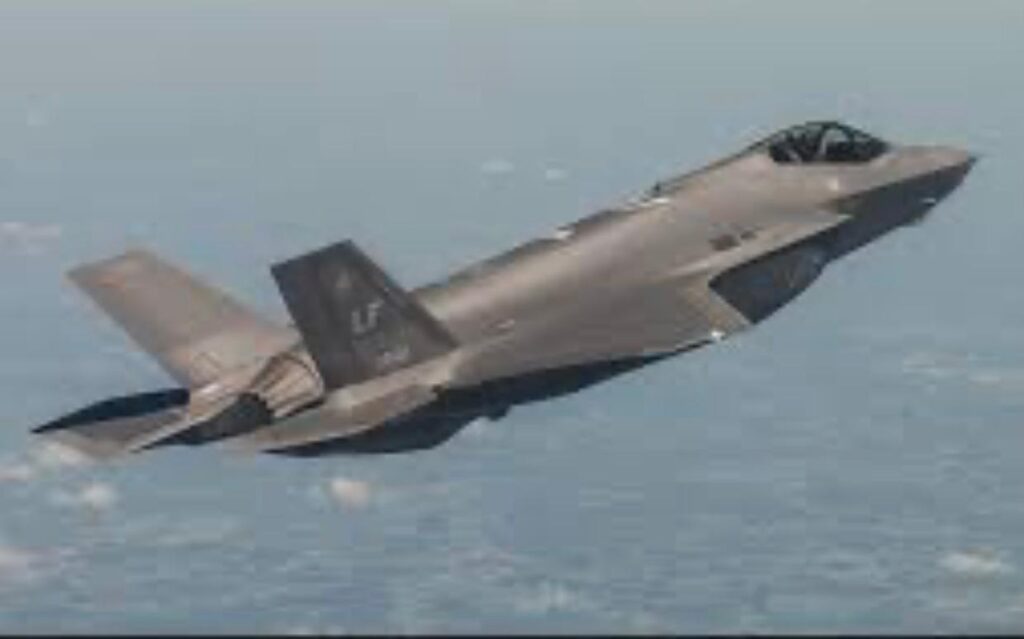
The single-engine, single-seat F-35 is essentially being sold to the United States’ NATO allies, although non-NATO allies Israel, Japan, South Korea, and Singapore also operate it, while Switzerland, which is also non-NATO, is considering an F-35 purchase. Manufactured by Lockheed Martin, the fifth-generation fighter is co-developed in partnership by eight countries and presently flown by 14 air forces and navies worldwide.
F-35: source Internet
F-35’s debut in India at the 2023 edition of Aero India, according to the US Embassy was not about Foreign Military Sales; but more about the closeness of a defence partnership of two maritime democracies with great air power, naval power and land power collaborating to provide deterrence and security across the region.
The F-35’s superior stealth design comes with internal weapons bays, radar-absorbent materials, and advanced electronic warfare (EW) capabilities. The Lightening II is reportedly less manoeuvrable, with no thrust-vectoring, but still agile due to its advanced flight control systems. The F-35’s AN/APG-81 AESA radar is one of the most advanced in the world, with superior target tracking and electronic warfare capabilities. The fighter has a longer operational range of 1,700 plus kilometres due to its efficient fuel management. The weapons package comprises AIM-120 AMRAAM, AIM-9X Sidewinder, and precision-guided bombs, all designed for stealth carriage. The F-35 is a multi-role stealth fighter focused on strike missions, intelligence gathering, and electronic warfare.
Su-57 Felon
The Su-57 is a twin-engine stealth fighter aircraft, presently operational in just the Russian Airforce. The two engines are typically identified as Saturn AL-41F1 afterburning turbofan engines. It is a more air-superiority-focused fighter with ground-attack capabilities.
The Felon is highly manoeuvrable with 3D thrust-vectoring engines, making it superior in close-range dogfights. The jet is faster at Mach 2+ and has a combat range of ~1,500 km (without refuelling). The Su-57 uses a mix of beyond-visual-range missiles like the R-77M and R-37M, which has very long-range capabilities. The N036 Belka AESA radar has multiple arrays, providing good situational awareness.
AMCA
The Advanced Medium Combat Aircraft (AMCA) is India’s upcoming fifth-generation stealth fighter being developed by HAL (Hindustan Aeronautics Limited) and DRDO. It aims to rival other fifth-gen fighters like the F-35, Su-57, and J-20 while incorporating cutting-edge technologies. The fighter is expected to roll out for trials by 2028.
This fifth-generation, twin-engine, multirole, low-observable fighter is due to have a maximum take- off weight in the 25-tonne category, and includes a number of fifth-generation features including Diverterless Super-sonic Inlets (DSIs), serpentine intakes an internal weapons bay, and thrust vectoring engines. At present, the AMCA still in the design phase.
The Diamond-shaped AMCA has a blended wing-body structure for reduced radar signature. It is supposed to be incorporated with a low radar cross-section (RCS) with stealth shaping and radar-absorbent materials (RAM). It is expected to achieve Mach 2+ speed. The twin-engine configuration is for a high thrust-to-weight ratio and enhanced combat range of 1,500 km+ (extendable with aerial refuelling). The AMCA will be equipped with AI-powered avionics for automation and reduced pilot workload. The weapons package would comprise Beyond Visual Range (BVR) missiles: Astra Mk-2, Astra Mk-3, Astra Mk-1, Python-5, precision-guided munitions, like smart bombs and air-to-ground missiles. AMCA will be India’s first stealth fighter, designed to balance stealth, manoeuvrability, and sensor fusion.
This year’s event will also showcase Boeing’s KC-135 Stratotanker refuelling aircraft and Embraer’s C-390 transport aircraft, along with other exciting highlights.
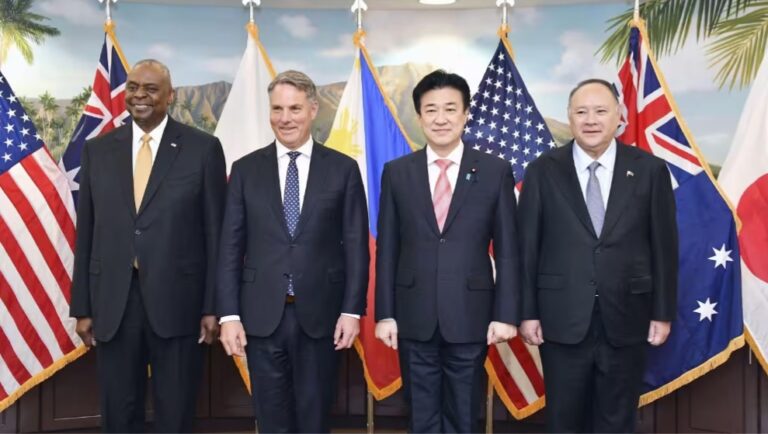
Foreign Ministers of the SQUAD nations on May 02, 2024: source Internet
The Biden administration had proposed SQUAD to bolster peace, mutual deterrence and freedom of navigation in the Indo-Pacific. The US Secretary of Defence, Llyod George said, “We have chartered an ambitious course to advance that vision together” at the sidelines of the April 2024 meeting of Defence Ministers – Richard Marles (Australia), Kihara Minoru (Japan), Gilberto Teodoro (Philippines) and Lloyd Austin (US) in the US Indo-Pacific Command (INDOPACOM) in Hawaii. The seeds for this grouping were sown in the preliminary meeting of defence ministers in the 2023 Shangri La Dialogue. Later, joint maritime patrols in the hotly contested South China Sea (SCS), followed by a trilateral summit of American, Japanese and Phillipino leaders, further cemented this partnership.
This institutionalisation of SQUAD comes at the hills of regime change in the Philippines from pursuing a passivist policy towards China towards the current term of President Ferdinand Marcos Jr’s shift towards collaborating with the US to strengthen ‘integrated deterrence’ in the South China Sea (SCS). Further, Australia, in recent years, has also shed its reticence in irking China of not entering into strategic partnerships with others in the region. Japan also looks to wean away from its pacifist constitution. The other major player in the region, India, forms QUAD with the US, Japan and Australia, but its insistence on ‘strategic autonomy’ while keeping independent ties with Russia and also resisting a more militaristic colour to this union has prevented QUAD from achieving strategic coherence and utility against formidable Chinese intransigence.
As a part of the larger trend of transitioning beyond traditional foreign policy tools, the Indo-Pacific has been the incubator of minilateral associations as the site of hot strategic competition. The growing intersection of economic, military, political, and cultural conflicts within and outside the region’s states has been a shot in the arm for such rebalancing strategies. Initiatives like QUAD, US-Republic of Korea-Japan Trilateral, AUKUS, and SQUAD, all grapple with traditional and non-traditional currencies of power politics. Both China and the US are spearheading activist diplomatic regimens to woo countries to broaden their network of friendly and cooperative states. Whether to funnel strategic rivalry by perusing ‘hard’ politics or pursue ‘human security’ and ‘soft’ issues (Singapore-Indonesia-Malaysia Malacca Straits Patrol) – minilateral initiatives in Indo-Pacific are blurring boundaries in strategic wargaming.
QUAD to SQUAD à a mere strategic dribble or a concrete gameplan?
Chinese commentators have seen SQUAD as a part of the declining hegemon’s (US) last-ditch attempt to ‘contain’ an inevitable Chinese ascendancy. The Dragon has accused the US of fielding proxies like the Philippines to provoke its “Ukrainization”. They claim that the United States is manipulating the Philippines and provoking it against China. This ‘cold war mentality’ will entrench regional divisions and mistrust, complicating the security atmosphere even more. This will force states to take sides and pose challenges to cooperation between China and Southeast Asian countries. This point is of relevance as China-ASEAN trade has increased four times since 2019. Furthermore, the Regional Comprehensive Partnership (RCEP) backed by China has been touted as the world’s biggest security pact by Al Jazeera, covering 30% of the global population and economy. This raises doubts about the efficacy of the strategic alignment of US-led groups with SCS littoral states.
But the era of simplistic geopolitical games is over as the age of alliances has eclipsed countries, especially from the Global South, valuing the strategic depth accruing from issue-based ad hoc coalitions. As Kissinger famously opined that ‘America has no permanent friends or enemies, only interests’ – this maxim underscores the need for adaptation to constantly changing geopolitical alignments. SQUAD is a much more focused attempt than QUAD to build pressure on China to temper its predatory attitude in SCS, especially the Taiwan Straits. Indian External Affairs Minister S. Jaishankar has already reasoned in the Munich Security Conference on February 19, 2022, that QUAD is not Asian NATO and simply about “four countries who have common interests, common values, (a) great deal of comfort, who happen to be located in the four corners of the Indo Pacific”. This counterbalance will perhaps be much more effective with replacement of a reluctant India with Philippines, an ally of United States, having a Visiting Forces Agreement with Australia and negotiating Reciprocal Access Agreement with Japan.
SQUAD, by aiming for greater military interoperability and strategic coordination, is a step forward from QUAD. Aiming to strengthen the joint response to a wide variety of traditional and non-traditional threats, SQUAD is a part of the “lattice-like” security architecture that the US has been cultivating in recent years. Moving away from an unpopular, costly and strategically dubious collective defence posture for sustaining a favourable balance of power, the United States, as the preeminent power, is now seeking mutual plurilateral partnerships. The greater shift from grand alliances to minilaterals underscores the need to counter a limited but imminent spectrum of threats in flexible and improvised groupings.
Informalism in Indo-Pacific diplomacy
With its roots in off-the-table diplomatic manoeuvres, the SQUAD needs to institutionalise and promise actionable partnership through regular punitive and preventive joint patrols in the South China Sea and across the Pacific, coordinated intelligence-sharing and maritime security cooperation, and modernisation and interoperability of partners’ defence systems. It needs to score a bullseye in its counter plans to Chinese aggression and hybrid grey zone warfare, which have seriously jeopardised regional security and cooperation. China smartly nibbles at others’ territory by playing the victim and enmeshing its target in disadvantageous bilateral negotiations, but with mechanisms like ASEAN and QUAD, South East Asian states can proffer a multilateral response to the Dragon’s increasingly threatening behaviour. Such institutionalised cooperative platforms signal to China that its targets are not alone and that it can be subjected to military and economic countermeasures.
However, there are problems with this interpretation of SQUAD for two reasons. First, SQUAD is not Asian NATO – an idea dumped by all relevant stakeholders but one that irks China. A collective defence system in South East Asia is not even a remote possibility because even if China is recognised as a common threat – the perception of the nature of its irredentism differs between Japan, Indonesia, the Philippines, Malaysia and others. Furthermore, despite China’s economic coercion by weaponising its supply chain dominance, surveillance infiltration, and trade dumping – South East Asian states are so deeply integrated and have benefitted from RCEP and bilateral arrangements with China that they will ponder twice before directly standing up to it. It is a chicken and egg situation of whether to float a militarised forum to respond to already prominent Chinese abrasions while also risking an enraged China.
Deep Chinese pockets have successfully orchestrated its ‘dual circulation’ strategy in which its manufacturing exports-driven economy earns foreign exchange by becoming the factory of the world and also caters to booming domestic demand. This has been aided by piloting gargantuan projects, massive in imagination and investments, all across the world to capture the markets and minds of the larger world, especially the Global South. Initiatives like the Global Civilisation Initiative are part of China’s attempt to replace the cultural industry of American hegemony and replace it with its own. It remains to be seen if SQUAD can provide real deterrence beyond the reputational deterrence of standing against a ‘quartet of chaos’ of autocracies.
Way Forward
An assessment of Chinese strategic culture is aptly summed by recalling an observation of its founding father, Mao Zedong, that power flows from the barrel of a gun. All revisionist powers like China are hardwired to maniacally try to bridge their strategic insecurities in the balance with the current superpower. Military capabilities and economic resourcefulness are the two rules of the game, with its theatre, the Indo-Pacific, transforming into a textbook case of Mandala dynamics. India already has its playbook astutely described by master strategician Kautilya. Guided by new age wisdom of eschewing war by pursuing ‘dialogue and diplomacy’, India has done well to shun the militaristic avatar of QUAD and by refusing to play the Western proxy. By retaining its value as an autonomous swing state, India has preserved sufficient systemic space for a cold war between the ‘Alliance of Democracies’ and ‘Eurasian Entente’ to cement.
China, meanwhile, has been pursuing its own brand of ‘value-based’ minilateralism against the ‘cold war mentality’ of block politics. It insists on a Global South and Asian solidarity against the erstwhile colonial and imperialist powers. It poses a ‘common future for mankind’ under the benign Chinese umbrella. This is a reproduction of the 1990s talk shop of ‘Peaceful Rise’ where Beijing successfully managed to use multilateral arrangements of liberal internationalism like WTO to their full potential to be the indisputable challenger state to the US. As is the fundamental tenet under Hegemonic Stability Theory, a rising power invariably faces off with the current one. China’s claim to power has been to promote ‘common prosperity’, and yet its actions within and outside its borders suggest otherwise.
As for SQUAD itself, someone has to stand up and build resilience and guarantee mutuality in acknowledging and addressing a common strategic irritant. Chinese mouthpiece Global Times has regularly lambasted the idea of Asian NATO, but China itself is pushing South East Asia into a Western embrace by failing to honour international laws. It refused to accept the 2015 ruling by the Permanent Court of Arbitration on the South China Sea dispute and recently scuttled an attempt by ASEAN to have a voluntary code of conduct for non-confrontational and non-interventionist open and free navigation. It has turned SCS and the broader Indo-Pacific into a playground for great power showdown. On the contrary, the continuous intrusion of the United States, an extra-regional alien power, in Asian subregions has delegitimised existing regional security architectures like ASEAN, East Asia Summit and even SAARC to reproduce dependencies of client states on superpowers. Such western interventions have precluded the natural emergence of an autonomous regional balance of power within Asia and raked up insecurities for Russia and China.
The spectrum of offensive tactics followed by China just manages to remain actions short of provoking a full-scale war – but it should be mindful that this rapidly changing, volatile, uncertain, complex and ambiguous (VUCA) world poses newer definitions and strategic thresholds. Unlike conventional war, the escalation ladder in grey zone kinetic warfare (as implemented by China) does not have a clear chain. All modern wars are wars of attrition, with even so-called major powers being embarrassed into the ‘Afghanistan Trap’ of never-ending conflicts with smaller and ‘insignificant’ states. China’s possible future misadventure in Taiwan can learn lessons from Iraq (US) and Ukraine (Russia).
In Senkakau Paradox, Michael E. O’Hanlon poses the danger of small states acquiring magnified and bloated perceptions in the balance of power politics and provoking war – a similar danger is faced in the South China Sea where small (and some artificial islands) risk igniting this region. In contrast, he proposes an ‘integrated defence’ of a mix of mild military reprisals and economic sanctions to deter the threat actors. Such measures are already in place – Mineral Security Partnership, IPEF, iCET etc. However, the deployment of geoeconomic tools is a dicey proposition as it can further push the adversary into evolving alternative and independent architectures like the proposed BRICS currency against the weaponisation of SWIFT and sanctions regimes by Euro-Atlantic countries.
An opposite reading would suggest that small states have very often been ignored and trampled in the interstate system. In the Indo-Pacific itself, the Pacific Islands are mentioned as an afterthought, and their existential concerns of being drowned by rising sea levels due to climate change are dismissed as ‘low politics’ matters. The superpowers only remember them for their strategic locales while eyeing their rich mineral resources. Indo-Pacific remains a unique stage of enactment of geopolitical rivalries as non-state actors are not major players, unlike in the Gulf, where Houthis have wreaked havoc. In this sense, traditional IR models of statism and power politics still seem to apply and offer prescriptive models for Asian hawks and doves.
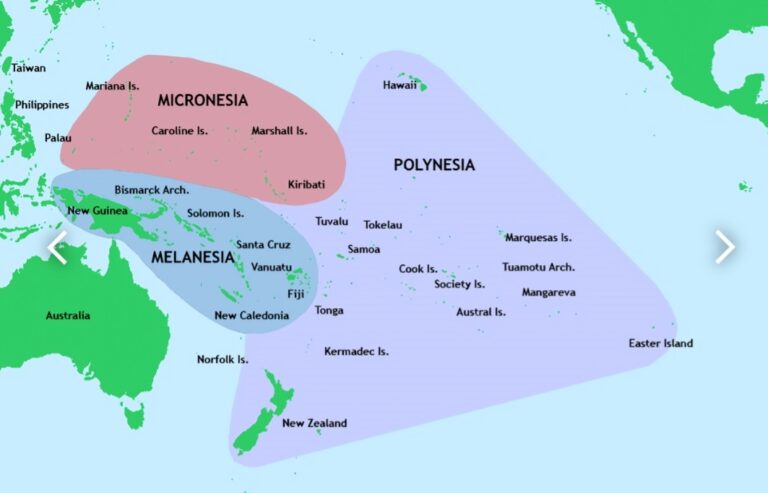
The Pacific Islands, often seen as small and remote, have become increasingly important in global geopolitics due to their strategic location, rich natural resources, and vulnerability to climate change. These islands, controlling vast Exclusive Economic Zones (EEZs), are key players in maritime security and global trade. As geopolitical rivalries intensify, particularly between the United States and China, the region’s significance is amplified. At the same time, the existential threat posed by climate change is reshaping the islands’ future, creating new challenges for their sovereignty, security, and migration. This article explores the strategic, environmental, and geopolitical implications of the Pacific Islands in the 21st century.
Strategic Importance
The Pacific Islands have become a battleground for global and regional powers, whose competition for control over key maritime routes and resources defines the future of the region’s geopolitical landscape. Beyond their strategic importance as maritime routes, the Pacific Islands have increasingly become a focal point in the broader geopolitical competition, attracting attention from global powers. These islands are situated adjacent to trade lanes that connect eastern Australia and New Zealand to Asia, facilitating the transportation of critical resources such as oil, iron ore, and liquefied natural gas (LNG) ((ADB), 2007) and (Bureau of Infrastructure, 2013). Ports in the region also play a significant role in refuelling and other maritime services. (Air Mobility Command (AMC), 2018).
From a strategic standpoint, control over marine routes during wartime offers substantial advantages, including the ability to monitor naval movements, enforce blockades, and secure essential supply chains. Additionally, these routes serve as critical corridors for deploying naval forces and disrupting adversarial logistics, underscoring their importance in maritime security and strategic operations.
Geopolitical Competition and Power Rivalry
The Pacific Islands have emerged as a central arena of geopolitical competition and power rivalry, with global and regional powers vying for influence in a region defined by its strategic location, rich natural resources, and critical role in ensuring maritime security. Historically, the islands have attracted significant attention due to their proximity to vital maritime routes, serving as key hubs for trade, diplomatic engagement, and military interests (State, n.d.).
To advance their strategic goals, global powers involved in this competition must control key trade routes, telecommunications infrastructure, and underwater spaces. These spaces are essential for deploying submarines and monitoring undersea activities. Furthermore, the implementation of governance norms through institutions such as the Pacific Islands Forum (PIF) plays a crucial role in shaping the region’s political and security dynamics. The Pacific Islands, with their strategic depth, have become pivotal in the power rivalry, as controlling this region is crucial for broader geopolitical influence.
Additionally, the location of Pacific Island countries offers significant advantages for monitoring and controlling naval movements across the Pacific, making them central to the defence strategies of major powers. This strategic depth has placed the region at the heart of the geopolitical competition, where the United States, China, and other powers increasingly vie for influence (Institute, 2020).
The concept of island chain competition further intensifies the geopolitical rivalry in the Pacific Islands. These chains, strategically located across key maritime routes, play a significant role in the broader contest for influence between global powers. As the United States, China, and other regional actors vie for control, securing these critical zones becomes central to their power strategies in the region. The island chain strategy involves three zones, but the main contestation in the Pacific focuses on the second and third island chains. Originally formulated by John Foster Dulles in 1951 as a strategy to contain the naval expansion of the USSR and China, the concept has recently regained prominence in due to contemporary geopolitical dynamics (Defence Island Chain Strategy: Steps to Checkmate China, 2018).
The second island chain, which includes Pacific states such as Guam and the Federated States of Micronesia, holds strategic significance. While China has never officially acknowledged plans to expand its military presence in the region, its actions within the framework of the island chain strategy suggest otherwise. The third island chain, which encompasses the majority of Pacific Islands, is a key area where China seeks to exert influence in order to restrict U.S. control to Hawaii during potential conflicts (Pascal, 2018).
As China’s strategic intentions have become increasingly transparent, the United States has formulated a range of strategies to counter its actions and contain its growing influence in the Pacific Islands. The initial step in this strategy involves establishing a network of military bases spanning from Australia to Guam, designed to enhance the resilience of U.S. forces against potential threats from China. Another significant development in this direction is the launch of the “Replicator” program, aimed at producing small, cost-effective drones with the capability to deliver powerful firepower. (Brands & Cooper, 2024)
After detailing the strategic competition between the United States and China in the Pacific, it is equally important to examine the role of regional players, particularly Australia, which has taken proactive steps to safeguard its interests and foster cooperation with Pacific Island nations. The Pacific Islands, situated in close proximity to Australia, hold strategic importance for the country due to their geopolitical dynamics, regional stability, and economic engagement. Stability in the region is vital for Australia’s internal security, as geopolitical tensions in the Pacific can directly impact its national interests. Moreover, the Pacific Islands are significant for Australia’s trade and investment activities, fostering economic growth and development for both regions. Australian businesses have established a strong presence in the Pacific, further solidifying the mutual benefits of economic collaboration. ( Wulandari, 2023)
Australian leaders have often referred to the Pacific Islands as the nation’s “backyard,” emphasizing the historical and strategic ties between Australia and the region (Keating, 1991) However, this traditional regional hegemony has been increasingly challenged by China in recent decades. China’s growing influence in the Pacific, particularly through initiatives like the Belt and Road Initiative (BRI), is perceived as a direct threat to Australia’s position as the dominant regional actor ( Wulandari, 2023). Given the Pacific Islands’ geographical proximity, any potential conflict in the region could significantly impact Australia’s economy and national security. Australia’s extensive trade relations with not only Pacific Island countries but also other regions make the stability of the Pacific Islands crucial for maintaining uninterrupted supply chains and ensuring maritime security. As a vital crossroad for global trade routes, a peaceful and stable Pacific is essential for safeguarding Australia’s economic interests, both within the region and beyond. Disruptions in the Pacific could ripple across Australia’s broader trade networks, impacting its ability to effectively engage with global markets ( Wulandari, 2023). To mitigate such risks and strengthen its influence, Australia has consistently provided assistance to Pacific Island nations, aiming to maintain robust diplomatic ties, promote economic stability, and enhance regional security. In 2016, Australia allocated AU$176.9 million to its Pacific Regional Program. However, this assistance saw a significant increase during the COVID-19 pandemic, reaching AU$356.9 million, as the Pacific Islands were severely impacted by the health crisis (Australian Government, 2022).
To mitigate such risks and strengthen their influence, countries like Australia, the United States, and other regional powers have proactively engaged with Pacific Island nations. Their combined efforts aim to maintain robust diplomatic ties, promote economic stability, and enhance regional security. This strategic engagement underscores the understanding that the stability of the Pacific Islands is crucial for the broader geopolitical balance, impacting national security, trade, and resource management across the region. As the geopolitical competition intensifies, the ongoing cooperation and rivalry among global and regional powers will shape the future of the Pacific Islands and their pivotal role in global security and economics.
Natural Resources and Exclusive Economic Zone (EEZ)
The Pacific Islands, while often viewed as small land masses, control some of the largest Exclusive Economic Zones (EEZs) in the world, extending their influence far into the Pacific Ocean. Exclusive Economic Zones (EEZs) grant sovereign rights to coastal states, allowing them to exploit and manage both living and non-living resources within their maritime boundaries, which extend up to 200 nautical miles from their coastlines ((WTO), n.d.). The EEZs of the Pacific Islands are particularly significant, encompassing vast areas rich in natural resources. These zones are home to abundant marine life, such as tuna and prawns, as well as valuable non-living resources, including gold, silver, and rare minerals critical for modern technologies ((FAO), n.d.) and (Thomas, 2012).
The Pacific Islands are home to a significant portion of the world’s tuna population, with approximately one-third of global tuna catches originating from these waters (Tuma A Key Economic Rseource in the Pacific Islands, 2001). Beyond marine life, the seabeds of these islands contain untapped reserves of rare earth materials, which are crucial for modern and renewable technologies, including batteries, electric vehicles, and aerospace components (mining, 2024). According to a World Bank report, deposits of cobalt-rich manganese crusts and mineral-rich sulphides have been identified in various parts of the Pacific Islands. These findings highlight the region’s potential as a critical supplier of minerals essential for the global transition to green energy (Clark, 2018). With the growing global demand for these resources, the Pacific Islands have become a key arena for geopolitical competition, with powerful states seeking to secure access to the region’s wealth. Control over these valuable resources now has broader implications, not only for technological progress but for the balance of power in the Pacific region. The intensifying competition over seabed mining rights directly contributes to the shifting dynamics in global geopolitics, making the Pacific Islands increasingly important on the world stage.
The geopolitical rivalry between the United States and China further underscores the strategic importance of these resources. As land-based reserves of rare earth minerals deplete, the race to secure seabed mining rights in the Pacific is intensifying, with broader implications for global technological advancements and economic dominance. For instance, China has initiated the Ocean Mineral Resources Research and Development Association (COMRA), which focuses on deep-sea mining in the Pacific. Through this project, China has identified valuable polymetallic and cobalt nodules, as well as hydrothermal sulphide deposits, and has produced several deep-sea mining maps of the region, highlighting its growing interest in securing these crucial resources. (mining, 2024)
Climate Change in the Pacific Islands
The Pacific Islands, while often viewed as small land masses, control some of the largest Exclusive Economic Zones (EEZs) in the world, extending their influence far into the Pacific Ocean. The Pacific Islands are on the front lines of climate change, grappling with its immediate and long-term effects. Many of the islands, such as Kiribati, Tuvalu, and the Marshall Islands, lie at low sea levels, significantly increasing their vulnerability to rising seas and extreme weather events (Bhandari, 2023). This rise poses grave threats to their socioeconomic viability, as climate change exacerbates challenges for biodiversity. The biodiversity in small islands, constrained by their limited land area, faces enormous difficulties adapting to these changes, making the problem even more acute (Taylor & Kumar, 2016)
The perils induced by climate change on biodiversity in the Pacific Islands will ultimately affect the socioeconomic status of the region (Organization, 2024). Most islanders rely heavily on biodiversity for their livelihoods, including fishing, agriculture, and eco-tourism. The degradation of these resources could have far-reaching consequences, not only for local communities but also for the geopolitics of the region. As global powers compete for control over the Pacific Islands and their abundant resources, the depletion of these resources could diminish the region’s strategic importance, altering the balance of power and interests in the Pacific.
Despite contributing only 0.02% to global greenhouse gas emissions, Pacific Islanders face severe challenges and the most alarming impacts of climate change. To address these issues, they have begun raising their concerns in international forums. Under the “polluter pays” principle, the islanders are advocating for the “loss and damage” initiative to secure compensation for the challenges brought by climate change (Organization, Climate change transforms Pacific Islands, 2024) However, their persistent demands for loss and damage have yielded nothing tangible—only empty promises have come their way.
As the Pacific Islands face existential threats from climate change, rising sea levels and extreme weather events are forcing populations to migrate, creating new geopolitical challenges as displaced communities seek refuge and resources, reshaping regional dynamics. Island states like Kiribati have taken proactive measures to mitigate the impacts of climate change by purchasing atolls in Vanua Levu, Fiji, as part of their long-term strategy to relocate populations from their sinking homelands. However, such plans come with a multitude of political and legal challenges, particularly regarding sovereignty, land ownership, and the rights of displaced populations. The question of whether a nation can retain its sovereignty when its land and people are forced to migrate to another country raises complex legal and ethical issues. Additionally, there is the matter of the legal status of displaced persons, their rights to citizenship, and the integration of these communities into new territories (Brown & Middleton, 2024)
From a broader geopolitical perspective, the migration of entire populations due to climate change could destabilize not only the affected nations but also the region at large. The potential creation of “climate refugees” from Pacific Island nations could strain the resources and infrastructures of neighbouring countries, leading to tensions over immigration, land rights, and access to resources. As nations like Australia and New Zealand are expected to bear the brunt of migration, this could reshape their foreign policies and their approach to climate-related international cooperation. In the longer term, these movements could further intensify competition for maritime and territorial claims, especially as countries look to secure safe zones for their citizens and resources in an increasingly unstable region. This migration challenge would significantly alter the geopolitical landscape of the Pacific, highlighting the interconnectedness of environmental security and traditional geopolitical power struggles. The result may be the emergence of new alliances and tensions, as both regional powers and global stakeholders navigate the intricate web of migration, sovereignty, and resource management in the face of climate change.
Conclusion
In conclusion, the Pacific Islands hold immense strategic, economic, and geopolitical significance, from their control over vital maritime routes and resources to their role in global power rivalries. Climate change further compounds their importance, presenting existential challenges that not only threaten the islands’ sovereignty but also reshape regional and global dynamics. As nations navigate these emerging complexities, the future of the Pacific will be defined by a delicate balance of resource competition, environmental sustainability, and geopolitical alliances.
In a world increasingly defined by globalization, the European Union (EU) stands as a remarkable experiment in political and economic integration. Established in the wake of World War II, the EU was designed to foster cooperation among its member states, ensuring that the devastating conflicts of the past would not be repeated. Today, it comprises 27 nations, collectively representing over 449 million people and generating a significant portion of the global economy. The EU has successfully implemented policies that promote free movement, economic collaboration, and shared governance, earning accolades such as the Nobel Peace Prize in 2012 for its role in promoting peace and democracy across Europe.
However, as we delve into the question of whether the EU has been successful, it becomes evident that this union faces formidable challenges. From economic disparities among member states to rising nationalism and Euroscepticism, the EU’s unity and effectiveness are under scrutiny. Assessing its success is crucial not only for understanding its past accomplishments but also for shaping its future trajectory in a rapidly changing geopolitical landscape. Ultimately, while the EU has achieved significant successes in various areas, it grapples with challenges that question its overall effectiveness and sustainability as a cohesive entity.
Why EU Exists?
The European Union (EU) was formally established by the Maastricht Treaty, signed in 1992 and effective from November 1, 1993. This treaty marked a significant transformation of earlier European communities into a more integrated political and economic union. The EU’s foundation was built on three primary treaties: the Treaty of Paris (1951), which created the European Coal and Steel Community (ECSC), and the two Treaties of Rome (1957), which established the European Economic Community (EEC) and the European Atomic Energy Community (EURATOM). The Lisbon Treaty, which came into force in December 2009, further reformed these foundational treaties, enhancing the EU’s institutional framework and decision-making processes.
The key objectives of the EU, as outlined in the Lisbon Treaty, include promoting peace, its values, and the well-being of its peoples; establishing an area of freedom, security, and justice; promoting sustainable development based on balanced economic growth and price stability; and fostering economic, social, and territorial cohesion among member states.
The EU has experienced several significant milestones throughout its history. One of the most notable expansions occurred in 2004 when ten new countries joined the Union, marking the largest single enlargement in terms of both number of countries and population. This expansion was pivotal in promoting stability and prosperity in Eastern Europe following the end of the Cold War.
In recognition of its role in fostering peace and reconciliation across Europe, the EU was awarded the Nobel Peace Prize in 2012. This accolade underscored the Union’s contributions to transforming a continent historically plagued by conflict into one characterized by cooperation and unity.
What has EU accomplished? The European Union has made remarkable strides in economic integration, most notably through the creation of the single market. Established to facilitate the free movement of goods, services, capital, and people, the single market has significantly impacted trade among member states. By removing tariffs and regulatory barriers, it has enabled a more competitive environment that fosters innovation and efficiency. The EU’s single market is now one of the largest and most open common markets in the world, allowing for extensive internal trade that surpasses external trade for many member states.
Post-accession economic growth has been particularly pronounced in Eastern European countries that joined the EU during the 2004 enlargement. These nations have benefited from increased foreign investment, access to larger markets, and EU funding aimed at enhancing infrastructure and economic stability. As a result, average GDP per capita in these countries has risen significantly, narrowing the income gap with their Western European counterparts.
One of the EU’s most significant achievements is its role in promoting peace and political stability across Europe. For over six decades, the EU has maintained a framework that encourages diplomatic dialogue and conflict resolution among member states. This unprecedented period of peace is often attributed to the economic interdependence fostered by EU membership, which discourages conflicts that could disrupt trade and cooperation.
Moreover, the EU actively contributes to global diplomatic efforts, positioning itself as a key player in international relations. Through initiatives such as humanitarian aid, peacekeeping missions, and trade negotiations, the EU seeks to promote stability not just within its borders but also in regions facing conflict or instability.
The EU has also made significant advancements in social progress, particularly concerning human rights and social justice. It has established frameworks that protect individual rights and promote equality across member states. Initiatives aimed at combating discrimination based on gender, race, or sexual orientation reflect the EU’s commitment to fostering an inclusive society.
Additionally, one of the hallmark achievements of the EU is the freedom of movement for its citizens. This principle allows individuals to live and work anywhere within member states without facing barriers—an opportunity that has enriched cultural exchange and economic dynamism across Europe. The ability to relocate for work or study has not only enhanced personal freedoms but has also contributed to a more integrated European identity.
Where it Lacks?
Despite the European Union’s achievements, significant economic disparities persist among its member states. Certain countries continue to grapple with ongoing economic challenges, exacerbated by the lingering effects of the COVID-19 pandemic, the energy crisis stemming from geopolitical tensions, and inflationary pressures. For instance, while some nations experience modest growth, others, particularly in Southern and Eastern Europe, face stagnation and high debt levels. The European Central Bank (ECB) has projected a growth rate of just above 1% for the euro area in 2025, highlighting a sluggish recovery compared to other global economies. The lack of coordination in national economic policies complicates efforts to address these disparities effectively, creating a paradox where a single currency exists alongside varied national fiscal strategies.
The rise of Euroscepticism and nationalist movements represents another significant challenge for the EU. In recent years, there has been a notable shift in public sentiment across several member states, with increasing support for parties that advocate for reduced EU influence and greater national sovereignty. This fragmentation complicates the EU’s ability to achieve consensus on critical issues, from immigration policy to economic reforms. Political uncertainty in major economies like France and Germany further exacerbates this issue, as internal divisions hinder collective decision-making.
As the geopolitical landscape evolves with the rise of global powers like China and India, the EU’s role on the world stage is increasingly scrutinized. The Union faces pressure to assert its influence amid shifting alliances and trade dynamics. The potential for renewed trade conflicts, particularly with the United States under changing administrations, poses risks to European economies that are heavily reliant on global trade networks.
EU – A Success or a Failure?
The European Union (EU) has been a significant force in shaping modern Europe, but its success is a topic of ongoing debate. Established to promote peace, stability, and economic cooperation among member states, the EU has achieved notable milestones since its inception. It has created one of the world’s largest single markets, facilitated the free movement of over 500 million people, and played a crucial role in advancing human rights and environmental standards. However, the EU also faces considerable challenges, including economic disparities among member states, rising Euroscepticism, and the complexities of global positioning amid shifting geopolitical dynamics.
Assessing the EU’s success is essential not only to understand its past achievements but also to evaluate its current relevance and future potential. While it has made significant strides in fostering economic integration and political stability, the EU must navigate significant hurdles that could undermine its effectiveness. Ultimately, while the EU has achieved substantial successes in various areas, it grapples with challenges that question its overall effectiveness and sustainability as a cohesive entity. As it moves forward, the Union must find innovative ways to reconcile these competing demands while ensuring that it remains a relevant and powerful entity on the global stage.
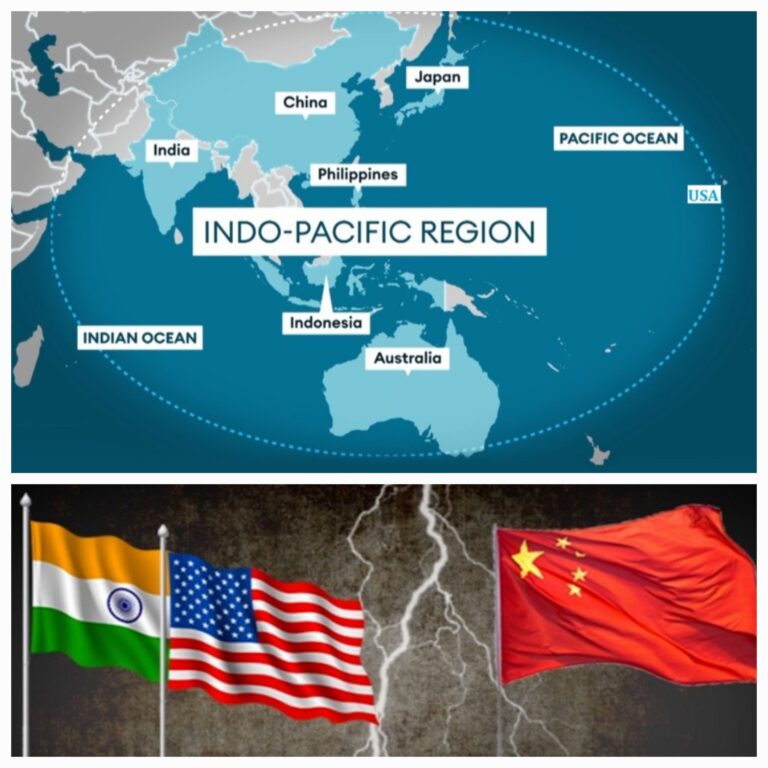
Indo-Pacific Region and flags of India, USA and China: source Internet
From the eastern coast of Africa, to the western shores of Americas the strategically important region known as the Indo-Pacific region has emerged to be very influential in world politics. It incorporates some of the world’s most important trade channels, economic zones and strategic sea bottlenecks. In recent years, economic growth, shifts in the balance of power, significance of the area for the world economy, as well as new conflicts and cooperation opportunities has made the region the focus of great powers competition.
Economic Significance of the Indo-Pacific
The Indo-Pacific region is still considered the backbone of the global economy today. It holds 65 % of the world population and contribute over 60% to the global GDP. Asian countries like China, India, Japan, South Korea, and all ASEAN countries drive this global economic growth.
Trade routes through the Indo-Pacific region is currently some of the busiest in the entire globe. The South China Sea is an important channel through which more than $3.4 trillion of trade passes every year. It also transports about 32.2 million barrels of crude oil daily. Another chokepoint is the Strait of Malacca through which a third of the world’s energy supplies pass. It should therefore come as no surprise that any disruption to these sea lanes spells doom for world commerce and energy supplies.
Large market opportunities are also evident in the region as a result of FDI. In 2022, United States had trade worth $2 trillion with the Indo-pacific countries, emphasizing its economic integration with the region. More recent efforts include the quadrilateral dialogue, ASEAN’s Regional Comprehensive Economic Partnership (RCEP) and its Indo-Pacific Economic Framework for Prosperity (IPEF) which are expected to advance economic cooperation in the trade, supply chain and sustainable development spheres.
Strategic and Military Dynamics
The Indo-Pacific is not simply the largest economic region in the world, it is also a strategically significant area. Seven of the biggest Armed forces in the world operate in this region, making this region play a very crucial role in defense. Some of the major military presence here are of United States, China, India, Japan, South Korea and Australia.
One of the most contested areas is the South China Sea, where multiple countries, including China, the Philippines, Vietnam, Malaysia, and Brunei, have overlapping territorial claims. Chinese actions which may have escalated tension include building artificial islands equipped with military features. These actions are contrary to the norms approved by the world community under the United Nations Convention on the Law of the Sea (UNCLOS).
To match China’s activities, the United States and its partners have sought to ramp up their activities within the region. The United States’ Navy always engages in FONOPs in the South China Sea to challenge excessive claims regarding maritime. The Quad, made of USA, India, Japan and Australia has come out as key forum to provide the vision of a “Free and Open Indo-Pacific”. It also conducts exercises like the Malabar Naval Exercise with similar objectives of stability and moderation.
Geopolitical Rivalries in the Indo-Pacific
The Indo-Pacific is currently the theatre for great power rivalry, mainly between the US and China. The Belt and Road Initiative by China with over US$ 1 trillion in investment, aims to advance influence via Asia, Africa and the Pacific region mostly through infrastructure investments. But these investments are normally accompanied by strings that are strategic and political in nature, leading to debate over debt dependency and sovereignty.
The United States, in turn, has been actively working to forge containment strategies to restrict China through enhancing partnerships. It has revived the Quad and has also improved its defense cooperation with countries such as Japan South Korea, Philippines and Australia. For example, the AUKUS unveiled the Australia-UK-US defense alliance’s plan to strengthen the capability of the Australian navy, including acquiring nuclear-powered submarines.
India as a major regional power, has also been gradually expanding its strategic profile. India has signed defense agreements with Southeast Asian countries like Vietnam and the Philippines, and is very involved in dialogue regarding maritime security in the Southeast Asian region. Given India’s ‘Act East Policy’, the country is focusing to enhance relations with ASEAN states, the country’s participation in the ‘Quad’ establishes the country as a strategic participant in pacific region.
Regional Cooperation and Multilateral Initiatives
However, it is also a region of cooperation because it has both strategic and economic significance for the United States and other countries. ASEAN remains central in the promotion of dialogue and economic cooperation as its founding members unite to set the foundation for an economic community. The creation of global trading systems, such as the Regional Comprehensive Economic Partnership (RCEP), which connects 15 countries, including China, Japan, and Australia, to create the largest trading block in the world is a testimony of this claim.
The Indo-Pacific Economic Framework (IPEF), introduced by the United States in 2022, focuses on building resilient supply chains, advancing clean energy technologies, and ensuring fair trade practices. This initiative complements existing agreements and fosters greater economic collaboration.
India’s Growing Role in the Indo-Pacific
India is gradually transforming into a crucial actor in influencing the Indo-Pacific region. India, belonging to the South Asian region, has strategic interests like navigation and security of the Indian Ocean.
India’s naval capabilities have significantly expanded due to increasing emphasis on the maritime domain and combined operations. India has enhanced cooperation with island nations like the Maldives, Seychelles and Sri Lanka in order to boost partnership on maritime security. An instance of such contribution is the transfer of the INS Kirpan to Vietnam in 2023 to enhance regional defense capabilities.
Further, India is engaged in multilateral frameworks such as IORA, as well as ASEAN-India mechanisms. Its commitment to the Quad nations is also reflective of another of its strategic directions in dealing with coercive actions in the Indo-Pacific region.
Non-Traditional Security Challenges
The Indo-Pacific region is facing several non-conventional threats such as piracy, terrorism, human trafficking, and climatic change. These are some of the challenges that must be addressed in an integrated manner. For example, regional navies have embarked on cooperative measures in combating piracy in the Gulf of Aden and the Malacca Strait.
Another issue worth mentioning is climate change. The impact of the rising sea level is devastating to many small island nations in the world including the Maldives, Kiribati, and Tuvalu. Cyclones and other natural disasters are common in the region and often affect the livelihoods and economies. To address these existential threats, initiatives like the Pacific Islands Forum provide a synthesis of cooperating efforts.
Future Outlook: Challenges and Opportunities
It is thus the actions and policies of both regional and extra-regional actors that will to a large extent determine the future trajectory of the Indo-Pacific region. Coordinating the containment of great power conflicts with the promotion of economic relations can be rather challenging. Given that technology cooperation, infrastructure development, and supply chain security are major areas of focus in the Quad, the framework has been useful in underlining possible solutions to common issues.
However, un-demarcated borders and militarization remain threats to security in the region. This is why abidance to international laws, including UNCLOS, as well as diplomacy can play a significant role in reducing such tensions.
Some of the newer threats that need to be addressed are; global warming and other environmental degradation activities. Strengthened regional frameworks and international support may assist these nations to draw lessons from the present circumstances.
Conclusion
The Indo-Pacific region holds unparalleled geopolitical significance in the 21st century. Its economic vitality, strategic waterways, and the interplay of major powers make it a cornerstone of global affairs. As the centre of gravity shifts toward the Indo-Pacific, understanding its dynamics is essential for shaping a stable, prosperous, and inclusive global order.
The future of this region will not only influence the lives of its inhabitants but also determine the trajectory of global politics, economics, and security.
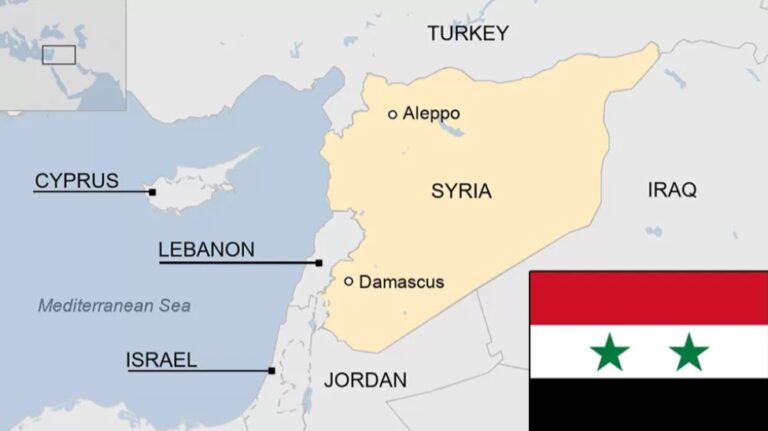
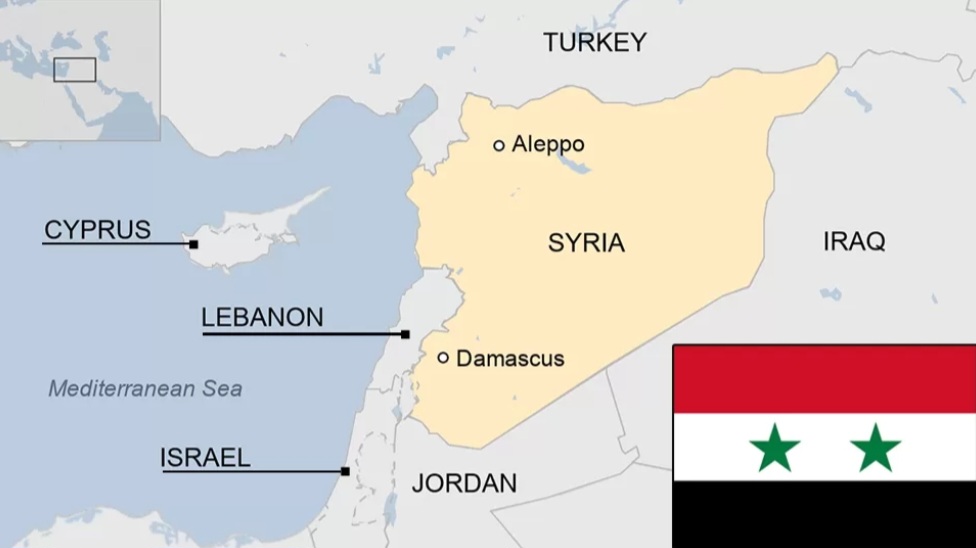
The crisis in Syria is the outcome of the Arab Spring which started in Tunisia and reached many parts of the world. Around the world ‘change’ and people revolt began receding with the support of regional and international actors, but what makes it different in Syria is that the change is being forced with a limited strike which even has the risk of a regional or a global war. The local dynamics of Syria were transformed into regional rivalry and global threat. The military and ideological competition for regional hegemony by competing States swallowed up the entire region. The Arab spring in Syria experienced divided loyalties. In Syria, people were either Pro-Assad or Anti-Assad thus complicating the situation and ending up in the civil war. This civil war resulted in almost 100,000 deaths and created more than 2 million refugees which resulted in another social catastrophe in the region. The influx of terrorist elements and non-state actors into Syria by the regional actors has further intensified the civil war.
Theoretical Context
The Syrian Crisis can be best explained through the Regional Security Complex (RSC) theory propounded by Barry Buzan and Ole Weaver. According to this theory every region is placed in a security complex being accompanied by a downward sub-regional security and super-security complex at the global level. These security complexes are basically interlinked and can affect each other. As per this security complex must have a) boundary, which separates RSC from its neighbours b) an anarchic structure, composed of two or more autonomous units c) polarity, in order to cover the distribution of power among the units d) social construct to cover up the pattern of enmity and amity among the units. The RSC basically aims at three main configurations maintenance of status quo, external transformation and internal involvement of more regional and extra regional actors and to have internal transformation within the region. Crisis in Syria is a sub-regional security complex of Levant region present in the wider Middle Eastern regional security complex and larger super security complex. The Levant sub-regional security context is mainly contested between Syria and Israel with non-state actors like Hezbollah and Hamas. In the wider Middle Eastern security complex the competition between conventional rivals, Tribes and Arabs on one side and Iran and Arabs on the other side is further complicated by the rivalry between Israel and Iran. Also there is a global level contest taking place between France, US and Britain against Russia and China. All of the security complexes actively interact with each other. Syria is given support by Iran and Hezbollah at regional level and by China and Russia at global level. The Syrian rebels were equipped, supported and trained by Turkey, Saudi Arabia and Qatar at the regional level and Britain and France at global level.
Historical Perspectives
Syria has a great history of civilization. It remained as an independent state. The ruling authority of Hafez Al Assad was unchallenged. Assad tried to convert Syria into a major regional power by influencing events in Lebanon and Israeli occupied Palestinian territories. It then soon established a strategic dialogue with the revolutionary Iran, which strongly opposed the US dominance and the hegemony of Israel which supported the Iran sponsored Hezbollah in Lebanon. The US provided Assad with US$ 6 million and free hand in Lebanon in return for his full support against Saddam Hussein during the Iraq crisis over the Kuwait in 1990-91 periods. By his death in 2000, his son Bashar Al Assad was chosen as his successor. Initially he seemed to be liberal and moderate leader soon he turned his strategy into military power politics and the Baathist regime his father once pursued. When the Arab spring spread in the neighbouring Arab States, Bashar Al Assad was relatively comfortable. However soon he was confronted with strong and well-built western backed opposition. The confrontation in no time turned into a civil war when the protestors started clashing with his supporters. Syria’s social, economic and political disparities based on its tribal, factional, ethnic and sectarian differences make it a heterogeneous society. The population comprises about 74% of Sunnis, 16% of Alawites and Druze and 10% of Christians. There is also a small proportion of the Jewish population. Since 1970 the country has been ruled by the Alewives minority.
Conflicting Groups in the Syrian Crisis
The Syrian civil war is considered as one of the most vulnerable crises in the contemporary era in terms of its destructiveness and impacts of international politics. The major groups involved in Syrian civil war can be categorised as –
1) Pro Assad groups
Hafez Al Assad came to power in 1963 through a military coup and then became the President of Syria in 1970. He ruled Syria for about 30 years. Later his son Bashar Al Assad succeeded him. He belongs to the Alawite community and the majority of the population in Syria belonged to Sunni community. They both belonged to the Ba’ath party. The ideology of the party cantered around 3 main objectives namely secularism, socialism and Arab unity. Hafez Al Assad tried the best to maintain the agenda of Pan Arabism and Arab unity during his presidency. But his son failed to contain that influence because of the limited public support. Initially during his period he tried to win popular support by new political and economic reforms. But in a sense he never tried to initiate such reforms. During the 2006- 2010 Syrian draught there increased large problems of the Syrian regime. There were peasant movements and popular uprisings against the increase in employment and inflation. By that time demonstrations in the Middle East created a ray of hope for the Syrian population and they started a protest against the Assad regime in late December 2010. The government tried to suppress the movement by armed forces which resulted in the death of many people and many were injured. Thus the demonstration turned into a civil war. This consequently resulted in the division of the Syrian republic into pro-government and anti-government and also Assad groups were also divided. This division highly affected the whole country and the support of the Ba’ath party and Alawite supported Assad who was a minority while the rivals constituted the majority. Also the emergence of other militant organisations and Al-Qaeda further increased the distress. The main agenda of the Assad government was to suppress the insurgency and to maintain the pre-democracy status quo of the Assad government.
2) Anti Assad Groups
The Anti-Assad group comprised of numerous small groups with different objectives and narratives but a single Agenda of regime change. These groups were commonly called the ‘Syrian National Coalition’ (SNC). This group contains the Free Syrian Army (FSA) the first recognised military against the Assad regime, the jihadist group which was against the Assad regime on a sectarian basis. The third major group was the Islamic Jihadist group. The Islamic State (IS) and Nursa Front (NF) were prominent Jihadist groups since the civil war. Later in 2015 Jaish Al-Fatah was created by anti-Assad government states like Saudi Arabia, Turkey and Qatar. The main objective of this group was the replacement of the Assad government, dismantling of security forces, unifying and supporting FSA, no dialogue with the Assad government and holding accountability of those responsible for civil war and other crises.
3) Kurdish National Council
Another significant group in Syrian civil war is Kurds whose main motive was different from other groups. They are indigenous people of the Mesopotamian region and they are residing in south eastern Turkey, north-eastern Syria, northern Iraq, and south western Armenia. Their language and culture is different and they do not have a common dialect. More than 15% of Kurdish people were stateless in Syria and they were treated in legal vacuum and they are even deprived of the fundamental rights. The Kurds saw Syrian civil war as a means to acquire their status and fundamental rights.
Kurds officially entered civil war in mid-2014 when Islamic State captured Syria’s northern part. They flew towards the Turkey border, but later began their fighting under the Syrian Democratic Force (SDF). They introduced various fighter groups to protect themselves from civil war such as the People’s Protection Unite – the army wing of the Syrian Kurdish democratic union party. They were officially backed by the US led coalition with weapons and airstrikes. They successfully recaptured the major part of Northern Syria from Islamic State under the SDF banner. The main objectives of Kurds under the Kurdish Supreme Committee were full citizenship and rights, full representation in the Syrian National Council and other basic rights.
Onset of the Civil War
In Syria, in early 2011 there was an emergence of peace protests for political reforms and increased freedoms. These rallies are basically influenced by Arab spring events in nearby countries. In March 2011, in the city of Derra, there began pro-democracy demonstrations, demanding the release of people in detentions who painted revolutionary messages on the school wall. The suppression of protests resulted in the death of several people. The severe repression by the Assad regime, which includes detentions and suppression of demonstrations aggravated the situation and triggered an armed uprising which resulted in a large scale civil war. The complexity of the conflict became intense when international and regional entities provided aid and support to different sides.
Finally the opposition supporters resorted to armed resistance initially for self-defence and later on as a means to drive out security troops from localities. The scale of violence increased, resulting in the country being engulfed in civil war. The conflict soon spread to the capital city of Damascus in 2012. The crisis transcended a mere dichotomy between the supporters and opponents of Assad. This also took sectarian dimensions, where the Sunni majority of the country fought against the Alawite minority. Also the emergence of the extremist group of Islamic State made an additional aspect. The Syrian government was supported by Russia and Iran while the anti-government rebel organisations were supported by the US and its military allies. The three campaigns that mainly drove the conflict were: 1) the coalition endeavours to vanish the IS 2) the hostilities among Syrian government and rebels 3) military offensives conducted by Turkish forces against Syrian Kurds.
Syrian territory was beginning to be acquired by Islamic State in 2013. As a response to this the US, UK and France with assistance from Saudi, Turkey and other Arab allies extended their air campaign in Iraq to also cover Syria. The US-led coalition has conducted more than 11,000 aerial assaults against the IS targets in Syria while Turkish forces have been in conflict against Islamic State since 2016. With the help of Russia and Iran in 2016, the Syrian government recaptured land from opposition troops including the city of Aleppo which the opposition considered as their stronghold. There were numerous attempts to have a diplomatic settlement but none of them became fruitful. The Geneva peace negotiations on Syria and peace talks started by Russia in Astana, Kazakhstan managed to secure a cease fire agreement and the creation of four de- escalation zones.
Current Situation in Syria
The crisis in Syria which began in 2011, had completed a decade as per the reports of the United Nations High Commissioner for Refugees, Syria is facing one of the biggest refugee crises. About 14 million people have been forced to evacuate their residence since 2011 for the sake of Security. About 7.2 million people are still displaced within their nation with 70% of the population requiring humanitarian assistance. About 90% of people are living below the poverty threshold. About 5.5 million refugees are living in the border countries of Syria namely Lebanon, Jordan, Egypt, Turkey and Iraq. Germany is the largest host country accommodating for about 850,000 refugees.
In addition to this, on February 06, 2023 Syria was hit by a pair of formidable earthquakes, particularly in the south eastern region of Turkey and northern part of Syria, which resulted in the loss of numerous lives and devastation of the houses and infrastructure throughout the area. This in turn affected the internally displaced Syrians and Syrian refugees. As per March 2024, about 8.8 million people were affected by earthquakes, displacing tens of thousands including many who were already displaced. The earthquake took 60,000 lives and tens of thousands sustaining injuries and many of the neighbourhood households were destroyed. Syria produced the largest number of refugees in the world due to the civil war. As per the reports of UNHCR, About 70% of Syrian refugees are still facing adversity, especially limited access to essential services, education and career opportunities and having poor prospects of returning to their own country.
In addition to this there is a price hike resulting in inflation and approximately 12.9 million people are facing food insecurity. Refugees have been deprived of basic amenities like obtaining potable water, power, nourishment, medication and rent expenses. There are also other forms of social exploitation including underage labour, gender based abuse and early marriage. About 65,000 children in Syria are forced to be under nutrition which puts them in danger of permanent physical and psychological harm. The country is facing a significant education crisis; approximately 47% of Syrian refugees in the region are below the age of eighteen and over one third of children lack schooling. Over 2.4 million children in Syria are not attending school and 1.6 million youngsters are in danger of leaving school.
Syria after Assad
The Russian foreign ministry on December 08, 2024 announced that Bashar Al Assad who had ruled Syria since 2000 has resigned from the role of president in Syria and he had been offered asylum in Russia. The collapse of the Assad regime was in the wake of an offensive from Hayat Tahrir Al Sham (HTS) and other opposition groups including the Syrian National Army (SNA) which was backed by Turkey, which was launched in November 2024 and resulted in the culmination of the capture of Damascus. What will happen in Syria in the coming years is still uncertain.
HTS has recently announced a transitional government and a general amnesty for the Syrian people who have been conscripted into the Assad regime. As per the opinion of the UN envoy for Syria “the conflict in the region has not ended yet”. Opposition groups are still continuing to compete for control over the territories with HTS and SNA taking control over the areas backed by US led Kurdish Syrian Democratic Forces. In addition to this Israel also conducted military action against Syrian military and chemical weapons which facilitates the previously held Assad government and says it has temporarily occupied the Syria-Israel buffer zone. The prime minister appointed by Assad still remained in the Syrian capital and handed over the administration control on December 10, 2024 which was led by the past leaders of the HTS administration in Idlib where HTS was officially based. This administration will remain till March 01, 2025. The opposition forces continue to be ununited and the country still remains divided. The most likely beneficiary of the Assad regime is Turkey because Turkey had failed in negotiations with Assad for normalising the relations in 2023 and 2024 with the motive of return of refugees from Turkey. As per the reports of UNHCR, Turkey hosts about 2.9 million refugees of Syria. For Lebanon and Iran, the fall of Assad regime is a strategic defeat for ‘axis of resistance’ . This is a network of terrorist groups that Iran has developed which includes Iraqi Militia, Hezbollah in Lebanon, Assad in Syria , Hamas in Gaza and Houthis in Yemen in order to counter and threaten the Israel attack.
Conclusion
The continuity of the Syrian crisis since 2011 is a live example of failure of the present-day global system. Syria is ranked third on the International Rescue Committee’s watch list for nations because of the large scale humanitarian crises taking place in Syria. The global powers including inter-governmental organizations and self-proclaimed champions of world peace failed to achieve a consensus on the Syrian issue . There should be a fresh and innovative approach towards the crisis and major powers including US and Europe should adopt a novel strategy that effectively tackles the present issues. Mediators in the issue should be cautious of evolving multi-dimensional security landscapes in the present day conflicts. The conflict resolution strategies should be decentralised and inter-governmental organisations should make an effort to adapt to that. The Syrian crisis necessities the importance for a strong and peaceful conflict resolution not only Syria but for the entire Middle Eastern region.
In the last quarter of 20th century, the third wave of democratisationoccurred which has shaped geopolitical landscape in a tremendous way. Similarly, after Covid-19, there has been a trend of rise of authoritarianism across the world. Several nations are shifting towards authoritarian regimes, Myanmar being the latest one. In 2020 elections were held in Myanmar which resulted into the National League for Democracy (NLD) getting the second term but Myanmar’s military, the Tatmadaw refused to accept the results of election and this was followed by a coup in Myanmar.
Achieving a successful transition to democracy necessitates the establishment of effective civilian-led institutions to oversee the military, a task made more challenging in nations with a deep-seated tradition of militarism and where the military holds significant political and institutional power. Given the military activism of Tatmadaw, it seems less likely that Myanmar will witness democratic transition. Despite the strides made by the NLD in instituting democratic procedures in Myanmar, the military coup of February 2021 exposed the government’s inability to assert civilian authority over the junta. This coup has propelled the nation and its trajectory into unfamiliar terrain. Yet we can be hopeful that, international mediation could be helpful in this instance. Many countries came forward and put economic sanctions against Myanmar after the coup. Since the coup, the country’s former coloniser UK, too has now sanctioned several individuals and entitiesspecifically targeting those responsible for the coups. “We must not allow Myanmar to become a forgotten crisis,” declared the UK representative Barbara Woodward. He further underscored the need of appointing an UN Special Envoy to Myanmar.
According to Human Rights watch, “Myanmar’s Junta Benefits from Weak International Response”. Many countries like China and Russia have blocked the effect of sanctions on Myanmar. They have emerged as one of the most potent enablers of military junta. They have also blocked any substantive action against Myanmar’s military at United Nations Security Council and the UN has failed to address this humanitarian crisis.
Introduction
“Myanmar is at risk of breaking apart”.These are not the words of an international media outlet but the words of Myanmar’s President himself. Even after 7 decades of Independence, the country of “The Land of Golden Pagodas” has not been able to unite and now it’s more fragmented than ever. According to Reuters, Myint Swe, the president of the State Administration Council, told a National Defence and Security Council meeting, “If the government does not effectively manage the incidents happening in the border region, the country will be split into various parts”.
The statement comes at a point, when in the east, The Rebel Brotherhood Alliance comprising of three ethnic armies are driving Junta out of power in Shan Province of Myanmar, and on the western front the Chin are fiercely fighting the Junta resulting in Junta forces fleeing to neighbouring countries such as India. In this paper, we shall examine the story of this Golden Land and why it has failed to transition to a stable democratic system, what are the factors behind this fragile socio-political scenario and what can the world learn from Myanmar’s experience.
Historical Context
Myanmar is a country in Southeast Asia. Right since it’s very independence the country has been struggling for democracy and human rights. However, despite this Civil War-like situations have continued to prevail in the country and any dissent is brutally crushed by its military rulers. Like most of its Asian neighbours, Myanmar too became prey to British colonialism after the three Anglo-Burmese wars. The Britishers were later ousted by the Japanese during the time of the First World War. It was during this time that an effective Burmese Movement was formed.
Myanmar is a diverse country with more than 130 ethnicities. In these ethnicities, the majority is that of the Bamar people. This group constitutes 2/3rd of the country’s entire population. The group enjoys a superior position and majority representation in both civilian and Military government. Thus, after the country’s independence, several ethnic and armed insurgents have fought for greater autonomy.
After the end of 2nd World War, the Local Army with the support of the “Allied Forces gained control over Myanmar. This local army was led by Aung San who is also revered as the Father of the Nation. In 1947, General Aung San led the Burma delegation to London to negotiate for the country’s independence. He along with leaders of other ethnic groups namely Chin, Shan, And Kachin, signed the PANGLONG Agreement, which was primarily an agreement on the transnational arrangements emerging after World War II. The agreement aimed to make Burma a federal state and to give autonomy to non-Barman ethnic groups.
In 1948, Like most other countries in the region, the Union of Burma became a parliamentary democracy. However, the representative democracy only lasted till 1962 when General Na Win led a military coup and seized power. The state was run by URC or the United Revolutionary Council. It implemented the Burmese way of Socialism. This was followed by the nationalisation of all major industries. Consequently, a parallel economy emerged because of these harsh government restrictions. The economic situation deteriorated with massive poverty food and widespread corruption. This was accompanied by food shortages. On August 08, 1988, the country saw the biggest pro-democracy protests in its history which too was brutally crushed by the army. The “8888” uprising ultimately ended with the death of at least 3 thousand civilians and displacing of thousands more.
By this movement, Burmese politics took an unexpected turn as the Nationalist leader Aung San Suu Kui, the daughter of Aung Sang rose to prominence. After the Junta’s massive crackdown on innocent civilians, Sui and her supporters formed a political party known as the National League for Democracy, or NLD in short.
Suu finished her graduation from India and married a British National. Suu was deeply influenced by the non-violent struggle of Indian Independence leader Mahatma Gandhi. By the late 2000s, under domestic and international pressure Myanmar’s Junta began to loosen its grip on power. However, as noted by the “Human Rights Watch” even the new constitution of 2008 was designed to perpetuate military control in Burma and obstruct any steps toward a meaningful multiparty democracy that upholds human rights. The constitution reserved 25% of seats for the military in the “Pyidaungsu Hluttaw,” Myanmar’s Parliament. According to the new constitution, any amendment in the constitution would require more than 75% of Votes, thus ensuring an effective de facto veto for the Military.
Today Suu is perceived as a force of democratisation and modernisation. She won the 2015 elections and became the de facto ruler of Myanmar. However, American Journalist Kurlantzick notes that “she failed to strengthen democracy and to create democratic bulwarks.” Her international image further took a hit when she defended the military on the international platforms on the issue of the Rohingya Genocide. However, she has also been an outspoken critic of the Military’s influence in Myanmar’s politics. NLD promised to establish internal peace, redress ethnic grievances, sustainable development, and further democratisation. Her push for the deepening of democracy further made the Junta insecure about its power. In 2020 NLD won a landslide victory but the Military Generals refused to accept the results arguing that the elections were fraudulent.
In February 2021, the Military citing its constitutional authority declared National Emergency and seized power. Since then, the Military has been ruthlessly consolidating power.
Ethnic Diversity
As discussed above Myanmar is full of diversity very much like it’s neighbors such as India on the west and Singapore on its east. However, Myanmar has not been able to manage these diversities in a manner that satisfies both regional aspirations of the Minorites and it’s National Interests. It’s interesting to note that, India on the other hand has been able to ensure movement and mingling of people through set of diverse policies encompassing inter-state coordination, central government services coupled with affirmative actions, anti-discriminative law, creation of all India services. Such feats are yet to be achieved by the Myanmar’s administrative apparatus.
On the other side, we have Singapore, a small island nation whose history is marred by a series of ethnic clashes with the most violent ones occurring in the 1960s is now a first world country. So, the obvious question that one might want to ponder is why countries like Singapore and India were able to ensure harmony, despite the history of a bloody and brutal violence that followed during post-independence times.
Phenomenon of Ghettoization
The answer to such questions can be understood by applying the phenomenon of Ghettoization. According to the United States holocaust memorial museum the term “Ghetto” originated from the name of a Jewish quarter in Venice. The jews over here were restricted to live and thus segregated from other people. Merriam Webster defines a ghetto is a part of a city in which members of a minority group live, especially as a result of political, social, legal, environmental or economic pressure. The process that results in such a phenomenon is known as Ghettoization. Such Ghettos are prevalent in Myanmar, consequently this has led to strengthening of regional and ethnic identities. However, it’s important to note that this Ghettoization is natural rather than enforced.
One of the main reasons that why this phenomenon is predominant is perhaps that people belonging to certain ethnicities find comfort in living in close-knit communities. If we look at the sociological theories explaining Ghettoization, the most suited explanations in context of Myanmar can be understood by applying a mix socio-psychological theory.
Application of Socio-Psychological Theories in Myanmar
First is the Social Identity Theory. The theory was proposed by Tajfel and Turner in 1970s. The theory examines about the social identity of an individual, the theory tells us that in addition to our own individual identity we also possess a social identity, this social identity may be derived from nationality, religion and ethnicity. The latter will be our focus while examining the question of Ethnic Diversity in Myanmar and how has it led to fragile political conditions in the country. The theory delves into the human nature of maintaining a positive self-esteem.
In order to achieve this, individuals often tend view their groups as better and more civilized as compared to other groups and this results in people developing a bias against other communities. This leads to categorization of categories, when this categorization of territories is coupled with other factors such as perceived threat from the dominant/ rival groups, this can further lead to a sense of insecurity among a particular group. These fears coupled with in group favouritism may often manifest as ethnic conflicts.
Many of these biases have been the cause of ethnic tensions in Myanmar, few examples are: Bamar people often view Shan people as less educated and lazy. This is based on the presumption that most Shan people tend to live in the countryside and have no or little access to education. However, this is far from reality. Many Shan people are equally if not more educated than the dominant Bamar community. Additionally, these people are also viewed as criminals and drug smugglers, since most of the drug trade happens in Shan state of Myanmar. However, many Shan people strongly oppose drugs and besides they are not the only ones involved in drug trade.
Another example can be of Kachin people, who are viewed as violent and aggressive, partially due to the fact that Kachin people have a warrior culture and many of them are Christians rather Buddhists. In reality while Kachin people do have a warrior culture, they are also known for their hospitality and caring nature. On the other hand, it’s also important to note that 25% to 27% of Kachin people are non-Christians.
Such in-group biases further strengthen the existing stereotypes and this manifests in discriminations and ultimately leads to ethnic tensions. While social identity theory is useful to understand how social identity may play a role in creating animosities between two groups, it fails to solve our problem in a holistic manner, i.e. why is it that few societies are able to deal with ethnic tensions while others can’t.
The Contact Hypothesis
A solution to deal with these intergroup conflicts was provided by Gordon Allport in his “Theories of Intergroup Relations.” In this work he gave his famous “Contact Hypothesis,” the contact hypothesis he maintains that positive intergroup contact can lead to better relations between different groups. For such a positive intergroup contact to occur, he mentions few basic conditions. Let’s apply them in the context of Myanmar.
Equal status: The contacting groups should have more or less equal status. This was never achieved in Myanmar as Panglong agreement was never implemented in it’s true spirt, consequently the ethnicities were not devolved powers and were not given the autonomy that they hoped for. The central leadership was dominated by Bamar people and other ethnicities hardly got any representation there.
Common Goals & Intergroup cooperations: The contacting groups have certain degree of converging interests. In the initial days of independence, there was a convergence of interests for Myanmar’s independence, these shared interests was no longer there after independence. What’s interesting to note is that, these groups are once again coming together, as we have noted in the formation of rebel alliance. The longing for democracy is what’s binding Myanmar once again fostering a good bond and understanding between different ethnicities. Additionally, the rebels have shown remarkable degree of cooperation and consequently have exceeded Junta’s expectations. The coordinated attacks are a proof that inter group cooperation between different Ethnic groups is possible.
Support from authorities: Support from authorities is the crucial for any nation to blur ethnic distinctions and cherish it’s diversity. This state support was quite visible in Singapore. The Singaporean authorities actively took steps to ensure the same through a series of policy measures such as EIP (Ethnic Integration Policy) which ensured that people living in government housing were from a variety of ethnicities. Additionally, government also provide financial incentives for couples to engage in inter-racial marriages such as providing education subsidies to their children.
In contrast, the Myanmar’s junta has done the opposite. Subedi and Garnett in their 2020 paper has clearly highlighted how the state’s portrayal of diversity is often contradictory and hypocritical. While it does acknowledge the diversity, the state often suppresses the ethnic diversity in name of national unity and integration. Additionally, the Military has also taken specific policies to ensure that ethnic harmony is never forged, this has been done through a series of measures including control of state media, education boards and systematically fabricating stories. One such example is “Muslim Plot” narrative of 2016, where the Military fabricated a story that Muslim groups in Myanmar were planning to oust the government and establish an “Islamic State of Myanmar”, the majority of the Myanmar’s citizens became victims to this narrative, and it ultimately resulted in ethnic genocide of Rohingyas. Similarly, many of these artificially created ethnic tensions have been used as an excuse by Junta to maintain its group of power.
Military Activism of the Junta
Myanmar’s military has been the most powerful institution since the independence from Britain in 1948. This is due to a combination of factors largely structural and economic. Myanmar’s Military is involved in several profitable businesses such as Mining, Timber and Construction activities. Economic power has allowed Junta to procure new weapon systems including fighter jets, armored vehicles and helicopters. This factor has resulted in Tatmadaw becoming one of the most powerful militaries in the South East Asian region.
This raises the question that “What should be the ideal model of Civil-Military relations in a democratic setting.” According to Huntington in his book “The Soldier and The State”, the most desirable form of civil military relation in a democracy is “objective Civilian Control over Military.” This model suggests that the optimal means of asserting control over the armed forces is to professionalize them and at the same time by giving them professional autonomy in their internal affairs. The model also mentions about simultaneously maximizing military subordination and Military fighting power. To sum up the model advocates for the separation of civil-military institutions and non-involvement of Military in domestic politics and clear distribution of power between military and civilian government by explicitly stating legal and institutional frameworks.
Huntington also talks about another model of civil-military relations i.e. subjective civilian control. It suggests to maximize civilian power by both civilizing and politicizing military and therefore making it politically dependent and denying any military professionalism. This ensures that military is directly integrated into the civilian state, while this would mean that military will be more directly accountable to the people in the latter case, it could also result in politicization of the army and at the same time the civilian interference may affect military’s decision-making process and this may lead to serious lapses in national security.
On applying the model of Objective civilian control, we find there is little evidence to suggest that Myanmar has democratic civil-military relations. Tatmadaw operates virtually without any parliamentary oversight. We don’t find any objective control since there is no clear distinction of power distribution between the military and civilian government. The government is not permitted to interfere in the appointment and promotion of Military personnel.
Tatmadaw directly controls three ministerial portfolios i.e. Defense, Home Affairs and Border Area Affairs. The other avenues through which Tatmadaw can exercise its influence is National Defense and Security Council (NDSC) where commander in chief of Junta controls six out of eleven members and thereby giving him a majority in the NDSC.
However, it’s important to note that military control has become a common phenomenon in many of the post-colonial states of the third world. Including Pakistan and Bangladesh. In this regard a country like Myanmar can learn from India where by the 1970s, Indian armed forces were rendered coup proof by comprehensive system of checks and balances. Myanmar too could have achieved this by diversifying ethnic composition, a strategy that was also used by the Mongols, recasting the order of precedence between civilian and military authorities and disallowing army officials from making public statement. However, this model was never implemented in Myanmar due to strong hold of military since independence from Britain. After all, it was the father of the nation that formed the Burmese National Army in 1940s with Japan’s support. And therefore, even after his death people continued to view military as liberating force and so the military enjoyed unchecked power from the very beginning. For this reason, renowned Burmese historian Thant-Myunt-u in his book the “Hidden history of Burma” notes that the modern state of Burma was born as a military occupation.
The military activism of Junta is further sustained in its propaganda machinery.
Propaganda of Tatmadaw
After coup of 2021 and brutal crackdown on popular resistance, military has become country’s most hated institution. But Tatmadaw with its use of legitimation strategies is still maintaining its authority both domestically and internationally and somehow managed to stay in power.
To understand the role of Propaganda in legitimising Junta’s role we can apply different theories. One such theory given by Noam Chomsky is Manufacture of Consent Theory which suggests that powerful institutions including military use propaganda to manipulate public opinion and then take control over the flow of public information. This theory can be used to describe the efforts of Myanmar’s Military to maintain control over the country and its people. For this military has engaged in a variety of methods and has systematically suppressed dissent. The Gramscian idea of cultural hegemony or soft power can also be applied to our case study of Junta’s rule. Tatmadaw has patronised cultural and art institutions promoting nationalistic narratives and portraying itself as the Guardian of Myanmar’s traditions.
Another such strategy is the control over the media. The Military junta has used constitutional amendments and legal framework to exert it’s control over the media. In 2011 military junta stepped in and initiated democratisation. Government undertook several policy measures like abolishing restrictions like pre-publication censorship, removed restrictions on the content of newspapers, etc. But in 2021 when the coup was staged, media restrictions were formalised and integrated into legal system through numerous amendments to the existing criminal laws. Myanmar’s State Administration Council [SAC] established by the military after 2021 coup, has approved a series of changes that criminalise peaceful demonstration. Article 38[d] and [e] impose criminal penalties for accessing unauthorised online content. The Committee to Protect Journalists (CPJ) has described Myanmar as the third worst country when it comes to jailing journalists. Similarly, Internet service providers have begun to restrict access to specific websites and social media such as Facebook and VPNs that can bypass internet filtering.
Impacting Mass Psychology
In the aftermath of coup, the Junta came with a perfect candidate to mass brainwash the civilians. Chit Naing, a social psychologist was appointed as Minister of Information. State owned print media such as Myawaddy and Ngwe-tar-yi in addition with pro-military newspapers such as Pydaungsu play a prominent role in spreading Junta’s propaganda. In order to seek support from various ethnic parties the Junta also tried to popularise slogans such as “Eternal Peace” and “Unity is Strength”.
The propaganda is not just limited to print media but is also entrenched in television and radio networks such as MRTV. These television networks try to portray the Junta as the saviour of the Burmese people. The channels play clips of Junta’s Senior officials engaged in charitable works and donations to Monks, Nuns, Monasteries and Pagodas. However, in this age of digital revolution, propaganda on social media was essential to Junta’s soft power strategy. For this purpose, Junta pushed it’s propaganda through Facebook pages such as “Tatmadaw True News Information TV” and “People Media.” The Reuters reported that more than 200 personal accounts of Military personnels on various social media platforms including YouTube, Facebook and Tik-Tok have been used to allege that the 2020 elections were fraudulent.
News outlets such as Kyemon (The Mirror) have continued to justify Myanmar’s Junta’s role in National politics as a patriotic actor to ensure stability in Myanmar.
Websites of Ethnic armed organisations such as KNU also document Junta’s historic role in perpetuating the discourse of National Unity and justifying suppression of Karen people under its name. Similarly, on the international front, the Military reiterated that there won’t be any change in foreign policy and the Military will continue to pursue friendly relations with all its partners. Narratives such as “When there is discipline, there is progress” were repeatedly evoked to convey that Myanmar’s Junta was committed to serving the nation.
Role of International Community & the way ahead
In an era of globalisation where the entire world is dependent on one another, international actors can play a very important role in shaping the direction of any conflict. In this section, we shall examine the role of international actors in shaping the conflict and its outcomes. Further, we shall conclude our article by suggesting a way ahead in navigating the conflict.
To begin with, let us focus on the reaction of the two major poles in the international system, which is increasingly becoming bipolar. Both China and the USA claim to stand with the people of Myanmar, however, both have different and even contrasting approaches to the conflict. While the USA has strongly condemned the military coup and has imposed numerous sanctions, China on the other hand is heavily investing in Myanmar and is providing a cover to Junta on a global level. This investment is visible through projects such as the rail-road-Indian Ocean Route, a trade route connecting Southwest China with Myanmar and neighbouring countries. While most countries such as India and the ASEAN nations, paused and some even terminated their investment, China continues to invest in the military lead Myanmar. However, considering that China as an ally of Tatmadaw, may not show us the full picture, while China initially distanced itself from the coup, and later supported Junta, it has also maintained friendly ties with the ethnic armed groups. This was visible in Operation 1027 by the Northern Alliance in Shan state which was allegedly conducted with China’s involvement and approval.
This approach makes China an important player in the conflict. This has allowed China to play the role of a good mediator to broker cease-fire agreements from time to time. For instance, under the recent agreement between the two warring parties, the Military, and the resistance forces, two sides have decided to withdraw their forces from the forefront in Northern Shan state to protect the Chinese investments in the region.
If we put our focus on the Western Powers such as the USA, they have frozen accounts of Burmese Banks such as Myanmar Foreign Trade Bank (MFTB) and Myanmar Investment and Commercial Bank (MICB). This has significantly impacted the regime’s ability to profit from natural resources available in the country as mentioned in the fourth section of the paper. This has limited Tatmadaw’s access to foreign currency reserves. Consequently, Myanmar’s FDI inflow declined in 8 months of FY 2023-24. This shows a lack of investor confidence and the Junta’s inability to convince the world about its capability to consolidate power like it once had.
Other powers such as Russia continue to provide cushion to Myanmar’s Junta by delivering it with Military supplies which are crucial to maintain the Areial power of the Junta. This support is further visible by the high-level visits between Russian officials and the Myanmar junta, as well as the conferment of an honorary doctorate upon Junta Military Chief Min Aung Hlaing. Coming to the ASEAN nation Laos, which also happens to be Myanmar’s immediate neighbour, has appointed a special envoy to Myanmar, signaling a change from previous approaches. Coming to Singapore, a small yet powerful nation has taken a significant step by notifying Myanmar banks that it would limit their access to funds and would only allow transactions between UOB accounts. Following the US footsteps, Bangladesh too has severed its financial ties with Myanmar’s Junta by freezing MFTB and MICB accounts. Relations between the two states were already soured after the Rohingya crisis and now they have deteriorated even further.
Coming to India, we have traditionally engaged with Myanmar’s ruling powers, prioritizing security. However, the current situation demands a recalibration as joint India-Myanmar projects such as the Kaladan Multi-Modal Transit Transport Project are now controlled by Ethnic armed forces such as the Arakan Army. Further, it may also be noted that India cannot simply ignore the Myanmar Crisis because if the Crisis worsens India may see a huge influx of refugees which will be detrimental to the nation’s security. Due to such apprehensions, India has also suspended the free movement regime with Myanmar.
The above analysis clearly points out the challenges of navigating through this complex conflict in Myanmar. Similar to any tricky situation, the first step to be taken involves having an open and frank conversation with the parties involved for any possible solution to take hold. There should be increased support from, the international community. The world must play a more active role in facilitating discussions between all stakeholders.
The bottom line is that unless the crisis in Myanmar receives renewed attention, progress towards a solution will remain elusive. Open communication serves as the foundation for resolving any dispute. In conclusion, the adage “For a problem to be solved, it must be talked upon” applies perfectly to the situation in Myanmar.
Indian Army and Bangladesh Army logos: source Internet
The relationship between Bangladesh and India was based on mutual cooperation that has taken an alarming turn in recent times towards military aggression. With the political transition in Bangladesh on August 5, 2024, this transition has taken the two countries on a slippery slope. The departure of Sheikh Hasina and the rise of an interim government under Professor Muhammad Yunus have not only altered the political landscape but have also sparked a series of military confrontations and heightened border tensions, which has left a very significant departure from the traditionally amicable ties between the two neighbors.
At the heart of this new direction lies a growing sense of military assertiveness in Bangladesh’s foreign policy, which is apparently fueled by several factors. The internal political shift, along with a desire to reaffirm sovereignty and reassert Bangladesh’s strategic autonomy, has led to an increasingly confrontational stance toward India. Bangladesh has increased its aggression in the military approach regarding border killings, territorial conflicts, and even the suspicion of Indian interference in their domestic affairs. It signaled a shift from diplomatic engagement to military posturing.
Problems such as the unwritten agreement on Teesta water, the safety of minorities and frequent border clash have contributed to the build-up in tension between two nations. With the caretaker government still in power these unresolved problems have taken the shape of a new surge. It now focuses more upon military preparedness and deterrence to solve the disputed issues than through diplomacy. This aggressive shift in policy is actually a response to what seems to be India’s assertion of Bangladesh’s sovereignty especially in light of growing dissent at home against India influence during Hasina’s rule.
Additionally, rising military assertiveness has been accompanied by increased nationalist rhetoric and a greater focus on territorial integrity for Bangladesh. Military forces have remained on high alert, responded with force to border incidents, and increasing rhetoric has led to a call for revisiting the security dynamics of the region. The renewed focus on military capability and defense preparedness in Bangladesh underscores the desire to challenge India’s strategic dominance and project power in the region.
Historical Relations between Bangladesh and India
Bangladesh and India have a history of cooperation, especially since the 1971 Liberation War, when India helped Bangladesh gain independence. Over the years, the relationship has been characterized by strategic cooperation in areas such as trade, security, and cultural ties. India and Bangladesh also collaborated on shared issues like water resources, particularly the regulation of the Ganges and Brahmaputra rivers.
However, these unresolved issues of border management, Teesta water-sharing agreement, and border killings created some tensions. Sheikh Hasina’s leadership had continued a good relationship with India; however, the opposition in Bangladesh viewed Indian influence as detrimental to sovereignty.
The political transition in Bangladesh in 2024, with the rise of an interim government, has changed the dynamics. Growing military assertiveness and a desire to reclaim autonomy have replaced the earlier era of strategic alignment and have led to a more confrontational approach, especially on border issues and alleged Indian interference in domestic politics.
Recent Military Developments and Escalations
Bangladesh has recently fielded Turkish-made Bayraktar TB2s along the border with India, sparking strategic concerns for New Delhi. The Bayraktar TB2, made famous by a 2020 Nagorno-Karabakh conflict, is a medium-altitude long-endurance drone used specifically for surveillance and precision strike. Capable of flying well over 24 hours at a time and carrying targets up to 300 kilometers out, Bayraktars are loaded with laser-guided missiles, allowing these drones to target ground forces and infrastructure.
Deployment of such highly advanced drones along the India-Bangladesh border is perceived as an important development in the region’s military dynamics. Increased defense cooperation with Turkey, especially at this time, when the defense systems have been strategically located, appears to be Bangladesh’s desperate attempt to shore up its military capacities amid heightened tensions in the region. The border between India and Bangladesh, which stretches across diverse terrains of mountains, rivers, and dense forests, is challenging for traditional military surveillance, making drones an effective tool in such a setting.
While Bangladesh claims the drones are for defensive purposes, their strategic importance, especially in a sensitive border area cannot be ignored by India. Advanced UAV technology can change the military balance, especially in areas with limited physical surveillance capabilities. This move is another addition to the increasing military capability in the region, with Pakistan also having acquired Bayraktar TB2 drones. India now faces heightened challenges in terms of drone warfare, further complicating the security environment along its eastern border and intensifying the arms race in South Asia.
India’s Strategic Military Response
India has intensified security measures along the India-Bangladesh border, particularly in the strategic West Bengal region, after Bangladesh recently deployed Turkish-made Bayraktar TB2 drones as part of a major build-up. Following reports that Bangladesh had placed the advanced UAVs for intelligence-gathering and potential strike missions, the Indian government, led by Prime Minister Narendra Modi, deployed its own array of UAVs to assert control over the area.
The Indian forces have introduced a batch of domestically developed UAVs, including Heron TP, along with other models for surveillance. These will aim to nullify Bayraktar TB2’s intelligence-gathering potential and improve India’s mechanism of border surveillance. Deployment of such UAVs will clearly indicate that the Indians mean business regarding the security of airspace over Indian Territory and will prevent unauthorized encroachments into Indian airspace, especially around the vulnerable “chicken neck” corridor through which Northeast India connects with the rest of India.
Bangladesh claims that the drones are for defensive and surveillance purposes, while the strategic implications of their proximity to India’s border have alarmed the nation. The Bayraktar TB2, with its advanced surveillance and precision strike capabilities, has raised alarm over the potential use of these drones for more aggressive operations, especially given the recent escalation in political instability within Bangladesh. The country’s internal unrest, along with growing ties between Bangladesh and other geopolitical actors like China and Pakistan, has further complicated the situation.
India’s response is the deployment of UAVs, such as the Heron TP, in defense of its territorial integrity. These drones can carry out long-duration surveillance and are part of a larger strategy by India to dominate the airspace near the Bangladesh border, countering any perceived threats from Bangladesh’s military maneuvers.
Regional Stability and Future Relations Implications
Bangladesh has just deployed Turkish-made Bayraktar TB2 drones along its border with India, which in turn prompted India to intensify UAV surveillance along that frontier. The consequences for the stability of the region will be profound. This new move by Bangladesh, purporting to use high-end UAVs strictly for defensive purposes, signals a significant change in the security balance in South Asia. The Bayraktar TB2 drones, renowned for reconnaissance capabilities and precision strikes, might heighten tensions in that region, especially in a place like West Bengal due to the strategic importance around the sensitive “chicken neck” corridor.
India’s response, deploying its own Heron TP UAVs and increasing border surveillance, is a reflection of the growing militarization of the region and the dependence on advanced technology in the defense strategy. This high-tech arms race may create a higher risk of unwanted confrontations or miscalculations along the border.
The Bangladesh-China-Pakistan growing ties, such as with the acquisition of modernized military technology, might therefore change the regional power structure and make it increasingly hostile to India. Because of Bangladesh’s leaning towards China and Pakistan, the dynamics of these developments can become a shift towards an antithesis security alignment with which India cannot be expected to coexist peacefully. The dual deployment of UAVs by both nations underlines the increasing militarization of the South Asian region, and it may lead to increased instability and make diplomacy a more difficult task.
Conclusion
The recent escalation in military tensions between Bangladesh and India, with the former deploying Bayraktar TB2 drones and the latter countering, marked a new and worrying phase of their bilateral relations. That shift, fueled by Bangladesh’s desire to assert sovereignty and India’s response to perceived security threats, marked a departure from cooperation that once defined their relationship. The introduction of advanced unmanned aerial technologies into the region presents novel complexities, militarily and diplomatically, thereby ratcheting up the stakes for regional stability.
This changing security scenario reflects a larger trend in South Asia, in which the focus of military preparedness and sophistication could easily outstrip even the best diplomatic channels. That both claim their actions defensive in nature notwithstanding, the presence of those advanced weapon systems, accompanied by a growing militarization in the region, increases chances of a possible accidental confrontations or miscalculations. The dynamics of these tensions are further complicated by Bangladesh’s shifting foreign policy, especially its growing alignment with China and Pakistan, which could further isolate India and alter regional power balances.
In light of these developments, a protracted and dangerous standoff appears likely unless both countries put more emphasis on diplomatic dialogue. South Asia’s security architecture may depend on whether India and Bangladesh can de-escalate their military posturing and return to a path of negotiation addressing long-standing disputes while navigating geopolitical pressures that influence both nations. The path ahead will demand careful calibration of military and diplomatic strategies to ensure that stability in the region is achieved and the broader consequences of this rivalry do not destabilize South Asia further.