
By: Sanya Singh, Research Analyst, GSDN
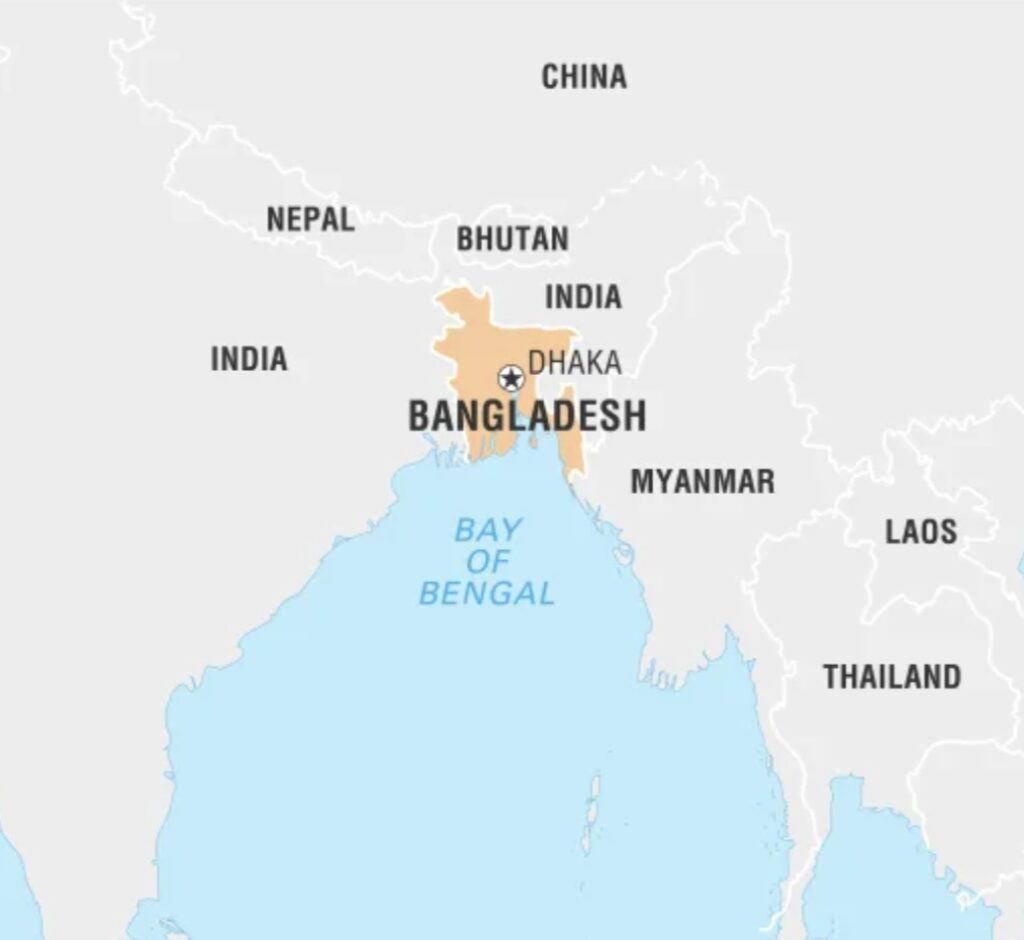
Ever since Bangladesh became a sovereign state on December 16, 1971, following a turbulent and transformative war of independence founded on the ideals of democracy, secular values, nationalism, and social equity, the nation has been witnessing a spate of attacks on Minorities specially Hindus since the government change happened on August 05, 2024.
The nation’s Constitution promises equal treatment under the law, freedom of faith, and fundamental liberties for all citizens. Yet, despite these constitutional guarantees, religious and ethnic minority groups in Bangladesh continue to endure insecurity, prejudice, and occasional violence. These difficulties are neither random nor isolated; they are firmly rooted in the country’s political and electoral framework.
The persecution of minorities in Bangladesh has consistently escalated during times of political unrest and electoral rivalry. This recurring trend highlights a crucial link between defective democratic practices and communal vulnerability. In the absence of transparent, fair, and inclusive elections, the safeguarding of minorities remains weak, and democratic legitimacy remains incomplete.
Minorities in Bangladesh: Demographic Presence and Political Precariousness
Religious and ethnic minorities in Bangladesh, such as Hindus, Buddhists, Christians, and indigenous groups, continue to face political and social fragility despite constitutional promises of parity and religious liberty. Their smaller population size, territorial clustering in specific areas, and restricted participation in governing bodies expose them to greater dangers during times of political turmoil and electoral rivalry. Elections often sharpen partisan divisions, and minority populations are frequently viewed as sympathetic to certain political factions, leaving them vulnerable to harassment, aggression, and pressure. This climate discourages genuine political involvement and erodes trust in democratic institutions.
Structural deficiencies further intensify minority insecurity. Security forces frequently fail to act decisively against assaults, while sluggish inquiries and a lack of responsibility enable offenders to operate without consequence. Economic disadvantage, especially uncertainty over land rights and limited access to public resources, adds to these difficulties by weakening minorities’ ability to obtain protection or justice. Collectively, these conditions perpetuate a cycle of marginalization and vulnerability, underscoring that safeguarding minorities in Bangladesh is inseparable from the necessity of transparent, equitable, and inclusive elections that guarantee equal political participation and reinforce democratic values.
Electoral Violence and the Historical Targeting of Minorities
Political unrest tied to elections has been a persistent element of Bangladesh’s political sphere, with minority groups repeatedly suffering a disproportionate burden. Periods around national polls often bring heightened political strain, breakdowns in public order, and mobilization of party-based factions. In such unstable conditions, religious and ethnic minorities are frequently singled out because of assumed political loyalties or their demographic clustering in particular constituencies. Election-related aggression has included assaults on households, places of worship, businesses, and individuals, creating an atmosphere of fear that stifles civic participation.
Past experience reveals a strong connection between defective or exclusionary elections and the persecution of minorities. Polls lacking competitiveness, openness, or broad participation weaken democratic legitimacy and sharpen political divisions. In these contexts, minority groups are often scapegoated as symbols of opposition or blamed for electoral outcomes. The absence of effective accountability mechanisms enables aggressors to act with near impunity, perpetuating cycles of insecurity and violence.
The enduring consequences of electoral violence go beyond immediate harm. Repeated exposure has led to displacement, migration, and demographic decline among minority populations, reducing their political influence over time. Fear of retaliation discourages minorities from exercising their voting rights freely, undermining the principle of equal suffrage. This pattern highlights the urgent need for transparent, fair, and inclusive elections to break the cycle of violence and ensure the safety, dignity, and political inclusion of minority communities in Bangladesh.
Political Exploitation of Identity
The manipulation of identity has played a major role in shaping electoral violence and the targeting of minorities in Bangladesh. Religious and communal identities are frequently harnessed by political leaders to rally support, discredit rivals, or sway electoral outcomes. In this process, minority groups are depicted not as equal citizens but as political symbols linked to opposition parties or foreign interests. Such portrayals intensify social divisions and turn political competition into communal conflict, especially during election periods.
During electoral struggles, identity-based mobilization becomes a calculated tactic to intimidate voters and tighten control over constituencies. Minority communities, because of their smaller numbers and geographic clustering, are particularly exposed to this strategy. Acts of aggression, threats, and property destruction are employed to silence minority participation and reshape local power balances. This exploitation of identity undermines democratic principles by replacing policy-centred competition with fear-driven politics.
The widespread acceptance of identity-based political methods carries long-term consequences for social harmony and democratic resilience. When political success depends on communal polarization, trust between groups deteriorates and opportunities for inclusive dialogue shrink. Minorities increasingly retreat from political involvement, reinforcing their exclusion. Confronting this challenge requires dismantling the political incentives that encourage identity-based mobilization and strengthening democratic institutions that foster inclusive, issue-oriented electoral competition.
Institutional Fragility and the Cycle of Impunity
Weakness within institutions has been a key factor enabling violence against minority groups in Bangladesh, especially during times of political unrest and electoral rivalry. Law enforcement bodies often lack autonomy, resources, or political support to act quickly and fairly in response to assaults on minority communities. Delayed actions, biased application of laws, and poor investigations create conditions where victims receive little protection while offenders face few repercussions. This fragility erodes public trust in the state’s ability to deliver justice and uphold social stability.
The collapse of accountability systems has cultivated a culture of impunity that sustains recurring violence. When offenses against minorities remain unpunished, it signals that such acts are either tolerated or politically advantageous. This perception emboldens aggressors and discourages victims from reporting abuses, further weakening the rule of law. Over time, repeated failures to secure justice normalize violence and embed discriminatory practices within local power structures.
The broader consequences of institutional weakness extend beyond immediate safety concerns. Ongoing impunity undermines democratic legitimacy and deepens minority estrangement from political institutions. Without reliable legal remedies, minority groups increasingly view the state as indifferent or complicit in their exclusion. Reinforcing institutional autonomy, ensuring accountability, and rebuilding confidence in the justice system are therefore vital steps toward ending abuses and creating an inclusive democratic framework in Bangladesh.
Socioeconomic Exclusion and Land Instability
Economic and social exclusion has greatly increased the fragility of minority groups in Bangladesh, particularly through ongoing insecurity over land. Past land regulations and administrative practices led to widespread dispossession of minority populations, especially Hindus, whose property was often transferred or seized through both legal and extra-legal means. Although certain corrective measures were introduced over time, uneven implementation and weak enforcement have allowed land disputes to remain a persistent source of vulnerability for minorities.
In rural Bangladesh, land ownership is deeply tied to social standing, financial stability, and political influence. For minority groups, the loss of land often means the loss of livelihood, restricted access to loans, and heightened reliance on local elites. During times of political unrest or elections, this dependence is exploited through intimidation, coercion, or forced displacement. Land grabbing and property-related violence frequently escalate during electoral periods, further undermining minority security.
Wider socioeconomic exclusion reinforces political marginalization. Limited access to public resources, education, and employment opportunities reduces minorities’ ability to pursue legal protection or organize collectively. Economic hardship discourages resistance to injustice and weakens participation in democratic processes. Tackling land insecurity and socioeconomic inequality is therefore crucial to breaking the cycle of exclusion and ensuring that minorities can engage in political life on equal and secure terms.
Why Transparent, Equitable, and Inclusive Elections Are Crucial
Transparent, equitable, and inclusive elections are vital for protecting minority rights and reinforcing democratic governance in Bangladesh. Polls that are open and competitive guarantee that political authority stems from genuine public approval rather than coercion or exclusion. When all citizens, including minority groups, can participate without fear of intimidation or violence, elections serve as a channel for peaceful political expression instead of a spark for conflict. Inclusive electoral practices lessen political polarization and reduce incentives for leaders to exploit communal identities for strategic advantage.
Inclusive elections also strengthen representation and accountability. Minority populations are more inclined to take part in democracy when they trust that their votes count and their voices are echoed in decision-making bodies. Authentic elections compel political leaders to respond to the needs of all communities, including marginalized groups, rather than relying solely on majority support. This broad-based accountability reinforces constitutional principles and upholds the idea of equal citizenship.
Furthermore, the credibility of elections directly influences institutional stability and the rule of law. Governments established through transparent and fair electoral processes enjoy stronger legitimacy, enabling them to govern more effectively and safeguard minority rights. In contrast, defective or exclusionary elections weaken democratic institutions, diminish public trust, and foster conditions where violence and impunity thrive. Guaranteeing transparent, fair, and inclusive elections is therefore not merely a democratic ideal but a necessary foundation for ending abuses and promoting long-term social harmony in Bangladesh.
Electoral Validity and Democratic Responsibility
The validity of elections is a foundation of democratic responsibility and plays a vital role in safeguarding minority rights in Bangladesh. When polls are carried out in a transparent, competitive, and inclusive way, the resulting government gains its authority from the genuine approval of the people. This legitimacy reinforces the ethical and political duty of elected officials to govern for the benefit of all citizens, including marginalized and minority groups. Authentic electoral outcomes lessen political disputes and discourage the use of violence as a method of asserting power.
Democratic responsibility is closely tied to the reliability of electoral procedures. Administrations that arise from free and fair elections are more attentive to public oversight and institutional checks. Representatives are compelled to address governance shortcomings, uphold constitutional guarantees, and respond to grievances, since their political survival depends on popular support. For minority communities, this accountability opens pathways to seek justice, influence policy, and demand protection through democratic channels rather than resorting to protest or withdrawal.
By contrast, elections viewed as defective or exclusionary weaken accountability systems and concentrate authority in the hands of a small political elite. Such conditions reduce incentives for inclusive governance and heighten the risk of rights violations going unchallenged. The decline of electoral validity erodes confidence in democratic institutions and deepens minority estrangement. Reinforcing electoral legitimacy is therefore crucial to restoring democratic responsibility and ensuring that the state remains answerable to all sections of society.
Institutional Autonomy and Upholding the Rule of Law
The autonomy of institutions is crucial for the proper functioning of the rule of law and for safeguarding minority rights in Bangladesh. Democratic bodies such as the election commission, judiciary, police, and civil service must operate free from political interference to guarantee impartial decisions. When these institutions remain independent, they can apply laws fairly, investigate violations, and provide equal protection to all citizens, including vulnerable minority groups. Institutional freedom is therefore vital for sustaining public trust in the justice system.
Weak institutional autonomy undermines the rule of law and fosters conditions where abuses thrive. Political influence over policing and judicial processes often leads to selective enforcement, delayed inquiries, and biased judgments. For minorities, this results in restricted access to justice and protection. The perception that institutions serve political agendas rather than constitutional principles erodes confidence and discourages victims from reporting crimes or seeking remedies.
Strengthening institutional autonomy reinforces democratic governance and electoral credibility. Independent institutions are better positioned to supervise elections, settle disputes, and hold offenders accountable regardless of political ties. A strong rule of law curtails impunity, deters violence, and ensures rights are consistently upheld. By protecting institutional independence, Bangladesh can bolster democratic stability and create a safer environment for minority communities.
Global Attention and Democratic Expectations
Global focus on Bangladesh’s democratic processes reflects wider concerns about governance, human rights, and regional stability. As an important player in South Asia with rising economic and strategic significance, Bangladesh’s political direction is closely monitored by neighboring states, international organizations, and global rights institutions. Matters relating to electoral credibility, political inclusion, and minority protection are often regarded as indicators of the nation’s adherence to democratic standards and constitutional principles.
The international community’s democratic expectations stress the need for free, fair, inclusive, and participatory elections. Genuine electoral practices enhance Bangladesh’s global legitimacy and bolster its diplomatic reputation. In contrast, polls seen as exclusionary or defective can attract criticism, weaken trust among development partners, and hinder economic cooperation. International involvement in this regard is not purely punitive but often intended to encourage institutional reforms and democratic strengthening.
Safeguarding minorities holds a central position within these democratic expectations. Global norms increasingly connect minority rights with democratic governance and the rule of law. When minority groups experience violence or exclusion, it raises alarms about democratic regression and institutional fragility. By maintaining inclusive electoral standards and protecting minority rights, Bangladesh can reinforce its international credibility, deepen global partnerships, and affirm its dedication to democratic values and social harmony.
Conclusion: Democracy as the Pathway to Minority Protection
The persecution of minorities in Bangladesh is closely tied to its political and electoral system. History shows that flawed elections, exclusionary politics, and weak governance foster violence and discrimination. Free, fair, and inclusive elections are therefore essential, not optional.
Protecting minorities requires reforms that ensure inclusivity, accountability, and justice. When all citizens, regardless of religion or ethnicity, can participate safely and meaningfully, Bangladesh moves closer to fulfilling the ideals of its liberation struggle. Strong democratic processes also build legitimacy, reduce impunity, and create trust in institutions.
Ultimately, democracy must serve as both a mechanism for leadership and a safeguard for minority dignity. By embedding inclusivity and accountability, Bangladesh can break cycles of marginalization and build a stable, just, and cohesive future.



