Monday
January 12, 2026
Home Blog Page 62

Riots in France: Reasons & Repercussions

By: Sanoop Suresh, Research Analyst, GSDN

Riots in France: source Internet

Once more, France embarks on a movement, but this time the demand is not the reversal of pension reforms or the control of the rising cost of living, but rather the elimination of institutionalized racism. Racism is not a new phenomenon in France. In fact, the current events are a part and parcel of the normal lives of many minorities in the nation. The inception of the current riots in France is because an African Muslim teenager was shot to death by a police officer. This triggered a lot of motions across the country which called out the blatant racism existent in the nation. This event has been linked to the 2005 riots wherein two teenage boys of minority ethnicity died after hiding from police. These riots and their history gave insight into the background of racism in the nation.

Why France Protests?

On June 27, 2023, a police officer shot and killed 17-year-old Nahel M., in the chest while attempting to stop his rental car that had broken many traffic rules. Two police officers are seen attempting to stop the car in a video that has gone viral on social media and has been verified by the French news agency AFP. One of the police officers points his gun at the driver through the window and fires at close range when it appears that the driver is still trying to move the car. Before colliding, the automobile traveled a few meters. After the teenager’s death, a fight between frustrated citizens and the police broke out, leading to the deployment of 45,000 police when the demonstrations turned violent and the protesters vandalized various public facilities. Nahel came from the underprivileged neighborhoods of France and had Algerian descent. The fatal police shot was described as “unforgivable” and “inexplicable” by the president of France, Emmanuel Macron, as an attempt to ease the tension. The demonstrators demand that the government take action against the police since they stand accused of enjoying a “culture of impunity” and abuse. According to reports, over 3,600 people have been detained at an average age of 17 in France. Even though the violence receded over time, it left numerous lawsuits for vandalism and more than 800 law enforcement officers injured. These events also brought back concerns about the methods used by the police, who frequently target residents in low-income areas, especially minorities.

Is French Police Racist?

Owing to memories which long back to the Second World War, since the people officially designated as Jews were sent into concentration camps, the French government never collected data regarding race, ethnicity, and religion. Still, the racial biases in French institutions have often been pointed out by various agencies. The French Police is no exception in practicing institutionalized racism and often bears the blame for failing in their duty to provide impartial treatment.

A black music producer named Michael Zeckler was severely beaten by four police officers in Paris in November 2020, and the video of this incident gained widespread attention. This video came amidst the debates over a law which prohibits recording active police on duty and, consequently, the law was nullified by the top court due to concern over the accountability of police practices. According to research, people from low-income minority groups frequently have similar experiences. A 2017 study by the independent administrative body “Defender of Rights” reveals that police identity checks mostly target young men from visible minorities, supporting the notion that such checks are based on race. “80% of people corresponding to the profile of ‘young man perceived as black or Arab’ declare that they have been checked in the last five years,” according to a representative sampling of more than 5,000 people. On the other hand, only 16% of other respondents declare that they have been checked in identity check practice. Even while data indicate a bias inside the French police institution, a closer examination will provide more light on the changes in French politics brought on by the emergence of far-right political groups.

How Color Blind is France?

Even though France describes itself as a color-blind society, its politics is becoming less inclusive as a result of rising Far-Right political participation. There has been an increase in anti-immigrant attitudes across French society, and the far-right political groups frequently try to gain electoral support by appealing to the resentment of ordinary citizens towards the influx of immigrants. In November 2022, Grégoire de Fournas, a French lawmaker from the far-right National Rally party, was suspended from the assembly for yelling “Go back to Africa” during a speech by Carlos Martens Bilongo, a black colleague, about the difficulties faced by migrants while aboard a rescue boat operated by the non-profit organization SOS Méditerranée. Similar to this, Marine Le Pen, the leader of National Rally’s parliamentary party, gained 41.5% of the vote in the second round of the 2022 presidential elections despite being accused of supporting anti-immigrant, anti-multiculturalist, and anti-Islamic policies, even though she was eventually defeated by Macron.

When we look at two similar fundraisers that are taking place at the same time, we can see the changes in French society. A fundraiser for Nahel M.’s family reportedly brought in more than 200,000 euros from about 100,000 contributions. On the other hand, another fund-raiser for the family of the 38-year-old police officer who shot Nahel is taking place in France. It was established by Jean Messiha, an independent far-right populist and former Marine La Pen aide. In this, more than 1 million Euros has been raised from nearly 52,000 contributors. The considerable difference between these two fundraisers provides two important insights. Firstly, there is a growing indifference in French society regarding the plight of immigrants and ethnic minorities. Secondly, it highlights the polarization of wealth, and how it plays out in the debate over the elimination of systematic racism.

How Equal Is France?

According to a study by the Centre for Economic Policy Research, there was a noticeable shift in who benefited from French economic strategies between 1950 and 2014. The data shows that between 1950 and 1983, the bulk of the population benefited from growth. However, after 1983, such gains have only been experienced by the top percentile. According to multiple reports, the disparity in the distribution of wealth in French society is at an all-time high and the Russia-Ukraine war makes the situation worse for the economically deprived suburbs in France.

The death of Nahel M. became the tipping point for the long-standing resentment over institutional apathy as there was an increasing sense of disillusionment among the socioeconomic strata. One of France’s poorest regions economically is the Paris suburbs, where the riots have been taking place. The feeling of marginalization felt by France’s ethnic minority fueled the violence. The social exclusion of racial and ethnic minorities in France is characterized by high unemployment, low educational achievement, and poverty compared to the majority of the French population.

Because the major political parties disregarded their demands for equitable economic distribution and inclusive policies, voting for smaller parties or staying home during elections became the norm in the suburbs. These communities find it challenging to voice their complaints and requests to the current political structures due to their perception of political disenfranchisement. Racial tensions and persistent social and economic inequalities were once more brought to light in French debate, but there were fewer prospects for effective remedies.

Will France Change?

The ethnic minority groups who belong to the low- income suburbs of France face three significant risks. Firstly, there is a growing racial apathy in French institutions and society, which is paired with the emergence of Far-Right ideas. Secondly, there is the financial hardship brought on by the political system’s failure to adopt inclusive policies. Finally, the lack of representation in France’s political institutions as a result of their incapacity to change into a political pressure group. Unsurprisingly, all of these issues were discussed in French politics, but they have never successfully changed the country’s political landscape.

Only the development and use of an open and impartial political system can restore trust in these institutions and the primary duty of French administration. To accomplish this, society and the government must consider the needs of ethnic and economic minorities when formulating policies and guarantee that everyone is treated fairly. Similarly, the political system has a duty to treat all segments of society equally from the institutions that have legal authority and are held accountable for their deeds. The assimilation of many socio-economic groups in mainstream society is hindered by the polarization of anti-immigrant and anti-multiculturalist views, and it is questionable how well French politics would perform in an altering political environment. Time alone has the answer to that query.

Indian Ocean Rim Association

By: Vaibhav Borude, Research Analyst, GSDN

Member Countries of Indian Ocean Rim Association: source Internet

The Indian Ocean is the third-largest of the world’s five oceanic divisions, covering   19.8% of the water on Earth’s surface. It is bounded by Asia to the north, Africa to the west and Australia to the east. To the south it is bounded by the Southern Ocean or Antarctica. Along its core, the Indian Ocean has some large marginal or regional seas such as the Arabian Sea, Laccadive Sea, Bay of Bengal and Andaman Sea. Indian Ocean is strategically and geo economically one of most important place of earth. Indian Ocean connects the petroleum producing gulf region to the wider market, thus makes an important place for transport and service sector.

The sea lanes in the Indian Ocean are considered among the most strategically important in the world with more than 80 percent of the world’s seaborne trade in oil transits through the Indian Ocean and its vital chokepoints, with 40 percent passing through the Strait of Hormuz, 35 percent through the Strait of Malacca and 8 percent through the Bab el-Mandab Strait.

Considering, this many countries had always tried to increase their power differentials in Indian Ocean space. Britian has long standing dispute with Mauritius on Chagos archipelago. USA has its naval base in Diego Garcia. Now, China wants to control the vital Indian Ocean, so is using its power to develop military bases and economic trade point like Chinese port in Djibouti.

With world gearing up to increase their influence in Indian Ocean, Indian Ocean Rim Association (IORA) is trying to provide an unique platform for countries in this region to increase cooperation and coordination in Indian Ocean.

Indian Ocean Rim Association is an intergovernmental organization established on March 07, 1997. The late President of South Africa Nelson Mandela inspired this vision of Indian ocean rim association during his visit to India. “The natural urge of facts of history and geography should broaden itself to include the concept of an Indian Ocean RIM for socio- economic cooperation” was the vision of late president Nelson Mandela.

The structure of IORA consists of apex body ie the Council of Foreign Ministers (COM) which meets annually. The United Arab Emirates (UAE) assumed the role of Chair from November 2019 – November 2021, followed by the People’s Republic of Bangladesh November 2021 – November 2023. A committee of Senior Officials (CSO) meets twice a year to progress IORA’s agenda and consider recommendations by Working Groups and forums of officials, business and academics to implement policies and projects to improve the lives of people within the Indian Ocean Member States.

The charter of IORA has defined the various objectives that members seek to achieve. This includes, to promote the sustained growth and balanced development of the region and of the Member States, and to create common ground for regional economic co-operation. To focus on areas where economic cooperation can be achieved. To look for all avenues for trade liberalization, strengthen cooperation and dialogue among countries. The Priority Areas of the Indian Ocean Rim Association are:

1. Maritime Safety and Security;

2. Trade and Investment Facilitation;

3. Fisheries Management;

4. Disaster Risk Management;

5. Academic,

Science and Technology Cooperation; and

6. Tourism and Cultural Exchanges.

The IORA has also started many flagship initiatives such asIndian Ocean dialogue. The Indian Ocean Dialogue is established in its role as a stand-alone Track 1.5 discussion, encouraging an open and free flowing dialogue by key representatives of IORA Member States such as scholars, experts, analysts, and policy makers from governments, think tanks and civil societies on a number of crucial strategic issues of the Indian Ocean Region.

Somalia and Yemen development program is organized as a special capacity building program for this region. As the region has been the worst sufferer of conflict, radicalisation and civil war. The IORA has also launched theIORA Sustainable Development Program. The IORA Sustainable Development Program (ISDP) was introduced in 2014 and is dedicated for the least developed countries (LDCs) that require assistance and support to conduct projects, and with the main purpose to promote sharing experiences and best practices among IORA Member States. IORA has collaborated with UN Women to strengthen research on women’s economic empowerment, and promote the Women’s Empowerment Principles in the region, supported by the Australian Department of Foreign Affairs and Trade.

India’s Role in IORA

  • India continues to promote its official policy of “coordination, cooperation and partnership” in the regional maritime domain.
  • As coordinator to the priority area on disaster risk management, India has published guidelines for IORA. It has also urged partners to join the Coalition for Disaster Resilient Infrastructure launched at the UN in September 2019.
  • India has been trying to emerge as the net provider of information in the IOR and in that direction it created the Information Fusion Centre located in Gurugram to assist member countries of IOR with real-time crisis information. Bangladesh, Mauritius, Maldives, Sri Lanka and Seychelles have been part of the information support structure of India.
  • Indian policy takes into consideration that IOR is not an India-run maritime domain and that is reflected in the government’s Security and Growth for All in the Region (SAGAR) programme, which aims to turn the region more inclusive.

With rising importance of the Indian Ocean Region, a secure maritime environment in the Indian Ocean Region (IOR) is crucial for both India and African countries for securing national interests and achieving sustained national development. Such security means not only guarding the coastline or territories, but also safeguarding the countries’ interests in their exclusive economic zones (EEZs), as well as protecting trade and shipping routes, and sea-lanes of communications (SLOCs).

There are a number of challenges this region is facing. The region around western Indian Ocean is prone to threat from pirates. They threaten the development of secure sea lane communication in the region. India has net security provider of Indian ocean, has deployed its Naval forces to act against these threats and has been successful in reducing the intensity of pirate attacks.

The next big challenge of the region is in China’s ambition of making the Indian Ocean as its own backyard, like USA maintained its hegemony in the Pacific Ocean. China is trying to increase its influence in the region by using its Strings of Pearls theory. That aims to encircle India by the sea-route. They are aiming to gain upper hand in sea lanes of communication in this region for this they have launched a maritime component of Belt and Road Initiative ie Global Maritime Silk Route. That aims to develop trade links all around the world from China to Europe. China is also using its debt trap diplomacy to force countries in taking unsustainable debts and then when they fail to repay their infrastructure are taken on long lease by them. The Chinese have used this strategy well in Sri Lanka and also is trying to use it in Maldives and Mauritius.

The next big challenge facing this region is rising sea levels due to climate change. Many of this region face existential threats due to rising sea level. Many parts of this region would be submerged thus resulting in threat to survival for these countries. Despite many of them being net negative carbon emitters, the threat they face is highest. Mainly due to emission from developed countries.

However, with challenges come opportunities. India has a lot of opportunities in this region. Indians have a sizable number of diaspora in many of these countries that have been able to create an image of good friendly neighbour. India’s soft power has been greatly enhanced.

Along with it the rising stature of the Indian economy provides opportunities for the region to align with our trade goals and in the end develop their own economy. With the rising middle class in India, many countries of this region can develop from tourists from India. In an effort to become the primary source of information in the IOR, India established the Information Fusion Centre in Gurugram, which provides member nations with crisis information in real time. Bangladesh, Mauritius, the Maldives, Sri Lanka, and the Seychelles have all contributed to India’s information support system. The Security and Growth for All in the Region (SAGAR) program, which strives to make the region more inclusive, reflects Indian policy’s recognition that the Indian Ocean Region (IOR) is not an Indian-run maritime domain.

The Indian Ocean Rim Association A(IOR) must be India’s main priority. IOR’s mission to advance regional development that is both sustainable and equitable must be the cornerstone of any new initiative in the region. A unique regional cooperation initiative on the blue economy must be taken into consideration by IORA. That will fulfil the aspirations of the IOR countries.

G7: CAN IT DELIVER GLOBAL GOOD

By: Hitti Chopra, Research Analyst, GSDN

G7 nations: source Internet

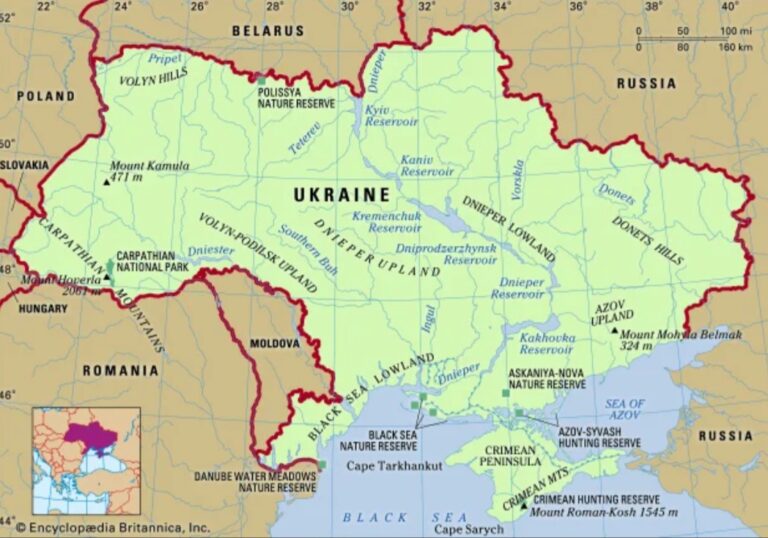
G7 is the group of seven countries that is an informal organization of the world’s advanced economies which dominate the international financial system and global trade. They are France, Germany, Italy, Canada, the United States, Japan and the United Kingdom. Russia belonged to the group from 1998 till 2014 when the block was known as G8 (Group of 8) but it was suspended following its annexation of Ukraine’s Crimea region.

History

The world in 1975 was experiencing high inflation followed by sparks of recession by the Organization of the Petroleum Exporting Countries (OPEC) oil embargo leading to grouping of 6 countries – The United States, the UK, Japan, France, Italy and West Germany to counter the economic and political challenges at that time. Canada joined the grouping in 1976. G7 is not a formal institution with a secretariat and a charter. The Presidency rotates on an annual basis which is responsible for setting up of the agenda. Sherpas, ministers and envoys hammer out policy initiatives before the summit. All the G7 countries are a part of G20.

G7 and Russia

Russia formally joined the inter-governmental political forum in 1998, making it G8. The membership of Russia was indefinitely suspended due to Russia’s annexation of Crimea. The restoration of Russia membership was suggested by various countries. The German foreign minister in 2016 stated that “none of the major international conflicts can be solved without Russia”, and the G7 countries will consider Russia’s return to the group in 2017. But in 2017, Russia formally announced that it would permanently leave the G8 grouping.

G7 was considered a grouping that could serve ‘collective-action’ and have like minded nations but it was challenged during President Donald Trump’s tenure. He wanted readmission of Russia in the bloc and believed it was “common sense” to include Russia in the “outdated” group.

The “collective action” bloc and multilateralism

Multilateralism has always been the leading edge in the global geopolitics since the second world war. The emergence of United Nations, creation of forums like G7 and G20, the world has witnessed a transition from unipolar order towards multipolarity. It has given a rise to solving common global threats together but at the same time new uncertainties have intensified the relations between nations like US and China. The countries might resort to protectionist policy due to transnational issues however it is integral for nations to align regional, national, global strategies to maintain the global order. Indian Prime Minister Narendra Modi in G20 summit has mentioned that “Today, we do not need to fight for our survival-our era need not be one of war. Indeed, it must not be one.”

G7 is an exclusive group of industrialised nations and was created with the aim to maintain the economic stability of these seven nations. G20 is a group of both developing and developed countries and is focused on international cooperation and decision making. It covers around 85 percent of world GDP and two thirds of world population. Emerging powers including India, Brazil, Mexico, China, and South Africa, whose absence from the G7 is often mentioned, all belong to the G20. The overlapping of G7 and G20 mandates can be synergized ensuring a balance between the developing and developed worlds. Multilateralism is necessary in the multipolar world especially after COVID 19 pandemic. The G7 and G20 can work together in the support of multilateralism and can play an important role in global cooperation and coordination. The issue of food security, climate change, cyber warfare, technological disruptions, the common global threats which both institutions face can be addressed together and both the institutions can work together to build consensus among member states.

Challenges the group face

The G7’s future has been challenged by continued tensions with Russia and China. The bloc has imposed coordinated sanctions on Russia in response to the Ukraine war. The current G7 Presidency is under Japan and the latter has raised concern over the possibility of conflict in the Taiwan Strait.

The rise of Belt and Road Initiative of China is also a major concern for the grouping and recently in the springs G7 summit in Hiroshima, the bloc vowed to deliver the goal of up to $600 billion in financing for quality infrastructure through the Partnership for Global Infrastructure Investment, which is a rival to China’s Belt and Road initiative. During a trip to China prior to the G7 summit in 2023 as mentioned by the Council on Foreign Relations, French President Emmanuel Macron said the EU should avoid becoming pulled into a conflict between the United States and China over Taiwan, drawing some backlash from U.S. lawmakers.

Beijing has also often faced backlash for its human rights policy against its citizens from G7. The bloc leaders said in their statement “We call on China not to conduct interference activities aimed at undermining the security and safety of our communities, the integrity of our democratic institutions and our economic prosperity”, citing the Vienna Convention which regulates diplomatic affairs.

The industrialised G7 countries accounting for 20 percent of global emissions have been lukewarm with their commitments and majority of the pledges have been diluted further. The bloc has been under constant scanner for their ongoing dependence on fossil fuels especially coal. The G7 countries have to redirect and mobilize their financial support to renewable energy and aim to remove market distortions.

Conclusion

The current spring G7 summit conducted in Hiroshima Japan has showcased how the leaders of G7 came together on unified positions regarding Russia and China. The grouping can be of global good if it aligns its mandate vis a vis other multilateral forum across world like G20 and Quad which can result in fostering regional and global development, enhance cultural interchange and strengthen global governance.

Prime Minister Narendra Modi’s Maiden Visit to Egypt: Momentous Occasion

By: Varshitha Eddula, Research Analyst, GSDN

Prime Minister Narendra Modi during his maiden visit to Egypt in June 2023: source Internet

Prime Minister Narendra Modi arrived in Egypt’s capital Cairo on June 24- 25, 2023 for his maiden visit on the second leg of his two-nation tour. PM Modi arrived in Cairo for after wrapping up a successful visit to the US. The visit was at the invitation of Abdel Fattah El-Sisi, President of Egypt, which he extended to PM Modi in January 2023 when he attended the Republic Day celebrations in New Delhi as the Chief Guest. This was for the first time that President of the Arab Republic of Egypt had been invited as Chief Guest on the Republic Day of India.

This is PM Modi’s first visit to Egypt as Prime Minister and the first bilateral visit by an Indian Prime Minister after 26 years. Upon arriving in Cairo, PM Modi was greeted with a ceremonial welcome and guard of honour and in a special honour, he was received by his Egyptian counterpart Mostafa Madbouly at the airport.

Prime Minister Narendra Modi held a roundtable meeting with his Egyptian counterpart Mostafa Madbouly in Cairo on Saturday. Later in the day Prime Minister met the Grand Mufti of Egypt Dr Shawki Ibrahim Abdel-Karim Allam. He also met Hassan Allam, CEO of Hassan Allam Holding Company in Cairo on Saturday, and called the meeting “fruitful”. In addition to topics relating to the economy and investments, I really enjoyed hearing his passion towards preserving cultural heritage in Egypt,” Modi said on Twitter about Hassan Allam. 

Prime Minister Modi also met yoga practitioners Nada Adel and Reem Jabak in Cairo on Saturday. “Nada Adel and Reem Jabak are making commendable efforts to make Yoga popular across Egypt. Had a wonderful conversation with them in Cairo,” Modi wrote on Twitter about his meeting with Nada Adel and Reem Jabak. Prime Minister Narendra Modi met Egyptian author Tarek Heggy in Cairo on Saturday. “He shared his insightful views on global issues. I admire his rich knowledge on issues relating to different cultures,” Modi wrote about the meeting.

Prime Minister Narendra Modi’s first official engagement in the country on Saturday was a meeting with the India Unit, a group of high-level ministers constituted by El-Sisi in March to enhance India-Egypt relations. Seven members of the Egyptian Cabinet, led by Prime Minister Mostafa Madbouly, were also present during the discussions on deepening trade relations and strengthening the strategic partnership between the two countries. “The setting up of the India Unit in the Egyptian cabinet indicates the priority given to India-Egypt ties,” Modi said.

The second day of the maiden visit to Egypt started when Prime Minister Modi visited the historic 11th-century Al-Hakim Mosque in Cairo on Sunday, which was restored with the help of India’s Dawoodi Bohra community. Over a thousand years old, Al-Hakim is the fourth oldest mosque in Cairo, and the second Fatimid Mosque to be built in the city. The mosque covers an area of 13,560 square metres, with the iconic central courtyard occupying 5,000 square metres.

The Dawoodi Bohra Muslims are a sect of followers of Islam who adhere to the Fatimi Ismaili Tayyibi school of thought. They are known to have originated from Egypt and later shifted to Yemen, before establishing a presence in India in the 11th century.

Prime Minister Narendra Modi also visited the Heliopolis Commonwealth War Cemetery in Cairo and offered tributes to the Indian soldiers who bravely fought and laid down their lives in Egypt and Palestine during the First World War. Modi offered floral tributes and signed the visitor’s book at the Cemetery that comprises the Heliopolis (Port Tewfik) Memorial and the Heliopolis (Aden) Memorial. The Heliopolis (Port Tewfik) Memorial commemorates nearly 4,000 Indian soldiers who died fighting in Egypt and Palestine in the First World War.

Egyptian President Abdel Fattah El-Sisi conferred the highest state honor ‘Order of Nile’ on Prime Minister Narendra Modi at the presidential palace in Cairo. Instituted in 1915, the ‘Order of the Nile’ is conferred upon heads of states, crown princes, and vice presidents who offer Egypt or humanity invaluable services. This is the 13th highest state honour conferred upon Prime Minister Modi by any nation.

The ‘Order of the Nile’ is a pure gold collar consisting of three-square gold units comprising Pharaonic symbols. The first unit resembles the idea of protecting the state against evils, the second one resembles prosperity and happiness brought by the Nile and the third one refers to wealth and endurance. The three units are connected to one another by a circular gold flower decorated with turquoise and ruby. Hanging from the collar is a hexagonal pendant decorated with flowers of the Pharaonic style, and turquoise and ruby gems. In the middle of the pendant, there is a protruding symbol representing the Nile that brings together the North (represented by the Papyrus) and the South (represented by the Lotus).

Prime Minister Narendra Modi toured the great pyramids of Giza on the outskirts of the Egyptian capital, which were included in the Seven Wonders of the World.

Escorted by Egyptian Prime Minister Mostafa Madbouly, Modi visited the three pyramids of the 4th-dynasty erected on a rocky plateau on the west bank of the Nile River near Al-Jizah (Giza) in northern Egypt. The Great Pyramid of Giza, which is the largest Egyptian pyramid and served as the tomb of pharaoh Khufu, who ruled under the Fourth Dynasty of the Old Kingdom. Built in the early 26th century B.C., over a period of about 27 years, the pyramid is the oldest of the Seven Wonders of the Ancient World, and the only wonder that has remained largely intact.

Prime Minister Narendra Modi and Egyptian President Abdel Fattah El-Sisi signed an agreement to elevate the bilateral relationship to a “Strategic Partnership”. Both the leaders discussed ways to further deepen the partnership between the two nations, including in trade, investment, defence, security, renewable energy, cultural and people-to-people ties. In addition, three Memorandum of Understanding (MoU) in the fields of agriculture, archaeology and antiquities and competition law were also signed between India and Egypt.

India Egypt bilateral relationship

India and Egypt also share a close political understanding based on a long history of contact and cooperation in bilateral, regional and global issues. The joint announcement of the establishment of diplomatic relations at the Ambassadorial level was made on August 18, 1947.
Since the 1980s, there have been four Prime Ministerial visits from India to Egypt. Rajiv Gandhi visited the country in 1985, PV Narasimha Rao in 1995, IK Gujral in 1997, and Manmohan Singh in 2009. From the Egyptian side, President Hosni Mubarak visited India in 1982, 1983 (NAM Summit), and again in 2008. High-level exchanges with Egypt continued after the Arab Spring uprising in 2011 and then President Mohamed Morsi visited India in March 2013. External Affairs Minister (EAM) visited Cairo in March 2012 and the Egyptian Foreign Minister visited India in December 2013. Egypt has also been invited as a ‘Guest Country’ during India’s Presidency of G-20 in 2022-23.

The bilateral trade between India and Egypt achieved a record high of USD 7.26 billion in FY 2021-22. The trade was fairly balanced, with USD 3.74 billion Indian exports to Egypt and USD 3.52 billion imports from Egypt to India. During this period (FY21-22), India was the 6th largest export destination and 6th most significant source of imports as well. During April 2022-January 2023 period of FY 2022-23, the bilateral trade has reached nearly USD 4.4 billion, with USD 2.9 billion worth exports from India and USD 1.5 billion worth imports from Egypt to India. More than 50 Indian companies have invested around USD 3.15 billion in diverse sectors of Egyptian economy, including chemicals, energy, textile, garment, agri-business, retail, etc.

In the area of defence cooperation, India and Egypt have good relations. Desert Warrior exercise was conducted as the first-ever joint tactical exercise by the air force of the two countries. The more recent exercise between the special forces is another indication of the growing willingness to work together. The Egyptians have also shown some interest in India’s Tejas fighter jets and Dhruv light attack helicopters. A military contingent from the Egyptian Army participated in this year’s Republic Day parade.

The cooperation during Covid-19 and Russia–Ukraine war stand the test of friendship. When India was hit hard by the second wave of COVID-19, Egypt responded by dispatching three plane loads of medical supplies and providing 300,000 doses of Remdesivir in May 2021. India reciprocated a year later when Egypt, the world’s largest importer of wheat, was facing a dire situation following the abrupt halt in wheat shipments from Ukraine following the war. In May last year, India — which had put a ban on sale of wheat — allowed export of 61,000 tonnes to Egypt.

The development cooperation between the two nations includes grants-in-aid projects. These include Pan Africa Tele-medicine and Tele-education project in Alexandria University, Solar electrification project in Agaween village and Vocational Training Centre for textile technology in Shoubra, Cairo, which have been completed. Since 2000, over 1300 Egyptian officials have benefited from ITEC (Indian Technical and Economic Cooperation) and other programs like ICCR (Indian Council for Cultural Relations) and IAFS (India Africa Forum Summit). The Maulana Azad Centre for Indian Culture (MACIC) has been promoting cultural cooperation between the two countries.

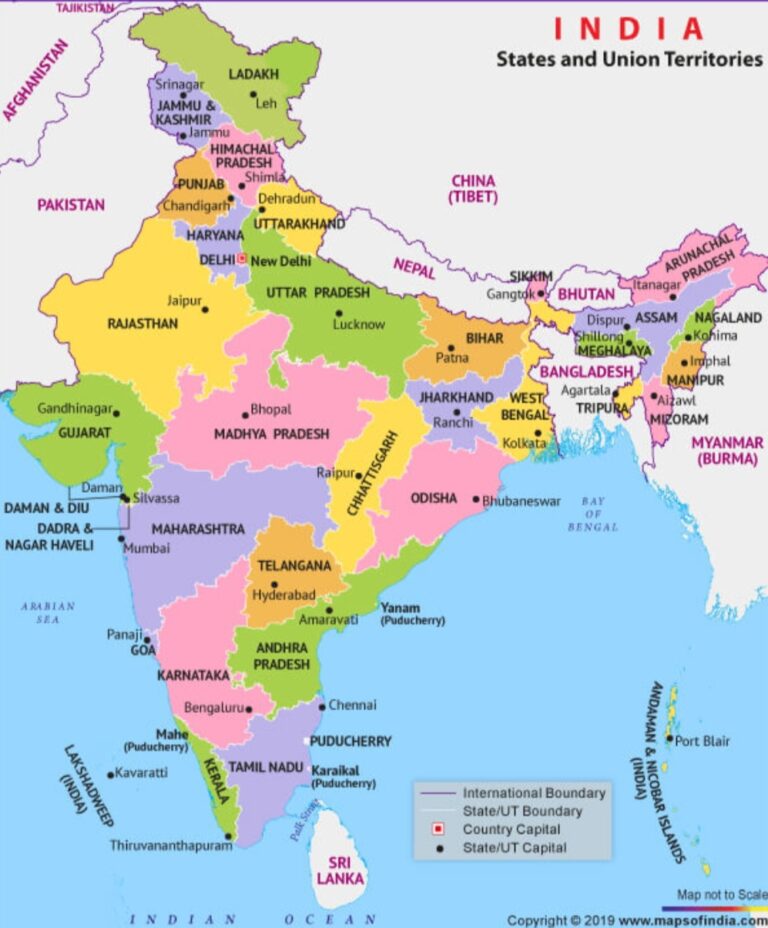
Manipur Crisis: Problem in India

By: Aleena T. Sabu, Research Analyst, GSDN

Manipur: source Internet

Manipur has been a host of ethnic conflict and violence since May 03, 2023. There have been many issues that have triggered this violence but what set off the violence was a judgement from the Manipur High Court on April 20, 2023 regarding the reservation for the Meitei community. Briefly, it seems as if the judgement was the sole reason, but this is not true, the relations between the two communities have been slowly eroding for the past couple of years. Many other issues in the background and history have offset the current scenario in Manipur.  The violence in Manipur is disregarded by the mainstream media as conflict of interest between two ethnic groups, but a broader understanding of the issue is needed in order to understand the truth.

What is happening in Manipur?

In the northeastern State of India, Manipur violence erupted at the beginning of May 2023 and it has killed almost 100 people and wounded more than 300 and has displaced 60000 people in the past two months. The State Government has made use of the same methods used in other states when an emergency happens, such as cutting off the internet, military curfew, and stationing paramilitary troops with orders to shoot in extreme conditions.

What caused the recent issues in the state was when the Manipur High Court asked the State Government to consider Scheduled Tribe status for the Meitei Community, which is the dominant community in the region. Giving them this status would allow them to enjoy the benefits from the government. The Meitei community have been asking for this status for a long time and it was not granted yet because there was a fear it would cause a row between the communities. And just as they expected, the Kuki community came out protesting this move. Soon after the announcement from the court, a rally was organised by the All Tribal Students Union of Manipur on May 3, 2023.

Violence erupted soon with the burning down of the Anglo-Kuki War Memorial Gate. This led to the Kuki community torching localities of the Meitei community in Churachandpur. This in turn triggered the Meitei to burn down Kuki communities in Imphal Valley.

Background and Continuity

The protests might seem like the immediate reason for the ethnic conflicts, but it’s not. There have been years-long issues between both communities. They stem from the government’s actions of clamping down on reserved forests in the hill areas and the feeling of persecution felt by the Kuki community.

The Kuki community have also been angered by the government’s policy with respect to the refugees from Myanmar who they share very strong ties with. These refugees entered India escaping from violence in their nation and the government’s tough stance against them has been sighted as another reason for the conflict.

Another major issue is said to be about how the tribal community moves into the nearby forest lands as the population is increasing. These tribes see the surrounding lands as their ancestral land which they have complete rights to, but this angers the Meitei community, who do not have the right to buy land in the hill regions. The government has no real policy as to how to recognise the new villages and it has no transparent forest policy. This seems very troubling for a lot of people. These issues have been said to be some of the major reasons for the conflict in the region.

Almost 60,000 people have been displaced in total and some of them have taken shelter in camps and there are almost 350. Around 40,000 Indian Army soldiers, paramilitaries and police are stationed and they are finding it increasingly difficult to stop the violence. Weapons are said to have been smuggled in from Myanmar in illegal ways and only a quarter of them have been given back.

Both the communities have been accusing the authorities of siding with one side of the community and this has led to the vandalising and destroying of many churches and temples. The homes of important government officers are also destroyed. The normal life is on a choke hold with schools shut down, night curfew imposed, internet shutdown, barricades set against trucks bringing essentials.

Posts on social media that can get through the internet shutdown frequently contain messages of hatred, discord, and misery. The cost of basic goods is increasing, and trucks transporting food, medicine, and other necessities have become trapped. Although it is not yet obvious how the conflict will develop soon.

How the Indian Army is stuck in the middle

The Indian Army has been caught in the ethnic conflict between both communities, with them recently releasing a video of some 1500 women blocking their convoy in Itham village in Manipur’s Imphal East district on June 24, 2023. These women were demanding the release of some hardcore militants of KYKL (Kanglei Yawol Kanna Lup). They were a banned insurgent group which had killed 20 personnel in one of the Indian Army regiments.

“Such unwarranted interference is detrimental to timely response by the security forces during critical situations to save lives and property,” the Indian Army said. This is one example of how the Army is caught between the violence of the Kuki and Meitei communities. Women from both communities constantly come and block roads and interfere with the security operations. The Indian Army is constantly blamed for taking side with the Kuki or the Meitei community.

The Indian Army was employed when the crisis hit the state and their last resort against the violence that was happening in the state was to call in the Indian Army. The violence and fatalities that occurred during the Tribal Solidarity March, which was supported by various organisations, made the already tense inter-ethnic situation even more explosive and ignited a conflict that has persisted to this day. The Indian Army and Assam Rifles initially deployed 17 columns at the state administration’s request; given the course of the crisis, the number has increased to 147 columns (nearly 10,000 people across ranks). This is perhaps the largest deployment of the Indian Army and Assam Rifles to assist civic authorities in restoring order, since India gained Independence in 1947.

The calling in of the Indian Army is essentially a sign of the failed administration of the State Government in managing the situation. Since the Army has been stationed for about two months, there is a need to improve the protocol for involving it in law-and-order concerns, which are primarily the responsibility of state police and paramilitary forces.

Changing Politics between BJP and the Christian Community

The Christian community in Kerala have essentially aligned with the BJP government after the perceived threats from the jihadists. The Community had promised BJP seats and a good number of vote bank from the community, but what changed this was the immediate violence happening in Manipur and the Modi government’s silence regarding the matter.

The Church explains how the Christian community members are solely targeted in the ethnic conflict and churches have been vandalised too. This Manipur violence is said to have bought an end to the ideological politics between the BJP and the Church.

What lies forward

Home Minister Amit Shah visited Manipur on a four-day visit on June 1, 2023. He announced at a press conference that there will be a judicial probe into the matter and measures will be taken to contain the issue at hand. The committee will be led by a retired high court judge. He also announced the formation of a commission for peace made up of representatives from various groups, the construction of further border fencing with Myanmar, and a demand for the return of 1,420 guns thought to have been stolen from local police since the fighting began.

There also have been efforts taken at local level to initiate peace talks between the communities. Women’s groups across northeast India have issued appeals and formed “Mothers Peace Committees” in various localities. Peace and prayer meetings are being held by several communities and religious leaders have also been calling for peace. Others have called for the establishment of a Truth and Reconciliation Commission.

Recently, Rahul Gandhi also visited and assured the people of Manipur of peace and appropriate measures will be taken to handle the issue. At large, there is a need to hold talks with the community members and deal with the issues at hand. There is a need for an open discussion in order to solve the issues and a chance to talk freely between the communities too. An urgent need to solve the violence escalation is crucial for the people of Manipur and for India too, as Manipur is a border state and unrest in a border state can have serious geopolitical ramifications. 

Prime Minister Narendra Modi’s USA Visit: Key Takeaways

By: Abhyuday Saraswat, Research Analyst, GSDN

Indian Prime Minister Narendra Modi with the US President Joe Biden and the First Lady Dr Jill Biden during his State Visit to USA: source Internet

As Prime Minister Narendra Modi arrived at Washington DC, he was given a ceremonial greeting at the White House’s South Lawn by President Biden and First Lady Jill Biden on a cloudy morning of June 22, 2023 Prime Minister Narendra Modi and U.S. President Joe Biden marked what they have termed a new chapter in the relationship between India and the United States.

A few thousand people from the Indian diaspora, some of whom yelled “Modi, Modi,” and representatives from both sides of the cabinet were there. The two sides unveiled a long list of deliverables encompassing defence, critical and emerging technologies, health, energy, and mobility during the visit, which was more than just pomp and circumstance. This was described by Mr. Biden as a “next-generation partnership” between the two nations.

Defence MOU’s

After the signing of an MoU with Hindustan Aeronautics Limited (HAL), a division of General Electric (GE), General Electric Aerospace announced on June 22, 2023 that it will co-produce its F414 engines in India. This news coincides with Prime Minister Narendra Modi’s ongoing state visit to the United States. Plans were for just a 58 percent technology transfer for fighter aircraft engines in 2012. This increased to 80% following many rounds of discussions.

A day after PM Modi’s meeting with numerous prominent American business leaders, including H. Lawrence Culp Junior, Chairman and CEO of General Electric, and CEO of General Electric Aerospace, the company announced their statement via a press release. The subsidiary referred to the arrangement as a “major milestone” and stated that the F414 engines will power the Tejas Light Combat Aircraft (LCA) Mk II that is being manufactured in India.

Modi’s visit also saw the announcement of intentions to purchase General Atomics MQ-9B HALE UAVs, which is a significant milestone. The MQ-9Bs, which will be assembled in India, will improve India’s armed forces’ ISR capabilities across domains. General Atomics will also create a Comprehensive Global MRO facility in India as part of this strategy to help India’s long-term ambitions of increasing indigenous defence capabilities, according to the joint release.

Once deployed and operational, these HALE UAVs will be able to carry out and supplement the IAF’s intelligence, surveillance, and reconnaissance (ISR) capabilities. Armed with payloads, the weaponized unmanned aerial vehicles (UAVs) will be able to hit critical targets in mountains and the marine sector during long-endurance missions.

Space Deals

India decided to join the Artemis Accords on June 22, 2023 and the National Aeronautics and Space Administration and the Indian Space Research Organisation decided to launch a collaborative mission to the International Space Station (ISS) in 2024 during Prime Minister Narendra Modi’s maiden State visit to the US. The Artemis Accords, which establish a shared vision for space exploration for the benefit of all people, are being signed by India.

The Artemis Accords are a non-binding collection of principles intended to direct civil space research and utilisation in the twenty-first century. They are based on the Outer Space Treaty of 1967 (OST). An American-led initiative aims to send people back to the moon by 2024, with the ultimate objective of extending space travel to Mars and beyond.

This year, NASA and ISRO will also work together to build a strategy framework for human spaceflight, along with working on NISAR.

Technology and Communication

According to the joint statement published, India and the US would concentrate on steps that encourage more knowledge exchange, co-production prospects with semiconductors, 5G and 6G communication networks, quantum computing, and high-end computing.

In a statement issued following a meeting between US President Joe Biden and Indian Prime Minister Narendra Modi in the US, both governments committed to advancing policies and modifying regulations to enable more opportunities for technology sharing, co-development, and co-production between US and Indian business, government, and academic institutions.

Foreign Investments

In 2021, the Indian semiconductor market was valued at USD 27.2 billion, and it is predicted to rise at a high CAGR of approximately 19% to reach USD 64 billion in 2026. However, none of these chips are currently being developed in India.

During the visit, a US official announced that US semiconductor company Micron will invest $800 million in an Indian chip facility. Micron’s investment in India comes at a time when the country’s demand is expected to skyrocket.

Along with that, the producer of chipmaking equipment said that Applied Materials will invest $400 million over four years in a new engineering centre in India.

Bilateral talks and Joint sessions

  • With your help, we were able to fortify the Quad in support of an Indo-Pacific region that is free, open, secure, and prosperous. People will recall the Quad in the future and claim that it changed the course of history for the betterment of humanity, said Joe Biden, US President.
  • In his address to Congress, Modi warned that “the dark clouds of coercion and confrontation are casting their shadow in the Indo-Pacific.” “One of the main concerns of our partnership has evolved into the stability of the region.”
  • The world order is changing in the post-Covid age. The partnership between India and the US would be crucial in this time period for boosting global power. As stated by PM Modi, India and the US are committed to cooperating for world peace, stability, and prosperity.
  • The alliance is one of the most important in the world and is the strongest, closest, and most vibrant ever. Together with Prime Minister Modi, President Joe Biden issued a press release.
  • “We are a democracy; democracy is ingrained in both India and America. Democracy is ingrained in our DNA as a way of life and is guaranteed by our Constitution. I can identify with the conflicts of tolerance, persuasion, and policy. I can comprehend the argument about ideologies and concepts. PM Narendra Modi tells the joint session of the US Congress, “But I am glad to see you come together to celebrate the links between two great democracies India and the United States.
  • On India’s foreign policy, Prime Minister Modi said: “We live by the maxim ‘Vasudhaiva Kutumbakam” the world is one family. We interact with the world for the good of everyone. One Earth, One Family, One Future, which will be our G20 Summit theme, embodies the same attitude. Last Monday, all countries endorsed our UN request to erect a wall of honour for the peacekeepers.

Soft Power

  • Indian Americans have made significant progress in the US and have consistently found a welcoming home in the nation. Indian Americans have significantly contributed to the development of the US economy and its inclusive society.
  • PM Modi discusses the significance of the Vedas in the US Congress. The Vedas are one of the world’s oldest scriptures. They are a great treasure of humanity, composed thousands of years ago.”
  • PM Modi on the diversity of India “All global religions have a place here, and we celebrate them all. Diversity is a way of life in India.”
  • India’s ambition goes beyond simply focusing on development that helps women. In the words of PM Modi, it is about women leading the development process.
  • On the significance of sustainable development, PM Modi noted that Indian culture holds the environment and the planet in the highest regard.

Terrorism and War

Modi said he has spoken explicitly and publicly that “this is not an era of war,” despite the fact that the situation in Ukraine is inflicting immense suffering in the area. However, it is one of negotiation and diplomacy. Which clearly marks that India is taking the neutral stand of Peace and urging others to follow suit as well.

In his speech to the US Congress, Prime Minister Modi demanded that the sponsors of terrorism be brought to justice. In his veiled criticism of Pakistan, Prime Minister Narendra Modi said that there can be “no ifs or buts” when it comes to combating terrorism and calling for action against state sponsors of terrorism.

After 9/11 and more than ten years after the 26/11 in Mumbai, Prime Minister Modi stated in his speech to the Joint Meeting of the US Congress that radicalization and terrorism continue to pose a serious threat to the whole globe.

These philosophies keep changing their names and appearances, but their goals remain the same. There can be no ifs or buts in dealing with terrorism because it is an adversary of humanity. We must defeat all of these organisations that support and spread terrorism, he declared.

A new era for US-India ties

After the White House threw out the red carpet for the Indian Prime Minister, citing agreements on defence and trade geared at limiting China’s influence globally, U.S. President Joe Biden and Narendra Modi heralded a new era in their nations’ ties.

India has traditionally cherished its independence, and the two nations are not formally allied, but Washington wants Delhi to provide a strategic counterbalance to China. Although neither leader specifically criticised Beijing in their official speeches, they made references to the Xi Jinping-led administration.

This State visit comes at a time of War, Coercion, and Aggression, and the partnership of India with the USA is important in bringing the Global South closer to the USA and, more importantly, countering the threat of China in the Indo-Pacific.

China in the West Asia: Strategic Relations with Palestine

By: Aqib Rehman, Research Analyst, GSDN

Palestinian President Mahmoud Abbas with the Chinese President Xi Jinping: source Internet

Since the takeover of Xi Jinping in 2012, China has increasingly asserted itself at the international structure. Some scholars are of the view that China seeks to restructure the international system and its institutions which can cater to the rising aspirations of China.

In the recent times, particularly after Xi’s visit to West Asia in 2016, China has become an important player in this region. From brokering a deal between the Saudi Arabia and Iran to building a strategic partnership with Palestine, China is being perceived as a reliable power by the countries of this region.

So, in this piece, we will examine the China-Palestine relations in a historical perspective and will analyze the latest pact signed between the two nations.

Historical Perspective

The two nations of China and Palestine have a very complex history dating back to several decades. China became a liberated country in the year 1949 and Israel was formed in 1948. As was the case with most of the countries at that time, China also supported the Palestinian cause. It did not establish diplomatic relations with Israel. This position stemmed from its overall foreign policy ideology defined by anti-imperialism stand and as a champion of the independence of the third world countries.

In the 1950s and 1960s, China provided political support to the Palestinian people and recognized Yasir Arafat as the leader of PLO. It also provided some limited assistance to the Palestinian Liberation Organization. This limited support was in the form of limited military training, limited logistical support and ideological guidance.

China’s support for the PLO was primarily through diplomatic channels. It provided a platform for the PLO to voice its grievances and aspirations in international forums. China consistently condemned Israeli occupation and advocated for the Palestinian people’s right to self-determination.

During the decades of 1970s to 1990s, China sort to establish diplomatic relations with Palestine and formally recognized PLO as the “sole legitimate representative of the Palestinian people.” To further their relationship, both nations opened embassies in each other’s territories and exchange of  ambassadors took place.

During these decades China occasionally attempted to facilitate dialogue and peace negotiations between Israel and the Palestinians. It hosted talks between Israeli and Palestinian officials in the 1990s, demonstrating its willingness to contribute to the peace process. However, these mediation efforts did not lead to significant breakthroughs in resolving the conflict.

During the late 1990s and early 2000s, China continued its support to the Palestine cause. However before the signing of Oslo Accords in 1993, China had established diplomatic ties with Israel. This again was in the backdrop of several countries like India de-hyphenating their relationships with Israel and Palestine. After the signing of Oslo Accords Palestinian authority was established and China recognized the PA as the representative of Palestinians and maintained diplomatic relations with it.

China consistently during this period endorsed a two-state solution to the Israeli-Palestinian conflict. It supported the negotiations between Israel and the Palestinians to achieve a comprehensive and just settlement. China emphasized the need for a solution based on the relevant United Nations resolutions, the Arab Peace Initiative, and the principle of land for peace. However, China was completely against the illegal occupation of Palestinian area by Israel. China also provided some humanitarian aid to the Palestinian refugees.

Recent developments

As China took over Japan as the world’s second largest economy in 2010, it sort to deepen its economic engagement with the world. Under this objective China strengthened its economic cooperation with Palestine, both in Westbank and Gaza strip. To deepen the trade and economic relations, China promoted various initiatives in the fields of infrastructure development and investment.

To develop the infrastructure of Palestine, China heavily invested particularly in the areas of transportation, energy, and telecommunications. For example, China has been involved in the construction of highways, power plants, and the development of broadband networks.

In addition to this, China provided financial aid and assistance to the Palestinian authorities for the economic and infrastructural development. From 2010 onwards, China has offered the Palestinian authorities grants, concessional loans, and technical assistance. This was mainly in the fields of agriculture, healthcare, education and technology.

China has been a significant trading partner for the Palestinian territories. It has increased imports of Palestinian products such as agricultural goods, textiles, and handicrafts, while also promoting Chinese exports to the Palestinian market.

In the year 2013, Xi Jinping unveiled a roadmap of connecting China with the world through the ancient silk root. This plan initially framed as one belt one road(OBOR) was later renamed as belt and road initiative(BRI).

China included Palestine in this ambitious project. Apart from linking Palestine with China, the BRI has the potential to bring additional investment and infrastructure development in the Palestinian authorities.

China’s increased economic engagement with the Palestinian territories reflects its broader strategy of expanding economic ties and influence in the Middle East and other regions. It aligns with China’s emphasis on economic development as a means to promote stability and create mutually beneficial relationships.

However, it is important to note that China’s economic engagement with the Palestinian territories is not without controversy and has been subject to criticism. Some argue that it may perpetuate dependency on China and potentially complicate the political dynamics of the Israeli-Palestinian conflict.

Mahmoud Abbas’s recent visit to China

Mahmoud Abbas(Palestinian president) in the month of June was on a state visit to China. He was honored with a 21-gun salute fired on Tiananmen square. And was hosted a dinner by the Chinese president Xi Jinping at the golden hall.

In their talks, both the leaders affirmed their support to each other’s legitimate claims. The most important outcome of this visit was elevating Palestinian and Chinese relationship to the strategic level.

Xi revisited the journey of the friendly relations between the two nations and stressed on the continuous support to the Palestinians. Before committing Chinese complete support to alleviate humanitarian difficulties and carryout reconstruction of Palestine, Xi also affirmed Chinese support to Palestine’s full membership of the international institutions particularly the united nations.

In addition to this, China is prepared to collaborate with Palestine and view the establishment of a strategic partnership as a chance to maintain reciprocal assistance regarding crucial matters, enhance comprehensive friendly cooperation, further develop Belt and Road cooperation, expedite discussions on the China-Palestine free trade agreement, boost exchanges on governance expertise, and promote the longstanding friendship between the two nations.

While acknowledging the amount of sufferings faced by the Palestinian people over more than half a century, Xi put forward a 3 pronged approach to this issue.

First, according to Xi, the primary resolution to the Palestine issue lies in the creation of an independent Palestinian state with complete sovereignty, based on the borders of 1967, and with east Jerusalem as its capital.

Second, it is crucial to address the economic and livelihood requirements of Palestine, and the international community should increase efforts to provide development assistance and humanitarian aid to support Palestine.

Third, it is crucial to maintain the correct trajectory of peace negotiations. The historical status quo of the holy sites in Jerusalem should be upheld, and actions or statements that are excessive or provocative should be avoided. It would be beneficial to convene a comprehensive and influential international peace conference on a large scale, which would create favorable conditions for the resumption of peace talks. Such efforts would contribute significantly to facilitating peaceful coexistence between Palestine and Israel. China is prepared to play a constructive role in assisting Palestine in achieving internal reconciliation and promoting peace talks.

Xi Jinping emphasized the importance of China’s readiness to collaborate with Palestine and other developing nations, particularly in light of the significant global changes occurring and the evolving dynamics in the Middle East. China aims to enhance solidarity and cooperation, intensify engagement in international and regional matters, promote collective cooperation between China and Arab countries, protect the shared interests of developing nations, and reaffirmed their unwavering support to the principles of international fairness and justice.

Abbas also reaffirmed the Palestine’s support to the policy of one China and to the core interests of Chinese people. He also supported various new international concepts like Global Security Initiative, the Global Development Initiative and the Global Civilization Initiative proposed by China.

Possible implications

The Shifts in the West Asia in favor of China are taking place rather rapidly. The elevation of China Palestine relationship to the strategic level and Xi’s 3 point proposal for the Palestinian issue is of much significance in many respects.

First significance is the growing role of China in this region. From mediating between Saudi Arab and Iran to the latest proposal on Israel and Palestine issue, China sees itself as a major player capable of resolving the issues of West Asia.

Second is the China’s BRI roadmap. As China is faced with increasing friction with the United States, China wants to deepen its linkages with the other parts of the world. BRI is an important roadmap for China to fulfill its aspirations of connecting with countries of the world without any potential security dilemmas.

Third implication of this visit is China’s unwavering support to the “just and legitimate” Palestinian cause. China aspires a stable West Asia capable of fulfilling the energy needs of China. Any kind of instability within this region has the potential of hurting China’s economic development, therefore, affecting the China’s rise in the international system.

Overall, the visit of Mahmoud Abbas to China achieved significant outcomes. From alleviating their relationship to strategic level, Palestinian authorities also received China’s continuing support for the Palestinian cause. Only the time will test the Xi’s 3-point proposal on the issue between Israel and Palestine. China continues to play an important role in the West Asian region and has the potential to resolve the internal differences provided it does not irk any of the regional players.

Turmoil in Tunisia

By: Srishti Bera, Research Analyst, GSDN

Tunisia: source Internet

The present turmoil and state of unrest in Tunisia has prevailed from the time President Kais Saied came into power in 2019. Rising inflation, unemployment, poverty due to his form of authoritarian government has left the country in crises lately. Saied’s coup has resulted the Tunisian mass to come down to the streets and protest. There is famine, inflation rising exponentially and shortage of food supply.

Similar disparity in 2011

This is not the first time the country is witnessing such an inflation. The same state of turmoil was seen in Tunisia twelve years back when the country was controlled by the dictator Zine El Abidine Ben Ali. The angry, outrageous Tunisian mob was catalysed by the event of a fruit seller who had burnt himself to protest against the corrupted officers.

Today’s scenario in Tunisia is similar to that of Jasmine Revolution of 2011. Civil unrest, civil resistance, food inflation, corruption, high cost of living, protest of the labour union in opposition to autocratic rule was an integral part of the protest. Disparity was appalling. People were unemployed, the qualified people had to do menial work and people were repressed.

The situation did not seem to have improved. There were corrupted officials who were the beneficiaries along the dictator Ben Ali and his family. The economic and social condition in Tunisia under Ben Ali was grim, the people were enraged. The situation was sparked on 4 January 2011. Mohamed Bouazizi, a street vendor, was harassed by the officers of the Municipality and was frequently asked to pay bribes. On 17 December 2011, Mohamed was harassed and beaten publicly for not carrying permit as a street vendor. In order to protest against the corrupted officers, he set himself ablaze.

On 11January 2012, Mohamed Bouazizi succumbed to the injuries. This day is said to have the marked the Arab Spring in Tunisia. The Jasmine Revolution was characterised by mass protests, civil resistance and finally the overthrow of the authoritarian government of Ben Ali who had captured the power position in 1987. Ben Ali fled to Saudi Arabia.  

Regressive policies by Kais

Today, Tunisia under Saied, faces the same political and economic tumult. After Kais Saied’s power grab, he has introduced several repressive political measures in order to enjoy the beneficiaries alone like changes in electoral system, constitution, judiciary system, evisceration of right of Tunisian women.

After Kais coup, he got unchecked powers. The Presidential system gave the dictator the prerogative to constitutionalise new laws in judiciary, freedom of press expressions and organisation of political parties. He had suspended the 2014 Constitution and set up the presidential form of government where the power will be confined only in the presidential decree. Under this system the powers and authority vested have no limit and was not time bound. That means this authoritative government can be in power until it is overthrown by public like the Tunisian Revolution in 2011 where Ben Ali was removed from unchecked powers through mass protests and civil resistance. 

He introduced a new presidential system replacing the prevailing system, holding the president as the absolute figure. All the executive power was vested in one hand. He also intervened in the judicial system of the country and further suspended the High Judicial Court. Saied had set up a judicial body again, the power to appoint and the dismiss the judicial officers was granted to him. Again, unreasoned restrictions on travel, freedom of expression and press has been imposed.

The new constitution has foisted arbitrary restrictions on women, on their religious precepts. The women are not entitled to inherit property under the new constitution.

The new presidential system has brought doom. Without paying heed to the economic crisis and instability, President Saied has been passing racist remarks on the illegal immigration of people from the Sub-Saharan region. This is thought to be a tactics of President Saied to divert the ragging people’s attention from the current crises prevailing in Tunisia. The dictator’s anti-migration remarks have made the situation more sensitive and explosive. He has started hate speeches against the immigrants.

According to the National Institute of Statistics, one-third of the Tunisian youth is unemployed. The situation got worse during the Covid 19

Since Tunisia is such a country that is highly dependent upon tourism which has come to a standstill due to skeletal flight service.

Ever since Kais’ coup and the beginning of 2023, a number of leaders from the opposition parties have been arrested. People came down on the streets to protest against the corrupted authorities and blocked roads. The authorities, in order to retaliate, deployed armed forces and have arrested many individuals till date.

Role of Space Supremacy in Future Wars

0

By: Vaishnavi Verma, Research Analyst, GSDN

Space Warfare: source Internet

Space dominance is starting to emerge as a critical factor in the quickly changing world of combat that determines military success. The capacity to manage and utilize resources and technologies associated with space will significantly impact how war is fought in the future. The “Militarization of Space” has received much attention in the media during the last few years, even though the concept is not new. Even if a space conflict sounds like something out of science fiction, we should consider it. Its impact on everyone on Earth, as well as the ramifications for future human space travel, would be catastrophic. Much of this debate has been fueled by the formation of the United States Space Force, the re-establishment of the United States Space Command, and the acknowledgment of space as a new area for fighting wars. With the deployment of everything from nuclear weapons to kamikaze satellites into orbit, space has become the most recent battlefield to experience extensive militarization. Space dominance may now be up for grabs due to what was once merely a two-horse competition between the US and USSR, with severe geopolitical repercussions for the Earth.

However, we need to understand why space has recently emerged as a new topic of discussion. We must look at the history of warfare and human activities in the space.

WAR THEORY

As Clausewitz puts it, “War is an act of force used to compel our adversary to obey our will,” technological advances have opened up new areas, such as space and cyber, to help us achieve these goals.

Many people are familiar with Sun Tzu (544-496 BC), an ancient Chinese military expert, and his masterpiece ‘The Art of War,’ which he authored while researching classical military methods and tactics. Modern space combat still follows these old rules. Applying these concepts to a space warfare strategy alone might be necessary for a future space fight because space warfare theory is still in its infancy. Warfare experts know the best way to win is to exploit an adversary’s perceived vulnerabilities. According to Sun Tzu, winning a battle is attacking the weak points while avoiding the strong ones.

As we consider space and cyberspace as new arenas of combat, we must remember that these notions apply to all human conflicts. War is a struggle of the wills between two opponents, and historically, these conflicts have occurred wherever people live and work.

EVOLUTION OF SPACE DOMAIN

The advancement of Cold War-era technologies and the “space race” culminated in our current capabilities. The development of each country’s rocket technology and, finally, intercontinental ballistic missiles, which permitted nuclear weapons to be deployed over long distances with little warning, increased animosity between the two countries. These innovations influenced the Cold War and the advancement of each country’s space program. President Dwight D Eisenhower prioritized intelligence collection to get insight into the Soviet Union while developing the US initial space strategy. Following the launch of the Soviet Union’s Sputnik satellite, which established the first space rule of unfettered overflight in outer space, the US initiated the CORONA program.

As the US and USSR fought it out for dominance in space, both countries worked to create several space weapon systems in addition to their intelligence capabilities, like Starfish Prime, the first high-altitude nuclear explosion test conducted by the US and the Soviet Union’s fractional orbital bombardment system, which intended to enable nuclear bombing from orbit, both took place in the 1960s.

Space has great potential for scientific and technological advancement and economic prosperity. Globalized society is becoming increasingly reliant on the Space system, and Japan is taking part in the Artemis Program, led by the United States, to explore lunar space. China, which wants global economic leadership, is also pursuing cislunar space exploration and is anticipated to collaborate with Russia. Through the creation and use of pertinent technology, non-military competition for growing resources in space has already started. Space systems’ vulnerability will decrease due to advances in quantum computing, ICT, and other similar technologies.

In space, a cold war is being waged. Regarding technological growth, the balance of power has also begun in space. Space power can be defined as space operations dependent on leadership, but a constant shift in leadership may jeopardize a state’s space future. Like sea and airpower researchers, space academics believe that “who controls space controls the world,” and the US does not want to relinquish its hegemony. The United States is extending its hegemony to outer space to sustain its hegemonic status.

The United States is working hard to retain its worldwide dominance in space, as it has in other defense sectors. Space is a growing medium of warfare, and states such as the United States, China, Russia, and India are investing in it to become space powers. The land has been employed since the dawn of human civilization and is also the earliest combat medium. Like land power, air and sea power have evolved over the period. Initially, the public was unaware that the sea might be used for military purposes, primarily air as a combat medium. Still, as time passed, they were introduced with more advanced capabilities.

Space, like the sea and the air, is a growing medium for conflict in the modern world. Future battles are more likely to occur in space, given how nations, particularly the US, have invested in that sector for decades. We must anticipate that battle of any type in the future will definitely, stretch into space; we must modify the way we think and eventually prepare for it, according to US Secretary of the Air Force Heather Wilson. Regarding strategies, philosophies, and technology deployed, such as GPS and other satellite technologies, the first Gulf War in 1991 is considered an actual use of space power. In the first Gulf War, the US used space-based technology, and Operation Desert Storm led to the devastation of the Iraqi force. ISR also shows space capacity, allowing policymakers and specialists to gather data to prepare for the future and make decisions. The Gulf War demonstrated how reliant on space conventional forces are.

The United States announced its first National Space Strategy in 2018, recognizing that its opponents have transformed space into a battlefield. The Sputnik crisis in October 1957 sparked the space race between the United States and the Soviet Union. Recently, a rising number of governments pursued military uses of space. In January 2007, China conducted an anti-satellite obliteration test utilizing anti-satellite weaponry (ASAT), ushering in the post-Cold War age of space warfare. In response to an anticipated scenario in the Taiwan Strait, China sought to develop asymmetric capabilities in space and cyberspace.

The test generated a lot of space debris and drew harsh criticism worldwide. Even though the Cold War saw the military employ space for decades, neither the United States nor the Soviet Union conducted this testing since reckless physical attacks may severely impact all space operations. China which is pursuing an asymmetric warfare strategy has entered this “sanctuary,” forcing the United States to acknowledge the weakness of its space system.

Over the years, the race for space supremacy has increased. In March 2019, India conducted an anti-satellite weapon test, while in April, Iran launched its first military satellite. The Chinese PLA developed the Strategic Support Force in its 2015 reorganization, which addresses space, cyber, and electromagnetic spectrum issues. In the same year, Russia established an independent Space Force. In reaction to advance these advancements, France launched the Space Command in September 2019, and the United States founded the Space Force in December 2018.

The conflict in space is inescapable in the present world, given how things are going. Dual use of space and many satellites might lead to military warfare in the area, which could have catastrophic implications for life on Earth. The current state of the space race makes war and conflicts in space likely. The ongoing space weapons competition is concerning because it may be used as a battlefield. States in space are increasingly competing with one another. The US’s efforts to develop a space army as they expanded their ground troops to conquer the planet demonstrate their goals to establish hegemony.

The previous President Trump’s Space Directive-4, the development of fighter planes equipped with lasers as space weapons, and the deployment of nuclear weapons into orbit are all part of the US “Full Spectrum Dominance” strategy. The “Full Spectrum Dominance” mission calls for having military dominance over land, sea, and air resources and a fourth, specialized medium of conflict. The United States has militarized space because it is used to guide ships and weapons. However, their new philosophy for weaponizing space is to gain dominion over space and satellites, which violates the 1967 Outer Space Treaty (the treaty prohibited space weaponization and militarization). The United States and the United Kingdom’s Ministry of Defence stated that “economies increasingly rely on the space-based warfare system, including nuclear weapons, might be deployed by 2050.

As everyone knows, a full-fledged space war would be dangerous for contemporary society. However, it is possible to forecast that the next fight may contain erratic strikes like cyber-attacks. Several incidents have involved satellite hacking, notably the NASA Climate Satellite, in 2007 and 2008. However, no serious harm has been documented compared to cyber assaults and hacking satellites, valuable tools for attackers. They target satellites equally if they strike another satellite in their orbit. Targeting the enemy in space is done with the use of cyberattacks.

Spying also takes place in space. Spy satellites are being used by the US, China, and Russia to monitor the enemy in space. One state can track any military activity of its adversary using GPS and other satellites, which aids in the early detection of impending danger or assault from your enemy.

CONCLUSION

However, there remains to be uncertainty regarding space combat’s philosophy, doctrine, methods, and tactics in the near future. Conflicts in space will occur because space is too vital to stay as a sanctuary. At the same time, great power rivalry continues, regardless of whether you believe in space combat or are frantically attempting to prevent it. On Earth, battles are occurring. Wars in space are possible but would result in fewer losses than protracted battles on the ground because space is too closely tied to how the combat on Earth will ultimately turn out. On the other hand, protecting our national interests in this field and improving our understanding and communication regarding space warfare is essential.

India’s Foreign Policy: In Perspective of Quad and SCO

By: Aqib Rehman, Research Analyst, GSDN

India: source Internet

Although India achieved independence in 1947, it had longstanding connections with the world dating back to ancient times. Its ancient civilization established significant ties with other civilizations such as Greece and Egypt. However, it truly embarked on its independent journey following its liberation from British rule in 1947, which unfortunately resulted in the division of the country into two parts.

Consequently, India had to confront numerous challenges in adapting to the realities of the post-World War II global order. The war had ushered in a new world order that divided the world into two blocs. Therefore, the foremost challenge for Indian foreign policy makers was to determine which bloc India should align with.

However, the foreign policy makers chose otherwise and strictly adhered to the policy of non-alignment by refusing to join either block. Learning from its experiences, India wanted to remain aloof from the world powers to protect its hard-earned independence. But after the end of the Cold War, India carefully adjusted its foreign policy and built close links with the United States of America and other powers of the world. It had developed close relations with China during the early 1950s eventually sabotaged by the Chinese aggression of 1962. During the India Pakistan conflict of 1971 India signed a friendship treaty with the then Union of Soviet Socialist Republic (USSR) which led to a close cooperation between the two countries and was not disturbed by the collapse of USSR.

While the position of India in the international structure remains formidable, it is also faced with numerous challenges from its neighbours like China and Pakistan. To counter the threats posed by them, New Delhi has adopted an independent foreign policy carefully designed without irking any great powers.

To understand the independence of India’s foreign policy this paper uses the case study method and delves with the cases of Quad and Shanghai Cooperation Organisation (SCO) and the Indian participation. The main argument of this paper is that India’s foreign policy is realistic and is formulated keeping its national interests in view. The membership of Quad and SCO enhance its independence.

In order to understand India’s foreign policy and its independence, we first need to look what does independence of foreign policy entail.

Each state formulates foreign policy to meet specific goals in the international field. That policy is not solely dependent on the wishes and consciences of policy makers. Foreign policy leaders have to decide on foreign policy issues after many considerations. They are influenced by many elements. The factors that influence foreign policy are called the determinants of foreign policy.

To a large extent these factors determine whether the foreign policy of a country is independent or it is constrained by any external factors.

Indian foreign policy has been shaped by the civilisational history of more than 3500 years, the independence struggle of 200 years, the ideology of its founding fathers, geography, economy and the contemporary conditions.

In the ancient times India was in contact with other civilizations of the world. It remained nonaligned during the cold war, sort close relationship with both the superpowers of the cold war and “crossed the Rubicon” at the turn of the 21st century.

India and the Quad

The 4 democratic countries vis India, Japan, Australia and the United States having found a common ground in the form of democracy came together to form this grouping in order to support the common interest of unhindered maritime trade and security. The group of these countries aims to ensure that the Indo-Pacific region remains free from any security issue, open for all the regional players and all the countries in this region prosper. The idea of Quad was first mooted by late Prime Minister of Japan Shinzo Abe in 2007. However, the idea could not be materialized as Australia pulled out of it, apparently due to Chinese pressure. Finally in 2017, India, Australia, the US and Japan, came together and formed this “quadrilateral” coalition.

The primary objectives of this group included security of the maritime trade, quick response to natural calamities, coercion free Indo-pacific and long-time cooperation on tackling climate change in the region.

Why did India join Quad

As already stated, quad is an important alliance between the four countries who share common vision of countering challenges in this region. In addition to this, India had some specific reasons to join this group. The first among them was the concerns about China’s increasing assertiveness in the Indo-Pacific region, particularly in the South China Sea. By joining the Quad, India aims to enhance its security and deter any potential threats to its national interests. India wanted to pose a collective challenge to the threatening rise of China.

Secondly, The Indo-Pacific region is vital for India’s economic growth and trade. The Quad members, collectively representing significant economic powerhouses, can collaborate to promote free trade, open markets, and ensure a rules-based order that benefits all member countries.

Thirdly, Quad is an important group to counter global challenge of terrorism. The Quad members share concerns about terrorism and maritime security threats. By joining the Quad, India cooperates with like-minded countries in intelligence-sharing, joint military exercises, and capacity-building initiatives to combat terrorism and ensure freedom of navigation in the region. The fourth reason is precisely to assert its independence of its foreign policy choices. India sees the Quad as an opportunity to deepen its engagement with other regional powers, aligning its strategic interests with those of the United States, Japan, and Australia. The forum provides a platform for dialogue, coordination, and cooperation on various regional and global issues. The fourth point highlights India’s interest in strengthening regional cooperation through its participation in the Quad. By being a member of this group, India identifies itself with the other countries of this region who believe in the principles of free, open, and inclusive Indo-Pacific region. Through this alliance India seeks to promote the vision of freedom of navigation, respect for territorial integrity, and peaceful resolution of disputes in this region and the world. Secondly this alliance helps India in deepening its diplomatic engagement in this region. It regularly coordinates with the partners including the discussions on regional and global issues of common interest through high-level meetings, consultations, and strategic discussions. Quad also helps India in multilateral diplomacy. It enhances its diplomatic power by engaging with several countries. It participates in different joint military exercises with other nations, participates in multilateral forums like the ASEAN Defense Ministers’ Meeting Plus (ADMM-Plus), and collaborates on various infrastructure and development projects. These initiatives demonstrate the Quad’s commitment to inclusive regional cooperation.

India and the SCO

India became a full member of the Shanghai Cooperation Organization (SCO) on June 9, 2017. The decision to join the SCO was primarily motivated by several factors like regional engagement, economic opportunities, counterterrorism cooperation and geopolitical considerations.

On one side India is cooperating with the countries like USA and Japan through the Quad, while on the other side it is a full-fledged member of SCO where it cooperates with the countries like China and Russia. The geopolitics behind joining SCO was seen as an opportunity for India to expand its diplomatic presence in the region and balance its relationships with major powers. The SCO serves as a platform for dialogue and engagement with countries like China, Russia, and Central Asian nations, allowing India to assert its interests and contribute to shaping regional dynamics. The first important reason of participating in the SCO is about balancing the relationship between the great powers. Quad, which is dominated by USA is facing a mounting challenge from the rising China. India has a close relationship with the US and China is its neighbour. Therefore, it neither wants to shift away from the US nor irk China.

To balance the relationship, India joined the multilateral organisation of SCO. The SCO provides India with an opportunity to expand its diplomatic presence and influence in the Eurasian region. As a member, India actively participates in SCO meetings, summits, and working groups, contributes to discussions on various regional issues. This enables India to assert its interests, promote its foreign policy priorities, and enhance its regional profile. In addition to this, China is slowly gaining favours in the South Asian region. In order to keep that in check India needs to counter its influence in this region. SCO not only helps in engaging with China and Russia, but it also enables India to foster its diplomatic ties with other Central Asian countries. The SCO provides India with greater access to the resources, markets, and economic opportunities in Central Asia. India’s interest in energy cooperation, trade diversification, and connectivity projects aligns with the potential offered by the region. By participating in SCO initiatives and mechanisms, India can deepen economic engagement with Central Asian countries and tap into the region’s potential for trade and investment.

Independent nature of India’s foreign policy

India’s foreign policy is generally guided by its national interests, strategic objectives, and the principles of non-alignment and strategic autonomy. India has pursued an independent foreign policy since its independence in 1947. While India maintains relationships with various countries and engages in regional and international forums, it strives to maintain its independence and make decisions that it deems best for its own national interests.

Multi-alignment is one of the basic features of India’s modern foreign policy. It strongly opposes any sort of arm-twisting by any power. It engages with a range of countries by focusing on its own national interests. India maintains strategic partnerships and engages in dialogue with various countries, including the United States, Russia, China, Japan, and European nations, among others. This approach allows India to diversify its relationships and leverage different opportunities. Take for example one member country of Quad and SCO respectively. India has a strategic relationship with the United States of America and Russia. These relations are time-tested and are based on shared interests and mutual cooperation. While both U.S. and Russia are in a conflicting relationship with one another, India enjoys sweet relations with them by focusing on its own national interests.

India is committed to the strategic autonomy of its foreign policy. This means it believes in not closely aligning with any particular country or bloc such that its national interests are compromised. This approach helps it in making its own assessment of the international situations and take decisions based on its own understanding. As analysed in the Quad and SCO, it can be argued that India engages with diverse countries to advance its own interests. This approach also helps in managing potential differences. India places a high value on its sovereignty and independence in decision-making. It aims to protect and promote its national interests while respecting the sovereignty of other nations. India’s pursuit of strategic autonomy enables it to maintain control over its own destiny, set its foreign policy priorities, and navigate international affairs in a manner that aligns with its national values and aspirations.

Balancing the relationship between Quad and SCO

India while enjoying close relations with diverse countries needs to walk a tightrope to balance its relations with Quad and SCO. Till now India has been successful in managing this situation. India firstly focuses on diverse objectives of Quad and SCO. Both the groupings have varying objectives. Quad focuses on regional security, maritime cooperation, and promoting a free and open Indo-Pacific, while SCO aims to enhance regional connectivity, engagement on counterterrorism, and economic cooperation. India cooperates with both groups realising their different objectives and opportunities they offer. Secondly, India carefully analyses its engagement with both Quad and SCO by ensuring that it does not become dependent on any of the group. It makes sure its national interests are not compromised while participating in these groups. Thirdly India actively engages with both the Quad and the SCO, seeking areas of cooperation and convergence.

In the Quad, India collaborates with like-minded countries to enhance regional security, maritime domain awareness, and infrastructure development. In the SCO, India participates in various mechanisms to contribute to regional connectivity, counterterrorism efforts, and economic cooperation. By engaging with both groups, India can leverage the strengths and opportunities presented by each forum. Fourthly, present age is the age of connectivity. For India both Quad and SCO are important to enhance its connectivity with both central Asian and the Indo-Pacific region. Quad and SCO provide India with the opportunity to connect with both the regions of the world.

Conclusion

Engagement with the Quad and the SCO demonstrates India’s flexibility and pragmatism in foreign policy. India assesses the opportunities and challenges presented by these groups and engages with them based on its own interests and the evolving geopolitical dynamics. This approach allows India to adapt to changing circumstances, pursue its national priorities, and maintain its independence in decision-making. The participation in such opposing groups and diverse countries reflects India’s growing independence in its foreign policy choices. It cooperates with Quad and SCO to foster its own economic, strategic, geopolitical and other national interests. Therefore, it is safe to conclude that Indian foreign policy is independent and is clearly visible through its participation in the groups like the Quad and the SCO.

Ads Blocker Image Powered by Code Help Pro

Ads Blocker Detected!!!

We have detected that you are using extensions to block ads. Please support us by disabling these ads blocker.

Powered By
Best Wordpress Adblock Detecting Plugin | CHP Adblock