Aimed at wooing the Indian defence market foreign aerospace firms are vying to showcase their might at the biennial airshow – Aero India, taking place in Bengaluru from February 10-14, 2025.
MBDA missiles on a Rafale: source Author
MBDA
The French missile manufacturer-MBDA is gearing up to showcase its advanced missile systems designed to support the Indian Armed Forces in their mission to safeguard Indian sovereignty.
MBDA’s cutting-edge weapon systems arming the Indian Air Force’s (IAF) Rafale combat aircraft, including the Meteor beyond visual range air-to-air missile, the SCALP deep-strike cruise missile, and the versatile MICA missile will be on display at this year’s airshow. These highly potent set of weapons from MBDA give the IAF an air combat capability that is unrivalled by any of India’s neighbours. The most famous of these weapons is the Meteor beyond visual range air-to-air missile, which is widely recognised as a game-changer for air combat. The Meteor is powered by a unique rocket-ramjet motor that gives it a far greater engine power, enhancing its endurance compared to any other missile of the same class, meaning it can fly faster, longer, and manoeuvre better, resulting in Meteor’s no-escape zone many times greater than any other air-to-air missile.
India’s Rafale fighter jets are also be equipped with the SCALP deep-strike cruise missile from MBDA to strike hardened and protected targets deep inside hostile territory, along with MICA, a potent air combat missile, which is also part of the IAF’s upgrade package for the Mirage 2000 aircraft. MBDA is also proposing all these potent weapons, as well as the famous Exocet AM39 air launched anti-ship missile for the Rafale M for the Indian Navy’s new aircraft carrier.
MBDA has been delivering battle-winning capabilities to the IAF and collaborating with the Indian industry for over 50 years. MBDA and the Indian private defence manufacturer Larsen & Toubro (L&T) have a Coimbatore-based joint venture named LTMMSL, which will showcase its Make in India projects at Aero India 2025, including short range surface to air missile systems for the Indian Navy and the latest generation anti-tank missiles (ATGM5) for the Indian Army.
MBDA aims at providing the very best technologies to the Indian armed forces, and to work in true partnership in support of the Indian defence industry, to fulfill its commitment towards the ‘Make in India’ programme.
Other examples of technological edge equipping the IAF include the ASRAAM within visual range air combat missiles. ASRAAM is providing the IAF’s Jaguar fleet with a step-change in air combat performance – a capability that will soon also enhance the IAF’s new Tejas LCA Mk1A.
Meanwhile the MBDA Mistral ATAM system has been successfully integrated on the indigenous Advanced Light Helicopter (ALH) and the Light Combat Helicopter (LCH).
Lockheed Martin MH-60R: source Author
Lockheed Martin
American aircraft giant Lockheed Martin is unveiling its immersive Vast™ experience system in India for the first time at the 15th biennial edition of Aero India. The company is highlighting its vision for the 21st century security® solutions with a focus on integrated capabilities on offer to the Indian armed forces.
The immersive Vast™ experience is hoping to be the prime attraction at the Lockheed Martin booth, providing visitors with access to a system that brings multi-domain missions to life through interactive 3D visualisations.
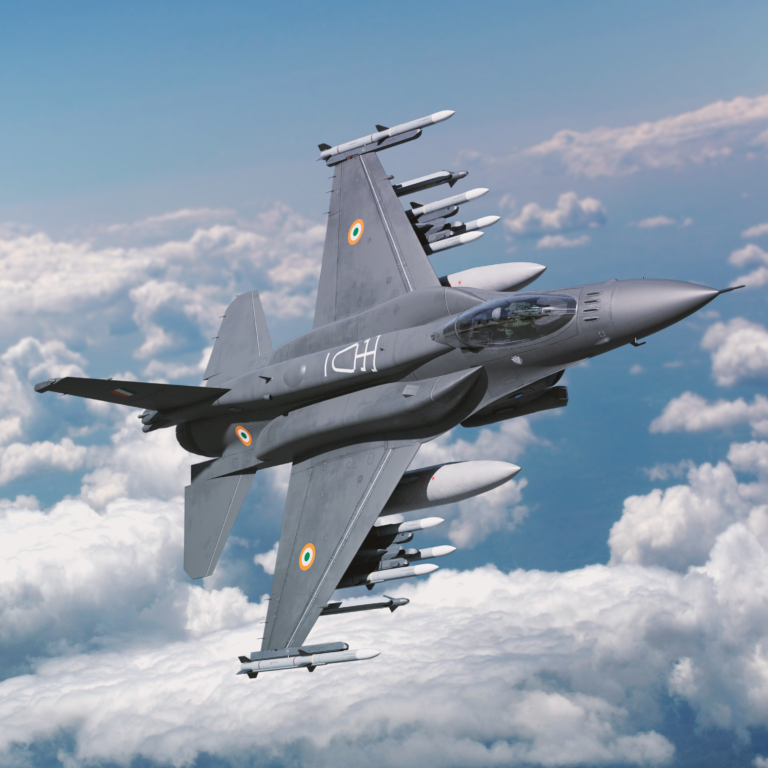
The company’s exhibit will also showcase its most innovative capabilities, including the C-130J Super Hercules tactical airlifter, F-21 fighter aircraft, MH-60R “Romeo” multi-mission helicopter, Javelin® weapon system and S-92 multi-role helicopter among others.
“Aero India has been a leading platform for Lockheed Martin and the aerospace and defence sector for many years, and we look forward to our participation this year with the Vast™ Experience System,” said William L. Blair, Vice President and regional chief executive, Asia and India, Lockheed Martin, adding, “Building on our deep partnerships with the Indian industry, we look forward to showcasing some of our advanced capabilities that address our customers’ biggest challenges for the 21st Century and grow our presence and partnerships that support greater self-reliance in the defence sector.”
Boosting Lockheed Martin’s presence at the show will be the C-130J Super Hercules aircraft model which represents a strong legacy of partnership with the Indian defence industry. The IAF operates 12 C-130Js to support a variety of tactical airlift missions. India also is connected to the C-130J through Tata Lockheed Martin Aerostructures Limited, a joint venture, that has the distinction of being the single-global source of C-130J empennage assemblies included on all new Super Hercules aircraft, worldwide.
In 2024, the company expanded its commitment to India through a teaming agreement with Tata Advanced Systems Limited (TASL) to expand upon the companies’ business relationship through the C-130J Super Hercules tactical airlifter on future potential business opportunities to include:
Establishing a Maintenance, Repair and Overhaul (MRO) facility in India to support the IAF’s existing fleet of 12 C-130Js as well as other global Super Hercules fleets.
Expanding C-130J manufacturing and assembly in India to produce aircraft for the IAF’s MTA program, subject to U.S. and Indian government approvals.
AnF-21 fighter aircraft model,which is on offer to the IAF for the Multi-Role Fighter Aircraft (MRFA) competition, will be on display at the show. The model is configured with the latest sensors and mission avionic systems that couple on-board and off-board data information into an effective, easy to manage combat situation display.
TheMH-60R “Romeo” SEAHAWK® helicopter will occupy a prominent place at the Lockheed Martin’s Aero India display. The MH-60R is the most capable and mature Anti-Submarine (ASW)/Anti-Surface Warfare (ASuW) multi-mission helicopter available in the world today. Ten MH-60R helicopters are presently available to the Indian Navy for operations. A total of 24 MH-60Rs will be delivered to India over the next year.
Javelin, the world’s most versatile, one-man-portable and multi-purpose weapon system, also will be part of Lockheed Martin’s exhibit at Aero India. The anti-tank weapon system can be deployed by its traditional man-portable manner as well as from multiple platforms and used during the day, at night and in any kind of weather. Using fire-and-forget technology, Javelin provides operational flexibility so that operators can rapidly engage and then move on to a new firing position, affording the highest level of survivability to the user.
S-92®multi-rolehelicopter is connected to India through the Tata Sikorsky Aerospace Limited, a joint venture, that has the distinction of being fully integrated into Lockheed Martin’s global supply chain for manufacturing aerostructure components for the S-92 helicopter.
The day of January 08, 2025 saw India’s Foreign Secretary Vikrant Misri meeting Taliban’s Foreign Minister Mawlawi Amir Khan Muttaqi in the city of Dubai in the United Arab Emirates (UAE). This meeting was a viewed as a dramatic beginning to the new year of 2025 on the foreign policy front given the latter being the first kind of engagement between New Delhi and the new regime in Afghanistan at such a high level despite previous attempts such as the stationing of a ‘technical team’ in the Indian embassy in Kabul in 2022 and interactions with high-profile Taliban members such as Acting Defence Minister Mullah Yaqub, son of former leader Mullah Omar and JP Singh, joint secretary of Pakistan-Afghanistan-Iran division of the Ministry of External Affairs (MEA). The meeting in Doha saw both the sides taking stock of the Indian humanitarian assistance in the country with Misri underscoring India’s ‘readiness to respond to the needs of the Afghan people’, especially in health and rehabilitation of refugees as well as New Delhi’s commitment to continue its development and humanitarian activities on Afghan soil.
While there exists no doubt regarding the above outreach as an exercise on the part of India maintaining a balance between its interests and the reality of the current situation in Afghanistan, also noteworthy is the timing of the same. The Misri- Muttaqi meeting comes in the heels of exacerbated tensions along the Af-Pak border after the conduction of airstrikes by Islamabad inside Afghan territory aimed at dismantling alleged hideouts of the Tehreek-e Taliban Pakistan (TTP) outfit in the eastern Afghan province of Paktika on December 24 last year. The strikes, resulting in the death of 46 civilians, including women and children as per the Taliban were responded by the latter in the forms of attacks on multiple points along the Pakistani side of the border targeting centres of ‘malicious elements and their supporters who organised and coordinated attacks in Afghanistan’. India was quick to react soon after by releasing a formal statement condemning the civilian casualties in the conflict while also highlighting Pakistan’s ‘old habit to blame its neighbours for its own internal failures’ – an apparent reference to the Pakistani deep state’s old strategy of harbouring utilizing militants to foster instability in neighbouring countries which had come back to haunt it. This formal condemnation can be seen as an attempt by New Delhi at exploiting the rift between the Taliban and its erstwhile patron at a time when seismic changes are being witnessed in South Asia much to the detriment of India’s security concerns.
One such major development has been the recent blossoming of strategic convergence between Pakistan and Bangladesh, especially in the aftermath of the overthrow of Sheikh Hasina government on August 2024. This convergence was first witnessed in the meeting between Lt Gen SM Kamr-ul Hssan, principal staff officer (PSO) as well as second-in-command of the Bangladesh Army and Pakistani Army Chief Gen. Asim Munir on January 16, 2025 for the enhancement of bilateral defence cooperation including the training of Bangladeshi officials by Rawalpindi. This was followed by the docking of ships from Karachi on the Chittagong Port twice as the first step towards the establishment of direct maritime links for fostering bilateral trade. More worryingly for India, the interim Yunus administration has removed the earlier clause of mandatory inspection of Pakistan-origin goods or cargo arriving in Bangladesh as well as the security verification of Pakistani nationals or individuals with Pakistani origin setting foot in the country. Such unfettered access could be exploited by inimical and anti-India elements to target the North-Eastern (NE) part of India bordering Bangladesh by exploiting existing unrest in states such as Manipur while also funnelling material support to NE based separatist outfits and not to mention the trafficking of drugs and penetration by terrorist elements in the region.
An example back in time would be the 2004 Chittagong Arms Haul involving the transportation of Chinese and Singapore origin weapon consignments received at Chittagong port to the camps of the United Liberation Front of Assam (ULFA) on Bangladeshi soil for later distribution to rebel groups inside India. Far more alarming was the suggestion for a Nuclear Treaty between Islamabad and Dhaka in order to boost the latter’s nuclear capability against India−an idea which has found much reception amongst the anti-India and ultra-nationalist segments of Bangladeshi strategic circles.
From this perspective, New Delhi’s act of exhibiting tacit solidarity with the Taliban can be seen as a response to Islamabad’s attempts at finding common cause with Dhaka aimed at Indian security and regional interests. However, the current engagement with the ruling dispensation in Kabul goes beyond the Pakistan factor to include other aspects of India’s strategic calculus. Foremost, is the need to maintain a foothold in post-US Afghanistan especially in the face of increasing Chinese presence as well as overtures to the Taliban regime. Beijing became the first country to not only appoint an ambassador to its embassy in Kabul post-2021 but also accept the credentials of the Taliban-appointed envoy to China in 2024−actions which were justified in terms of normal diplomatic protocol and rotational procedures rather than outright recognition.
Moreover, the increasing Western-led attempts at isolating the Taliban and actions such as the freezing of Afghan overseas assets worth US$ 9 billion by the US has only served to push the regime towards further alignment with China whereby the latter is invited to exploit the reserves of strategic minerals like lithium and copper as well as oil within Afghanistan in return for economic aid and investment. Such conditions could create a relationship of dependency which could be exploited by Beijing to India’s detriment.
In response, New Delhi has begun shedding its hesitation while becoming more receptive towards the idea of pragmatic outreach towards the new regime in Kabul. This was witnessed in the tacit acceptance of the ‘Taliban appointed’ acting consul in the Afghan Consulate based in Mumbai which can be interpreted as a signalling of willingness to engage. The focus on resuming development and humanitarian activities addressing health and refugee rehabilitation as well as fostering ties through cricket is a positive step in direction which would underline India’s credential as a ‘key regional and economic player’ as described by Muttaqi himself.
Especially important in this regard is the vexed issue of resuming Visa services for Afghan students and patients seeking education and healthcare respectively on Indian soil which was raised by the Taliban delegation in Doha. While such a decision cannot be taken easily given the compulsions and complications of security and other concerns, yet efforts should be made, in conjunction with security considerations, to restore India’s position as a favoured destination for education and health services in order to maintain and deepen the goodwill among the Afghan populace. Moreover, the Taliban itself has been willing to ‘strengthen political and economic cooperation’ with India as expressed in Doha which is an indication of the reciprocal sentiment as well as reception of the group towards New Delhi’s continued involvement in the country.
From the Taliban’s perspective, active engagement with India will not only bring economic and other benefits, but also push back against the narrative of the group being isolated and its identity of being a mere proxy of Pakistan with no autonomy of its own while also maintain pressure on Islamabad through its alignment with New Delhi. While Muttaqi’s claim of ‘present-day (Taliban ruled) Afghanistan not posing threat to any nation (including India)’ cannot be taken at face value, yet it is imperative to maintain continued Indian engagement in order to prevent the current regime from falling completely under the influence of China and by extension, its ‘iron ally’ Pakistan.
Another focal point of the interaction in Doha was the issue of promotion of trade, especially through the Iranian port of Chabahar marked by Indian investment and involvement. For long, the Chabahar has been touted as providing landlocked Afghanistan a pathway to access international markets and connectivity as an alternative to the Gwadar which was also welcomed by the Taliban. Despite the port’s importance especially in terms of facilitating multimodal connectivity initiatives such as the International North South Transport Corridor (INSTC) as well as providing Afghanistan an opportunity to join the same, yet the project remains un-utilized to its full potential. This especially true of India, along with Iran and Russia who are the main stakeholders of the INSTC and have shared interests in a stable and secure Afghanistan. In the case of Iran and Russia, the long-drawn conflicts in Ukraine and Gaza and US-led sanctions have resulted in adverse implications and strains on their economic sustainment and well-being. Hence, the kickstarting of Chabahar and its integration with an activated INSTC would not only provide some possible economic relief to both Tehran and Moscow, but also allow some sort of alleviation of economic crisis in Afghanistan thereby ensuring a semblance of stability. This has required urgency in the wake of the rise of extremist organisations such as the Islamic State Khorasan Province (ISKP) on Afghan soil with repercussions for the security of not only Kabul, but the wider Eurasian region and world. The Misri-Muttaqi meeting has brought the spotlight back on the importance of Chabahar and New Delhi should seize this momentum to take it up with both Tehran and Moscow given the shared interests as outlined above.
In the case of Iran, Afghanistan’s participation in Chabahar would provide some respite to already strained relationship between Kabul and Tehran over issues such as the conflict over the Helmand river and ‘undocumented Afghan migrants’ on Iranian soil. Moreover, an Iran reeling from its conflict with Israel over Gaza and the wider Middle East could ill afford an unstable Afghanistan in its border which makes resolution of outstanding issues as well as the buttressing of the relative calm inside the neighbouring country a priority. The importance of Iran in India’s Afghanistan calculus also stems from concerns over the increasing Turkish- Bangladeshi relationship which was witnessed in the deployment of Turkish drones along the border with India as well as the acquisition of Turkish manufactured tanks by Dhaka. Keeping in view Ankara’s recent closeness with Pakistan as well as the recent thawing of ties between Dhaka and Islamabad, one can see the beginnings of a Turkey- Pakistan- Bangladesh trilateral convergence foreshadowing negative implications for Indian security and strategic interests. Meanwhile, the Turkey-Iranian ties have come under strain as a fallout of the regional competition in Syria and South-Caucasus (Armenia-Azerbaijan conflict) with the fall of the Iran-backed Assad regime in 2024 and the capture of Nagorno Karabakh by Turkey-backed Azerbaijan in 2023 from Armenia, a strategic partner of Tehran. Hence, New Delhi could advantage of this fissure and rope in Iran to form a strategic convergence of its own aimed as a bulwark against if not undercutting the Turkey-Pakistani influence over the happenings inside Afghanistan. Moreover, the recent tensions between Iran and Pakistan over the latter’s harbouring of anti- Iranian groups such as Jaish al-Adl and the conduction of Iranian airstrikes inside Pakistani territory in 2024 would incentivise Tehran to find common cause with Delhi in restraining Islamabad’s sway over the Taliban and the region at large.
Finally, the India-Taliban meet in Doha also comes in the backdrop of the resurgence of the strategic Wakhan Corridor. The latter is a 350 km and 34 km wide narrow of strip of land in Afghanistan’s Badakhshan province stretching eastward to China’s Xinjiang province, with Tajikistan’s Gorno-Badakhshan Autonomous region lying in the north and Pakistan’s Khyber Pakhtunkhwa and Pakistan Occupied Kashmir (POK) in the south thereby becoming the focus of five countries namely Afghanistan, China, Tajikistan, Pakistan, and India respectively. The corridor came under the control of Taliban in 2022 which has shaped the dynamics involving the major surrounding countries. From Beijing’s perspective as well as for the Taliban, the corridor provides a direct route of connectivity and trade between Afghanistan and China while also providing a pathway for Kabul and the neighbouring Central Asian countries to become a part of the China Pakistan Economic Corridor (CPEC). For Pakistan, along with the CPEC, the route has the potential to provide direct overland access to Tajikistan and the markets of Central Asia. But, the complications of Taliban presence and issues of terrain, geographic location and infrastructure costs have not yet allowed the strip to be utilized strategically by any of the key players.
However, actions such as Muttaqi’s emphasis on the Wakhan’s potential to emerge as a trade hub and the announcement of the construction of the Little Pamir road between Badakhshan and China highlight the Taliban’s willingness to utilize the Wakhan by inviting collaboration from powers such as China. While Beijing appears hesitant to accept this offer because of potential ramifications upon the security of Xinjiang, yet the possibility of Taliban joining the BRI and becoming a part of the CPEC would throw up challenges to India’s own ambitions regarding Chabahar and the INSTC while also affecting India’s apparent leverage with the regime.
Along with the extension of CPEC, another major Indian concern with respect to the Wakhan Corridor is its potential usage by anti-India elements or Pakistani proxies to funnel drugs and weaponry to J& K based militants as well as attempt to enter Indian territory via the corridor given its proximity with occupied Gilgit Baltistan. While Pakistan has denied allegations of plotting to capture the Wakhan in the aftermath of the Af-Pak border clashes and even reiterated the latter as part of Afghan territory, yet any Chinese influence over the corridor or its inclusion in initiatives such as the CPEC would provide Islamabad opportunity to utilize the strip of land for funnelling instability into India, under the tacit approval of Beijing and a pliant regime in Kabul. Hence, New Delhi along with its partners Iran and Russia should double down on efforts to present the Chabahar and the INSTC as a viable and much better alternative. Or at least, it should be ensured that India is kept abreast of the developments in the area through its channels of communication with the Taliban regime while holding the latter to its claim of not being a threat to any country. However, such actions are critically dependent on the level and depth of continued Indian multi-faceted engagement with the regime in Kabul.
In the aftermath of the Misri-Muttaqi meeting in Doha, concerns were raised over the event’s possibility of alienating the goodwill associated with India among the anti-Taliban factions currently based outside such as the National Resistance Front (NRF) in Tajikistan composed of members such as former Afghan Vice President Amrullah Saleh. The overemphasis on outreach to the Taliban while ignoring the need to cultivate ties with other players such as the NRF have led scholars to wonder whether India is repeating the same mistake of putting all of its eggs in one basket (Taliban) as it did previously with the Ashraf Ghani government. Such questions have taken urgency in the backdrop of speculations regarding Pakistani Inter-Services Intelligence (ISI) director general Muhammad Asim Malik’s visit to Tajikistan and calling upon President Emomali Rahmon and possibly the NRF to forge an anti-Taliban alliance.
Hence, New Delhi will have to play its cards right and establish and maintain communication with all parties while ensuring that it is not pushed into unfavourable equations with any. On their part, the NRF and others must exhibit an understanding attitude towards the compulsions and complications driving India’s current strategy in Afghanistan while also keeping in mind New Delhi’s past record of humanitarian and developmental assistance during the pre-2021 period.
For now, the Taliban in Kabul is a reality which India has to be deal with. Non-engagement is not an option if New Delhi wishes not to let the ghost of the Pakistan-controlled Afghanistan of 1996 haunt its security and strategic interests.
About the Author
Anuraag Khaund is pursuing PhD in International Politics from the School of International Studies, Central University of Gujarat. He has published opinion pieces in The Diplomat, Deccan Herald, Kashmir Observer and Modern Diplomacy. His interests include International Relations and Geopolitics with a focus on Eurasia, East, West, South and Southeast Asia. In addition to geopolitics, he also looks at the intersection between civilizational histories and current global politics. The author can be contacted at khaundanuraag@gmail.com
Trumpism’, lately, a term in the trend. Scholars opine that ‘Trumpism’ was coined to mark the outright personality, high dominance charismatic leadership and distinctive attributes of Donald Trump which are deep-rooted in American nationalism and pragmatic conservatism. Since his landslide victory in the 2024 US Presidential elections, Trump has unapologetically advocated economic protectionism, hostility to taxation and immigration and has championed the motto of ‘America First’. The world nations, thus, are on the path to decode their respective socio-economic and geopolitical prospects under the new regime unfolding in Washington DC.
The USA: A pivotal geopolitical power
The United States of America is the world’s largest economy accounting for 26% (more than a quarter) of the global GDP. The USA is also a global financial powerhouse, as 60% of the international claims and liabilities are denominated in US dollars. The USA is also the largest shareholder in the World Bank and IMF, having 15.85% and 17% of voting shares respectively, thus a key decision maker in the multilateral lending ecosystem.
The dollar is the principal reserve currency in the global forex market which makes up for 58%. As an impact, the US Federal Reserve’s decisions affect the global economy. For Example, when the Federal Bank raises the rate of interest, the value of the dollar appreciates making exports expensive and debts costlier, thus adversely affecting the overall business and transnational trade ecosystem and slowing down the global economy. Henceforth, the monetary decisions of the central banks across the globe are sometimes contingent upon the US Federal’s monetary policy.
Concerning the global trade, the US is the world’s second-largest trading nation. It is a crucial export destination for 1/5th of the world’s countries. The dollar is involved in 88% of all trade in the global foreign exchange market. The USA also dominates the vital global trade routes. For Example, the US is responsible for 73% of the traffic over the Panama Canal. The USA is also a key strategic stakeholder in the global energy sector. The US is the world’s largest producer of oil and natural gas and a net exporter. With regard to clean energy, the US is ranked second in solar and wind energy production.
The remarkable feat accomplished by the US in the defense sector makes it the world’s mightiest military power. The defense budget of the US is a staggering amount of US $831 billion. The US military has the world’s most advanced and state-of-the-art military technology which includes F-22 and F-35 fighter jets. The US has 750 active military bases across 80 countries. The USA is also a key defense exporter worth US$ 238 billion. The US controls 40% of the global arms export, especially to European countries.
As a champion of capitalism, neo-liberalism and laissez-faire traditions since the Cold War era, from defense and energy security to Artificial Intelligence and encapsulating the world’s most skilled manpower in Silicon Valley, the US is revolutionizing every arena as a tool to seek its hegemonic aspirations. Given such a humungous stake of the USA in the geopolitical and geoeconomic circuit, the political current emerging from the Oval Office of the White House transmits across the globe and affects every actor from the deserts of Africa to the frozen lands of the Arctic and Antarctica.
Thus, in this era of geopolitical uncertainty and spiking challenges, the global expectations from Trump 2.0 are massive. From dealing with proxy wars to pandemic and addressing inflation, economic burden to tackling climate catastrophes the world nations expect a fair solution from the fundamental superpower, the USA and its supreme elected leader. Whether this presupposition is in symphony with the core nature of Trump’s distinctive stewardship in an era of realpolitik, is a serious question to deliberate upon!
Panacea for a jeopardized power struggle
Be it the chaotic seashores of the Black Sea in Southeastern Europe or the Red Sea on the borders of Africa and Asia, the current timeline is witnessed as an era of geopolitical upheaval. From Russia’s ‘special military operation’ in Ukraine to the Israel-Hamas conflict in the narrow strip of Gaza and the regime change in Syria, the unravelling conflicts reflect how the international system is truly anarchic, where a foreseeable solution is faint and vague.
The warring nations are not even liable to the verdicts of the United Nations, International Criminal Court and other international institutions. At such a critical juncture, the expectations on the Trump presidency are mounting to quest for an ultimate solution to the enduring political, economic and humanitarian crisis in the conflict zones, as the US is a key stakeholder in the growing geopolitical menace.
With respect to Russia-Ukraine conflict, as an ardent advocate of protectionism, Trump believes that the military and financial support to Ukraine is cumbersome on the US domestic economy. Thus, he owes to end the war that has been unravelling for almost 3 years now with no sight of giving a strategic victory to either of the sides, but only costing burden on the US exchequer. But Kyiv fears that a ‘quick deal’ and acute cut down of the defense supplies would lead to unfair border agreements and high chances of escalation and annexation in the future, especially at this juncture when Moscow is in an offensive mode in Kursk, Kharkiv and other regions. Kyiv, thus expects continued and comprehensive support from the US and also an early induction into the NATO alliance and not leave it in the middle of geopolitical crossroads. But Ukraine’s aspirations are bound to be a distant dream under Trump 2.0.
Trump’s transactionalism however, has a completely different outlook towards the Middle East Crisis. Nations such as Saudi Arabia, UAE and other powers of the world expect a lasting ceasefire among the state and non-state actors of the region and a beckon of hope for the humanitarian crisis in Palestine. On the other hand, Israel is expounding its confidence in the unwavering support of the US in its mission to be a hegemonic power in the region. As a reflection of the aspirations of Tel Aviv, Trump had recognized Jerusalem as Israel’s capital in his preceding term and also, he is a hardcore adversary to the theocrats of Iran.
The world awaits to witness, how Trump balances between, his stronghold towards Israel and bounds to his election promise of ‘stopping wars’. The crisis in the Middle East encompasses a wide spectrum of actors. The state actors of Israel, Iran and Palestine and the non-state actors such as the Houthis in Yemen, Hamas in Palestine and Hezbollah in Lebanon. How Trump pulls everyone to the negotiating table and strikes a fair deal along with the release of hostages and ensures a lasting peace and security in the region, determines the peace or conflict dynamics of the Middle East and beyond in the future.
An anticipation regarding climate action
Climate Change and the associated catastrophes are exceeding the threshold. Recent analysis exclaims that 2024 was the first year in history, where the mean global temperature has breached the limit of 1.5 degrees Celsius as per the Paris Agreement. Trends also suggest that there is no going back and the world is on the path of exceeding 2 degrees Celsius by 2050. Given such an apex crisis with an alarming rate of heat waves, wildfires, untimely cyclones and other natural disasters, the predisposition on the Trump presidency is mammoth. 2024 witnessed a series of UN environmental summits including UNFCCC at Baku, UNCBD in Colombia, the UN Plastic Treaty in South Korea etc. However, none was able to script a fair, inclusive and sustainable conclusion for the global good. Yet, the hope on the world’s largest economy under the Trump administration remains glare with respect to mitigating Climate Change.
Donald Trump, a climate sceptic, during his first term Trump withdrew from the ambitious Paris Agreement. It seems that history repeats during Trump 2.0. Climate experts believe that Trump would give a blow to climate justice and the US’s CO2 emissions would soar by 4bn tonnes by 2030, as Trump unapologetically echoes for heightened fossil fuel (oil and natural gas) production. As Republicans control the US Congress, there is a high possibility of rolling back from the vital Inflation Reduction Tax and other clean energy policies. He might target Europe for its ambitious Carbon Border Adjustment Mechanism and other carbon market-related regulations and can cut the US’s contribution to the key global climate pledges. The years ahead, hence, are truly challenging for already paralyzed and inconclusive climate efforts, whose major victims will be the low-developed nations.
No antidote to the perplexed global economy?
With a capitalist and protectionist regime unleashing at the helm of the world’s largest economy, a structural shift in the global economy is much anticipated. The world is yet to fully recover from the high inflation, supply chain shocks posed by the pandemic, outbreak of the Russia-Ukraine war and the Israel-Hamas conflict. Meanwhile, Trump’s ‘America First’ narrative may escalate trade wars, supply chain disruptions and adversely affect the global export-import market.
For example, Trump has repeatedly reiterated that he would hike the tariff rate by 10% for all imports and by 60% especially for China because the latter enjoys a favourable position with respect to the US with a surplus of more than US$ 380 billion. If brought into reality, increased tariff rates would propel inflationary pressure on the US economy that gradually reciprocates globally as the majority of the world trade and purchasing power is determined via dollars. Such a measure will surely escalate trade wars between the world’s two largest economies.
Trump, also threatening to take back the Panama Canal and Greenland is a testimony to his economic aspirations enroute to ‘Make America Great Again’. The Panama authority imposing the highest transit fees on the US vessels and the increased presence of Chinese vessels in the passage has triggered Trump to echo such a statement, as it is a strategically vital passage for the US vessels. With regard to buying/coercing Greenland, Trump ascertained the idea, as Greenland is a rich repository of critical minerals and helps the US explore new maritime trade routes. This gives the US a strategic edge against China which is aiming to carve new trade routes in the Arctic and also helps to counter China which is the world’s leading producer and supplier of the majority of the critical minerals.
Trump has even asked Europe to purchase more of the US oil and gas otherwise warned that he will impose higher tariffs, on European imports to the US. Trump has also warned the de-dollarization efforts of the BRICS nations and has claimed to impose high tariffs against those countries that ascribe to de-dollarization. Given these developments, expecting an antidote to the already structurally fragile global economy under Trump 2.0 is vain. But the major sufferers of these repercussions are predominantly small and import-dependent economies, which are caught in the geopolitical game played by the superpowers.
African angle for Trump’s presidency
Trump’s policy towards Africa was on a low profile in his preceding term. Few African nations expect Trump 2.0 to be a helpful endeavour in their geopolitical calculations, while for some other states, it may not be so. For Example, Egypt, a key mediator between Israel and Hamas, expects Trump to quickly resolve the conflict, given Trump and the Egyptian President’s close relationship. But Africa’s expectations towards Trump to resolve the political crisis of Syria, Sudan etc. may not be materialized, because in the backdrop of Trump’s agenda of ‘America First’, these are not his foreign policy priorities.
Also, Trump’s broader foreign policy perspectives such as economic sanctions, aversion towards climate action and hostility towards immigration might adversely affect the African nations that are reeling under military coups, civil wars and have low socio-economic potential.
The chapter of India and the Indo-Pacific
Indo-Pacific will be one of the apex foreign policy goals of the US, given the current geopolitical gravity and to counter the growing footprint of China across the Indo-Pacific. Infact, the QUAD initiative gained momentum during Trump 1.0 and the QUAD partners expect the same or even higher threshold and frequency in their relations, as the hegemonic aspirations of China keep multiplying.
Apart from the QUAD, even the AUKUS nations, South Korea, Japan and the Philippines that are at loggerheads with China expect greater security, defense and strategic cooperation with the US. But, despite the Indo-Pacific being a key focal area of the US foreign policy, will the US echo the same aspirations as other vital players of the region is unclear, given Trump’s high economic inclinations. On the other end, the trade wars and economic rivalry between the US and China may be manipulated in the maritime and security domain, thus, chances of imperilling the larger region.
India and the USA have scripted a steady growth in bilateral relations for more than a decade now, inspite of changes in leadership at every successive election in the USA. President Trump and Prime Minister Narendra Modi sharing cordial relations on a personal note is an added advantage. India is a key security and strategic partner for the US to navigate its goals in the Indo-Pacific and Indian Ocean Region (IOR). India too aspires to strengthen its relations with the US under Trump 2.0 to achieve its strategic priorities. India expects the US cooperation to take forward its ambitious initiatives such as IMEC and I2U2. To materialize these, a major roadblock is the Middle East Crisis, which needs to be decoupled soon under the leadership of Donald Trump.
India also looks forward to accelerate partnerships in the domain of Artificial Intelligence, transfer of critical and cutting-edge technology, maritime and military security, energy security, ease of business, FDI & trade and ofcourse smooth exchange of skilled manpower etc. by successfully harnessing a wide range of forums such as IPEC, iCET etc. India also wishes to reopen the halted FTA negotiations with the US. However, there are a few irritants between India and the US under Trump 2.0 that act as an adverse harbinger for smooth relations.
Trump might pressurize India to continue its ban on importing oil from Iran and might ask India to purchase the same from the US. This might hinder the India-Iran relations which are negotiating towards fully operationalizing the Chabahar port and reopening the dormant International North-South Transport Corridor (INSTC). Further, Trump’s economic sanctions might have repercussions on the Indian economy, especially as he compels India to tariff cuts and not go for de-dollarization. Also, Trump’s antipathy to immigration policy may be a catch-22 for the millions of Indian diaspora and skilled manpower. However, India hopes that all these flashpoints are navigable diplomatically and the prospects for cooperation are huge.
Trump 2.0 with its hawkish political and economic policies will be an era of intense geopolitical calculations for the global powers which are hitherto stuck amidst regional conflicts, proxy wars, economic turmoil and climate catastrophes. How Trump rolls the dice to redefine the global balance of power to America’s advantage and in turn how the rest of the world navigates their geopolitical motives to ensure respective strategic victory, will be a game of dice. Ultimately how every actor on the geopolitical chessboard quest for collective security, climate action, inclusive and sustainable development in the era of Trump’s realism is what nations have to interrogate!
“One can change friends, but one cannot change neighbors”: This quote from a former Indian prime minister applies to China and Japan as well. Given their geographical proximity, both countries have a pressing need to find ways to cooperate and coexist. Chinese Foreign Minister Wang Yi reiterated that China-Japan relations are at a “critical stage.” The contentious issues like the detention of Japanese nationals in China, limits on semiconductor exports, and China’s import ban on Japanese seafood.
The bilateral relationship has long been plagued by wartime crimes, but amid strategic maneuverings, diplomacy between these two Asian superpowers has become more complicated. China and Japan are currently embroiled in a number of conflicts, including the territorial dispute over the Senkaku/Diaoyu Islands, a constant source of tension. Their relationship is also strained by economic challenges, such as China’s prohibitions on importing Japanese seafood after the release of nuclear wastewater from Fukushima, and Japan’s export limits on semiconductors. Geopolitical alignments further heighten tensions. China’s worries about regional security dynamics are compounded by Japan’s close links to the United States.
The relationship is complicated and deeply influenced by history, including Japan’s invasion of China and the war crimes carried out during that conflict, such as the Nanjing Massacre. The past still affects perceptions and interactions between the two countries. Japan has failed to fully address and acknowledge its wartime crimes, irking the Chinese people.
China raises continuous objections to the visits and offerings made at Tokyo’s Yasukuni Shrine, which commemorates 2.5 million Japanese war dead – including 14 wartime leaders convicted as war criminals. On the anniversary of Japan’s surrender in World War II, Japanese Prime Minister Kishida Fumio sent an offering to Yasukuni and several members of his Cabinet, including Defense Minister Kihara Minoru visited the shrine. In response, China “lodged serious protests to the Japanese side” over what Beijing called “an erroneous attitude towards historical issues”. China urges Japan to honor its commitment of recognizing and reflecting on its history of aggression, stay prudent on historical issues such as the issue of the Yasukuni Shrine, make a clean break with militarism, stick to the path of peaceful development, and take concrete actions to earn the trust of its Asian neighbors and the international community.
Despite a deeply contentious past, China and Japan have engaged economically as well as diplomatically for over 50 years. After the normalization of Sino-Japanese relations in 1972, four major documents were signed that serve as the cornerstone of their relations: the China-Japan Joint Statement of 1972, the China-Japan Treaty of Peace and Friendship of 1978, the China-Japan Joint Declaration of 1998, and the China-Japan Joint Statement on the Comprehensive Promotion of a Mutually Beneficial Relationship Based on Common Strategic Interests issued in 2008.
Over the years, Japan has contributed significantly to China’s modernization, particularly in the 1970s and 1980s through investment, technological transfer, and economic aid. These periods of cooperation boosted economic growth in both countries and also stabilized their relations, fostering a level of interdependence. Further strengthening their economic ties, the countries integrated their economies through trade, investment, and regional initiatives like the ASEAN Plus Three framework.
However, trade and technology have become a point of ongoing tension between China and Japan. For example, Japan had announced export restrictions on 23 types of semiconductors manufacturing equipment, aligning with U.S. policy. Although Japan did not explicitly target China, this move – which requires manufacturers to obtain export clearances for every region – is anticipated to impact Chinese companies’ access to cutting-edge chipmaking technologies.
Japan’s action of stopping shipments of semiconductor manufacturing equipment made by companies such as Nikon Corp and ASML Holdings bolsters the U.S. strategy to curtail China’s technology sector. This decision was aimed to stop China from manufacturing advanced chips that would improve its military capabilities. Considering the importance of semiconductors to China’s economic and technological advancement, restrictions on this sector would significantly impact a number of industries, including electronics, automobiles, and telecommunications.
In addition, China’s concern over Japan’s release of treated wastewater from the Fukushima nuclear facility led to a ban on all Japanese seafood imports in 2023. Along with affecting Japan’s seafood industry, the ban emphasizes the fragility of trade relations between the two nations.
Despite these challenges, China and Japan remain economically intertwined. China stands as Japan’s largest trading partner, while Japan plays a crucial role as a major provider of technology and investment to China. In fact, China ranks as Japan’s third-largest investment destination, with direct investments reaching over 1 trillion yen (equivalent to US$ 9.2 billion) in 2022, marking a 4.4 percent increase from 2021. Both countries can enjoy economic incentives if they settle their differences amicably in order to prevent adverse effects. The primary challenge to their stability is striking a balance between security concerns and the economic advantages.
Japan comes under the security umbrella of the United States. The U.S.-Japan Mutual Security Treaty signed in 1951 ensures U.S protection to Japan in the event of an attack, enabling Japan to concentrate on its economic growth while depending on U.S. military support. This security partnership has grown even stronger, as pointed out by U.S. President Joe Biden and Japanese Prime Minister Kishida Fumio. The two leaders praised the “new era of U.S.-Japan strategic cooperation,” with an emphasis on enhancing military cooperation, working together to create modern defense technologies, and integrating their defense communication networks.
The bilateral relationship has long been plagued by wartime crimes, but amid recent strategic maneuverings, diplomacy between these two Asian superpowers has become more complicated. China and Japan are currently embroiled in a number of conflicts, including the territorial dispute over the Senkaku/Diaoyu Islands, a constant source of tension.
Japan’s action of stopping shipments of semiconductor manufacturing equipment made by companies such as Nikon Corp and ASML Holdings bolsters the U.S. strategy to curtail China’s technology sector. This decision was aimed to stop China from manufacturing advanced chips that would improve its military capabilities. Considering the importance of semiconductors to China’s economic and technological advancement, restrictions on this sector would significantly impact a number of industries, including electronics, automobiles, and telecommunications.
Focusing on the mission and responsibilities of ruling parties, both sides engaged in candid discussions on the important responsibilities and roles that the two countries should assume to maintain international order based on international law amid global upheavals. The ruling parties held in-depth discussions on enhancing mutual trust, expanding cultural exchange and deepening mutually beneficial cooperation. They agreed to adhere to the principles established in the four China-Japan political documents, following the direction of their leaders.
They pledged joint efforts to comprehensively advance the strategic, mutually beneficial relations between China and Japan, aiming to build a constructive, stable relationship that meets the requirements of the new era. They agreed to promote the implementation of the consensus reached by the two governments, accelerate communication and consultation, and address one another’s concerns in a proper manner. Both sides confirmed that they will continue to promote practical cooperation between the two countries through exchanges between ruling parties, and agreed in principle to hold the 10th meeting under the exchange mechanism in Japan this autumn.
By: Shivangee Bhattacharya, Research Analyst, GSDN
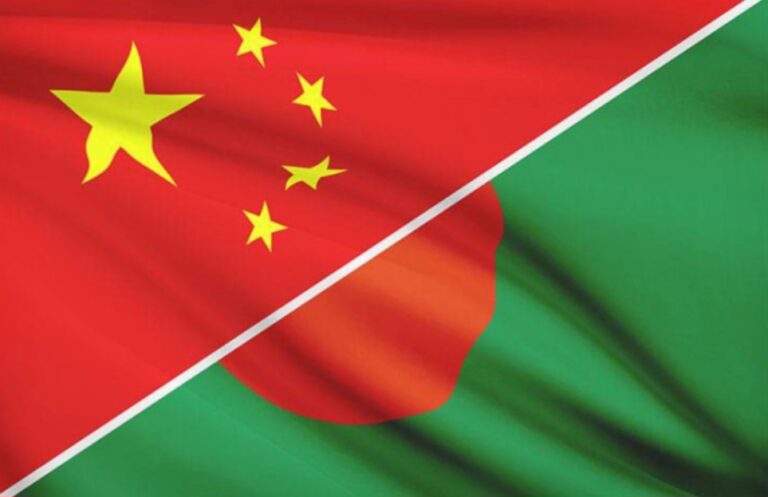
China & Mexico’s flags: source Internet
In recent decades, China’s interaction with Latin America has seen exponential growth with Mexico moving perceptibly from one of the countries with little stake to becoming one of China’s top partners in Latin America. Being the second-largest economy in Latin America, Mexico is fairly significant to China in trade terms and as an influencer in the region. The article, however, will look at the many issues that will consolidate and define the dynamic of the Sino-Mexican relationship historically, tuning into the impact of the economic bond network, diplomatic cooperation, and the challenging facets of their relationship. Fresh changes-like widening trade agreements, addenda to existing ones, and promotion of investments-further bring forth the significance of the bilateral ties in an evolving and ever-faster global landscape.
History
The first contact that China and Mexico had was when the silver trade on a global scale started during the 16th century. This made Asia and the Americas get connected through the Pacific routes of the Spanish Manila Galleons. Initially, in 1972, though not always well-knit, their diplomatic relations were characterized by great form. With the course of time, the nature of the relation shifted gradually yet gradually for good. The developing pattern of this time is especially characterized with the onset of China as an entry of a member of World Trade Organization on 2001, on the other hand the same country, had started giving major economic blows in the international field. All the named processes are of a crucial nature to the relation of Mexico and China, as it involves the diversification, and de-risk of the economic partnerships of both countries.
Economic Relations
The life of China-Mexico relations is trade. The two countries trade with each other and it has emerged as an issue. The latest report has revealed that Mexico’s trade with China is second to only to the US. China is not the first country with which Mexico trades from Latin America, Brazil is. Data from official sources show that the bilateral trade has almost reached US$ 110 billion in 2022 despite the temporary setbacks marked by the outbreak of the COVID-19 virus. Most of the time, Mexico supplies oil, coal, and agricultural products to other countries, while China provides electronics, machinery, and manufactured goods. However, the trade relations are littered with inconsistencies. The trade deficit of Mexico with China is in the negative, which always creates divisions within the policymakers and entrepreneurs. It is this deficit in trade alongside the fact that Chinese investors and Mexico could not share a common cause that led to the demand for new investment and infrastructure that would help the economy grow uncontrollably as a result.
Investments and Infrastructure
In recent years, China has increased its investments in Mexico, focusing on energy, mining, and manufacturing sectors. The Belt and Road Initiative has also contributed to China’s economic presence in Mexico. Mexico is not a signatory to the BRI, but Chinese companies have been involved in the infrastructure sector, including railways, ports, and energy facilities. Some of the most notable examples are the participation of Chinese companies in the Tren Maya project, which is a major railway development intended to enhance tourism and economic growth in southern Mexico. Another example is the State Grid Corporation of China, which has invested in Mexico’s electricity sector, a sign of growing interest in Mexico’s energy market.
Challenges in Economic Relations
Economic ties are not without challenges. The firms of the Mexican industries, especially textile and electronics, view Chinese imports as competition to their local production. On the other hand, there is the issue of the Chinese infrastructure projects concerning quality and environmental implications. In this regard, both sides must strengthen their regulatory frameworks and establish increased cooperation between the private sectors of each country.
Diplomatic and Political Cooperation
China and Mexico have developed strong diplomatic relations through multilateral forums such as the United Nations, the G20, and the Asia-Pacific Economic Cooperation (APEC). Mexico has been a strong supporter of the One-China policy, which has been the bedrock of their diplomatic relationship, while China has supported Mexico’s desire to play a more significant role in Latin America. Their cooperation has been strengthened through recent high-level visits and dialogues. Chinese President Xi Jinping and Mexican President Andrés Manuel López Obrador made commitments in 2023 to deepen cooperation in trade, technology, and cultural exchanges. It shows a mutual interest in building a multipolar world order and opposing unilateralism. Cultural and educational exchanges have also played a role in deepening bilateral relations. Confucius Institutes in Mexico and academic exchange programs have contributed to mutual understanding between the two countries. The growing popularity of Mexican culture in China, such as food and music, also offers an opportunity for soft power diplomacy.
Challenges in China-Mexico Relations
Geopolitical Pressures
It has been put against the larger U.S.-China tensions. Since Mexico shares close proximity to the United States, geographically and economically, it requires fragile diplomacy in balancing relations with China. Currently, the United States is Mexico’s largest trading partner. Any balance shifting towards China will be questioned at Washington.
Trade Imbalances and Economic Concerns
The large and perennial trade deficit of Mexico toward China is evident in the matter mentioned above. Sometimes, some Mexican firms present a complaint based on unfairness due to competitors in the field of imports in China, supposedly receiving state support. The work required in coping with such claims involves establishing balanced mutual investment and exchange.
Regulatory and Environmental Issues
Chinese investments in infrastructure and energy projects in Mexico have sometimes drawn criticism regarding regulation and environmental practices. For both parties to keep enjoying long-term cooperation, ensuring that these investments meet Mexico’s sustainability goals as well as those of its regulations is essential.
Recent Developments
Recently, China and Mexico have begun to expand their economic and political cooperation. New trade agreements that focus on agriculture and technology provide opportunities for further cooperation in these areas. Recent business news show that Chinese tech companies such as Huawei and Xiaomi expand their presence in Mexico, as Mexican companies look for opportunities in the fast-expanding consumer market in China. The COVID-19 pandemic reminded the world of the need for cooperation in public health. China has sent medicines and vaccines to Mexico; this is one example of improving relations during the pandemic. There is a good opportunity to pursue joint research on healthcare and biotechnology.
Conclusion
China-Mexico relations are emblematic of the intricacies in modern international cooperation, balancing prospects for growth and challenges based on economic asymmetry and geopolitical dynamics. Both countries should continue to better understand each other and try to address issues they share, thus unlocking both their full capacities. A prosperous future for bilateral relations between Mexico and China in both trade and political areas is foreshadowed by the proliferation of new bilateral agreements, heavy investments, and cultural exchanges recently witnessed.
Balance and sustainability could be achieved from such a strategic partnership only after correcting trade imbalances, obtaining international regulatory compliance, and successfully finding ways to live with the subtle complexities of Sino-U.S. relations. The stronger the relations get between China and Mexico, the more arduous times it will be for USA as on its southern borders will be its biggest global competitor, both economically and militarily ie China.
In the 21st Century, it has become increasingly evident that global stage is shifting its power towards the East. The way China is trying to expand its influence across Asia has drawn significant attention, particularly in the region of South Asia, where region’s complex geopolitical landscape is undergoing through a vast transformation. Bangladesh is one of major key player of this region being the second largest economy of South Asia.
The relationship of Bangladesh–China can be traced back from the liberation of Bangladesh when China has recognized the state of Bangladesh and both the nations started to maintain the diplomatic relations in 1975. This relation reaches its zenith in 2006 when China left India behind and became the largest trading partner of Bangladesh despite the fact that both the nations do not share the territorial borders.
The historical ties between the two nations go beyond official diplomatic relations. Cultural and commercial connections have existed since antiquity, when trade between China and South Asia was enabled by the Silk Road. This long history fosters cultural affinities that improve contemporary diplomatic relations particularly in the wake of Chinese President Xi Jinping’s October 2016 visit to Bangladesh.
Economic Entanglement
Economic cooperation has been the main driver of relations between Bangladesh and China. For 13 years running, China has been Bangladesh’s biggest trading partner. Bangladesh has increased its level of interaction with China since 2017. China is now Bangladesh’s biggest trading partner, with over US$ 40 billion in Chinese investments. Over US$ 9.75 billion have been invested by China in transit projects in Bangladesh, including current projects like the Dasher Kandi Sewerage Treatment Plant, Bangabandhu Tunnel, and Padma Bridge Rail Link. The growth of infrastructure, economic collaboration, and general bilateral ties between China and Bangladesh have all benefited greatly from these events. Beijing’s presence in the Indo-Pacific region has grown as a result of its collaboration with Bangladesh.
With a total flow of US$ 940 million in the fiscal year 2021–2022, China has also emerged as Bangladesh’s top source of foreign direct investment (FDI). With 104 investors working in eight export-processing zones, it has also been recognised as the leading foreign investor in Bangladesh in 2022. The COVID-19 epidemic presented significant obstacles, yet bilateral trade between the two nations increased by an astounding 58% in the preceding year, demonstrating the robustness of their trading relationship.
Enhanced Defence Collaboration
Over the past five years, Bangladesh and China have increased their military cooperation and increased transparency. After Pakistan, Bangladesh has emerged as China’s second-biggest buyer of weaponry, receiving almost 17% of China’s military exports between 2016 and 2020. The two nations’ defence cooperation has grown to include joint defence production as well as military personnel training in China.
In order to improve its naval capabilities, Bangladesh purchased submarines from China in 2016 despite prior problems with defence hardware supplied by China. Bangladesh’s first submarine base, BNS Sheikh Hasina, was officially opened in Cox’s Bazar by Prime Minister Sheikh Hasina in March 2023. Built for USD $1.2 billion, the facility can house multiple warships and six submarines. It was built by China. As of right now, two Chinese-built submarines are docked in this naval base.
According to defence strategists, Bangladesh will benefit from its growing military alliance with China, which will also put pressure on India. According to these observers, China’s military actions in Bangladesh, including the possible missile station, constitute psychological warfare against India and could cause political changes at home and the emergence of pro-China organisations there. Although the defence cooperation is within their sovereign rights, some analysts worry that China’s efforts could go too far and affect the dynamics of the area. To further strengthen bilateral military cooperation, China has signed a contract to supply the Bangladesh Air Force with 23 Hongdu K-8W intermediate training planes.
Strategic Balancing Act
The portrayal of China as a “friend for attaining development” and India as a “political friend” captures the nuanced stance that Bangladesh has tried to uphold. As international tensions increase and commercial interests entwine with internal politics, Bangladesh may find it more challenging to maintain this separation and make difficult strategic decisions. The Indo-Pacific region has also seen a rise in geopolitical tensions during and after the COVID-19 pandemic. Bangladesh is now directly involved in the US and Chinese foreign policy objectives. Bangladesh has received an invitation from the United States to become a partner in the Indo-Pacific Strategy. China has responded by threatening to sour relations with Bangladesh if it joins the Quad and by requesting that Bangladesh take part in its
“The Global Security Initiative and the Global Development Initiative”.
China encouraged non-interference in Bangladesh’s internal issues before to the country’s most recent elections, sending a subliminal message to the US and its allies to stay out of Bangladesh’s internal political matters. Similarly, during the high-level “2+2” foreign and defence ministry dialogue with the US last September, India expressed a nuanced view on Bangladesh’s democratic process. At a press conference following the dialogue, Indian Foreign Secretary Vinay Mohan Kwatra declared, “The election in Bangladesh is their internal matter, and it is for the people of Bangladesh to decide their future.”
Bangladesh’s delicate balance between India and China is coming up against more unanticipated obstacles. Although there have been benefits to growth of the state from economic collaboration with China, worries about debt dependency and strategic vulnerability have also been raised concerns. It is becoming more and more difficult for Bangladesh to retain its neutral position given the changing geopolitical conditions in South Asia and the Indo-Pacific area. The nation is juggling intricate matters such as water rights, economic integration, and regional security, which could strain ties with the two titans.
Bangladesh’s Minister of Information and Broadcasting, Muhammad A. Arafat, stated that the country owed over US$ 149.5 billion in external debt. These loans include hazards if they are not handled properly, even though they have funded important infrastructure projects. Bangladesh can learn from other nations’ experiences, such Sri Lanka, which had financial difficulties as a result of an over-reliance on Chinese loans.
The total value of bilateral commerce between China and Bangladesh is US$ 23 billion annually. Less than US$ 1 billion of the total trade comes from exports from Bangladesh to China; the great bulk comes from imports into Bangladesh. Bangladesh’s foreign currency reserves, which are already fighting to survive the inflation brought on by the Russia-Ukraine war, are under pressure from the trade deficit with China. The government was compelled to reduce monthly imports from an average of over US$ 8 billion to less than US$ 5 billion in order to manage the strain on the foreign exchange reserve.
Bangladesh may need to review its foreign policy approach as it develops since finding the ideal balance between China and India may become more difficult to achieve. It might be more successful to take a more nuanced strategy that puts Bangladesh’s long-term interests first while keeping flexible, issue-based alignments. Bangladesh’s predicament and experience highlight the difficulties smaller countries face in areas controlled by rival powers. To successfully negotiate the treacherous seas of regional and global geopolitics in the twenty-first century, among other things, will need deft diplomacy, economic diversification, and a clear understanding of national interests.
Sheikh Hasina, the former prime minister of Bangladesh, wrapped off her formal visit to China in July 2024, a few weeks after spending June 21–22 in India, her nearest neighbour. For more last fifteen years, New Delhi has provided total political support to Hasina and her ruling Awami League, and diplomats in both China and India have been closely monitoring her travels.
With a massive group of 196 people, Hasina visited China accompanied by members of her cabinet, high ranking government officials, and influential businessmen. The primary goal of Bangladesh’s visit was to obtain US$ 5 billion loan for budget support, primarily to restock the nation’s depleting foreign exchange reserves.
Prior to Hasina’s trip to China, government representatives from both countries bargained for several weeks over Bangladesh’s request for budget support in the amount of US$ 5 billion in Chinese yuan to relieve pressure on Dhaka’s foreign exchange reserves. Things did not, however, progress as anticipated. Bangladesh was looking for low-cost budget support, but China was interested in offering the money as a high-interest trade facility.
During Hasina’s visit to Beijing on July 8–10, nothing changed. Many government officials were expecting China to make a big statement on budget support. That being said, the PM of Bangladesh came back from China virtually broke. A financial support of one billion yuan, or around US$ 137 million, was announced by China.
Many analysts interpreted Hasina’s early return from the vacation home as an indication that she was unhappy with the results. It was previously believed that Bangladesh had been able to keep its relations with China and India somewhat balanced. However, a lot of observers believe that the nation is no longer in that situation because Bangladesh is becoming much more interested in satisfying Indian demands. It’s possible that China reached the same conclusion. From a geopolitical perspective, we are now more vulnerable to India. Because we have made a lot of decisions lately even though we are aware that China will not be thrilled,” Hossain stated. She further said, “We are not getting any scope to keep China under consideration [while] meeting India’s expectations.”
Conclusion
The Bangladesh-China relationship has come to represent larger regional dynamics as Bangladesh navigates the increasingly complicated geopolitical landscape of South Asia. Notably, with increasing economic cooperation between these two nations on trade and infrastructure, the Chinese are now being viewed as major players in the growth of Bangladesh. But such a solidifying relationship has also raised questions regarding future strategic dependencies and degradation of Bangladesh’s sovereignty.
Bangladesh’s defence cooperation with China also underlines a careful balancing act that Dhaka must pursue between hostile powers. While military links between Bangladesh and China strengthen its defence, these also risk causing unrest in India, a neighbour, thereby further adding to regional security dynamics. Domestic efforts continue to keep up the balance between China and India in Bangladesh’s pragmatic foreign policy.
Looking at geopolitics, increasing interdependence, and economic interests, it is going to be hard to keep this balance intact. The present tussle over the financial packages announced during Sheikh Hasina’s trip to China has shown just how tenuous this relationship stands today. Going ahead, Bangladesh will need to think through its strategic priorities with extra care. It will have to make the required foreign policy fairly flexible and sophisticated in nature so that all these varied influences and interests are kept in due balance with a view to avoiding dependence on any particular power. As Bangladesh joins a more multipolar world community, the nation’s capability to preserve its strategic independence will be the factor determining its future place within it.
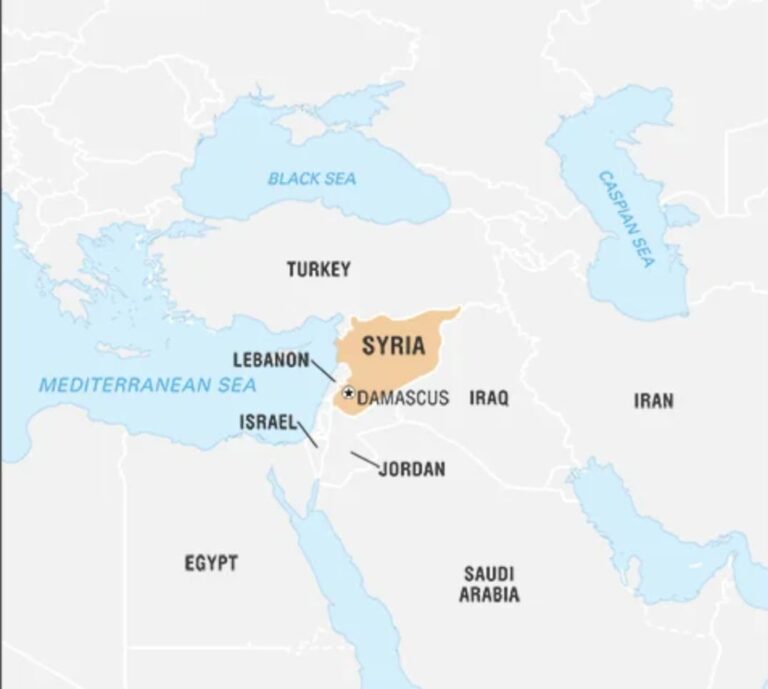
The fall of Bashar al-Assad’s regime in Syria has caused a significant change in the Middle East’s geopolitical scene, leading to increased influence for both the United States and Israel. In this situation, the breakdown of Assad’s power marks a strategic win for these countries and acts as a pathway for more extensive regional changes involving power relations and alliances. The resulting power void in Syria has given the United States chances to adjust its involvement, allowing it to work with new partners and reinforce its role in a historically complicated region. At the same time, Israel’s need for security drives it to take advantage of Syria’s instability, placing itself as a defence against Iranian expansion in the area. This initial analysis lays the groundwork for a better understanding how these geopolitical changes intersect, highlighting the complex relationship between internal turmoil and international strategic goals, as shown in the picture.
The Syrian Civil War, which started in 2011, changed the regional situation, causing effects that go far beyond Syria. The conflict began due to strict government control, economic issues, and people wanting democracy. As the war continued, different groups like the Islamic State and Kurdish forces came into play, making the complex relationships and conflicts even more tangled. Assad’s fight to stay in power strongly affected the geopolitical situation in the Middle East. Notably, the collapse of Assad’s government has opened doors for more Western involvement, especially from the United States and its partners, who see a chance to shift their power as Iran strengthens its position in the area. This lack of stable power, along with Israel’s growing influence, raises important concerns about future regional stability and the possible changes in relationships among Middle Eastern countries.
The collapse of Assad
Assad’s collapse presents multiple strategic advantages for the United States. Firstly, it deals a severe blow to Iran, which has invested billions of dollars and thousands of lives in sustaining Assad’s rule. Even the US military post Al-Tanf plays a pivotal role in effectively regulating and blocking the Iran land corridor to Syria, which has been used to transport weapons, ammunition, and drugs to Hezbollah, Lebanon, located in the highly strategic M2 Baghdad-Damascus highway, Al-Tanf military post is strategically placed to support Israel for expanding its geopolitical and strategic affairs in the Levant region. A collapsed Assad regime disrupts Iran’s plans for regional dominance and limits its ability to funnel resources and arms to Hezbollah in Lebanon. This aligns with Washington’s long-term goal of curtailing Iranian influence in the region. Therefore, the weakening or collapse of his regime would allow Washington to achieve multiple objectives simultaneously. One of the US’s foremost strategic motives in seeking Assad’s fall is to dismantle the Iran-Syria-Hezbollah axis.
Iran’s deep influence in Syria poses a long-term threat to US allies in the region, particularly Israel and Saudi Arabia. Tehran’s access to Syrian territory has facilitated a steady flow of weapons to Hezbollah and other proxy militias, undermining Israel’s security. By weakening or toppling Assad, the US aims to disrupt this corridor and diminish Iran’s ability to threaten Israeli and Gulf security. Additionally, the fall of Assad could potentially erode Russia’s influence in the region. Since 2015, Moscow had invested heavily in propping up Assad, both militarily and diplomatically. Russia’s presence in Syria served as a strategic foothold in the Middle East, offering access to Mediterranean ports and a platform to challenge NATO’s southern flank. For the U.S., Assad’s collapse would weaken Russia’s long-term strategic depth and create an opportunity to roll back Russian influence in a region traditionally dominated by Western allies.
Energy security is another dimension of US interests. Syria’s geographical location makes it a potential transit hub for oil and gas pipelines that could bypass Russia and Iran. With Assad out of power, the US could facilitate infrastructure projects that align with its broader energy strategy in the Middle East, reducing European dependence on Russian gas supplies. Militarily, the US presence in Syria—through its bases in the northeast and partnerships with Kurdish forces—has provided a strategic advantage in countering extremist groups and monitoring Iranian movements. Exercises such as “Eager Lion” in Jordan and ongoing joint military drills with Gulf allies serve as extensions of this broader strategic framework. The naval base at Tartus and the airbase at Hmeimim have become symbols of Moscow’s resurgent military power in the Middle East. These installations allow Russia to project power into the Mediterranean and provide leverage against NATO’s southern flank.
The collapse of Assad’s regime could create conditions in which Russia’s long-term military presence in Syria becomes untenable, further isolating Moscow from the region. Finally, Assad’s collapse would allow the US to facilitate a political transition in Syria that aligns with Western interests. A more compliant government in Damascus could allow the United States and its allies to secure favourable energy deals, curb the flow of refugees into Europe, and rebuild Syria in ways that economically and politically benefit Western stakeholders. On the other hand, for Israel, Syria under Assad has long been a complex and multi-layered security challenge. While the Assad regime had largely maintained a stable ceasefire along the Golan Heights, it has simultaneously acted as a conduit for Iranian arms shipments to Hezbollah and other militant groups. Additionally, the collapse of Assad’s regime creates opportunities for the United States to establish stronger alliances with emerging power centres in Syria, particularly among Kurdish forces and moderate Sunni groups, which have often looked to the US for support against both Assad and extremist groups like ISIS. The United States also benefits strategically from Assad’s diminishing power in terms of regional counterterrorism objectives while at the same time placing a strategic foothold in the region.
Throughout the Syrian conflict, extremist factions like ISIS and al-Nusra Front thrived in the power vacuum created by Assad’s inability to maintain control over vast swaths of territory. While significant progress has been made in dismantling these extremist networks, remnants remain scattered across Syria. A weakened Assad regime, without the resources or legitimacy to reclaim these areas, allows the US military and its allies to maintain a long-term presence in strategic areas like northeastern Syria under the guise of counterterrorism operations. This not only serves to prevent the resurgence of extremist groups but also ensures that the United States retains influence over resource-rich regions in Syria, including oil fields. The Syrian regime’s alliance with Iran and Hezbollah represents one of the most pressing security threats facing Israel.
Israel’s strategic calculus in Syria is deeply intertwined with its broader objective of countering Iran. Iranian entrenchment in Syria has brought the Islamic Republic dangerously close to Israel’s borders, leading to frequent Israeli airstrikes on Iranian and Hezbollah targets in Syria. A collapsed Assad regime would disrupt Iran’s logistical and operational networks, undermining Tehran’s ability to maintain a steady supply chain to Hezbollah. Furthermore, it would allow Israel greater freedom to operate militarily in Syrian territory without the risk of significant retaliation. Moreover, Assad’s collapse would provide Israel with an opportunity to shape post-war Syria in a way that reduces threats along its northern border. While Israel might not seek outright regime change—fearing the potential chaos of jihadist groups filling the vacuum—it would benefit from a fragmented Syria where no single actor has overwhelming power. Such a scenario would limit Iran’s ability to consolidate control and provide Israel with strategic depth.
Additionally, the collapse of Assad’s regime could create openings for Israel to normalize relations with Syria under a new leadership. Israel has successfully pursued normalization deals with several Arab states under the Abraham Accords. A post-Assad government, weakened and in need of international legitimacy, might be more inclined to engage in dialogue with Israel. Despite the clear strategic advantages that Assad’s downfall offers to both the United States and Israel, the scenario is fraught with risks. The Syrian opposition is deeply fragmented, with extremist factions such as Hayat Tahrir al-Sham (HTS) and remnants of ISIS still holding pockets of territory. A power vacuum following Assad’s collapse could see these groups gain significant ground, creating a scenario reminiscent of post-Qaddafi Libya—a failed state plagued by warring militias and extremist strongholds. Moreover, Assad’s regime enjoys considerable support among specific segments of the Syrian population, including religious minorities such as Alawites and Christians, who fear persecution under a Sunni Islamist government. The power vacuum could lead to protracted civil strife, refugee crises, and a humanitarian catastrophe on an even larger scale than witnessed thus far. For the US and Israel, managing the aftermath of Assad’s fall would require significant investments in reconstruction, governance, and counterterrorism efforts—commitments neither country may be willing to undertake fully. Without a clear and coherent plan for Syria’s post-Assad future, the geopolitical gains could quickly unravel into new threats.
However, Assad’s alliance with Iran and Hezbollah has made his regime an existential concern for Israel. Throughout the Syrian conflict, Israel has conducted hundreds of airstrikes targeting Iranian and Hezbollah positions within Syria, aiming to prevent the establishment of permanent Iranian military infrastructure near its borders. The weakening or collapse of Assad’s regime would likely disrupt the strategic foothold Iran has built within Syria. Without a central governing authority in Damascus, Iran would face significant challenges in maintaining its supply lines to Hezbollah, and its proxies in Syria would become far more vulnerable to Israeli military action. Moreover, the chaos following Assad’s potential departure could allow Israel to increase its intelligence operations and possibly form covert alliances with local factions that share a common interest in countering Iranian influence. Israel also stands to benefit from the potential emergence of a fragmented Syria. A divided Syria, with semi-autonomous regions controlled by different ethnic and sectarian groups, would pose far less of a strategic threat to Israel than a unified state aligned with Iran. Such fragmentation would make it difficult for any single actor—be it Iran, Hezbollah, or a successor to Assad—to consolidate power and pose a significant military challenge to Israel.
Furthermore, the disintegration of Assad’s rule could open pathways for Israel to strengthen its relationships with Syrian minorities, including the Druze and Kurdish communities, thereby creating new layers of strategic partnerships in post-Assad Syria. However, it is important to note that the collapse of Assad’s regime is not without risks. The power vacuum left behind could potentially lead to further chaos and instability, similar to what occurred in Iraq following the fall of Saddam Hussein in 2003. Extremist groups, including remnants of ISIS and al-Qaeda-affiliated factions, could exploit this chaos to regain strength and establish territorial control. While this scenario could justify an extended US and Israeli military presence in the region, it also carries significant risks, including prolonged conflict, humanitarian disasters, and increased hostility towards both nations.
Another significant consequence of Assad’s collapse would be the shifting dynamics among external stakeholders in the Syrian conflict. Russia, which has invested heavily in maintaining Assad’s grip on power, would face significant geopolitical setbacks if Assad were to fall. Moscow’s naval base in Tartus and its airbase in Latakia represent critical strategic assets for Russia’s presence in the Eastern Mediterranean. Assad’s collapse would not only jeopardize these assets but also undermine Russia’s broader ambitions in the region. This could create openings for the United States and Israel to expand their influence while diminishing Russia’s leverage in Middle Eastern geopolitics. For Iran, Assad’s downfall would represent a catastrophic loss. Without Assad, Tehran would lose its most important Arab ally and its primary conduit for arms transfers to Hezbollah. This would force Iran to recalibrate its strategy, potentially shifting focus towards Iraq and Lebanon to compensate for the loss of Syria. However, this shift could stretch Iran’s already thin resources, weakening its ability to project power across the region. In a broader regional context, the weakening of Assad’s regime could have ripple effects on other actors, including Turkey and the Gulf states. Turkey, which has long opposed Assad, would likely seek to expand its influence in northern Syria, particularly in Kurdish-held regions.
Meanwhile, Gulf States such as Saudi Arabia and the UAE, which have historically supported anti-Assad factions, would see Assad’s collapse as a vindication of their policies and an opportunity to increase their sway in post-war Syria. While the collapse of Bashar al-Assad’s regime would introduce new uncertainties and potential risks, it would also offer significant strategic advantages to both the United States and Israel. For Washington, Assad’s downfall aligns with its objectives of countering Iranian influence, maintaining a military presence in Syria, and preventing the resurgence of extremist groups. For Israel, Assad’s collapse represents an opportunity to disrupt Iranian supply lines, weaken Hezbollah, and reshape the strategic dynamics along its northern border. Both nations, despite their differing priorities, share a common interest in ensuring that post-Assad Syria does not become a staging ground for future threats. However, the path forward remains fraught with challenges, and any attempts to capitalize on Assad’s weakness must be carefully calibrated to avoid unintended consequences in an already volatile region.
The new Ram Mandir at Ayodhya was inaugurated on January 22, 2024, after the temple premises being closed for over 500 years marking a historic milestone in India’s spiritual landscape.
The event had profound political significance since it had been a key promise on the BJP manifesto for decades and the Prime Minister himself performed key consecration rituals. The inauguration ceremony was attended by several key leaders of BJP including PM Modi, Chief Minister of Uttar Pradesh and Union Defence Minister while key opposition boycotted the invite. Prominent saints, icons from film industry and several industrialists like Late Sh. Ratan Tata, were in presence.
A massive fund of Rs 2100 crores was raised through Sri Ram Janmabhoomi Mandir Nidhi Samarpan Abhiyan conducted across India in 2021, with donations pouring in from leading corporate houses, ordinary citizens and members of the diaspora. This exceeds the estimated cost of construction of the Ram Mandir complex of Rs 1800 crores (including main temple structure, landscaping, ancillary facilities and a Ramayana Museum). The following Deepawali celebration in Ayoydhya in 2024 set two Guinness World Records for lighting millions of clay lamps.
On February 15, 2024, the Apex Court struck down the Electoral Bond Scheme reinforcing transparency and accountability in election funding. Introduced in 2018, the scheme allowed anonymous political donations through bonds issued by the State Bank of India (SBI) in fixed denominations with donors’ identities known only to the bank.
The scheme was challenged on grounds of promoting opacity, enabling unchecked foreign funding, and disproportionately benefiting the ruling party. The five-judge constitutional bench held that the scheme violated voters’ Right to Information and jeopardised democratic foundations by risking undue influence on elections, specifically from corporates. The court also mandated that SBI disclose details of transactions since 2019 along with cessation of further bond sales. The verdict called for greater scrutiny of political donations to strike a balance between transparency and donor privacy.
In March 2024, Delhi’s sitting Chief Minister Arvind Kejriwal was arrested by the Enforcement Directorate allegedly for Delhi Excise Policy Scam, following months of investigations by the Enforcement Directoarte and the Central Bureau of Investigation (CBI) in relation with now repealed Delhi Liquor Policy.
Though this is not the first time a sitting CM has been arrested for corruption/scam (Lalu Yadav, Jayalalitha etc.), but the CM not resigning from office and running the administration from prison was unprecedented. His arrest as well the its timing sparked intense debates on political vendetta and the Union government using central agencies to hound political opponents just before the Lok Sabha Elections.
India went through its 18th General Elections from April 19 to June 1, 2024, bringing in place PM Modi for a rare and historic third term (only Nehru had this feat).
However, this victory came with a declined number of seats at 240 (2019- 303 seats), and a coalition government was formed with NDA allies like TDP (16 seats) and JD (12 seats). The election also saw a substantial gain for INC that won 99 seats, to claim the position of opposition after a decade. Regional parties performed exceptionally well in West Bengal and Uttar Pradesh, signalling voter discontent on issues like unemployment.
Voter turnout was massive with over 642 million votes cast, and the highest ever women participation with 312 million votes.
Supreme Court in State of Punjab vs. Davinder Singh passed a landmark Decision on SC/ST Reservations allowing sub-classification of SCs and STs to ensure that benefits of reservation reach the most backward, most deprived groups. The court ruled in a 6:1 majority, affirming that sub-categorization was constitutionally valid. The court held that this subclassification should be based on robust data that presents a clear picture of social and economic backwardness of the groups.
India faced great human losses this year with the demise of business man and philanthropist Sh. Ratan Tata on 9th October, tabla Maestro Zakir Hussain on 15th December and former / 13th PM Manmohan Singh on 26th December 2024.
Padma Bhushan Mr Ratan Tata, the esteemed industrialist and Chairman emeritus Tata Sons, passed away at the age of 86 in Mumbai. More than an entrepreneur, he was known to the world as a philanthropist who prioritised national interest and public welfare over profits. The launch of Tata Indica (India’s first passenger car), Tata Nano (affordable car for Indian families), the acquisition of Jaguar and Ford Land Rover, rebuilding efforts after Taj Attacks, Tata Education Trusts (TISS, TIFR) benefitted Indians in multifaceted ways. His funeral was conducted with full state honours in Mumbai, as condolences poured in from across the country and world.
Zakir Hussain, the iconic tabla maestro, passed away on December 15, 2025, at the age of 73 in San Francisco due to a rare lung disease. Padma Shri, Padma Bhushan, Padma Vibhushan, and recipient of 4 Grammy Awards was globally celebrated for his extraordinary charisma and skill and contributions as performer, composer and teacher.
Former PM Manmohan Singh passed away at the age of 92 after brief hospitalisation. The nation remembered his unmatched legacy as a finance minister in 1991 when he introduced the LPG reforms in India; as a PM he was pivotal in finalising the Civil Nuclear Deal with the USA in 2008 in the direction of India’s energy security; and as a public servant who brought key initiatives like the Right to Information Act. His integrity and reputation in the field of politics is enviable. The government declared a period of national mourning for seven days to honour his life and death.
The ongoing archaeological excavation in Sambhal, Uttar Pradesh has unfolded region’s deep-rooted history intertwined with religious and cultural narratives. The discoveries – a series of wells like the Mrintujay Kup, used for religious purposes and the reopening of Kartikeshwar Mahadev Temple can play a crucial role in revitalising local heritage.
The excavation has gained a communal character due to advocacy by a religious group called Sanatan Sewak Sangh, lobbying for restoration of these ancient temple remains.
One Nation One Election Bill proposal was introduced in the Lok Sabha as the Constitution 129th Amendment Bill along with Union Territories Laws (Amendment) Bill 2024 during the Winter session. The bills propose conducting elections for the Lok Sabha as well as State Legislative Assemblies simultaneously, as was the case in early independence years, precisely until 1967.
Under new Article 82A, the term of all state assemblies will co terminate with the full term of the Lok Sabha. In case Lok Sabha is prematurely dissolved, amended Article 83 will allow mid-term election only for the unexpired term. The UT Laws Amendment Bill will seek to align the duration of Legislative assemblies of UT with the duration of LS and State Assemble elections.
The benefits include – reduced costs and administrative burdens. It will also curb policy paralysis by minimising periods of Model Code of Conducts and increase voter turnout, by decreasing electoral fatigue.
However, regional parties have expressed concerns that such a move will marginalise local voices under the shadow of National issues. Also, it seems difficult to build political consensus on the idea.
India’s Foreign Direct Investment (FDI) surpassed $1 trillion for the first time since 2000, demonstrating India’s strong position in the global market. India has successfully attracted foreign capital and investments to sustain her long-term growth.
The Government of India, also brought in around 102 tonnes of gold from the Reserve Bank of England in 2024 as part of its broader policy of RBI to increase its domestic gold holdings. As of September 2024, India held 854.73 metric tonnes of gold, with approximately 60% now stored within the country. This repatriation is a strategic move to handle geopolitical risks, and particularly concerns about the freezing of foreign reserves, as seen in the case of Russia. By bringing more gold home, India aims to enhance its financial sovereignty and reduce vulnerability to international conflicts, which seem to be on rise even in 2025.
George W. Bush, the 43rd President of USA: source Internet
The MENA region and Afghanistan have become increasingly important focal points among experts on National Security issues. While, these states have been prominent throughout the modern history of armed conflict because of their natural resources and their geo-political significance. They gained the attention of experts particularly in the final years of the Cold War following the Islamic Revolution in Iran and the Iran-Iraq conflict as well as the rise of international terrorism and more prominently the Soviet invasion of Afghanistan. This emphasis continued throughout the 1990s and gained prominence post 9/11 and the US invasion of Afghanistan and later the formulation of the Bush doctrine and the Iraq War. The Bush doctrine was the cornerstone of the early years of the Global War on Terror and aimed to provide a Grand Strategy to counter the new threat posed by violent non-state actors like terror groups to international security. The doctrine focused on US military intervention in states identified to be sympathetic to terrorist organizations and thus ‘rogue states.’
Some of the key principles of the strategy can be said to be pre-emptive military intervention to topple regimes friendly to terrorist groups and establish liberal democratic regimes. This strategy is based on the theory of democratic peace which holds that democracies have a lower probability of going to war with other democracies and thus, it was assumed that support of terrorism and religious extremism was a direct result of authoritarian rule and political oppression. Therefore, introduction of market based liberal democracy to the targeted states would lead to a decrease in sympathy for extremist sentiments and reduce international terrorism. However, it can be said that this strategy in retrospect suffers from some severe lacunae particularly in its validity as a cogent grand strategic doctrine. A grand strategy for a state can be defined as related to the long-term national interest of the state. Thus, for a cogent grand strategy, there should be an attempt to analyze from a long-term lens rather than formulate a doctrine for short term gains. This is the most important drawback of the Bush doctrine as a viable grand strategy. This is because to be long term, Grand Strategy has to be proactive and not reactive which in the case of the Bush doctrine was the latter as it was more a response to 9/11 rather than a long term solution to the problem of international terrorism which was a reality since the 1980s and had escalated in the 1990s with the 1993 World Trade Center Attack (also one of the targets of 9/11) and attacks on foreign missions of the United States.
Therefore, it would be wrong to say that international terrorism as a threat emerged as a direct result of 9/11 but 9/11 did start the Global War on Terrorism as the event directly had a paradigm shift on the perception of terrorist groups as a threat to national security. This is because terrorist groups are an example of violent non-state actors just like insurgent groups. The only difference being insurgents and terrorists being that terrorists not only attack high value political targets but also innocent citizens to send a political message while insurgent groups attack only high value targets associated with governments to create political change. However, differences in political messaging being also one of the major differences between insurgents and terrorists. This is because insurgents generally are dissatisfied with their government and want political change through violent means while terrorists have their own radical vision of government and often follow a larger meta-narrative of politics and society. Both insurgent groups and terrorist groups as seen during the Cold War can also be used by powerful states to fulfil objectives of foreign policy particularly while pursuing adversarial relations with other equally powerful states.
Thus, the non-recognition of these features by the Bush doctrine made the strategy very limited in its objectives and a sub-optimal response to the threat. One of the important features of the Bush doctrine also was its lack of recognition of sectarian conflict within religious extremists and ignorance of the support to terrorist groups more as state policy rather than ideological agreement. The doctrine also did not recognize political repression by authoritarian states based on sectarian lines and using religion as a political tool rather than an ideology. In fact, the only two proper examples of terrorist regimes would be the Taliban regime in Afghanistan and ISIL rule in parts of Iraq and Syria both of which were on the radical, hardline, internationalist, totalitarian and extremist understanding of religion. The latter is particularly important in this discussion as the emergence of ISIL was a direct effect of the fallout of the American withdrawal in Iraq in 2011. In contrast, Iran stands as more a theocratic authoritarian state which uses a sectarian idea of religion to reaffirm its authoritarian rule and supports violent non-state actors like terrorist groups and militias more as foreign policy goals against its adversaries rather than as supporting them as distinct allies in the regime.
While regimes under Saddam Hussein, Colonel Gaddafi and Bashar Al Assad were more despotic civilian dictatorships which may also cater to religious extremists to make them instruments for the security of their despotic regimes. All these different types of regimes including terrorist regimes, theocratic authoritarian regimes and despotic civilian dictatorships may pursue capabilities to produce Weapons of Mass Destruction which may include chemical weapons and may escalate to a nuclear arsenal for propagation of their despotic rule, to pursue sectarian conflict, elimination of insurgent groups, effective weapons in international armed conflict and particularly for terrorist regimes to escalate their attacks on civilian and political targets. The last of these is the most dangerous reality confronting the present international order and thus requires a strong military strategy to effectively counter it. While all these types of regimes engage in egregious violation of human rights which may escalate to crimes against humanity, their objectives and motivations behind them vary and while such acts should be rightly responded through effective military action focusing on R2P (responsibility to protect) doctrine, the strategies of response are different and must vary according to the type of actor performing the act. Oversimplification of such a complex reality made the Bush Doctrine extremely ineffective as a grand strategy.
However, what is more important with regards to the Bush doctrine is its implications for military actions focusing on counter-terrorism. Carl Von Clausewitz famously describes war as the continuation of politics by other means whereby force is used to bend the adversary to one’s will. But the great General also makes another important point i.e., military strategy is subservient to political objectives and the political will to fight. The assumptions of the Bush doctrine make the political objectives of military action extremely vague and thus make appropriate military responses difficult to effectively neutralize terrorist groups. An important example in this regard can be the American relationship with Pakistan during the start of the invasion of Afghanistan in 2001 and its transformation during the Obama administration when military action for counter-terrorism purposes was authorized in North-West Pakistan particularly in the Khyber-Pakhtunkhwa region and finally the US-Pakistan relationship post Operation Neptune Spear. The transformation of Pakistan as a key American ally in the War against Terror due to its strategic connection with Afghanistan to a potential candidate of distrust highlights the limitations of Bush doctrine. In fact, the serious lacunae of the Bush doctrine were reflected in the American perception of Pakistan as an ally. This is because while Pakistan may not be a theocratic state or a completely despotic dictatorship, it is nevertheless a state with authoritarian tendencies and has a connection with promoting and supporting violent non-state actors in South Asia and does promote extremist religious organizations in domestic politics often with the support of the Pakistani military establishment which has a record of subverting democratically elected regimes in the country. Pakistan also has a considerable history of proliferating dual use to nuclear technologies to states such as North Korea and Iran to fund its own nuclear weapons program.
Therefore, due to the sub-optimality of the Bush doctrine as a grand strategy, the American approach to the emergence of terrorist groups as a new and important national security threat remained inadequate particularly if understood with regards to its strategy of military action and its decision to select states to be key allies in this new and innovative campaign. However, the need to create an effective military strategy to counter international terrorism through military means is the need of the hour if the tendency of terrorist groups to act like militias and participate in civil wars and inter-state international conflict is considered and their use of the internet to promote their extremist ideologies and make gullible citizens unconnected with these actors conduct lone-wolf actions is considered. The threat of these actors developing nuclear weapons or at least having access to chemical and radiological weapons accentuate the present danger of international terrorism. Thus, to conclude, while it should be noted that the Bush doctrine was not an optimal grand strategic doctrine, nevertheless it was significant because it recognized international terrorism as a serious threat to global security and realized the need to create a robust military response to neutralize this threat which was a step in the right direction and is part of its enduring legacy. In fact, as a fitting ending to this article it will be correct to point out the struggles faced by the Afghan people after they failed to resist the temptations of choosing to replace the democracy endorsed by the Americans with the Taliban regime.
Launching event of Quantum Computer: source Author
Israel’s first domestically built quantum computer, utilising advanced superconducting technology, is now operational. The 20-qubit quantum computer was developed under the leadership of the Israel Innovation Authority, Israel Aerospace Industries (IAI), Hebrew University, and the university’s technology transfer company, Yissum. This collaboration established a superconductor-based quantum computer infrastructure alongside a robust development and integration environment. These advancements mark a strategic knowledge foundation for Israel, supporting both defence and civilian applications.
The global race for “quantum supremacy” has accelerated in recent years with groundbreaking discoveries in the field. Now, Israel is among the leading nations building quantum infrastructures and computers that promise to revolutionize computing across research, defence, industry, and more. IAI has invested substantial resources into its quantum efforts, establishing itself as a major player in the field with the unveiling of Israel’s first blue-and-white quantum computer. Quantum QHIPU’s quantum computer lab will focus on design, simulation, integration, and the adaptation of practical applications for the superconducting quantum computer. This work includes collaborations with companies and research institutes globally, positioning Israel at the forefront of quantum computing. The tight coordination among government, academia, and industry provides a significant edge over international competitors and strengthens Israel’s position as a leader in quantum technology.
Israel is one among the 15 countries in the world which are in the race to master the quantum computing technology. A quantum chip is an advanced processor capable of solving problems that are beyond the reach of even the most powerful supercomputers. Google recently announced testing their state-of-the-art quantum chip, named Willow. This chip can tackle highly complex problems in just five minutes, significantly outperforming traditional supercomputers.
Quantum computers are not intended for everyday use but are designed to address intricate challenges in fields such as medicine, enabling the rapid design of new drugs, or meteorology, allowing for highly accurate weather predictions. They also have the potential to revolutionise artificial intelligence and develop groundbreaking technologies previously deemed unimaginable.
The United States and China are in a race to lead the quantum computing revolution. China has allocated US$ 15 billion to quantum research, while India has invested approximately US$ 500 million. However, quantum chips are fragile and require extremely cold environments to operate. Their ability to break encryption codes poses significant security risks.
Google’s Willow chip provides a glimpse into the transformative potential of quantum computing and the challenges it brings, especially in the realm of cybersecurity.
Quantum Computer laboratory: source Author
Expanding IAI’s Presence in India marks deepening India-Israel Defence Cooperation
IAI’s recent unveiling of HELA, its latest cutting-edge facility in Hyderabad, marks an additional significant milestone in IAI’s commitment to reinforcing India’s defence infrastructure under its Make in India initiative. The new subsidiary further demonstrates IAI’s dedication to fostering local capabilities and advancing self-reliance within the critical domain of radar technologies.
The Hyderabad facility, staffed by over 45 highly trained professionals and supported by more than 80 field engineers, specialises in maintaining and repairing radar modules and sub-systems, such as power systems, cooling systems, IT integration, radar testing, and calibration. The facility’s staff are Indian nationals, showcasing HELA’s commitment to nurturing local talent and enhancing their expertise. The facility will serve over 100 local talents in the radio frequency and microelectronics areas, supporting India’s tri-services most advanced radar system on land, in the air and at sea.
Founded in 2004, HELA Systems has established itself as a premier provider of high-end systems. Over the past two decades, the company has delivered comprehensive support for radar systems, including top-tier field services and advanced D-level repair capabilities for various radar units.
Dror Bar, CEO of ELTA Systems, Vice President of IAI, said, “As HELA Systems continues to expand its footprint in India, this new Hyderabad facility exemplifies our commitment to providing exceptional in-country support for advanced radar systems across India’s defence sectors. By enabling full product support, maintenance, and repair services locally, HELA offers unmatched efficiency in turnaround time, quality, and cost-effectiveness directly in Indian rupees. Our skilled teams and sophisticated control systems ensure rapid response and top-tier service for the Indian defence forces, aligning with India’s vision of self-reliance in critical defence technology.”
“This facility represents a major milestone in India’s journey towards self-reliance in defence technology. With this launch, we demonstrate our dedication to supporting India’s strategic needs through world-class radar solutions, empowering local professionals and fostering innovation” added Yaniv Mizrahi, CEO, HELA Systems.
IAI is a world leader in aerospace and defence, innovating and delivering state-of-the-art technologies in space, air, land, naval, cyber and homeland security for defence and commercial markets.
IAI also recently launched its NeuSPHERE Innovation Acceleration Program in India. Rooted in IAI’s commitment to promoting technological leadership, the NeuSPHERE Program provides a platform for Indian deep-tech startups to co-create cutting-edge innovation, accelerate their growth and expand globally.
IAI’s NeuSPHERE Innovation Acceleration Program focuses on the Indian technology startup community, in particular inventive deep-tech startups focusing on big data, signal and image processing, advanced navigation systems, AI and autonomy, XR-maintenance and training, green energy, advanced production, quantum, edge computing, Human Machine Interfaces and wearable technology. It will provide the participating Indian startups access to advanced resources and technologies, including global mentorship and guidance, networking and funding, to accelerate their market-ready solutions.
Brig. Gen. (Res) Eytan Eshel, Executive Vice President of Technology, Chief Technology Officer (CTO), R&D and Innovation of IAI says, “The NeuSPHERE Innovation Acceleration Program in India is a significant step towards fulfilling IAI’s strategic vision of collaborating with India’s startup ecosystem. We recognise the tremendous technology talent in India and are very excited about this program and to work together to help these companies scale their offerings. This program is part of our efforts to create a worldwide network of technological excellence and drive forward the future of aerospace and defence.”