
By : Sonalika Singh, Consulting Editor, GSDN
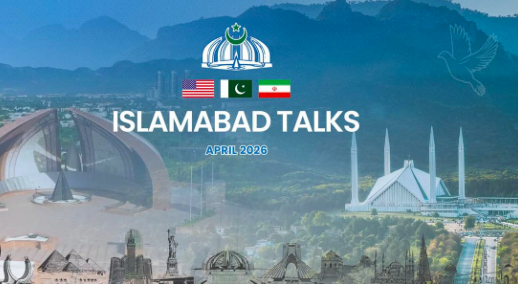
The conclusion of the recent diplomatic engagement between the United States and Iran in Islamabad marks a critical juncture in an already volatile geopolitical landscape. While the talks end without a definitive agreement, they do not signal the end of diplomacy. Instead, they underscore the complexity of the conflict and the enduring possibility, however fragile of a negotiated resolution. The continuation of a temporary ceasefire, despite deep-seated mistrust and unresolved disagreements, suggests that hope, though diminished, remains alive.
At the heart of Islamabad lies a paradox. On one hand, both sides engage in prolonged and intensive negotiations, reflecting mutual recognition of the catastrophic consequences of continued conflict. On the other hand, the inability to reach common ground on fundamental issues reveals the depth of divergence in strategic priorities. The United States, represented by Vice President JD Vance, maintains a firm stance on curbing Iran’s nuclear ambitions, while Iran insists on safeguarding its sovereignty and strategic leverage. This fundamental clash shapes the trajectory of negotiations and complicates prospects for immediate breakthroughs.
The presence of a fragile two-week ceasefire serves as both a buffer and a ticking clock. With only days remaining, the absence of a long-term agreement raises concerns about a potential return to hostilities. Yet, the very existence of the ceasefire demonstrates that both parties recognize the necessity of restraint, at least temporarily. It provides a narrow window for diplomacy to continue, offering mediators and stakeholders an opportunity to build upon the limited progress achieved in Islamabad.
One of the most significant outcomes of the talks is not what is achieved, but what is avoided. The failure to escalate into immediate conflict following the breakdown of negotiations is, in itself, a noteworthy development.In a war that has already resulted in thousands of casualties and widespread economic disruption, the avoidance of further violence, even temporarily, reflects a cautious willingness to keep diplomatic channels open. This restraint is crucial in maintaining a foundation upon which future negotiations can be constructed.
Pakistan’s role as a mediator adds another layer of complexity and cautious optimism to the situation. Under the leadership of Prime Minister Shehbaz Sharif, Pakistan positions itself as a facilitator capable of bridging divides between adversaries. Its strategic relationships with both Washington and Tehran enable it to act as an intermediary, even in the absence of direct dialogue between the two parties. While critics argue that Pakistan’s influence remains limited, its ability to bring both sides to the negotiating table and sustain dialogue reflects a meaningful diplomatic achievement.
However, the Islamabad talks also highlight the persistent challenge of trust or the lack thereof. Iranian officials openly express skepticism regarding American intentions, citing historical precedents of failed agreements and perceived policy reversals. The shadow of past diplomatic efforts, particularly the withdrawal from earlier nuclear agreements, continues to loom large over current negotiations. This erosion of trust complicates efforts to establish credible commitments and undermines confidence in any proposed framework for peace.
The issue of nuclear development emerges as a central point of contention. The United States demands clear assurances that Iran will not pursue nuclear weapons, framing this as a non-negotiable condition for long-term peace. Iran, however, views such demands as an infringement on its sovereign rights, particularly when they extend to limiting peaceful nuclear activities. This impasse reflects a broader struggle between security concerns and national autonomy, a dilemma that has historically impeded progress in US-Iran relations.
Equally significant is the strategic importance of the Strait of Hormuz, a critical maritime chokepoint through which a substantial portion of the world’s oil supply passes. Iran’s control over this waterway provides it with considerable leverage, while the United States and its allies seek to ensure uninterrupted access for global trade. The inability to reconcile these competing interests during the Islamabad talks underscores the broader geopolitical stakes involved, extending the impact of the conflict far beyond the immediate region.
The economic ramifications of the ongoing conflict further amplify the urgency of finding a resolution. Disruptions in oil supply chains, rising energy prices, and instability in global markets illustrate the far-reaching consequences of prolonged hostilities. These pressures create incentives for both sides to pursue diplomatic solutions, even in the face of significant disagreements. The interplay between economic necessity and political strategy thus becomes a key factor influencing the trajectory of negotiations.
Statements from key political figures reveal a cautious yet persistent commitment to diplomacy. While Donald Trump expresses optimism about partial agreements, he simultaneously acknowledges the failure to resolve the most critical issue nuclear policy. This duality reflects the broader reality of the negotiations: incremental progress coexisting with a fundamental deadlock. Similarly, Iranian leadership emphasizes its willingness to engage in dialogue, provided that its core interests and conditions are respected.
The role of external analysts and experts provides additional insight into the dynamics of the talks. Scholars such as Fawaz Gerges highlight the structural nature of the disagreements, suggesting that the lack of a breakthrough is not surprising given the depth of the issues at stake. From this perspective, the Islamabad talks represent one phase in a longer diplomatic process rather than a decisive moment of resolution.
Importantly, the historical context of US-Iran negotiations offers both caution and hope. Previous agreements, including those reached after years of sustained dialogue, demonstrate that progress is possible, albeit slow and often fragile. The comparison underscores the need for patience and persistence, particularly in a context where negotiations occur amid active conflict rather than relative stability. The expectation of immediate results may therefore be unrealistic, and the absence of a breakthrough should not be interpreted as failure.
Another dimension of the Islamabad talks is the perception of victory held by both sides. Each party enters the negotiations with a belief in its strategic advantage, reducing the willingness to make concessions. This dynamic complicates the bargaining process, as compromise becomes politically and ideologically challenging. However, it also suggests that both sides recognize the importance of negotiation as a means of consolidatingtheir positions, rather than relying solely on military outcomes.
Despite the setbacks, there are indications that backchannel diplomacy continues behind the scenes. The complexity of the issues at hand necessitates sustained engagement beyond formal negotiations. Mediators, including Pakistan, play a crucial role in facilitating these efforts, helping to identify areas of potential convergence and maintain communication between the parties. Such efforts, though less visible, are often instrumental in laying out the groundwork for future agreements.
The humanitarian dimension of the conflict cannot be overlooked. The significant loss of life, including a large number of civilians, underscores the urgency of achieving lasting peace. Beyond geopolitical considerations, the human cost of the war serves as a powerful reminder of what is at stake. This reality adds moral weight to the pursuit of diplomacy and reinforces the importance of continued efforts to prevent further suffering.
In assessing whether hope remains after the Islamabad talks, it is essential to adopt a nuanced perspective. The absence of an immediate agreement reflects the complexity of the conflict rather than the futility of diplomacy. The continuation of the ceasefire, the willingness to engage in dialogue, and the involvement of mediators all point to the persistence of diplomatic avenues. At the same time, the depth of mistrust and the scale of disagreements highlight the challenges that lie ahead.
Ultimately, hope in this context is not defined by swift resolutions or dramatic breakthroughs. Instead, it resides in the gradual, often incremental process of negotiation, where progress is measured in small steps rather than decisive victories. The Islamabad talks, despite their limitations, contribute to this process by sustaining dialogue and preventing immediate escalation.
Therefore, the path forward will require sustained commitment from all parties involved. Confidence-building measures, greater transparency, and a willingness to engage in meaningful compromise will be essential to bridging the existing divides. Mediators must continue to facilitate dialogue, while the international community plays a supportive role in encouraging a peaceful resolution.
Although the Islamabad talks fall short of delivering a comprehensive agreement, they do not extinguish the possibility of peace. The fragile ceasefire, ongoing diplomatic engagement, and continued mediation efforts suggest that hope, though challenged, endures. The road to resolution remains long and uncertain, but if dialogue persists, the prospect of a peaceful outcome remains within reach.

About the Author
Sonalika Singh began her journey as an UPSC aspirant and has since transitioned into a full-time professional working with various organizations, including NCERT, in the governance and policy sector. She holds a master’s degree in political science and, over the years, has developed a strong interest in international relations, security studies, and geopolitics. Alongside this, she has cultivated a deep passion for research, analysis, and writing. Her work reflects a sustained commitment to rigorous inquiry and making meaningful contributions to the field of public affairs.



