
By: Prachi Kushwah, Research Analyst, GSDN
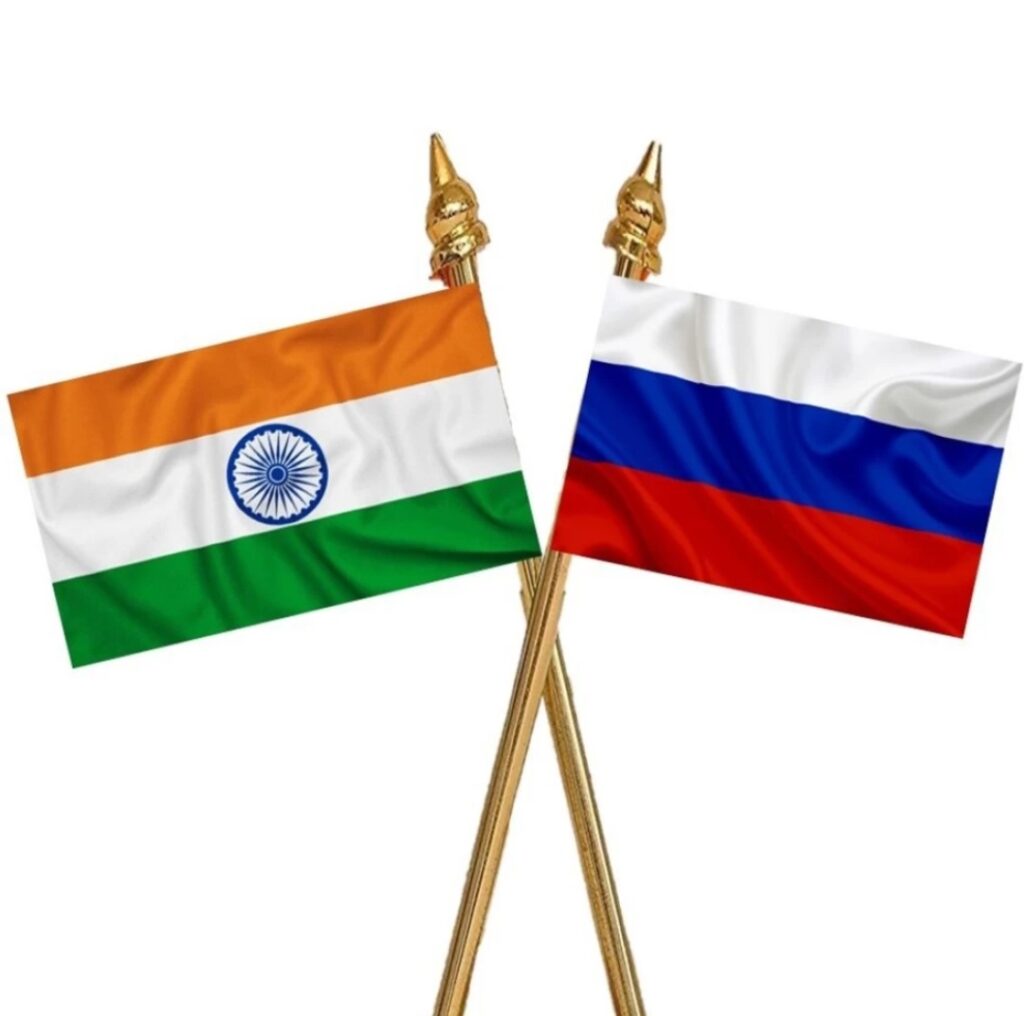
India and Russia go way back. Their partnership really took off in the middle of the last century—especially during the Cold War. Back then, India leaned on the Soviet Union for all sorts of things: defense gear, support at the UN Security Council, and help with building up its industries. When the Soviet Union fell apart in December 1991, Russia stepped in and kept the relationship alive. Defense deals, energy projects, and technology swaps became the heart of their friendship.
But things aren’t as simple as they used to be. The world’s shifting. Russia is getting closer to China and Pakistan, while India’s building stronger ties with the US. On top of that, the fallout from the Russia-Ukraine war has shaken up the global economy. All of this has people wondering—does the India-Russia partnership still have the same strength it once did?
A Legacy Anchored in History
India and Russia built their partnership on trust, common goals, and the fact that each side brought something the other needed. India got reliable, affordable military gear, and Russia often backed India at the UN, using its veto to support Indian security interests. The big moment came on August 9, 1971, when both countries signed the Indo-Soviet Treaty of Peace, Friendship and Cooperation. That treaty gave India a sense of security, especially with all the shifting power dynamics in Asia at the time.
Over the decades, Russia became India’s main source for defense equipment—most of India’s imported military hardware came from Moscow. Even after India opened up its economy in 1991 and started buying weapons from other countries, Russia still played a key role in India’s plans to modernize its military. That connection hasn’t faded, even as the world keeps changing.
Defense Cooperation: Enduring Pillar with New Strains
Defense is still the biggest piece of the partnership. India’s military depends on Russian gear—Sukhoi fighter jets, T-90 tanks, all sorts of engines and spare parts. The two countries even build things together, like the BrahMos cruise missile, which they kicked off back in 1998. That shows just how close their defense ties run.
But things aren’t as smooth as they used to be. India’s started buying a lot more from Israel, France, and the US. The US, for its part, is working hard to pull India closer, especially in the Indo-Pacific, with groups like the Quad (that’s India, Japan, Australia, and the US). On the flip side, Russia has started selling more weapons to Pakistan and is teaming up strategically with China—India’s main rivals.
Even with all this shifting around, Russia still backs India where it counts. They help with nuclear subs, supply parts for older equipment, and upgrade aging systems. India also got the S-400 Triumf missile defense system in a $5.4 billion deal signed in 2016, even though the US threatened sanctions over it. So, for now, Russian defense tech is still something India isn’t ready to let go of.
Energy: New Opportunities Amid Changing Markets
Ever since the Russia-Ukraine war started in February 2022, India and Russia have gotten a lot closer when it comes to energy. With Western sanctions hitting Russia’s economy and energy exports hard, Moscow turned to Asia. India jumped at the chance, quickly becoming one of the biggest buyers of Russian oil—at a discount, too. Millions of barrels every month, often cheaper than anywhere else. That’s not just an economic boost; it gives India some real strategic leverage.
But it’s not just oil. India’s involved in Russian LNG projects and still holds a stake in the Sakhalin-1 oil and gas field out in eastern Russia. And when it comes to uranium fuel for India’s nuclear reactors, Russia keeps the supply steady, all under existing civil nuclear deals. From Russia’s side, India looks like a safe bet—a stable, long-term market that isn’t swayed by Western sanctions.
Still, the future of this partnership isn’t set in stone. It depends on how global prices swing, whether sanctions stick around, and how far India goes with its push for green energy—a goal it made public at COP26 in late 2021. India wants to use less oil and gas, but Russia depends on selling it. So, while the ties are strong right now, they’ll probably need to branch out—maybe into nuclear, hydrogen, and renewables—if they want to keep this cooperation going.
Economic Relations: Below Potential but Strengthening
Even though the two countries have lined up their strategies, their economic results haven’t really matched up. For years, trade between them stayed pretty low-key and focused mostly on India buying defense equipment, sending pharmaceuticals, and the two working out energy deals. Things changed after 2022. Suddenly, trade shot up—hitting over $65 billion in 2023. Most of that jump came from India’s oil imports. Still, the numbers aren’t exactly balanced. India buys a lot more from Russia than it sells back.
Both sides have been looking for ways to get around Western financial systems. They’ve talked about settling trade using their own currencies instead of the usual international routes. This push got a lot stronger once sanctions made it tough for Russian banks to use global systems. They’re also working together on the International North-South Transport Corridor—a big project that’s supposed to make shipping between South Asia and Eurasia faster and cheaper.
Geopolitical Realignments: Diverging Priorities
India’s place in the world has shifted a lot. New Delhi’s gotten closer with Western economies, ramped up its naval partnerships in the Indo-Pacific, and now openly sees China as its main strategic rival for the long haul. Russia, on the other hand, has thrown its lot in with China, leaning on Beijing for political, economic, and military support—especially after Western sanctions tightened in 2014 and got even tougher following the Ukraine war. This new setup makes India uneasy. Russia and China call their relationship a “no-limits partnership,” a phrase they rolled out in Beijing on February 4, 2022. Russia still tries not to mess up its old friendship with India, but being so dependent on China really complicates things between the three countries.
There’s something else bothering New Delhi, too: Russia has started reaching out to Pakistan. Sure, it’s still on a small scale, but Russia has sold military equipment to Pakistan and even held their first joint military exercises with Islamabad back on September 24, 2016. These steps, even if minor, show Russia drifting away from its old, India-first approach in South Asia.
Diplomacy and Summitry: The Personal Equation Endures
Geopolitics might keep changing, but top leaders from India and Russia keep meeting face-to-face, which really keeps the trust strong. Modi and Putin clearly get along well—you see it in their frequent summits, those big conversations about energy, and all the defence deals they keep signing. Even as India builds ties with other countries, it always stands up for talking with Russia on the world stage.
One big moment that showed how solid this relationship is came on December 18, 2025, when Putin landed in New Delhi for the Twenty-Third Annual India-Russia Summit. He and Modi went over defence projects, signed new energy deals, and talked a lot about wanting a world that doesn’t just follow one superpower. They locked in new plans to make defence spare parts together, agreed to send more Russian oil to India at better prices, and mapped out ways to work together in nuclear and space technology. That visit—especially with so much pressure on Russia and Western countries trying to woo India—made it pretty clear: this partnership still matters a lot to both sides.
Multilateral Platforms: Shared Interests in a Fragmented World
India and Russia work together in a bunch of regional and international groups. Take the Shanghai Cooperation Organization—India joined as a full member back in June 2017. It’s a place where countries talk about security across Eurasia. There’s also BRICS, which pulls in Brazil, Russia, India, China, South Africa, and now a few new countries. This group matters a lot to both India and Russia. They want a world where Western countries don’t call all the shots.
But things aren’t always smooth. India isn’t exactly comfortable with China, and China’s a heavyweight in both these groups. Russia sees these alliances as a way to push back against the West. India’s more cautious. They pick and choose, always keeping their independence front and center.
Is the Partnership Still as Strong?
Are India and Russia still as close as they used to be? Well, it really depends on what you’re comparing. Back during the Cold War, their bond had a lot of emotional and ideological glue holding it together. That’s faded. These days, their economies don’t really move in sync, and their big-picture goals don’t always line up. You can see it in Russia getting closer to China, and India leaning into the whole Indo-Pacific thing. That’s not just a little spat — it’s a sign that the world around them has changed.
Still, let’s not act like the relationship is falling apart. India continues to rely on Russia for defense. Russia, on its side, looks to India as a major market, a diplomatic ally, and a way to connect with the Global South. They both like the idea of a world where no one power dominates, and neither wants to get boxed in by the old-school “bloc politics.” The summit on December 18, 2025 made it pretty obvious — both leaders want to keep this thing going. No one’s looking to walk away.
Conclusion
India and Russia aren’t as close as they used to be, but their relationship isn’t falling apart. These days, it’s less about dependency and more about practical give-and-take. They still agree on a lot—defense deals, energy needs, and making sure they have a say in global decisions. Sure, they don’t always line up on regional issues or where things are headed, but both countries get that working together just makes sense, even while they form new partnerships elsewhere. The bond isn’t what it was during the Cold War, but it’s still strong, grounded in history, and flexible enough to handle the twists and turns of the modern world.



