
By: Kumar Aryan, Research Analyst, GSDN
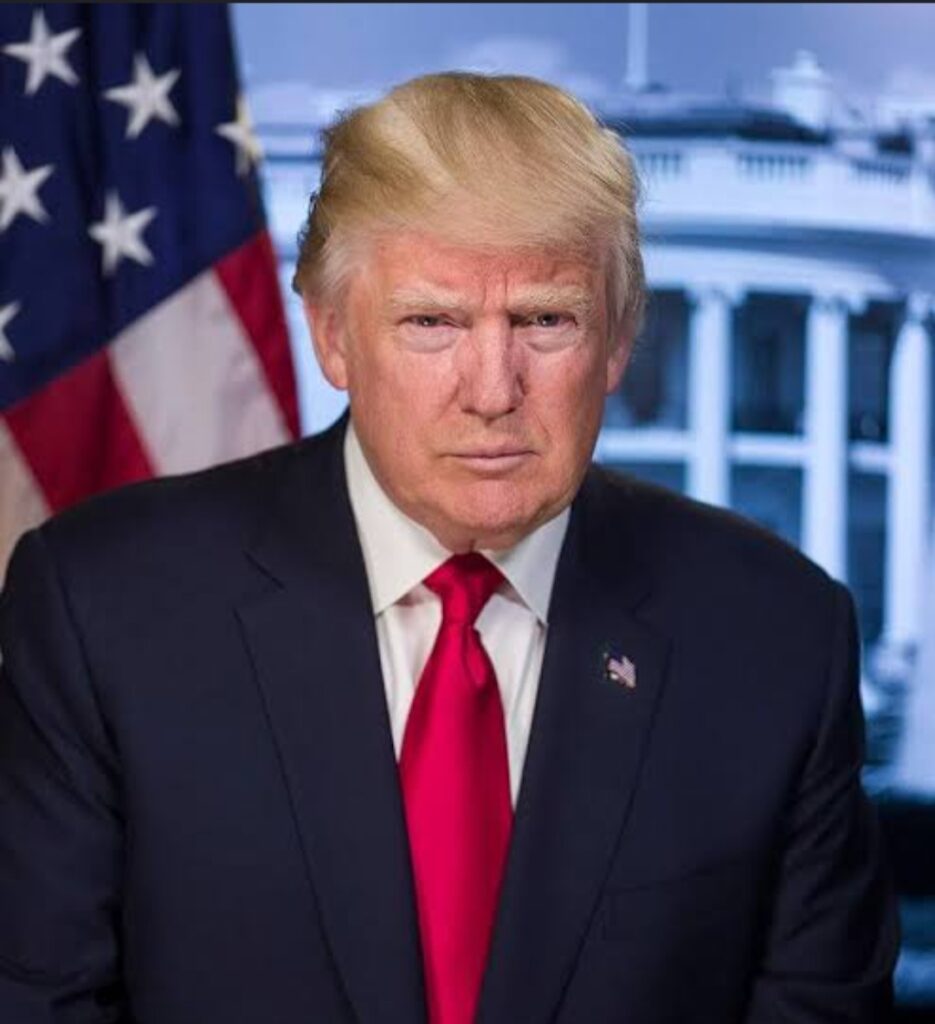
The geopolitical landscape of the Arctic region has undergone a dramatic transformation since January 2026, when U.S. President Donald Trump renewed his pursuit of acquiring Greenland, a semi-autonomous Danish territory, and coupled this objective with escalating threats of tariffs against key European NATO (North Atlantic Treaty Organization) allies. This strategy has intensified existing tensions within the transatlantic alliance and raised fundamental questions about European unity, the credibility of trade agreements, and the efficacy of collective defense mechanisms in the face of unilateral American pressure. The European Union, led by European Commission President Ursula von der Leyen, faces an unprecedented challenge: can the bloc effectively counter American annexationist ambitions through economic leverage while maintaining its commitment to NATO cohesion and defending the sovereignty of one of its own member states?
This article examines the trajectory of Trump’s Greenland annexation strategy, the corresponding tariff threats, the European Union’s multifaceted response mechanisms, and the fundamental question of whether Brussels possesses the institutional capacity and economic tools to prevent the United States from unilaterally seizing Greenland. The analysis reveals a complex interplay between economic coercion, military deterrence, legal constraints, and the existential paradox facing Denmark: defending a territory that may itself seek independence from Copenhagen.
The Strategic Imperative: Why Greenland Matters to Trump
Greenland’s significance in contemporary geopolitical calculations extends far beyond its sparse population of approximately 56,000 inhabitants. Positioned strategically between North America and Europe, the world’s largest island occupies a critical nexus in the Arctic region, an area increasingly defined by resource competition, climate change-induced environmental transformation, and military strategic positioning.
The Trump administration’s publicly stated rationale for Greenland acquisition centers on national security considerations. The territory’s geographic location positions it as a natural site for ballistic missile defense systems, particularly Trump’s proposed “Golden Dome” missile defense architecture designed to counter potential threats from Russia and China. Additionally, Greenland sits astride two potentially transformative Arctic shipping routes: the Northwest Passage and the Transolar Sea. As climate change renders these passages increasingly navigable, their commercial and strategic value escalates proportionally.
Greenland also possesses substantial mineral wealth, including rare earth elements critical to modern technology manufacturing and clean energy transitions. The island’s untapped deposits of lithium, uranium, and other strategic minerals align with Trump’s administration-wide emphasis on reducing American dependence on external sources for materials essential to defense and technological advancement.
Furthermore, the United States already maintains a significant military presence in Greenland through Pituffik Space Base (formerly known as Thule Air Base), a facility that has served strategic defense functions since the Cold War era. During the Cold War, the United States stationed up to 6,000 troops across various installations in Greenland. The existing American military infrastructure provides both operational justification for deeper strategic involvement and a foundation upon which further expansion could logically be built.
Trump’s Escalating Strategy: From Proposition to Coercion
Trump initially broached the concept of acquiring Greenland during his first presidency (January 2017 to January 2021), a proposal met with derision and diplomatic rejection from Denmark and Greenlandic authorities. However, upon returning to office in January 2025, Trump renewed this objective with markedly increased intensity and coupled it with concrete economic coercion mechanisms.
On January 14, 2026, Trump publicly announced plans to impose escalating tariffs on eight nations: Denmark, Sweden, France, Germany, the Netherlands, Finland, the United Kingdom, and Norway. The initial tariff rate was established at 10 percent, with Trump indicating that duties could rise to 25 percent by June 2026 if the targeted countries refused to acquiesce to American acquisition of Greenland. This represented a fundamental departure from conventional trade policy frameworks, weaponizing tariff mechanisms not for traditional trade balancing purposes but as explicit leverage to compel territorial concessions.
In his address at the World Economic Forum in Davos on January 21, 2026, Trump articulated his position with characteristic bluntness: “I am pursuing immediate discussions about the acquisition of Greenland by the United States.” While simultaneously declaring that military force was not intended, Trump’s rhetoric maintained an undertone of implicit threat. His statement, “You can agree, and we would be very grateful. Or you can decline, and we will remember that”—exemplified diplomatic coercion dressed in cordial language.
The connection between tariff threats and Greenland acquisition proved administratively complex. In December 2025, Trump appointed a special envoy to Greenland, a move interpreted by Danish and Greenlandic officials as signalling ongoing, institutionalized American interest in territorial acquisition. This appointment, combined with tariff threats and statements suggesting that “if we don’t take Greenland, Russia or China will,” created a comprehensive strategy blending military rhetoric, economic pressure, and great-power competition framing.
Tariff Dynamics and Trade Policy Complications
The tariff component of Trump’s Greenland strategy became entangled with broader American trade policy transformations occurring simultaneously. On February 21, 2026, the U.S. Supreme Court invalidated Trump’s initial global tariff policy, introduced in spring 2025, which had disrupted established global trading frameworks. In response, Trump employed an alternative legal mechanism, initially declaring a new universal 10 percent tariff. However, he subsequently escalated the rate to 15 percent, the maximum permissible duration without requiring congressional approval lasting 150 days.
This 15 percent global tariff rate created significant complications for the European Union. In summer 2025, the EU and Trump administration had negotiated a trade agreement establishing a 15 percent baseline tariff on most European Union exports to the United States, along with a 10 percent tariff on United Kingdom goods. The Trump administration asserted that the new tariff policy technically did not violate the agreement since it merely maintained existing rates. However, this interpretation provoked EU scepticism regarding the durability of negotiated trade arrangements.
According to analysis by Global Trade Alert, a Swiss-based trade monitoring organization, the United Kingdom faced a projected average tariff rate increase of 2.1 percentage points, while the European Union anticipated an increase of 0.8 points. These calculations reflected the cumulative impact of various tariff applications, exemptions, and sectoral variations. Exemptions continued to apply to pharmaceuticals, critical minerals, fertilizers, and certain agricultural products. However, auto and steel export tariffs remained unchanged, affecting sectors critical to European industrial competitiveness.
The European Union’s Multi-Layered Response
The European Union’s response to Trump’s Greenland-linked tariffs demonstrated both institutional coordination and underlying vulnerability. On January 17, 2026, an emergency assembly of European Union ambassadors convened in Brussels following Trump’s tariff announcement. This hastily organized diplomatic consultation reflected the gravity with which EU leadership regarded the situation.
European Commission President Ursula von der Leyen articulated the bloc’s foundational position: “The sovereignty and integrity of their territory is non-negotiable.” This declaration affirmed unwavering support for Denmark and Greenland while simultaneously establishing a red line that precluded any negotiated territorial compromise. Von der Leyen further announced that the European Union was developing a comprehensive package of measures designed to support Arctic security, with “full solidarity with Greenland and the Kingdom of Denmark” constituting the first principle.
However, beneath this rhetorical unity existed significant practical constraints. The European Union’s fragmented structure, with member states possessing divergent economic interests and asymmetrical vulnerabilities to American tariffs, complicated coordinated response mechanisms. While France and Germany, the EU’s two largest economies, could potentially weather American tariff escalation through economic diversification and market access alternatives, smaller and economically vulnerable member states faced potentially catastrophic trade disruptions.
On January 23, 2026, the European Commission announced it would suspend planned retaliatory tariffs on €93 billion (approximately US$109 billion) of American goods for an additional six months. This decision reflected a calculated judgment that immediate escalation risked triggering accelerated American retaliation and potentially fragmenting European unity. The suspension, initially due to expire February 7, 2026, represented a tactical deferral rather than strategic capitulation.
Yet the EU simultaneously prepared alternative response mechanisms. According to French Trade Minister Nicolas Forissier, speaking on February 21, 2026, Brussels possessed “instruments at its disposal” to counter Trump’s tariff escalation. Specifically, the European Union was contemplating deployment of what officials termed a “trade bazooka”, a comprehensive anti-coercion instrument encompassing export restriction, tariffs on American services, exclusion of U.S. companies from European Union procurement contracts, and potential restrictions on critical technology transfers essential to American national security and technological advancement. This nascent anti-coercion framework remained activated but not yet deployed, serving as a deterrent while negotiations remained theoretically possible.
NATO, Denmark, and the Collective Defense Paradox
The Greenland acquisition attempt created a profound institutional paradox within NATO. On January 6, 2026, seven NATO member states, Denmark, Germany, France, Spain, Italy, the United Kingdom, and Poland, issued a coordinated joint statement reaffirming that “it is for Denmark and Greenland and them only to decide on matters concerning Denmark and Greenland.” This declaration sought to invoke NATO’s fundamental principle of collective defense and the principle of inviolable sovereignty.
However, NATO confronted an unprecedented scenario: the potential aggressor was the alliance’s most militarily powerful member and a founding signatory to NATO’s founding document. Danish Prime Minister Mette Frederiksen articulated the existential implications with stark clarity on January 10, 2026, stating: “If the U.S. decides to attack another NATO country, everything halts, including NATO and the security that the alliance has offered since World War II.”
Frederiksen’s statement encapsulated the fundamental vulnerability of the European alliance architecture. NATO’s collective defense guarantee, enshrined in Article 5 of the North Atlantic Treaty, presupposes that member states face threats primarily from external adversaries, not from alliance members. If the United States were to employ military force to acquire Greenland, a contingency Trump publicly discussed but subsequently disclaimed, the transatlantic alliance would face institutional collapse. No mechanism exists within NATO to respond militarily to American aggression; the alliance’s entire framework presumes American leadership against external threats.
In response to these strategic concerns, Denmark initiated military capacity building around Greenland. The Joint Arctic Command, the Danish military branch responsible for Greenland, enhanced its operational presence and conducted NATO-coordinated exercises designed to project Danish military capability and NATO solidarity with Denmark. These measures signaled determination to resist through military deterrence, though the capability gap between Danish forces and American military power rendered such posturing primarily symbolic.
The Greenland Independence Question: A Strategic Wildcard
An often-overlooked complication in the Greenland annexation scenario involves the territory’s own political trajectory. All major Greenlandic political parties publicly express support for independence from Denmark, though disagreement persists regarding timelines and mechanisms for achieving this objective. Polling data consistently demonstrates that Greenlanders oppose American acquisition under any circumstances, yet simultaneously harbor ambitions for complete sovereignty.
This creates a perplexing strategic calculus for Denmark. Copenhagen must simultaneously defend Greenland from American acquisition while acknowledging that Greenland itself may seek independence from Danish sovereignty within the coming decades. As Copenhagen University professor Nikolaj Petersen observed, Denmark risks “depleting its foreign policy resources to secure Greenland, only to see it depart afterward.”
From an American strategic perspective, however, this independence trajectory potentially offers alternative acquisition pathways. Should Greenland achieve independence as a sovereign state, it would possess the constitutional authority to negotiate bilateral agreements with external powers, including the United States. Current American strategy emphasizes forced acquisition from Denmark; yet long-term American interests might be better served through engagement with an independent Greenlandic government that possesses limited economic alternatives and geographic vulnerability to American economic leverage.
Institutional and Constitutional Constraints on American Annexation
Despite Trump’s forceful rhetorical commitment to Greenland acquisition, substantial legal and constitutional barriers constrain American capacity to unilaterally effect such territorial acquisition. The U.S. Constitution mandates that treaty ratification requires the support of 67 senators out of 100—a supermajority threshold that currently necessitates bipartisan support given the Senate’s narrow Republican majority. Acquiring Greenland through treaty would require negotiation with Denmark and potentially Greenland, followed by senatorial ratification. Additionally, Congress would need to appropriate substantial funding for any purchase price.
Bipartisan opposition to Trump’s Greenland acquisition has already materialized. Multiple senators from both major American political parties have introduced legislation explicitly prohibiting American military force against NATO territories and defending the sanctity of NATO alliance commitments. This legislative opposition reflects fundamental concerns regarding institutional norms, international law, and the precedent-setting implications of unilateral military territorial acquisition in the twenty-first century.
Military acquisition via force would represent an unprecedented application of modern military power to invade and annex a semi autonomous territory against the express wishes of both the territory’s government and its population. Such action would violate established international law, including the United Nations Charter’s prohibition against territorial acquisition through force, the NATO founding treaty’s mutual defense provisions, and customary international humanitarian law. The legal and reputational costs would extend beyond Greenland to undermine American credibility across multiple domains of international law and policy.
Can the European Union Prevent American Annexation?
Addressing the article’s central question requires nuanced analysis of European institutional capacities, economic leverage, and military deterrence mechanisms.
From an economic perspective, the European Union possesses substantial counter-leverage. American technology companies, agricultural exporters, and financial institutions derive significant revenue from European markets. Deployment of the “trade bazooka”, excluding American companies from European Union procurement contracts, restricting technology transfers, and imposing comprehensive tariffs on American services and goods, would inflict serious economic costs upon the American economy. However, such measures would also harm European economic interests, triggering recessions in member states dependent upon transatlantic trade and creating domestic political pressure for escalation cessation.
From a military perspective, the European Union itself possesses no unified military command structure independent of NATO. European collective defense capacity depends upon NATO, which remains institutionally organized around American military leadership. This creates the paradoxical situation wherein Europe cannot effectively militarily counter American actions without fragmenting the alliance structure that underpins European security.
From a political and diplomatic perspective, the European Union can engage sustained diplomatic pressure through coordinated messaging, international legal advocacy, and institutional positioning. However, these “soft power” mechanisms carry limited coercive capacity against a determined American administration willing to tolerate diplomatic isolation and international legal condemnation in pursuit of strategic objectives.
The most effective European counter-strategy involves reinforcing the constitutional and political obstacles within the American system itself. By engaging sympathetic American legislators, civil society organizations, and international law advocates, the European Union can amplify bipartisan American opposition to Greenland acquisition, rendering the political consensus necessary for senatorial treaty ratification increasingly difficult to achieve.
Conclusion
The Trump administration’s pursuit of Greenland acquisition, buttressed by tariff threats against European NATO allies, represents a fundamental test of European institutional capacity, transatlantic alliance cohesion, and international legal norms governing territorial acquisition. While the European Union possesses substantial economic tools, particularly the deployment of comprehensive trade counter-measures, the structural asymmetries within the transatlantic security architecture create inherent European vulnerabilities.
The European Union can most effectively prevent American annexation by maintaining unified diplomatic positions, engaging internal American political opposition, and reinforcing legal and constitutional obstacles to unilateral American action. Complete economic isolation or military confrontation would prove counterproductive, fragmenting the NATO alliance and potentially accelerating American withdrawal from transatlantic commitments.
Ultimately, the trajectory of the Greenland annexation question depends less upon European institutional actions than upon American internal political dynamics. If bipartisan consensus crystallizes around opposition to Greenland acquisition, reflecting concern regarding legal precedent, alliance cohesion, and strategic priorities, then Trump’s annexationist ambitions will prove unfeasible regardless of European tariff responses. Conversely, if American political leadership coalesces around Greenland acquisition as a strategic imperative, the European Union’s economic tools may prove insufficient deterrents against determined American action.
The fundamental irony is that European capacity to “stop” American annexation depends ultimately upon American political actors, not European strategic initiative. The European Union’s most effective strategy remains diplomatic persuasion, reinforcement of legal constraints, and sustained engagement with American constituencies committed to international law, NATO alliance preservation, and responsible geopolitical stewardship. In this context, European agency becomes instrumental rather than determinative, supporting and amplifying internal American opposition to territorial acquisition policies that majority international opinion, including substantial American opinion, views as fundamentally incompatible with twenty-first-century international norms.

About the Author
John Peterson
Kumar Aryan is an analytical and results-oriented postgraduate from Symbiosis School of International Studies (SIU) with a Master’s in International Relations, Global Security, and International Business Strategy. He possesses a strong understanding of geopolitics and economics, expertise in research and data-driven strategy, and proven leadership in team management and is experienced in market intelligence, data analysis, and cross-cultural engagement.



